


Mold Removal in Round Rock, TX

A freeze-split line in an attic chase dries on the surface and keeps feeding growth inside the wall for months. We read the cavity, seal the room, and run the remediation under IICRC S520. Call (512) 271-5099 any hour.

Call (512) 271-5099 Answered live, 24/7Nights, weekends, holidays
  • We bill your insurer directly
  • IICRC-certified crews
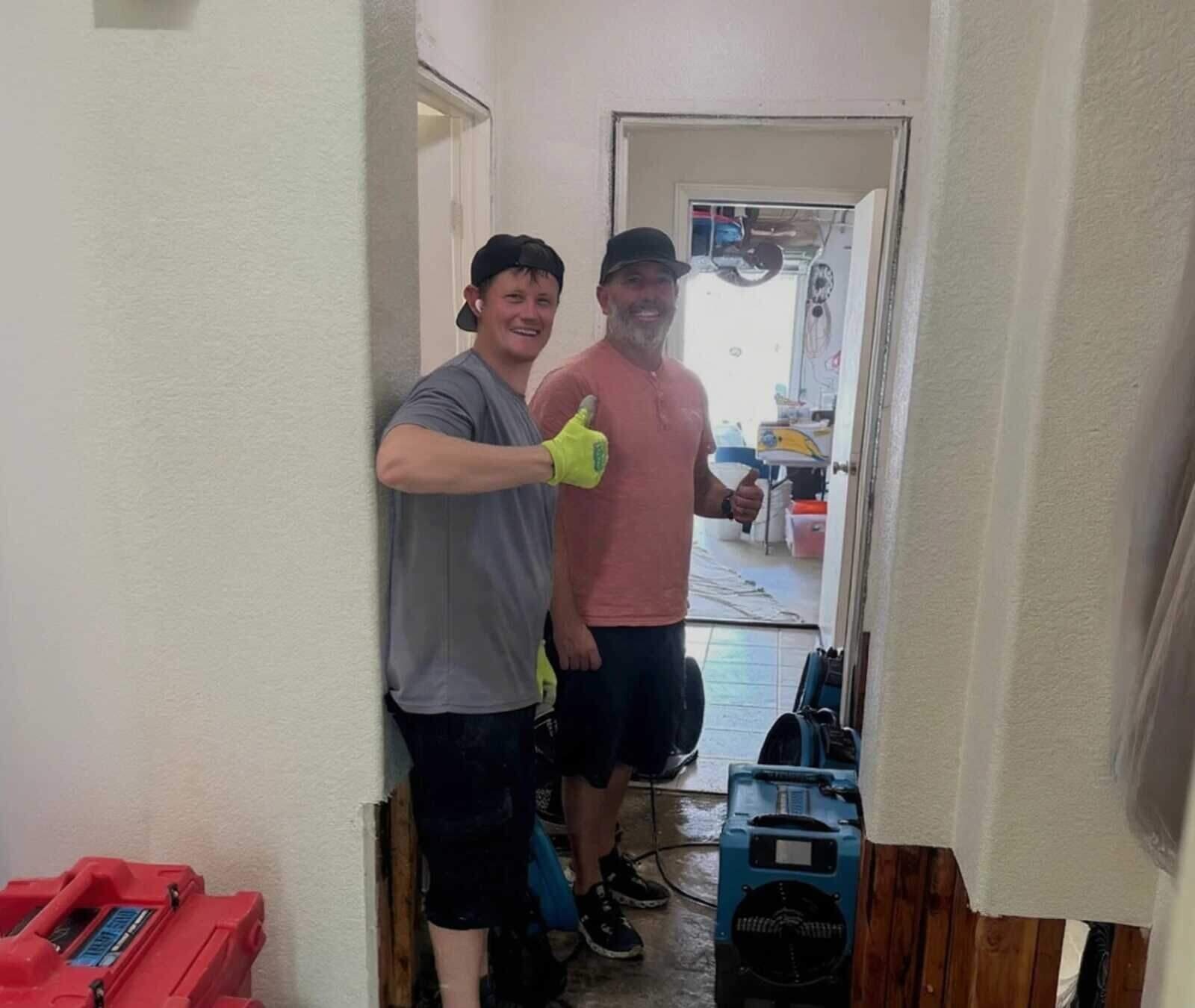
Local water damage crew working in an Austin-area home with air movers and a dehumidifier
Our crew · Austin metro
Why Round Rock homeowners call us

A local crew that shows up and does it right

Dried to a reading Equipment stays until the material meters dry, not until the surface feels dry.
One crew, start to finish The same local crew from the first extraction to the final repair.
No surprise line on the bill Equipment days and demolition are priced before the work happens, not discovered on the invoice.
Local Austin crew Dispatched from the north metro, never routed through an out-of-state call center.
Certified & accredited
IICRC Certified firm Indoor Air Quality Association member Certified and licensed water damage restoration Certified and licensed mold remediation and removal
How it works

Our restoration process

Four steps, starting the moment you call.

1

Call & Dispatch

Tell us what happened. A local crew is dispatched on the call, and how fast we reach you depends on traffic and where you are.

2

Extract & Stabilize

We stop the source, pump out standing water, and set drying equipment.

3

Dry & Monitor

Air movers and dehumidifiers run while we track moisture daily to dry standard.

4

Repair & Reinstall

Drywall, texture, trim, and paint go back so the room reads finished.

Insurance-savvy from the first call

Documented to claim standard from the first hour

We document the loss to claim standard from the moment we arrive — photos, moisture readings by room, and a scope that maps to your policy. Then we bill your insurer directly for the covered work.

See how claims work in Texas

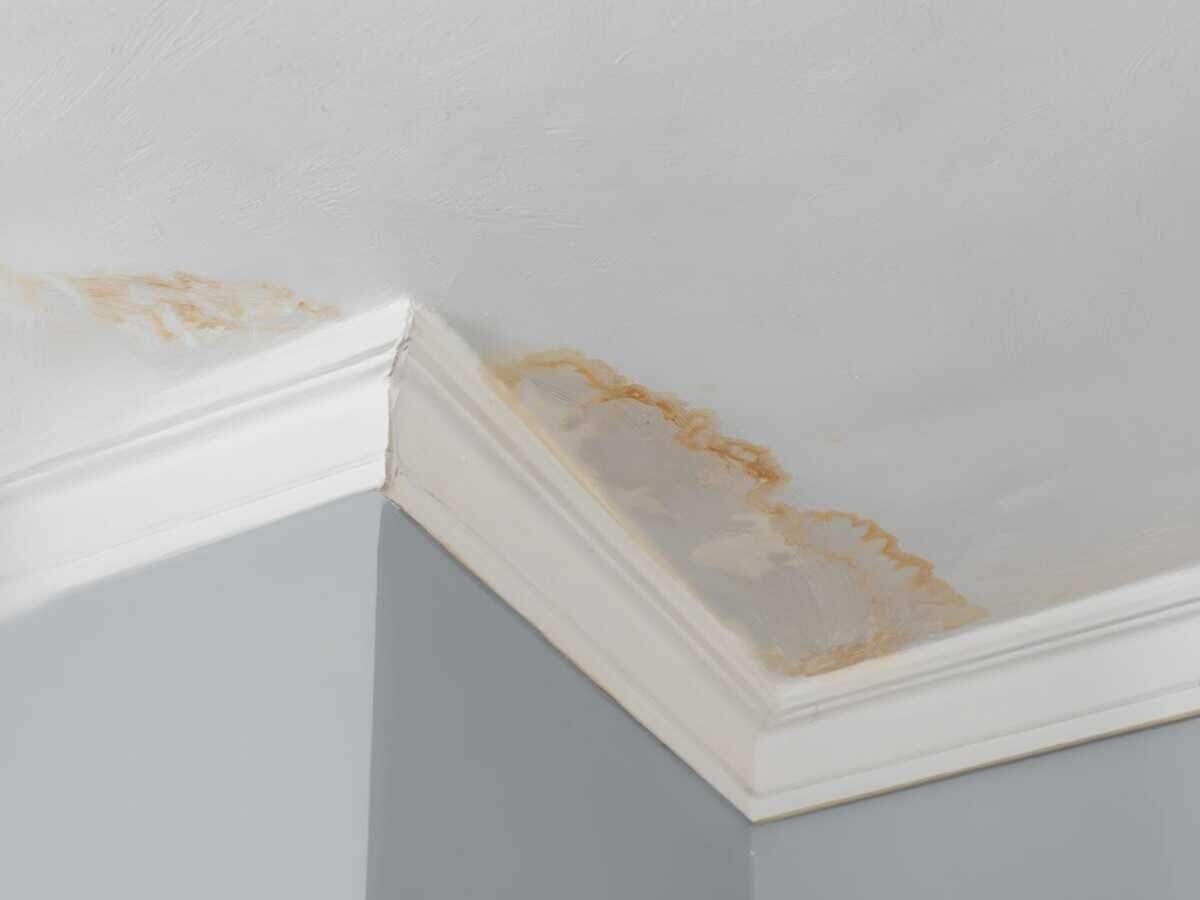
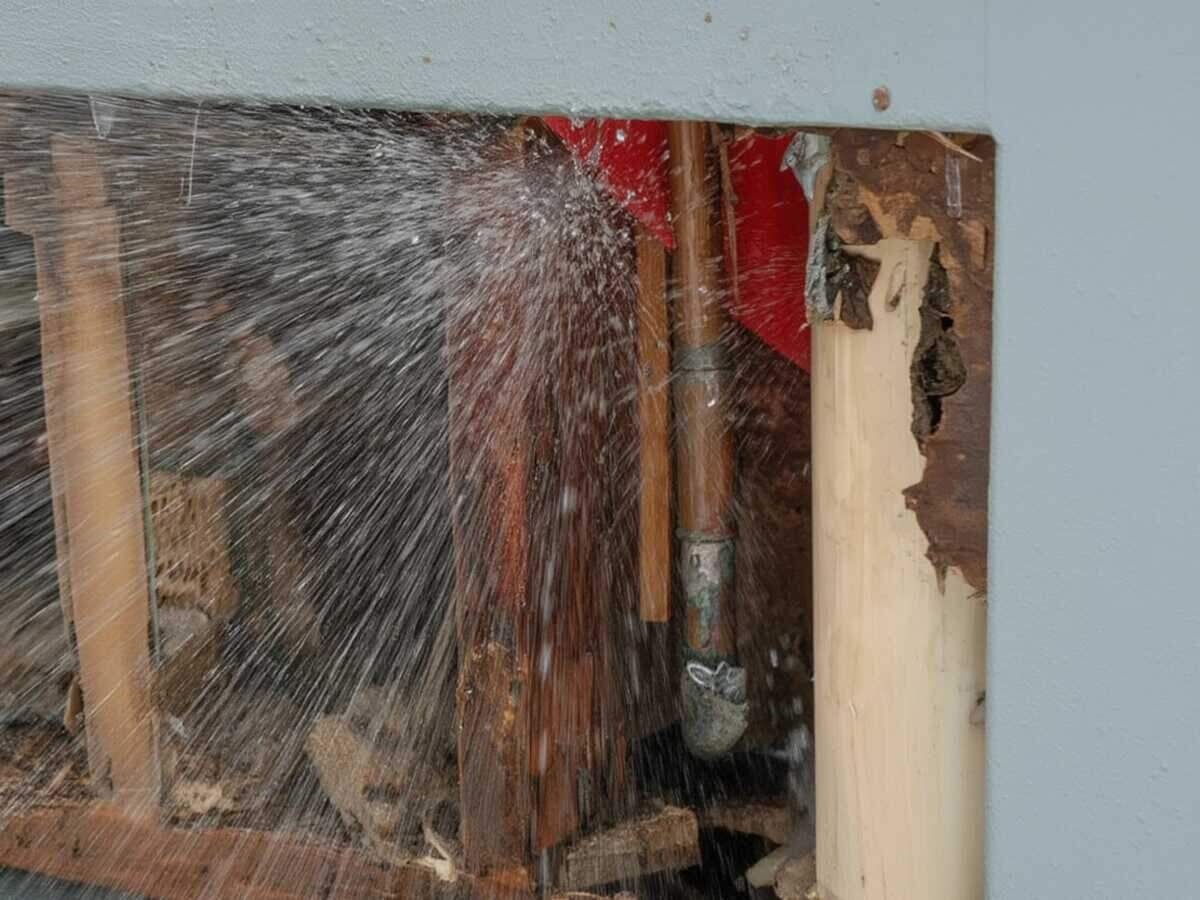
Most of the mold removal we do in Round Rock starts with water somebody already cleaned up. A supply line that wept behind a Teravista kitchen cabinet for a week. An attic-chase pipe that split during the February 2021 freeze and ran into the ceiling before anyone found the shutoff. A slab leak that pushed damp a foot up the bottom plate. The room looked fine by the next morning. The cavity behind it never dried, and growth had everything it needed inside 48 hours.

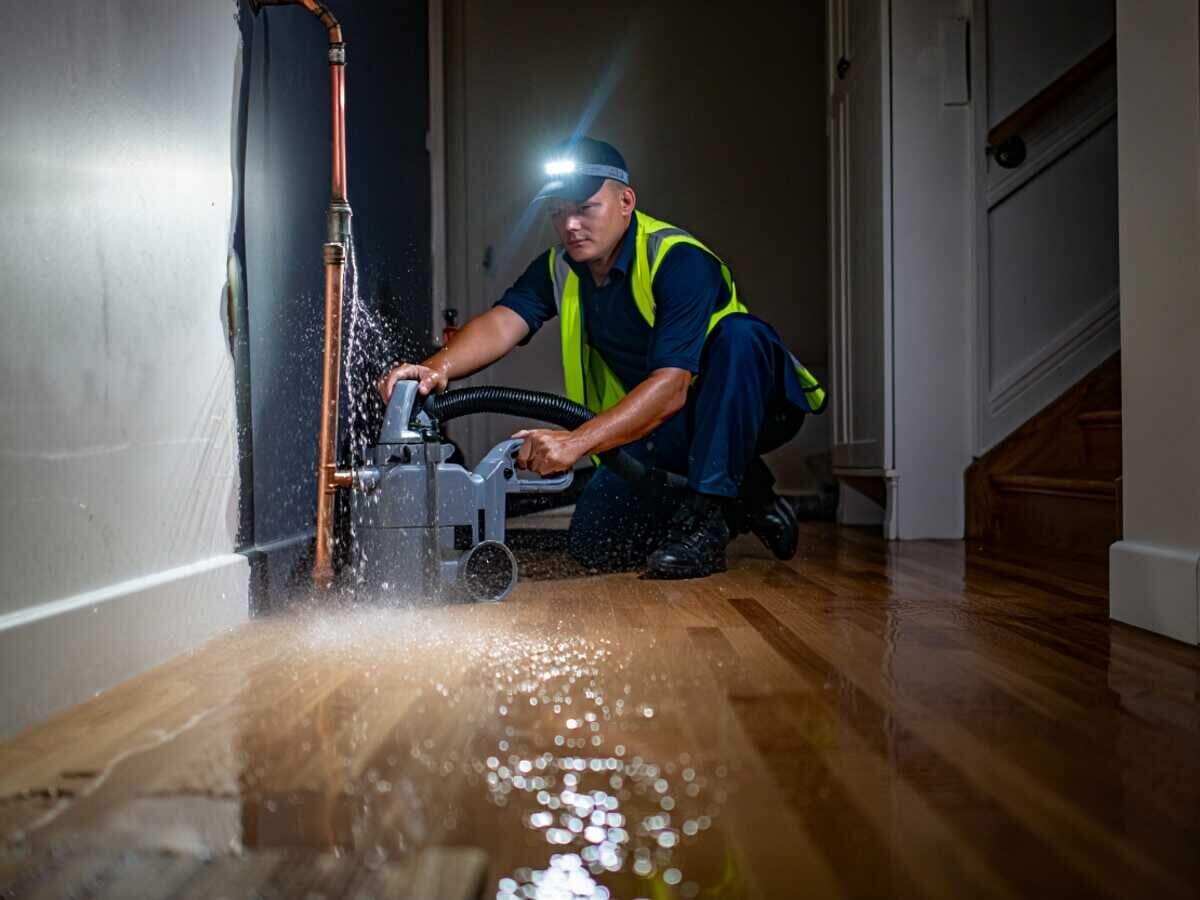
Round Rock holds that moisture longer than it should. West of I-35, homes along Brushy Creek and Lake Creek sit in mapped FEMA floodplain, and the ground around those slabs stays saturated for days after a hard Central Texas storm. East of the interstate the heavy clay swells shut instead of draining, so what soaks into a wall stays in the wall. Add a house closed up and air-conditioned from May to September, and the cavity sits warm and damp, which is every condition a spore needs. That is why our mold removal services do not stop at the tear-out: whatever put the water there gets dried to a meter reading, or you will be calling us again next summer.

How the work runs once we are inside

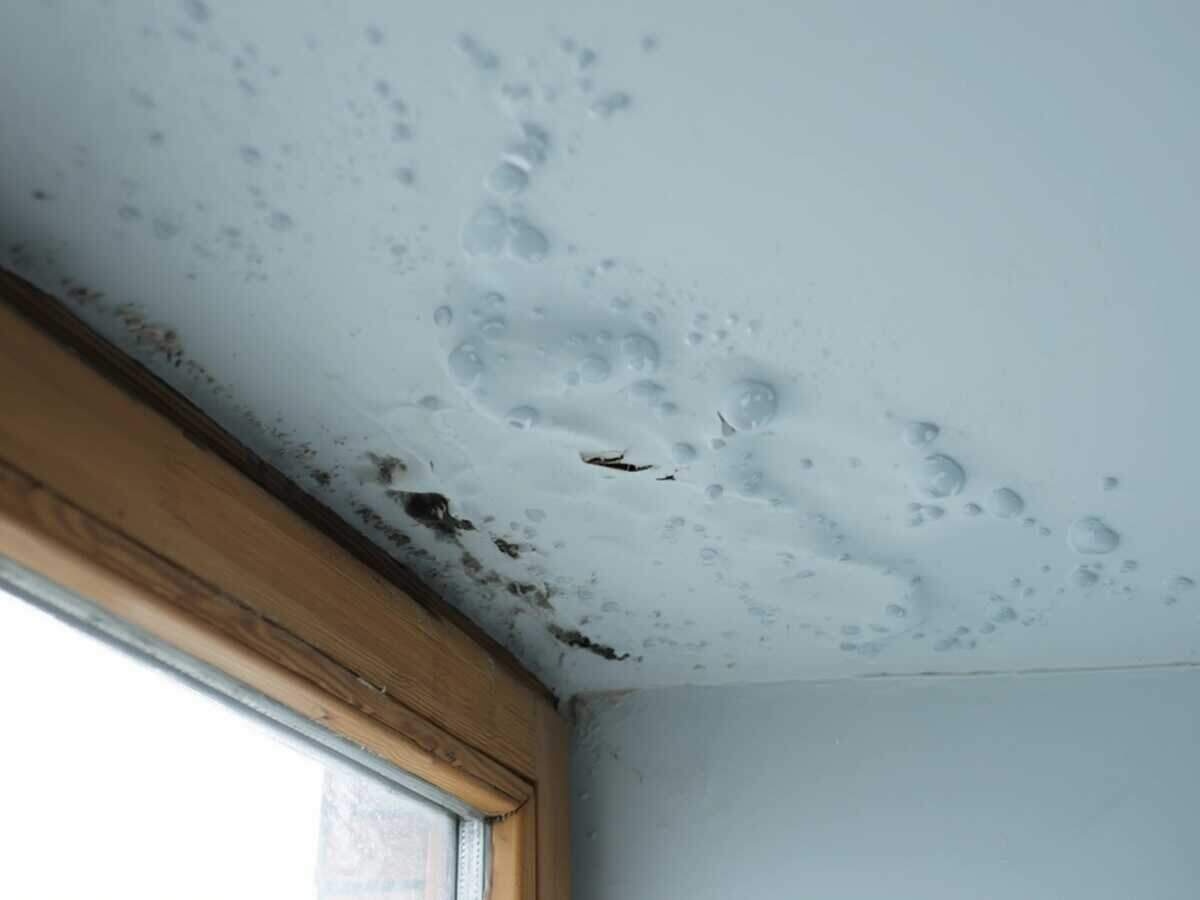
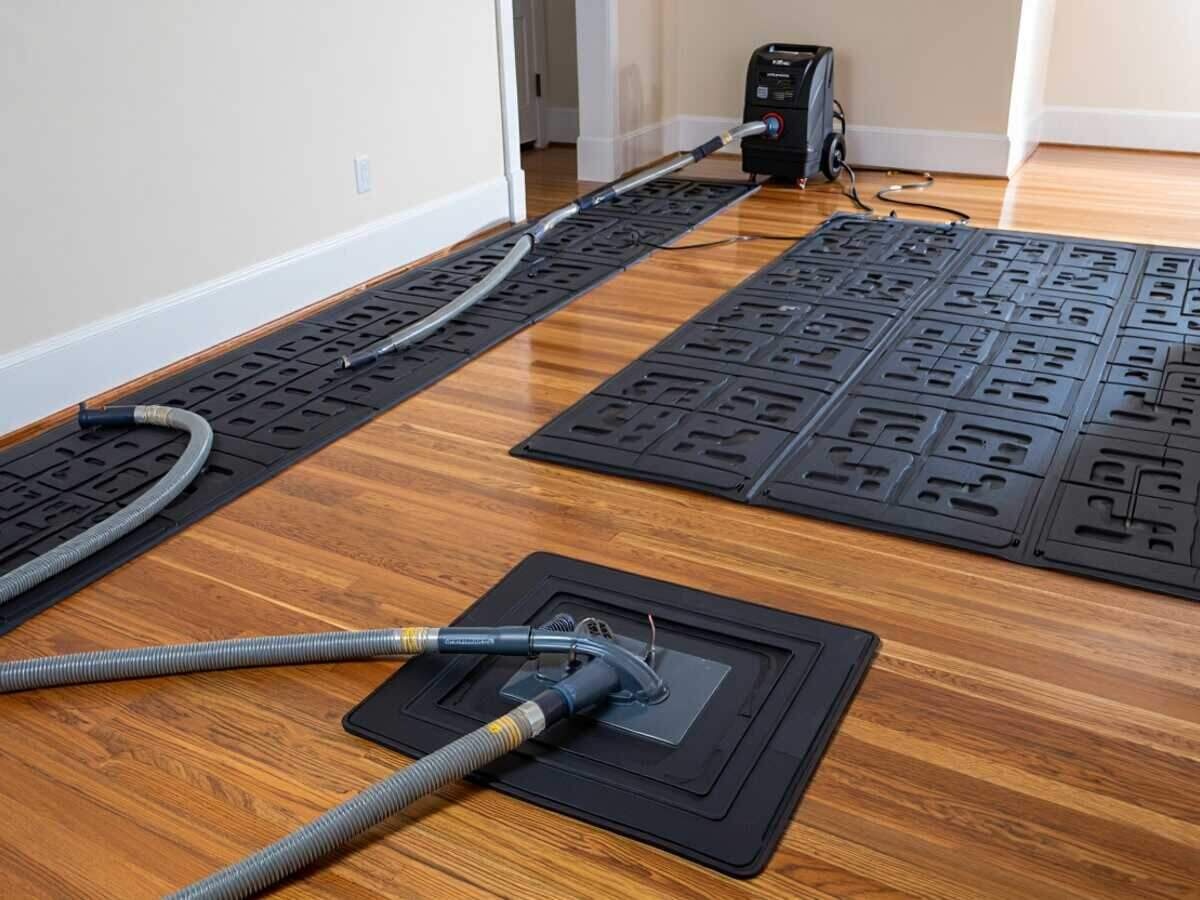
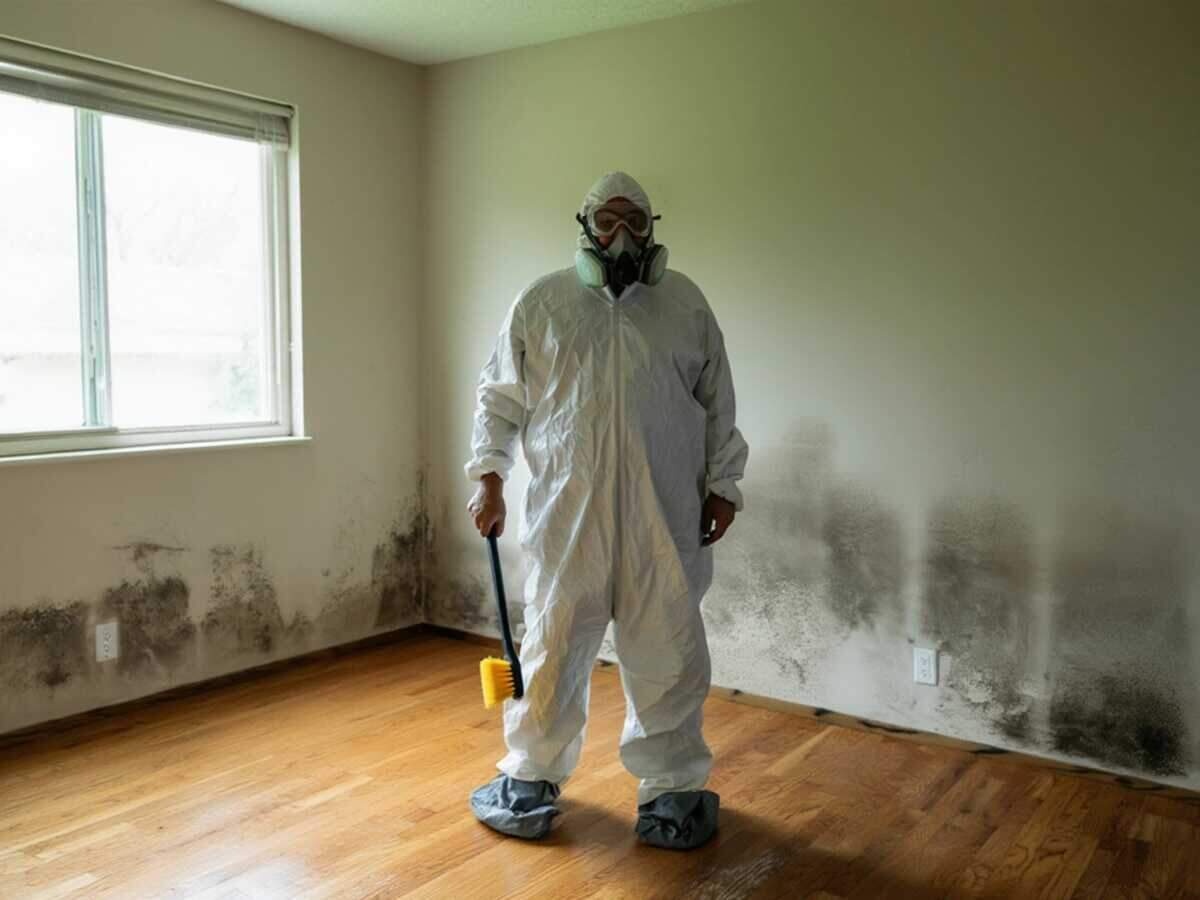
Every mold remediation we run opens with a moisture map instead of a demo saw. Meters and a thermal camera show where the water actually traveled, which in a two-story Forest Creek floor plan is often the ceiling below the leak rather than the wall you are standing in front of, and that reading is what draws the cut line. Then the room gets sealed in poly and pulled to negative pressure, HEPA scrubbers run the whole time we are cutting, and drywall, insulation, and carpet pad leave the house bagged instead of carried down the hall. Framing that is still sound gets HEPA-vacuumed and treated. Air movers and a dehumidifier finish the cavity, and we re-read it daily until the wood is dry.

  • A moisture map first, so the cut line follows the water and not the stain
  • Poly containment under negative air, with HEPA scrubbers running start to finish
  • Ruined drywall, insulation, and pad bagged out; sound framing HEPA-vacuumed and treated
  • The leak or freeze break behind it dried to a meter reading, not to the touch
Mold removal in Round Rock, TX

The water loss and the growth are one event, so they usually ride on one claim. That single-claim question is the part most homeowners never think to ask a mold removal company about until the claim is already open. Call (512) 271-5099 and a technician who works this metro picks up.
Good to know

Frequently asked questions

I cleaned it with bleach and it came back. Why?

Because the bleach never reached the water. A surface treatment kills what shows on the paint and leaves the soaked drywall paper and framing behind it alone, so the colony grows back out of the cavity within a few weeks. We meter the wall to find the source, take out the drywall and pad the growth has colonized, dry the framing, and only then close it up. The gap between wiping a stain and actual mold removal is what most repeat calls are about.

Do you handle the water damage too, or only the mold?

Both, on one job. Splitting water damage and mold remediation between two contractors is how a homeowner ends up with a repainted wall over a wet stud, because neither crew owns the drying. We extract, dry the structure to a meter reading, remove the growth under containment, and rebuild what came out, so your adjuster gets one scope and one set of readings.

Is mold from water damage dangerous?

Treat it as a reason to stop touching it. Mold from water damage grows on soaked drywall paper and framing, and scrubbing or cutting into that surface without containment sends the spore count in the room straight up. A stuffy nose and itchy eyes are the usual complaints; anyone in the house with asthma or a suppressed immune system has more at stake. We do not diagnose health effects. What we can do is keep the spores inside one sealed room while the material comes out of it.

Does Texas require a licensed contractor for mold work?

Past 25 contiguous square feet of growth, yes. Texas licenses this trade through the TDLR, and a job that size has to be run by a licensed mold remediation contractor, with the clearance that closes the file coming from an independent assessor rather than from the crew that did the removal. Under that threshold you are hiring on judgment alone, which is why we measure the affected area and give you the number before anything comes out of the wall.

Water damage won't wait

Found mold in a Round Rock house? Don't cut into it yet.

Austin Flood & Leak Restoration answers around the clock, and the technician who picks up will tell you what not to disturb before the crew gets there. Then we set containment, take the growth out, and dry the cavity that fed it, all on one ticket. Ask for the containment plan on the phone, before anyone opens a wall.

Call (512) 271-5099 Available 24/7 · Austin metro