Water Damage Restoration in Dripping Springs, TX
A well keeps pumping into a broken line with no meter and no bill to flag it, so nobody notices until a floor goes soft. That is a Dripping Springs call. Someone answers around the clock, and the truck loads for the whole job before it leaves.
- We bill your insurer directly
- IICRC-certified crews
One crew, from extraction to the final repair
One local crew handles extraction, drying, and repair from the first call through the final moisture reading. Sewage cleanup and structural drying are run metro-wide from the same trucks.
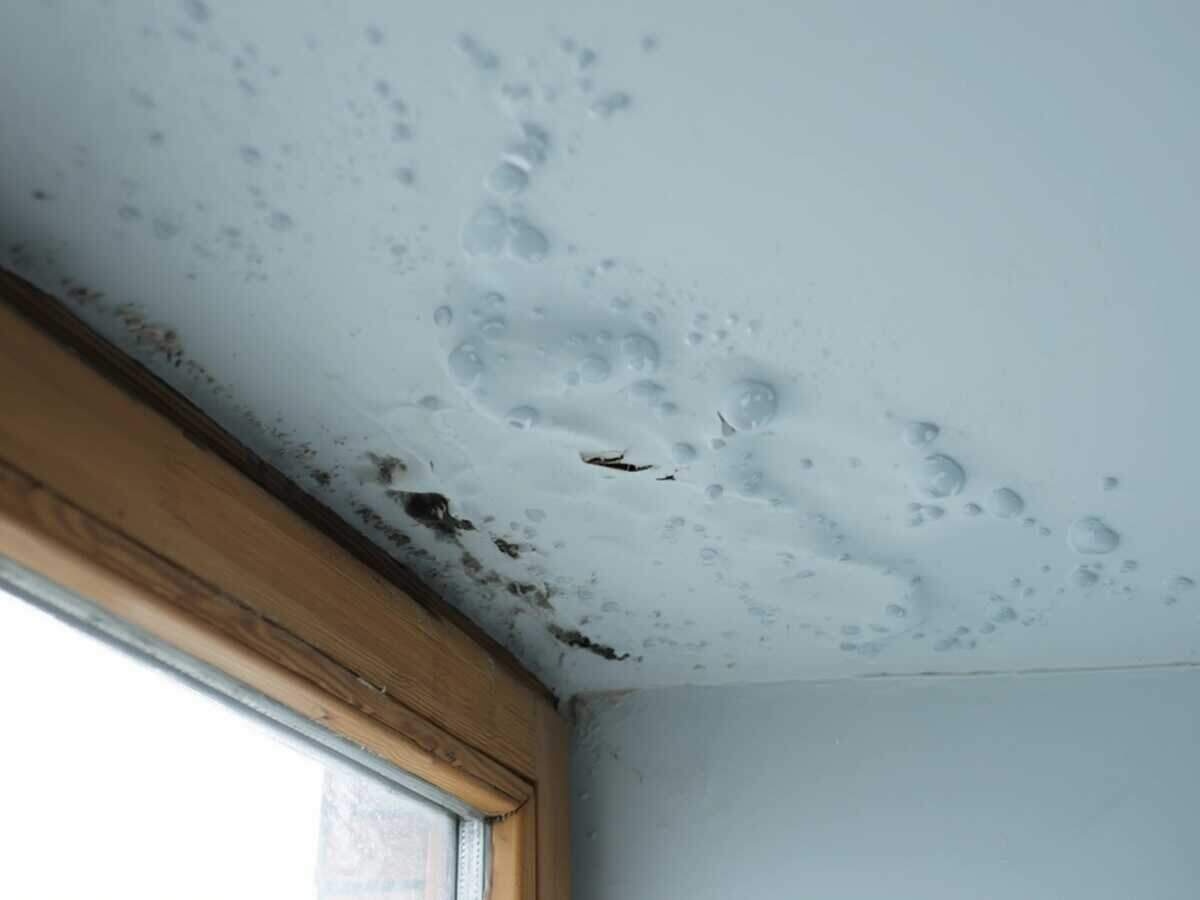
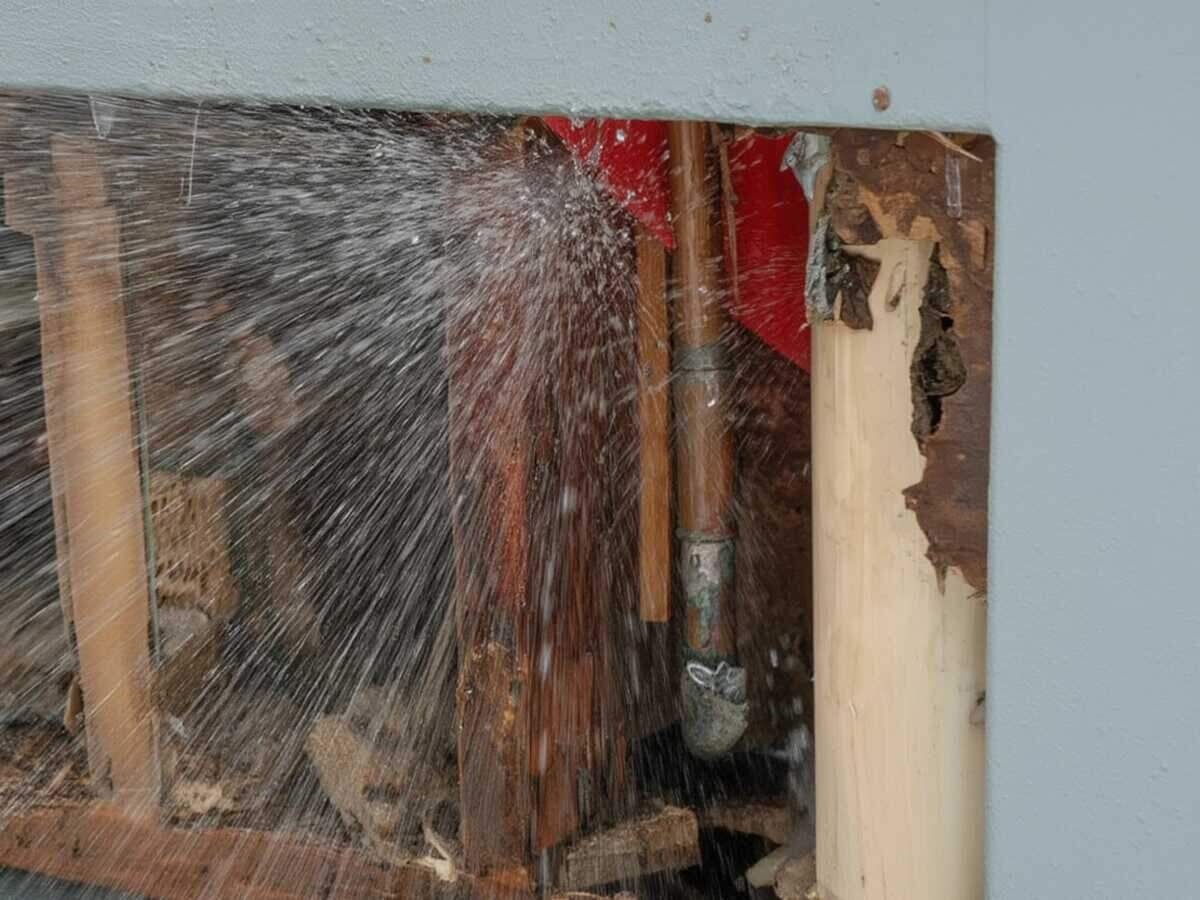
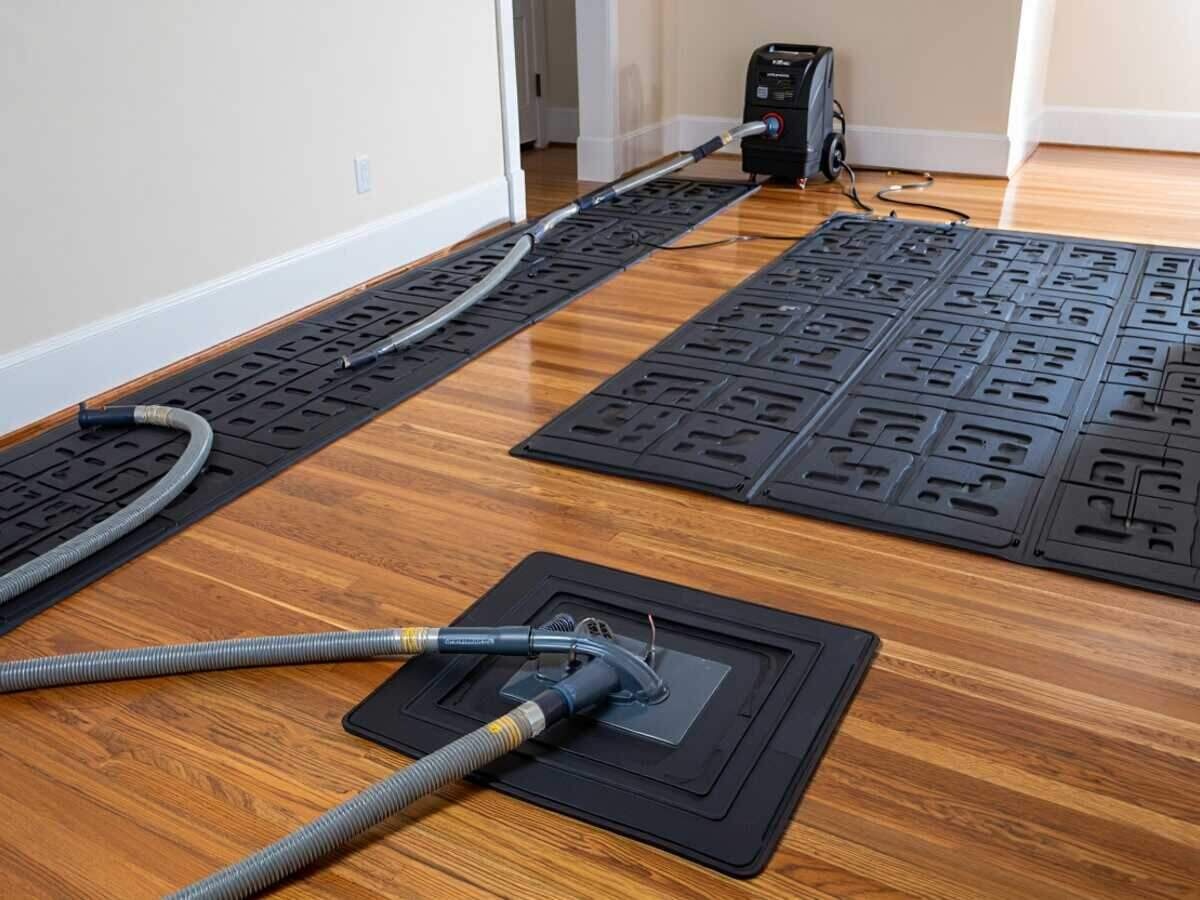
Our restoration process in Dripping Springs
Four steps, starting the moment you call.
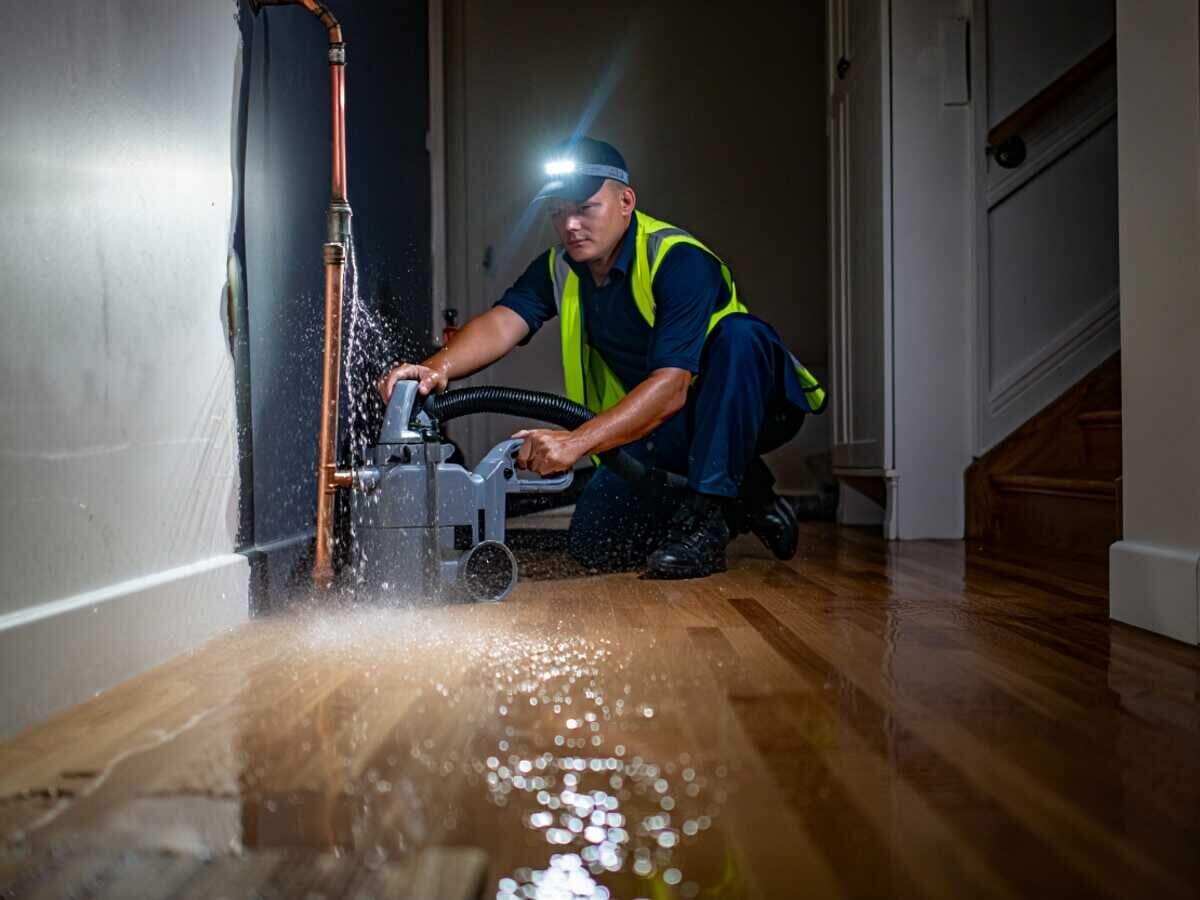
Call & Dispatch
Tell us what happened. A local crew is dispatched on the call, and how fast we reach you depends on traffic and where you are.
Extract & Stabilize
We stop the source, pump out standing water, and set drying equipment.
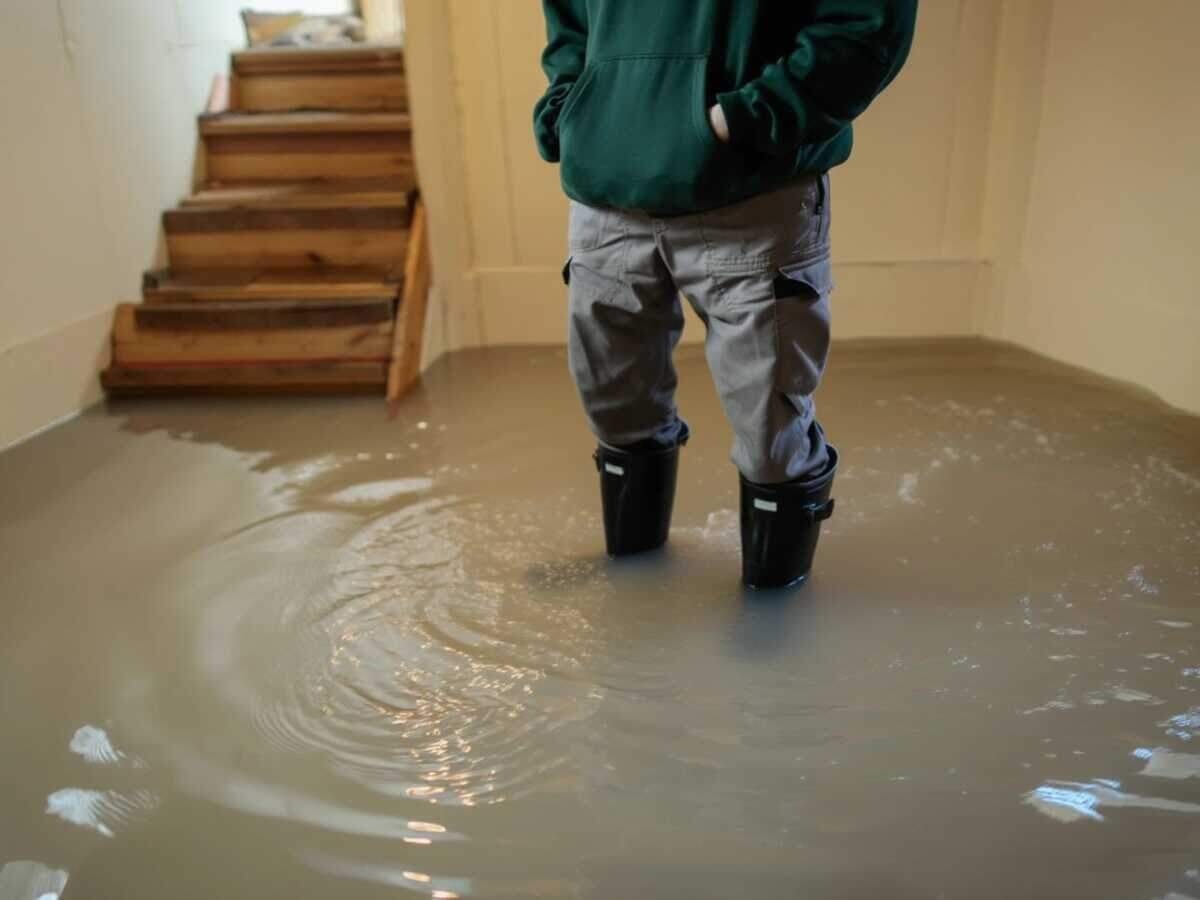
Dry & Monitor
Air movers and dehumidifiers run while we track moisture daily to dry standard.
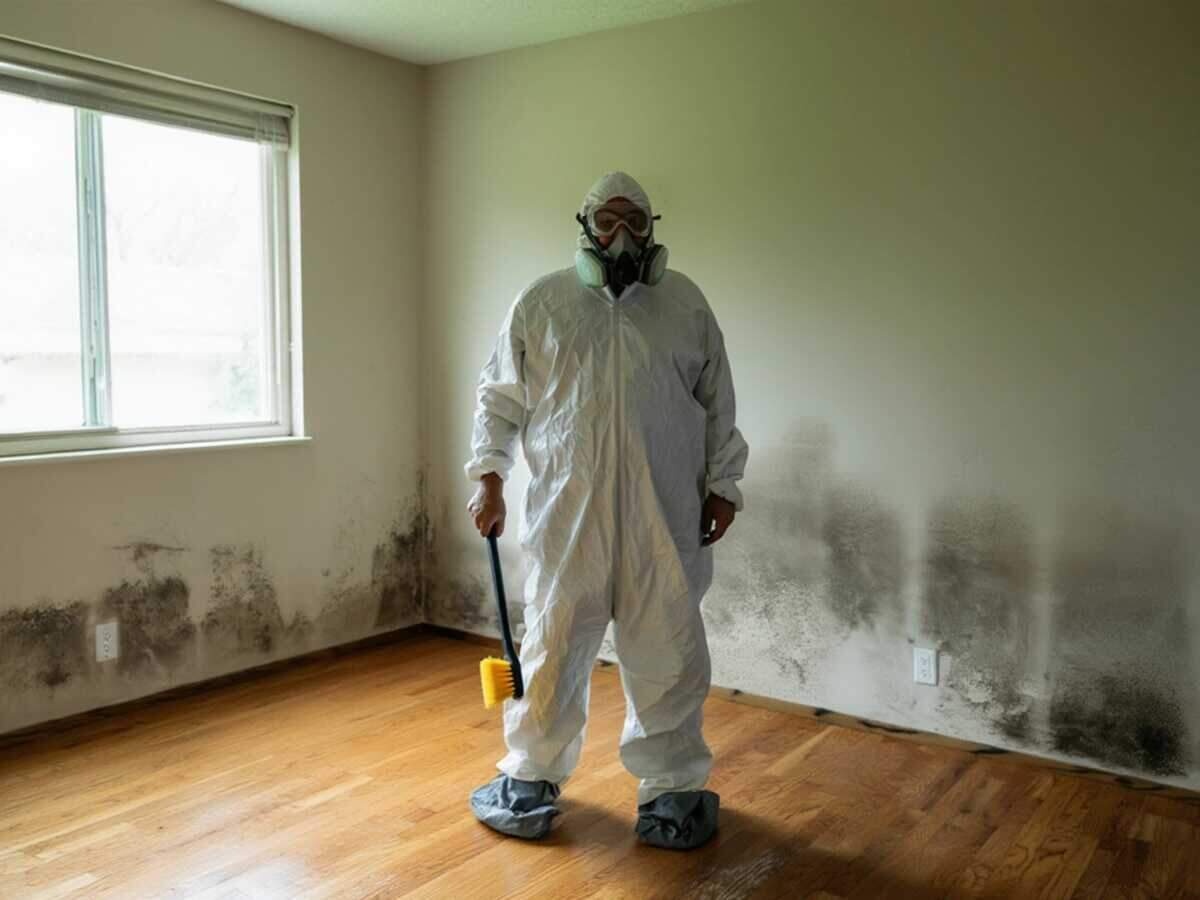
Restore & Document
We repair what was damaged and hand your insurer a documented scope.
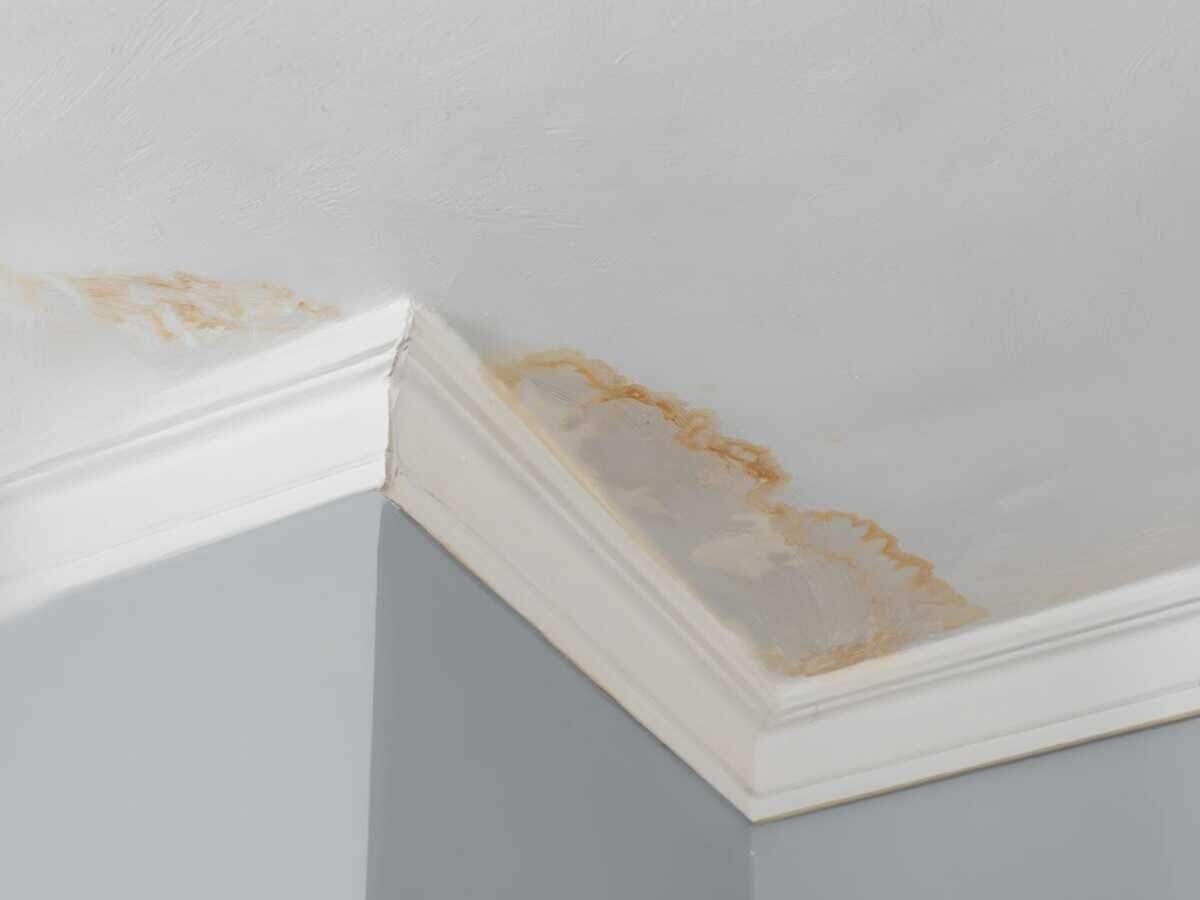
We document your water damage claim
A water claim turns on two things: acting fast, and documenting it right. We do both. From the moment we arrive we photograph the loss, log moisture readings by room, and build a scope that maps to your policy — then we bill your insurer directly for the covered work.
See how claims work in TexasWater damage in Dripping Springs
Dripping Springs runs on its own infrastructure. Outside the newer master-planned tracts, most properties here sit on an on-site septic system and many draw from a private well, and both change how a water loss behaves. There is no monthly bill to spike, so a leak fed by a well pump can run for days with nothing to give it away. And when the water on the floor came back up a drain rather than out of a pipe, the failure is in the tank or the field, not in the plumbing, which is a different cleanup under different rules. Water damage restoration out here begins with sorting out which of the two you have, so it is the first thing we ask.
The ground out here is thin over limestone, so a hard cell drops more water than the soil can take and the rest moves across the surface looking for a low point. On the ranch tracts off Fitzhugh and Creek Road, and on the sloped lots around Sunset Canyon and Rim Rock, that low point is often a garage slab or a threshold on the uphill side of the house. Water damage cleanup after sheet flow is not the same work as a burst supply line. It comes in dirty, it carries what was lying on the ground with it, and the flooring and pad usually leave with it.
The other honest fact about this city is the distance. Dripping Springs is the longest run we make, and being an hour out changes how a water restoration company has to plan the job. We load for the full scope before leaving, bring more drying equipment than the room strictly needs so the numbers move on schedule, and containerize anything off a septic backup rather than pushing it into a system that is already failing. On a Dripping Springs job that means:
- Extraction of clean water or Category 3 septic backup, with disposal handled off the property
- Moisture mapping of the slab edge, wall bases, and framing before any demolition
- Air movers and dehumidifiers sized for the whole affected area and set on the first visit
- Daily readings on site until materials meter dry, then the drywall and flooring repair
A Dripping Springs crew rolls out of the north metro and down US 290 West already loaded, because a forgotten dehumidifier on this drive costs an afternoon. Call (512) 271-5099 at any hour and tell us whether the house is on a well, on septic, or both. That is what we plan the truck around.
Frequently asked questions
You are coming from the north metro. Do you actually run out this far?
Yes. Dripping Springs is inside our service area, and it is also the longest drive we make. Expect close to an hour on a clear run out US 290 West, and more in the evening or behind a storm. You will get a realistic window on the phone rather than a number that just sounds good, and the technician who takes the call stays on with you about the shutoff while the crew is on the road.
We are on a well. How do we stop the water before you get here?
Cut power to the well pump first, at the breaker labeled for it or the disconnect near the pressure tank, then close the valve on the outlet side of the tank. That stops the supply at its source. Closing a valve inside the house alone will not do much while the pump keeps cycling and holding pressure on the line that broke.
We are on septic. Where does the water you pull out actually go?
Off the property. In a city with sewer service, extracted water goes to an approved connection. Out here that connection would be your own drain field, and sending an extraction tank into a system that just backed up puts the problem straight back in the house. So septic-related water is containerized and hauled to a permitted disposal point instead. It is one more reason we would rather know on the phone what kind of water we are driving out to.
Do you really come back every day when we are this far out?
Yes. Drying is a measurement job, not a timer, and the readings are the only way to know whether the equipment is doing anything at all. We take them daily, move or adjust machines, and pull the gear when materials read dry rather than on a set day. The drive is our problem, not yours, and part of why we oversize the equipment on day one is so the numbers keep moving between visits.
We are in one of the newer master-planned neighborhoods. Does the well and septic part apply to us?
Probably not. Homes in Belterra, Headwaters, and Caliterra are newer slab construction on community water and wastewater rather than an individual well and field, so that part of this page is not your situation. The terrain still is. Those are graded hillside lots, and runoff that overwhelms a swale ends up at the same garage door it would on a ranch tract. Inside, the failures we see are supply stops, water heaters, and appliance connections, the same as anywhere else in the metro.
Areas We Serve Across the Austin Metro
Local response across Travis, Williamson, and Hays counties.
Dripping Springs is the longest run we make, and we still make it.
Call and tell us whether the water is clean or came back up a drain, and whether the house is on a well or a septic system. A live technician takes that call at any hour, and the truck loads for the whole scope.