Mold Removal & Remediation in Austin, TX
Mold can start growing within 24 to 48 hours of water exposure. We find it, contain it, and remove it under the IICRC S520 remediation standard, then dry out the leak that fed it, so the growth has nothing to come back to.
- We bill your insurer directly
- IICRC-certified crews
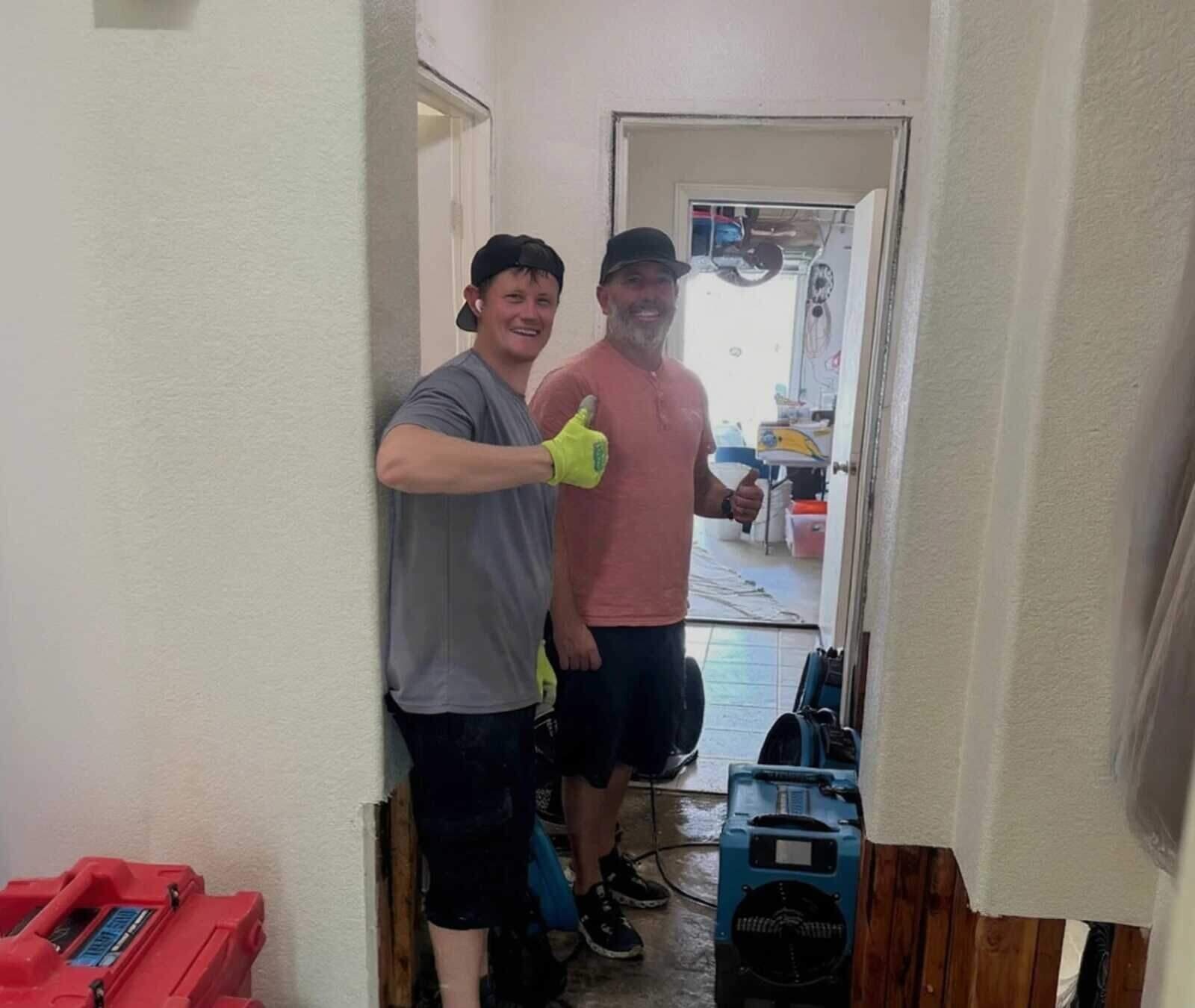
A local crew that shows up and does it right



The mold problems we remove
Mold needs moisture, a food source, and time. A water leak gives it all three. Here is what we are usually called to remove across the Austin metro.
Mold after a leak
A slow supply line under a cabinet, a roof leak, or a flood that was mopped up but never dried inside the walls. The water hid, the mold followed.
Black mold
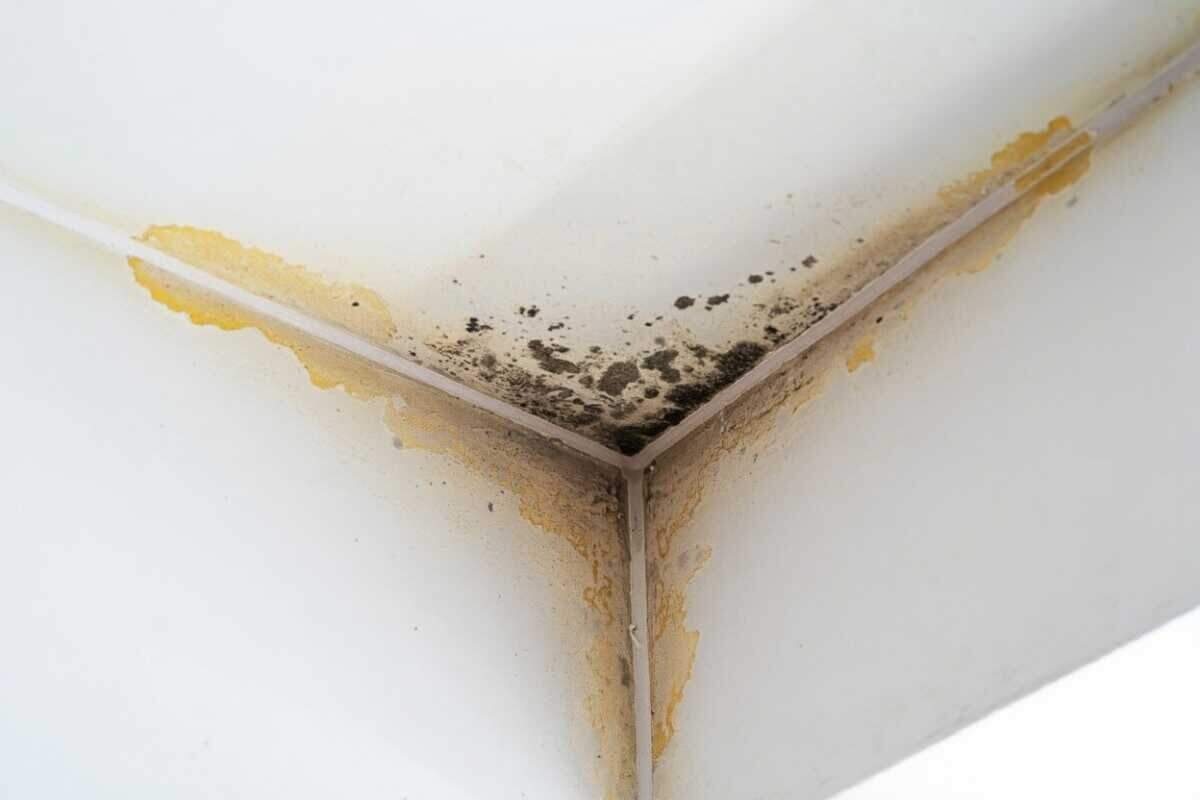
Stachybotrys grows on materials that stay wet for days, like the back of soaked drywall. We remove it under containment, never with bleach on a wall.
Hidden growth
A musty odor or staining spreading on a wall or ceiling means there is active moisture behind it. We trace it before it spreads further.
We map the full extent first
Mold spreads behind drywall and under flooring where the moisture is, so a visible spot is often the small end of the problem. Our mold removal services start with a meter rather than a bid, and the inspection finds the rest of it:
- Moisture meters and a thermal camera trace the wet area back to its source and map how far the growth reaches.
- Air and surface samples go to an independent lab when testing adds value, confirming the type and concentration before removal.
- Post-removal verification confirms the air is clean afterward, so you know the job is actually done.
- A straight call on testing, because for clear growth from a known leak, the better move is often removal and fixing the moisture.
Our containment and removal process
Mold removal done wrong spreads spores through the whole house. The IICRC S520 standard exists to prevent that, and our process follows it.
Contain
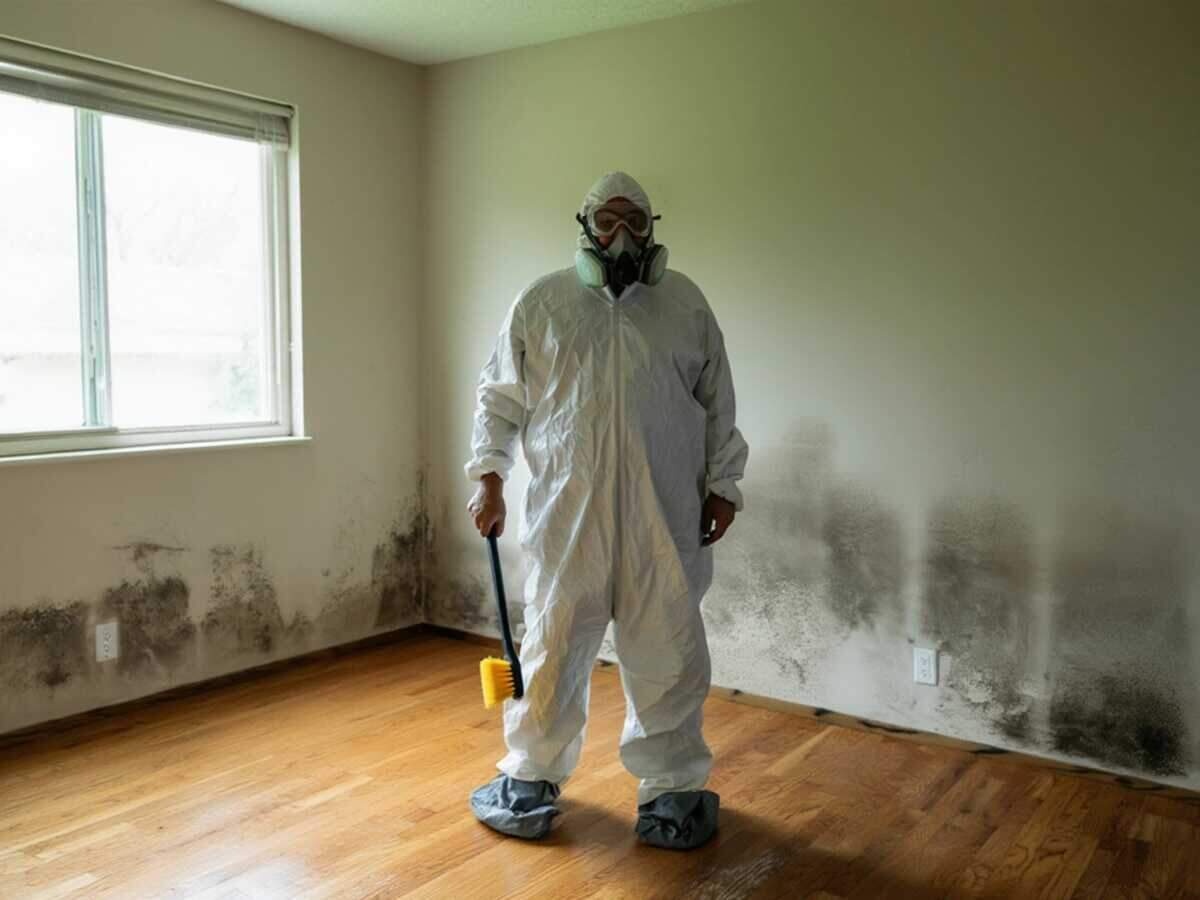
We seal off the work zone with plastic sheeting and run negative air pressure so spores can't drift into clean rooms.
Filter & Remove
HEPA air scrubbers run throughout. Saturated porous materials like drywall and carpet pad come out; solid surfaces are HEPA-vacuumed and cleaned.
Treat & Dry
We apply antimicrobial treatment to remaining surfaces and dry the area completely so mold can't return.
Verify & Rebuild
We confirm the area is clean, then rebuild what was removed.
Mold removal that fixes the water behind it
Drywall, wood framing, and carpet pad are all food for mold, and the Central Texas humidity that sits in a closed-up house through the summer keeps the conditions right. Once spores land on a wet surface, growth can begin within 24 to 48 hours, which is exactly why we push so hard on fast drying after any water loss. The mold we remove almost always traces back to water that was never fully dried. We handle the removal and the underlying water problem as one job, the same way we approach full water damage restoration.
Where the house sits changes what we find. Most of the Austin metro is slab-on-grade, so a supply-line failure spreads flat and wicks up into the bottom plate of the walls. Central Austin is different: the pre-war stock in Hyde Park, Travis Heights, and Crestview is largely pier-and-beam, and a crawl space that stays damp after a leak will grow mold on floor joists and subfloor for weeks before anything shows up in the room above. On those homes we open and read the crawl space before quoting anything.
Removal, remediation, and which one you are buying
Homeowners search for both, and contractors use them loosely, so it is worth being plain. Mold removal is the physical part: cut out and haul away the material the growth is living in. Mold remediation is the whole controlled job around it, and it is what the IICRC S520 standard covers. Containment, negative air, HEPA filtration, removal, treatment of what stays, drying the moisture source, and verification at the end. Nobody can make a house sterile of spores, because spores are in outdoor air everywhere in Texas. What our mold remediation services actually deliver is growth removed, materials dried below the level it needs, and the leak that started it repaired, so the growth has nothing to come back to.
That distinction is also how to read a quote. A mold removal company that prices only the cut-and-haul, with no containment, no drying, and no moisture reading at the end, is selling you the cheap half of the job, and the growth returns as soon as the wall gets wet again. Ask any mold remediation company you call how they contain the work zone, what they do about the water source, and how they verify the result. If those three answers are vague, keep calling.
Why black mold needs containment, not bleach
"Black mold" usually refers to Stachybotrys, a dark, slimy mold that grows on materials that stay wet for days. It produces a musty, earthy smell and can cause coughing, congestion, and irritated eyes, with more serious effects for people who have asthma or weakened immune systems. The risk is real, but the response is the same disciplined process we use for any mold: do not disturb it without containment. Cutting into black mold without sealing the room first sends a cloud of spores through your air handler and into every room. Our crews work in containment with HEPA filtration and protective equipment, remove the affected materials, and dry the source. The safe answer is never bleach on a wall, it is containment plus removal plus fixing the water.
Keeping mold from coming back
The surest way to avoid mold is to dry the water fast and completely, which is the whole reason we monitor moisture to dry standard instead of stopping when a surface feels dry. In a humid Austin summer, that window is short. After the work is done, keeping indoor humidity in check and fixing small leaks early keeps mold from coming back. When mold does show up, it is almost always covered by the same claim as the water loss that caused it, and we document it accordingly. See our insurance claims help for how that works, or reach the crew any time through the contact page.
Frequently asked questions
How soon does mold grow after water damage?
Growth can begin within 24 to 48 hours of a surface staying wet, and in a humid Austin summer it can be on the faster end of that. That short window is why we treat fast, monitored drying as the core of preventing mold. If a leak or flood is dried completely inside that window, mold usually never gets started.
Do you test for mold before removal?
We inspect every job with moisture meters and a thermal camera to map the growth and find the water feeding it. When lab testing adds value, we can collect air and surface samples through an independent lab to confirm the type and concentration, and again afterward to verify the air is clean. For a clear case of visible growth from a known leak, the better move is often to skip testing and put that money toward removal and fixing the moisture. We will tell you which makes sense.
I dried the water myself. Do I still need remediation?
Sometimes, and a meter answers it faster than an argument. Mold after water damage starts where the water went, not where it looked wet, so a floor that feels dry can sit above a soaked bottom plate or a wet cavity behind a cabinet. If a fan ran for a day or two and the room smells fine, there may be nothing to do. If there is any musty odor, staining, or a leak that ran more than a day, we will read the moisture and tell you plainly whether this is a cleanup or a full job.
Is black mold dangerous, and how is it removed safely?
Black mold can cause coughing, congestion, and irritated eyes, with stronger effects for people who have asthma or weakened immune systems, so it should be taken seriously. The safe removal is containment first: we seal the room, run HEPA air scrubbers under negative pressure, remove the affected materials in protective gear, and dry the source. Disturbing it without containment spreads spores through the whole house, and bleach on the surface does not solve the moisture underneath.
Documented to claim standard from the first hour
We document the loss to claim standard from the moment we arrive: dated photos, moisture readings by room, and a line-item scope that maps to your policy. Then we bill your insurer directly for the covered work, so you handle the deductible.
See how claims work in TexasAreas We Serve Across the Austin Metro
Local response across Travis, Williamson, and Hays counties.
Stop mold at the source
Call Austin Flood & Leak Restoration and an IICRC-certified local crew will inspect, contain, and remove the mold, then fix the water behind it. Bring the address and what the room smells like.