Water Damage Restoration in Cedar Park, TX
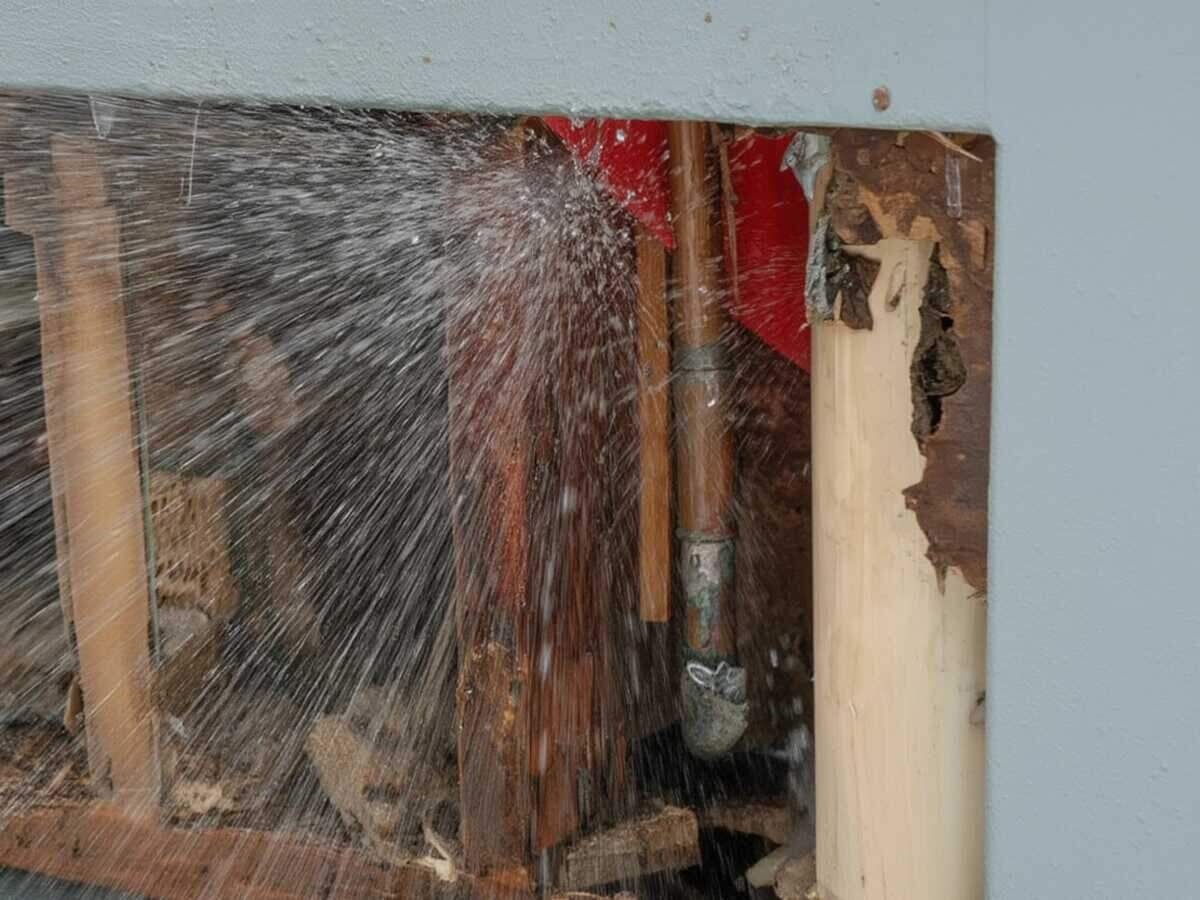
Nobody is home when the braided hose behind a Buttercup Creek washing machine splits. It runs for six hours across the laundry, the garage wall, and half the hallway. That is a routine Cedar Park loss, and the age of the house is usually the whole explanation.
- We bill your insurer directly
- IICRC-certified crews
One crew, from extraction to the final repair
One local crew handles extraction, drying, and repair from the first call through the final moisture reading. Sewage cleanup and structural drying are run metro-wide from the same trucks.

Our restoration process in Cedar Park
Four steps, starting the moment you call.
Call & Dispatch
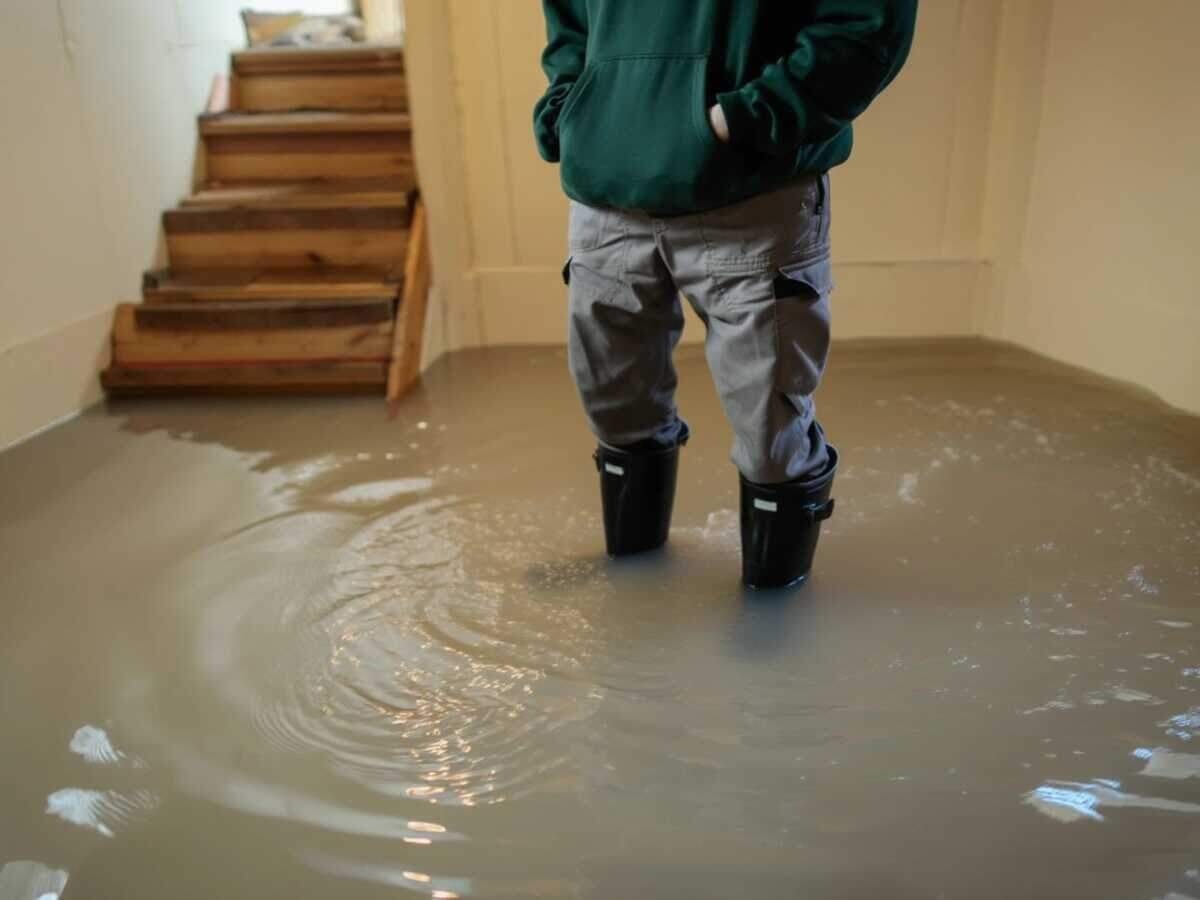
Tell us what happened. A local crew is dispatched on the call, and how fast we reach you depends on traffic and where you are.
Extract & Stabilize
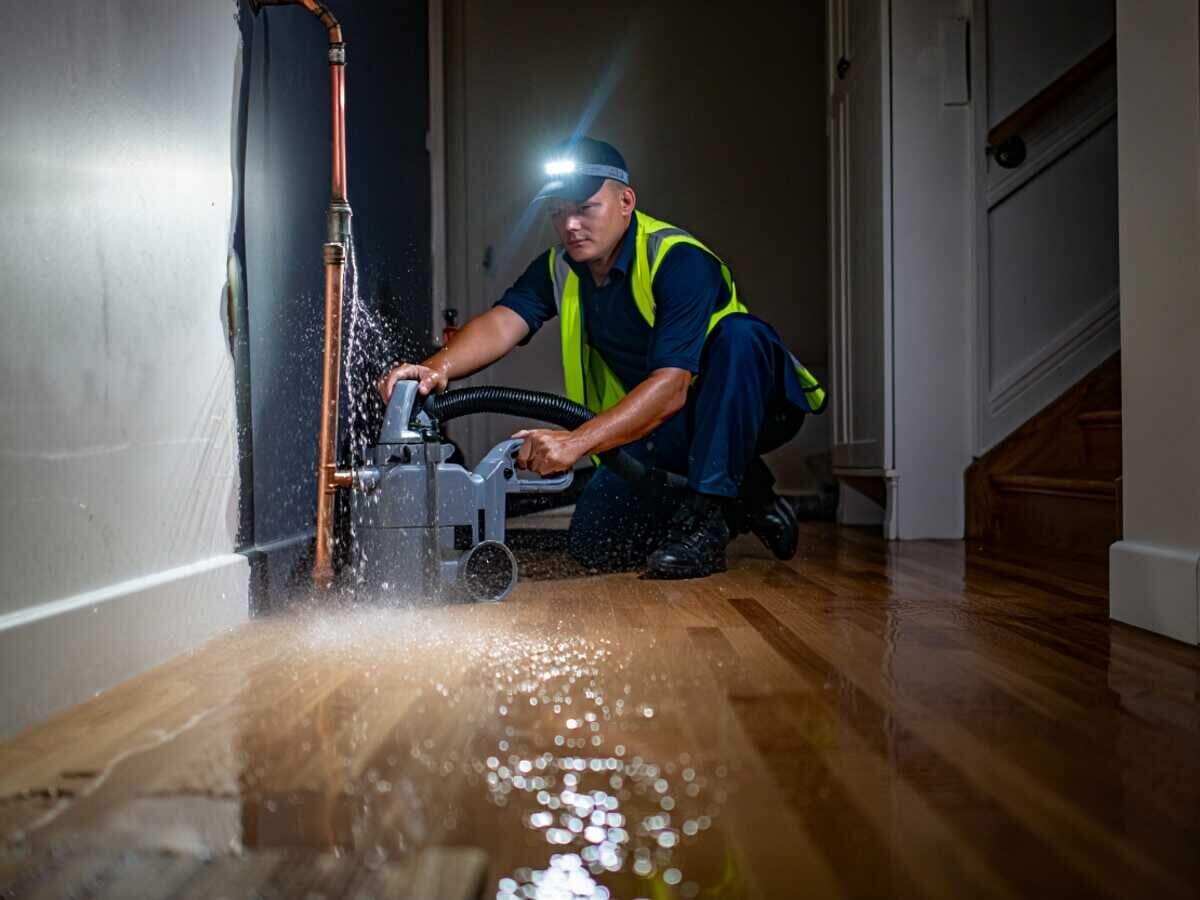
We stop the source, pump out standing water, and set drying equipment.
Dry & Monitor
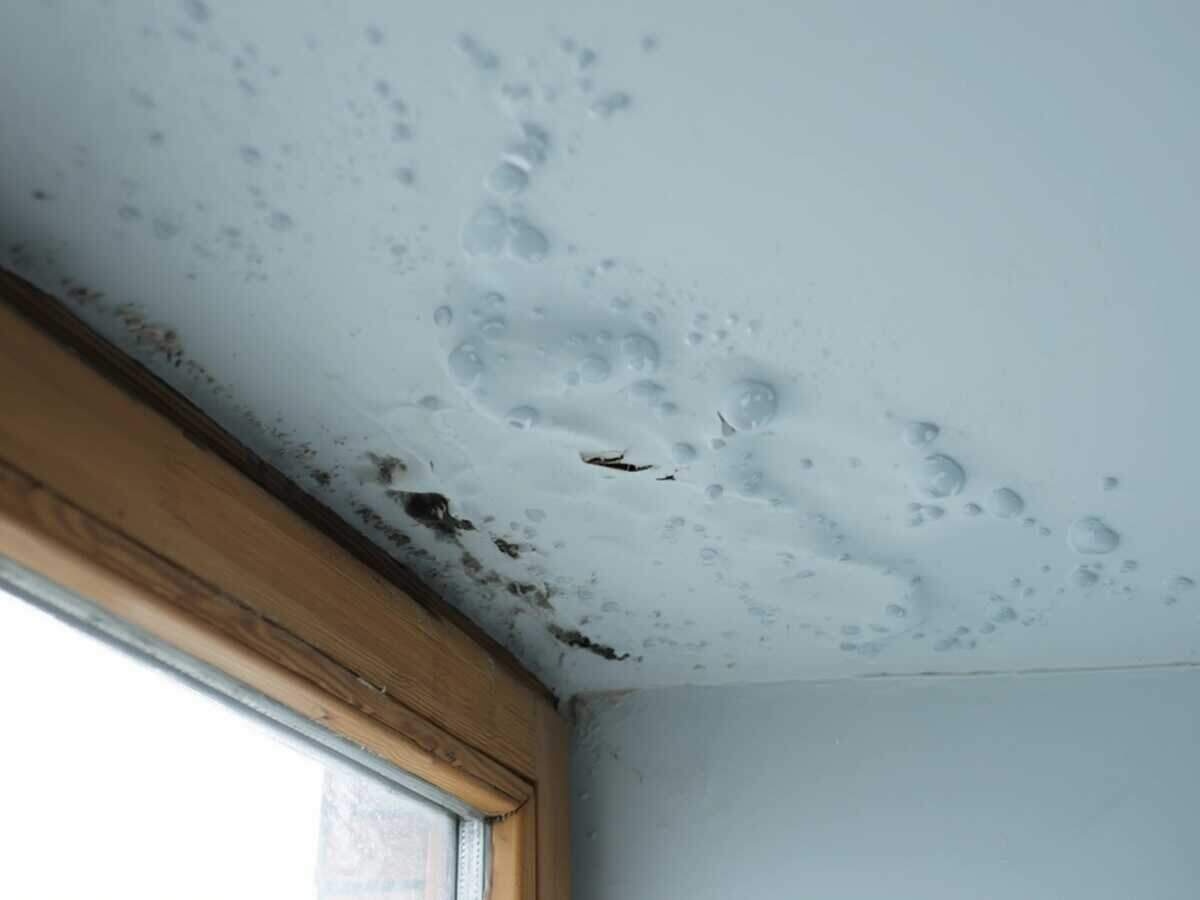
Air movers and dehumidifiers run while we track moisture daily to dry standard.
Restore & Document
We repair what was damaged and hand your insurer a documented scope.
We document your water damage claim
A water claim turns on two things: acting fast, and documenting it right. We do both. From the moment we arrive we photograph the loss, log moisture readings by room, and build a scope that maps to your policy — then we bill your insurer directly for the covered work.
See how claims work in TexasWater damage in Cedar Park
Cedar Park went up in waves, and that is the most useful thing to know about how houses here get wet. The neighborhoods off Buttercup Creek Boulevard and Cypress Creek Road date to the late 1980s and early 1990s. The stretch along Whitestone filled in through the 2000s. New streets are still being handed over at the edges. A block built in one season also ages in one season, so the small parts fail on a schedule: the same angle stops, the same washer hoses, the same water heaters, all put in within a year or two of each other.
On the oldest wave, those small parts are what we find at the source. Plastic-ferrule angle stops behind toilets and vanities, flexible risers under sinks, hose bibs on the exterior wall. Some houses from that stretch still have the gray polybutylene supply pipe Texas builders used into the mid-1990s, and where it is still in service the fittings give out before the pipe does. A pinhole behind a vanity can run for a month before anyone smells it, which is why water damage repair on a slow leak is almost always wider than the homeowner expects once we start metering.
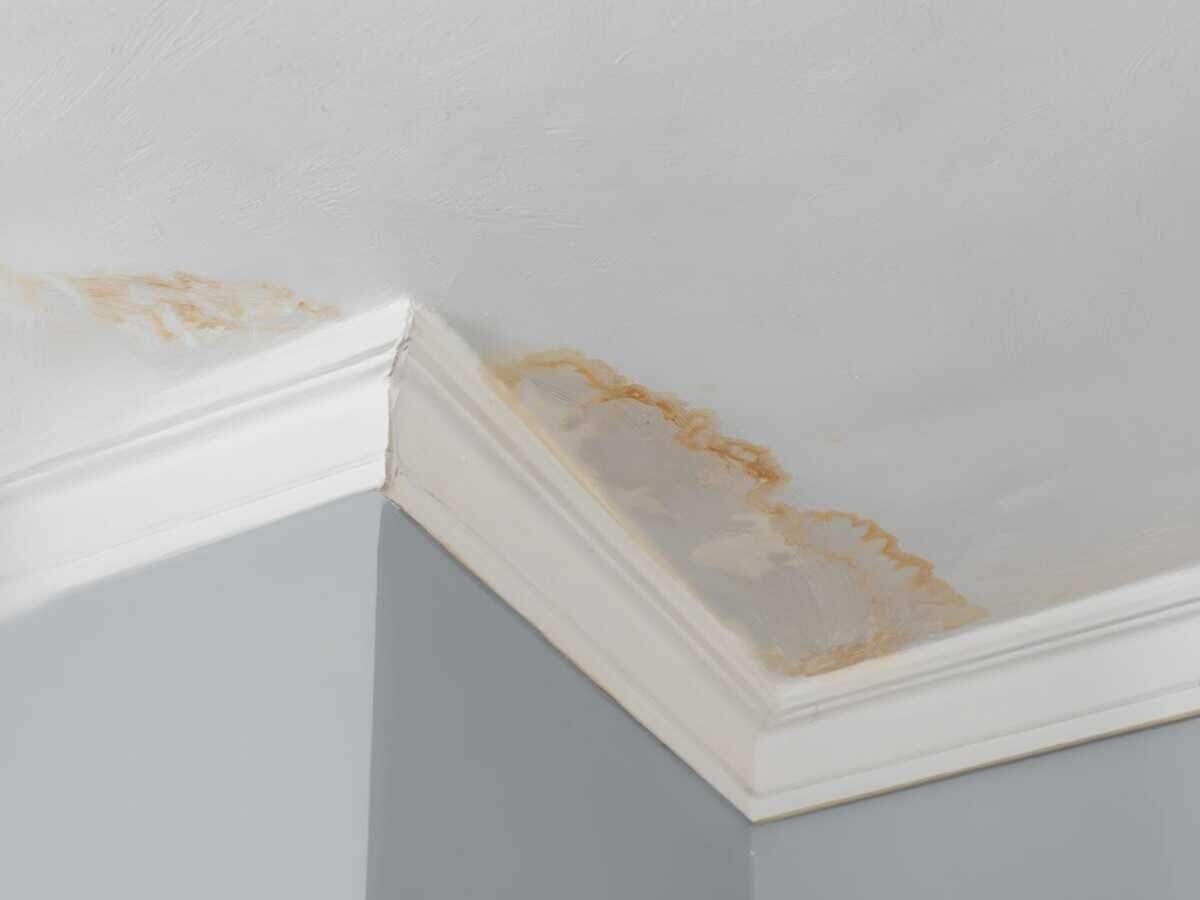
Spring is the other Cedar Park pattern. Storms come across from the northwest and the 183A corridor takes its share of hail, and the leak that follows a beaten roof is rarely dramatic. The roof gets patched, the attic insulation over the ceiling keeps whatever already got past it, and a stain turns up in the hallway two rains later. That job starts above the ceiling rather than below it. Whichever way the water got in, the work runs in the same order:
- Emergency extraction when a supply line, washer hose, or water heater lets go
- Thermal and pin-meter readings that map the wet edge room by room
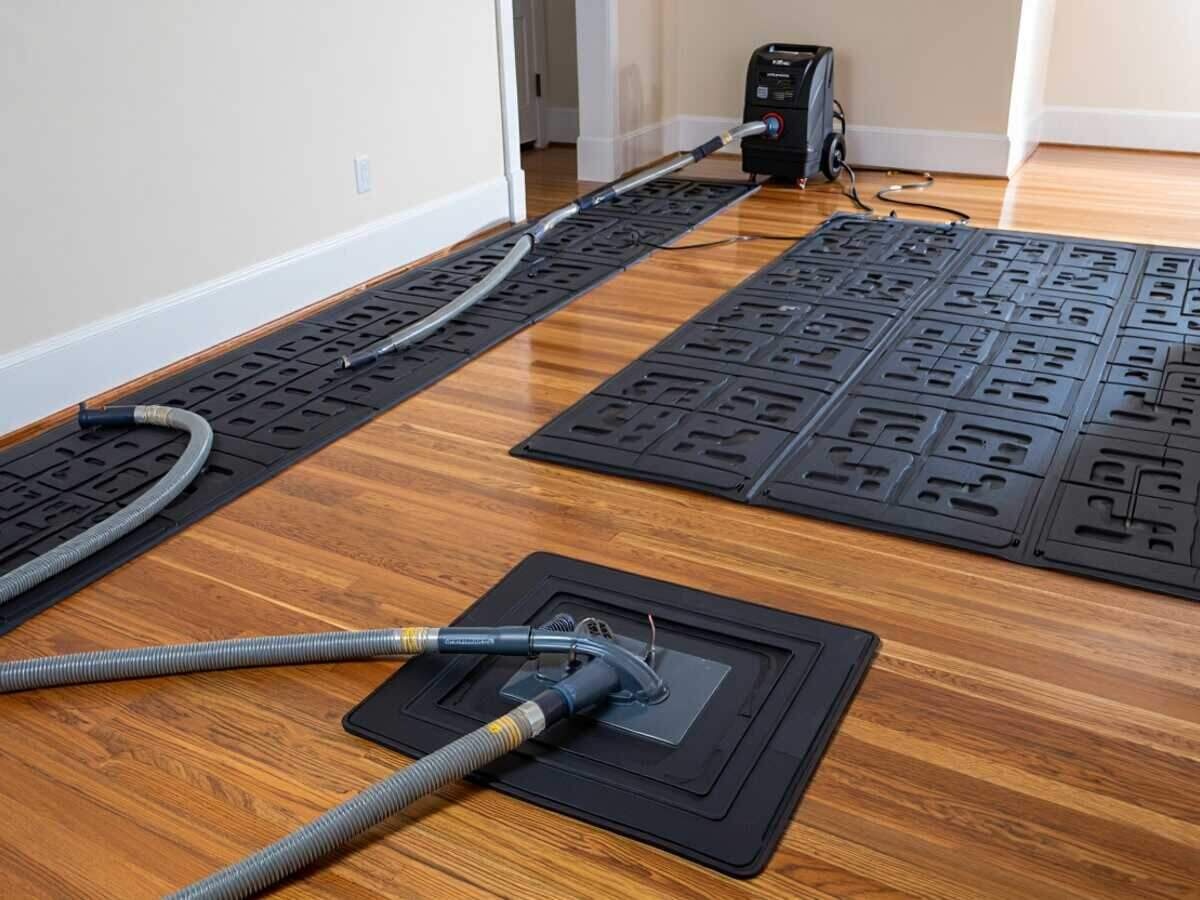
- Air movers and dehumidifiers set on the first visit, then read every day
- Baseboard, drywall, and flooring put back once the numbers hold
Cedar Park is a short run for whichever crew is closest, up 183A or across Parmer Lane, and every truck carries extraction and drying equipment, so the first visit is a working visit and not a look. Call (512) 271-5099 whenever it happens, day or night. If the water is still moving, stay on the line with us and we will find the shutoff together.
Frequently asked questions
Our house is from 1993 and nothing has ever leaked. Is something actually due?
Not due, exactly, but worth knowing about. The parts that fail first in that generation of Cedar Park house are the cheap ones the builder installed and nobody has touched since: angle stops, supply risers, washer hoses, and the water heater. Go find your main shutoff now, while it is dry and light outside. That is thirty seconds of knowledge that decides how big the loss gets.
Water came through the ceiling after a hailstorm. Is that a roofer's job or yours?
Both, in that order. A roofer stops the intrusion. We deal with the water already inside, which usually means pulling soaked insulation above the ceiling, drying the framing and drywall from the attic side, and rebuilding the ceiling after. If you reach us first we will tell you straight that the roof has to be closed up before drying is worth starting.
Does the carpet have to come out?
The pad does. It is a sponge, it holds water against the slab, and it is cheap to replace. The carpet itself can often be dried in place if the water was clean and we get to it in the first day or so. Once it has sat wet for a few days in July, that answer changes, and we will tell you which one you are looking at as soon as we meter it.
The washing machine overflowed into the garage and the hallway and we mopped it up. Is that the end of it?
Probably not. A garage slab drains toward the door, but the wall it shares with the house does not: the bottom edge of the drywall and the base plate wick it up and hold it, and so does whatever was stored against that wall. Water damage cleanup after an overflow is mostly about the two feet nobody can see. A few minutes with a meter tells you whether you got it all.
Do I call you first or my insurance company first?
Call us first, then report the claim. Texas policies expect you to limit the damage once you know about it, and every hour before extraction and drying start makes the covered scope bigger. Carriers are used to a water damage restoration company beginning mitigation before an adjuster has seen the house. We photograph everything before it moves, keep a moisture log for each affected room, and write the scope in the format your adjuster prices from. What gets covered is the carrier's decision, not ours.
Areas We Serve Across the Austin Metro
Local response across Travis, Williamson, and Hays counties.
Your Cedar Park leak stopped. The drying has not started.
Tell us the address and what failed. Someone here picks up at two in the morning as readily as at two in the afternoon, and the Cedar Park crew rolls with pumps, air movers, and meters already on the truck.