Water Damage Restoration in Lakeway, TX
Rain comes off a Lakeway hillside faster than caliche can take it. It runs the driveway, hits the garage door at the bottom, and finds the utility room behind it while nothing upstairs looks wrong. We pick up at any hour, gear already loaded.
- We bill your insurer directly
- IICRC-certified crews
One crew, from extraction to the final repair
One local crew handles extraction, drying, and repair from the first call through the final moisture reading. Sewage cleanup and structural drying are run metro-wide from the same trucks.
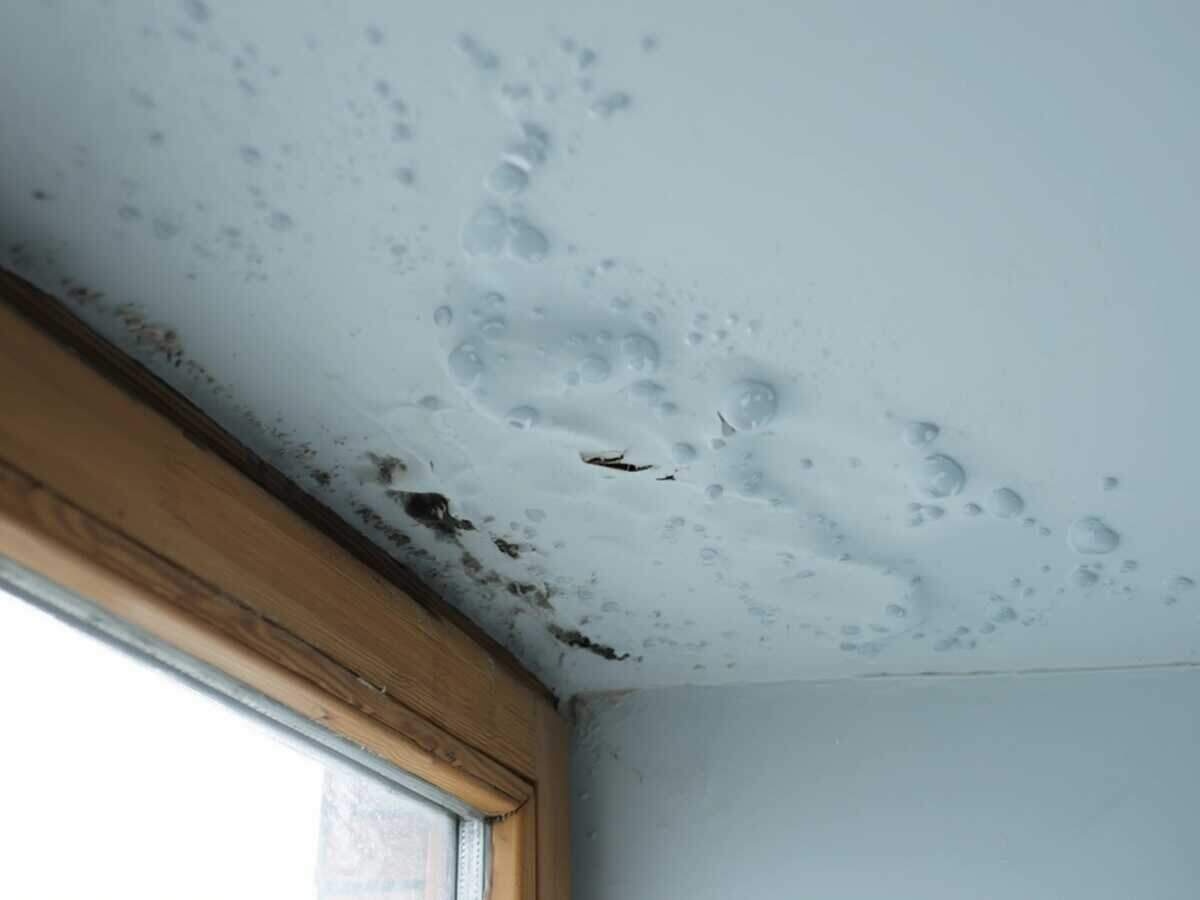
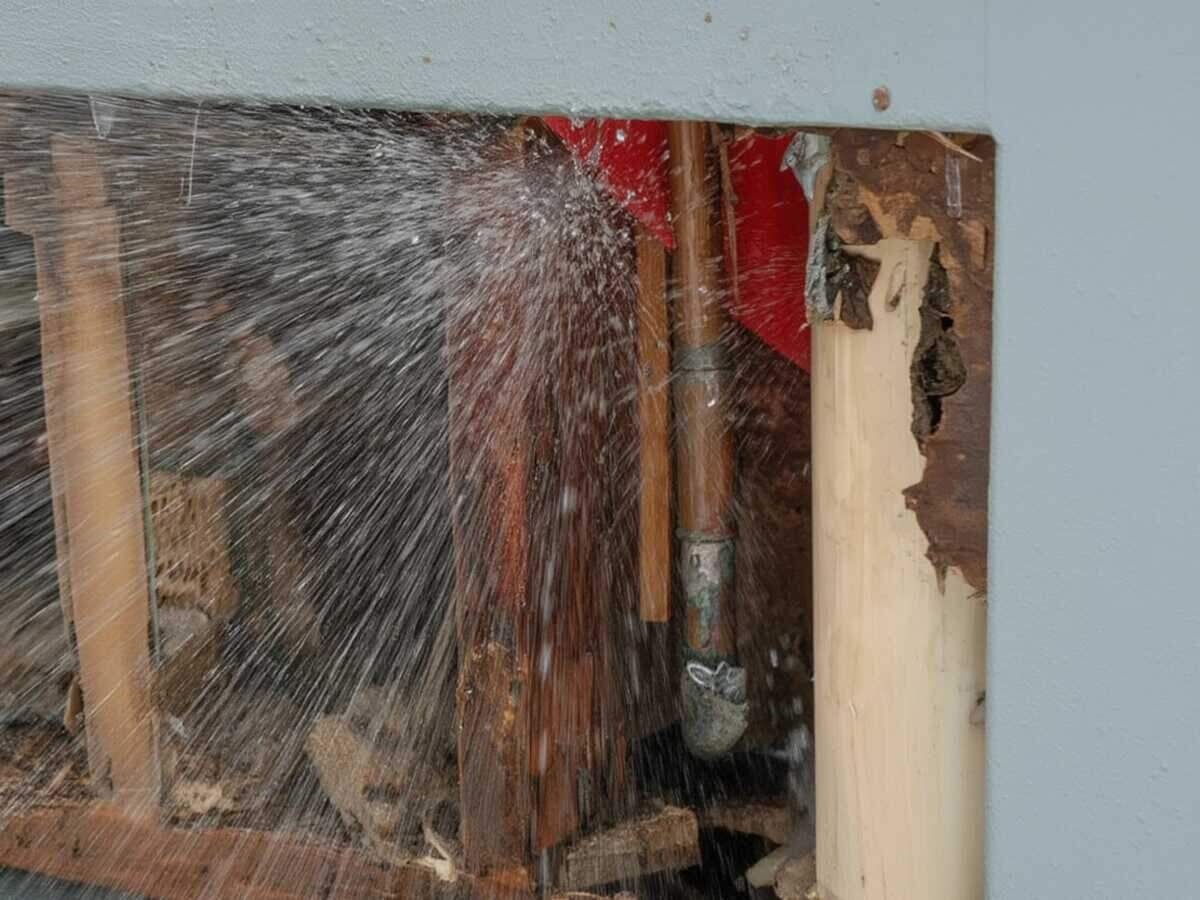
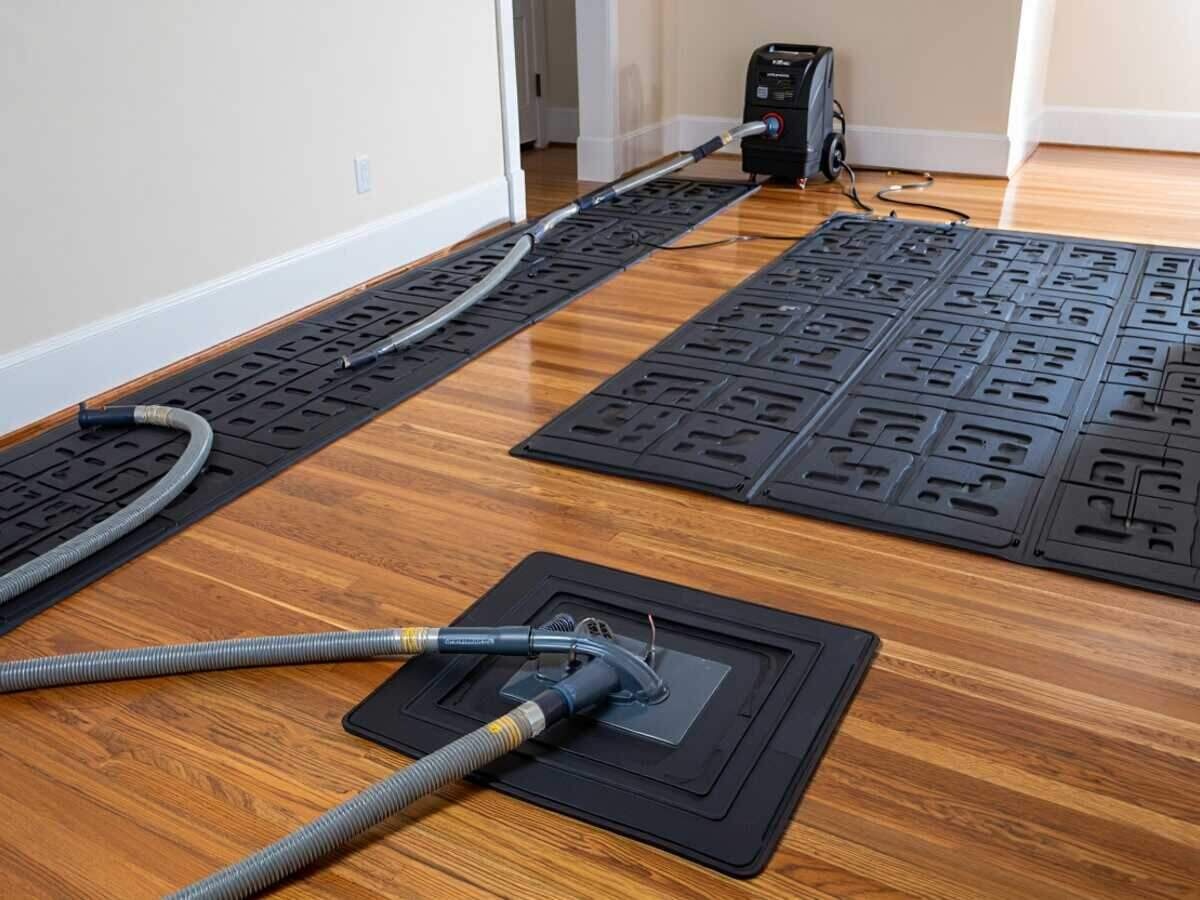
Our restoration process in Lakeway
Four steps, starting the moment you call.
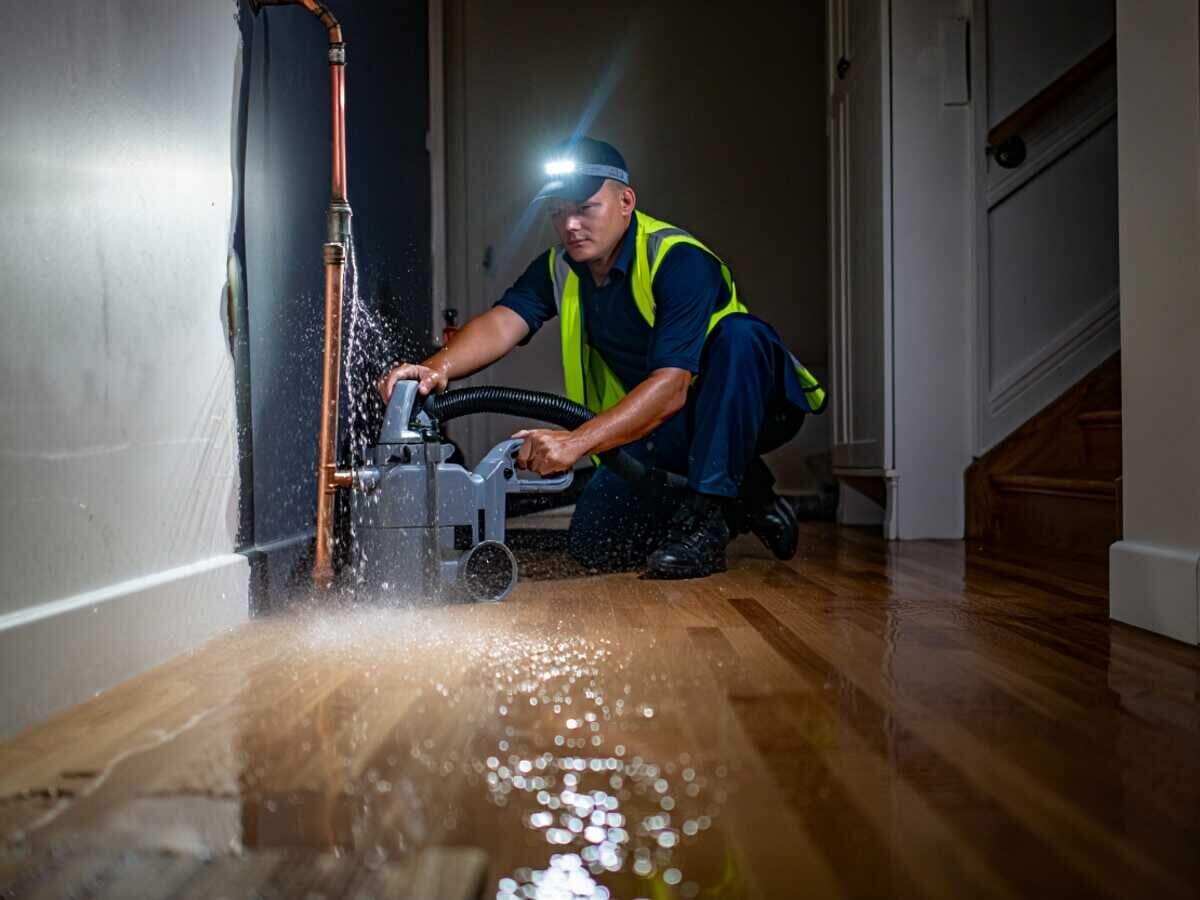
Call & Dispatch
Tell us what happened. A local crew is dispatched on the call, and how fast we reach you depends on traffic and where you are.
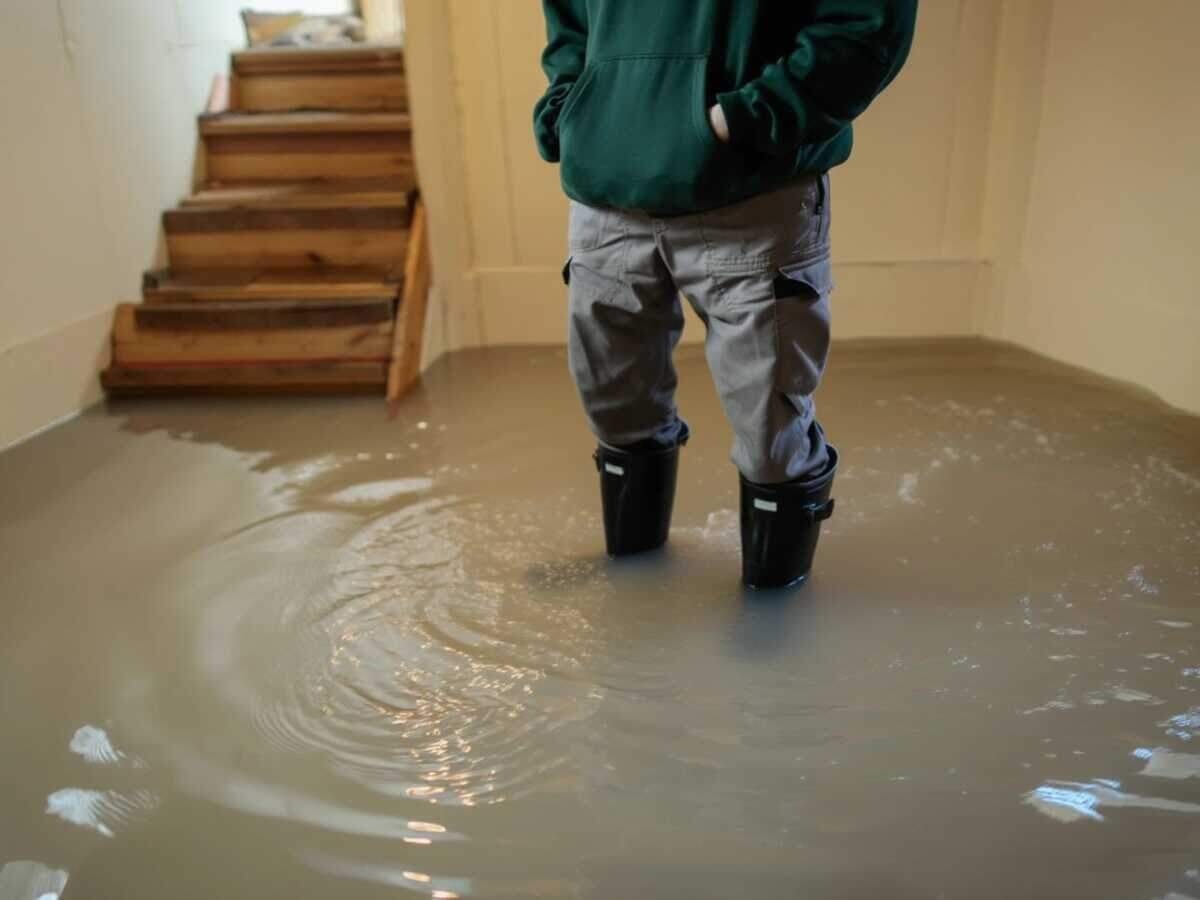
Extract & Stabilize
We stop the source, pump out standing water, and set drying equipment.
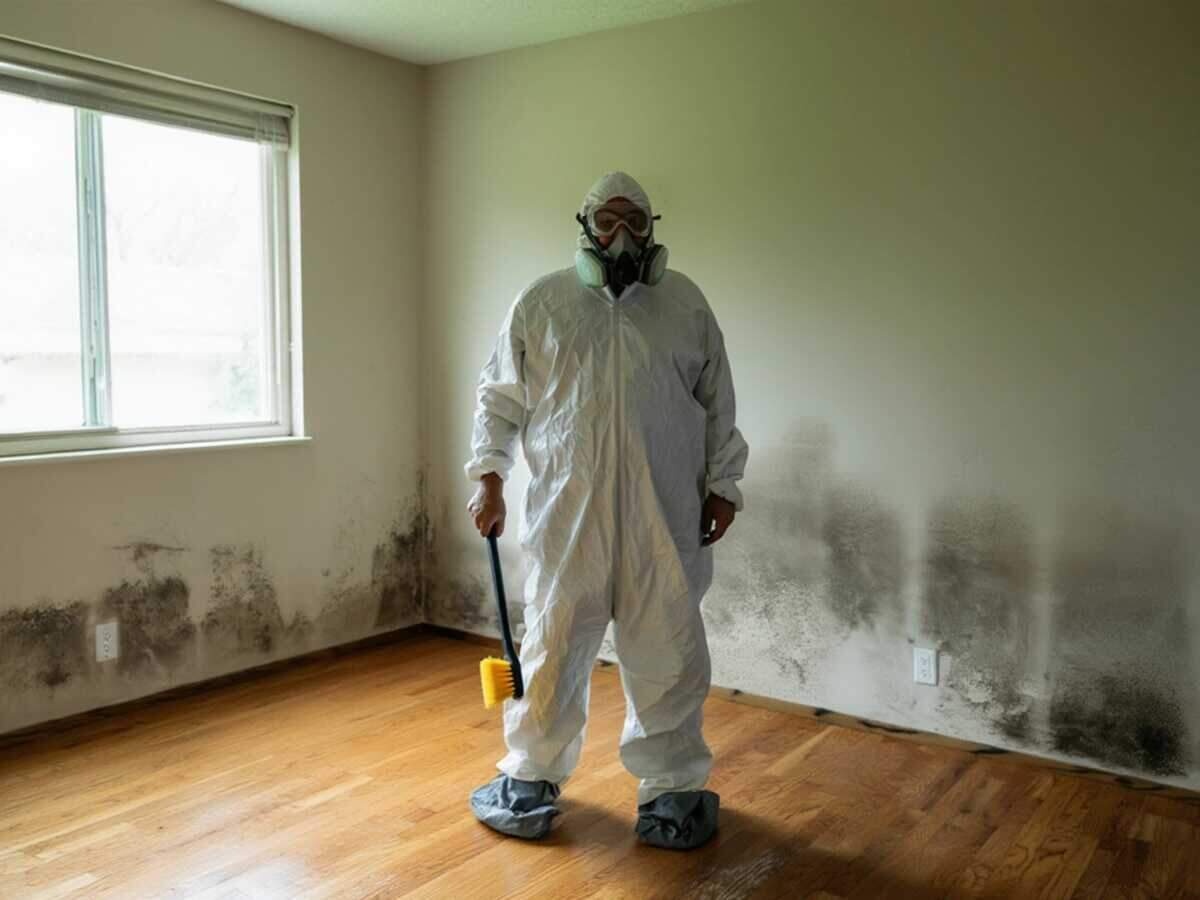
Dry & Monitor
Air movers and dehumidifiers run while we track moisture daily to dry standard.
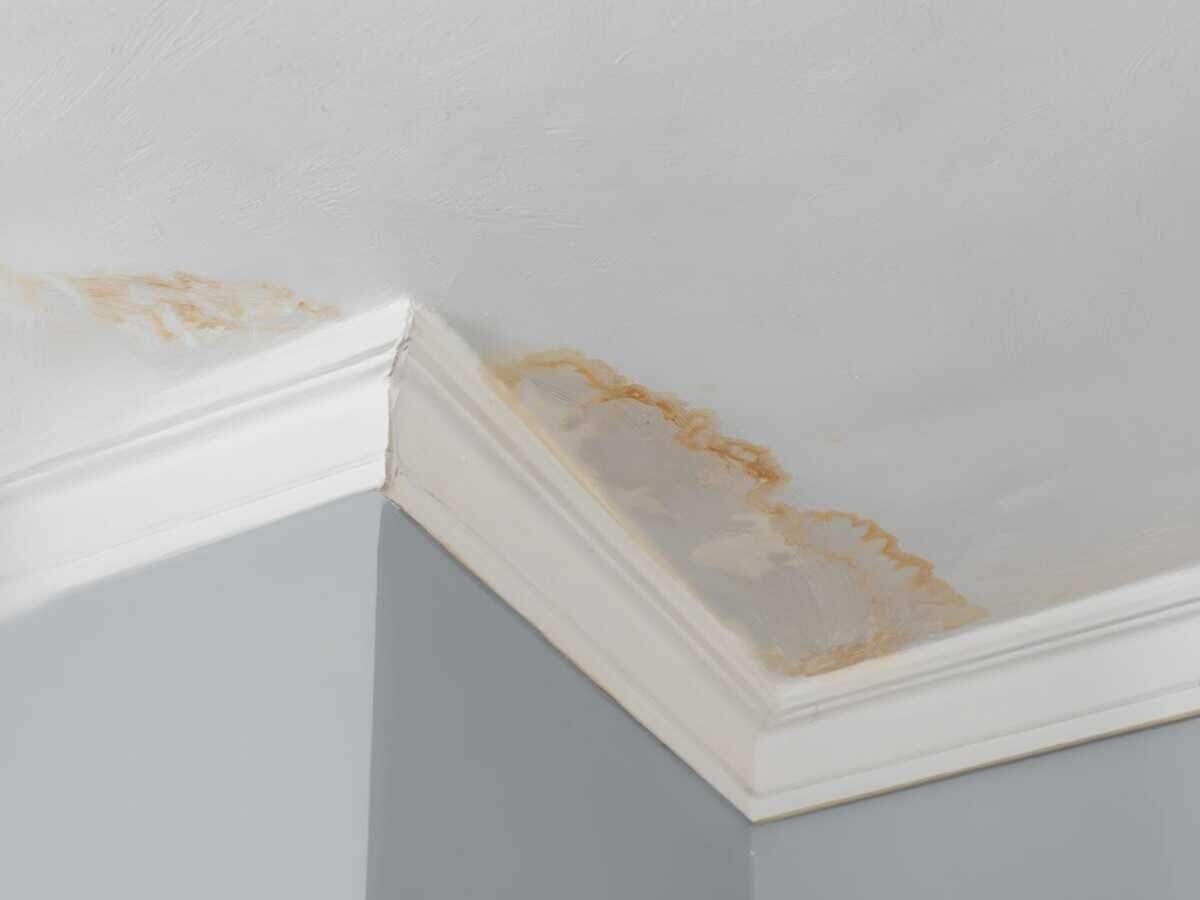
Restore & Document
We repair what was damaged and hand your insurer a documented scope.
We document your water damage claim
A water claim turns on two things: acting fast, and documenting it right. We do both. From the moment we arrive we photograph the loss, log moisture readings by room, and build a scope that maps to your policy — then we bill your insurer directly for the covered work.
See how claims work in TexasWater damage in Lakeway
Lakeway is built on hillsides, and the ground here does not take water in. Thin soil over limestone and caliche sheds a hard rain instead of absorbing it, so runoff leaves the yard, crosses the driveway and the pool deck, and stacks against whatever sits lowest on the lot. On the streets that climb off Lohmans Crossing and Lakeway Drive, that is usually a garage at the bottom of a sloped drive, or the stepped-down utility room behind it. Storm water that gets inside is water damage restoration work like any other loss: it has to come out now, and the wall it soaked has to be dried rather than wiped.
Most of what we are called for in Lakeway never came from the sky. Larger custom homes carry long plumbing runs, upstairs laundry rooms, and second-floor baths sitting over finished ceilings, and any one of those can open up quietly. Time decides the size of the job. A house lived in part of the year gives a split supply line or a failing water heater days to work, and by then the water damage repair is not one room. It is the flooring, the cabinet bases, the ceiling below, and the insulation in between.
One line we do not blur: Lake Travis rising is not our work. Surface water that comes up over the ground sits under a separate flood policy, and it belongs to crews who do that for a living. What we take on is water that came out of the house's own systems, plus storm water that got past a door, a threshold, or the slab edge. Our water restoration services start the same way in both cases, by finding how far it traveled before anyone opens a wall:
- Extraction from garages, lower levels, and stepped-down rooms at the bottom of a grade
- Moisture readings through tile, stone, and engineered wood before any material comes out
- Air movers and dehumidifiers running until the framing and drywall meter dry
- Rebuild of the trim, drywall, and flooring that could not be saved
Our trucks stage in the north Austin metro, and a Lakeway run goes out RR 620 with extraction and drying equipment already aboard, so nothing waits on a second trip. Call (512) 271-5099 as soon as you see it. Tell us what is wet and whether the water is still running, because those two answers decide what happens in the first hour after we walk in.
Frequently asked questions
How long does it take you to reach Lakeway?
A technician picks up whatever the hour, and a crew gets assigned before that call ends. From where the trucks stage in the north Austin metro, most Lakeway addresses run 35 to 45 minutes on RR 620, and longer at school-run hours or after a wreck on the highway. What you get on the phone is a range with the reason behind it, not one confident number. While the crew is moving, the technician who took your call stays on the line about the shutoff.
Storm runoff came in under the garage door. Will homeowners insurance pay for it?
Often not, and it is better to learn that early. Water that flowed across the ground and in through a door or threshold is usually treated as flood, which is a separate policy. Water from a broken supply line or an appliance is the opposite case, and that is what a Texas homeowners policy is written for. We document both the same way, with dated photos, a room-by-room moisture log, and an itemized scope. Your carrier reviews that file and makes the coverage call.
The lowest floor is the finished one, and it is what got wet. Where do you start?
At the bottom of the grade and at the wall bases, because that is where water ends up on a hillside lot. We meter the room, then the cavity behind the baseboard, then the framing on the uphill side, since a wall built against a slope can only dry from the room side. Nothing gets opened until we know how far the wet zone actually reaches.
We found the leak two weeks after it started. Is there still anything to do?
Yes, and more than you would like. Two weeks is long enough for mold to establish in a wall cavity and for a subfloor to swell, so the work shifts from drying toward containment, removal, and rebuild. Report it to your carrier as soon as you find it. A late report is not automatically denied, but the longer the gap, the more documentation the adjuster will want, which is the part we produce.
Do we have to move out while the equipment runs?
Usually not in a house this size. We contain the work to the affected wing, run the drying equipment there, and leave the rest of the house usable. What people notice is the noise and the warmth, since air movers and dehumidifiers both put heat into a room, so you will be running the air conditioning with the windows shut for the three to five days the gear is in the house.
Areas We Serve Across the Austin Metro
Local response across Travis, Williamson, and Hays counties.
Water is still moving through your Lakeway house right now.
Tell us where it started and what sits underneath it. Someone picks up at any hour, and whoever runs RR 620 out to you arrives with extraction, air movers, and dehumidifiers already on the truck.