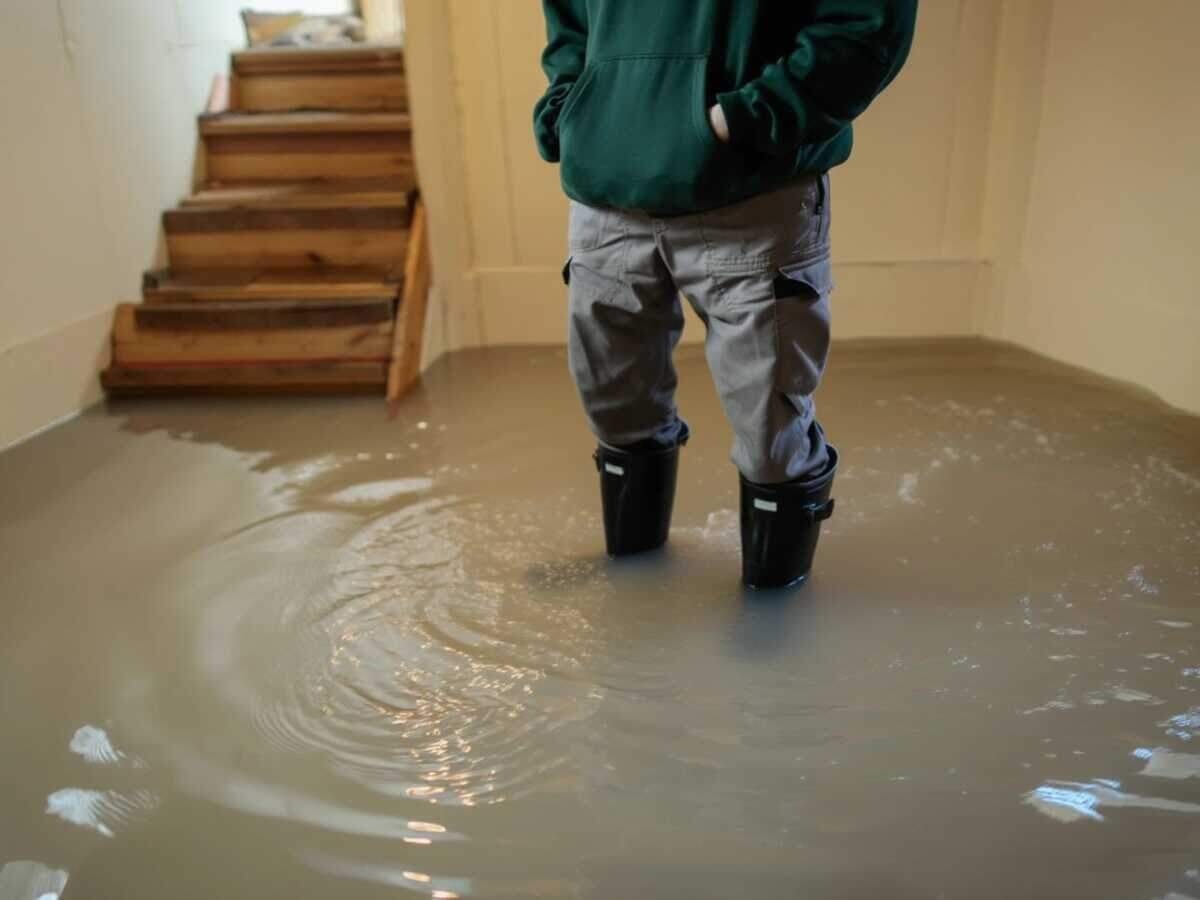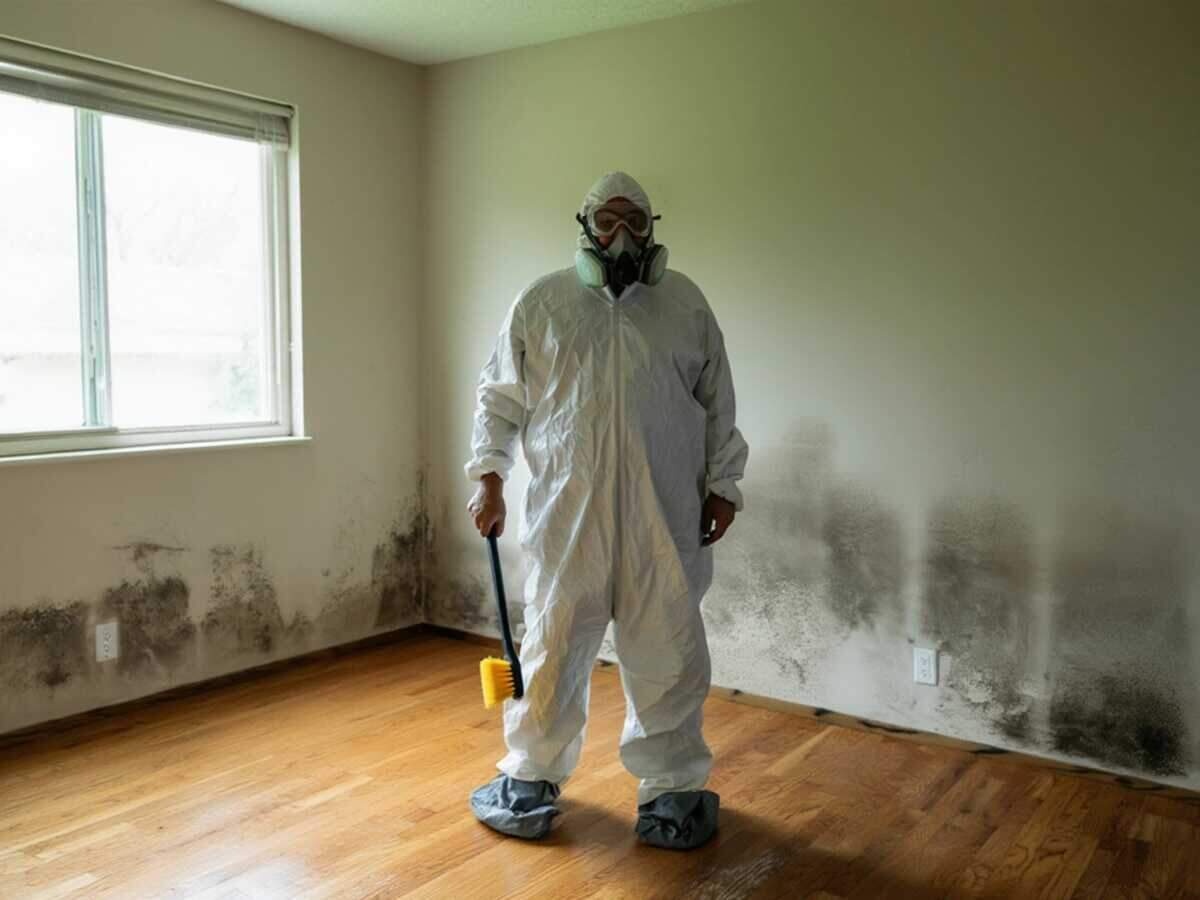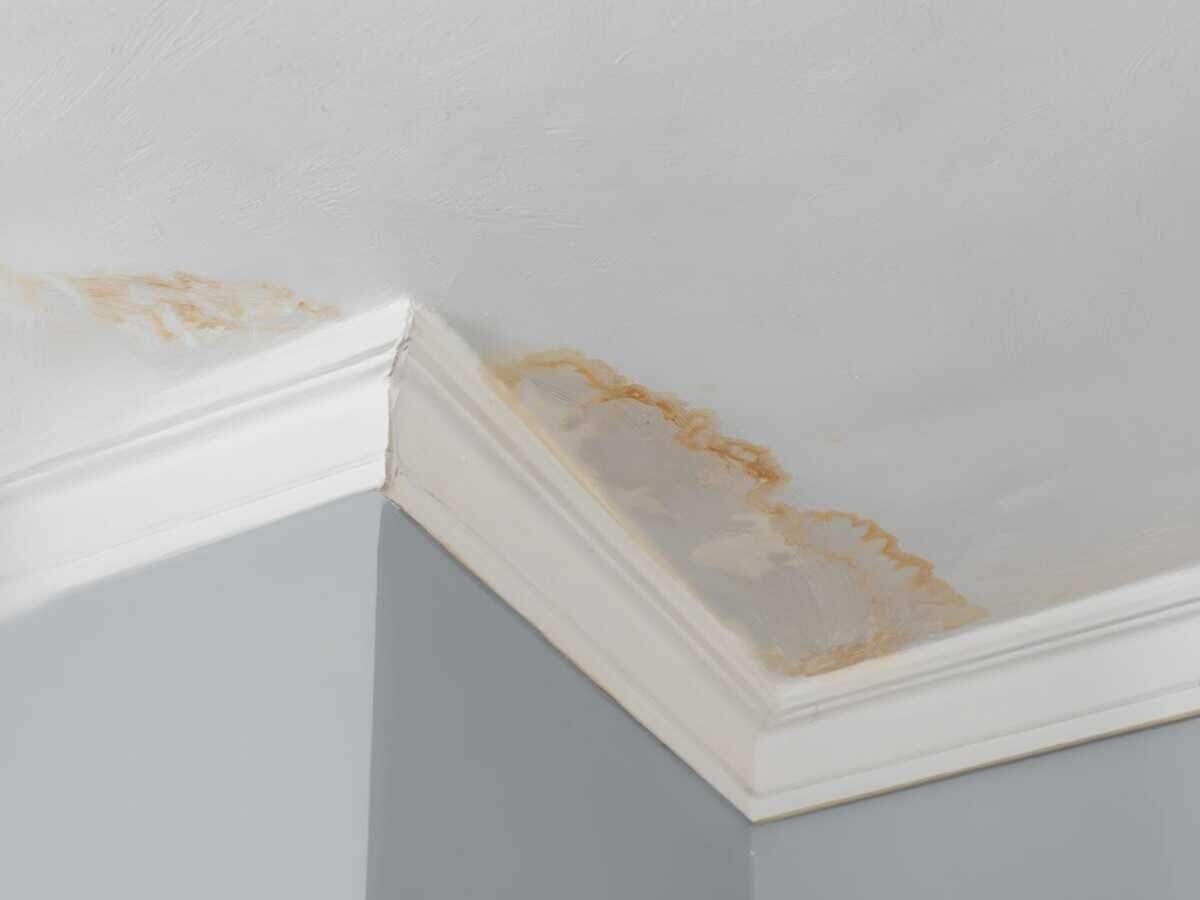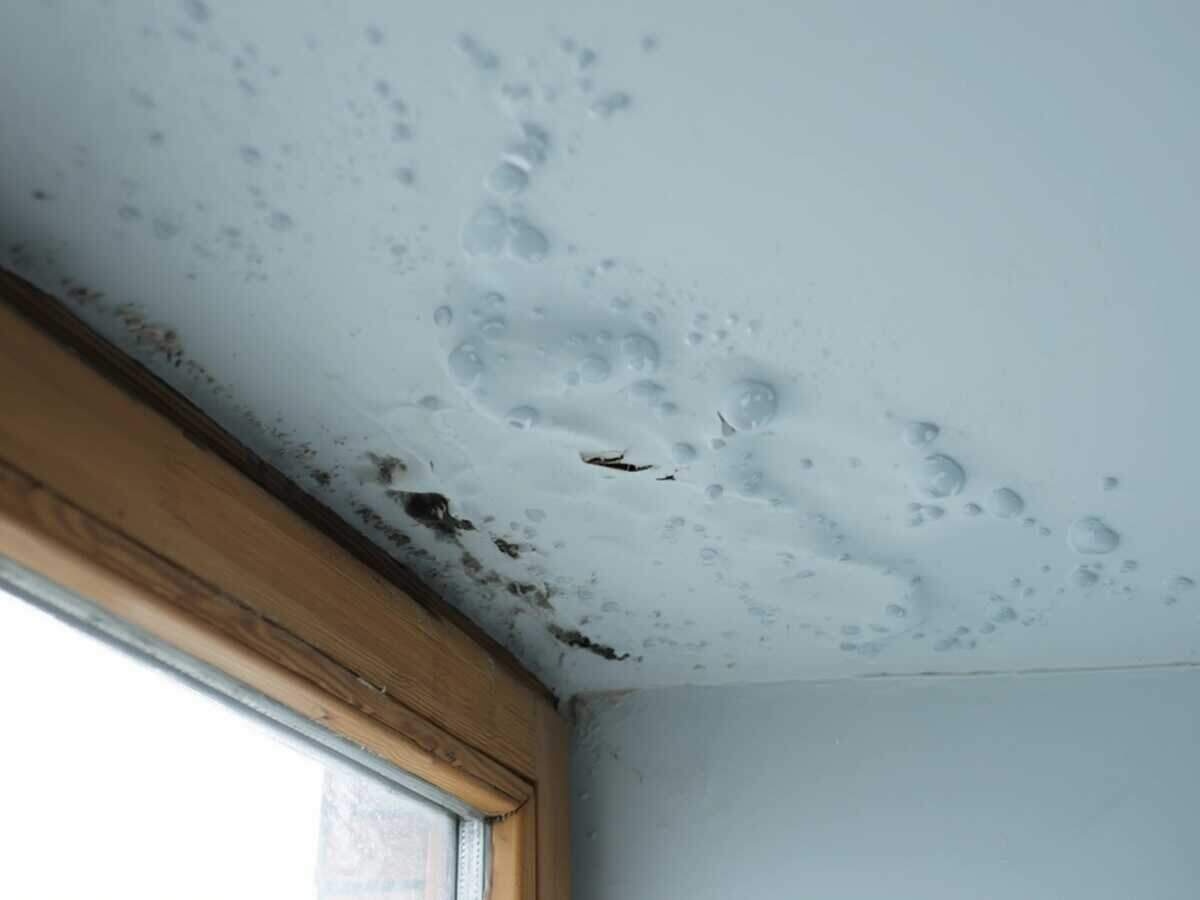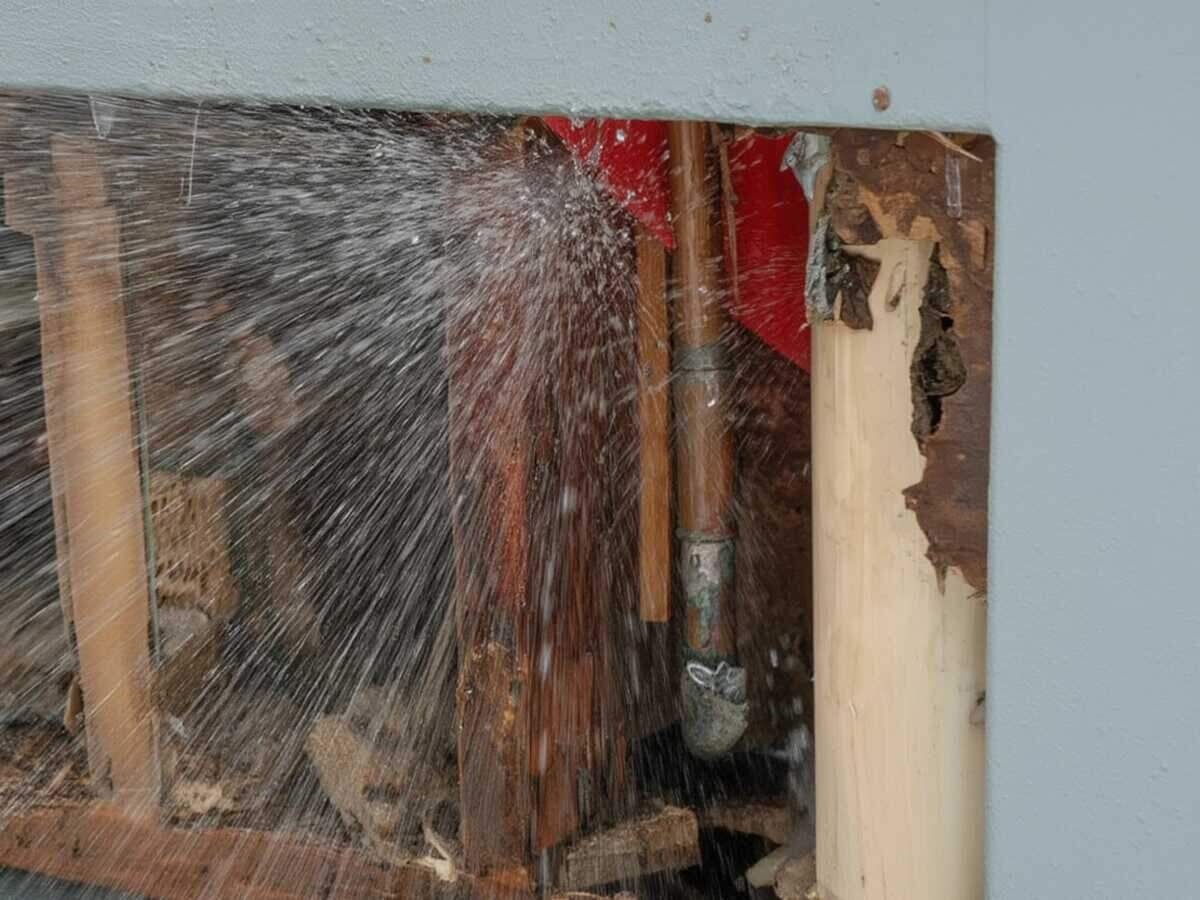




An emergency water damage call from Lakeway often comes from somebody who is not standing in the house. A neighbor, a housekeeper, a caretaker, or an owner three time zones away looking at a camera feed. So the first thing we solve on the phone is not scheduling. It is who can reach the water and stop it.
Shut the main, then open the lowest tap in the house, usually a hose bib or a laundry sink on the bottom level. What is still standing in the risers drains out down there instead of continuing through the break upstairs. After that we work out how the crew gets in: a gate code, an alarm code, a lockbox, or a neighbor with a key. Tell us all of it on the first call and nobody stands in the driveway waiting.
What happens between your call and the first machine running
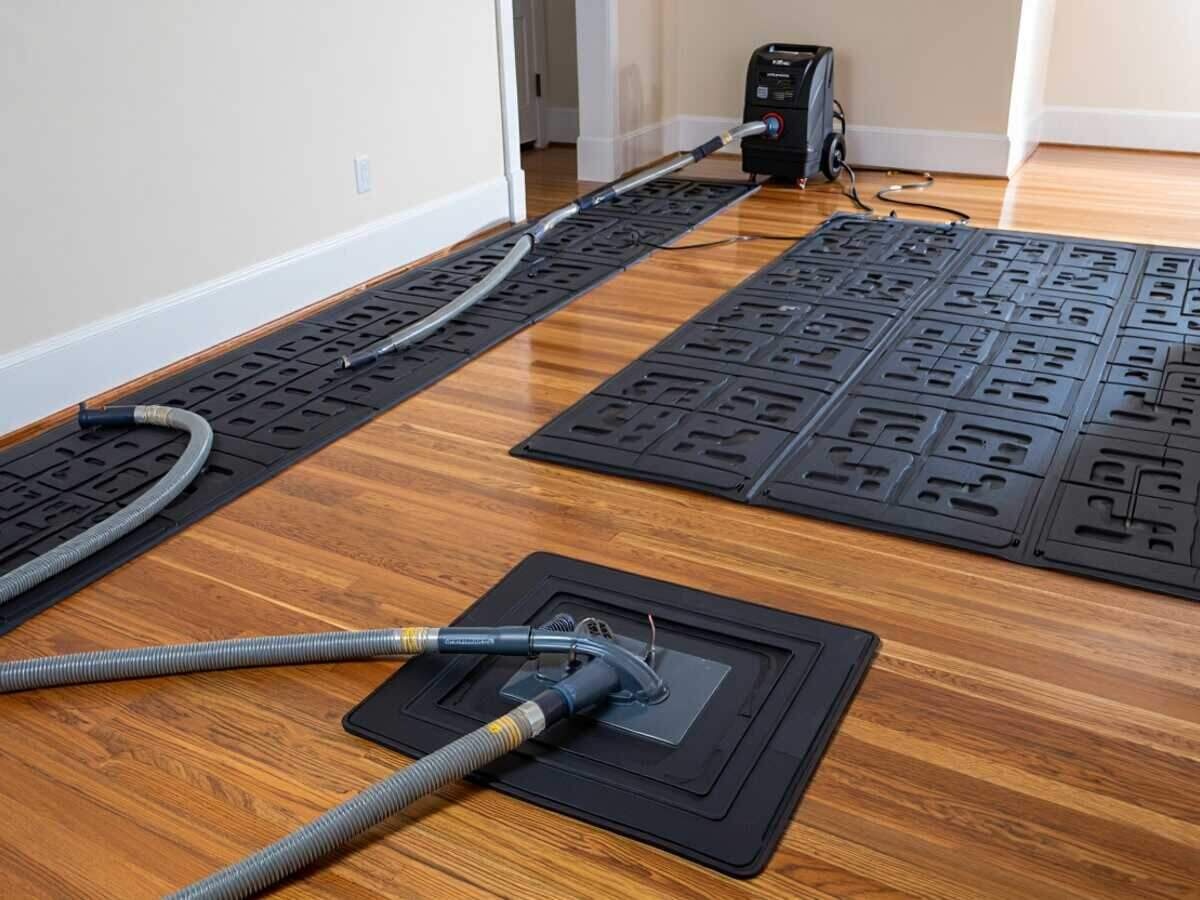
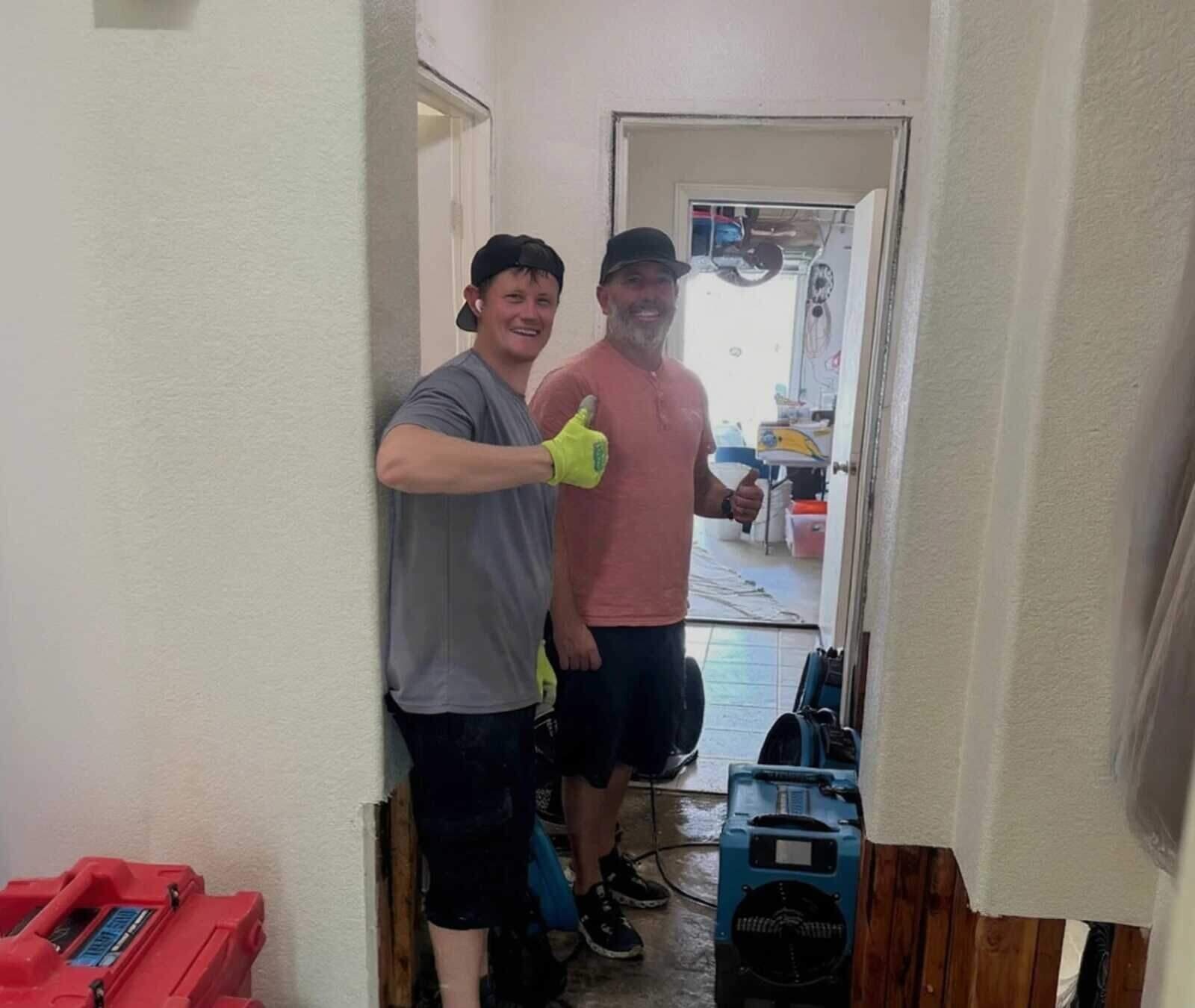
The truck leaves loaded, because a second run up the hill costs more time than the extraction does. Before anything gets moved, the crew shoots the rooms as found. Then a meter walks the floor to mark where wet actually stops, which on these plans is seldom where it looks like it stops. Water gets worked downhill, top floor to lowest finished level, with air movers and dehumidifiers running that night. Two things move the salvage answer: how many days it went unwatched, and whether a drain line was involved. Whoever owns the house hears which one that same evening.
- Whoever is at the house walked through the shutoff on the phone before we talk scheduling
- Access sorted before the truck rolls: gate code, alarm, lockbox, or a neighbor
- Extraction, air movers, and dehumidifiers on the truck before the crew leaves
- Photos and moisture readings from the first hour, in the format an adjuster prices from
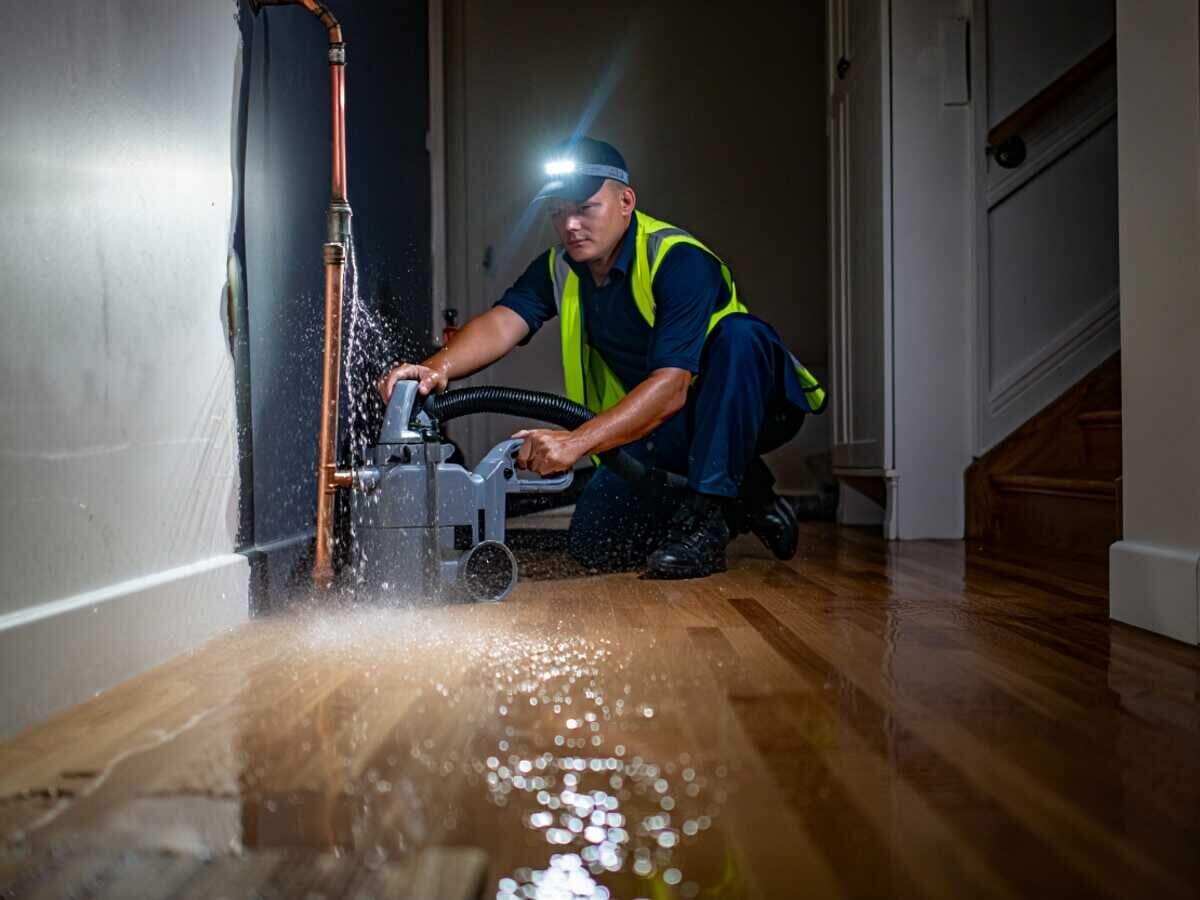
If there is sewage in the water, stay out of the area and let the crew handle it, because that is a Category 3 job with its own rules. For everything else, the sooner somebody stops the source, the smaller the number at the end of it. Call (512) 271-5099 the minute you know, day or night.