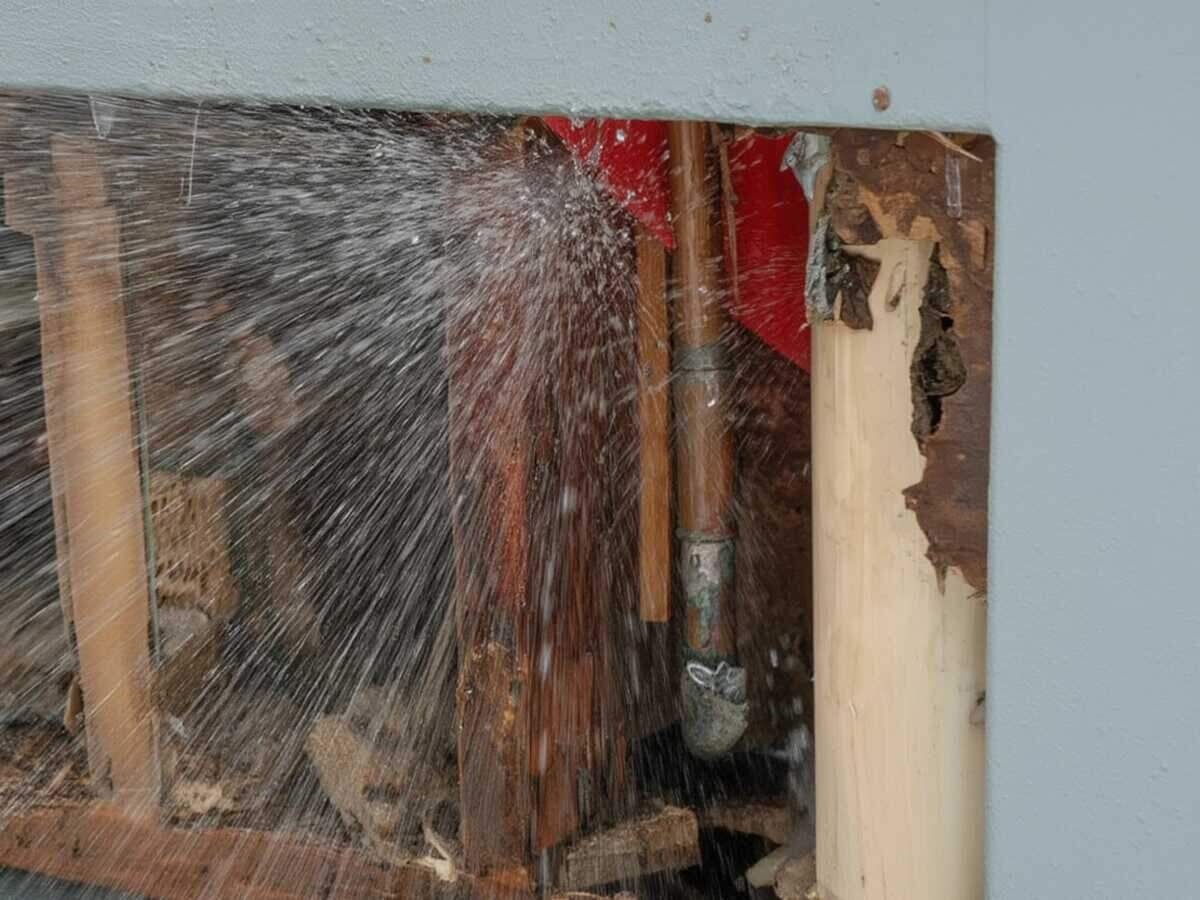




Water removal in a Lakeway house built down a hillside is a gravity problem before it is an equipment problem. Whatever spills upstairs leaves that floor within minutes, runs the stair stringers and the wall cavities beside them, and stacks up on the lowest finished level. The room you find standing water in is often two floors from the failure, and the rooms in between are wet without showing it.
Straight answer on one thing, given where you live. Water that rises off Lake Travis and comes at a house across open ground is a flood loss. Flood has its own policy and its own adjusters, and it is not work we are set up to chase. Water removal here means what came out of your own plumbing, an appliance, or a water heater, plus rain a storm drove in under a door or over the edge of a slab.
Getting the machine to the water
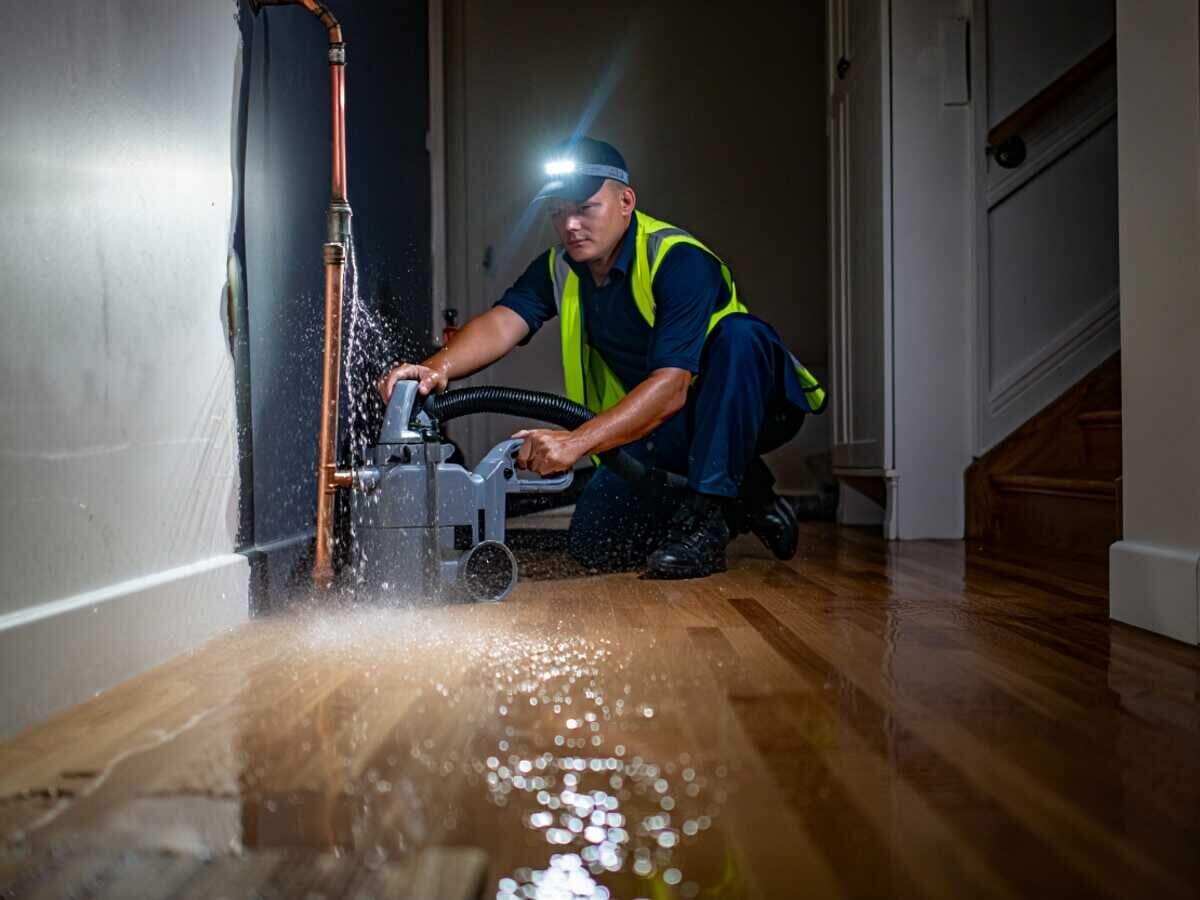
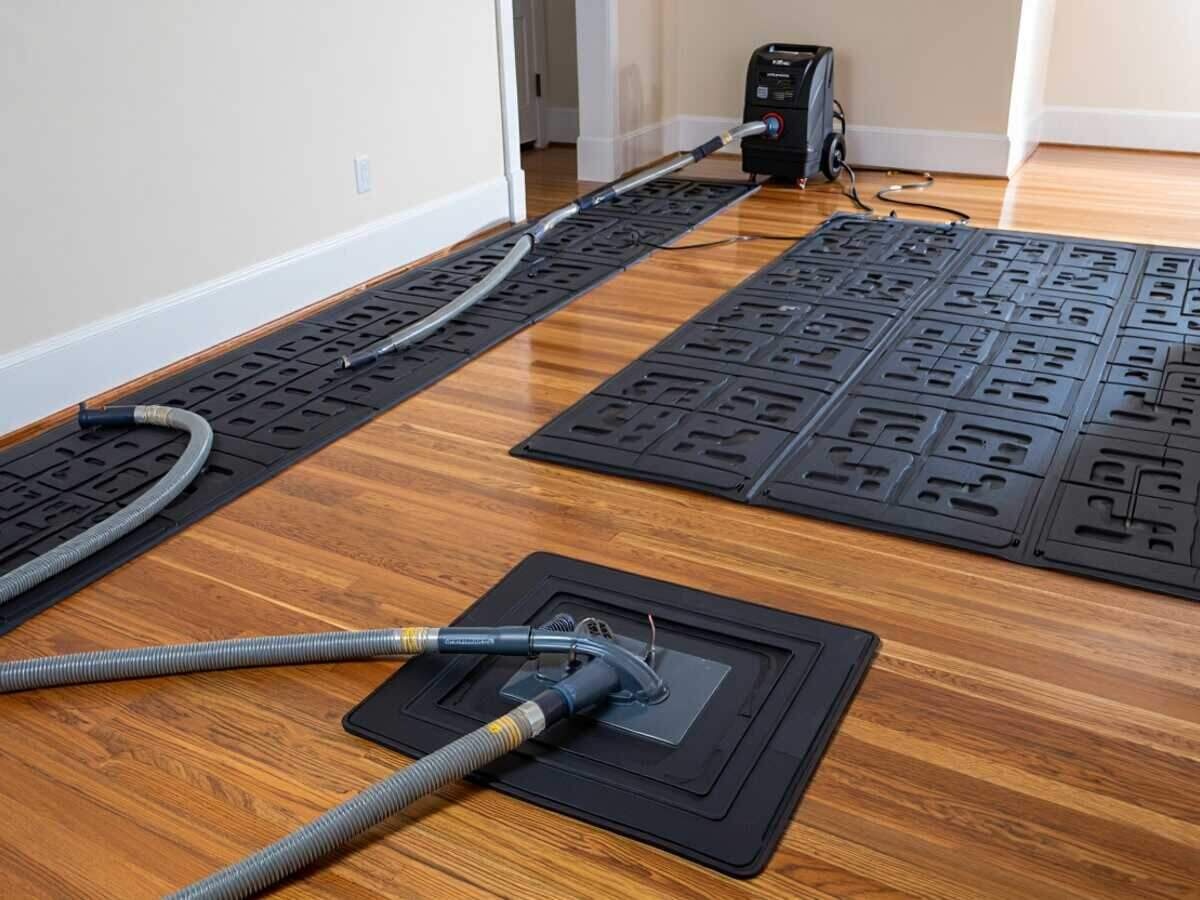
A truck-mounted extractor pulls through hose, and hose runs out. On the long climbing drives in Rough Hollow and on the streets that turn uphill off the main road, the truck can sit a full story below the wet room with more driveway between them than the reel holds. So crews carry portable units in and stage them beside the work, run the truck unit wherever the geometry allows it, and neither one waits on the other. On stone and wood we work the joints, the transitions, and the wall bases, because those are the only places a wand can physically reach the water.
- Truck-mounted extraction wherever the drive lets the hose reach the room
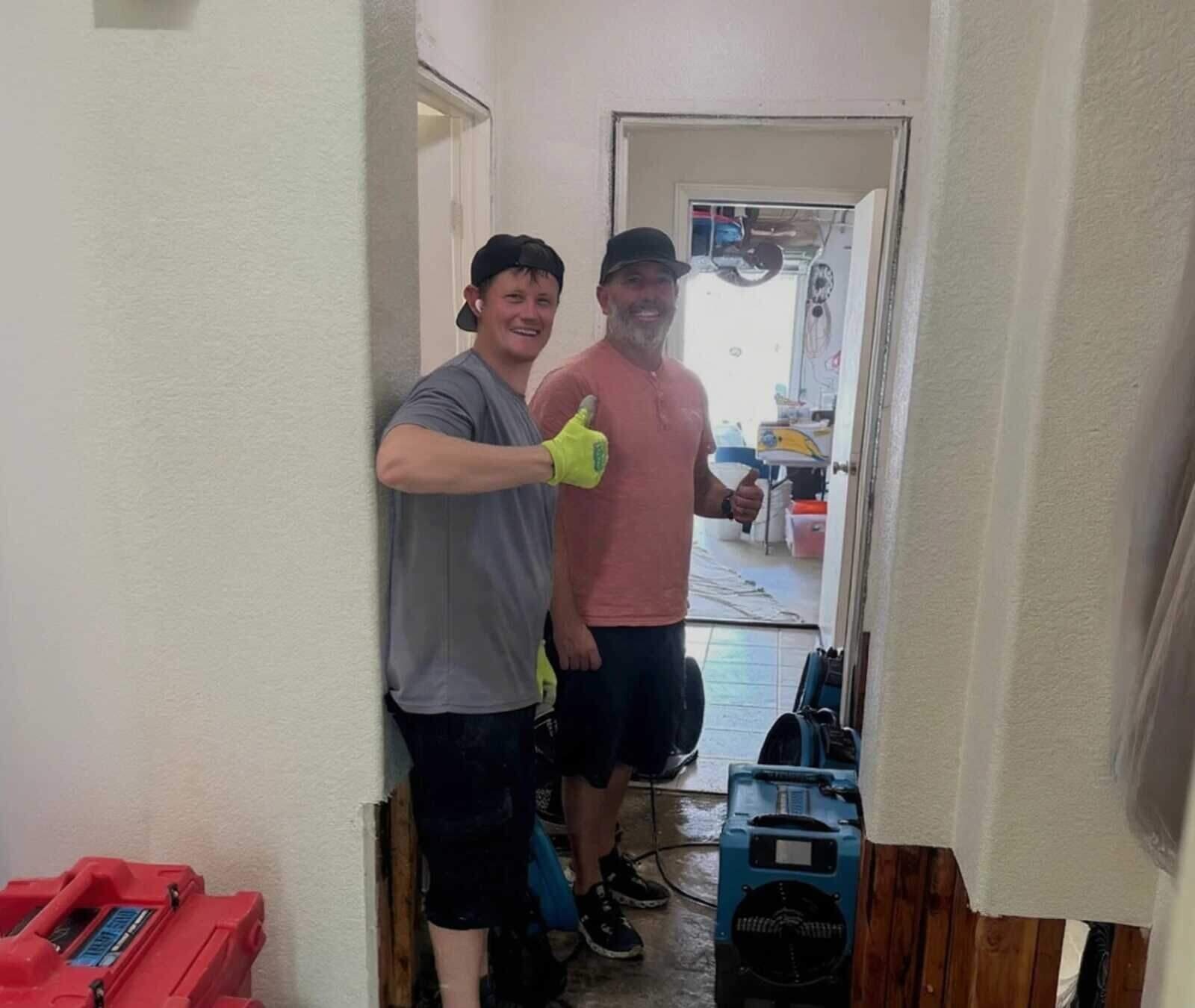
- Portable units carried in and staged at the work when it does not
- Weighted passes over rugs and pad, which usually decides whether they stay
- Meter and thermal reads at the wall bases on the low side before extraction is called finished
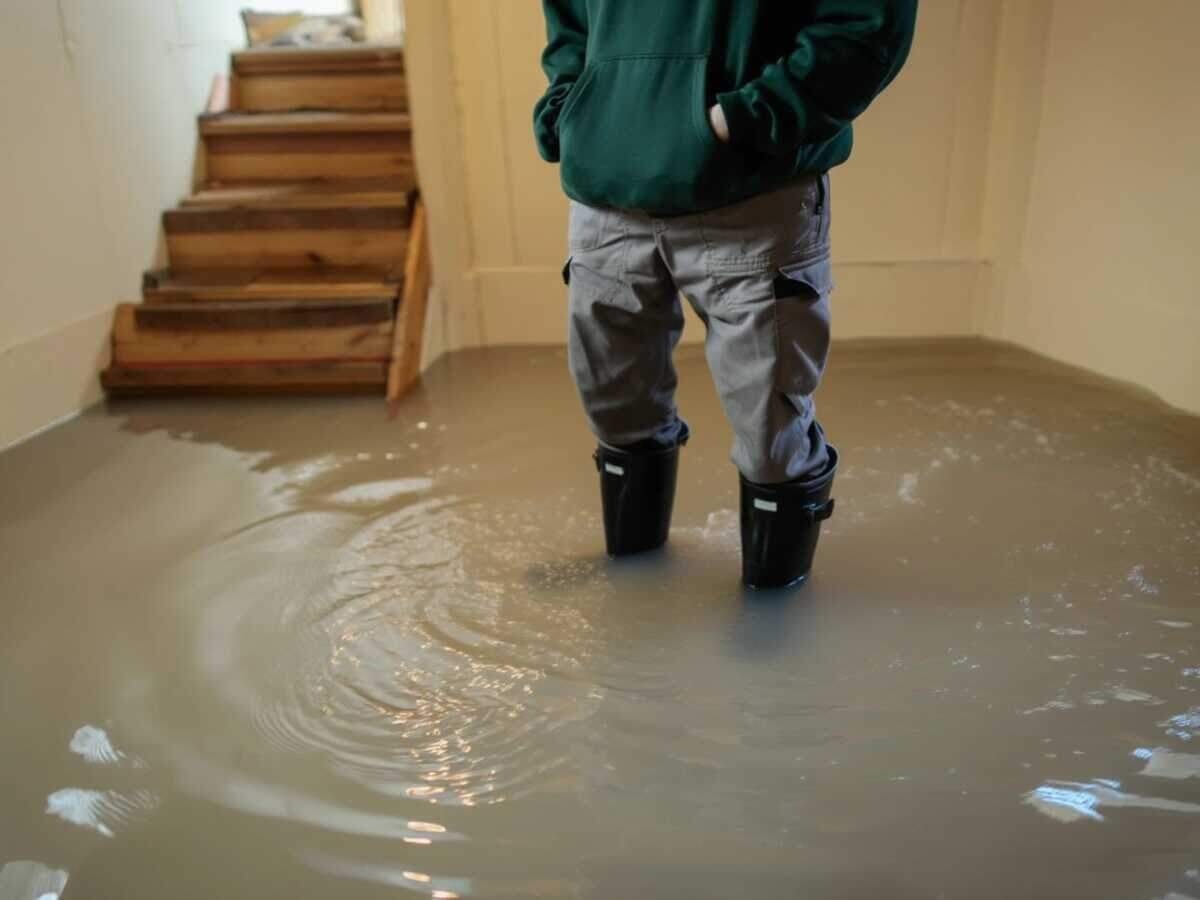
Pulling the standing water is the short part of the day. What follows is drying the framing and flooring the water already went into, and the same crew does both, so nothing gets handed off half finished. Call (512) 271-5099 and tell us which level of the house it ended up on.