Water Damage Restoration in Pflugerville, TX
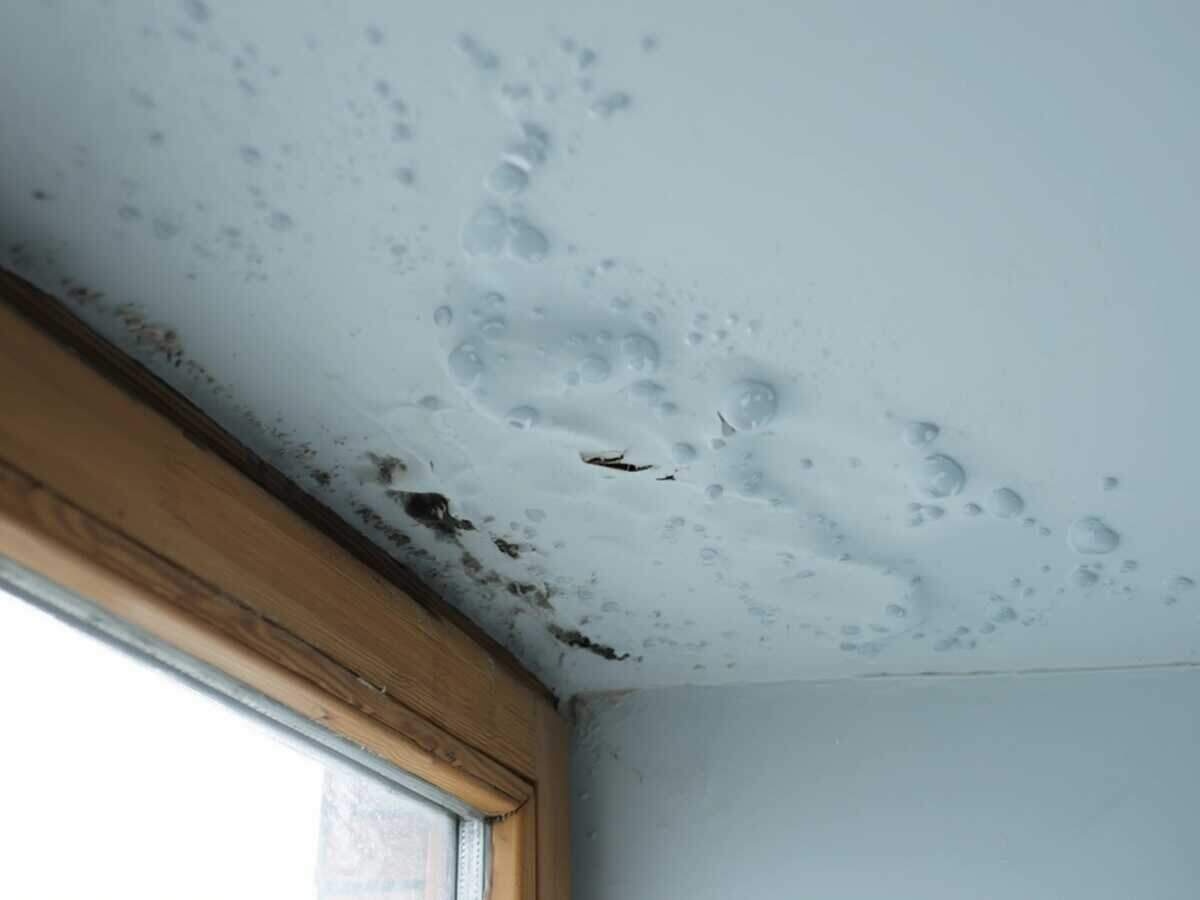
The washer on a Falcon Pointe second floor lets go mid-cycle, and the first sign is the kitchen ceiling below going soft and yellow. Put the laundry upstairs and a burst hose becomes a two-story job: the room it happened in, and everything under it.
- We bill your insurer directly
- IICRC-certified crews
One crew, from extraction to the final repair
One local crew handles extraction, drying, and repair from the first call through the final moisture reading. Sewage cleanup and structural drying are run metro-wide from the same trucks.
Our restoration process in Pflugerville
Four steps, starting the moment you call.
Call & Dispatch
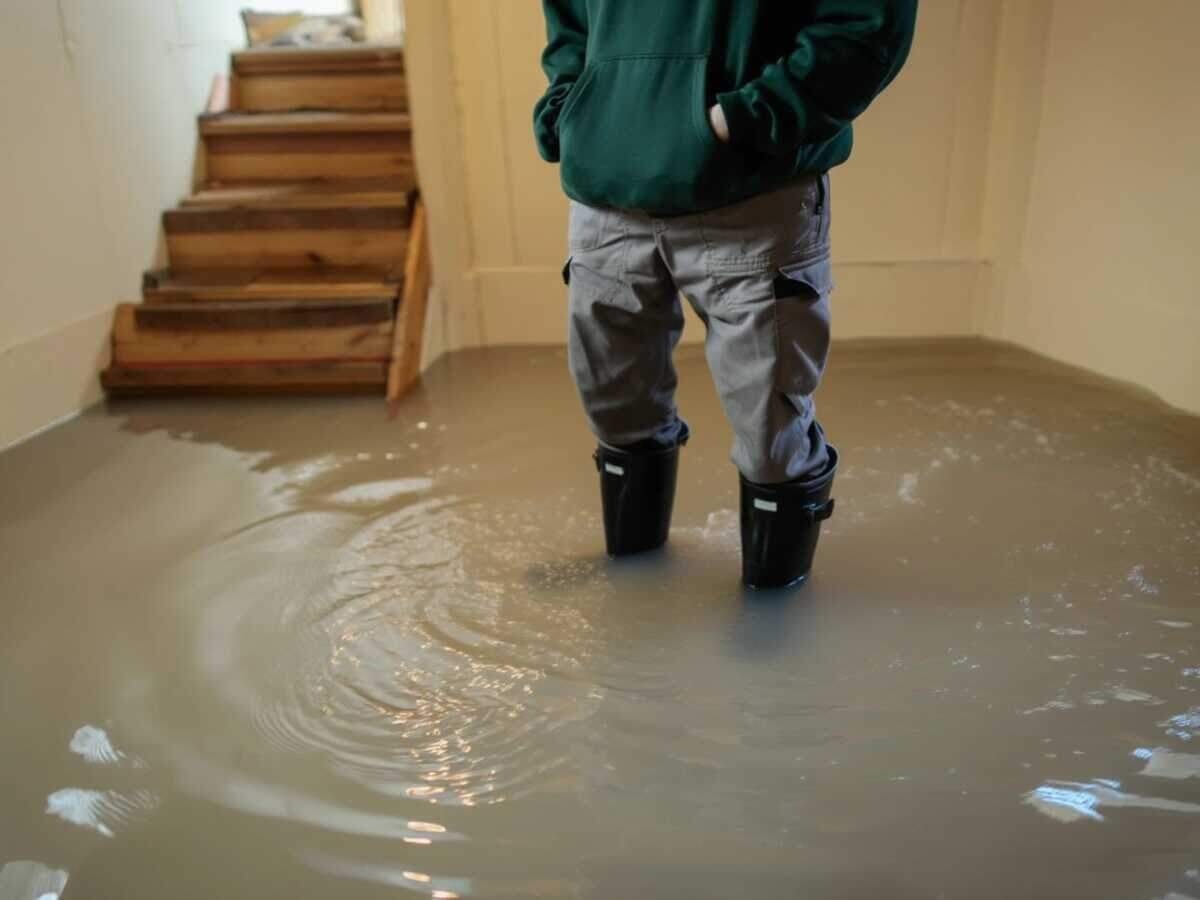
Tell us what happened. A local crew is dispatched on the call, and how fast we reach you depends on traffic and where you are.
Extract & Stabilize
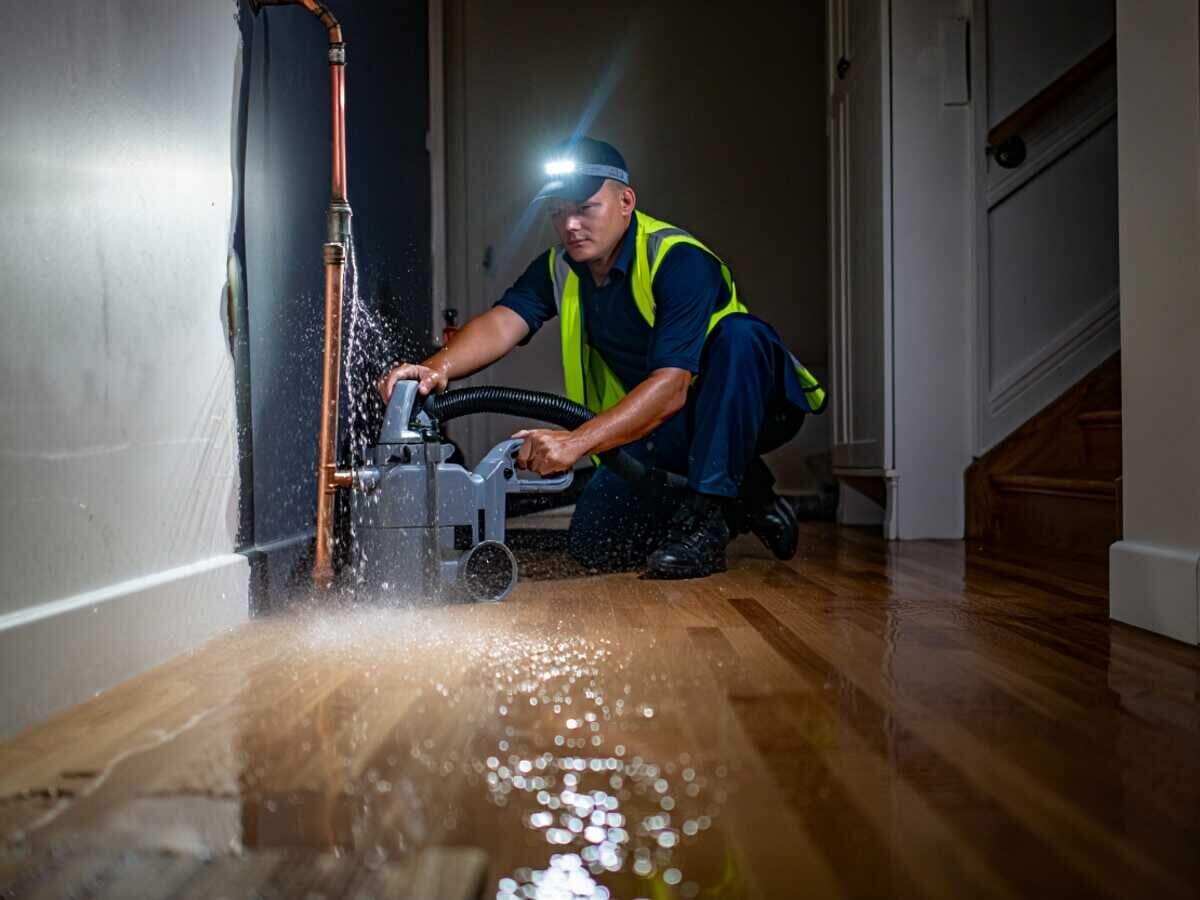
We stop the source, pump out standing water, and set drying equipment.
Dry & Monitor
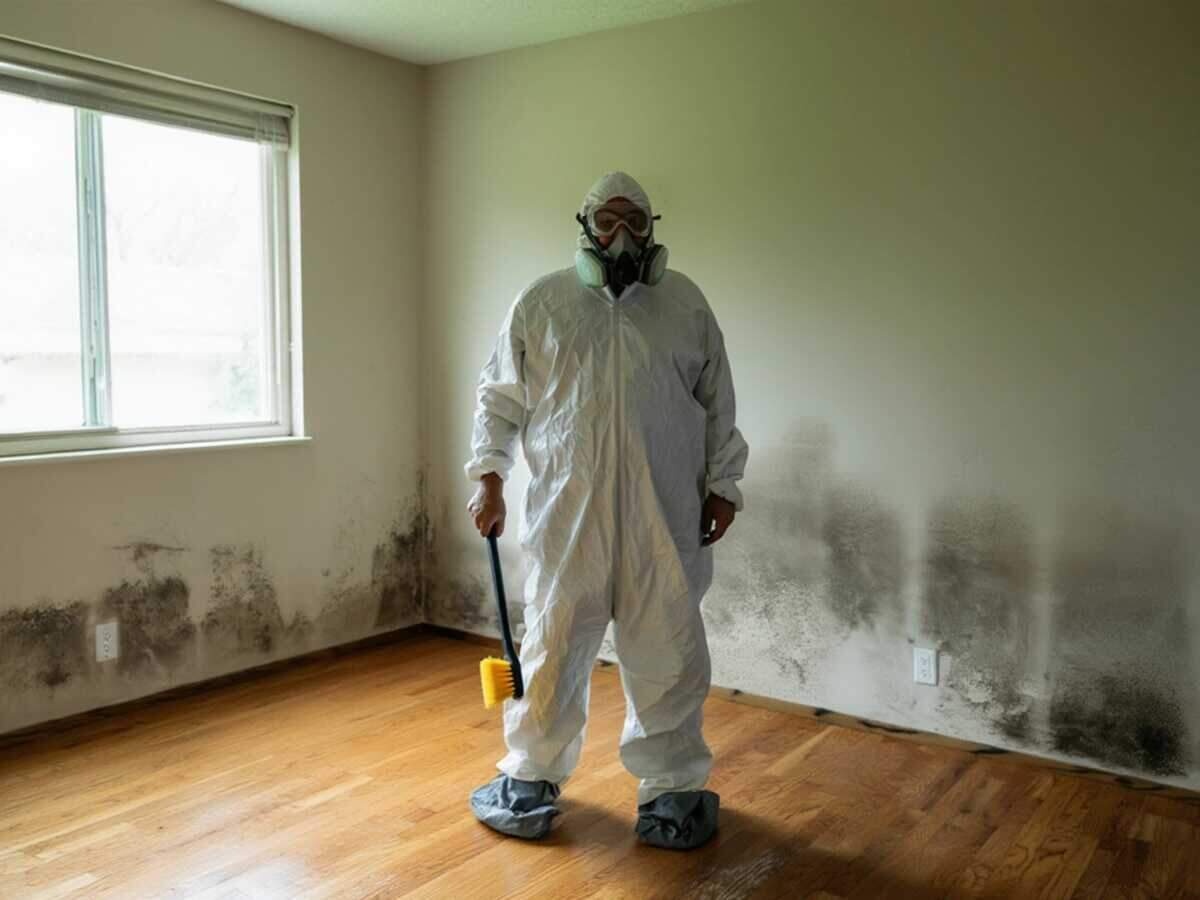
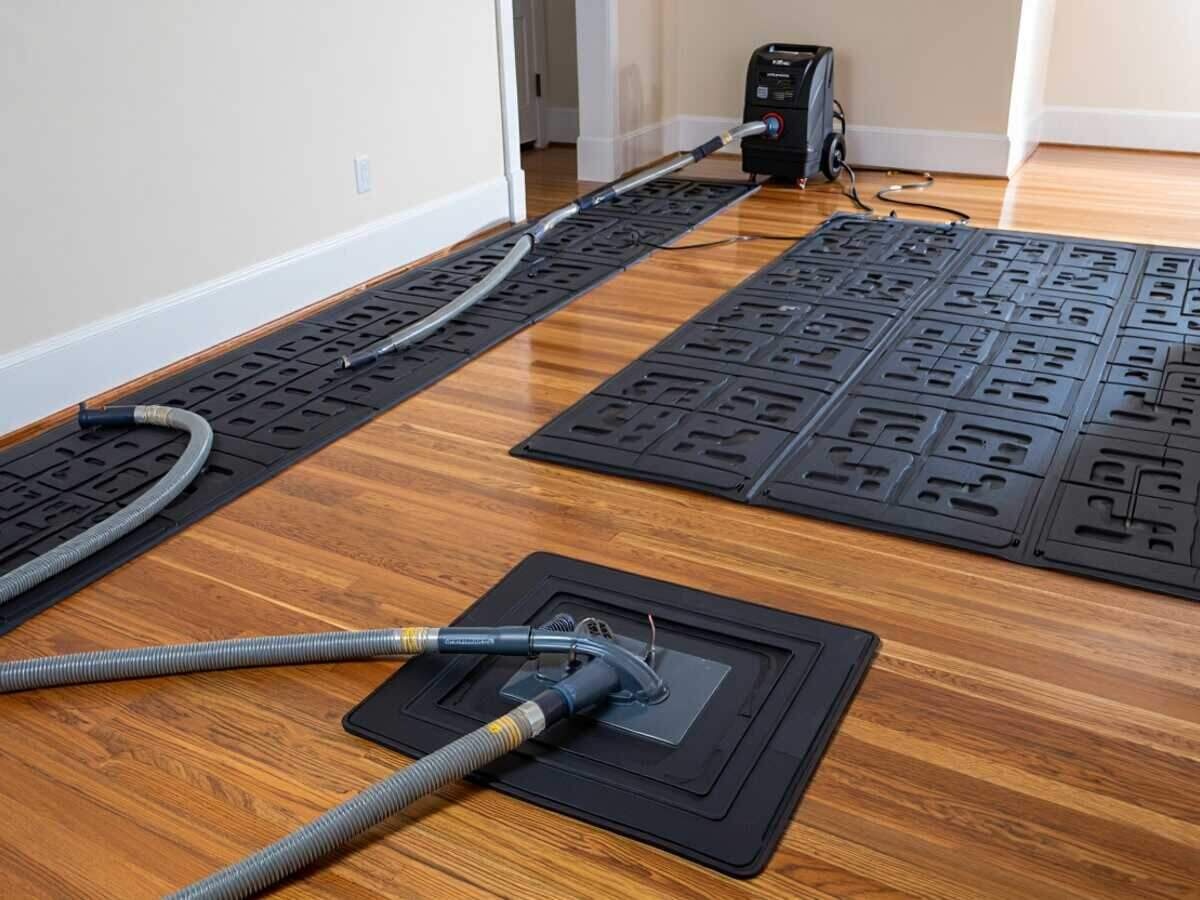
Air movers and dehumidifiers run while we track moisture daily to dry standard.
Restore & Document
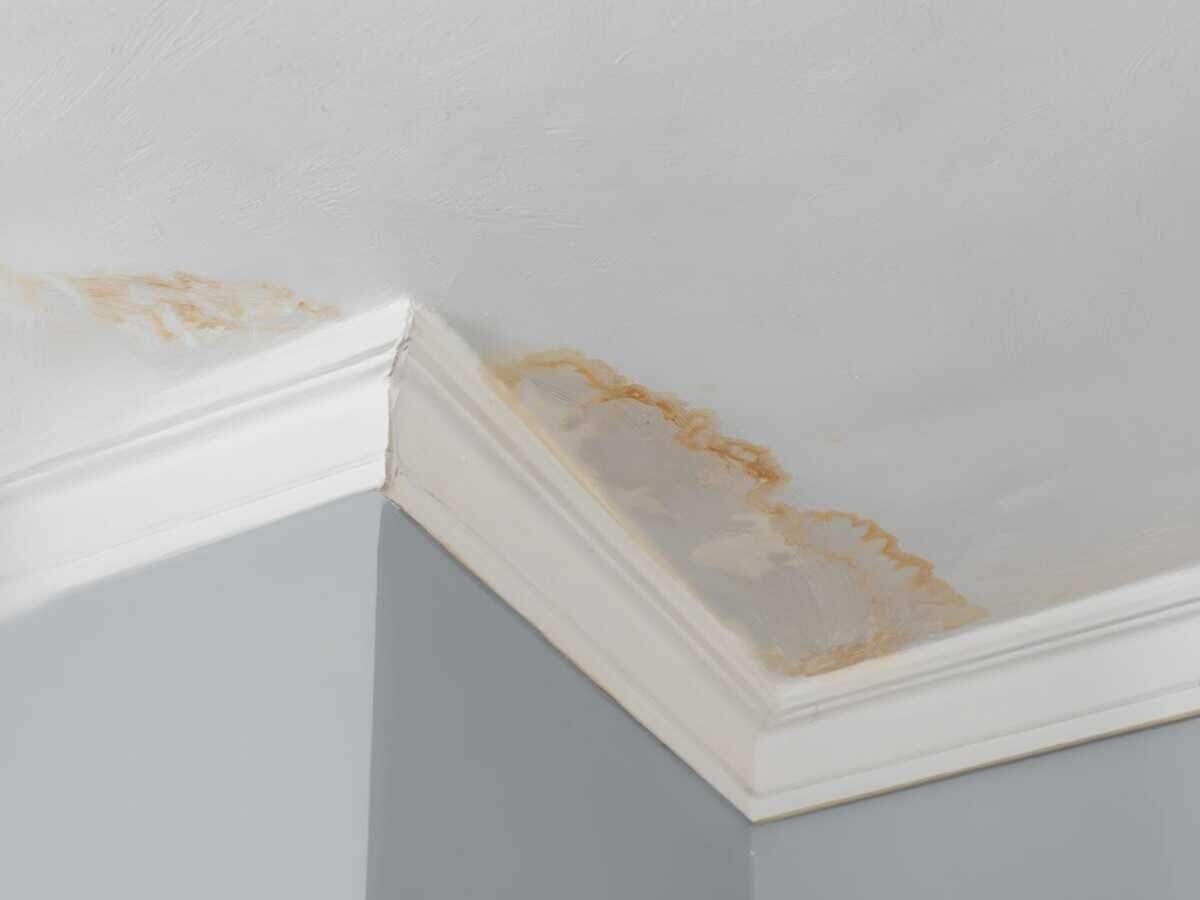
We repair what was damaged and hand your insurer a documented scope.
We document your water damage claim
A water claim turns on two things: acting fast, and documenting it right. We do both. From the moment we arrive we photograph the loss, log moisture readings by room, and build a scope that maps to your policy — then we bill your insurer directly for the covered work.
See how claims work in TexasWater damage in Pflugerville
Most of Pflugerville went up between the mid-1990s and the late 2000s, and plenty of those plans put the wet rooms upstairs. Laundry off the bedroom hall. Two or three baths on the second floor. Sometimes the water heater in an upstairs closet. When something up there fails, gravity finishes the job: the water crosses the subfloor, follows the joists to wherever they dip, and comes out of the ceiling below at a can light or a drywall seam.
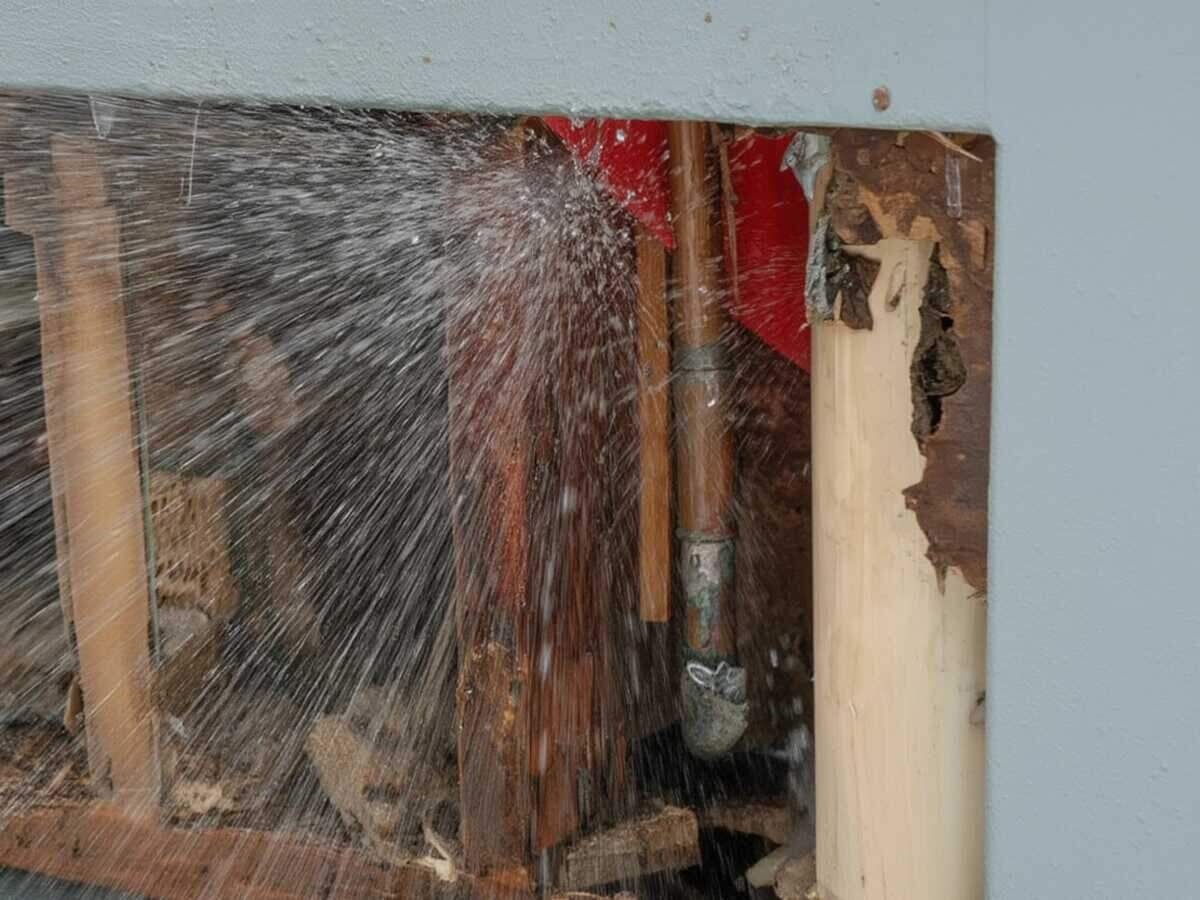
A two-story loss is largely a search problem, because the wet area is never the room you are standing in. The stain on the kitchen ceiling is the drip point, not the leak, and it is often several feet from the wet framing. We read the ceiling from above where there is access, cut small inspection openings at the edges instead of one big one in the middle, and take the insulation out, since wet fiberglass batts hold water against drywall long after the air in the room feels normal.
The ground floor gets its own version. Pflugerville sits on flat prairie ground that holds water rather than shedding it, so yards here have little fall, and a long soaking rain can stand against the slab until it finds the garage or a low threshold. Whether outside water is covered depends on the policy and your carrier decides that. The water damage restoration work does not change either way:
- Ceiling and joist-cavity drying after a second-floor leak, worked from both sides
- Wet insulation and swollen drywall out where in-place drying will not hold
- Ground-floor extraction, including garage slabs and the wall they share with the house
- Drywall, ceiling repair, and paint once the framing reads dry
Crews come into Pflugerville off SH 45 or up FM 685, and the truck carries pumps, air movers, dehumidifiers, and meters on every run. Reach us on (512) 271-5099 day or night. If a ceiling is bulging, get everyone out from under it and lead with that when you call, since it changes what we do in the first ten minutes.
Frequently asked questions
The ceiling under the upstairs bathroom is bulging. Should I poke a hole in it?
If you can reach it safely from the side, yes. A bulge that size is holding gallons, and a sagging ceiling lets go all at once. Put a bucket under the lowest point, stand out of the fall line, and open a small hole to let it drain. Kill the breaker for any light in that ceiling first. If it is over a stairwell, or you need a ladder to reach it, leave it and wait for us.
How do you dry a ceiling without taking the whole thing down?
Small openings and moving air. We cut inspection holes at the wet edges, pull the soaked insulation out through them, and push dry air into the joist cavity while a dehumidifier takes the moisture out of the room. Then we read it every day. Ceilings that have already sagged or lost their bond have to come down, but plenty of Pflugerville ceilings dry in place when the equipment goes in early.
The water only showed up in one spot. Why are you checking the walls?
Because water travels along framing and stops where framing stops. From an upstairs leak it runs across the subfloor, down inside a stud bay, and can turn up at the bottom of a first-floor wall six feet from the stain. The meter goes ahead of the saw. We map the whole wet zone before anything is opened, so the repair ends up the size of the damage instead of the size of a guess.
How many days do the fans stay in the house?
Three to five on a typical job, longer for a two-story loss with wet framing. We are not counting days, though, we are counting readings: the equipment comes out when the wet material matches the same material in a part of the house that never got wet. You get the numbers at every visit, so nobody has to take our word for it.
Rain came in under the garage door and soaked the hall carpet. Do you handle that too?
Yes, that is ordinary water damage repair work: extract it, lift and discard the pad, dry the slab and the wall bases, and check the drywall behind whatever was sitting on the floor. What we do not take on is rising creek water, which falls under a flood policy rather than a homeowners claim and is a different kind of job. If you are not sure which one you have, describe it on the phone and we will say which side of that line you are on.
Areas We Serve Across the Austin Metro
Local response across Travis, Williamson, and Hays counties.
Pflugerville ceilings sag before they drip.
Move everyone out from under the wet ceiling, then call. A technician answers around the clock, and the crew coming up FM 685 handles the extraction, the drying, and the ceiling repair afterward.