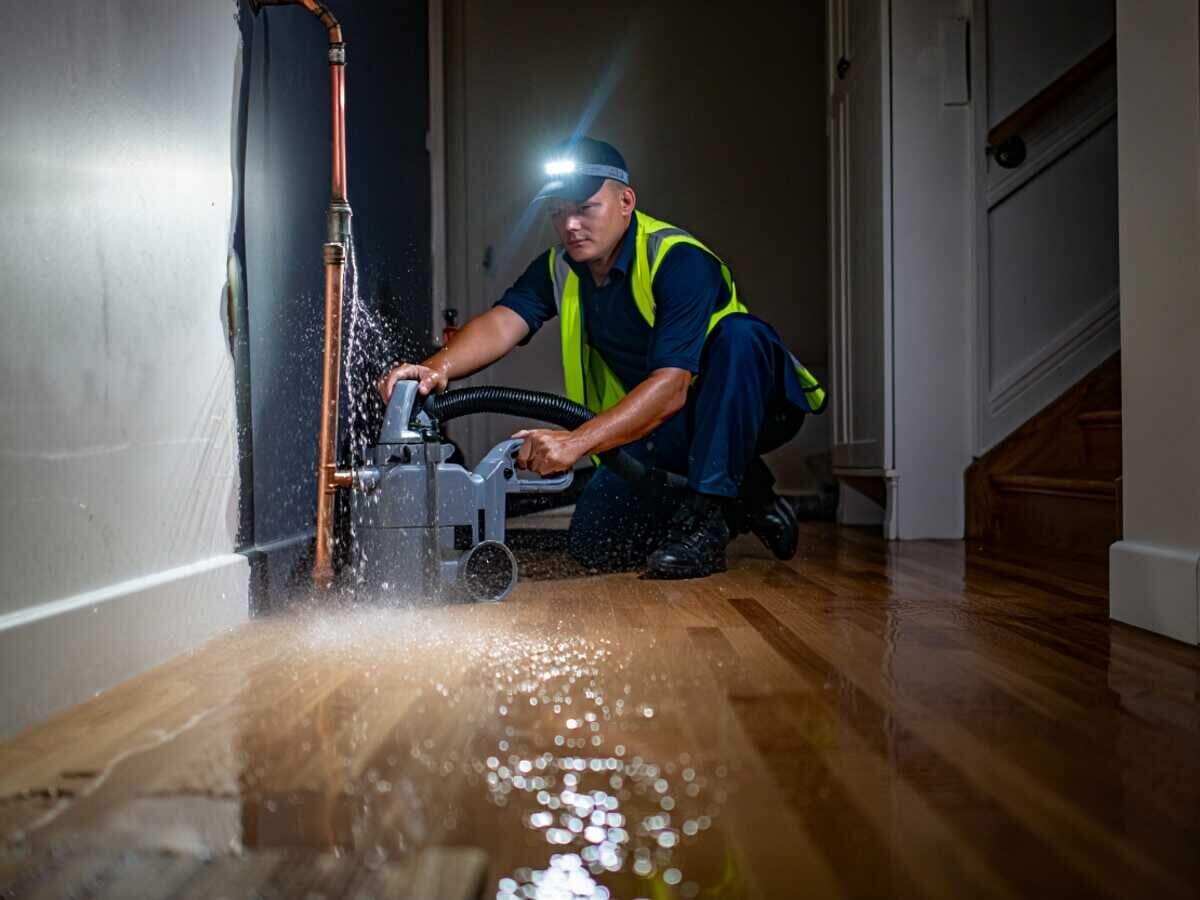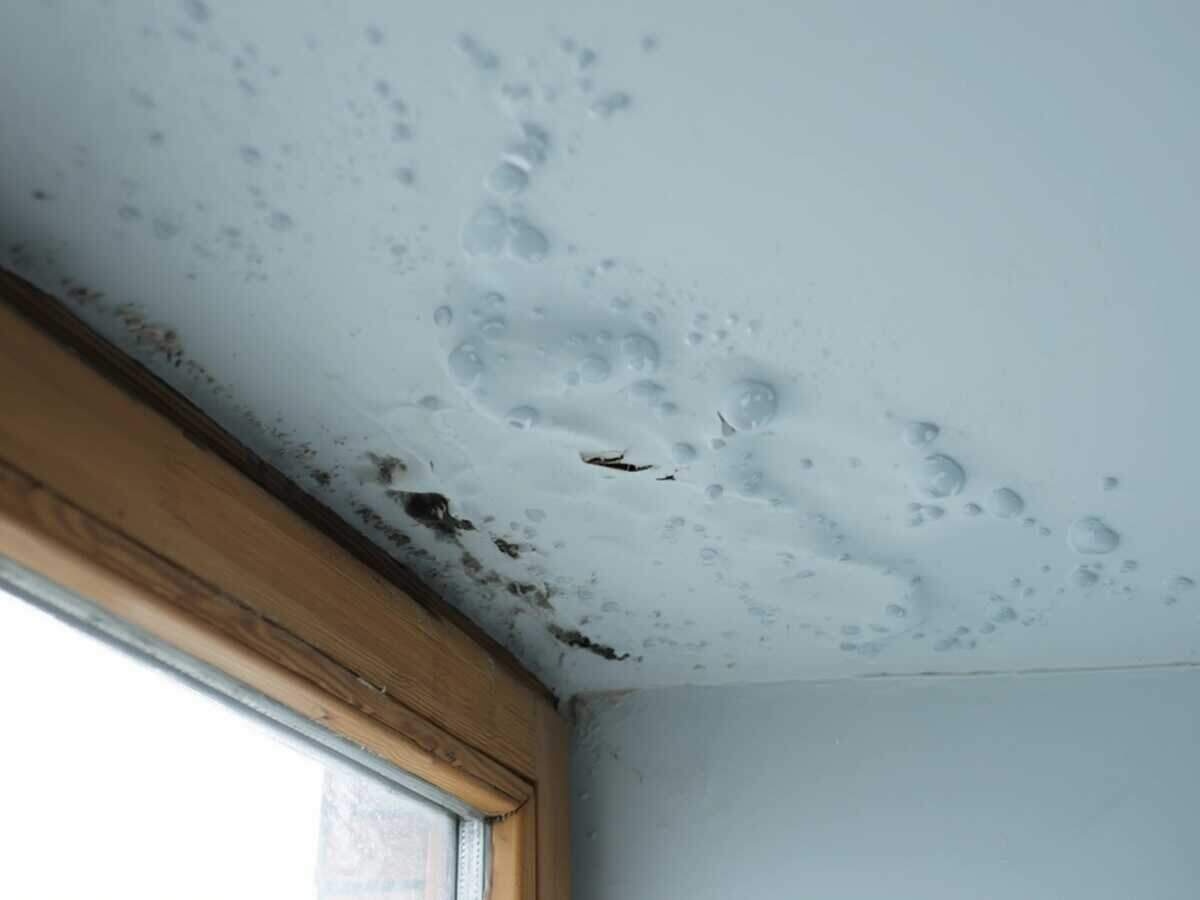




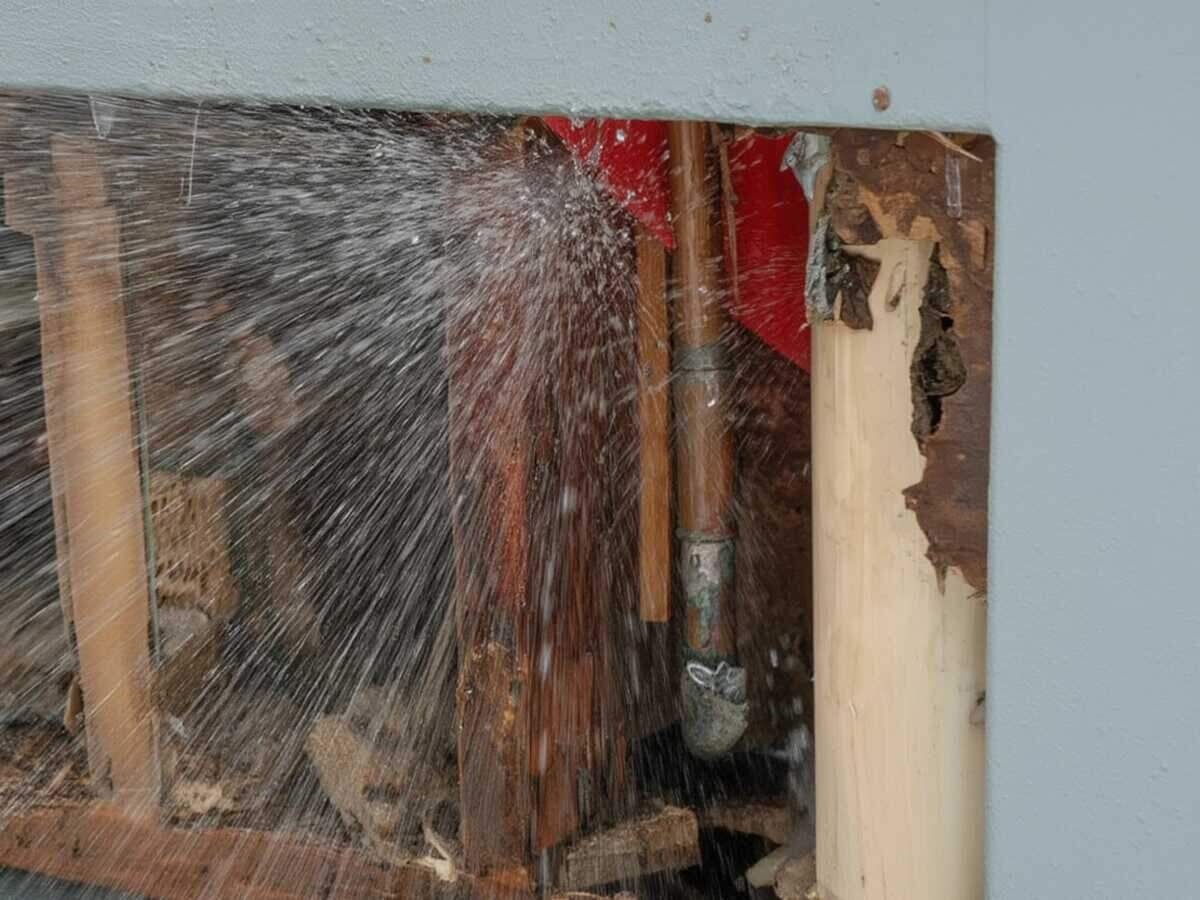
A Pflugerville freeze break is a wall problem before it is a plumbing problem, and which wall depends on which way the wind came from. There is nothing on this stretch of prairie to break a hard north wind before it reaches a house, so the north and west elevations run colder than the rest of the building for as long as the front sits on us. What fails is the plumbing living in those walls: the line feeding a kitchen sink set under a window, a laundry box on an outside wall, the stub out to a hose bib, and in the two-story plans a bathroom group stacked on an exterior corner.
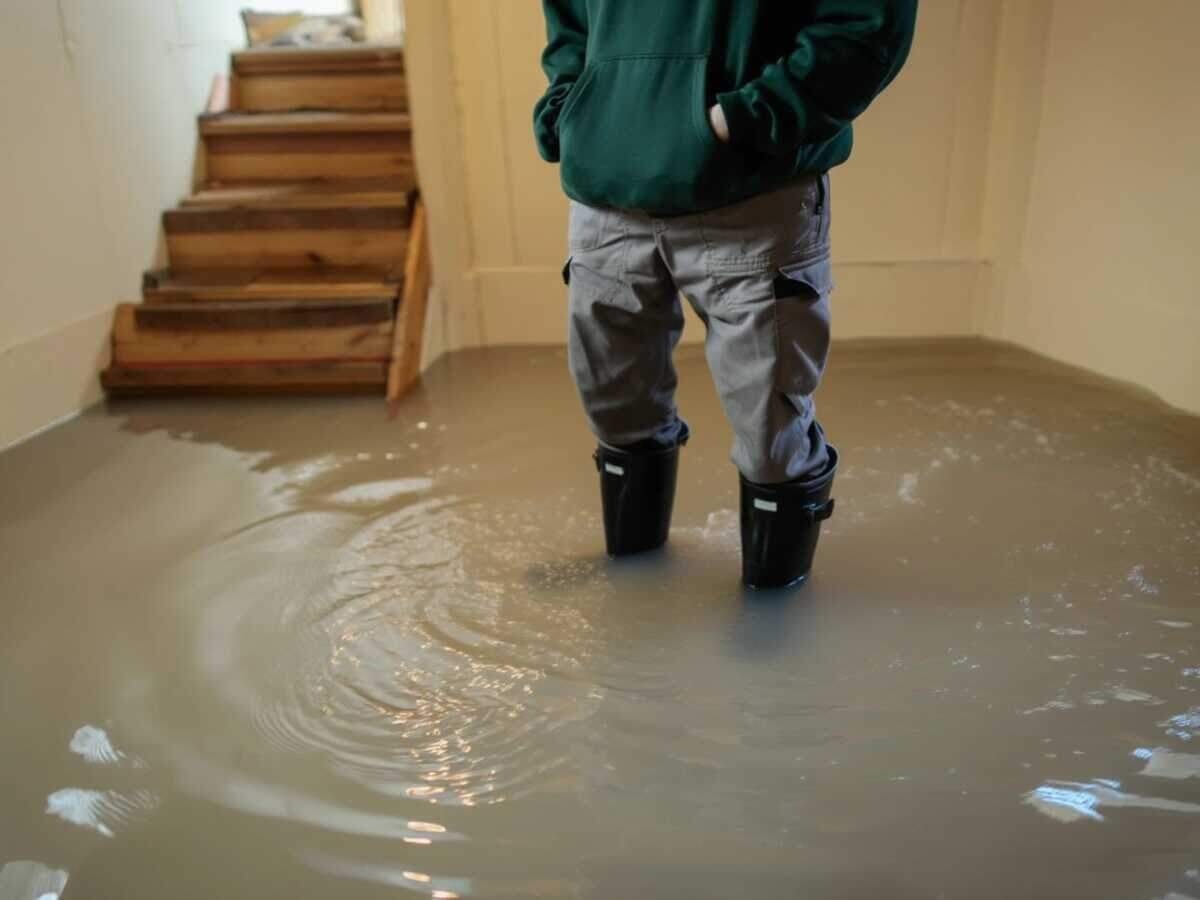
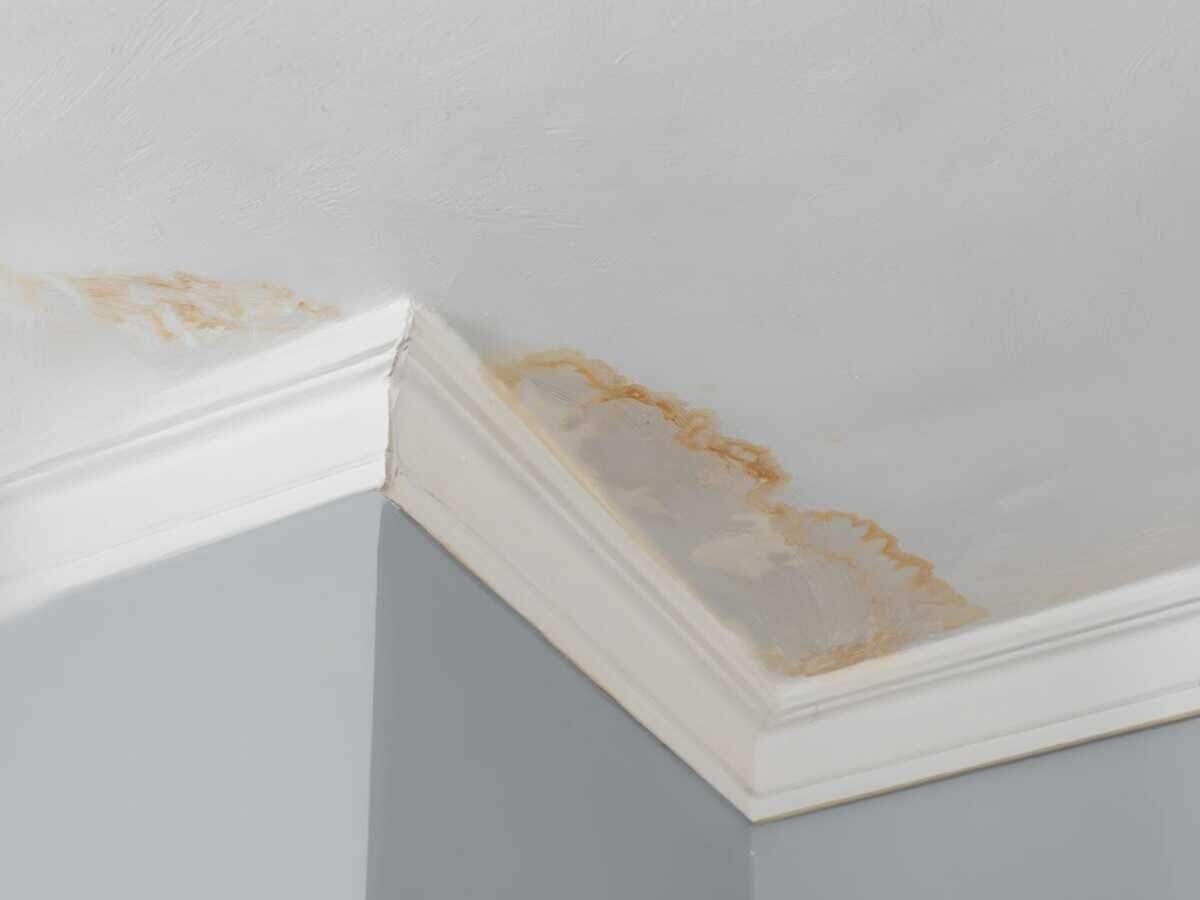
Almost none of that water lands where you can see it. A line that splits inside a stud bay drains downward, soaks the insulation on the way, and reaches the bottom plate, and on a slab it then runs flat along the plate looking for a way out. It commonly surfaces two rooms away at a doorway or under a cabinet, hours after the split, so burst pipe water damage in one of these houses is measured by what the walls are holding and not by what reached the floor. Reading them is the first thing we do.
Where we open, and where we leave it closed
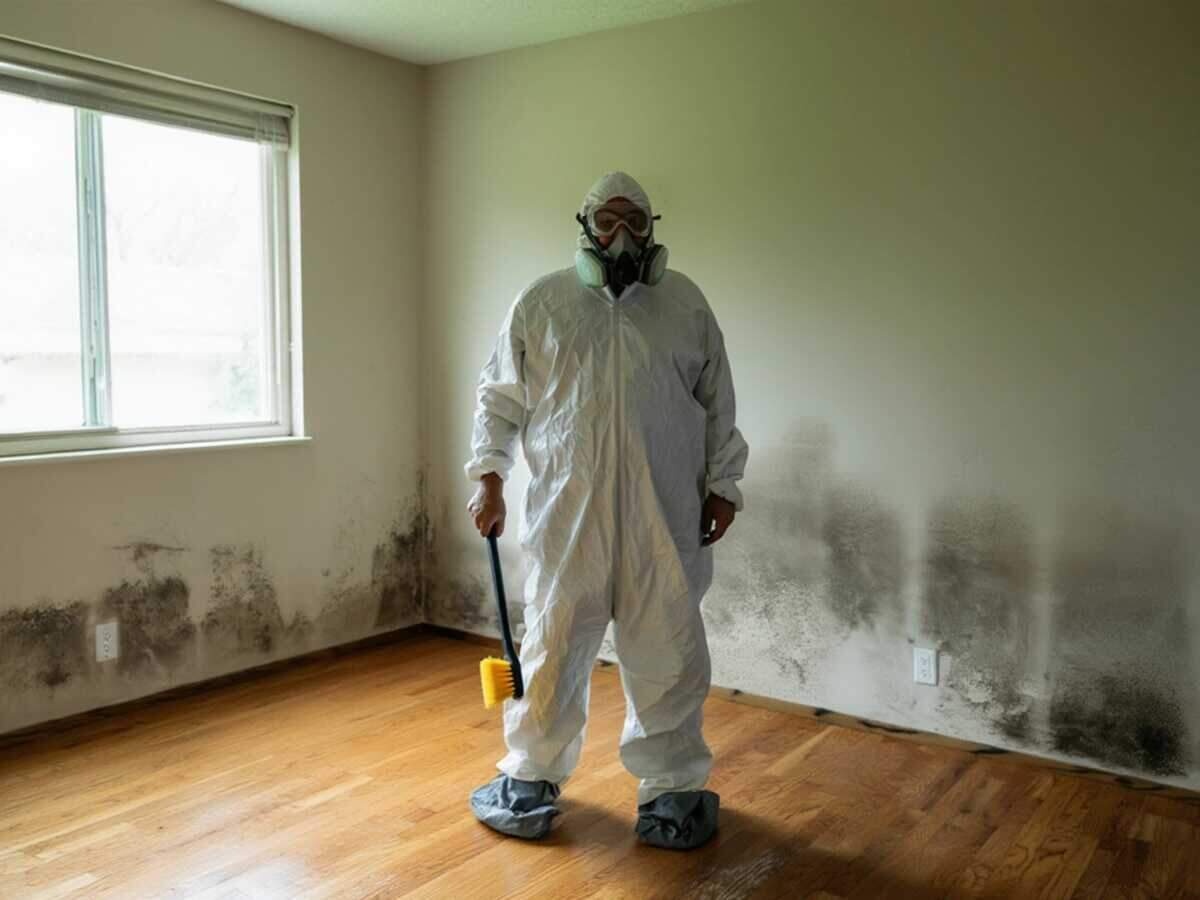
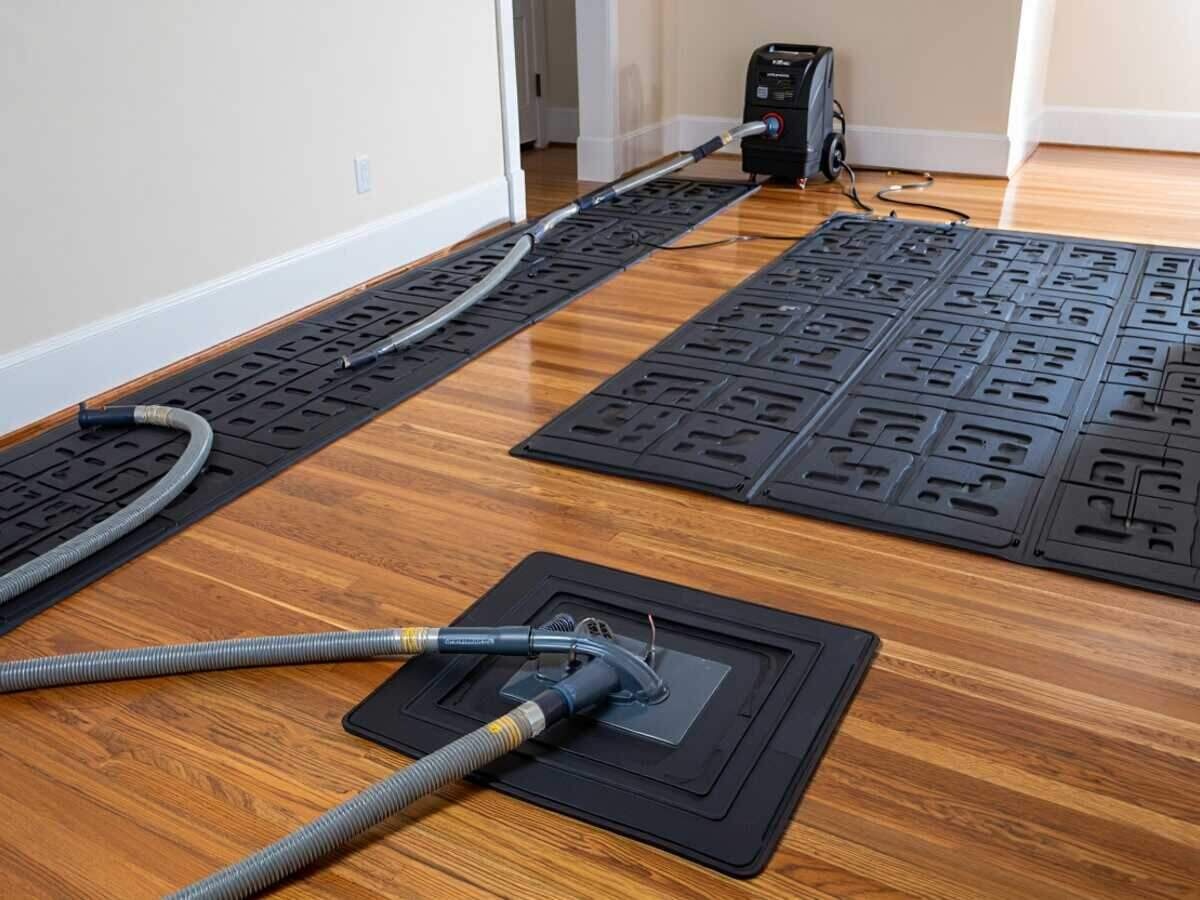
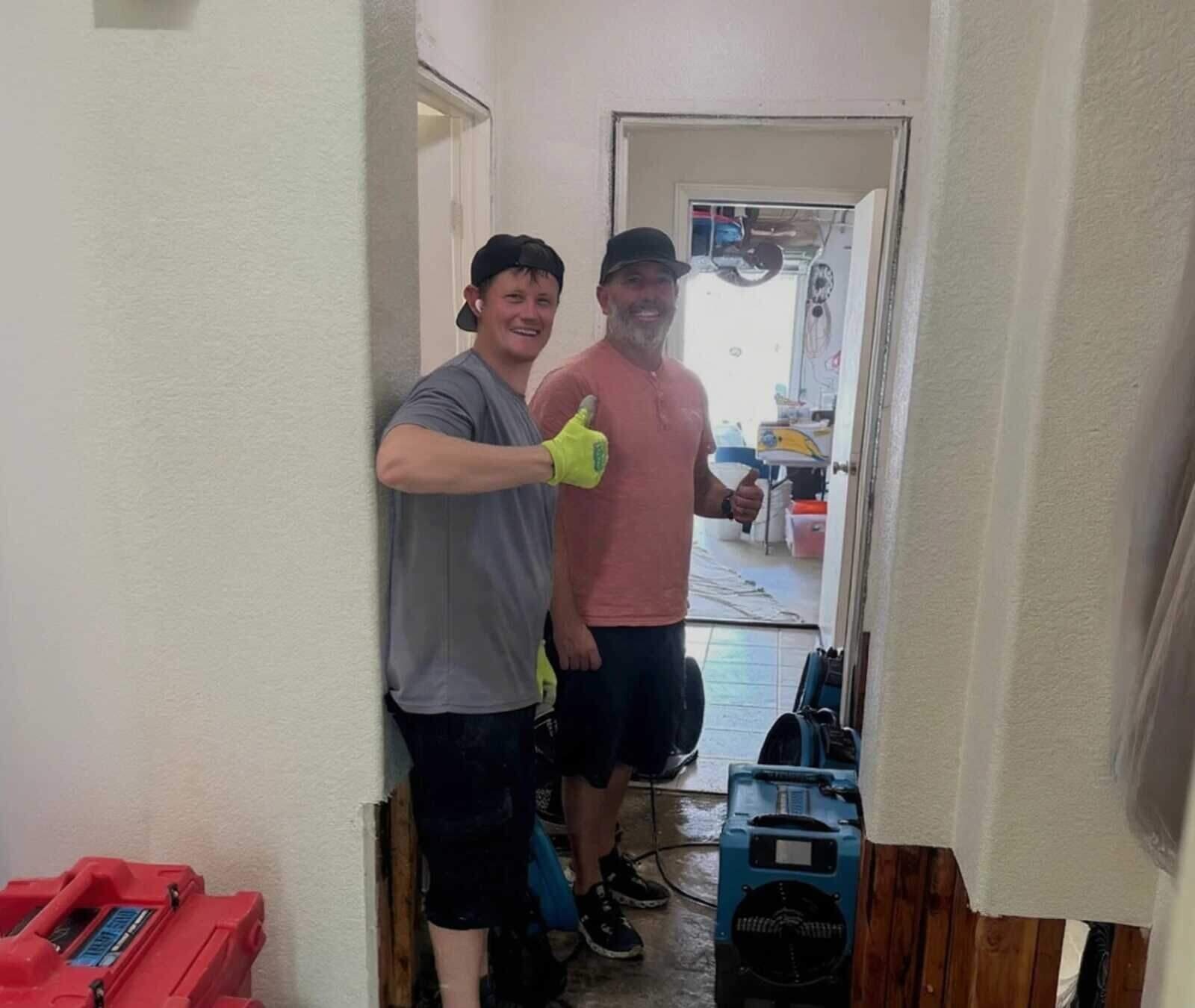
The meter and the thermal camera give us the wet edge, and that edge decides every cut. We work the exposed elevation first because that is where the physics points, then read inward until the numbers come back to ordinary. Soaked batt insulation comes out, because a wet batt in an exterior wall never gets its loft back and will hold water against the studs for weeks. Air goes into the cavity itself rather than at the paint, dehumidifiers pull the moisture out of the room, and readings get taken daily against a wall the water never reached. Nothing closes until those two numbers agree.
- The exposed elevation read first, then inward until readings come back to ordinary
- Openings sized to the wet edge on a meter, not to where the water showed up
- Wet batt insulation removed instead of sealed back in behind new board
- Daily readings taken against a wall the water never reached before anything closes
Expect a split on the insurance side. Texas policies generally deal with the damage a sudden burst caused, along with the cost of getting to the break, and treat the repair of the failed section itself as your plumber's invoice. We document the loss and the cause the way an adjuster needs to see it, and your carrier makes the coverage call. Call (512) 271-5099 as soon as the water is off.