Water Damage Restoration in Leander, TX
A four-year-old house in Bryson, a supply line under a bathroom vanity, and a weep nobody hears because the door stays shut. Most of Leander went up in the last fifteen years, and a house that new is the last place anyone goes looking for a leak.
- We bill your insurer directly
- IICRC-certified crews
One crew, from extraction to the final repair
One local crew handles extraction, drying, and repair from the first call through the final moisture reading. Sewage cleanup and structural drying are run metro-wide from the same trucks.
Our restoration process in Leander
Four steps, starting the moment you call.
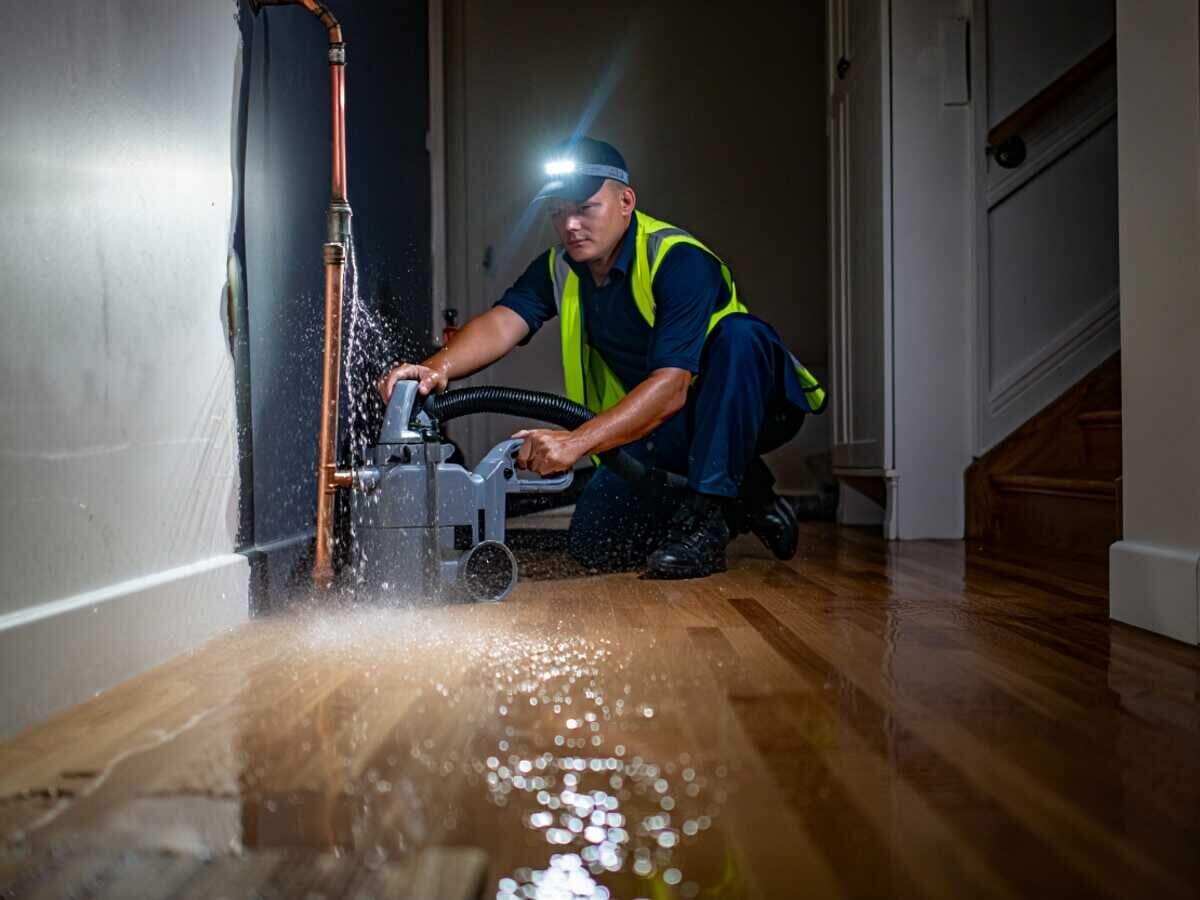
Call & Dispatch
Tell us what happened. A local crew is dispatched on the call, and how fast we reach you depends on traffic and where you are.
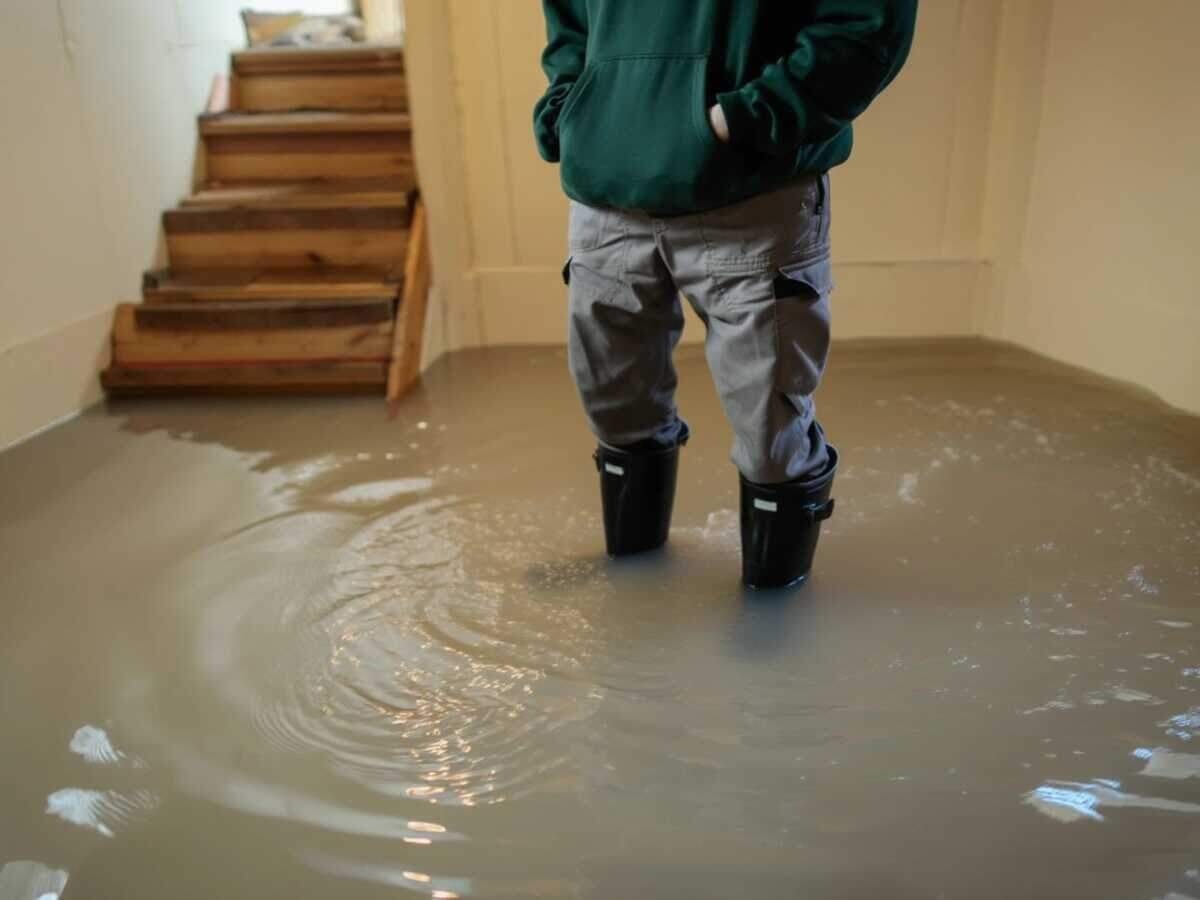
Extract & Stabilize
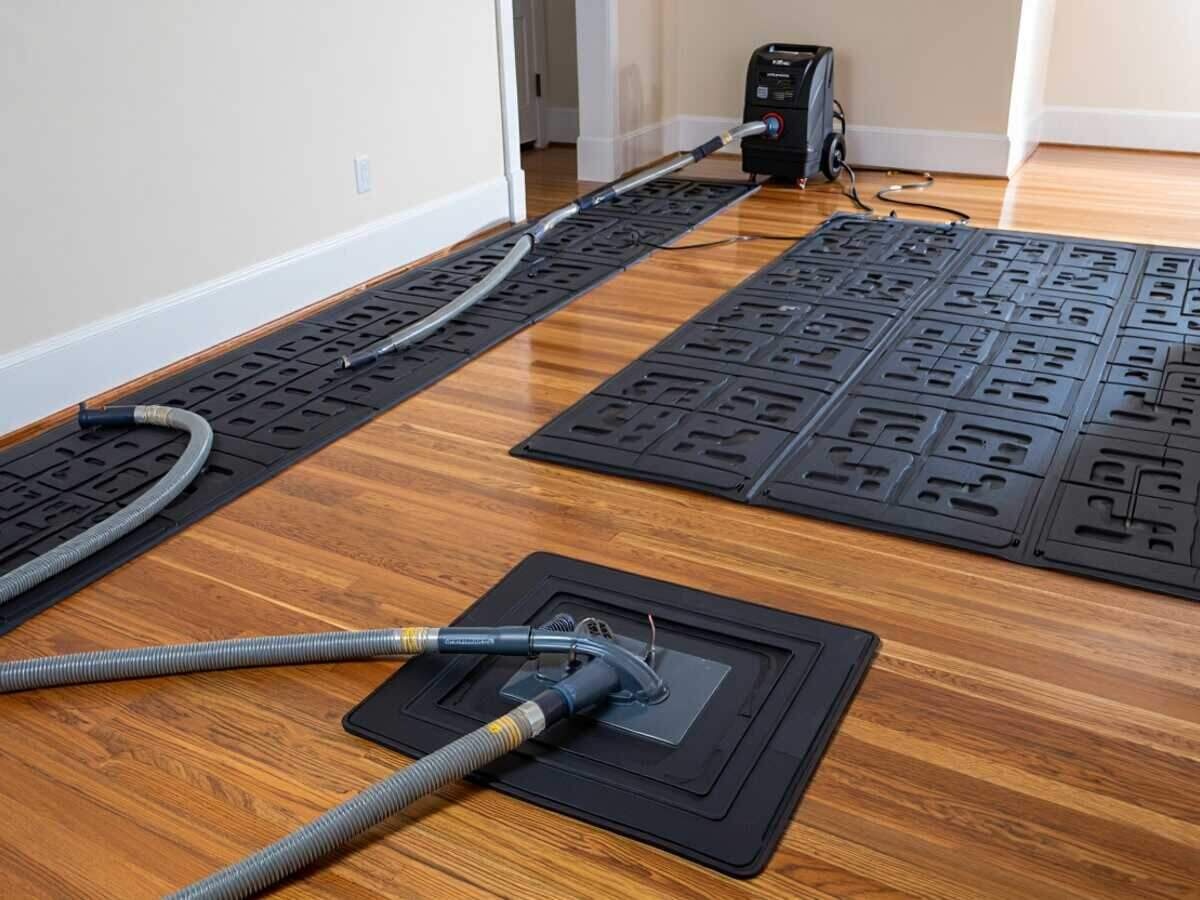
We stop the source, pump out standing water, and set drying equipment.
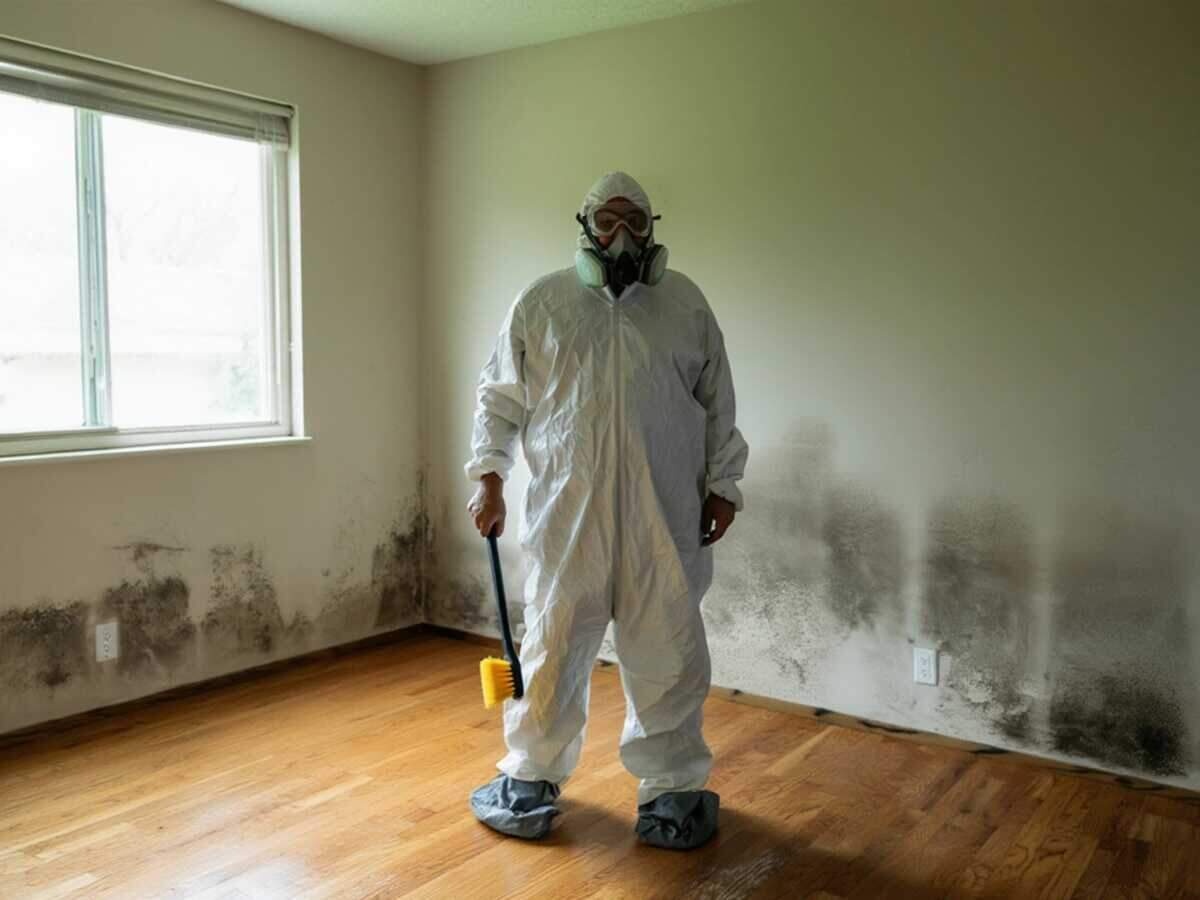
Dry & Monitor
Air movers and dehumidifiers run while we track moisture daily to dry standard.
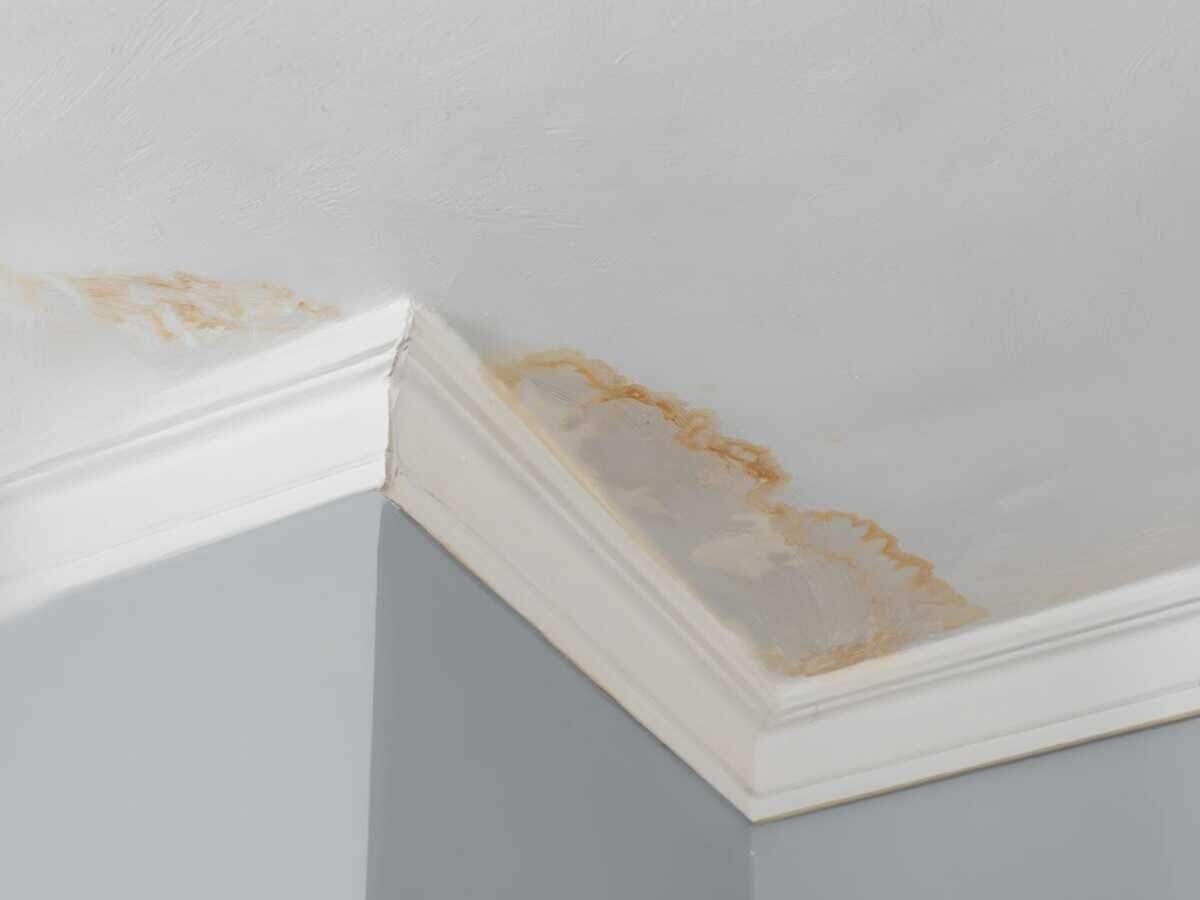
Restore & Document
We repair what was damaged and hand your insurer a documented scope.
We document your water damage claim
A water claim turns on two things: acting fast, and documenting it right. We do both. From the moment we arrive we photograph the loss, log moisture readings by room, and build a scope that maps to your policy — then we bill your insurer directly for the covered work.
See how claims work in TexasWater damage in Leander
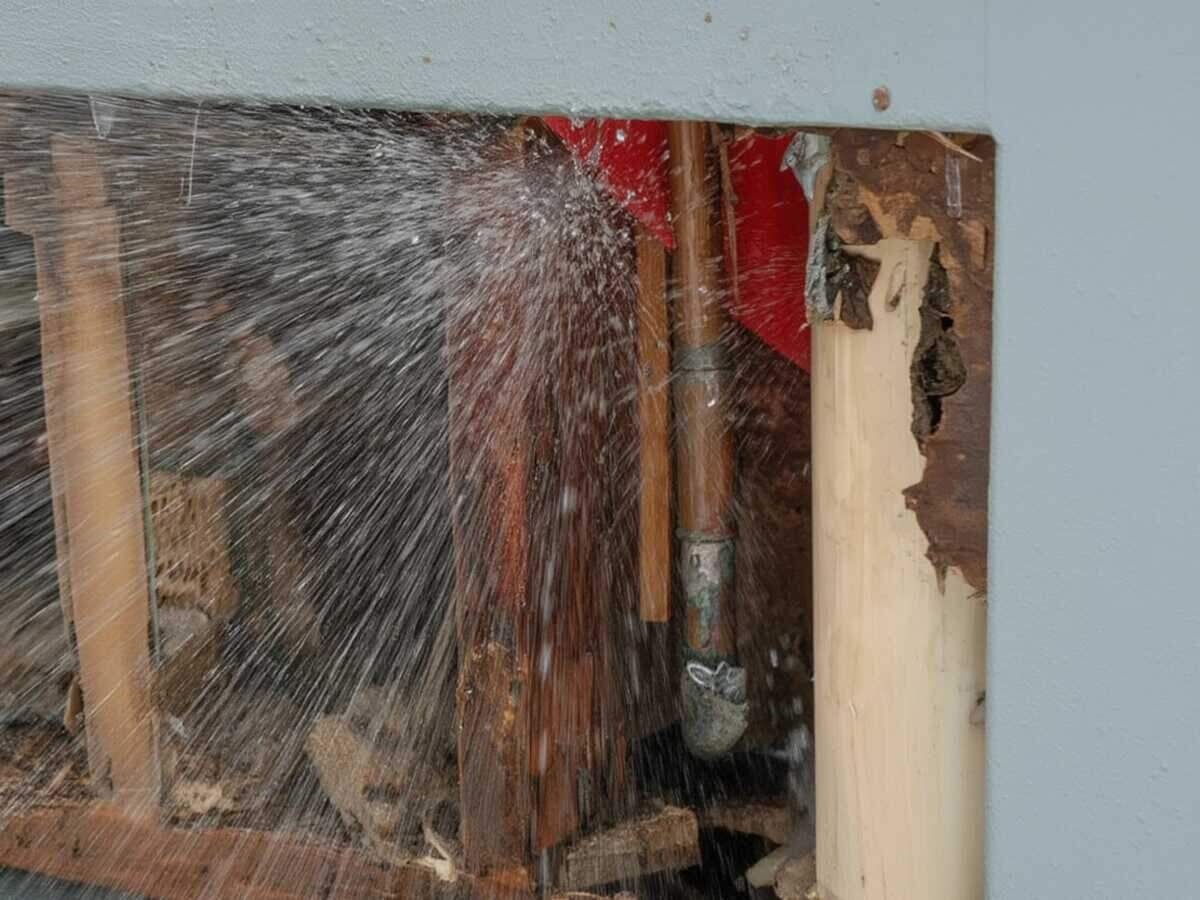
Water damage restoration in Leander is young-house work. Almost everything we walk into here was built in the last fifteen years, and nothing in it has corroded through yet. What fails instead is the connection: a push-fit or crimped PEX fitting behind a wall, a builder-grade angle stop with a plastic ferrule, an ice maker line pinched a little too tight, the washer hose that came with the house, or a water heater in the last year of its tank warranty. Those go in at production pace across Bryson, Palmera Ridge, and the streets still filling in off Ronald Reagan, and a share of them will weep.
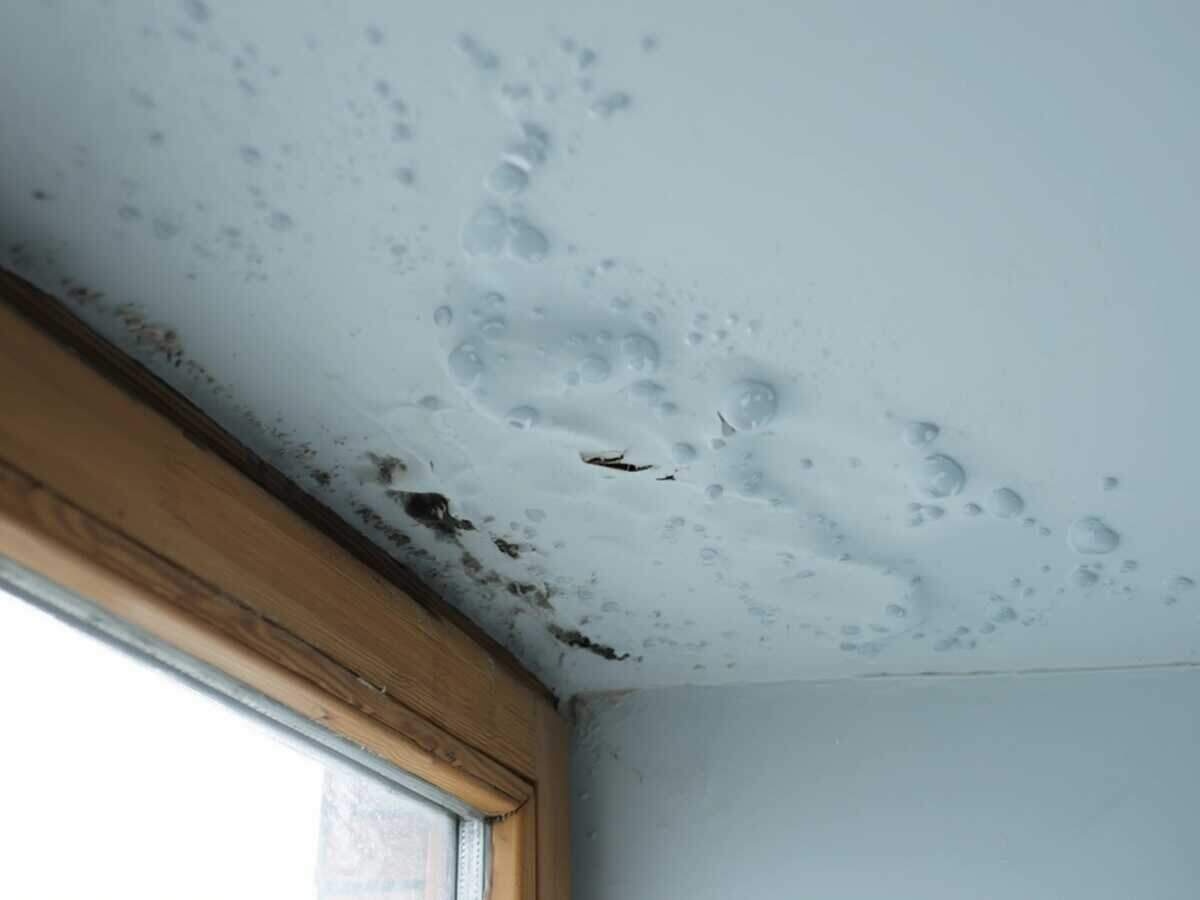
New construction also changes how long a leak runs, because nobody suspects a four-year-old house. The vanity cabinet keeps the drip out of sight. A floating plank floor spreads water flat underneath without swelling right away. By the time a board cups or a baseboard darkens, the floor has been wet for weeks. Water damage cleanup in a house like that is largely a question of how far it traveled sideways, which is why we meter well past the room the leak was in.
The last part is money, and it surprises people. A builder or manufacturer warranty generally replaces the part that failed. It does not put back the floor, the drywall, the trim, or the cabinet it ruined, and that side is normally a homeowners claim. Call the builder, report the claim, and let us document the loss so both conversations are looking at the same photos and readings. The work itself runs in this order:
- Extraction and drying after a PEX fitting, supply line, or water heater failure
- Floating and glued-down floors lifted only where the slab beneath them is wet
- Wall and cabinet cavity drying where the leak ran inside the framing
- Baseboard, drywall, and flooring replaced once the meter says so
Leander sits at the top end of 183A, so a crew can be pointed at Bryson, Crystal Falls Parkway, or the new sections off Ronald Reagan without crossing the metro to get there. Call (512) 271-5099 as soon as you find it and tell us how old the house is and what let go. On a house this new we can usually name the part before we see it.
Frequently asked questions
The house is three years old. Shouldn't the builder be paying for this?
Read the warranty, and call them either way. Builder warranties in Texas usually cover workmanship for a limited period plus the failed component, and a manufacturer will often replace a bad valve or a bad water heater. Neither one typically pays for the drying or the water damage repair afterward, and that part is normally a homeowners claim. We document the source and the damage in a form that works for both conversations, and the carrier makes the coverage call.
Do you have to take up the whole floor if it is floating plank?
Not always. A floating floor sits on a pad over the slab with nothing bonding it down, so water spreads flat underneath while the planks on top still look fine. We lift a section at the edge of the wet zone, read the slab, and decide from the numbers. Sometimes the slab dries through a small opening and the same planks go back down. Where the core has swollen, those boards do not come back.
Nothing looks wet but our water bill doubled. What now?
Something is losing water where you cannot see it: under the slab, in an irrigation zone, or inside a wall. A plumber isolates and repairs the line; we find and dry what the water has already soaked. If the meter is still turning with everything in the house shut off, close the main and call both of us. We can be there for the moisture side as soon as the plumber knows where they are cutting.
Can we stay in the house while it dries?
Usually. The equipment is loud and it warms the room, but we place it so bedrooms stay usable and we work around the hours you keep. Two things change that answer: category-three water, meaning contaminated, and a containment that seals off your only bathroom. If either applies we say so on day one instead of halfway through.
Areas We Serve Across the Austin Metro
Local response across Travis, Williamson, and Hays counties.
A new Leander house floods the same way an old one does.
Call and describe what you found and when you found it. We answer day or night, and a crew heads up 183A with everything the first day of drying takes already loaded.