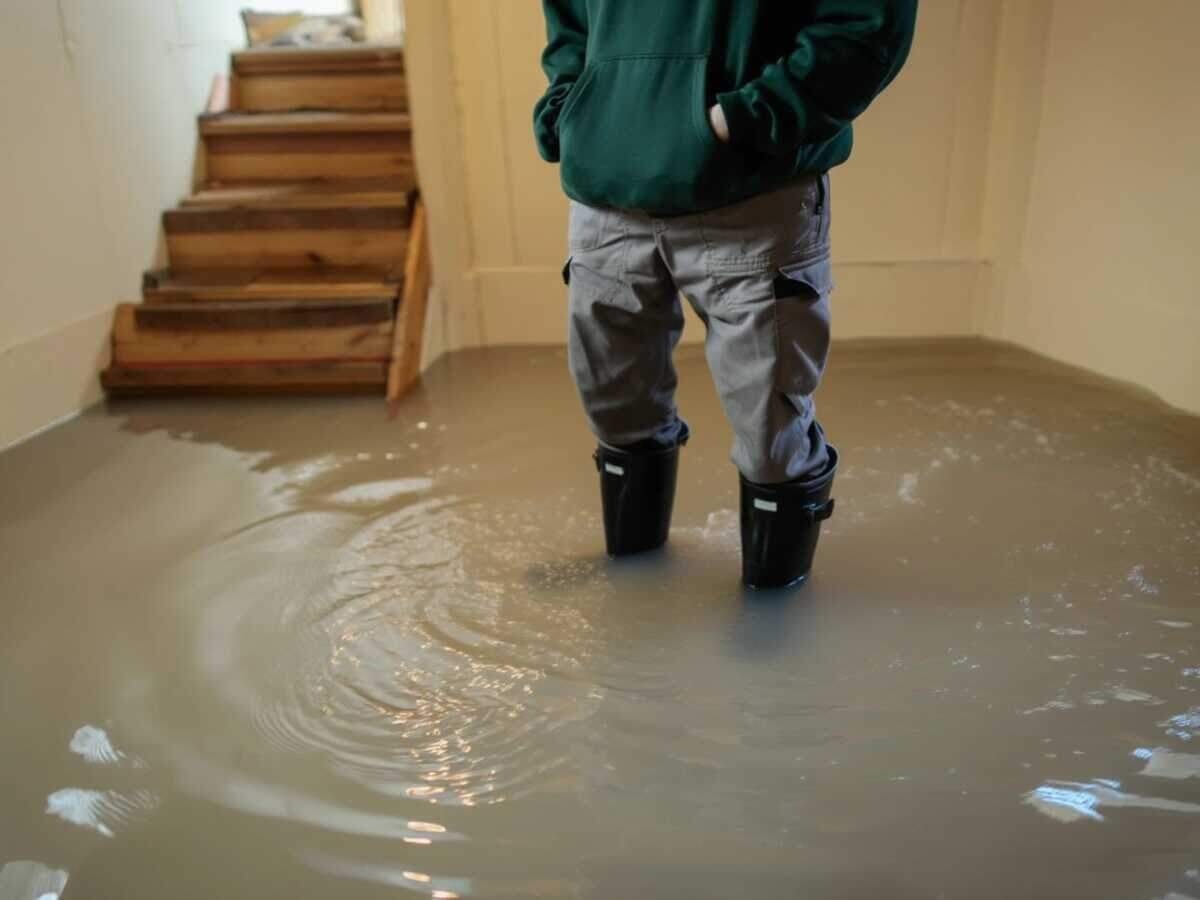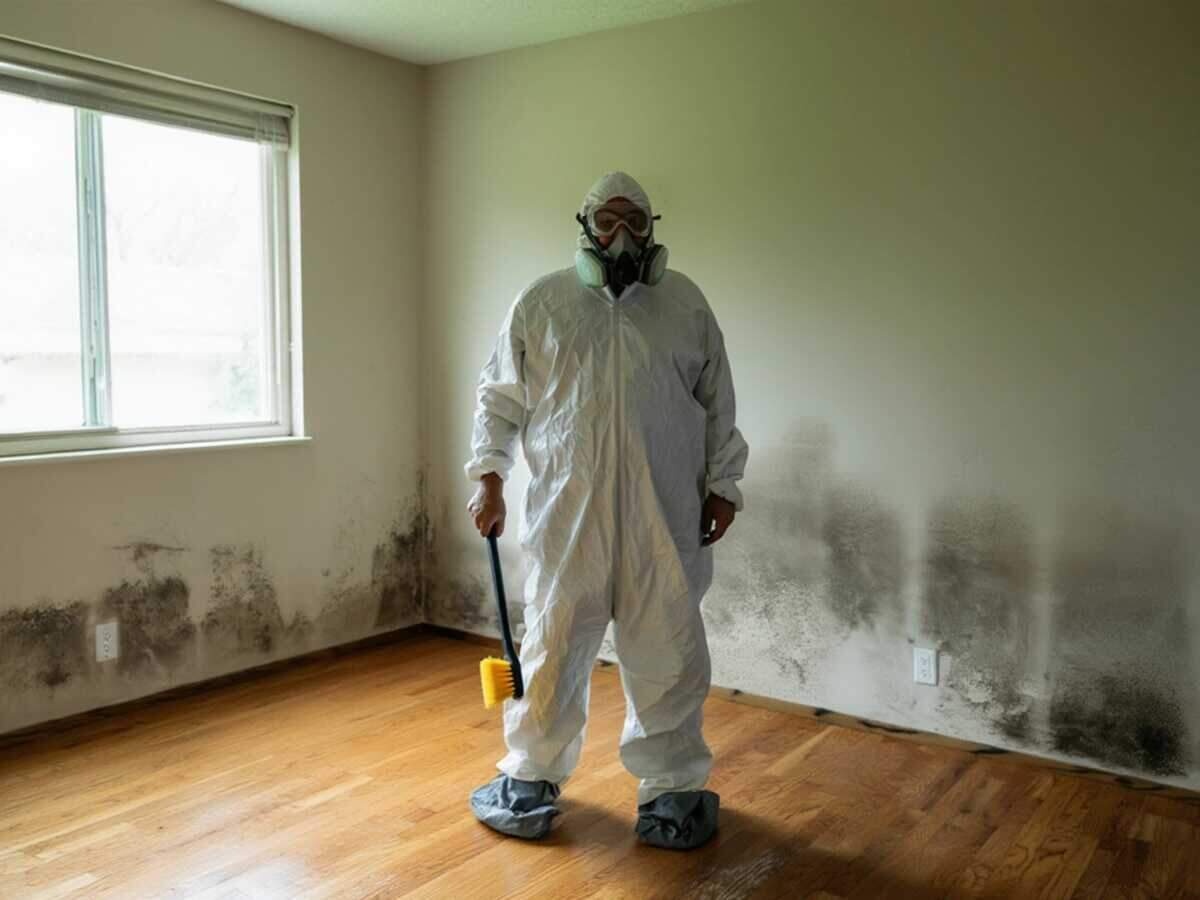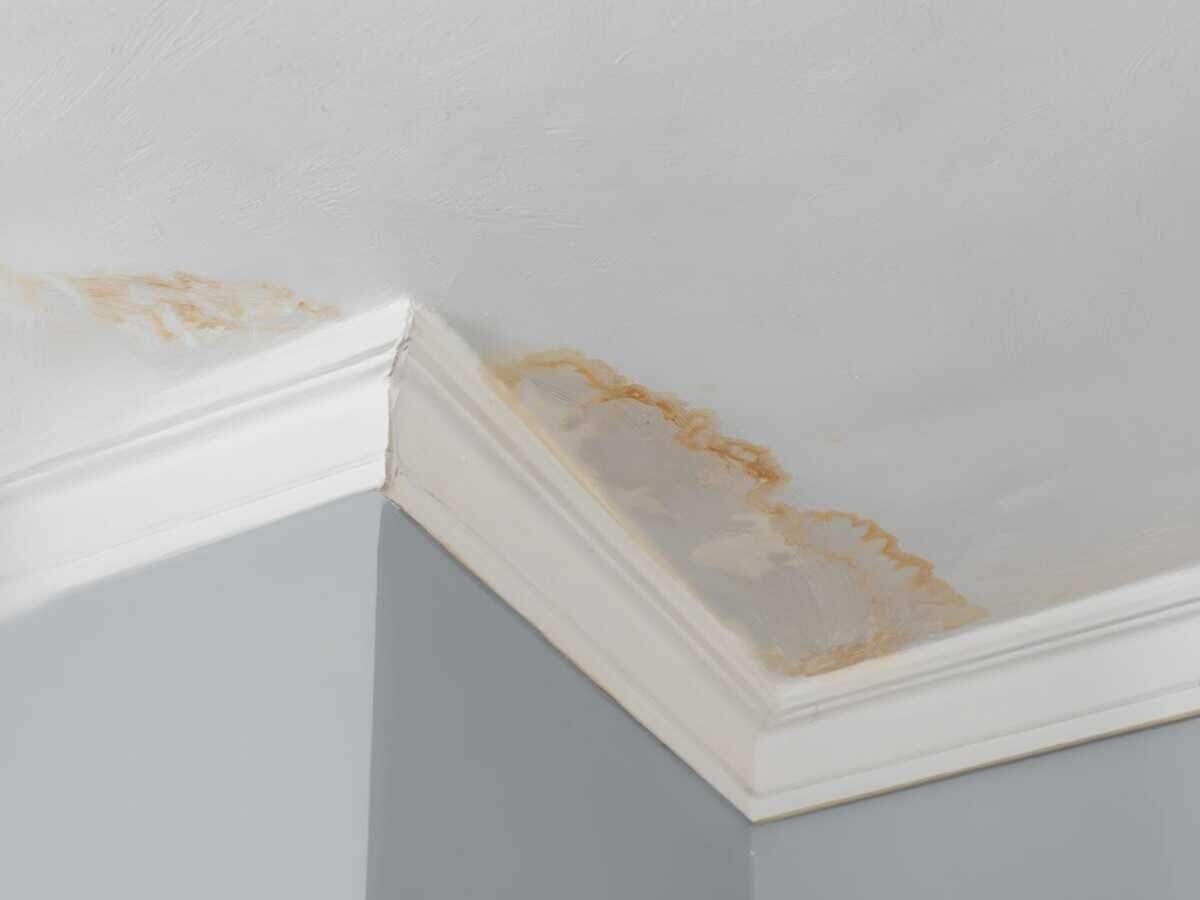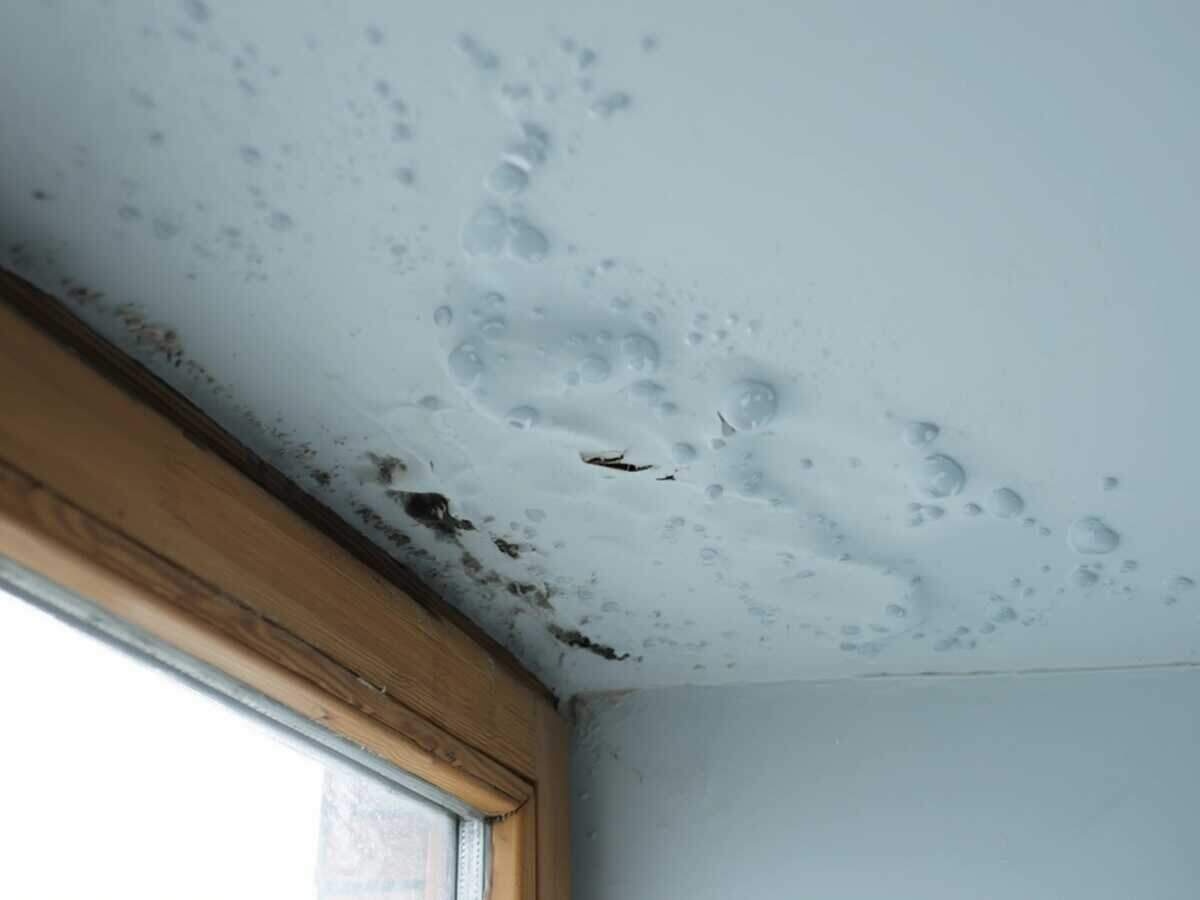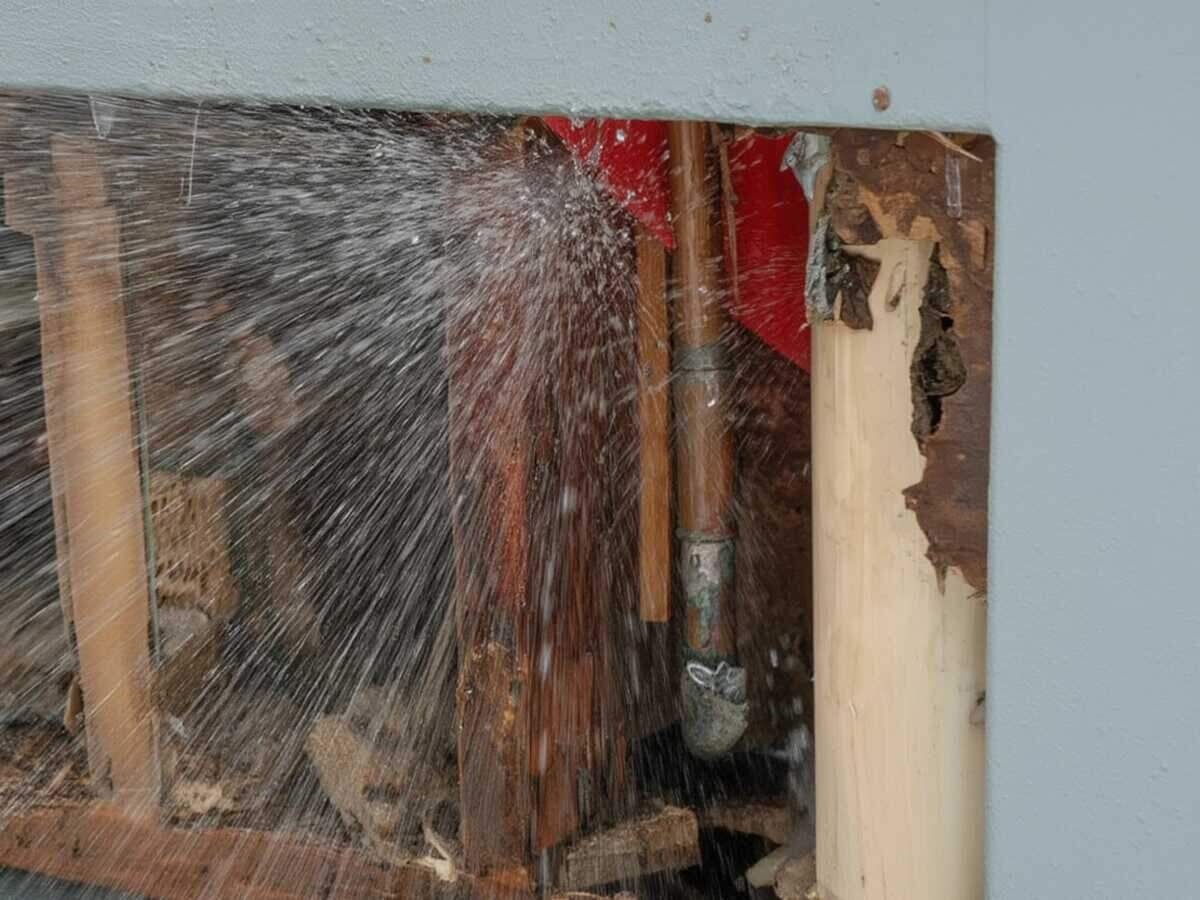




Emergency water damage is a clock problem, and most of the bill is set in the first few hours. So the call does two things at once: somebody talks you through finding the valve while a crew is pointed at an address the map app may not carry yet. On a house this new the valve you want is usually a ball valve on the riser where the water comes up, often at the front hose bib or just inside the garage. If you cannot find it, the meter box at the curb is the fallback. Open a downstairs tap afterward to drop the pressure out of the lines.
Then the address. Leander is still adding streets, and in the newest sections off New Hope Drive and San Gabriel Parkway the map data runs behind the pavement, so we ask for the subdivision and the nearest cross street and skip the lap around the block. Tell us as well whether the water is anywhere near an outlet or a floor box, because that decides whether the first thing we do on arrival is kill a circuit.
What the first hours on site are for
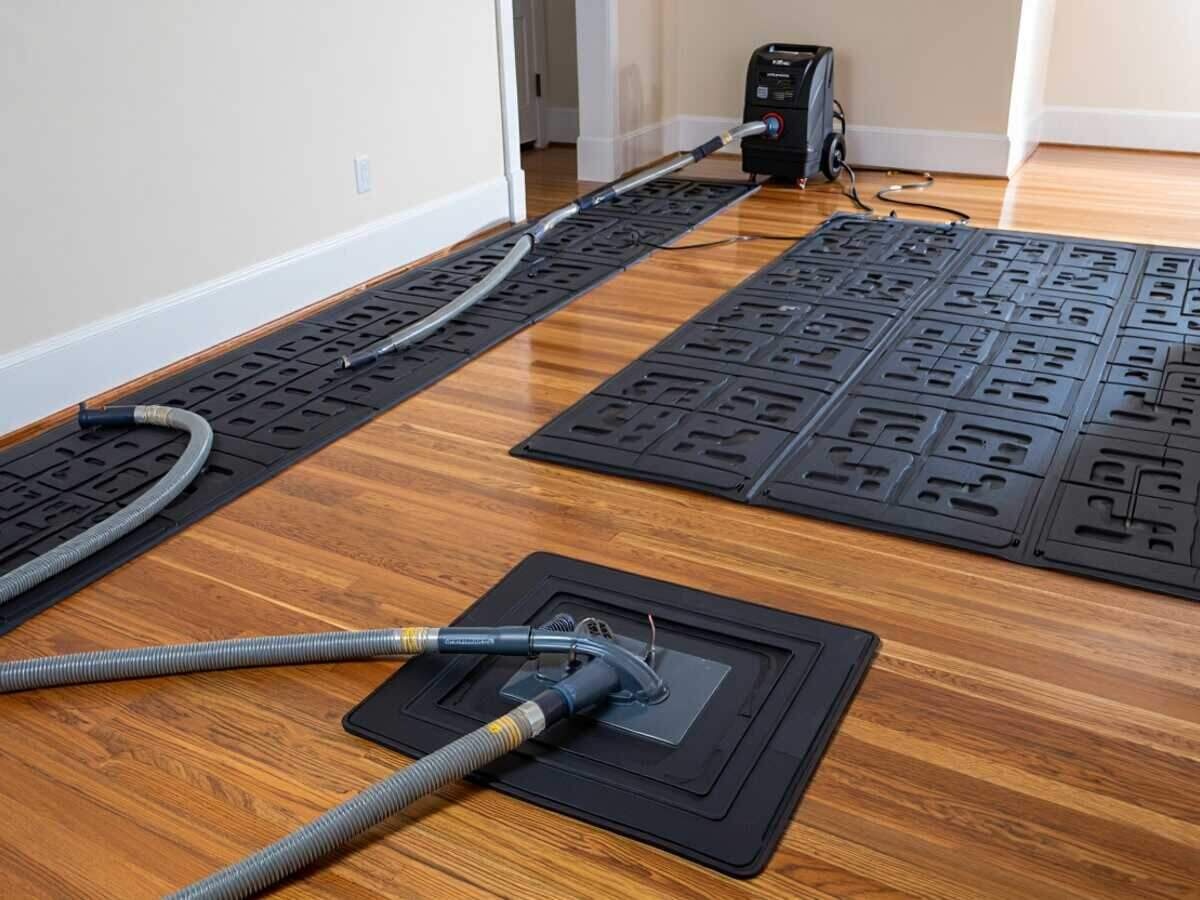
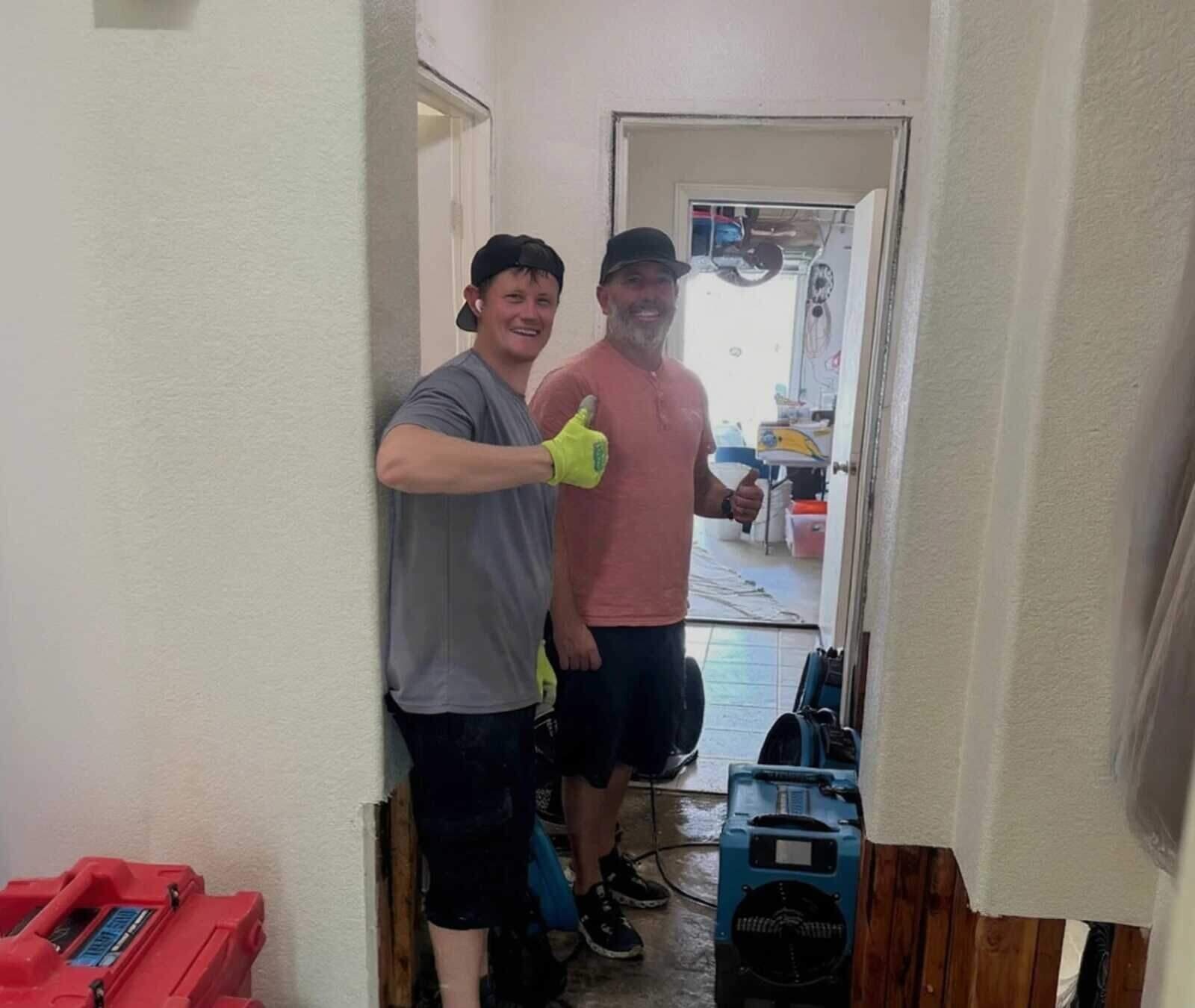
Confirm the source is dead, extract, then find the edges. We meter wall bases, door casings, and the far side of every wall the water reached, because in an open plan it is always further along than it looks. Drying equipment goes in before we leave, sized to the room and the material rather than to whatever happened to be on the truck. Documentation starts at the front door with dated photos, a moisture map, and readings we keep taking daily. Emergency water damage restoration is only finished when those numbers match dry material elsewhere in the house.
- A technician talks you to the shutoff while the crew is loading
- Subdivision and cross street taken up front, since new streets outrun the maps
- Extraction, then a moisture map of everywhere the water traveled
- Equipment set on the first visit and readings logged daily from the start
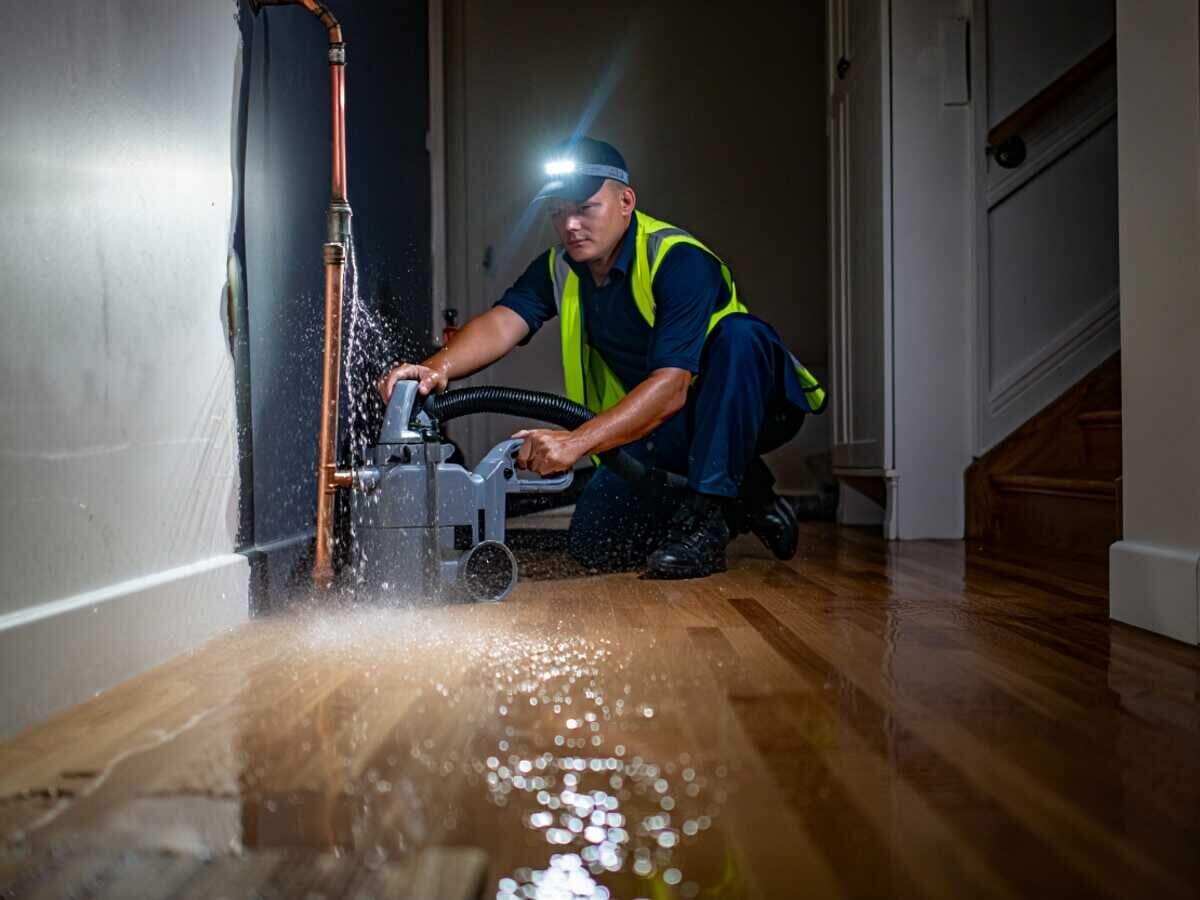
Nights, weekends, and holidays are the same number and the same crew. Call (512) 271-5099 and say what happened, when it started, and whether the water is off yet.