



Ceiling Water Damage Repair in Leander, TX

In a house this new the ceiling leak is almost never the pipe. It is a fitting, a stub-out at a fixture, or a screw somebody drove through a PEX line during the build. Call (512) 271-5099 and we will find which.

Call (512) 271-5099 Answered live, 24/7Nights, weekends, holidays
  • We bill your insurer directly
  • IICRC-certified crews
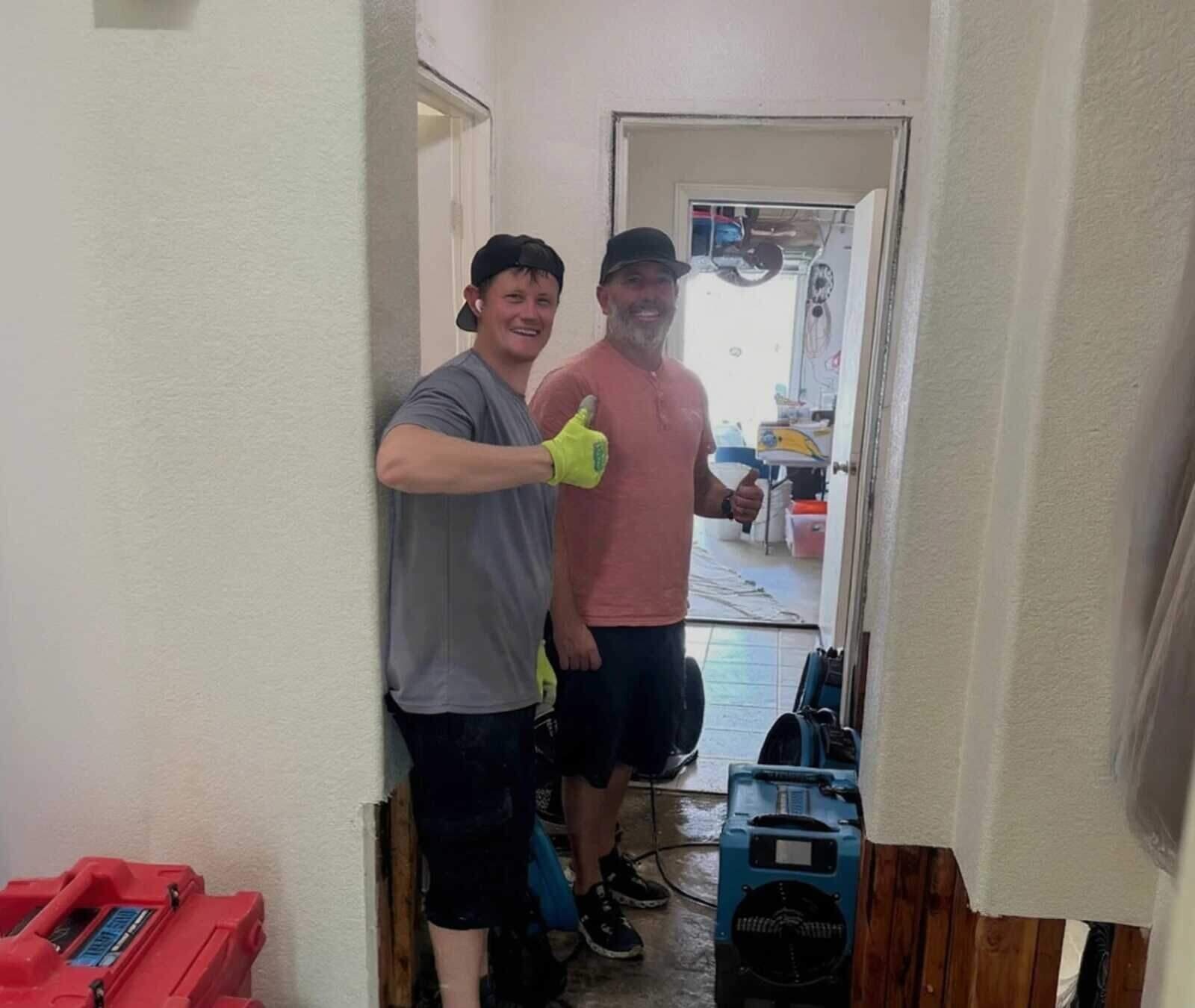
Local water damage crew working in an Austin-area home with air movers and a dehumidifier
Our crew · Austin metro
Why Leander homeowners call us

A local crew that shows up and does it right

Dried to a reading Equipment stays until the material meters dry, not until the surface feels dry.
One crew, start to finish The same local crew from the first extraction to the final repair.
No surprise line on the bill Equipment days and demolition are priced before the work happens, not discovered on the invoice.
Local Austin crew Dispatched from the north metro, never routed through an out-of-state call center.
Certified & accredited
IICRC Certified firm Indoor Air Quality Association member Certified and licensed water damage restoration Certified and licensed mold remediation and removal
How it works

Our restoration process

Four steps, starting the moment you call.

1

Call & Dispatch

Tell us what happened. A local crew is dispatched on the call, and how fast we reach you depends on traffic and where you are.

2

Extract & Stabilize

We stop the source, pump out standing water, and set drying equipment.

3

Dry & Monitor

Air movers and dehumidifiers run while we track moisture daily to dry standard.

4

Repair & Reinstall

Drywall, texture, trim, and paint go back so the room reads finished.

Insurance-savvy from the first call

Documented to claim standard from the first hour

We document the loss to claim standard from the moment we arrive — photos, moisture readings by room, and a scope that maps to your policy. Then we bill your insurer directly for the covered work.

See how claims work in Texas

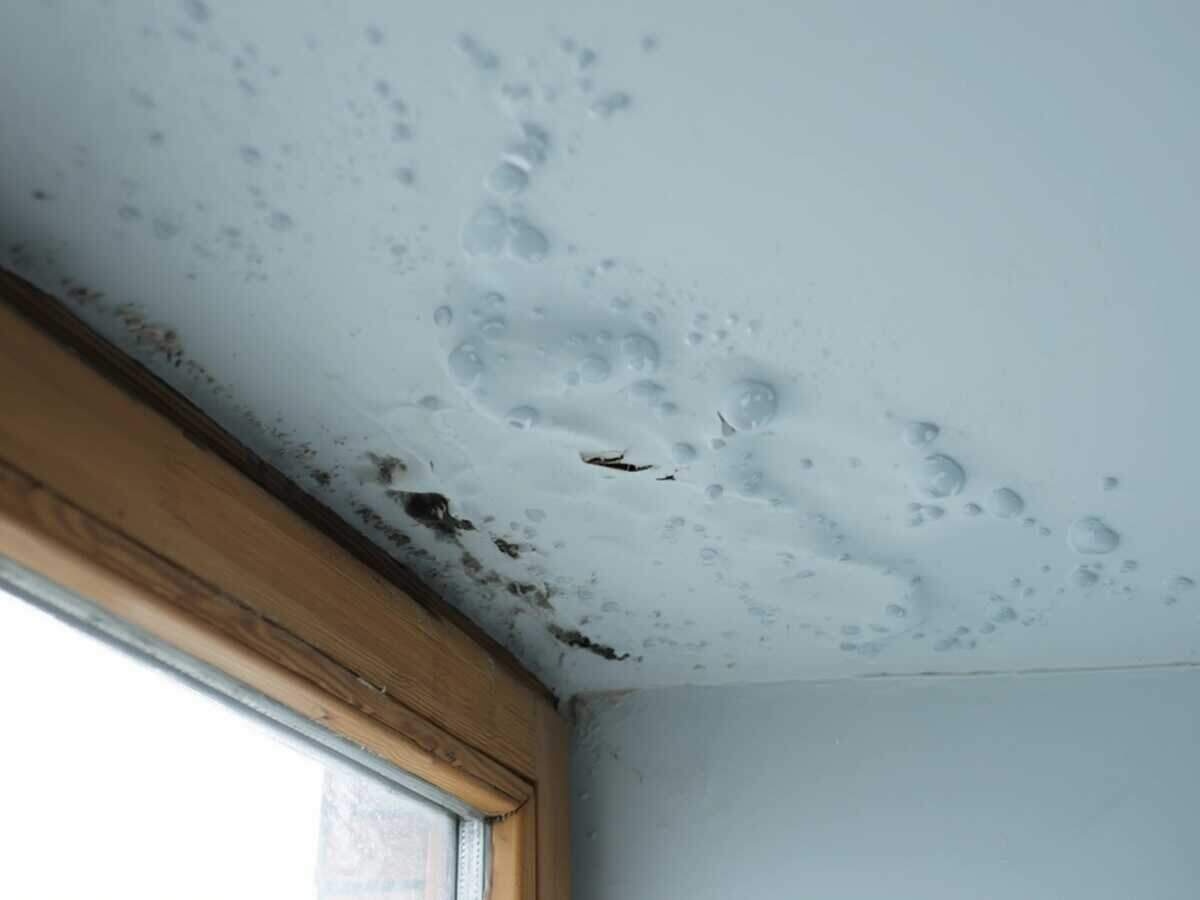
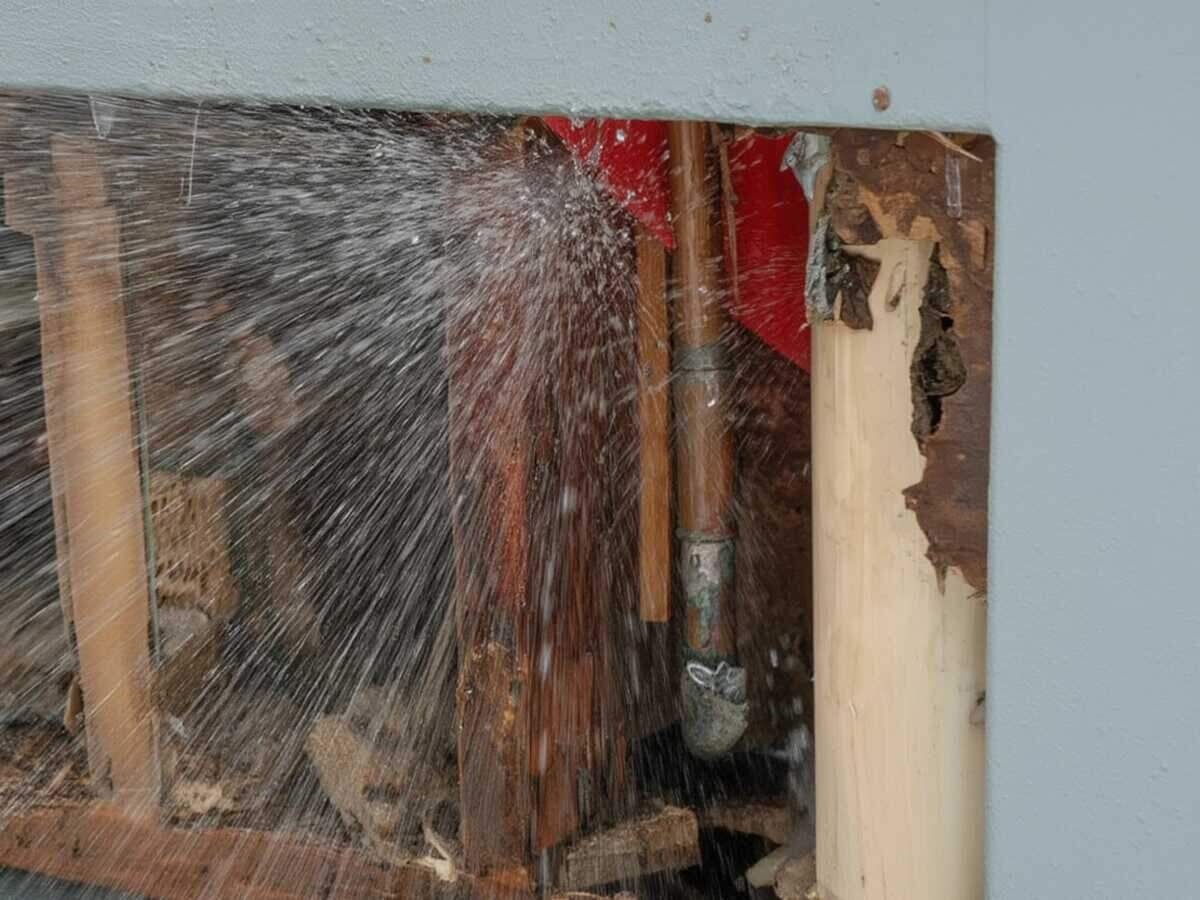
Ceiling water damage repair in a Leander house starts with a different search than it would in an older one. The lines above a first-floor ceiling are PEX, run in long continuous lengths with very few joints, so the tubing itself almost never gives out at this age. The failures gather at the transitions: a crimp or push-fit fitting, the stub-out where a line comes through the wall to a toilet or a lavatory, a shower valve connection, and every so often a screw or a flooring nail that grazed a line during the build and finally wore through.

That changes what a stain means. PEX gets stapled to framing and threaded through truss webs, so water follows the tubing and then the framing before it ever drops, and the wet spot can be a long way from the fitting that failed. Fitting leaks are also often intermittent, running only while the fixture above runs, which is why the ring grows a little each week and the ceiling feels dry in between. We open at the meter reading, not at the mark.

The repair, and the part a fast patch skips

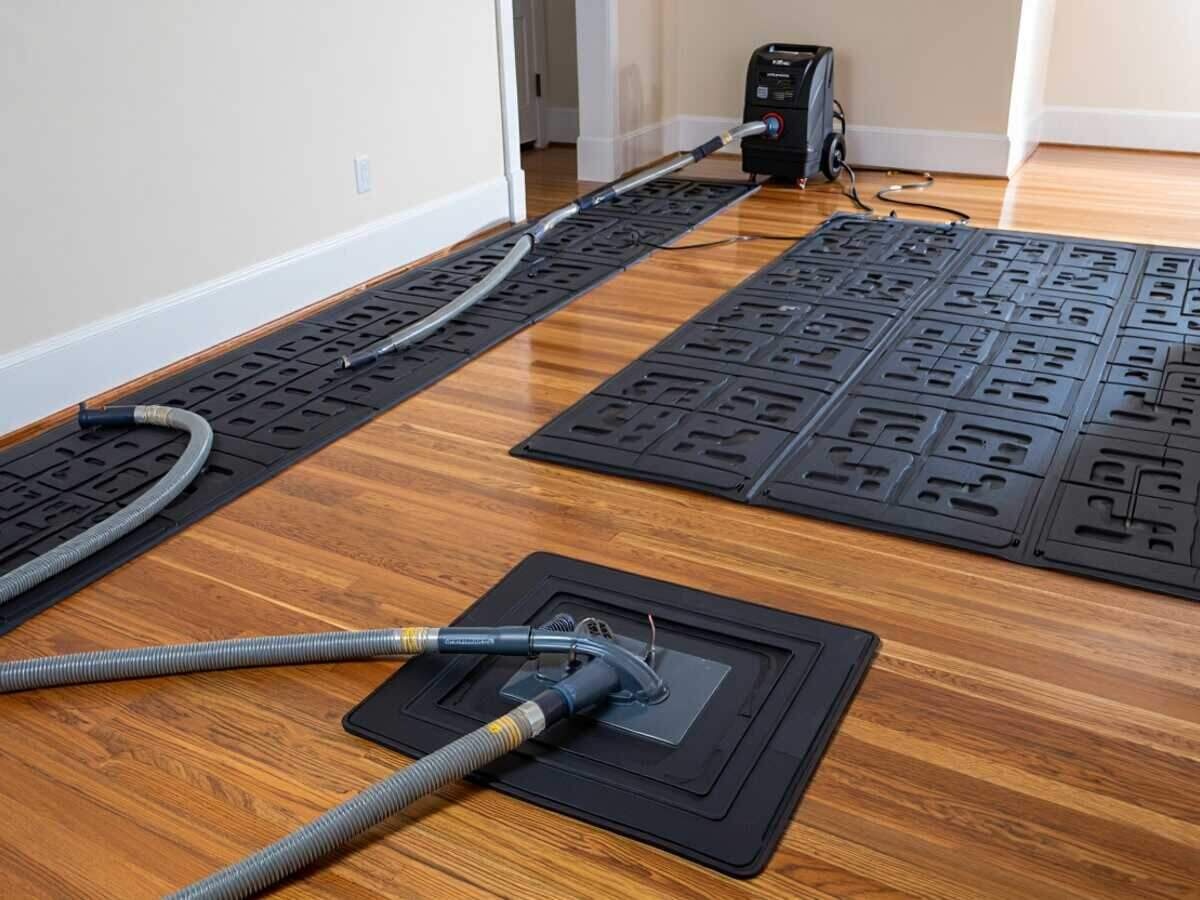
Once the source is off, the sequence is short. Relieve anything sagging, open where the readings are, get soaked insulation and ruined board out, then move air through the open bay with a dehumidifier running underneath it. What a fast patch skips is the floor system above. Water from a second-floor bath soaked the subfloor on its way through, and OSB that gets closed up wet swells at the seams and telegraphs through the flooring upstairs months later. We read that subfloor from below before anything goes back. Then board, texture to match, and paint.

  • Source traced to the fitting or the penetration, not guessed from the stain
  • Openings cut where the meter reads wet, kept as small as the water allows
  • The subfloor above read from below before the ceiling is closed
  • Board, texture, and paint handled by the same crew that dried it
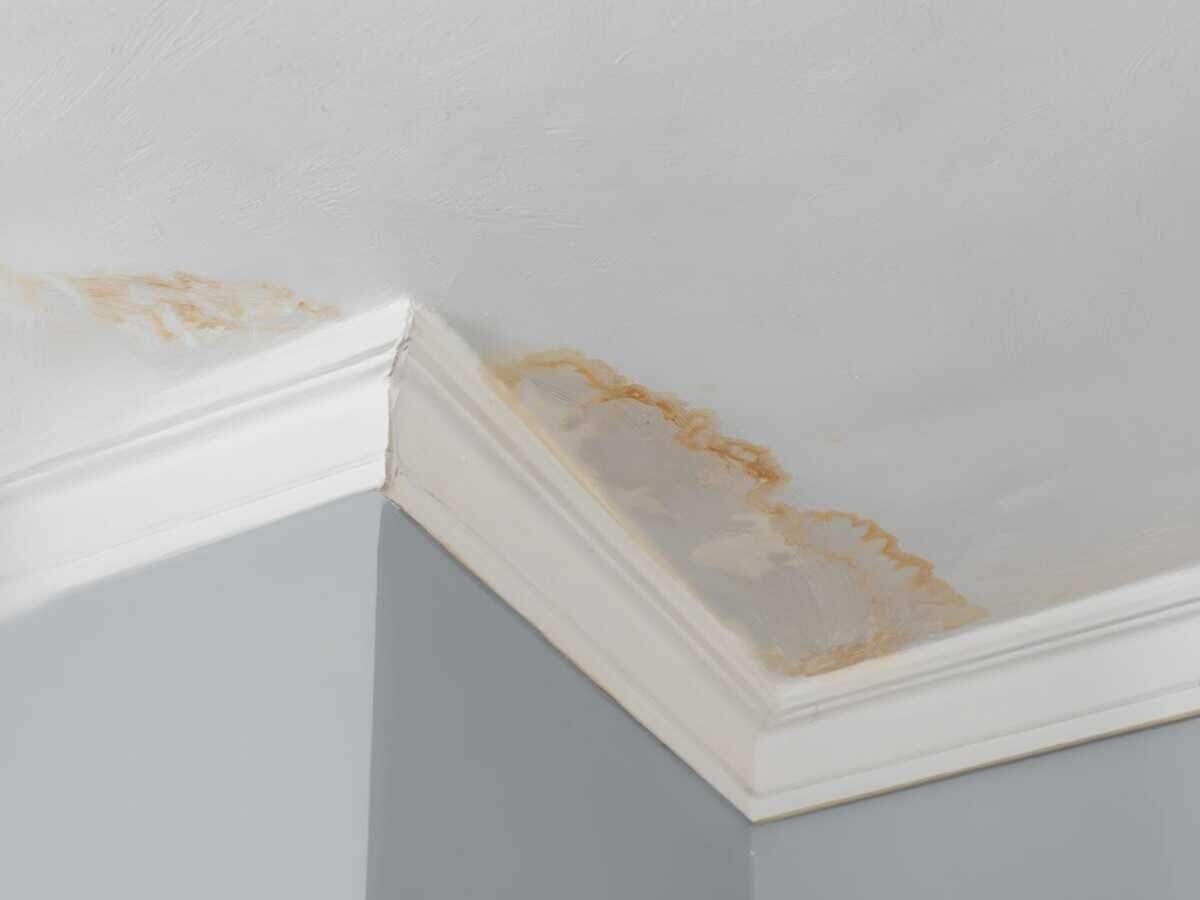
ceiling water damage repair in Leander, TX

A plumber owns the fitting and we own the water, and the two jobs overlap for about an hour, which is why we would rather be there while the ceiling is open than after it has been patched. Call (512) 271-5099 and tell us what sits above the stain.


Good to know

Frequently asked questions

The stain grows a little every week but the ceiling feels dry. What is that?

An intermittent leak, almost always at a fitting or a shower valve that only passes water while the fixture upstairs is running. It wets the board, the room dries the surface between uses, and the ring creeps outward a bit each time. It will not stop on its own and the material stays damp inside, so it belongs in the same category as a steady drip even though it does not look like one.

Can you tell whether it is a supply line or a drain?

Usually, from the behavior before we open anything. A supply line is under pressure around the clock, so a supply leak wets the ceiling steadily whether anyone is home or not. A drain only carries water while a fixture is draining, so that stain grows in steps, right after a shower or a sink full of dishes. We confirm it with the meter and with a look at what is directly above, and that answer is what a plumber needs before he cuts anything.

Who cuts the ceiling open, you or the plumber?

Better us, and it is not a territorial thing. A plumber cuts the smallest hole that reaches the fitting, which is correct for his work and tells you nothing about how far the water went. We cut to the moisture reading, which is usually a different shape and often a different place. When we open it first, the plumber gets access and you get one repair instead of two patches.

There is a bedroom above that ceiling. Is the subfloor wet too?

Frequently, and it is the piece people miss. Water from an upstairs bathroom passes through the subfloor before it reaches the ceiling below, so the OSB above is often wetter than the drywall you are looking at. We meter it from underneath and dry the cavity from both sides where the reading calls for it, because swollen subfloor seams show up through the upstairs flooring long after the ceiling looks perfect.

Water damage won't wait

A ceiling ring in a new Leander house means a fitting, not a worn-out pipe.

Call and describe what is above the stain. We meter the ceiling and the floor system over it, open only where the water actually went, dry the cavity on daily readings, and rebuild the ceiling once the numbers say it is dry.

Call (512) 271-5099 Available 24/7 · Austin metro