



Leander's newer streets are wide open. The canopy that shelters an older neighborhood takes decades to grow, and on a subdivision handed over a few years ago there is nothing between a straight-line gust and your roof. Asphalt shingles depend on a strip of adhesive bonding each course to the one under it, and when wind gets beneath a course and breaks that bond, the shingle settles back down looking untouched. The roof does not leak that afternoon. It leaks in the next ordinary rain, when water works under the loose tab and reaches the nail line.
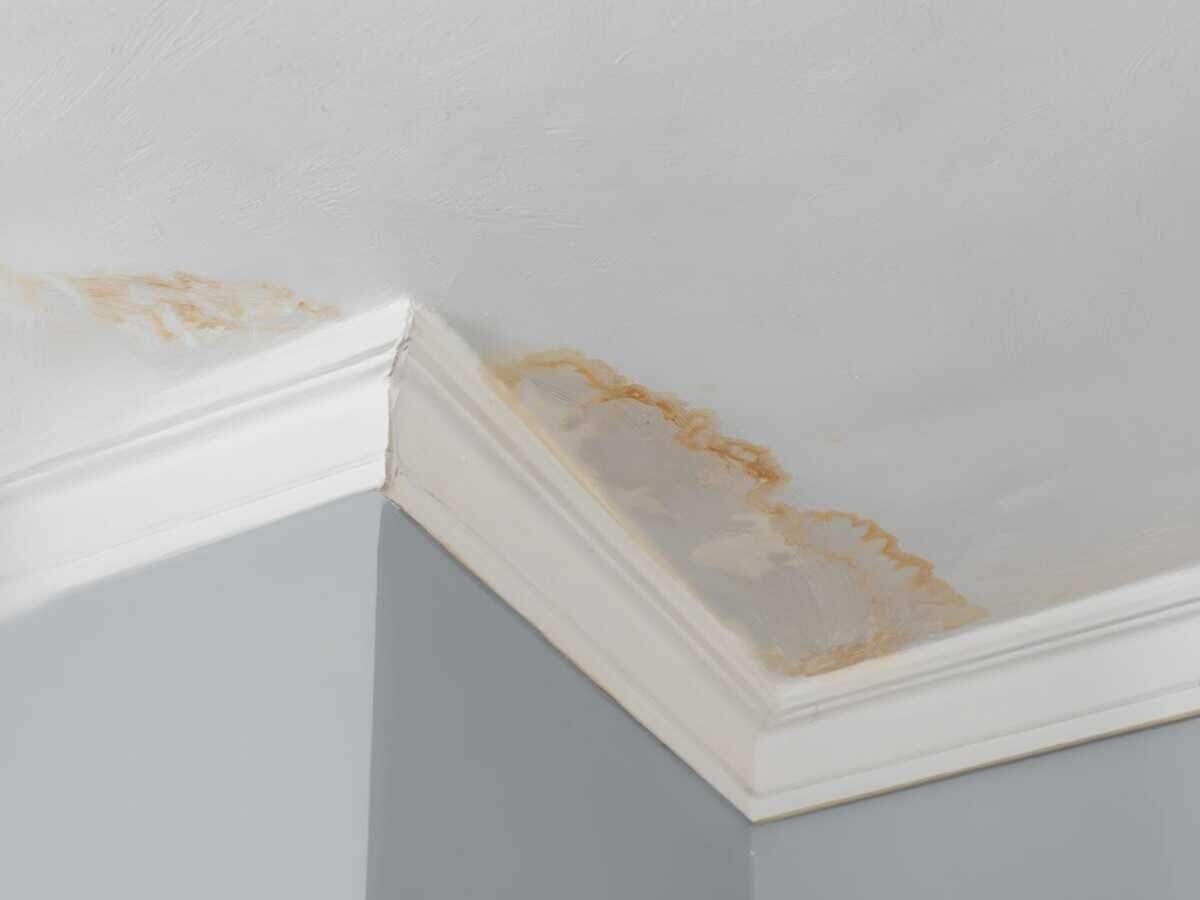
That is why roof water damage here so often arrives with a homeowner insisting nothing happened. No hail, nothing in the yard, and a roof far too young to be worn out. In the meantime the water has been landing on the insulation blanket over the ceiling, and blown insulation holds it there against the drywall instead of letting it go. A hot attic and wet fiberglass together become a growth problem within a few days, while the ceiling below looks perfectly normal for a week.
The interior half, which is the half we do
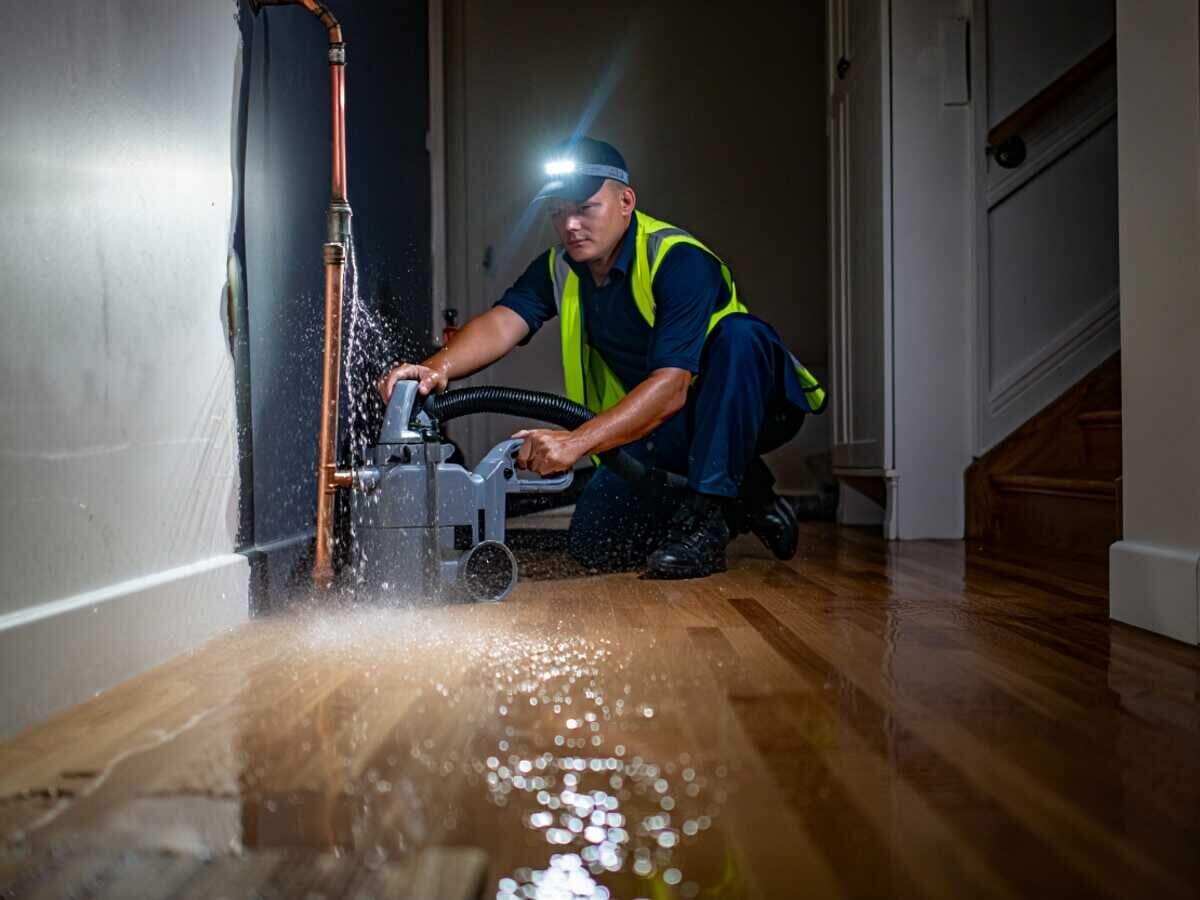
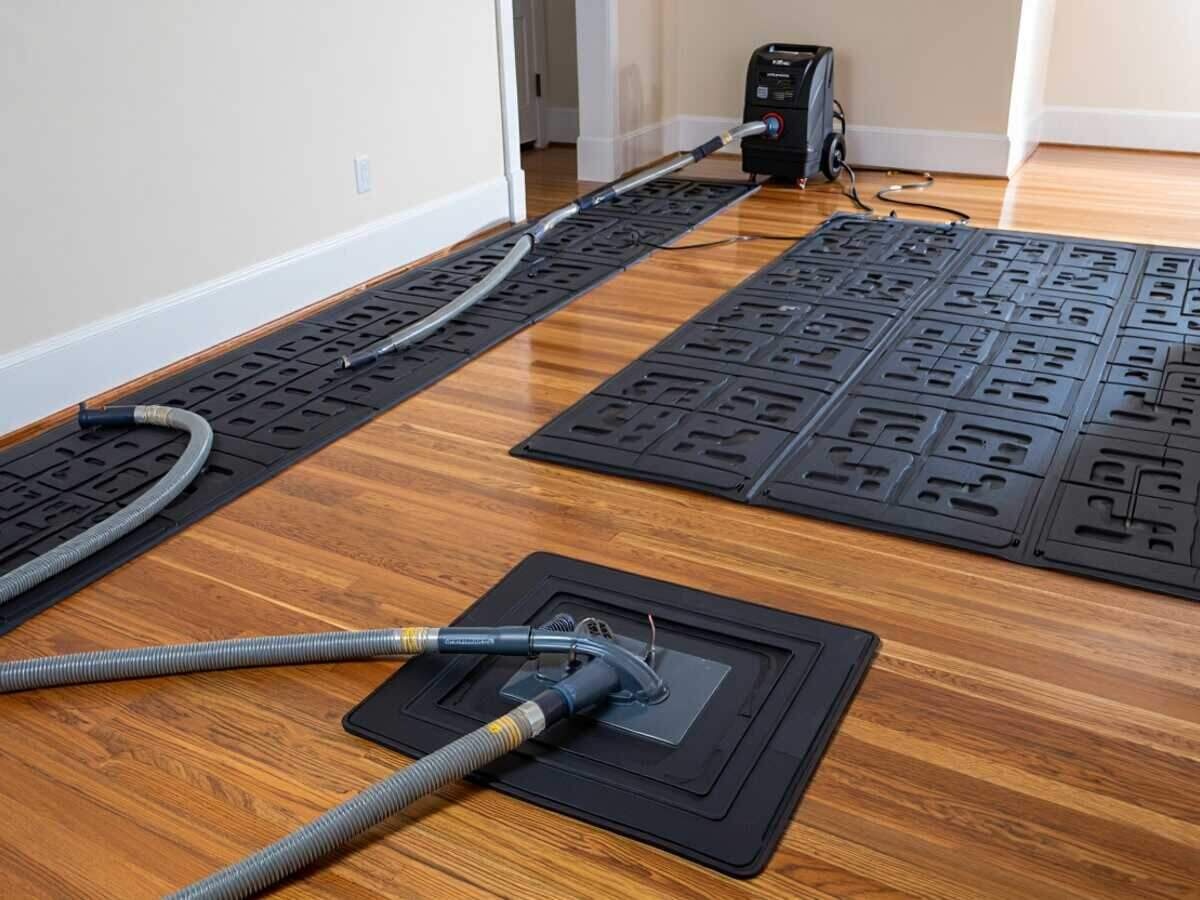
We stop whatever is still coming in from the inside, then map the wet footprint with infrared and a meter, and on this kind of leak it is nearly always larger than the stain suggested. Soaked insulation gets bagged and hauled out, decking and framing dry under equipment on daily readings, and the ceiling goes back after the numbers agree rather than before. The roof water damage repair we do inside is photographed and scoped on its own, so the interior work and the roofing do not end up as one vague line on your claim. Shingles and flashing belong to a licensed roofer, and we sequence behind them.
- Active intrusion stopped from the inside before anything else begins
- Infrared and a meter to map an attic footprint wider than the ceiling stain
- Wet blown-in hauled out by the bag, deck and truss chords taken down to a number
- The interior scope photographed and written on its own for your claim
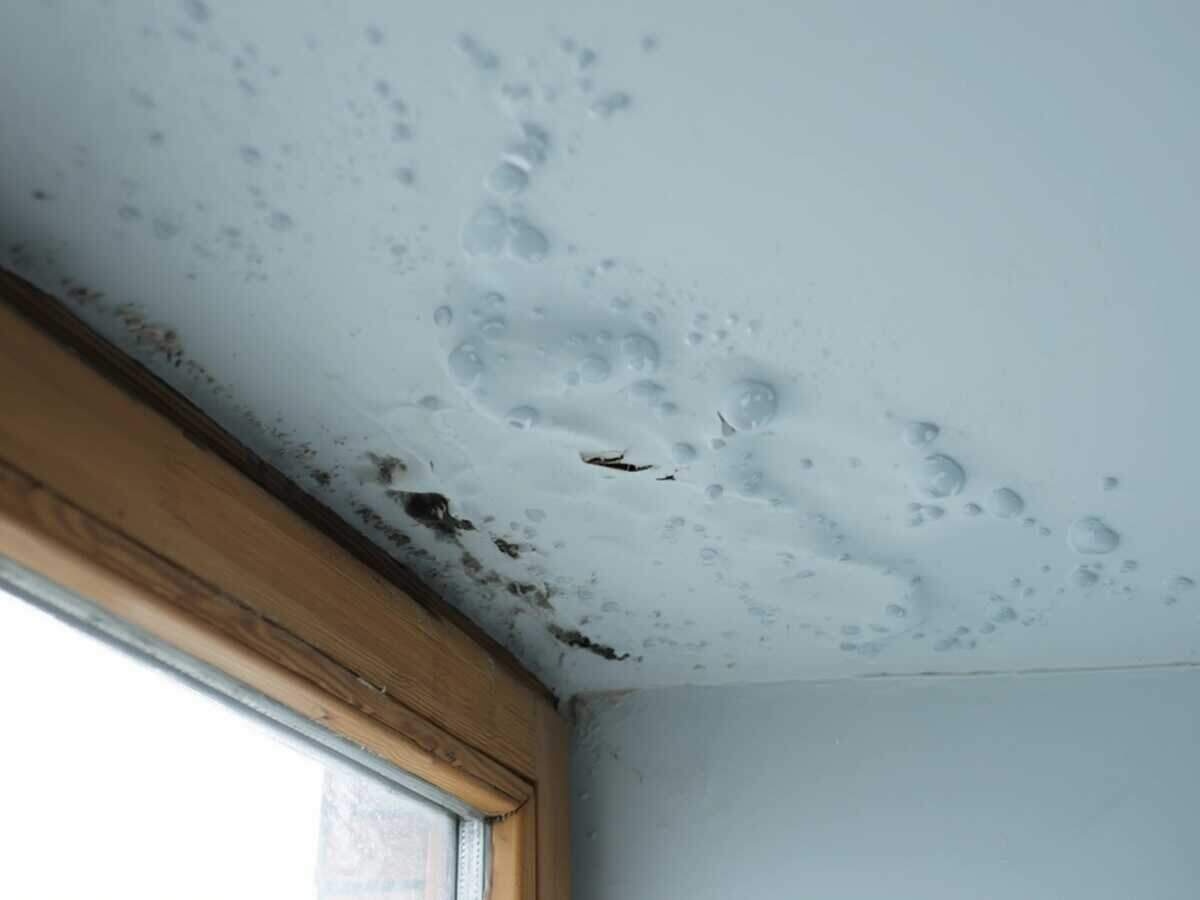
If the ceiling is stained and nothing is dripping, that is still worth a call, because the water is in the material above it rather than on your paint. Call (512) 271-5099 and tell us when you first noticed the mark and what the weather had been doing.