Water Damage Restoration in Round Rock, TX
A supply line lets go behind a Forest Creek laundry wall, and by morning the slab has carried it under the tile into two more rooms. Most Round Rock calls look like that. We answer around the clock, extract, and set drying gear on the same visit.
- We bill your insurer directly
- IICRC-certified crews
One crew, from extraction to the final repair
One local crew handles extraction, drying, and repair from the first call through the final moisture reading. Sewage cleanup and structural drying are run metro-wide from the same trucks.
Our restoration process in Round Rock
Four steps, starting the moment you call.
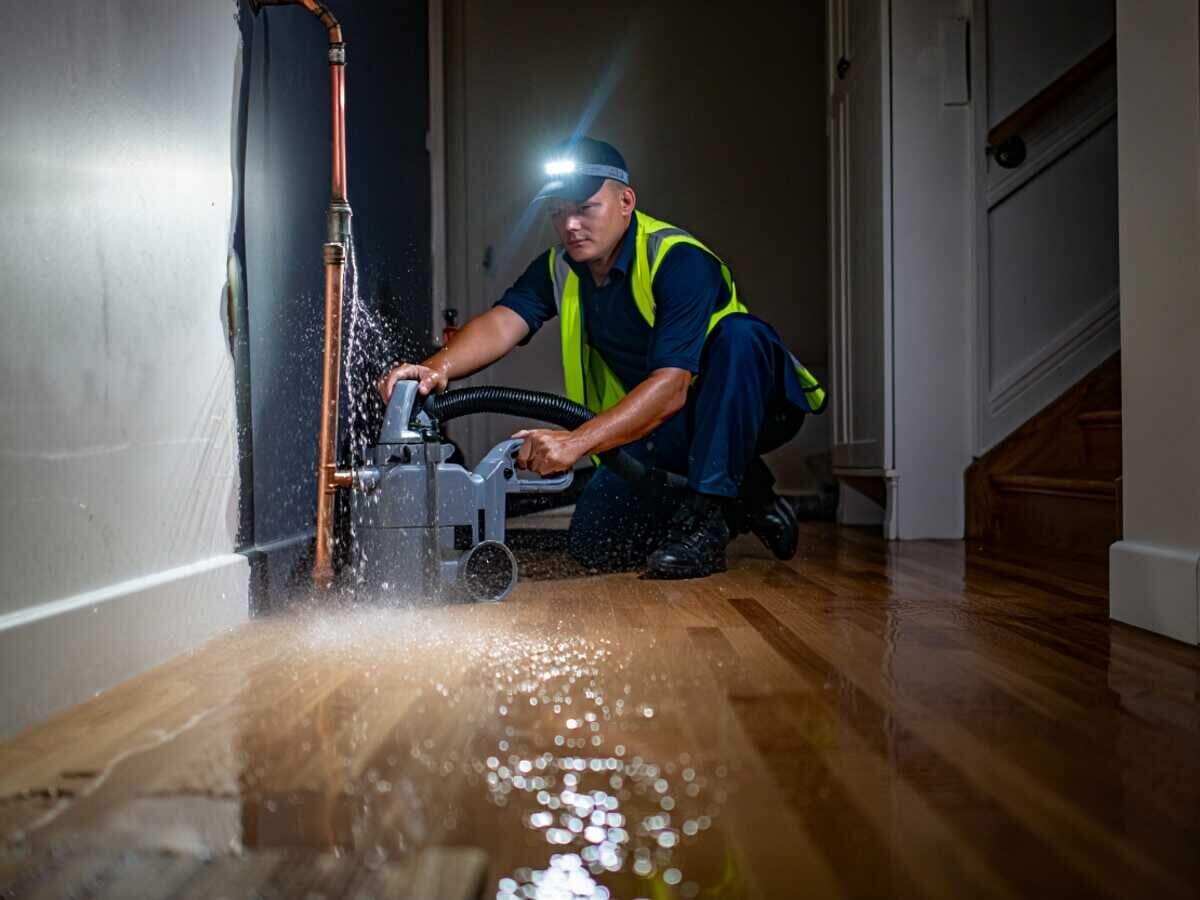
Call & Dispatch
Tell us what happened. A local crew is dispatched on the call, and how fast we reach you depends on traffic and where you are.
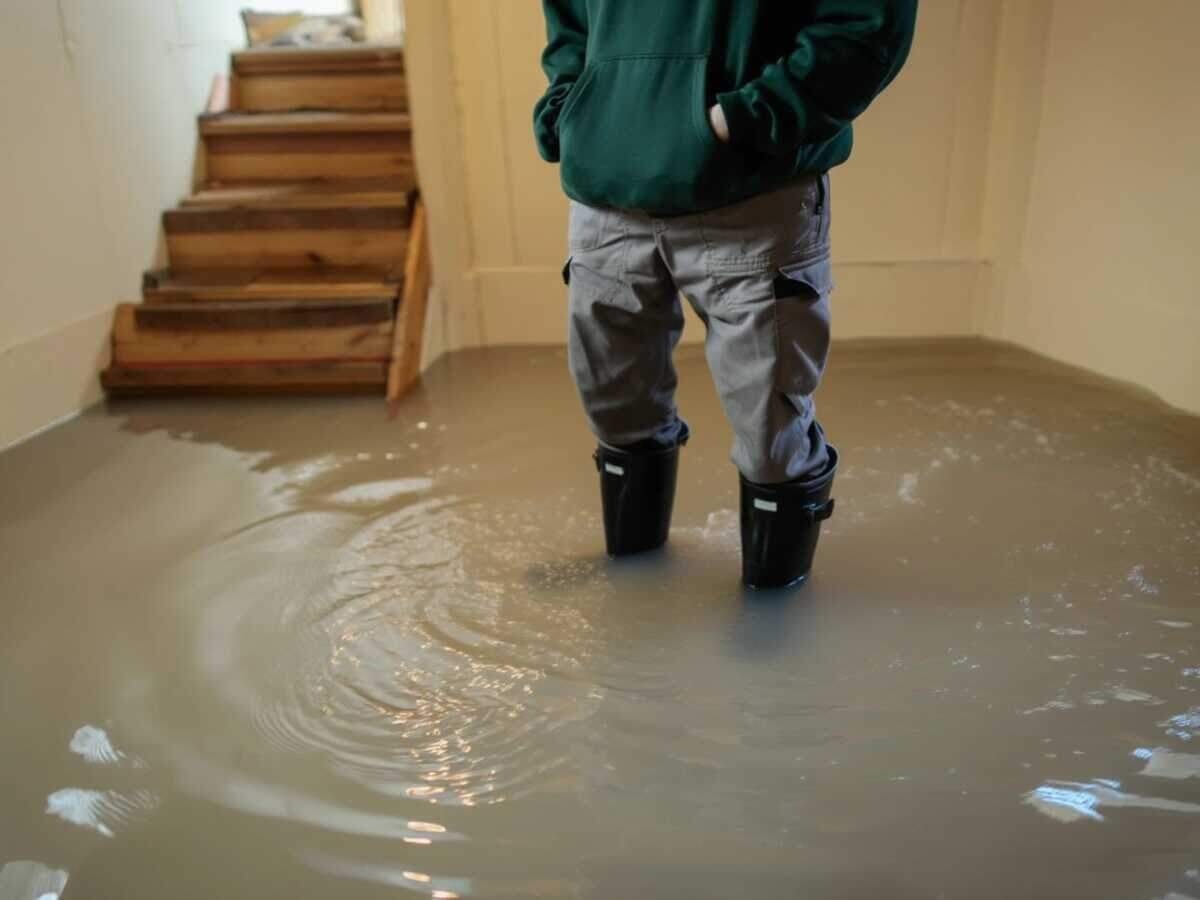
Extract & Stabilize
We stop the source, pump out standing water, and set drying equipment.
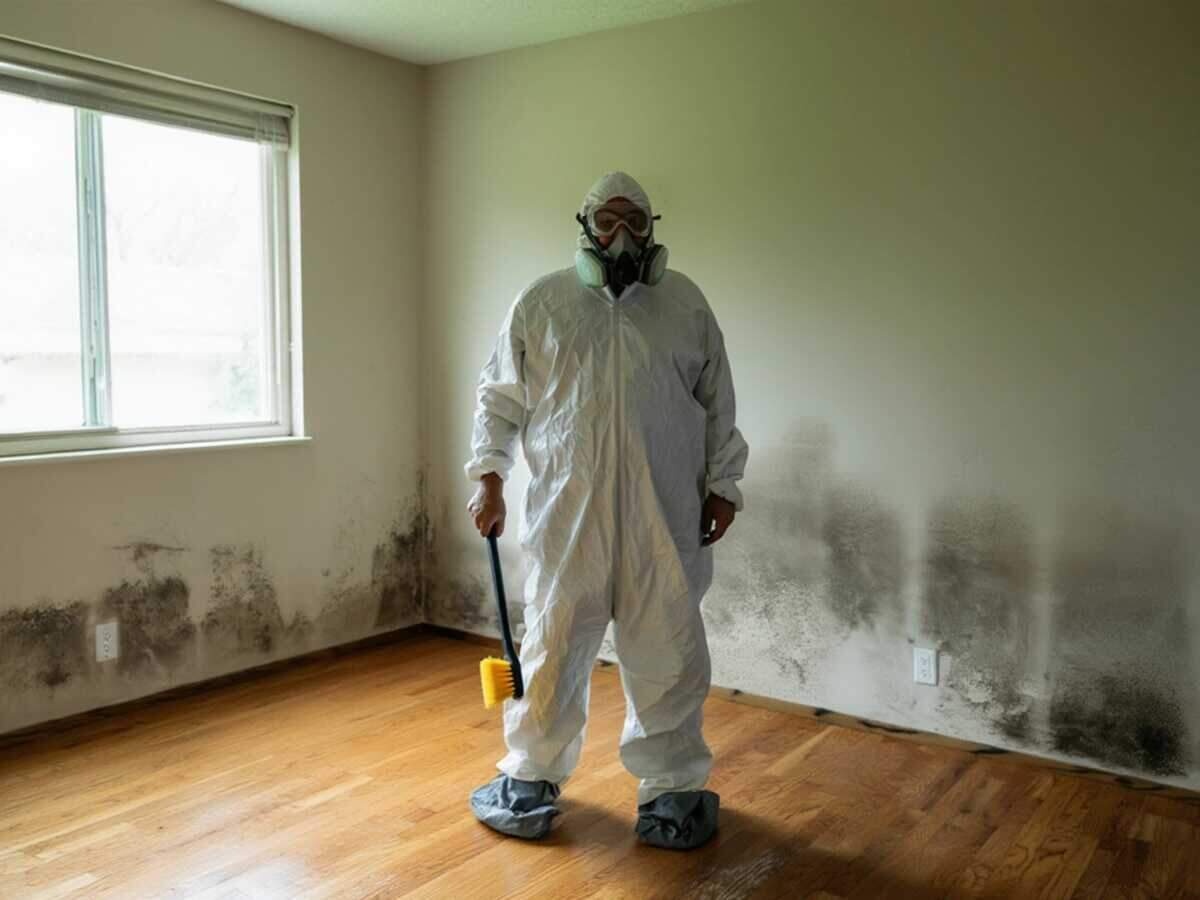
Dry & Monitor
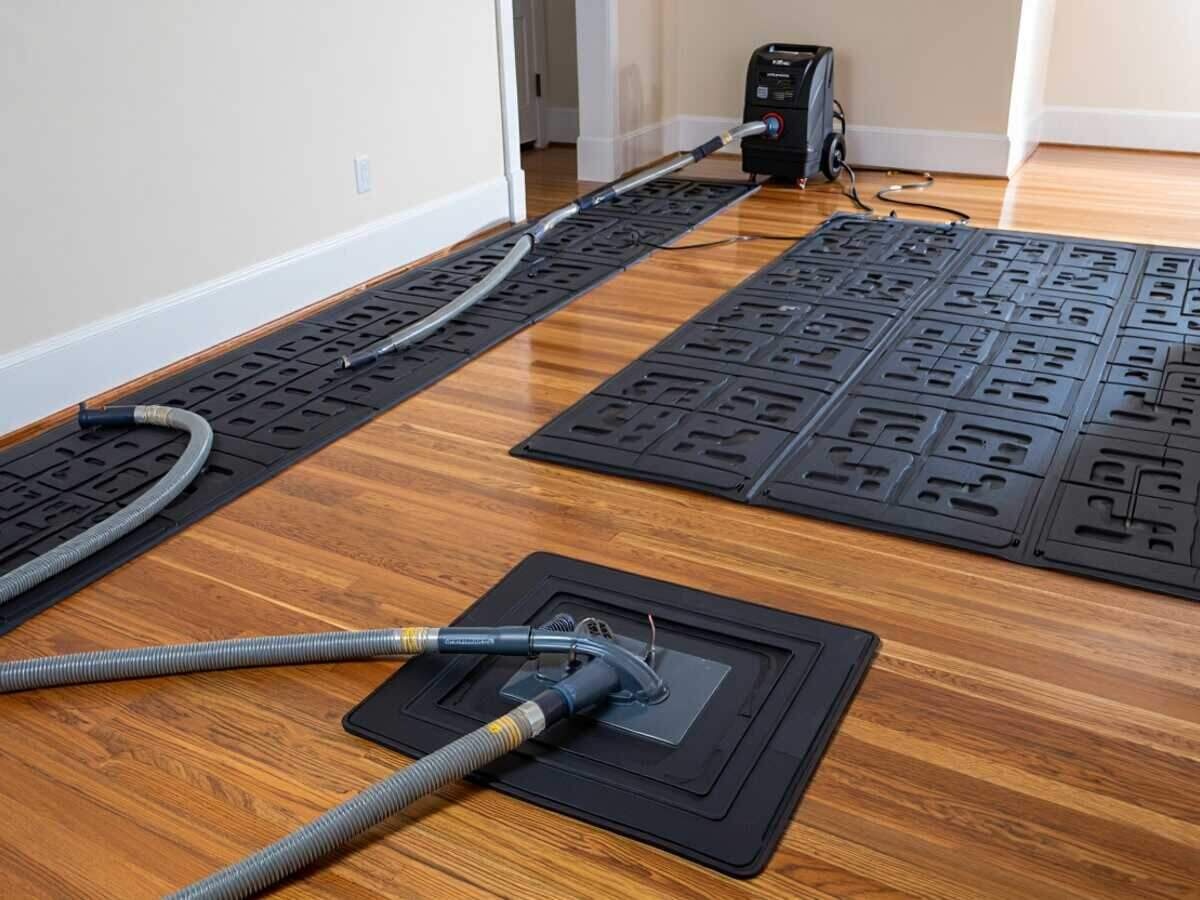
Air movers and dehumidifiers run while we track moisture daily to dry standard.
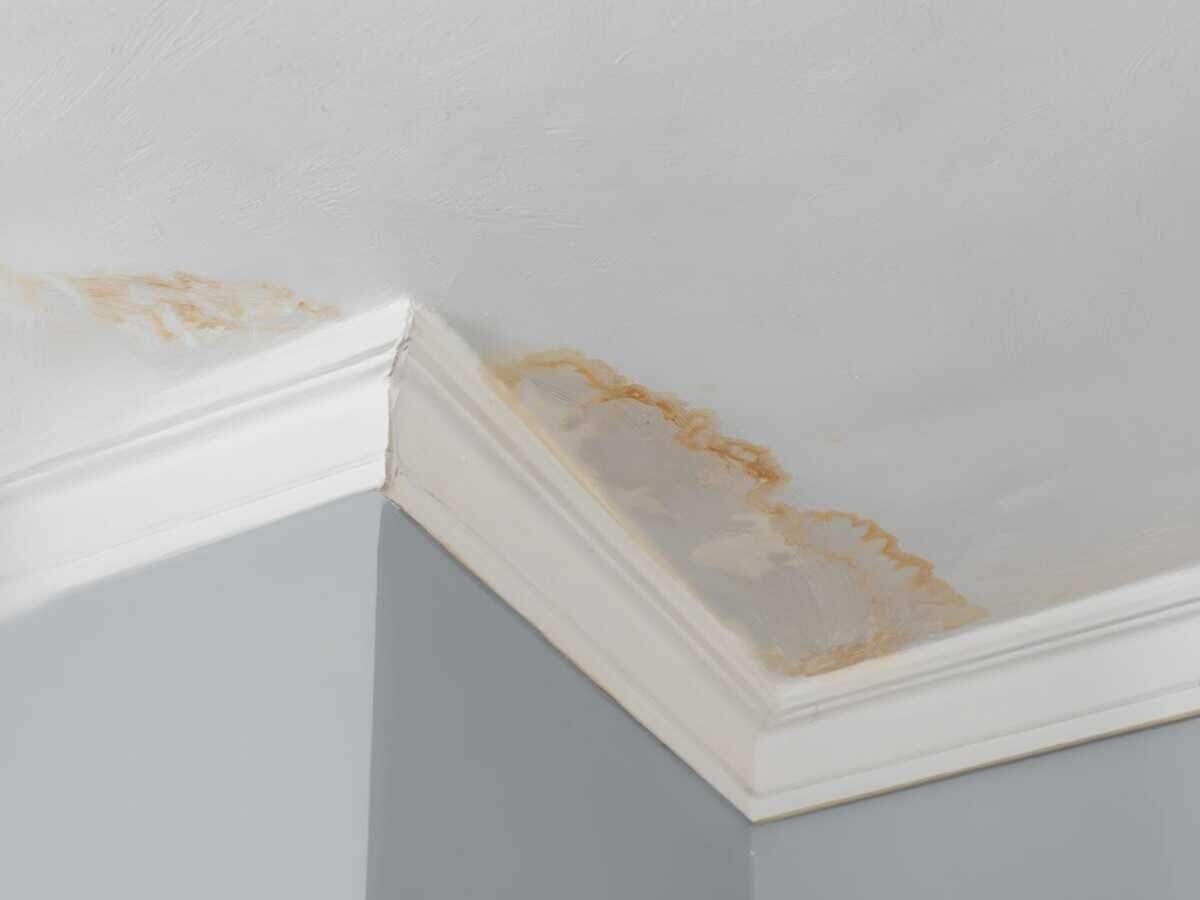
Restore & Document
We repair what was damaged and hand your insurer a documented scope.
We document your water damage claim
A water claim turns on two things: acting fast, and documenting it right. We do both. From the moment we arrive we photograph the loss, log moisture readings by room, and build a scope that maps to your policy — then we bill your insurer directly for the covered work.
See how claims work in TexasWater damage in Round Rock
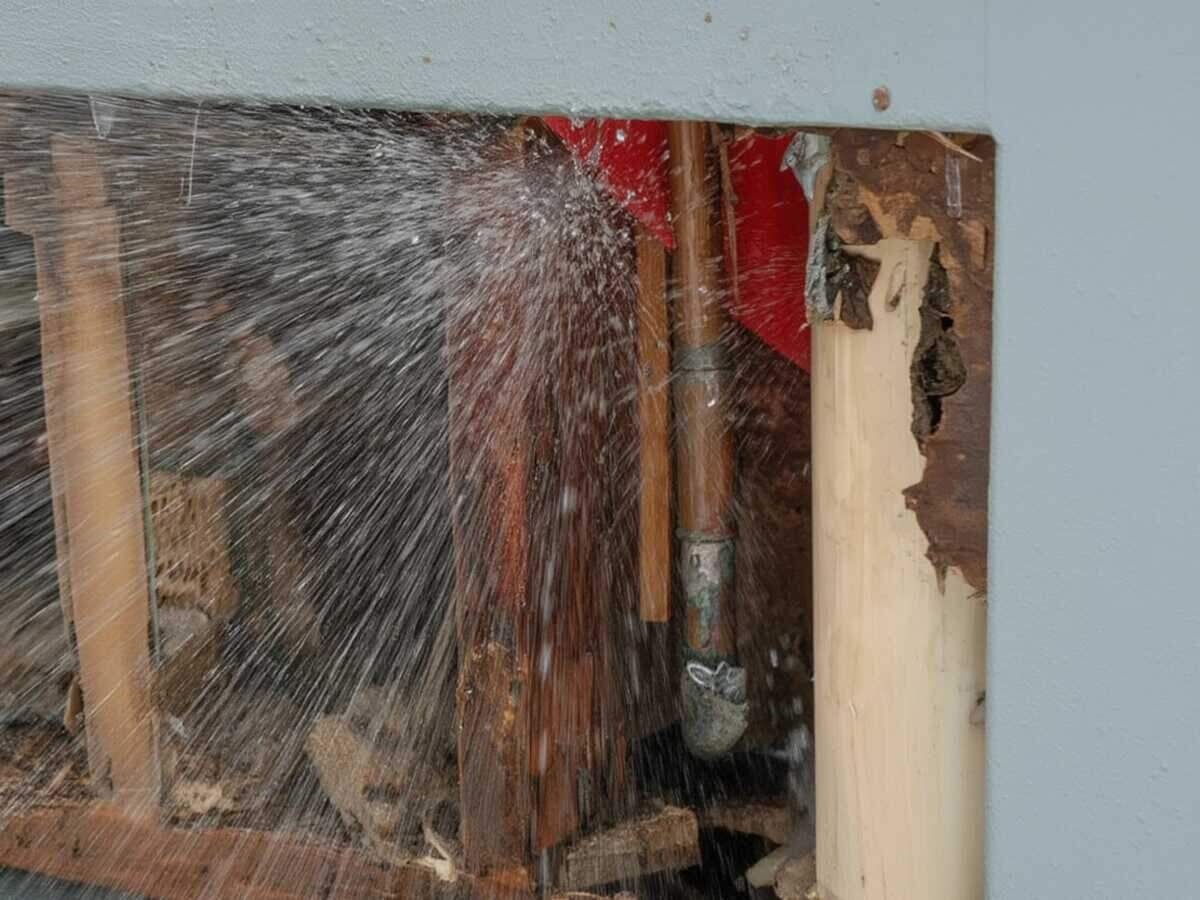
Round Rock homes sit on slab foundations, so a leak has nowhere to pool where you can see it. The water runs sideways under tile and laminate, climbs the drywall paper behind the baseboard, and soaks the pad under the carpet while the floor still looks fine. By the time a wet corner shows up, the slab has usually been wet for a day. That is what a water damage restoration company gets called out for here: a split supply line, a water heater that gave out, a dishwasher hose, a toilet supply that let go while everyone was at work.
The ground changes at I-35, and so do the calls. East of the interstate the Blackland Prairie clay swells and shrinks through every wet and dry cycle, and years of that movement work on slab penetrations and supply-line fittings until one of them gives. West of I-35 it is shallow soil over limestone, so the trouble is drainage: yards that sheet runoff at the foundation during a hard Brushy Creek downpour, and lots in Forest Creek and Teravista where the grade sends storm water toward the house instead of around it.
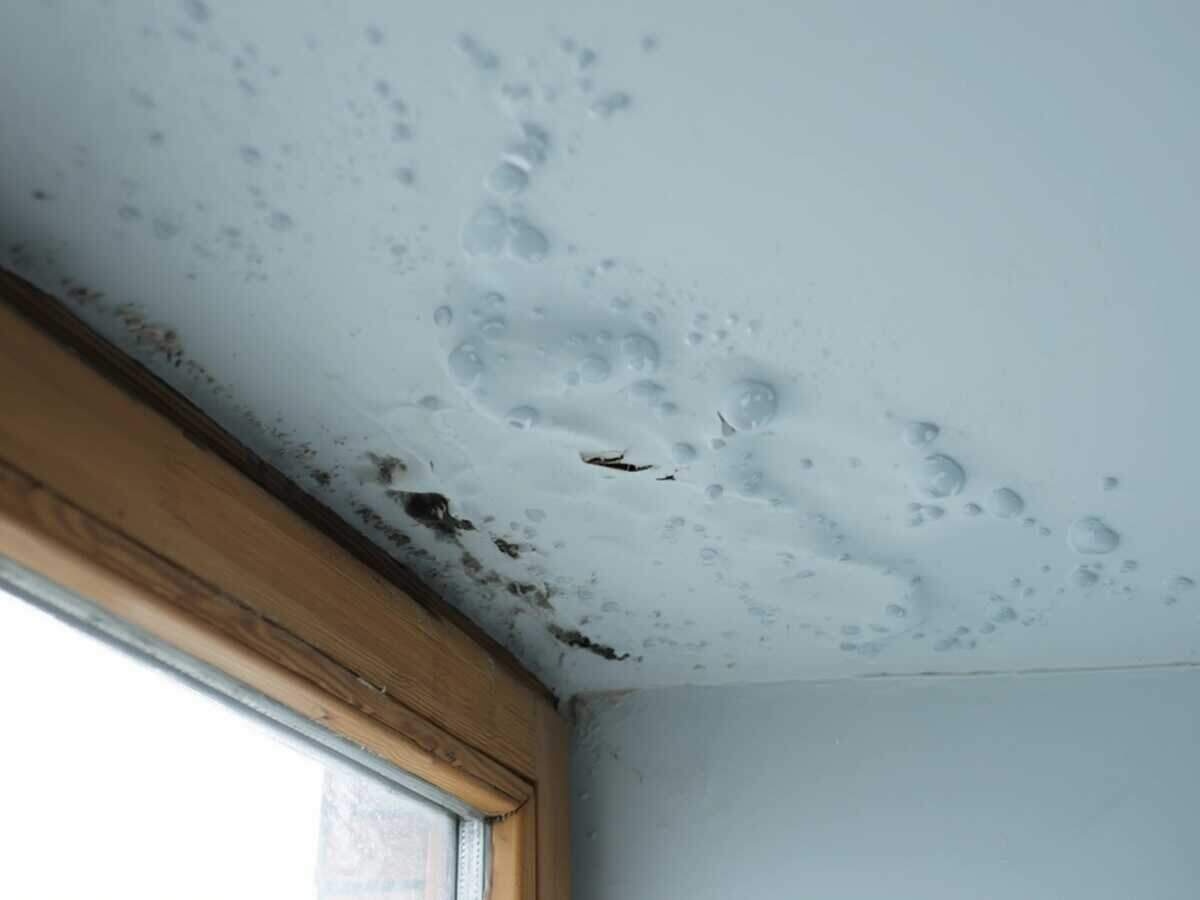
Since the February 2021 freeze, split supply lines in attic runs and garage walls have been our most common winter call in Round Rock. A line in an unheated attic chase can open quietly and run across insulation and ceiling drywall for hours before anyone notices the pressure drop at the tap. If a ceiling has a stain, a sag, or a seam that has started to part, the framing above it is already wet. Water damage cleanup on a slab house starts at the edge of that wet zone, not at the puddle:
- Emergency extraction after a burst supply line, water heater, or appliance failure
- Moisture mapping under tile, wood, and carpet, and inside wall cavities
- Structural drying with air movers and dehumidifiers until materials meter dry
- Mold removal where water sat, then drywall, flooring, and paint on the rebuild
We come to you. The trucks stage in the north Austin metro and take I-35 or SH 45 into town, loaded before they leave. Call (512) 271-5099 at any hour: the first two questions will be where the water is coming from and whether you can reach the shutoff.
Frequently asked questions
How fast can you get to a Round Rock address?
We answer at any hour and dispatch as soon as we have the address. Most Round Rock addresses are 20 to 30 minutes out, depending on which side of I-35 you are on and how the highway is moving. While the crew is rolling, the technician on the phone talks you through the main shutoff and killing power to the wet rooms.
The floor looks dry but the baseboard is damp. Is that worth a call?
Usually, yes. On a slab the water travels sideways: under the tile, into the drywall paper behind the baseboard, into the carpet pad. We meter the room before anything gets opened up, so what comes out is the wet part and not a guess. Wet drywall left alone through a Central Texas summer starts growing mold in a couple of days.
A pipe split during a freeze and that wall still smells. What happens now?
That smell is almost always insulation or drywall paper that never dried after the leak. We make a small inspection cut, read the cavity with a moisture meter and thermal camera, and if there is growth we contain the area before any material comes out. Freeze damage in Round Rock hides in attic chases and garage walls, which is exactly where nobody thinks to look.
Will a Texas homeowners policy cover this?
Sudden failures are what a standard Texas policy is written for: a split supply line, a burst washer hose, a water heater that let go. Seepage that has been running for months usually is not covered, and creek water rising into the house falls under a separate flood policy. The file we hand over names each room and what came out of it. The carrier decides what it pays; you cover your deductible and we bill them directly for the rest.
Do you handle the repairs too, or only the dry-out?
Both. Our water damage restoration services cover the mitigation phase, meaning extraction, drying, and dehumidification, and then the water damage repair that puts the room back: drywall, baseboards, flooring, and paint. One crew carries it from the extraction through the repaint, so you are not chasing a second contractor after the fans come out.
Areas We Serve Across the Austin Metro
Local response across Travis, Williamson, and Hays counties.
Wet drywall in Round Rock does not dry on its own.
Tell us what happened and where the water is now. A technician here answers day or night, and the crew that rolls to your Round Rock address brings extraction and drying equipment on the first trip.