



Ceiling Water Damage Repair in Round Rock, TX

A ceiling that took water and dried is not automatically a ceiling you keep. Loaded gypsum gives up strength, and it can crack along a seam months after the room looked finished. We test the panel before anything gets cut. Call (512) 271-5099.

Call (512) 271-5099 Answered live, 24/7Nights, weekends, holidays
  • We bill your insurer directly
  • IICRC-certified crews
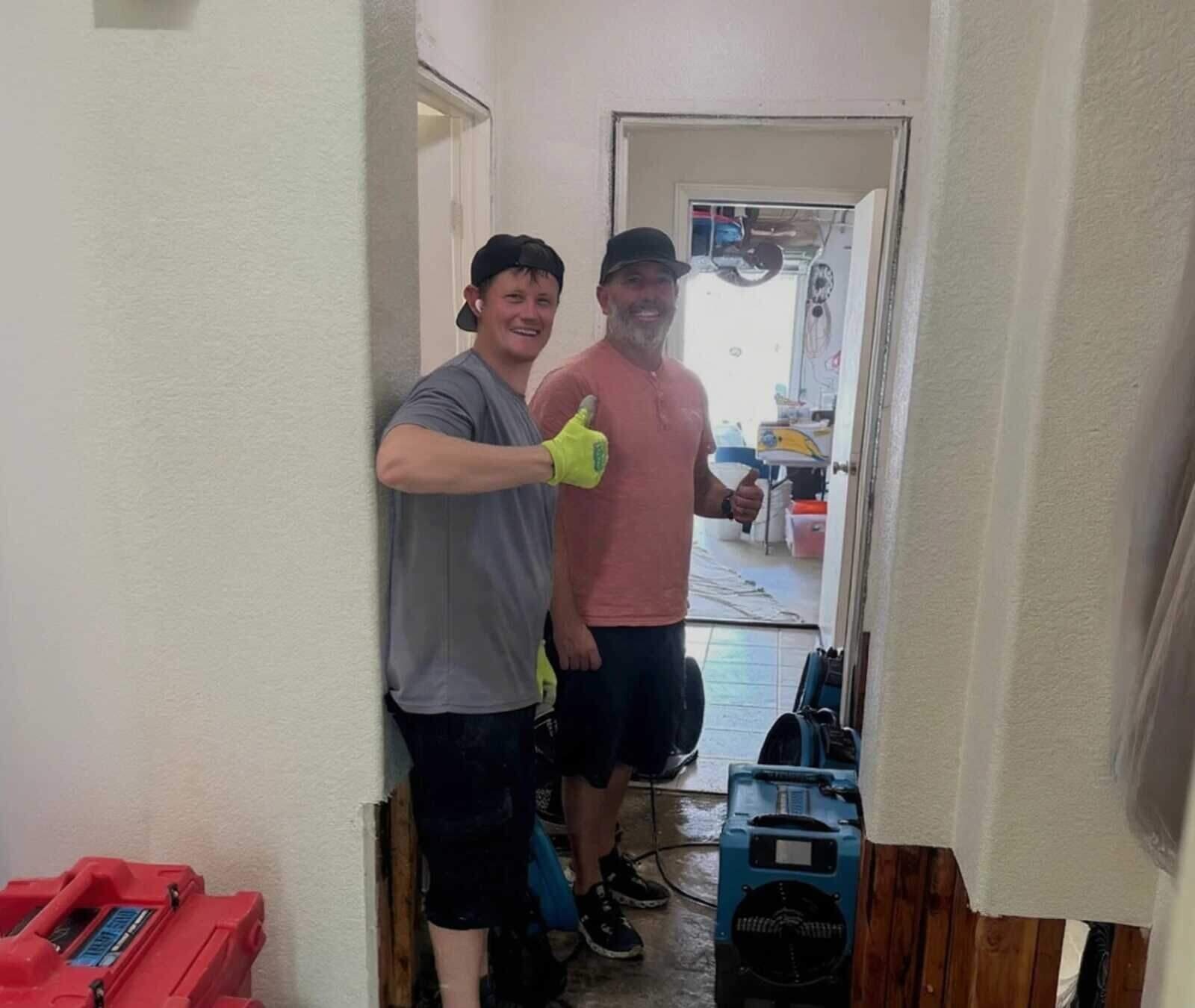
Local water damage crew working in an Austin-area home with air movers and a dehumidifier
Our crew · Austin metro
Why Round Rock homeowners call us

A local crew that shows up and does it right

Dried to a reading Equipment stays until the material meters dry, not until the surface feels dry.
One crew, start to finish The same local crew from the first extraction to the final repair.
No surprise line on the bill Equipment days and demolition are priced before the work happens, not discovered on the invoice.
Local Austin crew Dispatched from the north metro, never routed through an out-of-state call center.
Certified & accredited
IICRC Certified firm Indoor Air Quality Association member Certified and licensed water damage restoration Certified and licensed mold remediation and removal
How it works

Our restoration process

Four steps, starting the moment you call.

1

Call & Dispatch

Tell us what happened. A local crew is dispatched on the call, and how fast we reach you depends on traffic and where you are.

2

Extract & Stabilize

We stop the source, pump out standing water, and set drying equipment.

3

Dry & Monitor

Air movers and dehumidifiers run while we track moisture daily to dry standard.

4

Repair & Reinstall

Drywall, texture, trim, and paint go back so the room reads finished.

Insurance-savvy from the first call

Documented to claim standard from the first hour

We document the loss to claim standard from the moment we arrive — photos, moisture readings by room, and a scope that maps to your policy. Then we bill your insurer directly for the covered work.

See how claims work in Texas

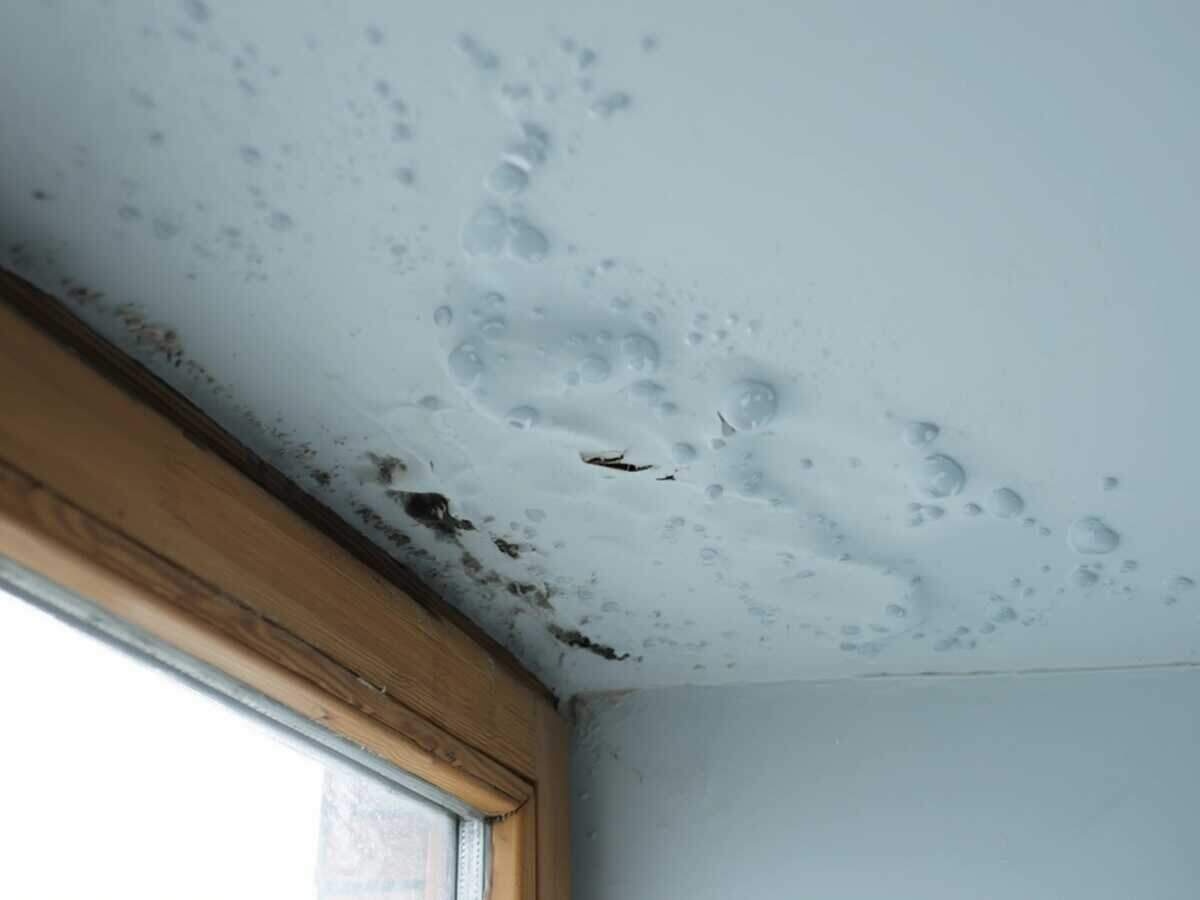
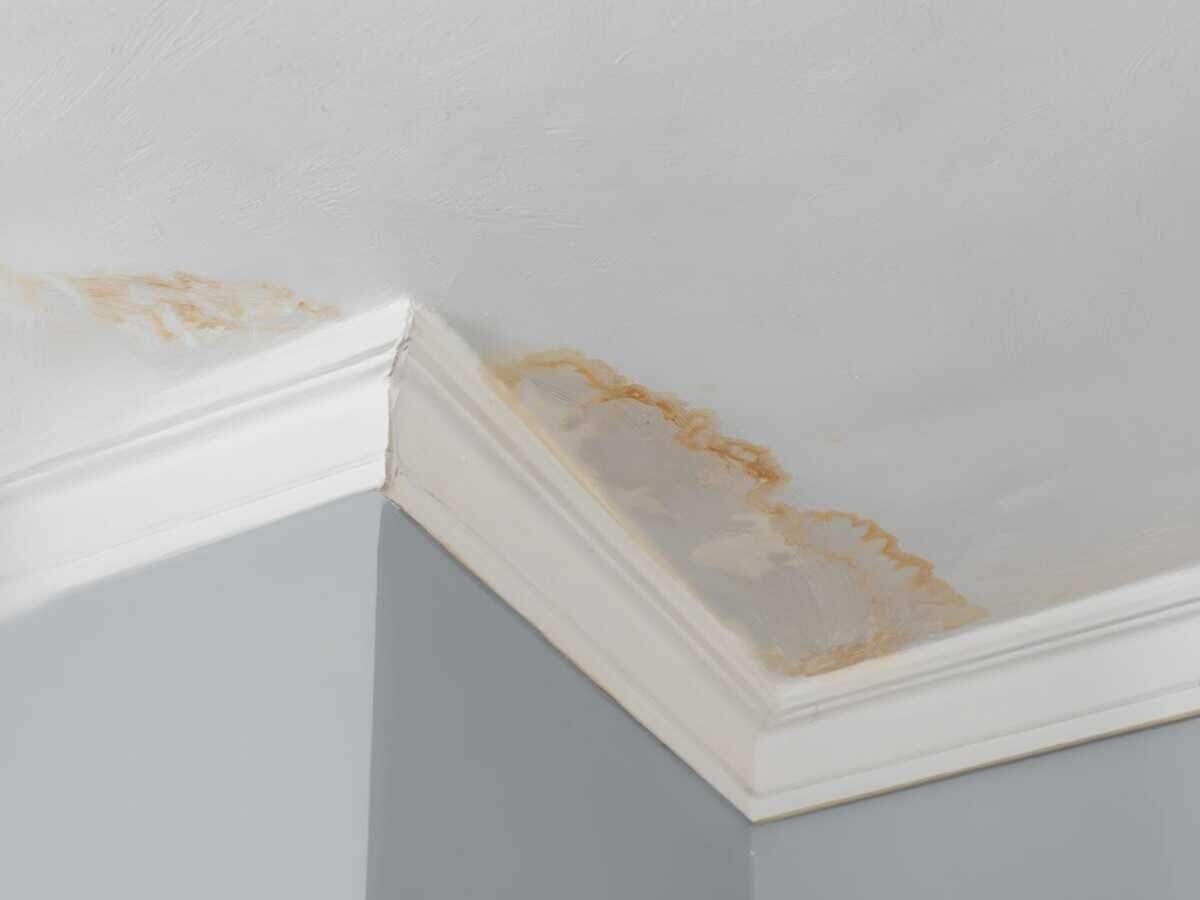
Ceiling water damage repair comes down to a question we answer with a meter and a probe: can that panel still carry what is sitting on top of it? A ceiling is the one surface in the house that holds water instead of shedding it. When gypsum takes a load it swells, the paper facing separates from the core, the core softens around the screws, and the fasteners begin to pull through. Some of that comes back when the board dries. Some of it never does, which is why a ceiling that dried out on its own in July cracks along a taped seam in October.

Weight decides more of this than homeowners expect. Ceilings in the older Round Rock sections carry whatever has been blown into the attic over the years, and a second layer laid over the original is a common find, so a wet panel is holding soaked insulation on top of its own water. Two-story plans in Forest Creek are the other case: what sits above that first-floor ceiling is a floor rather than an attic, the wet cavity is closed in from both sides, and all of it gets worked from the room below.

What comes down, and what we leave up

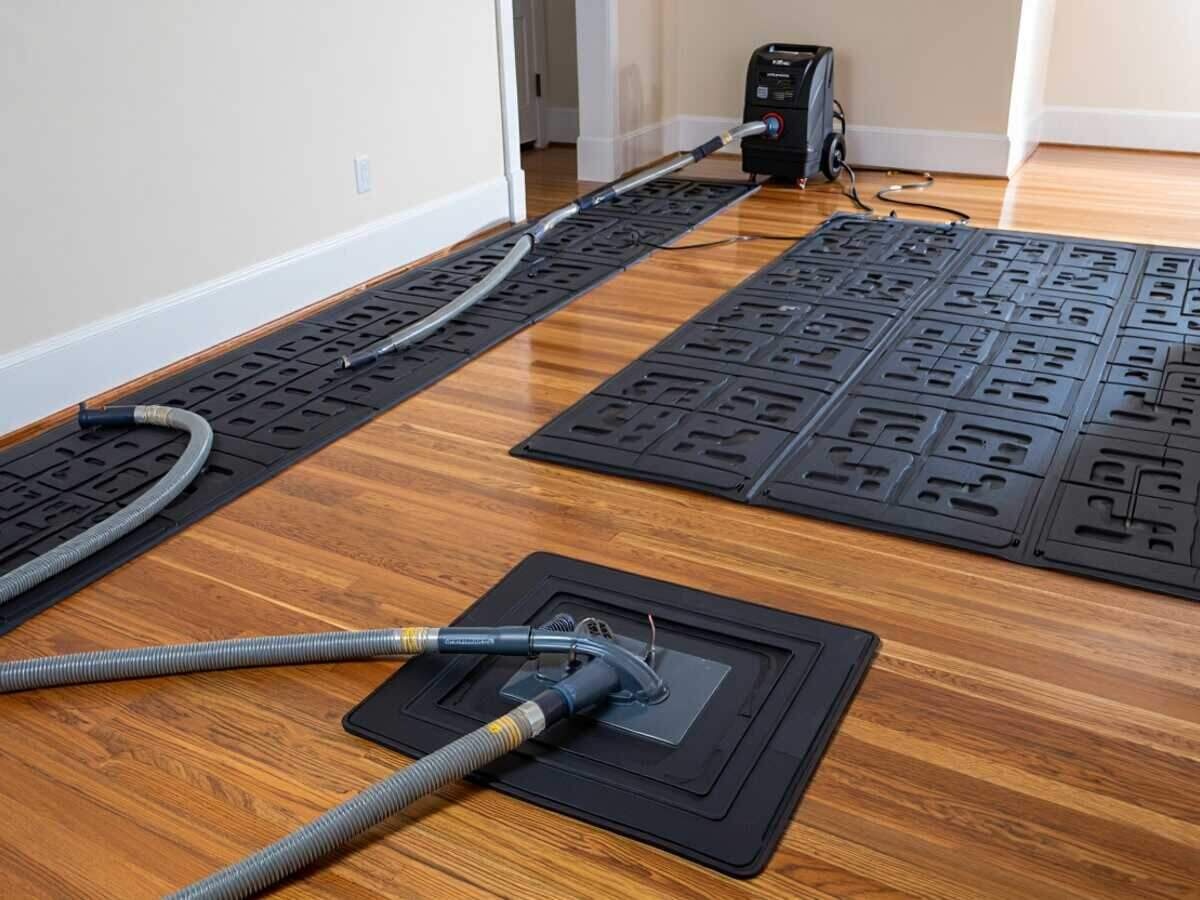
Where there is attic access we go up first, because the source and the wet insulation are up there and a bag of soaked fiberglass is a load that comes off the board immediately. Then the board gets read: a moisture meter across the field, a probe at the seams and along the fastener lines, and a look at whether the tape has moved. Panels that carried the load come out back to framing so the new sheet lands on wood. Panels that are only stained, with a firm core and tight screws, stay up, and you hear which is which before a saw comes out. After that the cavity dries under a meter check every morning, and the rebuild runs board, tape, texture, and a sealer beneath the paint so the old stain stays buried.

  • Wet insulation bagged off the top of the board before anything else happens
  • Every panel read with a meter and a probe, at the seams and along the fastener line
  • Loaded board cut back to framing, stained but sound board sealed and left in place
  • The cavity dried until the framing holds a number, then board, tape, texture, and paint by one crew
Ceiling water damage repair in Round Rock, TX

One crew carries this from the first reading through the paint, so the drywall and the finish work are not a second phone call. We photograph the panel before the cut, log what the meter said, and write the scope in language an adjuster can price. What your policy pays is a call your carrier makes, and we will not pretend to know it in advance. Call (512) 271-5099, and keep people out from under a ceiling that is bulging.

Good to know

Frequently asked questions

The ceiling dried out weeks ago and it never sagged. Is the stain the only thing left?

It might be, and that is worth twenty minutes of checking rather than assuming. We meter the panel and probe the seams and the screw line. Firm core and tight fasteners means the fix really is a sealer and paint. If the probe sinks or a screw head has torn through the paper, that panel is carrying insulation on a core that already failed once, and it comes down. We also read the insulation above it, because a ceiling sitting under damp fiberglass has not finished getting wet.

What test tells you a panel is still good?

Three, in this order. The moisture meter says whether it is genuinely dry rather than dry to the touch. The probe at the seams and fasteners says whether the gypsum core still has body. The tape line says whether the board has moved, since a lifted or cracked seam means the panel already gave. Anything that passes stays up. We have no interest in cutting out a ceiling that is still doing its job.

This ceiling was patched after a leak two years ago. Does that change anything?

It changes where we look first. Old patches get opened early, because a crew that dried the room and left the wet board above it is a regular find, and growth that started back then changes the scope. We photograph what we open and note what reads old against what reads new, so your adjuster is not guessing which leak paid for what. Whether an earlier loss affects your coverage is a question for your carrier rather than for us.

Is a stained ceiling even worth filing a claim over?

That depends on what is above it, and you can know before you decide. A small ring fed by a condensate line that ran for an hour is often a modest repair. The same ring fed by a supply fitting that dripped for three weeks means wet insulation, wet framing, and a mold question, which is a different number entirely. We put a meter on it, and you get the size of the wet area before you decide anything. Filing is your call, and so is the deductible.

Water damage won't wait

Stained ceiling in Round Rock? Find out what that panel is carrying.

Austin Flood & Leak Restoration answers around the clock. We take the wet insulation off the top of the board, read the panel with a meter and a probe, and cut out only what has stopped being structural. Then we dry the cavity, hang and texture the new board, and paint it, all on one ticket.

Call (512) 271-5099 Available 24/7 · Austin metro