Water Removal & Extraction in Austin, TX
Two inches across the kitchen tile and it is still spreading. The first hour is the whole job: standing water climbs the drywall behind the baseboard while you look for a mop. We answer around the clock and pump it out on the first visit.
- We bill your insurer directly
- IICRC-certified crews
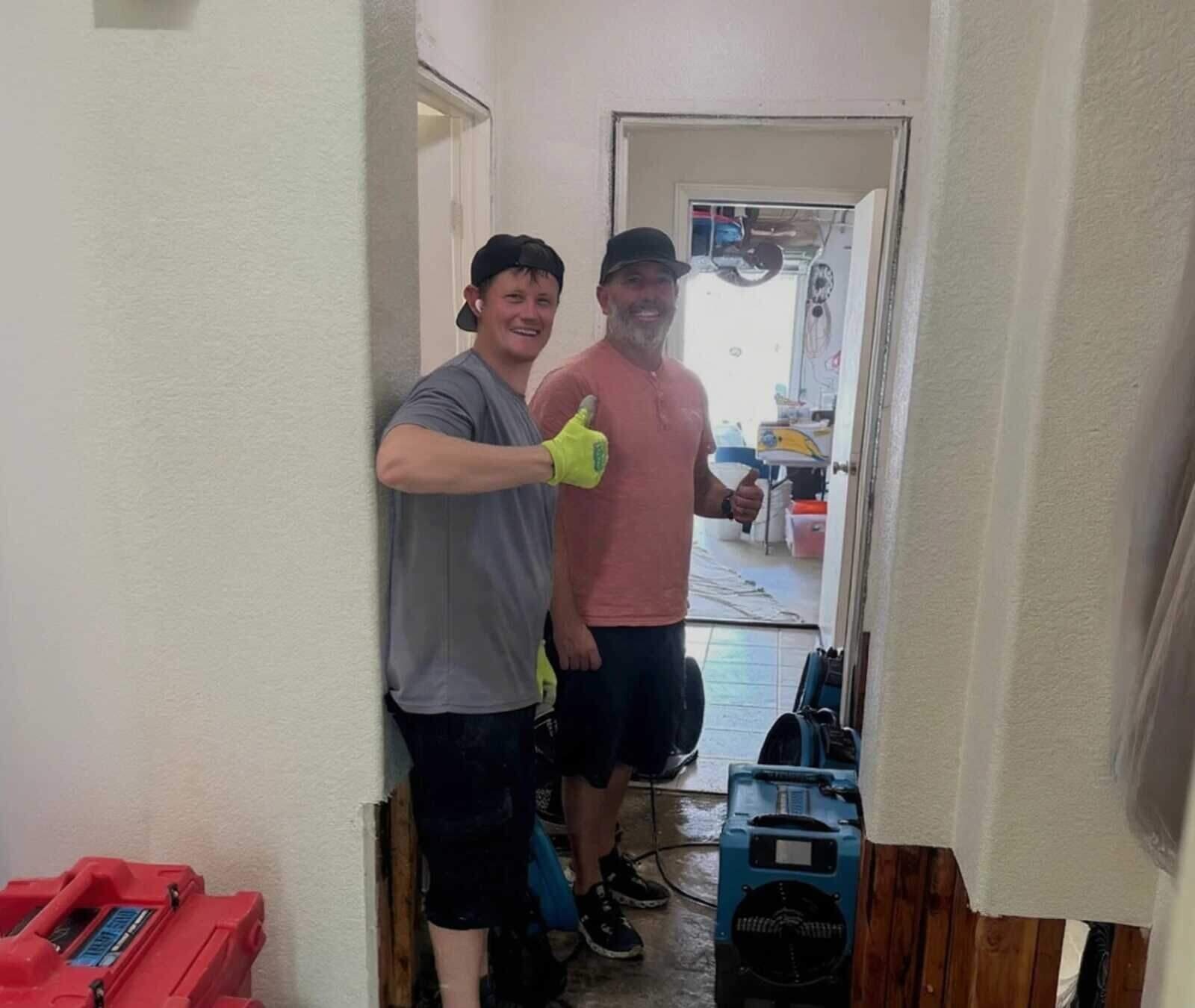
A local crew that shows up and does it right




Where the water already is by the time we arrive
The puddle is the part you can see. In a slab house most of it has gone under the flooring and into the bottom of the walls, and that hidden share is what decides between a dry-out and a tear-out.
Standing water
Whatever is still sitting on tile, wood, or vinyl comes out at volume, before it finds the next doorway or the return-air chase.
Carpet, pad & wall cavities
Weighted tools press water back up out of the pad. Cavities get read with a meter first and opened only where the reading says there is water in them.
Burst lines, heaters & backups
Split supply line, failed water heater, backed-up drain: the pumping is the same work, though Category 3 water changes what can be saved. See sewage cleanup.
The tools, and why the choice matters
A skim of water on tile and a saturated carpet over a slab are two different jobs. Crews carry all of it so nobody has to come back tomorrow with the right machine:
- Truck-mounted extraction for volume, when a portable unit would still be filling buckets at midnight.
- Portable extractors for upstairs rooms, closets, and anything a truck hose cannot reach from the driveway.
- Weighted extraction heads that put a technician's body weight over the wand to press water up out of the pad. That pass is usually what decides whether the carpet stays.
- Moisture meters and a thermal camera to find water behind baseboard and under tile before anyone calls the job finished.
Pumping it out is half of it
Materials keep holding water long after a floor stops looking wet, so extraction hands off to drying on the same visit rather than a scheduled one.
Map It
Meters and a thermal camera mark every wet room, wall, and cavity before a single machine gets placed.
Set Air Movers
Air movers go where the readings are, angled across the wet surface instead of pointed at the room.
Pull the Humidity
Dehumidifiers take that moisture out of the air so it cannot resettle into dry framing next door.
Read It Daily
We come back every day and pull equipment only when the wet materials match an unaffected room.
Speed is the difference between a dry-out and a tear-out
Water removal is the one stage of a water loss where speed changes the outcome more than skill does. Every gallon lifted off the floor in the first hours is material that does not have to leave the house in a dumpster later. Volume matters less than hours. A supply line that dripped behind a vanity all night does more damage than a bathtub overflow caught in ten minutes, because the overnight water had time to travel and be absorbed.
Emergency water removal is most of what runs after dark. The real decision a water extraction company makes on your floor is not how many gallons there were. It is what can be dried in place and what has to come out, and that call comes off a meter reading and the category of the water, never off how the floor looks.
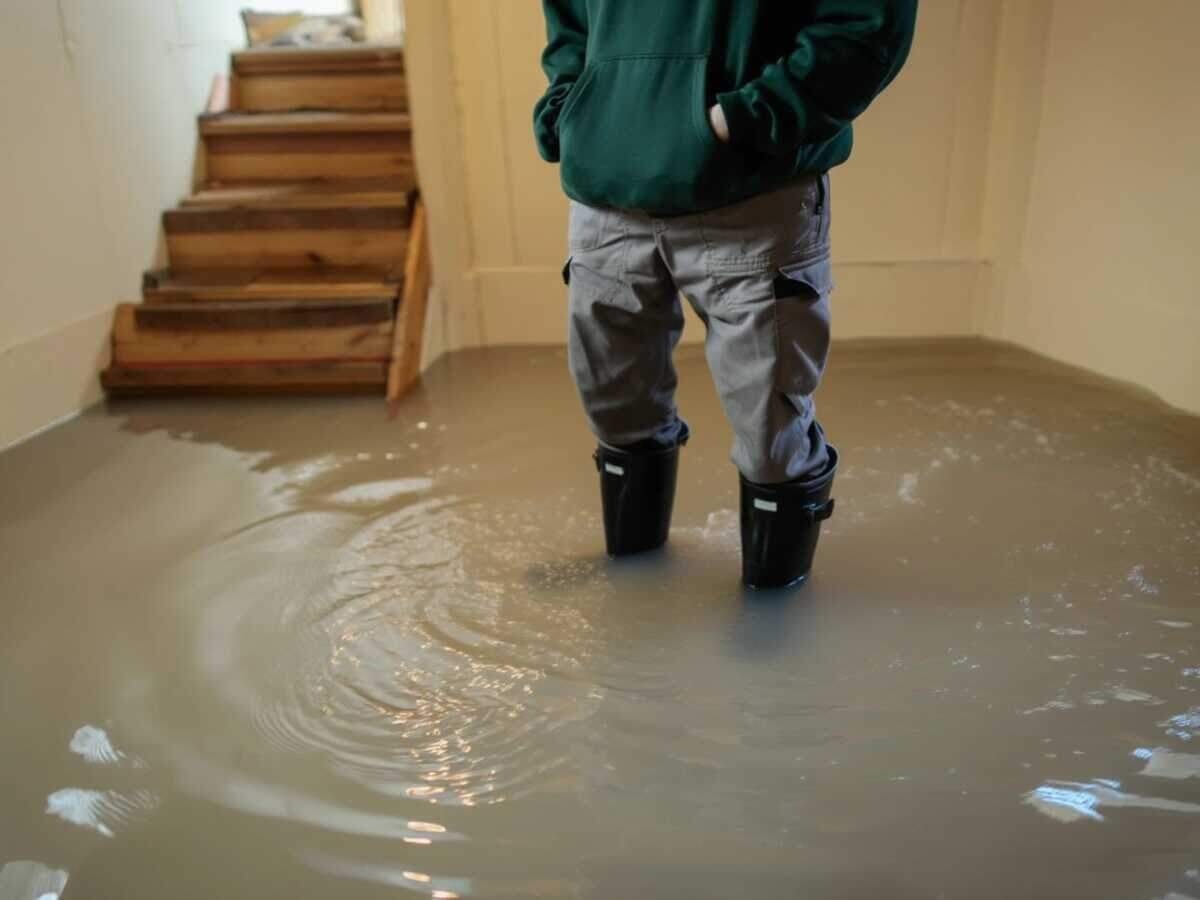
On a slab, the water goes sideways
Austin's building stock decides where it ends up. Circle C, Avery Ranch, and most subdivisions built here since the late 1980s sit on post-tension slabs, so when a line under the deck lets go, no plumber is going to cut a trench through the cables to chase it. The line usually gets abandoned and rerouted overhead through the attic, and that is the plumbing side. Our side is the water that surfaced: it spreads flat under tile and glued plank, wicks into the bottom plate of every wall it reaches, and often shows first two rooms away from the leak. We meter the far edge of the wet zone and extract back toward the source, because the puddle is never the boundary.
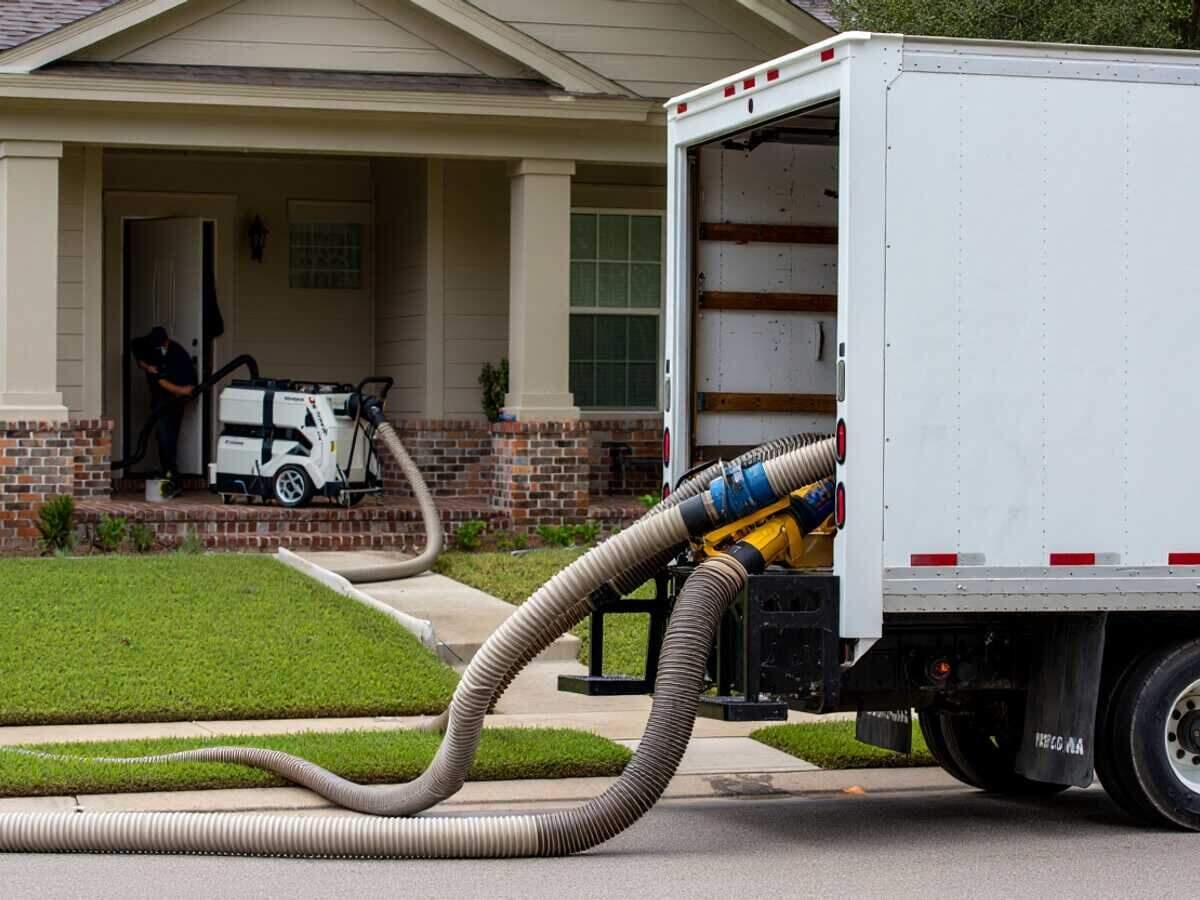
Extraction and drying are one phase, two stages
Our water removal services do not end when the last hose goes back on the truck. Trapped moisture is what cups a floor and grows mold, so the crew moves from the wand to structural drying in the same visit: air movers, dehumidifiers, and a reading in every affected room every day until materials meter dry. On the estimate those are two stages of one mitigation phase, and the rebuild that follows them is separate work under full water damage restoration.
All of it gets written down while it happens. We photograph the loss before anything moves and log every reading, so the insurance claim moves while the equipment runs. Your carrier decides what the policy covers; our part is handing it a file it can actually price, and yours is the deductible. Call (512) 271-5099 at any hour, or reach the crew through the contact page.
Frequently asked questions
Can the carpet be saved, or does it all come out?
Clean supply water caught early usually means the carpet stays and the pad comes out, because the pad holds water the way a sponge does and cannot be dried in place with any confidence. Weighted extraction pulls the rest out of the carpet fibers and backing, then air movers finish it. Gray water from an appliance is a judgment call on how long it sat. Sewage is not a judgment call: carpet and pad both go, and we tell you that on the first walk-through rather than after you have paid to dry them.
I already ran a shop vac. Is that enough?
It helps, and in the first ten minutes on a hard floor it is genuinely the right move. What a shop vac cannot do is press water back up out of a carpet pad or reach the cavity behind the baseboard, which is where most of it went. Professional water extraction services are mostly about that hidden half plus the meters that prove it is gone. If a room smells musty a few days after you vacuumed it dry, that is the pad or the wall telling you what the surface did not.
Will you have to pull up my flooring?
Not always, and we would rather not. Tile on a slab often dries in place once the grout and the wall base are opened for airflow. Glued engineered plank and click-lock LVP trap water underneath, so those usually come up in a row or two to get air onto the slab. Hardwood gets its own call, sometimes with drying mats before anyone talks about replacement. Every one of those decisions comes off a meter reading, and we show you the numbers behind it.
How long does the equipment stay in the house?
Extraction itself is usually a few hours the day you call. Drying runs longer, most often three to five days, and longer where water sat under tile or against hardwood. We read the same points daily and shut equipment down when the wet materials match an unaffected room, not on a fixed schedule. The fans are loud and the dehumidifiers warm the room, and both are the price of not opening that wall again in a month.
Documented to claim standard from the first hour
We document the loss to claim standard from the moment we arrive: dated photos, moisture readings by room, and a line-item scope that maps to your policy. Then we bill your insurer directly for the covered work, so you handle the deductible.
See how claims work in TexasAreas We Serve Across the Austin Metro
Local response across Travis, Williamson, and Hays counties.
The pad is soaking while you decide
Call (512) 271-5099 and tell us where the water is now. Austin Flood & Leak Restoration answers day and night, and the crew heading your way carries extraction and drying equipment on the first trip.