Water Damage Restoration in Buda, TX
A water heater in a Sunfield garage seeps for a week before the smell reaches the hallway, and by then the slab has carried it under two walls. Buda calls tend to start quiet like that. Tell us what you are seeing and we run down I-35.
- We bill your insurer directly
- IICRC-certified crews
One crew, from extraction to the final repair
One local crew handles extraction, drying, and repair from the first call through the final moisture reading. Sewage cleanup and structural drying are run metro-wide from the same trucks.
Our restoration process in Buda
Four steps, starting the moment you call.
Call & Dispatch
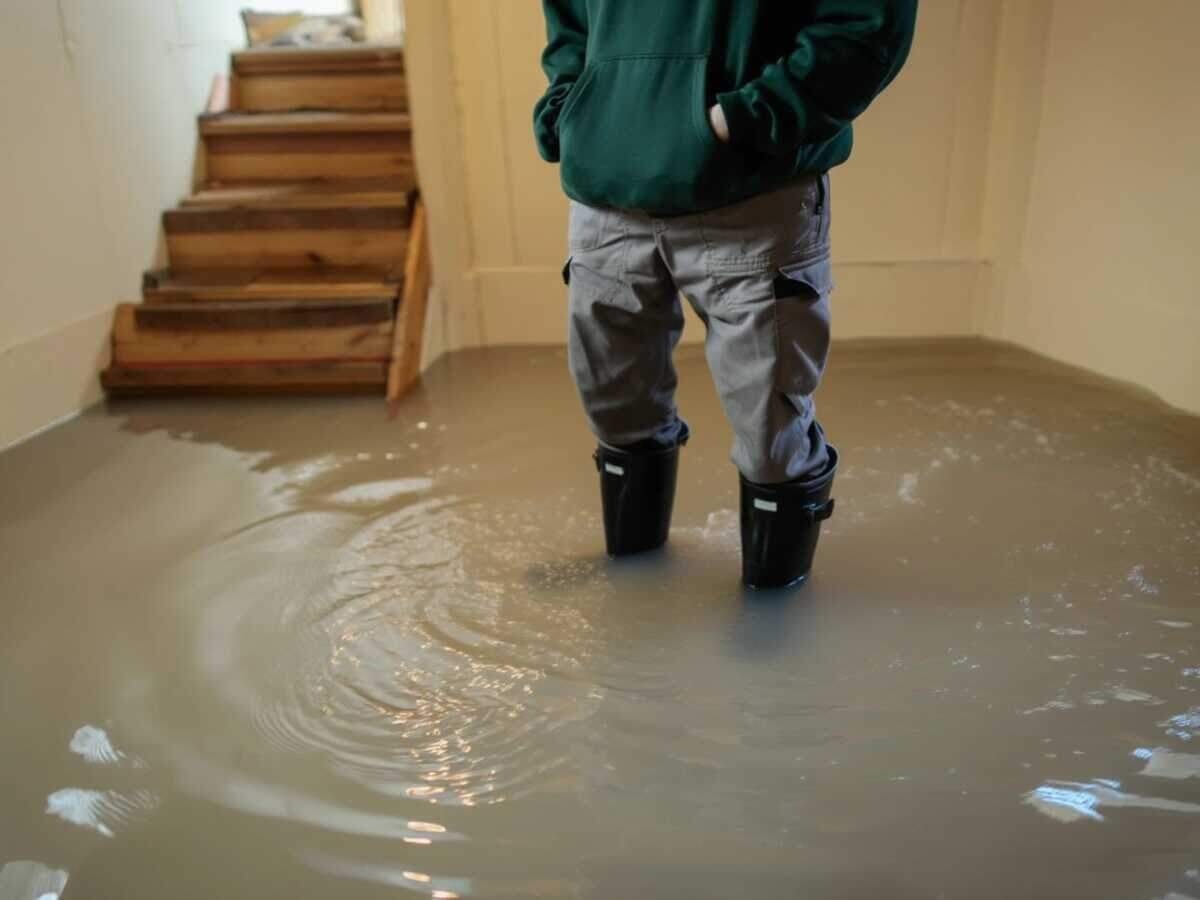
Tell us what happened. A local crew is dispatched on the call, and how fast we reach you depends on traffic and where you are.
Extract & Stabilize
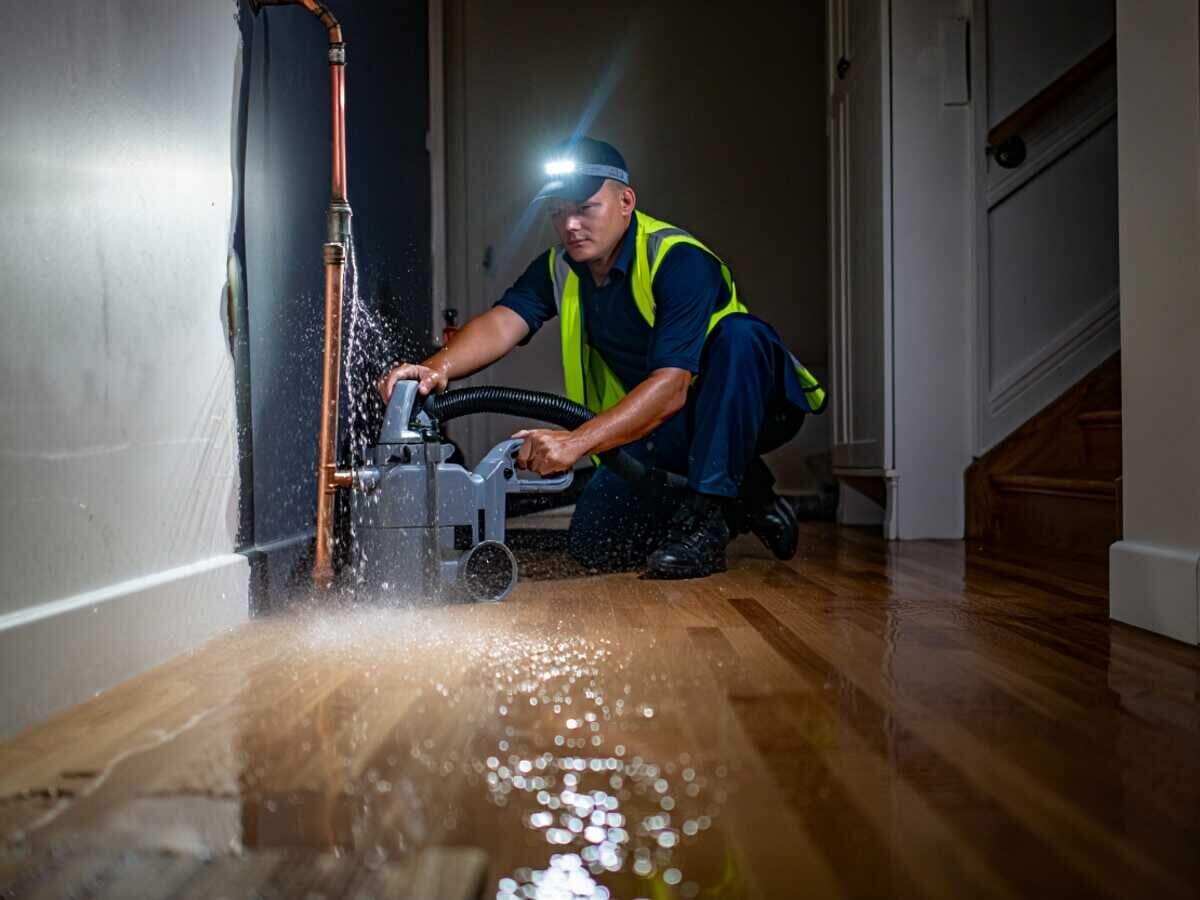
We stop the source, pump out standing water, and set drying equipment.
Dry & Monitor
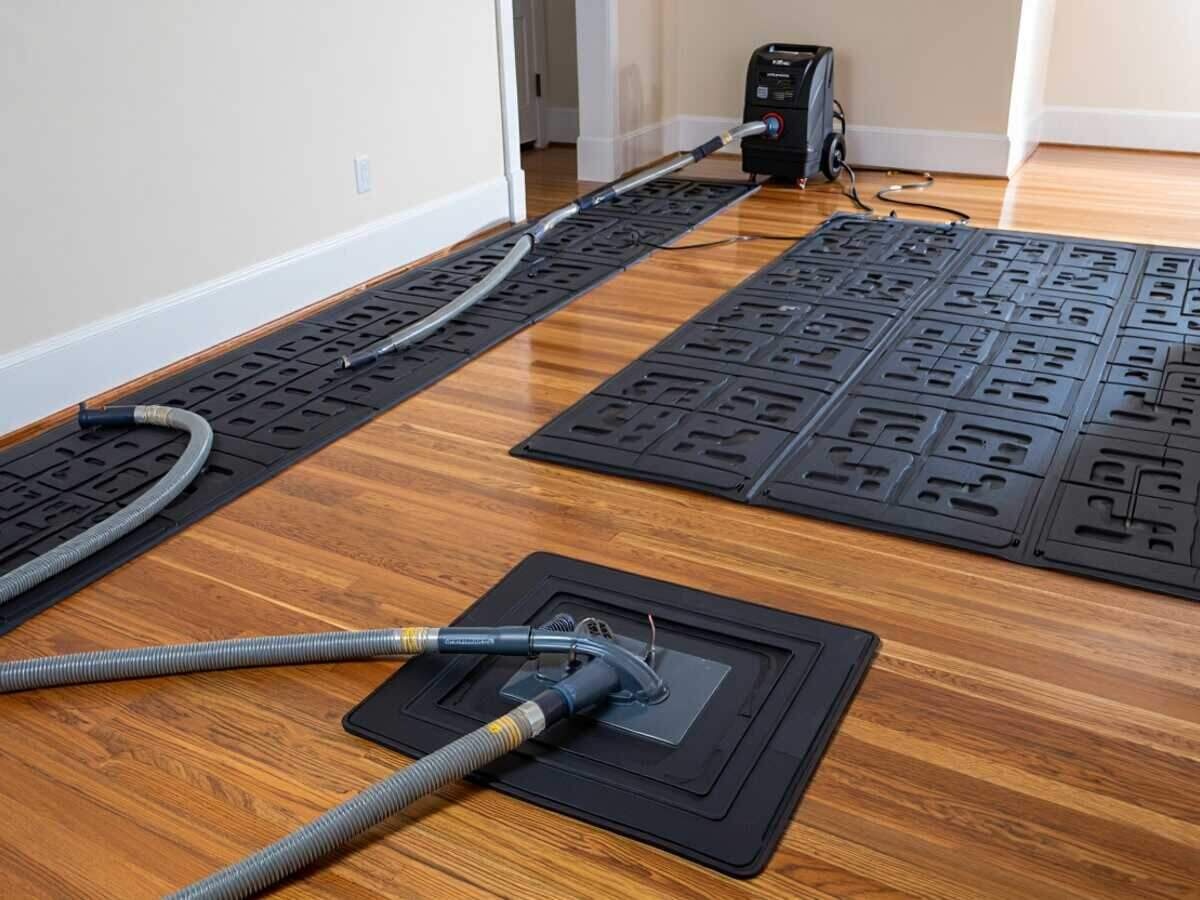
Air movers and dehumidifiers run while we track moisture daily to dry standard.
Restore & Document
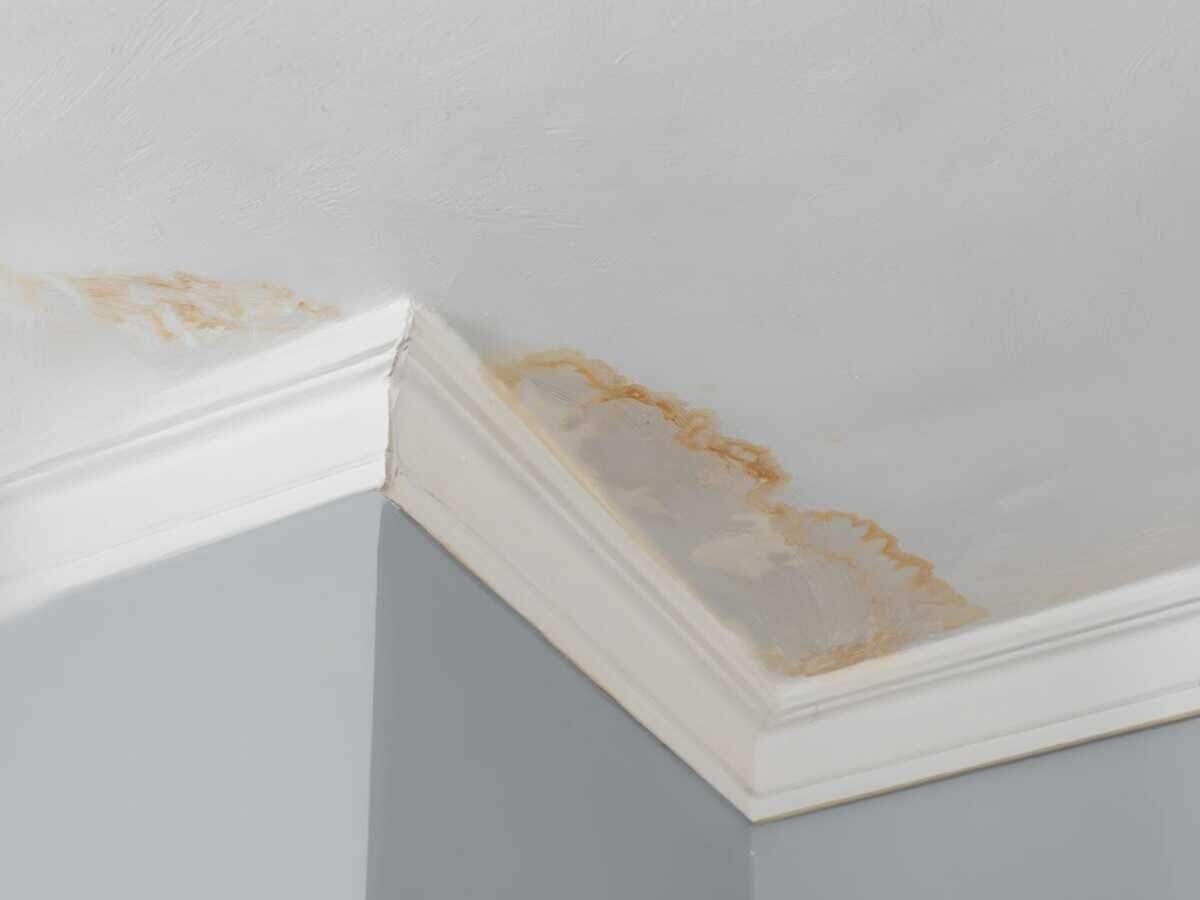
We repair what was damaged and hand your insurer a documented scope.
We document your water damage claim
A water claim turns on two things: acting fast, and documenting it right. We do both. From the moment we arrive we photograph the loss, log moisture readings by room, and build a scope that maps to your policy — then we bill your insurer directly for the covered work.
See how claims work in TexasWater damage in Buda
Buda is two housing stocks in one small city, and a leak behaves differently in each. The blocks around Main Street go back to the town's railroad days and sit on pier and beam, with a crawl space under the floor. Everything that filled in along FM 967, FM 2001, and the I-35 frontage over the last two decades is slab on grade: Sunfield, Garlic Creek, Whispering Hollow. Same failed fitting, two completely different jobs.
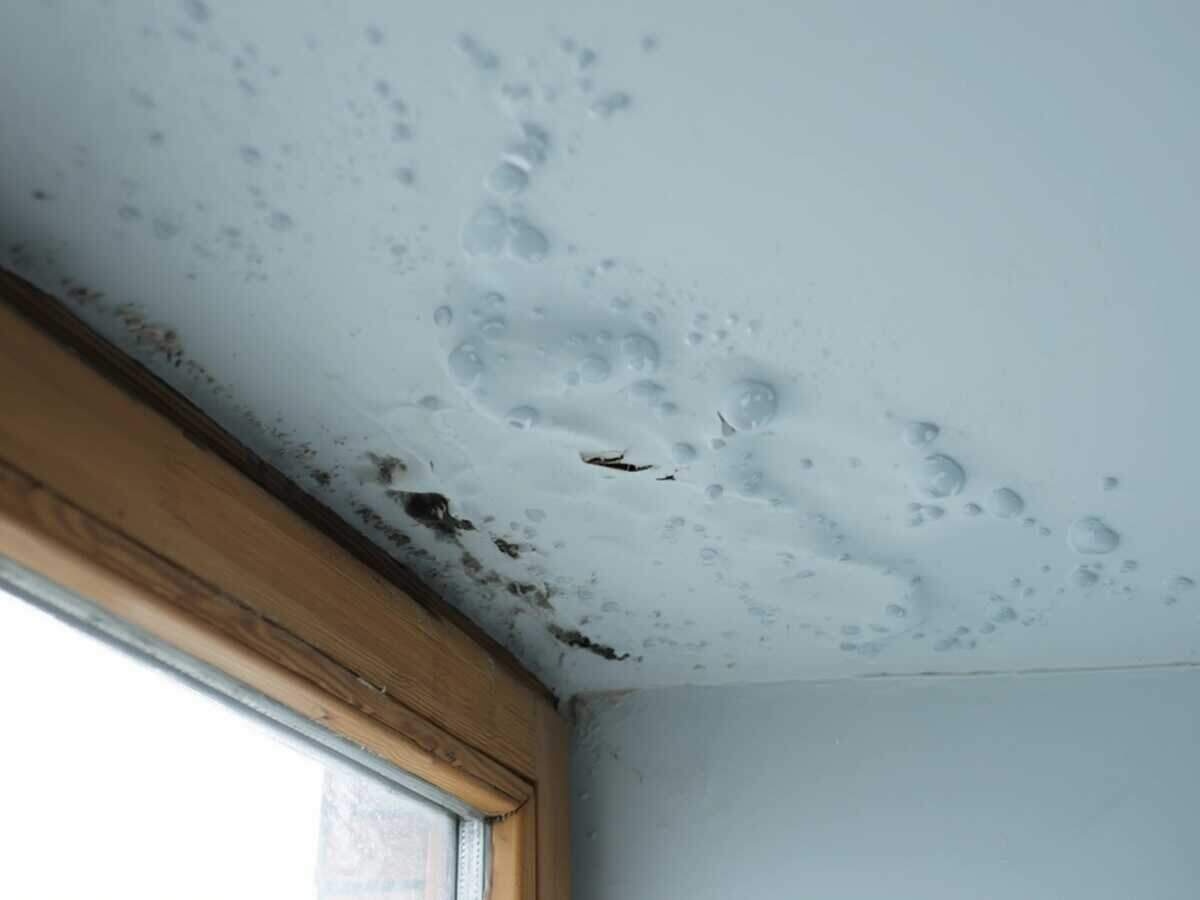
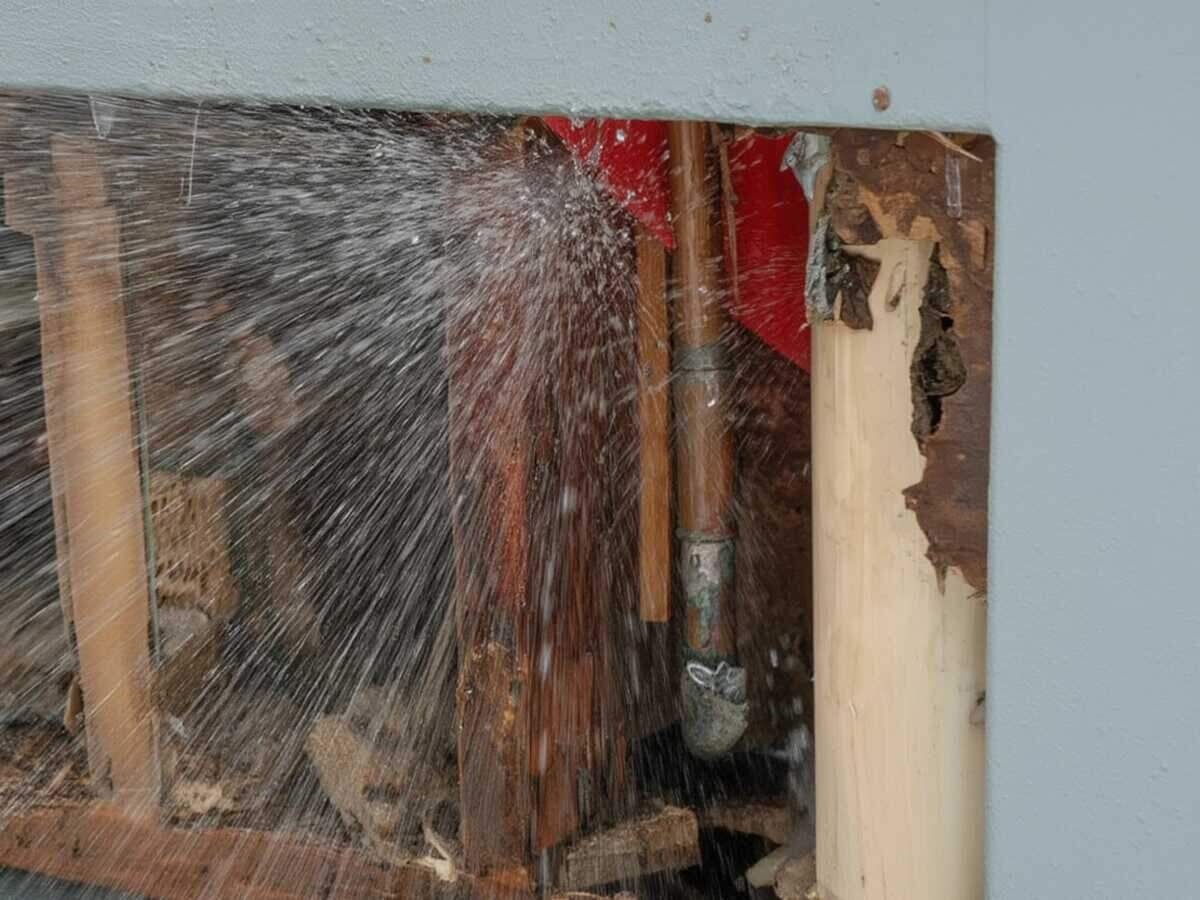
On the slab side the usual culprit is the water heater, and it rarely announces itself. A tank fails by weeping first, a slow seep at a bottom fitting or through a corroded seam, and that water crosses the garage or utility closet floor and keeps going under the tile. Nobody sees standing water. What people notice is a musty smell near a baseboard, a patch of tile that feels warm, a floor plank lifting at the seam. By then the bottom plate and the lower drywall have been wicking for days, and water damage cleanup means opening a wall that looked perfect last week.
One line is worth drawing before you call anybody. Onion Creek runs through town, and water that comes up out of a creek and into a neighborhood is a flood claim: separate policy, different trade, different equipment. Our side of that line is water that came out of the house itself, a supply line, a water heater, a dishwasher, a drain backup, a roof leak that found an interior wall. That is what we are certified for and what we will bill.
- Extraction and drying after a water heater, supply line, or appliance failure
- Under-tile and wall-cavity moisture mapping before anything gets cut
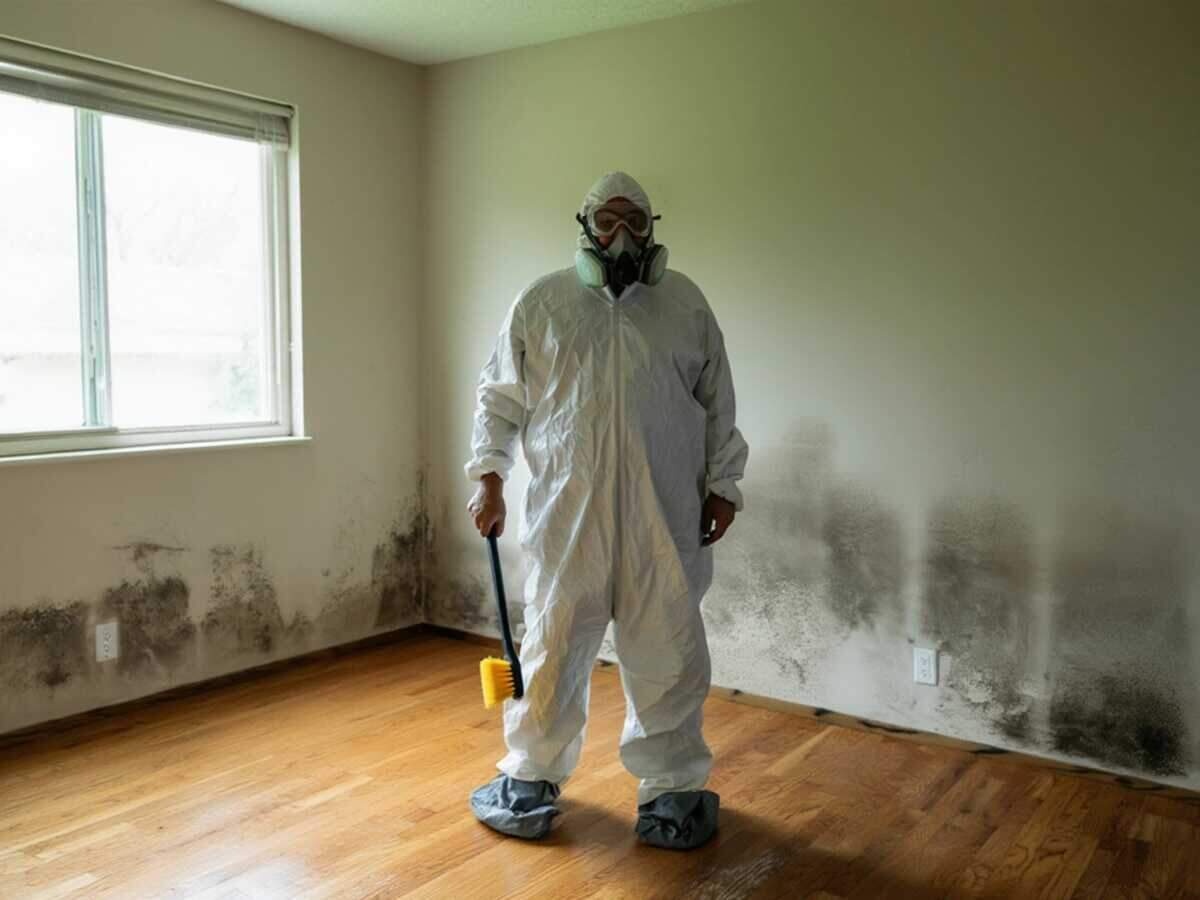
- Containment and mold removal where a slow leak sat long enough to grow it
- Photos, daily moisture logs, and a written scope your adjuster can price
Buda is a straight run south on I-35 from where our trucks stage in the north Austin metro, and it is a real drive rather than a five-minute hop. Water damage restoration goes better the earlier it starts, so call (512) 271-5099 the day you notice it instead of after the weekend.
Frequently asked questions
Onion Creek came up into our street. Is that something you handle?
No. Rising creek water is a flood claim, and it takes a flood policy and a contractor who works that specialty. If the water in your house came out of a supply line, a heater, an appliance, or a drain, that is ours. The two get confused because the floor looks the same either way, so tell us where it came in and we can usually sort it out over the phone.
My tile looks fine. Why are you pulling the baseboards off?
Because the drywall behind them drinks first. Water on a slab spreads under the tile until it reaches a wall, and the paper facing on the drywall pulls it upward from there. Popping a baseboard costs nothing and lets a meter read the bottom of the sheet directly. Dry reading, the baseboard goes back on and we have ruled that wall out. Wet reading, we have found the edge without cutting a hole in the middle of your living room.
We bought an older house near Main Street. Does pier and beam change anything?
It changes where the water goes. On a slab it runs flat and wide. Over a crawl space it soaks the subfloor, drips through, and then sits under the house where the air barely moves, which is slower to find and slower to dry. We usually end up running equipment in the crawl space as well as in the room, and the joists and subfloor get metered along with the finish floor.
How many days will the equipment be running?
Three to five days is typical for a room or two of clean water caught early. It runs longer when the water sat, when it got into a wall assembly, or when a humid week has the house fighting the outside air. We read moisture daily and pull the machines when materials hit dry standard rather than on a fixed schedule, and the final readings go in the file your carrier gets.
Do I pay you, or does the insurance company?
Both, in pieces. Water restoration services are usually split into the dry-out and then the repairs, and we handle both parts so nobody hands you off halfway through. We bill the carrier directly for covered work and you cover your deductible. What the policy pays is the carrier's decision, not ours, which is why the documentation starts on day one instead of at the end.
Areas We Serve Across the Austin Metro
Local response across Travis, Williamson, and Hays counties.
In Buda it is the slow leaks that do the most damage.
Call and describe what you are seeing, even if it is only a warm patch of tile or a smell near the baseboard. The line is answered at any hour, and the sooner a meter goes on it, the smaller the repair stays.