



Roof Water Damage Repair in Buda, TX

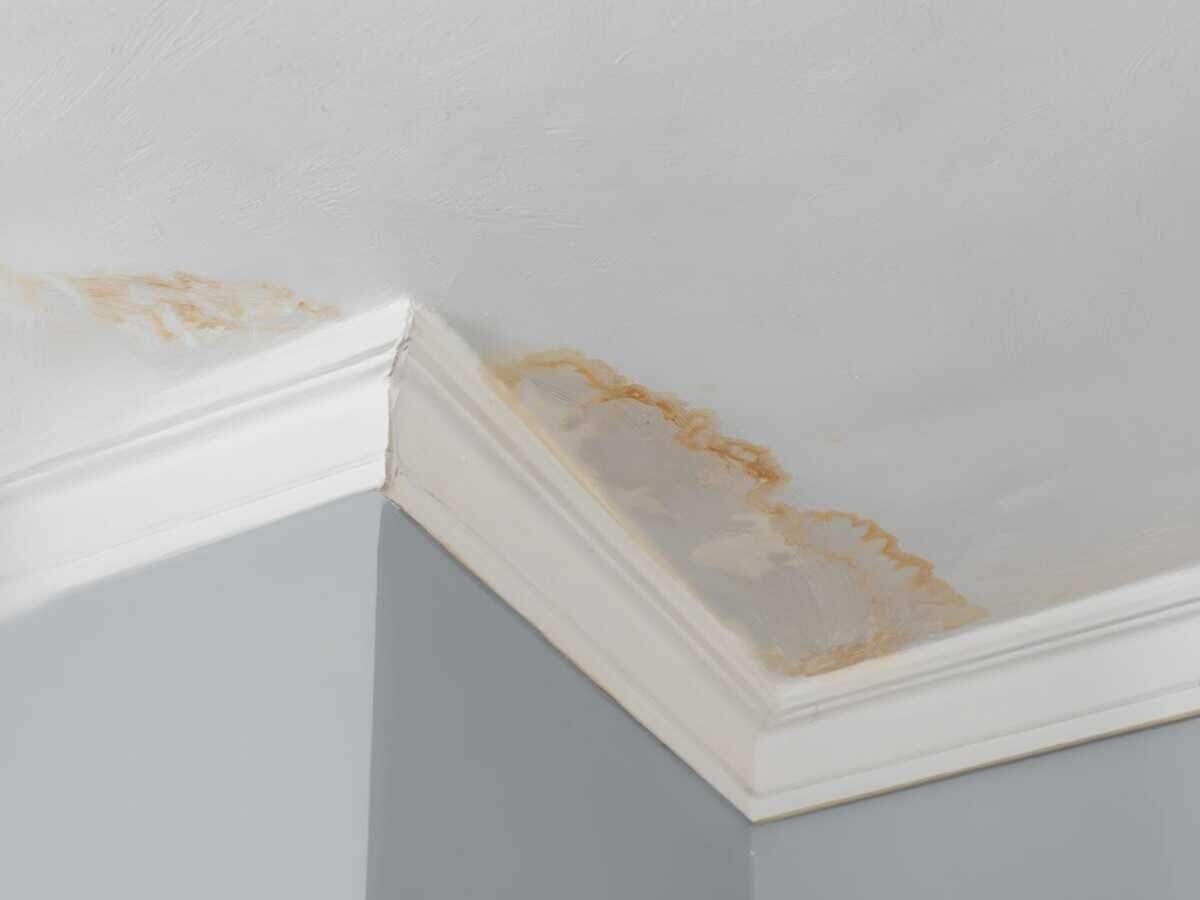
Rain got in at a vent on the back slope, and the foil-faced decking carried it along the underside of the roof, out across an open attic. The ceiling it finally came through is in the front bedroom, a long way from where the water got in.

Call (512) 271-5099 Answered live, 24/7Nights, weekends, holidays
  • We bill your insurer directly
  • IICRC-certified crews
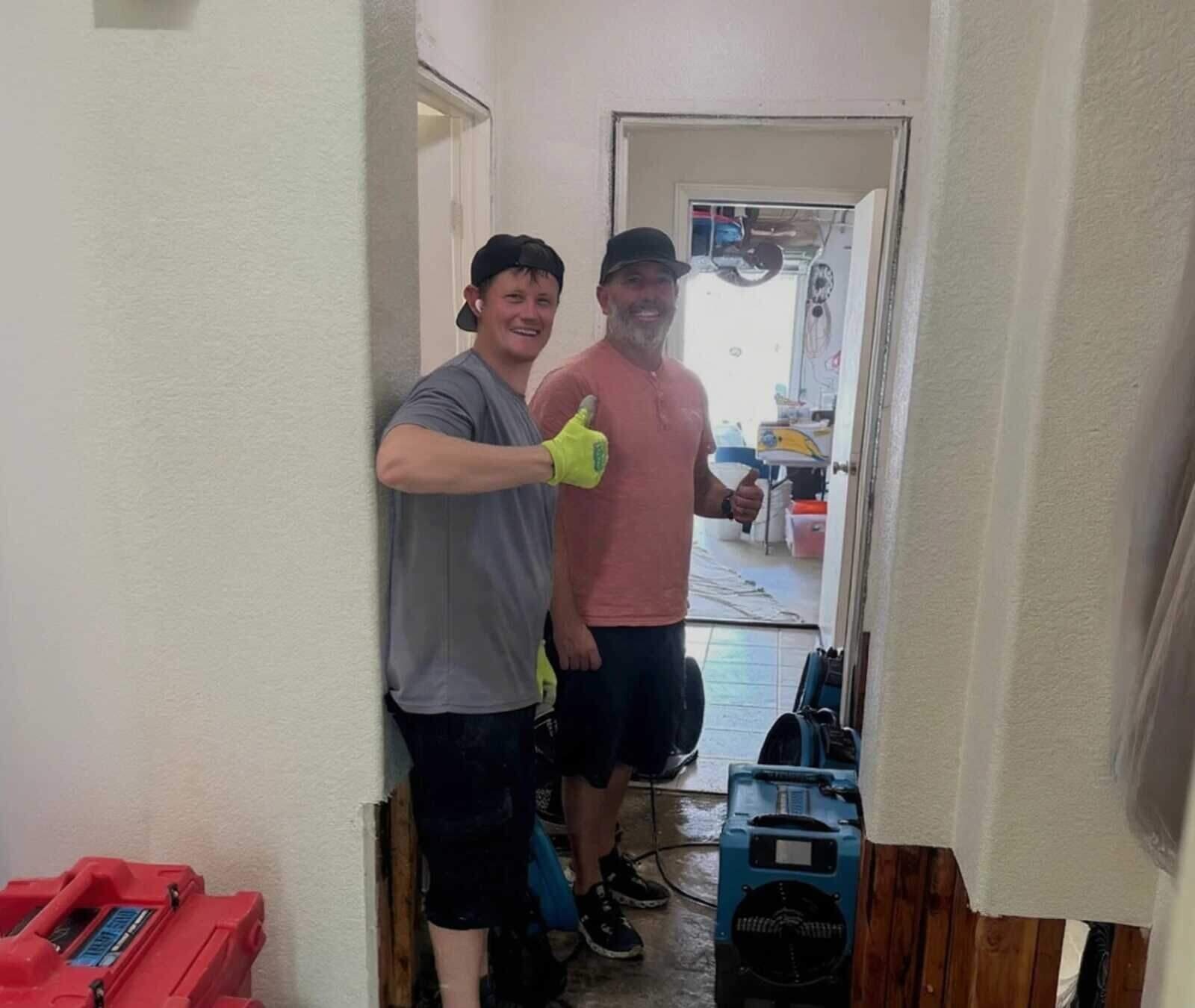
Local water damage crew working in an Austin-area home with air movers and a dehumidifier
Our crew · Austin metro
Why Buda homeowners call us

A local crew that shows up and does it right

Dried to a reading Equipment stays until the material meters dry, not until the surface feels dry.
One crew, start to finish The same local crew from the first extraction to the final repair.
No surprise line on the bill Equipment days and demolition are priced before the work happens, not discovered on the invoice.
Local Austin crew Dispatched from the north metro, never routed through an out-of-state call center.
Certified & accredited
IICRC Certified firm Indoor Air Quality Association member Certified and licensed water damage restoration Certified and licensed mold remediation and removal
How it works

Our restoration process

Four steps, starting the moment you call.

1

Call & Dispatch

Tell us what happened. A local crew is dispatched on the call, and how fast we reach you depends on traffic and where you are.

2

Extract & Stabilize

We stop the source, pump out standing water, and set drying equipment.

3

Dry & Monitor

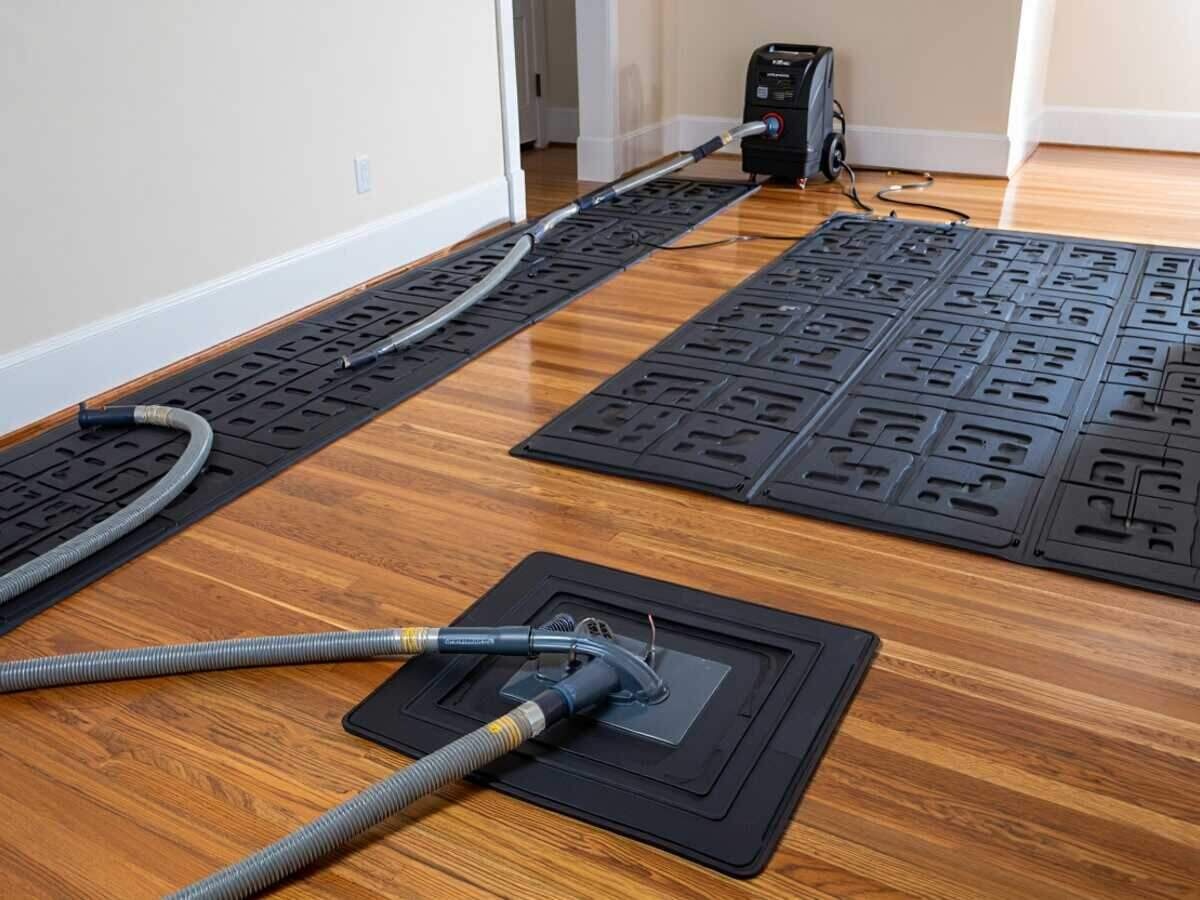
Air movers and dehumidifiers run while we track moisture daily to dry standard.

4

Repair & Reinstall

Drywall, texture, trim, and paint go back so the room reads finished.

Insurance-savvy from the first call

Documented to claim standard from the first hour

We document the loss to claim standard from the moment we arrive — photos, moisture readings by room, and a scope that maps to your policy. Then we bill your insurer directly for the covered work.

See how claims work in Texas

Roof water damage repair is interior work, and in Buda's newer subdivisions the interior is one big open attic. Few walls run all the way up in these plans, so once water is past the shingles it has the length of the house to travel. Foil-faced radiant barrier decking, standard on Hays County builds of the last fifteen years, adds to that: water runs along the smooth underside of the sheathing instead of dripping straight down, and lands wherever the framing first gives it a place to fall.

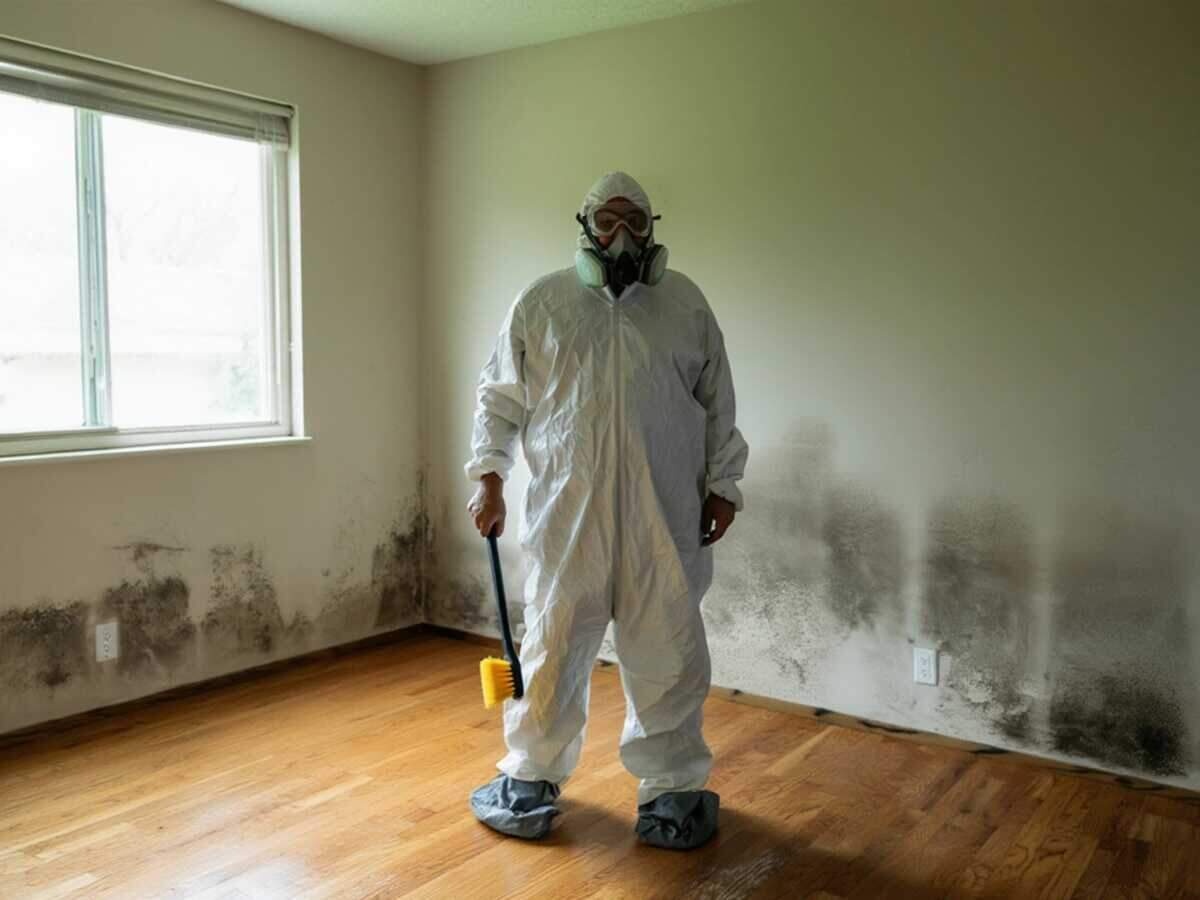
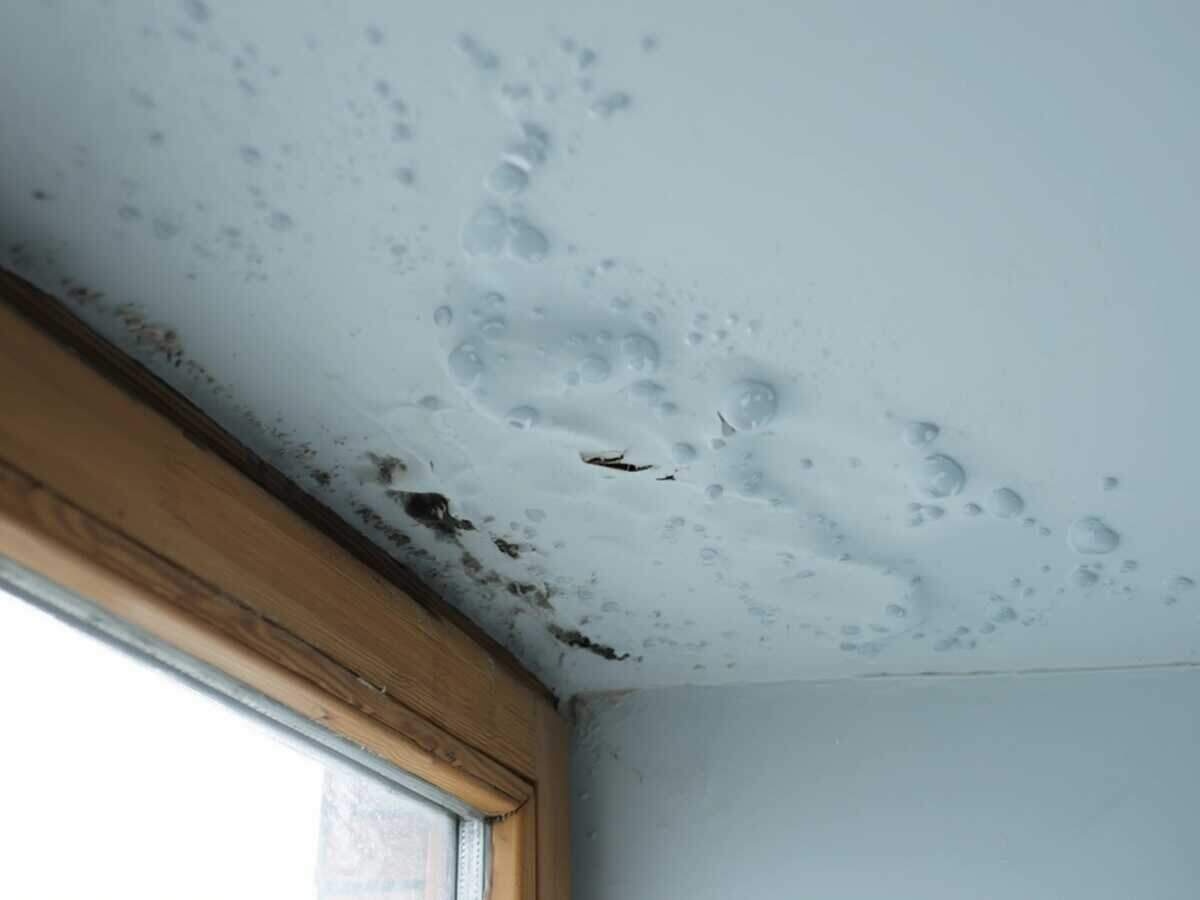
That is why a ceiling stain is almost never a map to the hole, and why a roofer patching directly above the mark sometimes fixes nothing. It also explains why the wet area is bigger than the stain. Blown insulation takes up what falls, mats down flat, and holds it against the ceiling drywall for days in an attic that runs well past a hundred degrees in summer, which is the shortest mold clock in the house.

Working the attic while the roofer works the roof

We start from the room side with a camera and a meter to size the wet area, then go up and walk it where the framing allows. Soaked blown insulation comes out rather than being dried, since it mats and does not recover. Decking, rafters, and top plates get read and dried with air moving through the space and a dehumidifier pulling it down, and the ceiling below is opened where the readings call for it instead of everywhere the stain shows. New insulation goes back after the framing holds a dry number, and the roofer's work on the outside sets the schedule for ours on the inside.

  • The wet field sized from the room side before anyone goes up
  • Matted blown insulation removed rather than dried in place
  • Decking, rafters, and top plates read and dried, with growth checked while it is open
  • Insulation replaced to depth once the framing holds dry
roof water damage repair in Buda, TX

The roofer closes the outside and everything that happened underneath it is ours. We send the interior scope with photographs and readings so it lands alongside the roof estimate instead of turning up afterward. Coverage is the adjuster's decision and not ours to promise. Call (512) 271-5099 at any hour, weather included.
Good to know

Frequently asked questions

The roofer patched right above the stain and it leaked again. Why?

Because the stain marks where water fell, not where it entered. In these attics water runs along the underside of the decking and across the framing before it drops, so the real entry point can be many feet away and on a different slope. We map the wet field up there and can usually show a roofer where to look, which saves the second patch.

Can you start before the roof is repaired?

If the rain has stopped, yes, and it is usually the right move, because wet insulation and decking do not improve while a roofer's schedule fills up. If water is still coming in, we contain the interior entry point so it stops spreading and dry once the roof is closed. What we will not do is close a ceiling over a leak that is still live.

How do you get equipment into an attic?

Through the hatch, and only where the framing is safe to walk. Air moves through the attic space itself and the dehumidifier usually sits in the hall below with ducting run up, since that is where the power is. Where an attic is too tight to work in, we open the ceiling from below and dry the bay that way, which is often faster anyway when the drywall has to come out regardless.

It rained again before anyone could get out here. Does that undo the drying?

It sets it back rather than undoing it, and in a Hays County spring it is common. The readings tell us how far back: we re-map the wet field, pull anything newly saturated, and keep the equipment on longer. It is one more reason to get the outside temporarily sealed even when the full roof repair is weeks out.

Water damage won't wait

The stain in the front bedroom started at a vent on the back slope.

Storm water travels before it surfaces, so the ceiling mark is a poor guide to the damage. We size the wet area, strip what the insulation is holding, dry the decking and the plates, and put the ceiling back once the roof is sealed.

Call (512) 271-5099 Available 24/7 · Austin metro