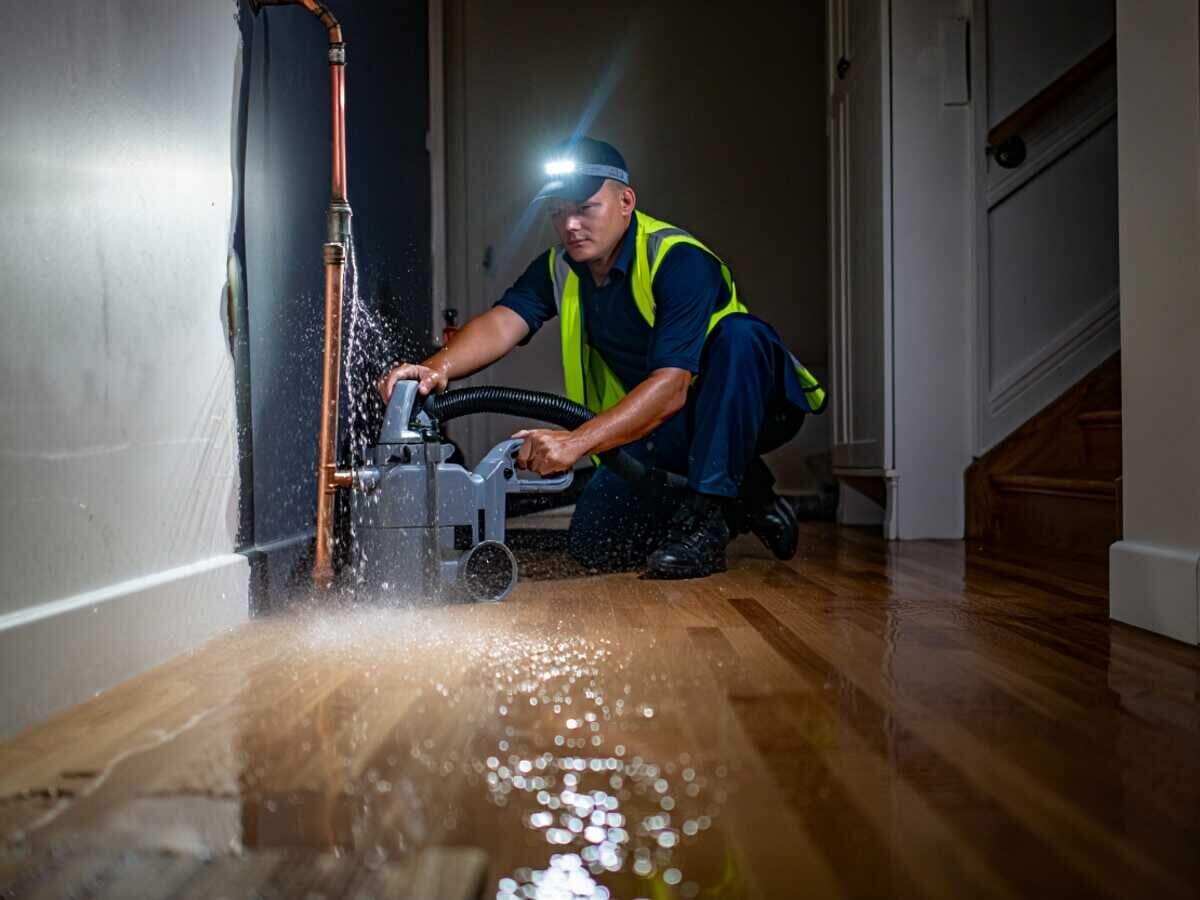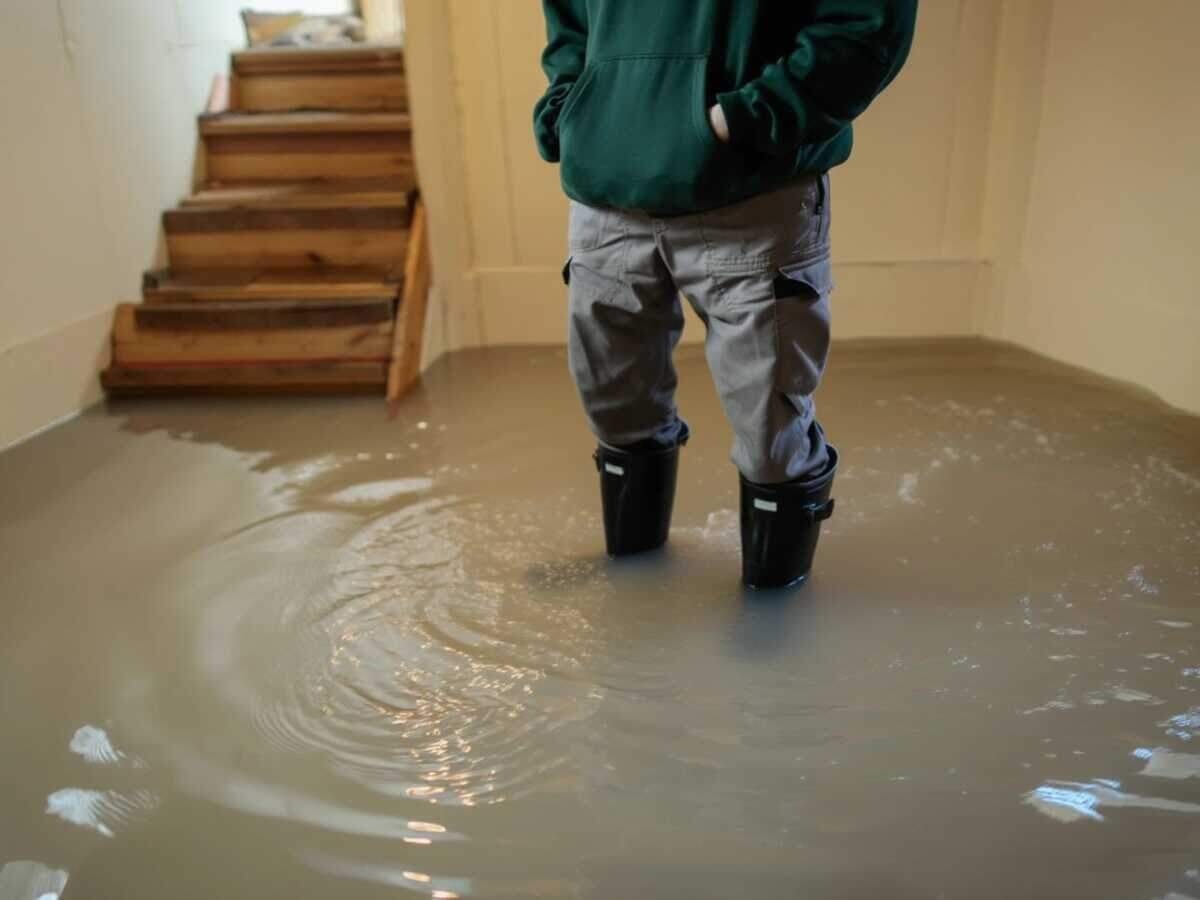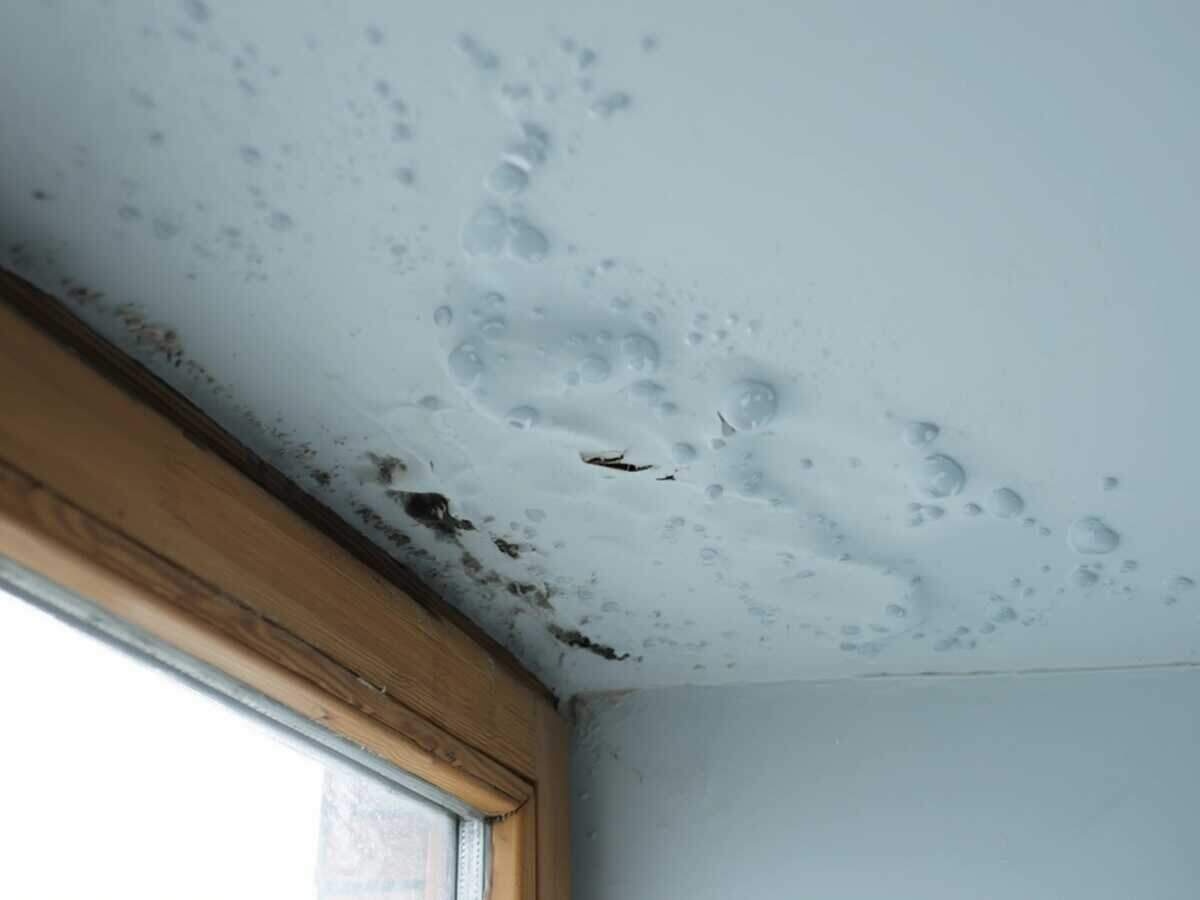




Frozen and burst pipe damage in Buda depends on which half of town you are in. On the slab side the freeze finds the line running through the garage wall to the water heater, or a run above a garage ceiling, and the break announces itself when the thaw sends water into the house. Around the older core the plumbing hangs under the floor in a vented crawl space with outside air moving past it all night, so those lines freeze first, and the break they produce is close to invisible from inside.
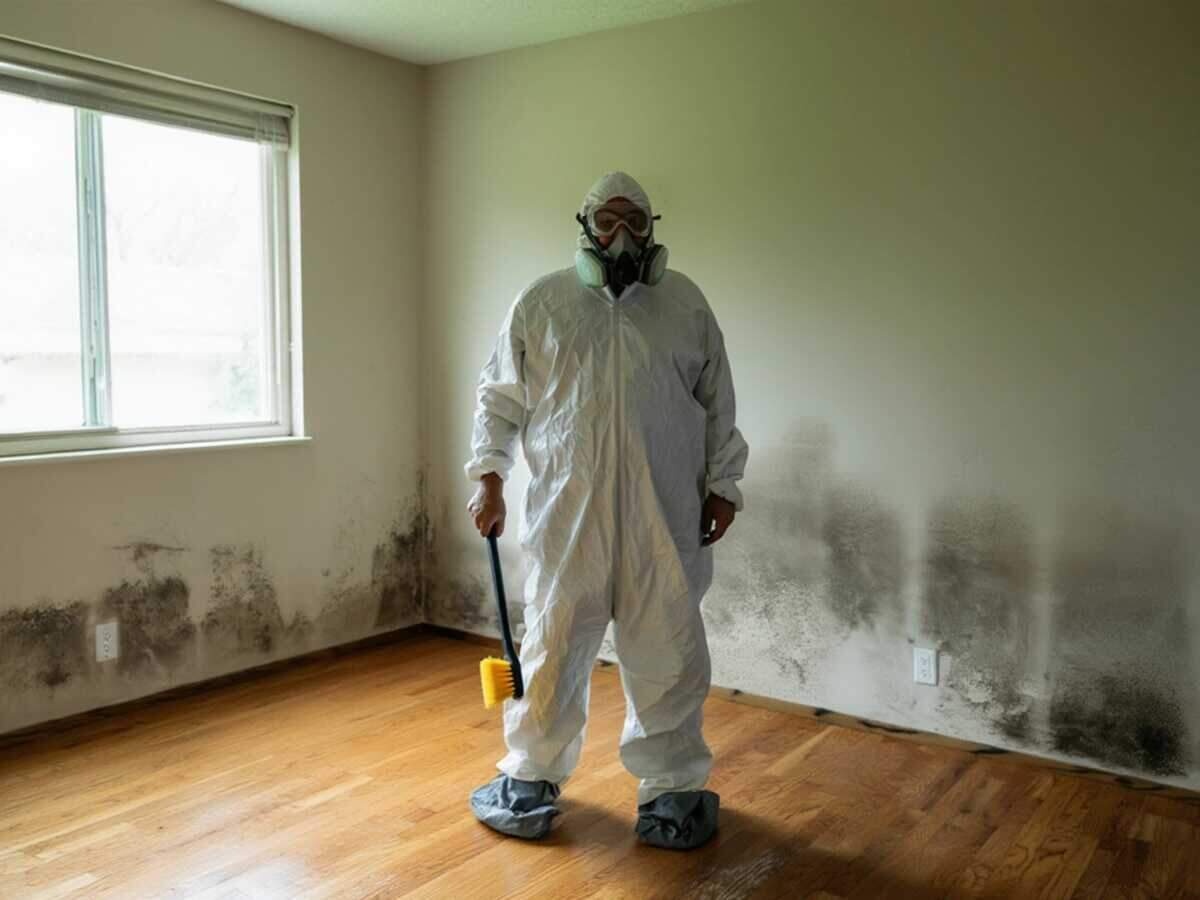
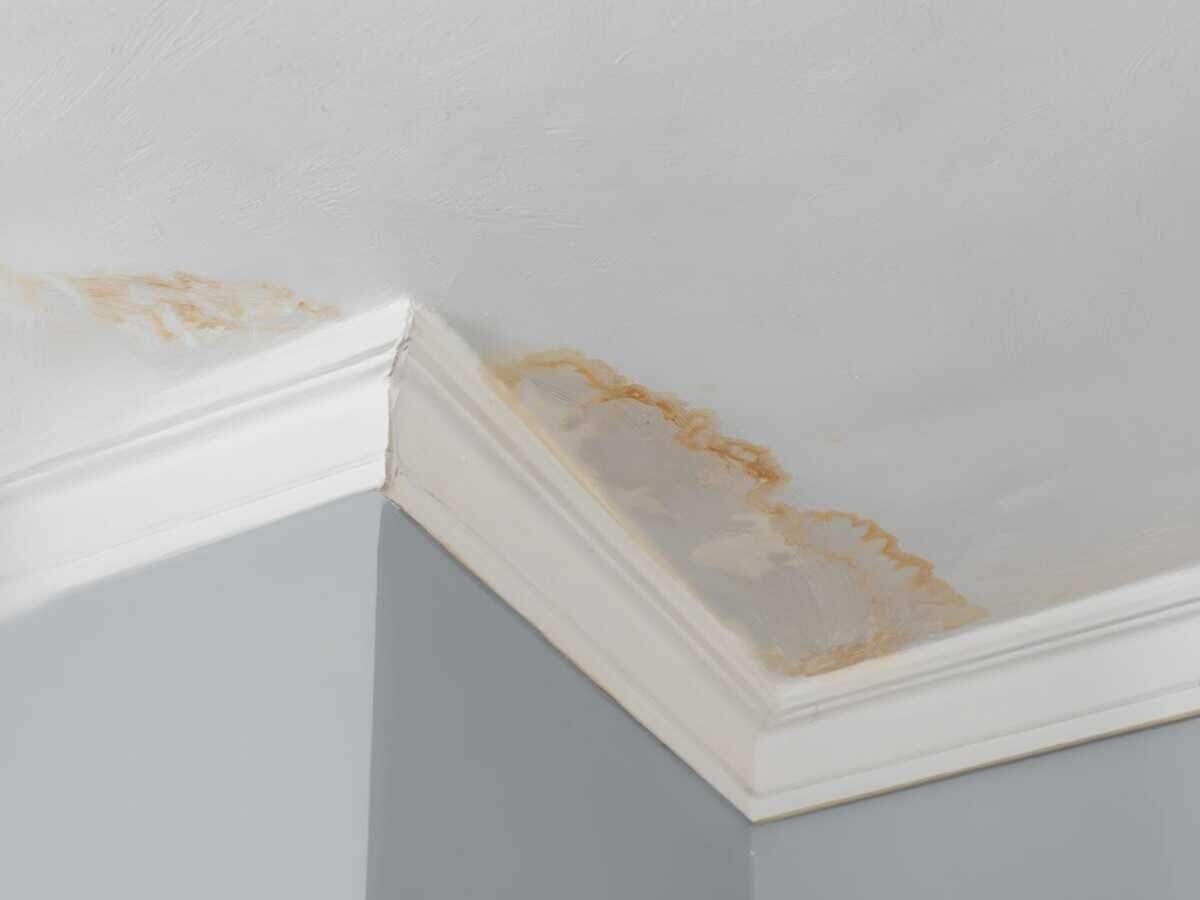
That is the part worth understanding. Water from a split under an old floor does not pool anywhere you can see. It sprays the joists and the underside of the subfloor, soaks the wood from its bottom face, and the rest runs into the dirt. The tells are all indirect: a floor that feels cold or gives slightly, a meter that keeps turning with every fixture closed, a bill that jumps, a smell in a closet a few weeks later. By then the framing has been wet long enough to matter.
What the work looks like under the floor
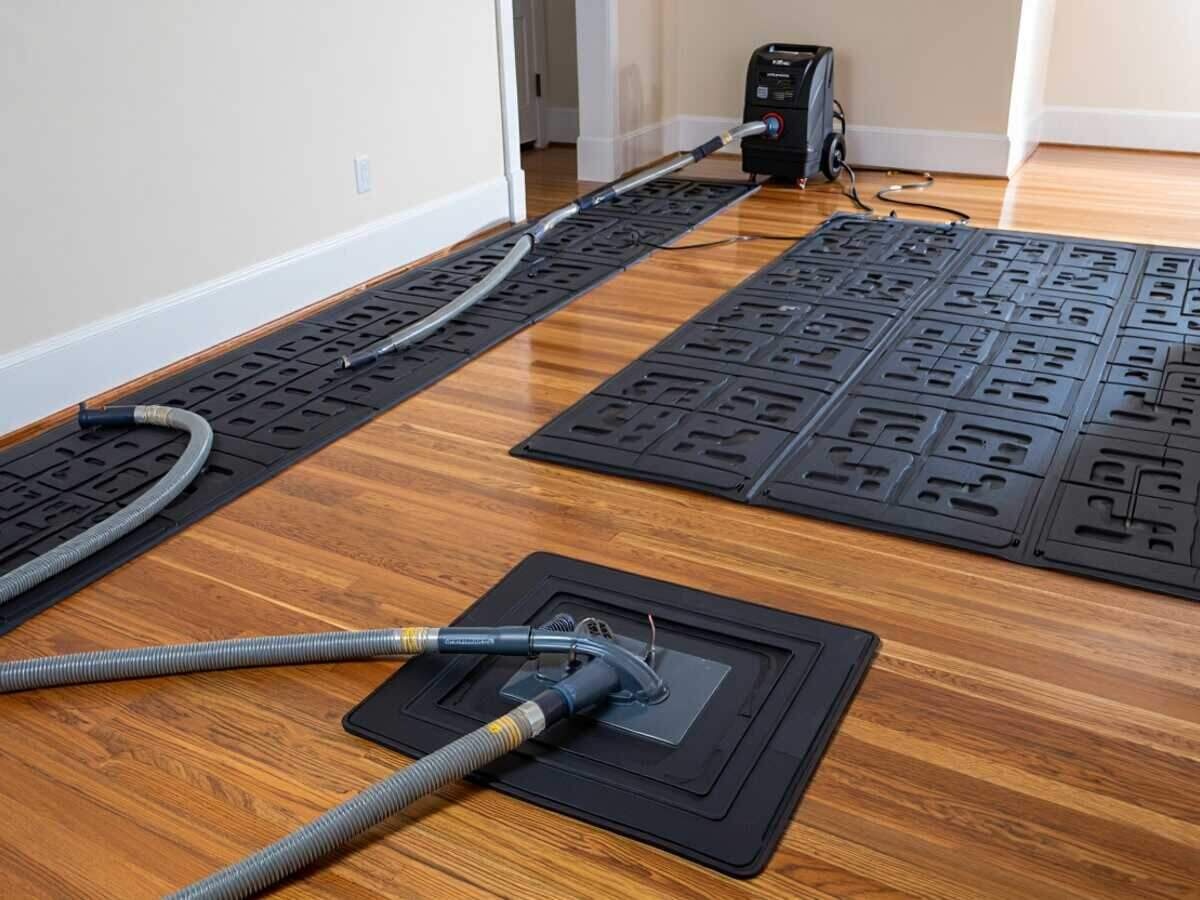
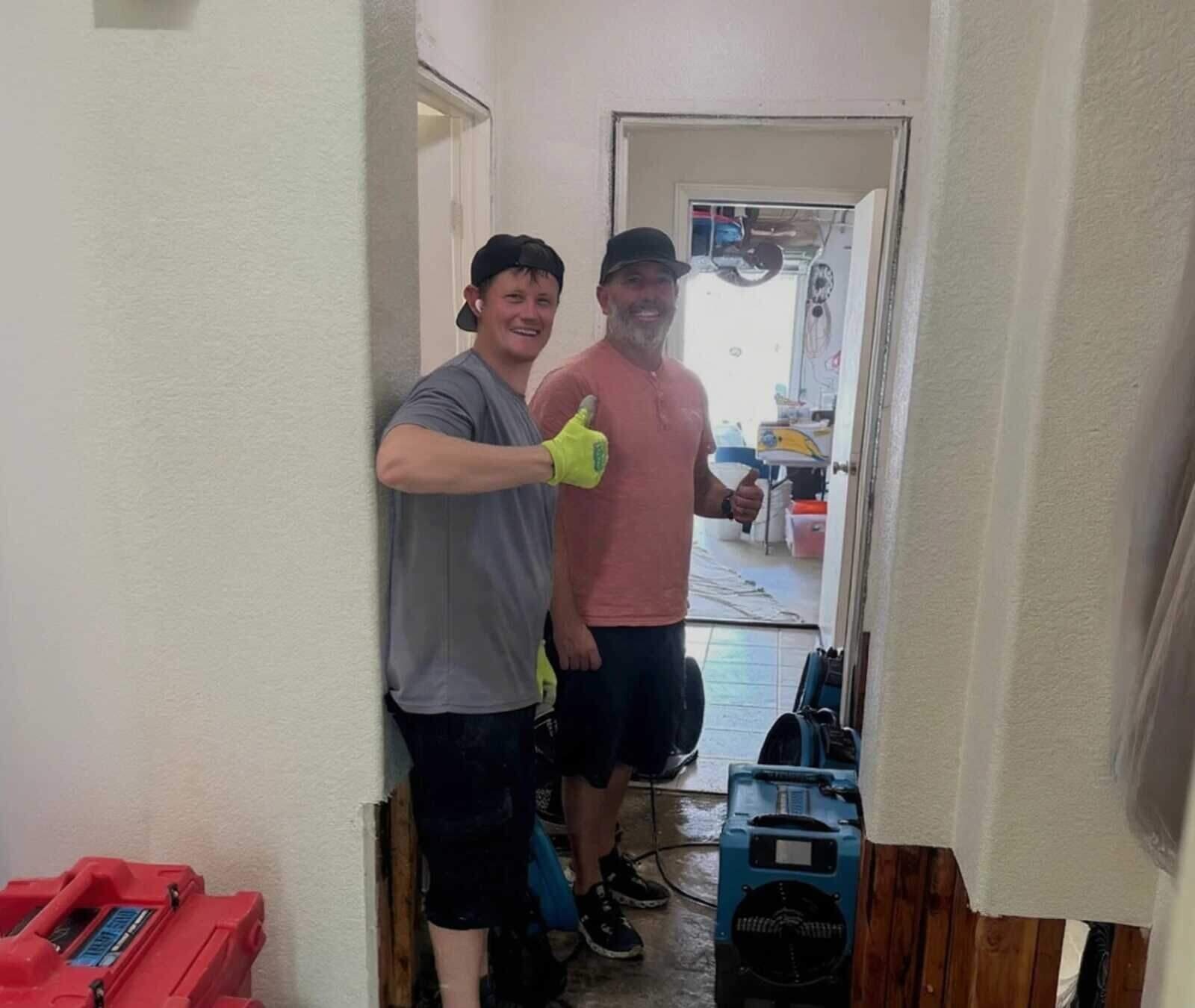
We get under the house, find the wet field, and read joists and subfloor from below while the finish floor is read from above, because both faces of an old floor system dry at their own pace. Wet insulation between the joists comes out; it holds water against the wood and will not give it back. Then equipment goes into a space where almost no air moves on its own, air movers set along the joist runs and a dehumidifier ducted down so the crawl space is not simply circulating its own humidity. We read the wood daily and keep going until it holds a dry number two days running.
- Joists and subfloor read from below, finish floor read from above, same visit
- Wet under-floor insulation pulled out rather than left holding water against the wood
- Air moved along the joist runs and a dehumidifier ducted into the space
- Daily readings, and the equipment stays until the wood holds dry on repeat
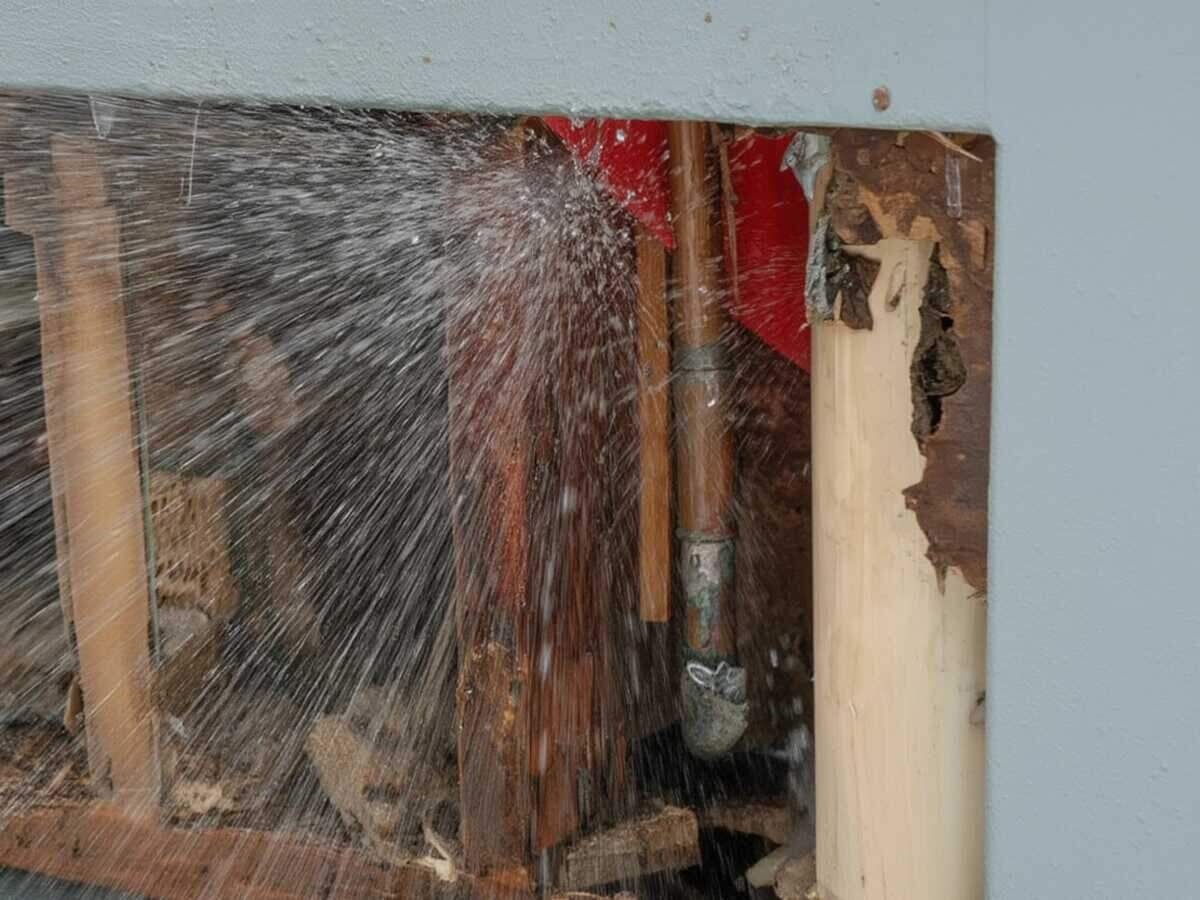
A plumber repairs or reroutes the line and we handle the water it left behind, and neither job has to wait on the other; we time the equipment around their access. Photographs and readings are dated from the first visit so there is a record of what the break actually did. Call (512) 271-5099 and describe what tipped you off, even if it was only the meter.