Water Damage Restoration in Manor, TX
A washer hose splits in a Shadowglen laundry closet and runs flat across the slab into two bedrooms before anybody is home. Manor sits at the eastern edge of what we cover. It is still a call we take, and the drying starts on the first visit.
- We bill your insurer directly
- IICRC-certified crews
One crew, from extraction to the final repair
One local crew handles extraction, drying, and repair from the first call through the final moisture reading. Sewage cleanup and structural drying are run metro-wide from the same trucks.
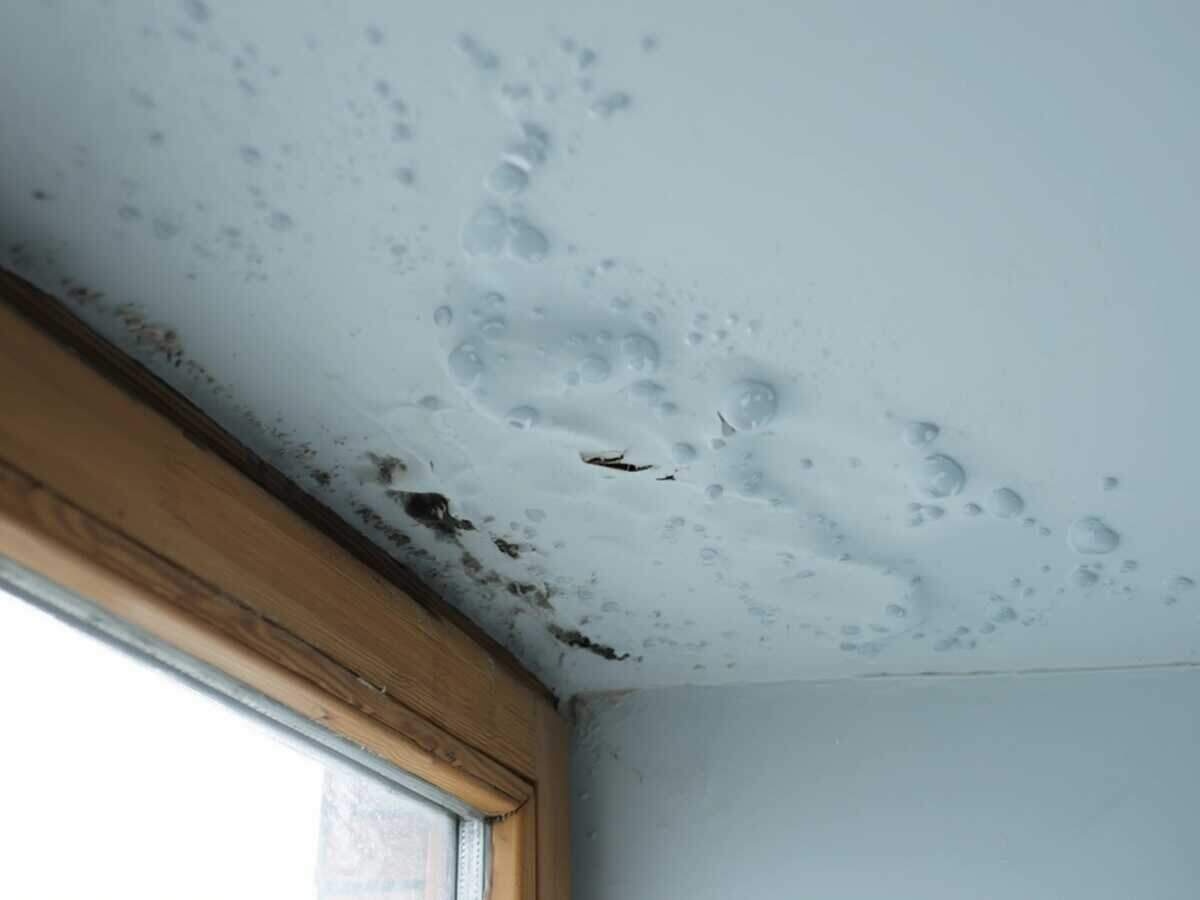
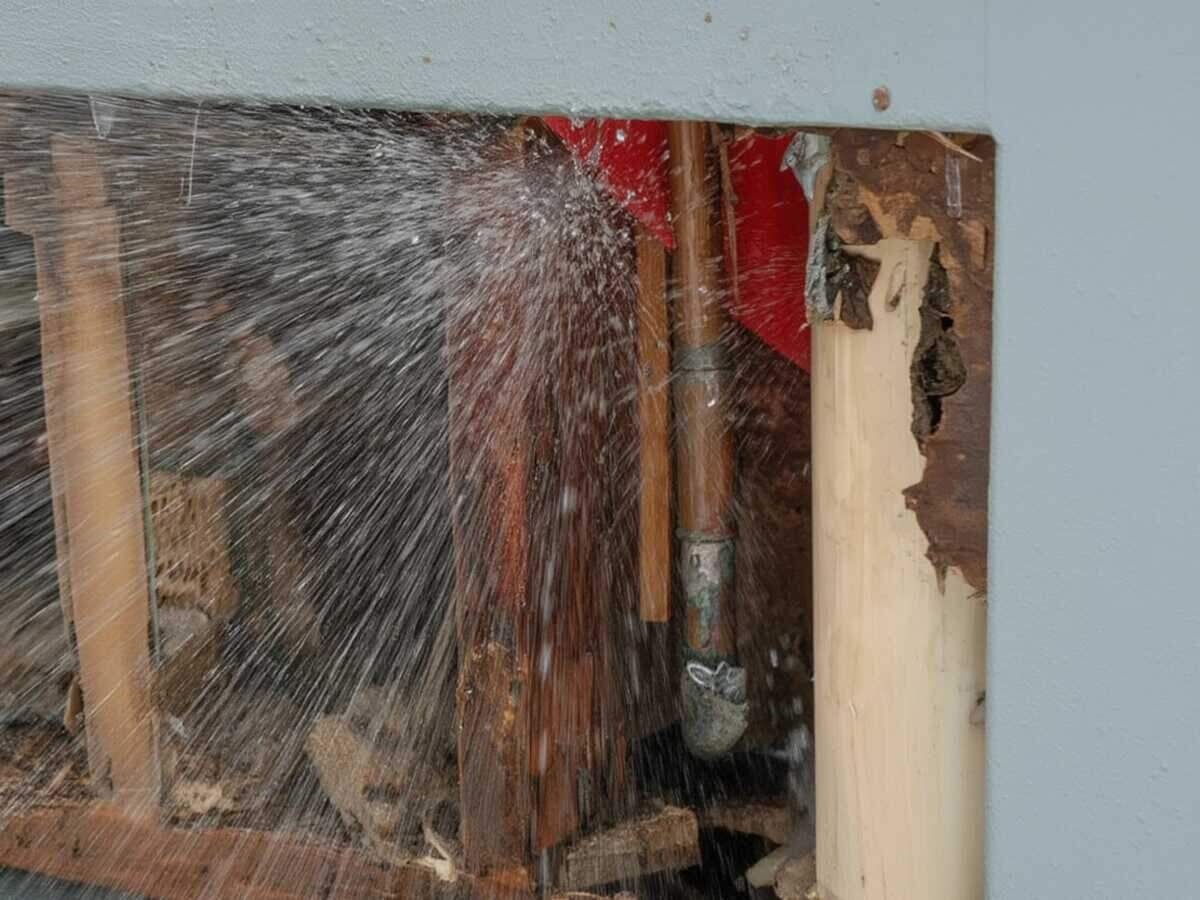
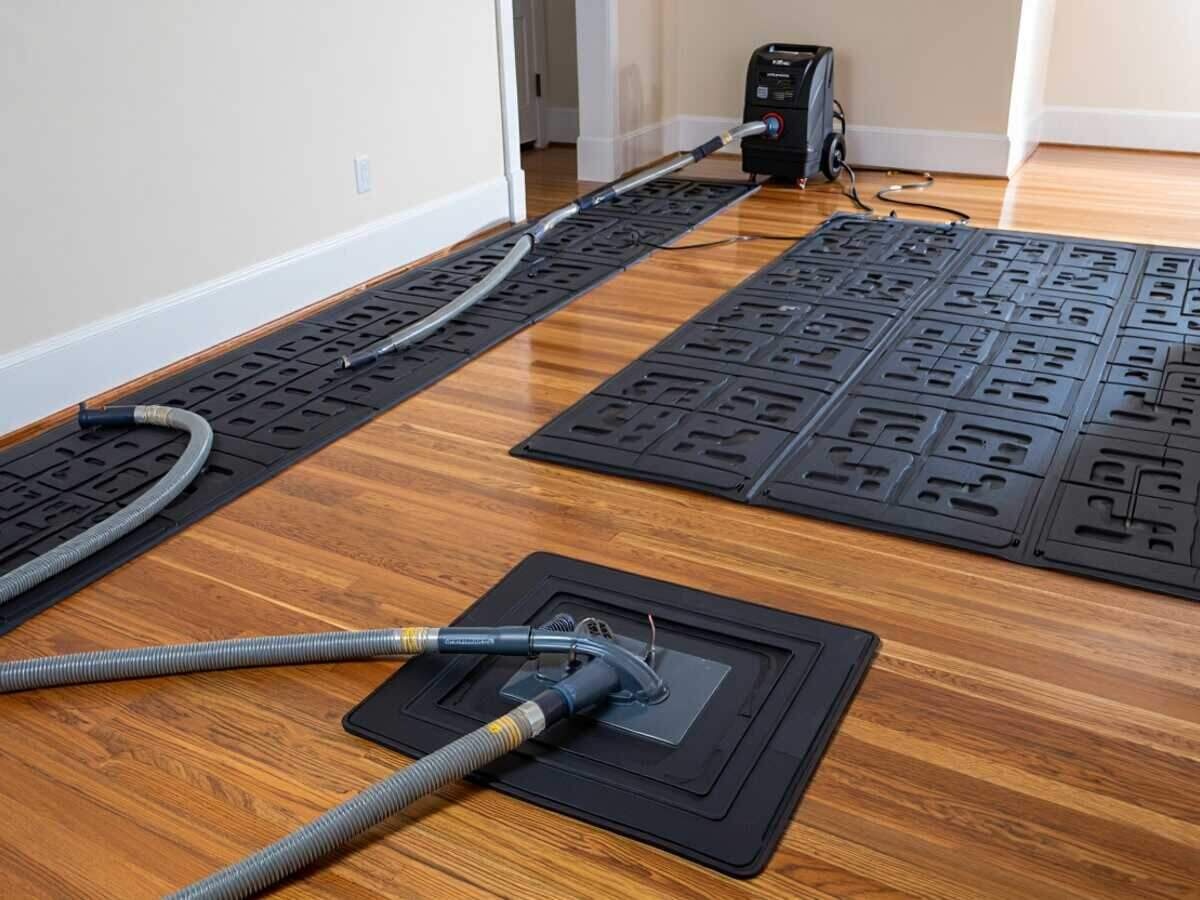
Our restoration process in Manor
Four steps, starting the moment you call.
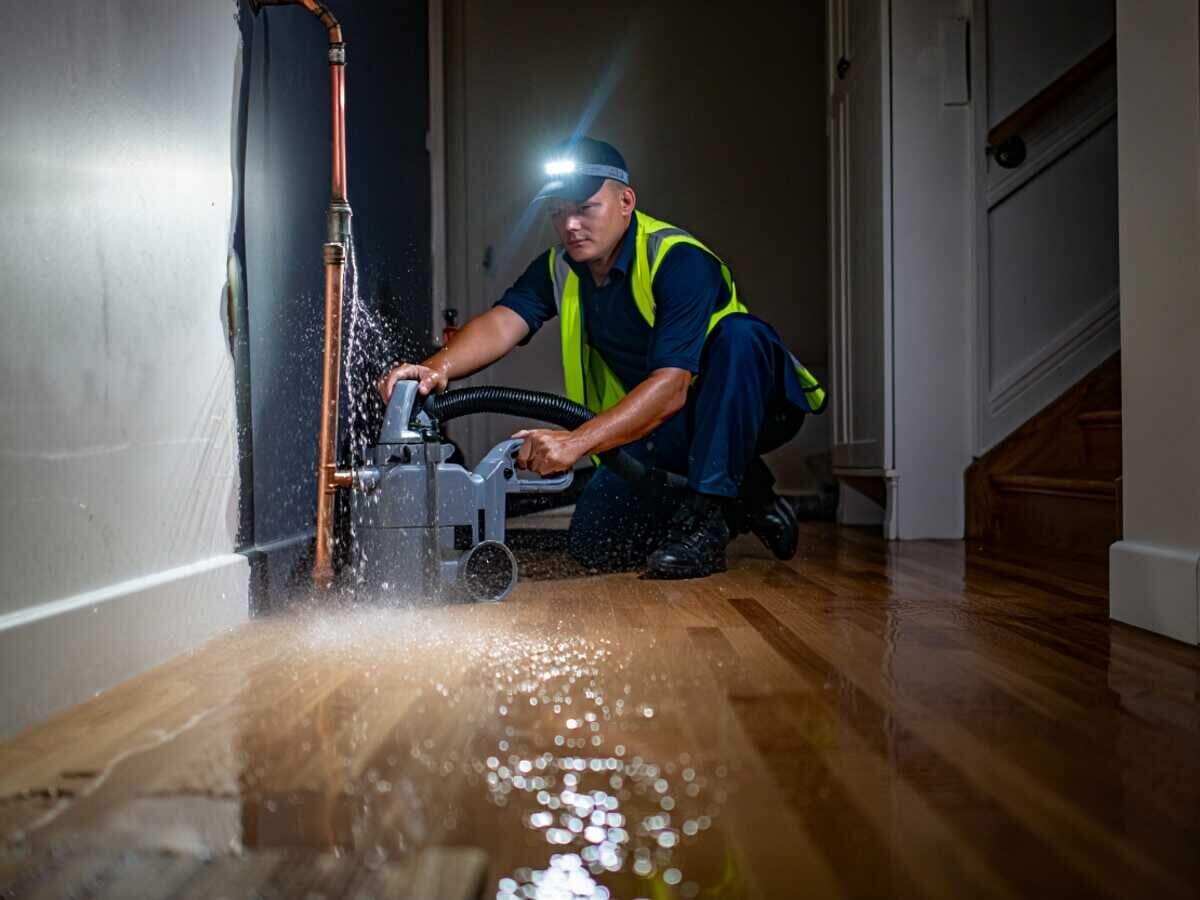
Call & Dispatch
Tell us what happened. A local crew is dispatched on the call, and how fast we reach you depends on traffic and where you are.
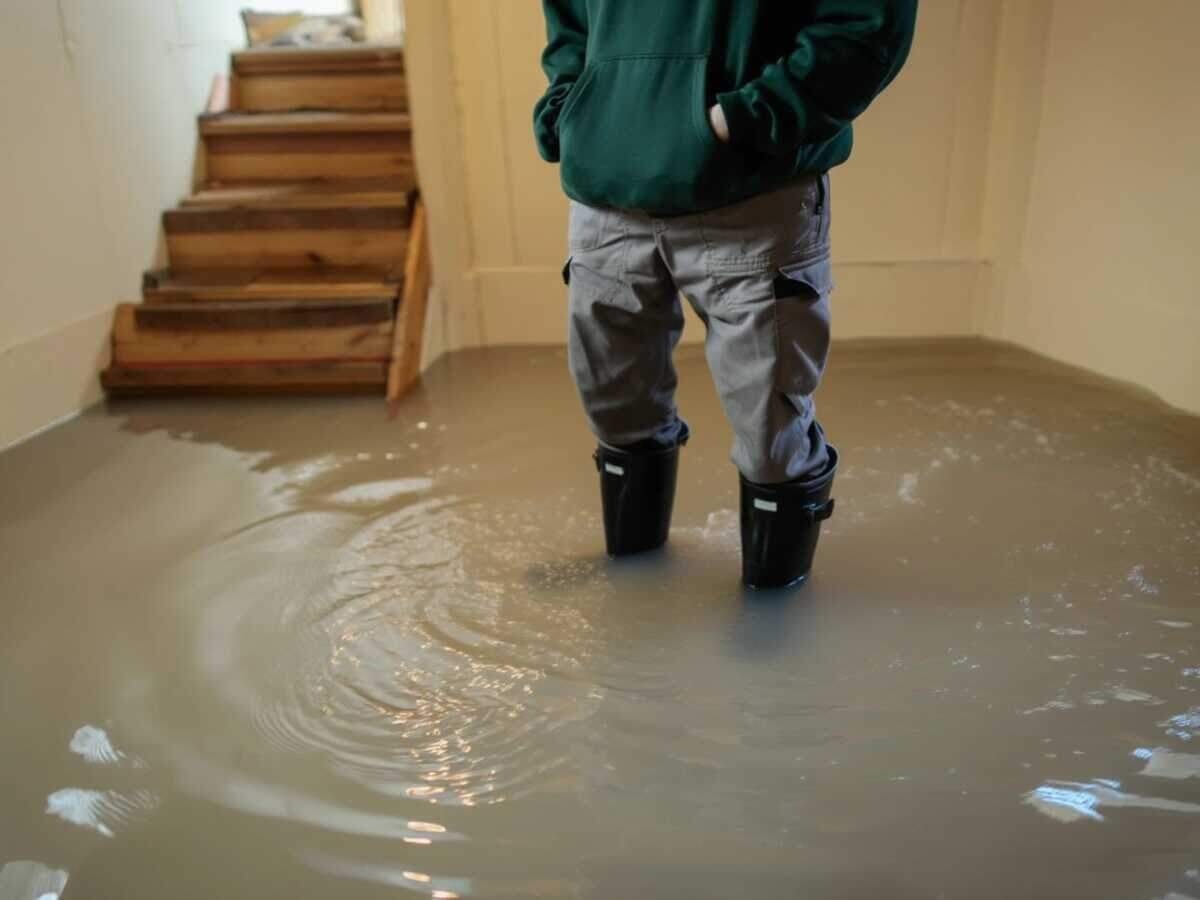
Extract & Stabilize
We stop the source, pump out standing water, and set drying equipment.
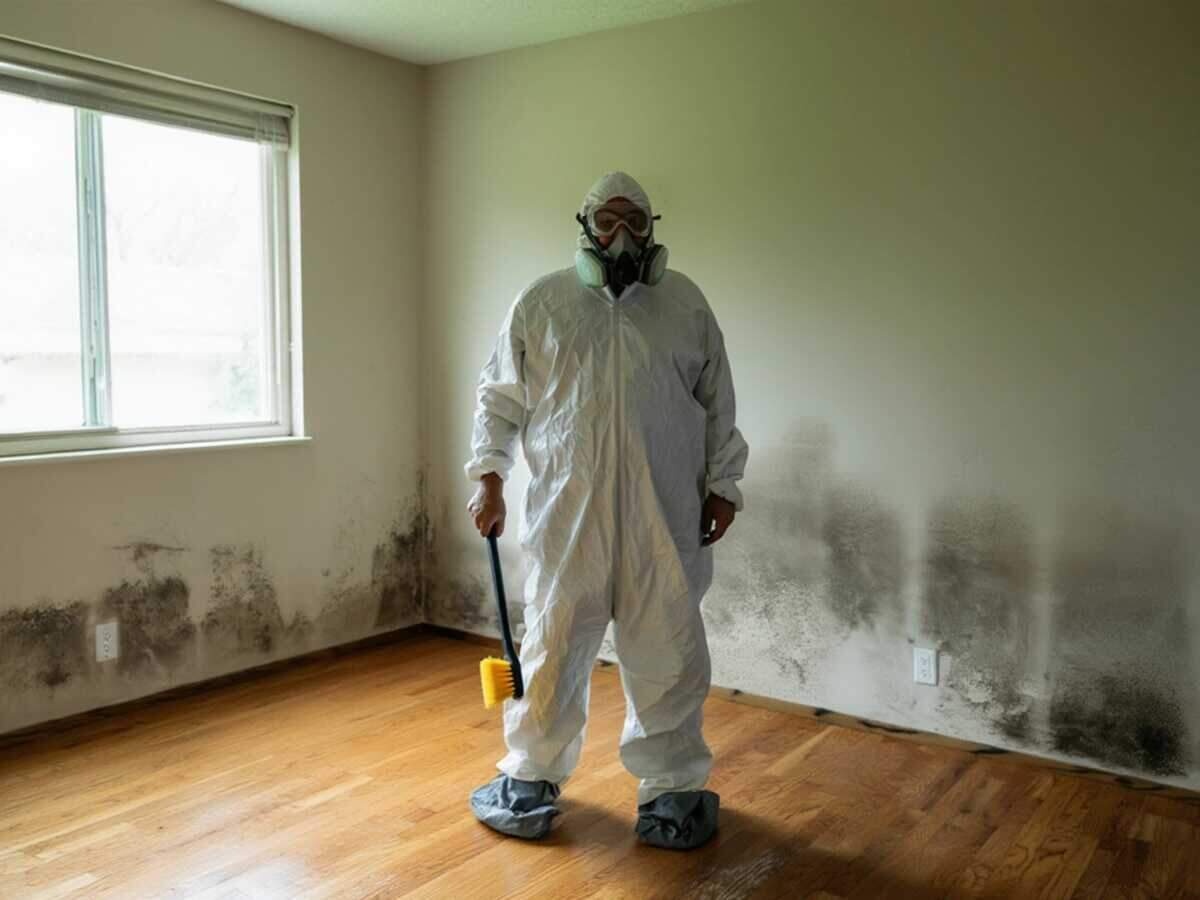
Dry & Monitor
Air movers and dehumidifiers run while we track moisture daily to dry standard.
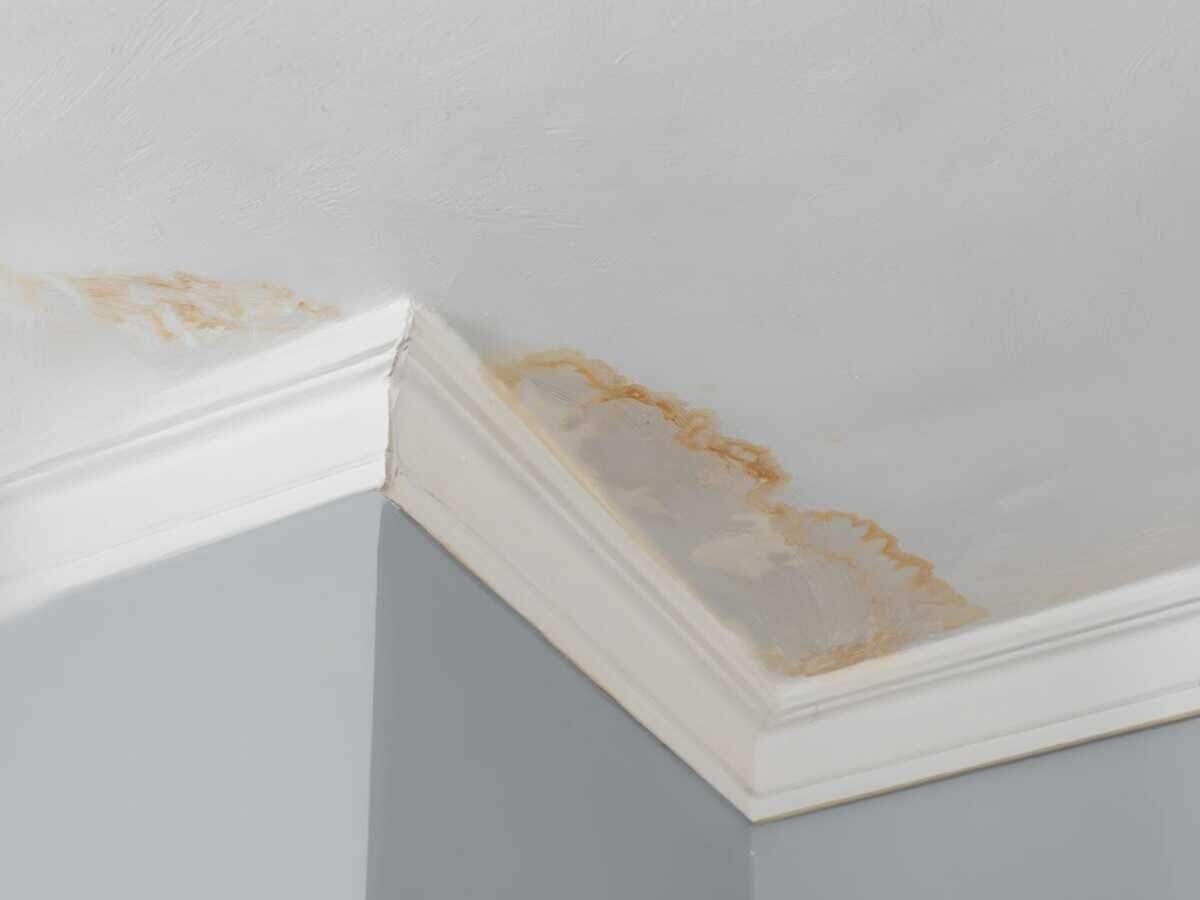
Restore & Document
We repair what was damaged and hand your insurer a documented scope.
We document your water damage claim
A water claim turns on two things: acting fast, and documenting it right. We do both. From the moment we arrive we photograph the loss, log moisture readings by room, and build a scope that maps to your policy — then we bill your insurer directly for the covered work.
See how claims work in TexasWater damage in Manor
Manor has two kinds of houses and they fail in two different ways. Around the original town center the stock is small, older, and added onto over the decades: a bedroom here, a bathroom there, and very often a laundry or a bath poured on a slab and tacked onto a house that was framed over pier and beam. Water that starts on one side of that seam behaves nothing like water on the other, so the first thing we do in those houses is work out which floor system we are standing on.
Out along US 290 the subdivisions are new. Shadowglen, Presidential Glen, and Whisper Valley are slab on grade on heavy Blackland clay, and the clay is the local complication. It drains slowly, so after a wet stretch the ground around a foundation stays saturated for days and any water that works its way beside or under the slab has nowhere to drain to. Inside the house the failures are the ordinary ones: a washer hose, a water heater, a supply line under a sink, a drain that backed up while nobody was home.
Manor is the eastern edge of our service area and we are straight with people about that. We come out from the north Austin metro on US 290 or SH 130, and that is a real drive rather than a neighborhood call. What does not change is what arrives: the same extraction and drying equipment, the same IICRC-certified crew, the same documentation. Some carriers call the first half of the job water remediation on their paperwork. It is the same work, and it is the half that decides how much water damage repair comes after it:
- Extraction on the same visit, whether the water is sitting on slab or in a crawl space
- Readings taken on both floor systems in houses that are part slab, part pier and beam
- Drying equipment sized to the room and monitored daily until materials read dry
- Photographs, logs, and a scope written so an adjuster can price it without a second trip
Call (512) 271-5099 at any hour and describe what you are looking at. Water damage restoration is one of the few trades where a phone call at midnight saves real money, because most of what gets wet after the first hour is avoidable damage.
Frequently asked questions
You are on the other side of Austin. Do you actually come out to Manor?
Yes, and we will tell you what that drive really looks like. Figure roughly 40 minutes out US 290 or SH 130 when the roads are clear, and more in evening traffic. We start the crew moving while we are still on the phone with you, and the call is worth making right away regardless, because most of what matters in the first hour is shutting the water off and getting people off a wet floor.
Our house is part crawl space and part slab. Does that change the drying?
It changes the equipment and the timeline. Slab rooms dry from the surface, with air movers across the floor and dehumidifiers pulling moisture out of the room. A room over a crawl space dries from both sides, which usually means equipment set under the house too and a longer run, because air moves poorly down there and the ground gives up moisture slowly. In an added-on house we meter both sides of the seam, since one half can be bone dry while the other is soaked.
The yard stays wet for days after a rain. Could that be what is under my floor?
It can be, and telling the two apart is the first job. Clay this heavy holds water against a foundation long after the sky clears, and a saturated grade can push moisture in at the slab edge or through a penetration. A plumbing leak behaves differently. It does not care whether it rained, and it usually shows up on the water bill. We look at where the wet edge sits and whether it tracks the weather, and if it is still ambiguous a plumber runs a pressure test before anyone opens a floor.
It sat for most of a week. Is mold a given now?
Not a given, but likely enough that we look instead of assuming. Wet drywall paper and wet insulation in a Central Texas summer are the two materials that go first, and a week is plenty of time. If we find growth we contain the area before anything comes out, work it under negative air, and dispose of the material rather than clean it. If we do not find it, we tell you so and we do not sell you a remediation you do not need.
Areas We Serve Across the Austin Metro
Local response across Travis, Williamson, and Hays counties.
The drive out to Manor is longer. The clock is the same.
Tell us what failed and how long it has been running, and be honest about how long, because that number decides most of the scope. A technician answers at any hour, day, night, weekend, or holiday.