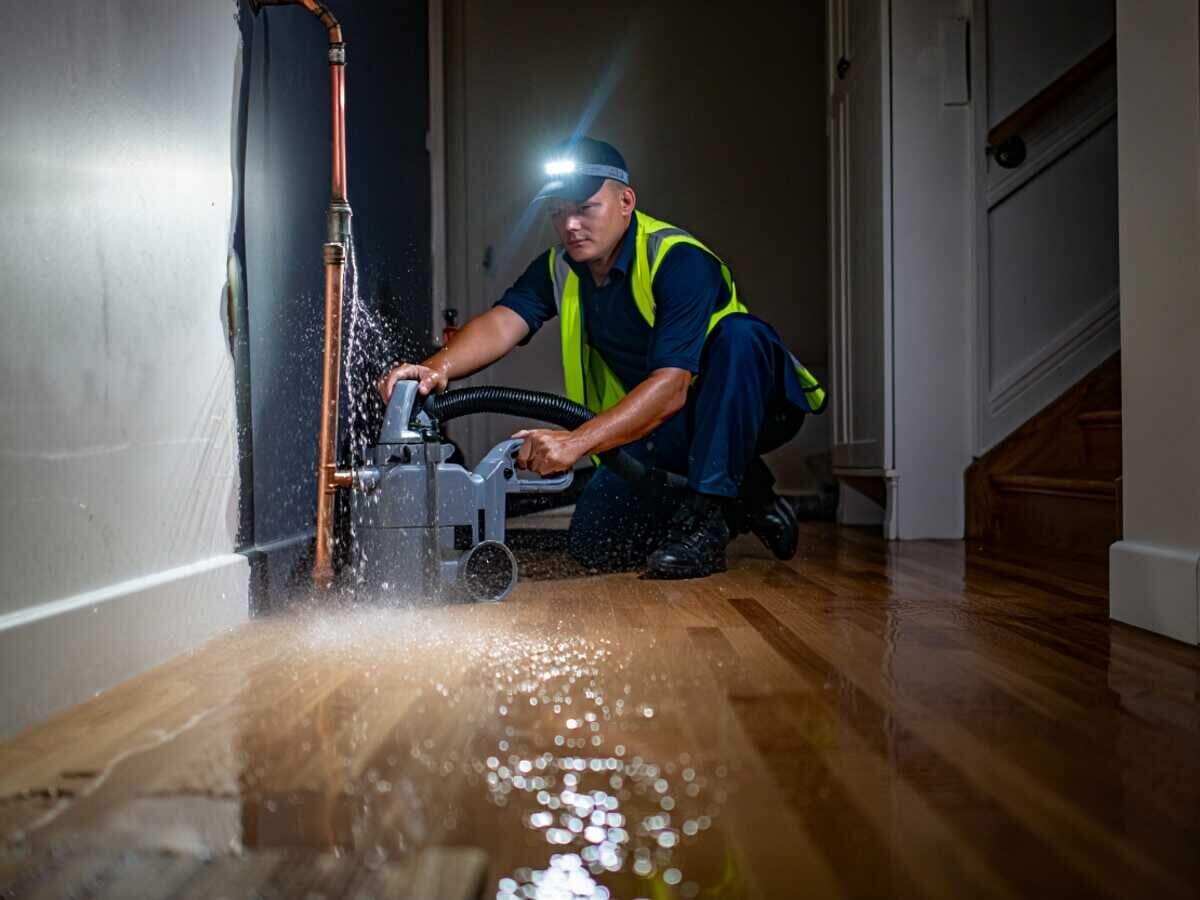




Mold removal in the older part of Manor often means opening a wall that used to face the weather. When a bath, a laundry or a back bedroom was added onto one of these houses, the original exterior wall generally stayed where it was: lap siding, building paper, sheathing, and whatever insulation somebody pushed in later. That wall was built to shed water outward and dry into open air. Buried in the middle of a house, it can do neither, so moisture that reaches it sits in the assembly instead of leaving.
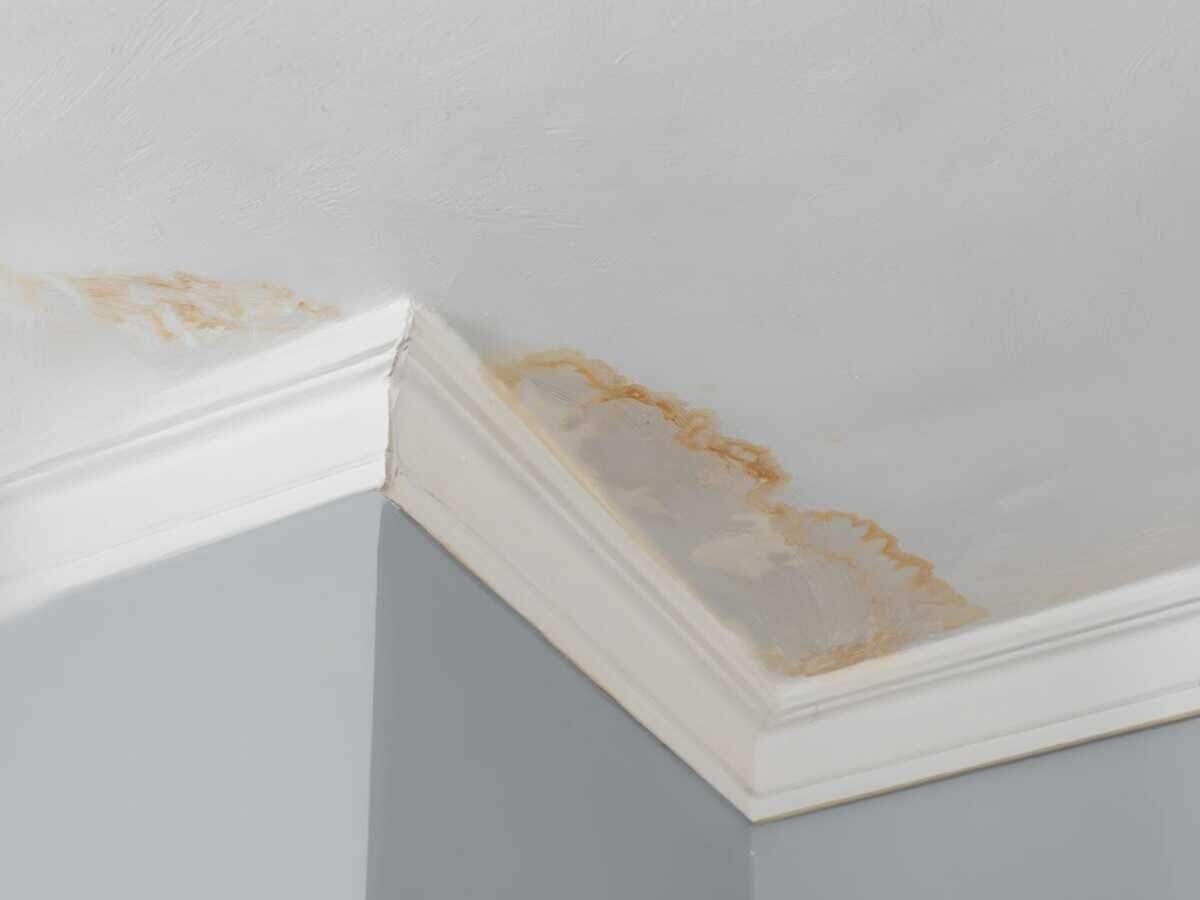
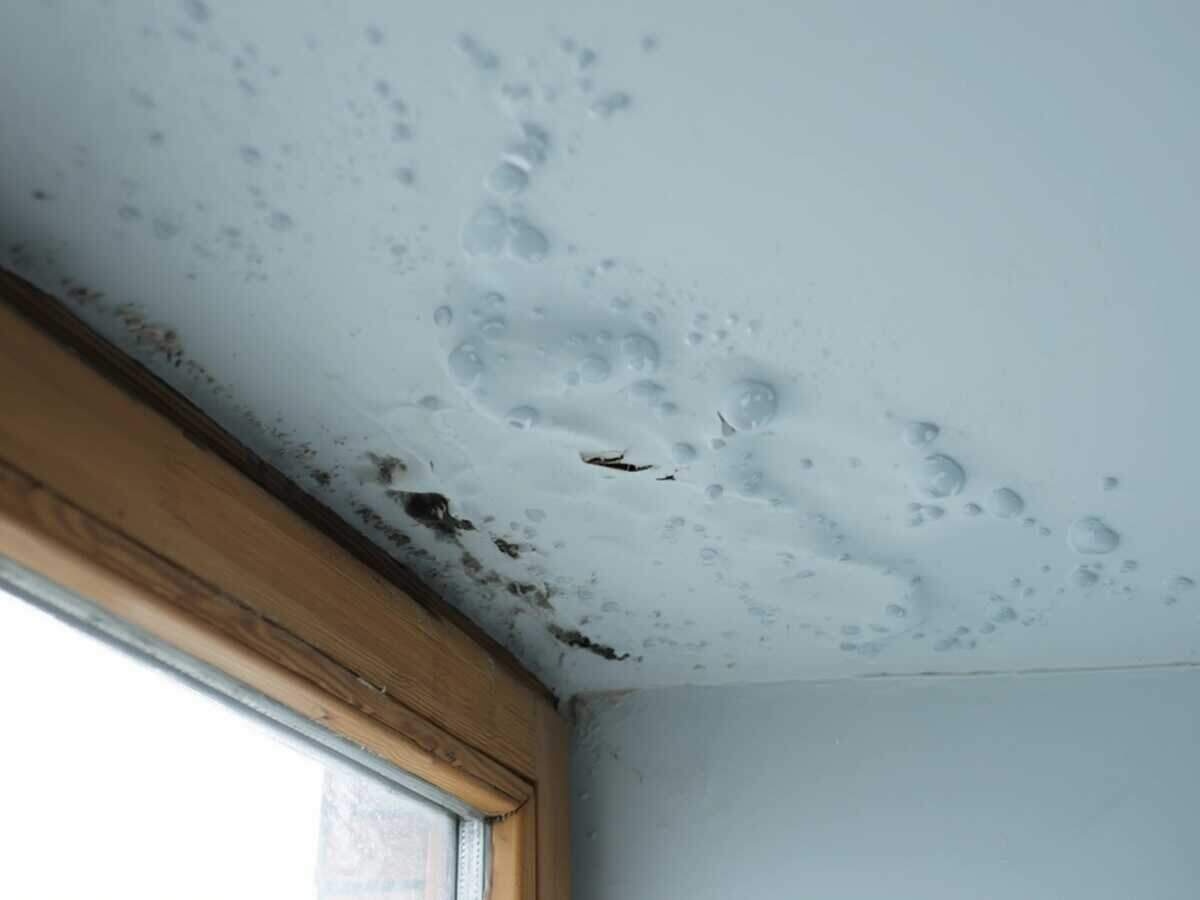
The symptoms show up on the newer side. The smell is strongest in the addition, staining appears on ordinary drywall in the newest room, and the growth is on the back of that board and on the face of the old sheathing behind it. Where the seam also happens to be where a slab addition meets a floor framed over a crawl space, water settles at the transition and works on both, which is a different scope from the one-room job people picture when they call a mold removal company.
Opening the seam without spreading it through the house
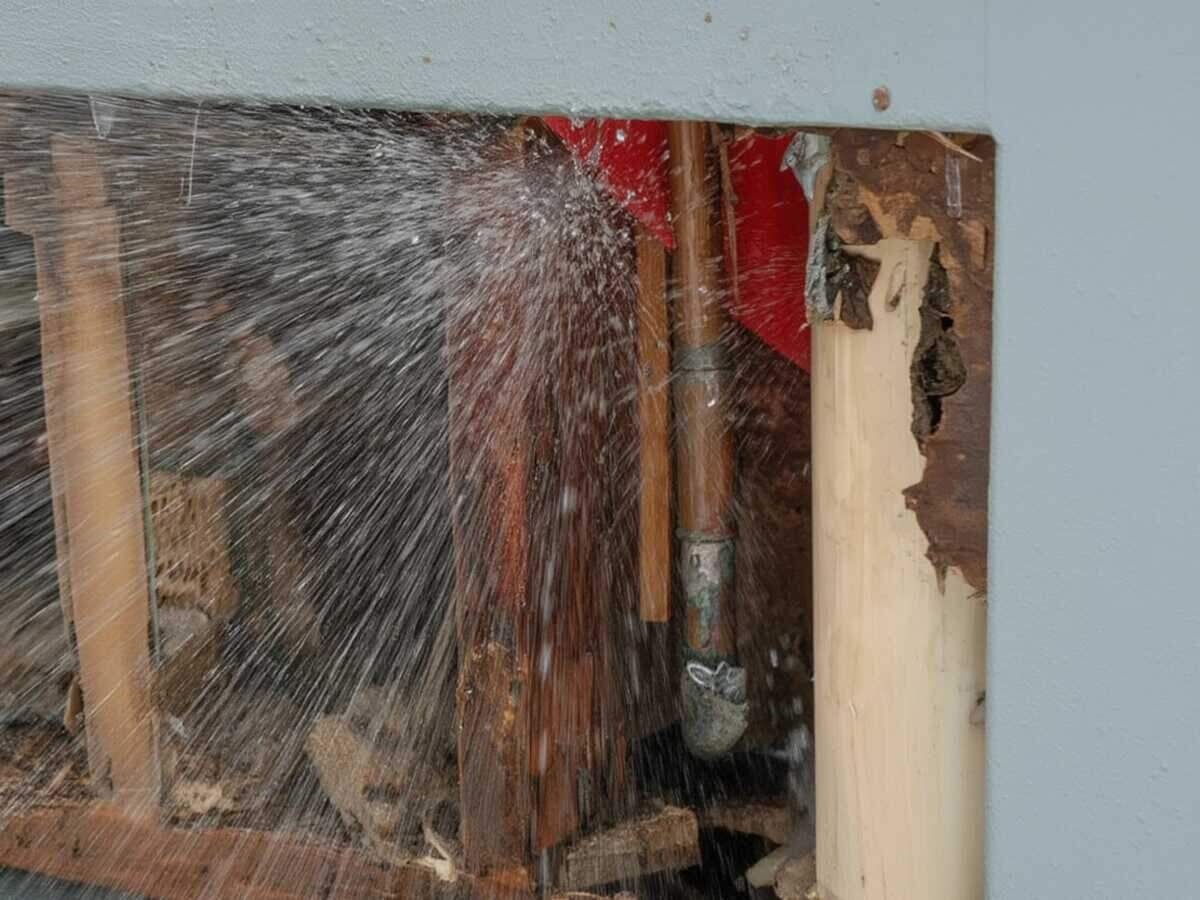
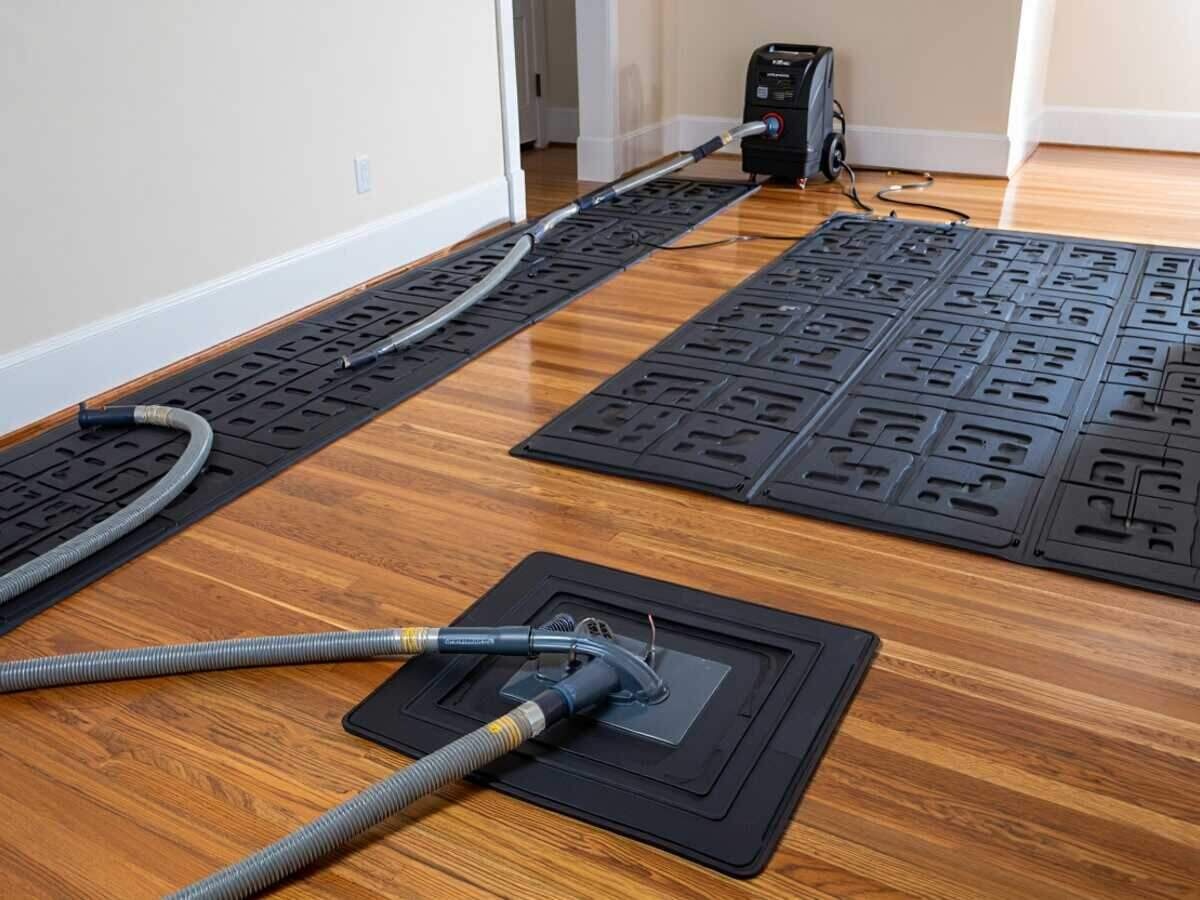
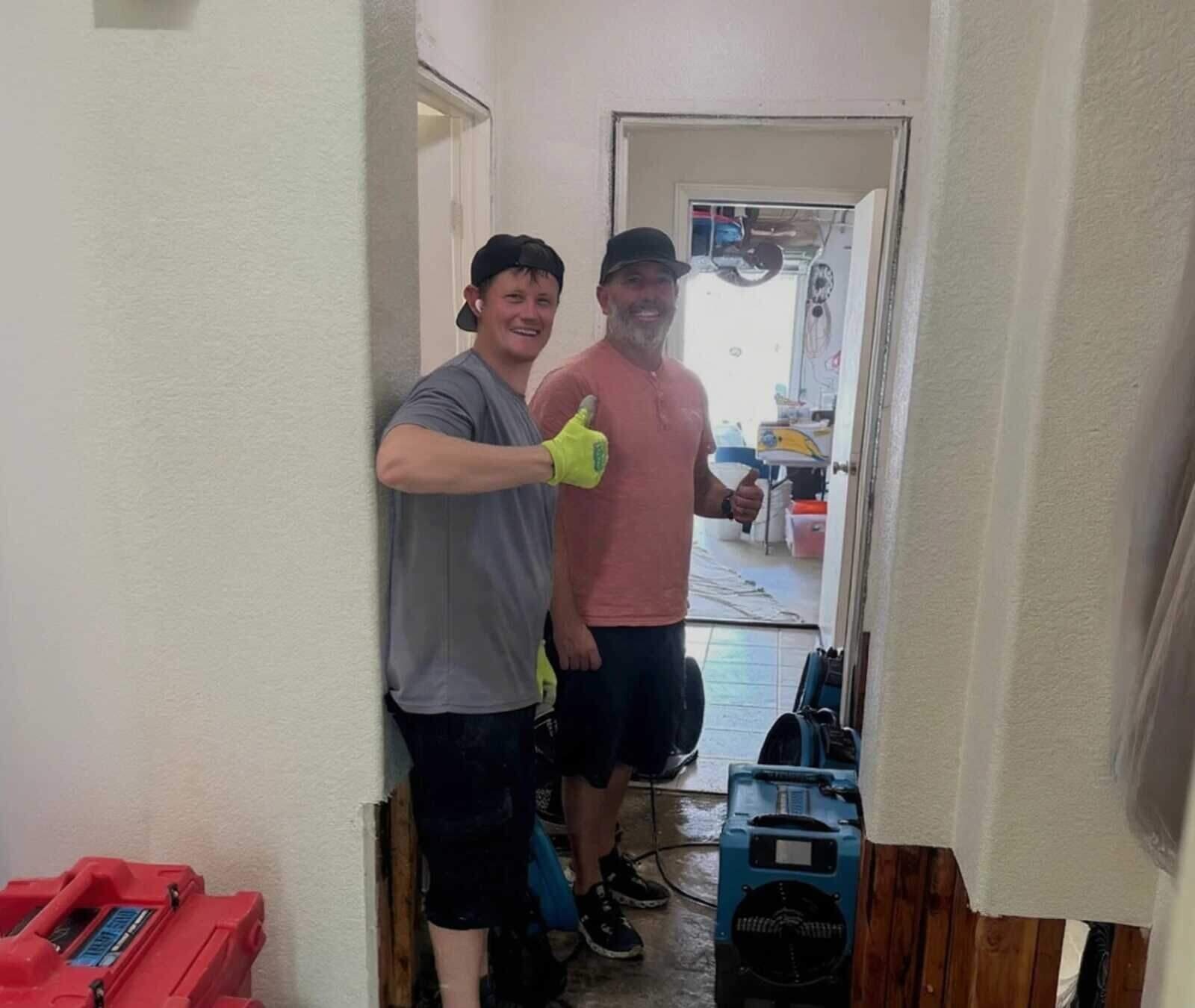
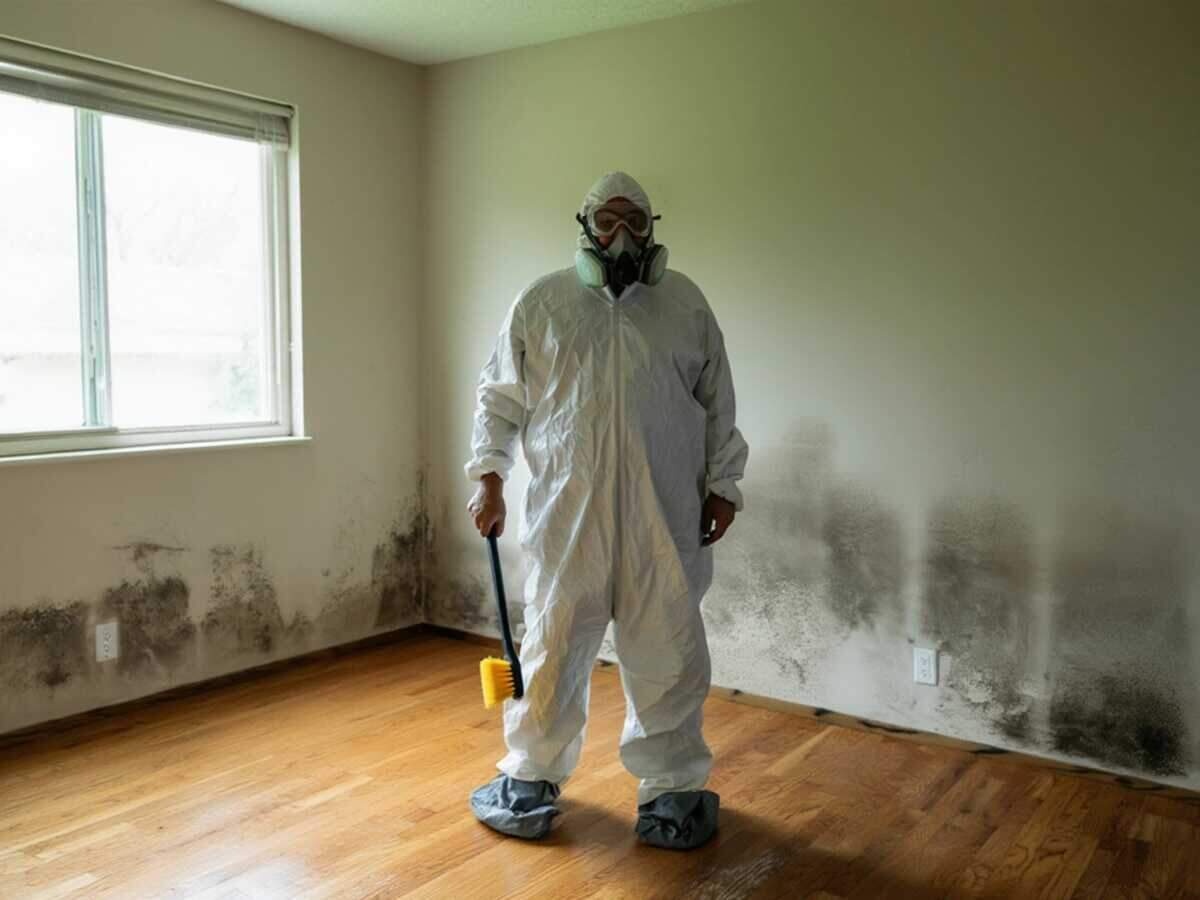
We cut from the newer side, because that is ordinary drywall and it keeps us out of the old assembly until we know what is in it. The work zone gets sheeted in poly and held under negative pressure with a HEPA scrubber running throughout, and everything porous leaves the containment bagged. Drywall and insulation come out to the line the meter draws. The old sheathing face is HEPA-vacuumed and treated where it is sound and removed where it is holding water, because a treated surface over a wet board is a repeat call. Then the cavity dries under directed air, read every day until the framing holds a dry number.
- The opening made from the newer side, so the old assembly is exposed on purpose rather than by accident
- Poly containment under negative air with HEPA filtration from the first cut to the last
- Old sheathing vacuumed and treated where sound, removed where it is still holding water
- The cavity dried on daily readings, including the floor transition where the two halves meet
Write-ups matter more than usual on these. A scope that says eight feet of wall does not tell an adjuster that two different assemblies came out of it and that the removal ran across a change in floor system, and an underwritten scope gets underpaid. So the write-up names each assembly separately and says where the floor system changes. Call (512) 271-5099.