Basement Water Damage Cleanup in Austin, TX
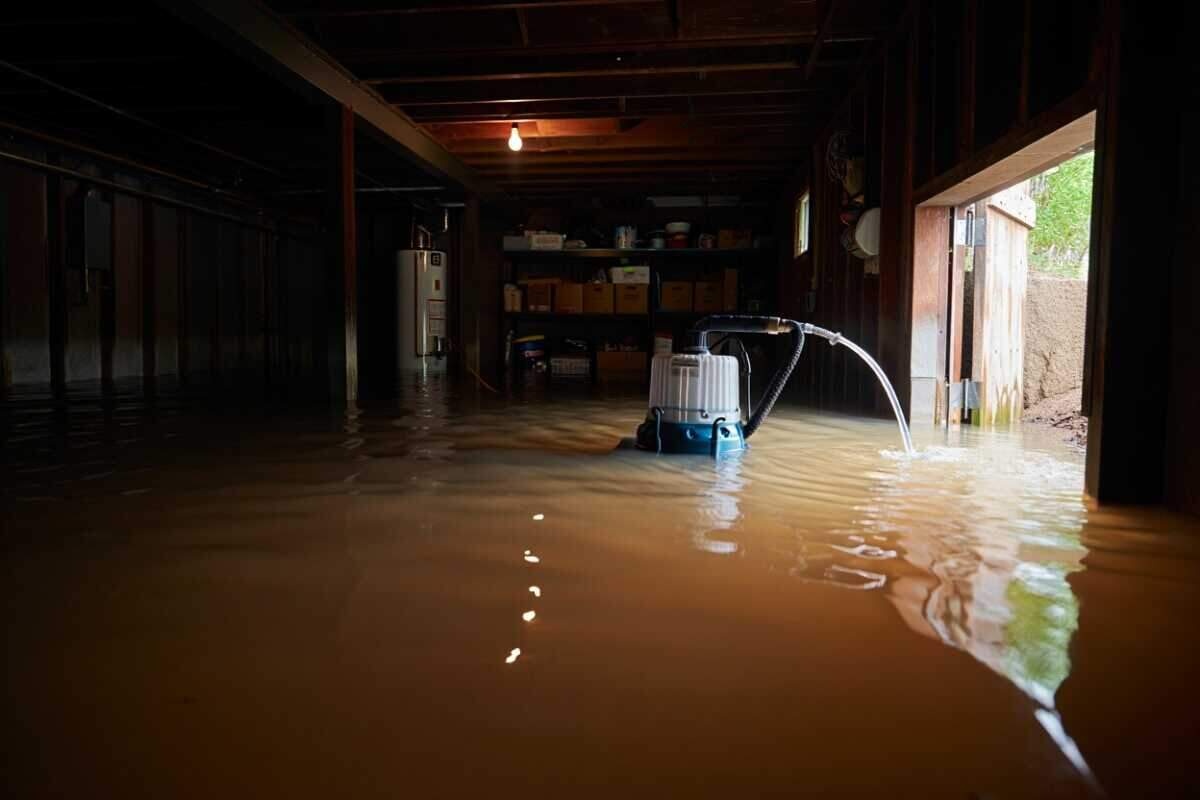
Austin is slab country: most houses here have no basement. The ones that do, a walk-out level cut into a hillside or a cellar under a 1930s house, catch whatever the rest of the home spills, and it has nowhere to drain. We pump it back out.
- We bill your insurer directly
- IICRC-certified crews
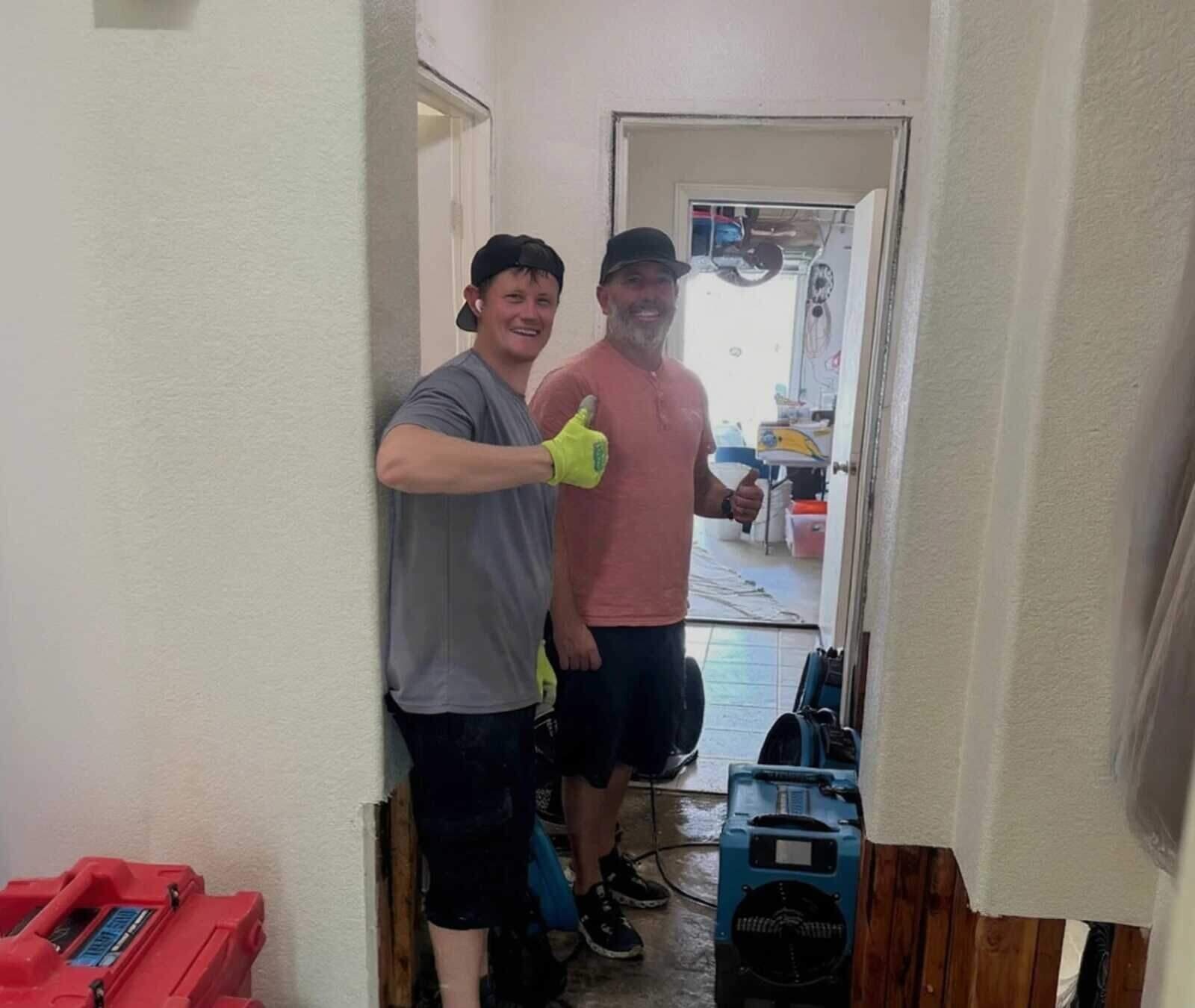
A local crew that shows up and does it right




How a lower level gets wet in Central Texas
This is a small category of house here, so it is a specific kind of call rather than an everyday one. When we do get it, it is almost always one of these.
The house drains into it
A supply line upstairs, a failed heater, a tub left running. Whatever gets loose anywhere in the house ends up on the lowest floor and stops there.
Seepage at the cove joint
West of MoPac the lots are cut into limestone. After days of soaking rain, water perched on rock finds the seam where the wall meets the floor.
Cellars and half-basements
Some pre-war houses west of downtown have a dug-out room under one corner, holding the mechanicals, with no floor drain and one narrow way in.
Creek water rising
Water that came up out of Onion Creek or Shoal Creek is a flood-policy matter and a different specialty. We say so on the phone instead of sending a truck.
Down there, water has no way out
The same leak that would be a two-day dry-out upstairs behaves differently once it collects below grade, and our drying plan is built around four facts about the space:
- There is no downhill left. Every gallon sits where it lands until a pump moves it, and while it waits it climbs the wall base an inch at a time.
- The cove joint is first wet and last dry. The seam where the floor meets the foundation wall takes water from both sides and holds it behind the finish.
- A finished lower level loses the most. Carpet and pad, baseboard, the bottom foot of drywall, and every box anyone ever decided to store down there.
- The room runs damp even on a good day. Cool surfaces below grade hold humidity, so the dehumidifier gets sized for that condition, not for the square footage.
How the pump-out and dry-down run
Most of the water is already out of sight by the time we get there, so the order matters: clear it, prove where it came from, then dry a space that fights you on humidity.
Pump It Down
Submersible pumps at the low point and truck-mounted extraction after them, discharged far enough from the house that it does not come straight back.
Find the Way In
Plumbing, appliance, or the wall itself. If water is still arriving, pumping alone is a treadmill, so the source gets settled before equipment goes in.
Open and Dry
Soaked pad, base trim, and the lower drywall come out where the meter says so, then air movers and dehumidification sized for a cool space.
Read It Daily
Readings every day until the framing and the slab match a floor the water never reached, with the log and the photos going to your adjuster.
Basements are the exception here, and we would rather say so
Almost every home in the Austin metro sits on a concrete slab. There is no frost line worth digging below, the ground west of the escarpment turns to limestone a foot or two down, and the clay on the east side swells and shrinks with every wet and dry season. None of that rewards digging a hole and lining it, so builders here never did. Anyone selling you a Cleveland basement-flooding story about Austin is reading from someone else's script.
The homes that do have below-grade space are real, though, and they are the ones this page is for. Custom builds on the slopes around Westlake, Rollingwood, and Barton Creek get a walk-out or daylight lower level because the lot drops away and the extra floor is nearly free. Some older houses west of downtown have a cellar or a mechanical room dug under one corner. A handful of newer hillside houses out toward Lakeway have a finished lower floor with bedrooms in it. If your house is on a slab and the water pooled on the main floor instead, that is the same work under a different name, and our water removal and structural drying pages describe it.
What we take, and what we tell you to call someone else about
We handle water that came out of the house: a supply line, a water heater, a backed-up drain, an appliance, a roof leak that ran down an interior wall, or groundwater that pushed through the foundation after a long wet stretch. Basement water damage from any of those is a mitigation job, and it is what our equipment and our certification are for. What we do not chase is a creek or a river coming up into a neighborhood. Central Texas earns its reputation for that, and homes near Onion Creek know it better than anyone, but rising surface water is a flood-policy question and a different trade. Telling you that on the phone costs us a job and saves you a day.
Drying a room that wants to stay damp
A below-grade room is cool, still, and slow to give up moisture even before anything goes wrong, which is exactly the condition growth needs. Surface-drying a floor down there means nothing. After the pump-out we open what has to come out, set air movers to move air along the walls rather than at them, and size the dehumidification to a cool space instead of to the room's floor area. Then we read the same points daily until they match an unaffected floor. A slow seep that has been feeding a wall for weeks usually has growth behind it already, and our mold removal crew takes that part.

The coverage question, answered honestly
Texas homeowners policies generally pay for sudden, accidental discharge from a plumbing system and generally exclude surface water and long-term seepage, with flood sitting in a separate policy altogether. That is the shape of it, and every policy has its own wording. What we can promise is the part we control: dated photos before anything moves, moisture readings by room every day the equipment runs, and a line-item scope your adjuster can price. We document the loss and bill your carrier directly for covered work, and the carrier decides what the policy covers. Our insurance claims page goes deeper, and (512) 271-5099 reaches a technician at any hour, including the 2 a.m. version of this.
Frequently asked questions
Do houses in the Austin area even have basements?
Most do not, and it is worth being blunt about it. Slab-on-grade is the standard across the metro because of the shallow limestone west of town, the expansive clay east of it, and a climate with no frost depth to build below. The exceptions are walk-out and daylight lower levels on hillside lots, finished lower floors in newer custom homes, and the occasional cellar under a pre-war house closer to downtown. If your home is on a slab and water pooled on the first floor, you want water removal and structural drying, which is the same crew and the same day.
Water came in where the wall meets the floor after a week of rain. Is that covered?
Groundwater pushing through a foundation is usually the hardest kind to get paid for, because most homeowners policies exclude seepage and surface water while flood sits under a separate policy. We will still document it properly, and sometimes the carrier's answer depends on what actually failed, a cracked wall versus a plugged area drain versus a plumbing line running behind that wall. We photograph and meter it either way, tell you what we think we are looking at, and let the carrier make its determination rather than promising you an outcome.
My house is on a slab and the game room flooded. Is that the same job?
Same work, different name. Extraction, opening what holds water, air movers and dehumidification, daily readings, then the rebuild. The difference is that a first-floor room gives us somewhere for the water to go and a room that dries at a normal rate, so a slab-house loss of the same size usually finishes faster than a below-grade one. Nothing about the crew or the equipment changes, and you will find that job described on our water removal page.
How long does a lower level take to dry out?
Longer than an upstairs room of the same size. Four to seven days is typical once the standing water is gone, and it stretches when the space is finished, when the water sat for days before anyone found it, or when it came in through the foundation rather than from a pipe. The equipment is noisy and the room will run warm. We would rather leave a dehumidifier one extra day than pull it on a schedule and have you find a musty smell in that room in September.
Documented to claim standard from the first hour
We document the loss to claim standard from the moment we arrive: dated photos, moisture readings by room, and a line-item scope that maps to your policy. Then we bill your insurer directly for the covered work, so you handle the deductible.
See how claims work in TexasAreas We Serve Across the Austin Metro
Local response across Travis, Williamson, and Hays counties.
Get it pumped down before it climbs the drywall
Call (512) 271-5099 and tell us how deep it is and whether it is still rising. Austin Flood & Leak Restoration answers at any hour and rolls with pumps, hose, and dehumidifiers sized for a cool lower level.