Water Damage Restoration in Liberty Hill, TX
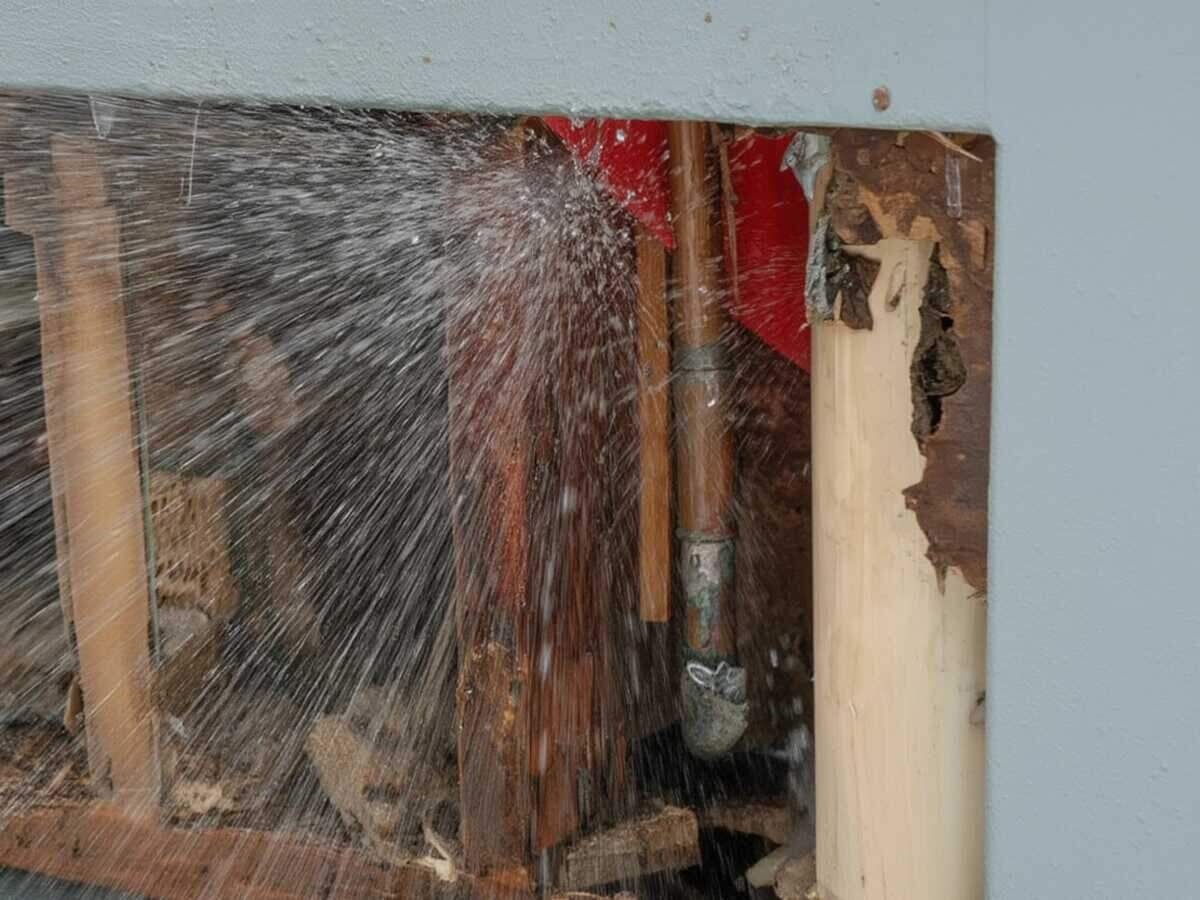
West of town on SH 29, a supply line splits in a laundry room and the well pump keeps feeding it. On acreage out there the first minutes are yours, so we walk you through killing the pump breaker while the crew is still on the road.
- We bill your insurer directly
- IICRC-certified crews
One crew, from extraction to the final repair
One local crew handles extraction, drying, and repair from the first call through the final moisture reading. Sewage cleanup and structural drying are run metro-wide from the same trucks.

Our restoration process in Liberty Hill
Four steps, starting the moment you call.
Call & Dispatch
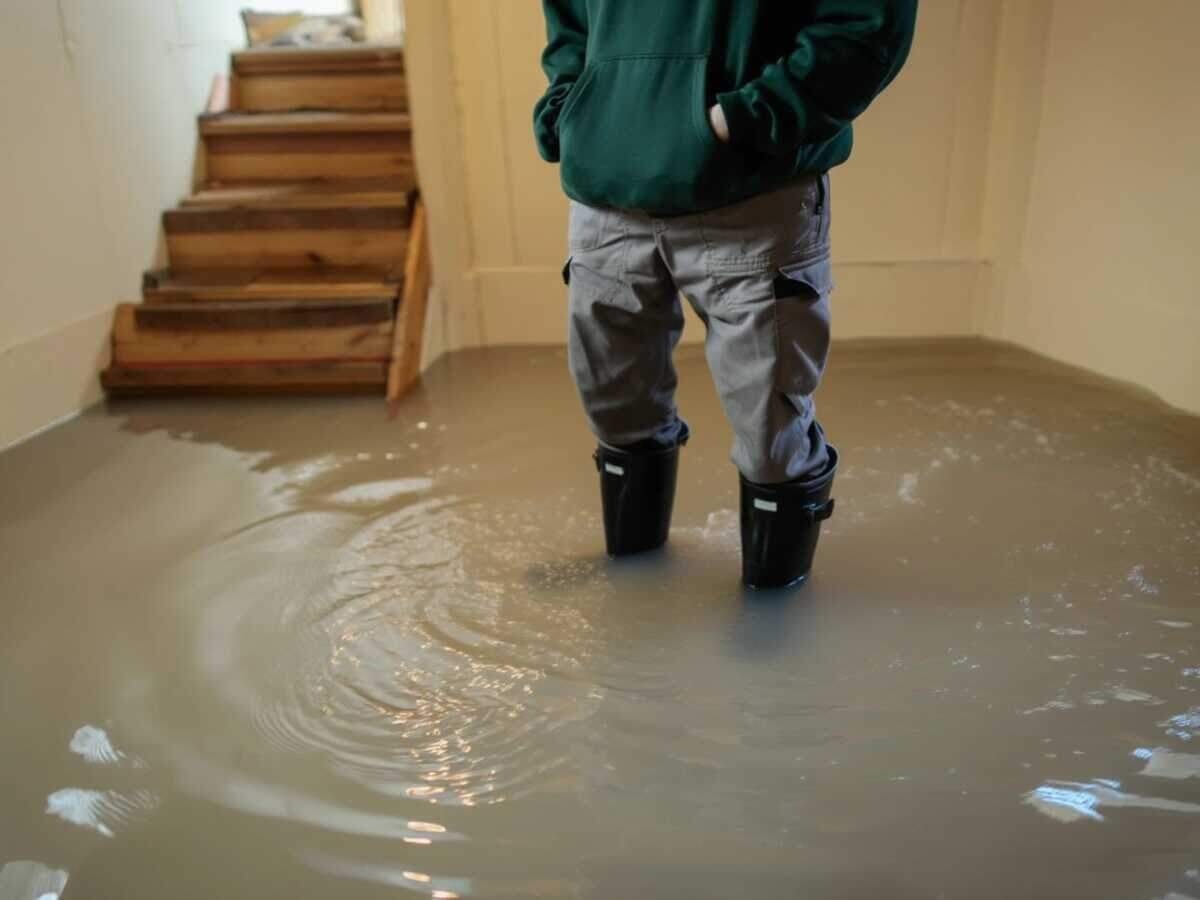
Tell us what happened. A local crew is dispatched on the call, and how fast we reach you depends on traffic and where you are.
Extract & Stabilize
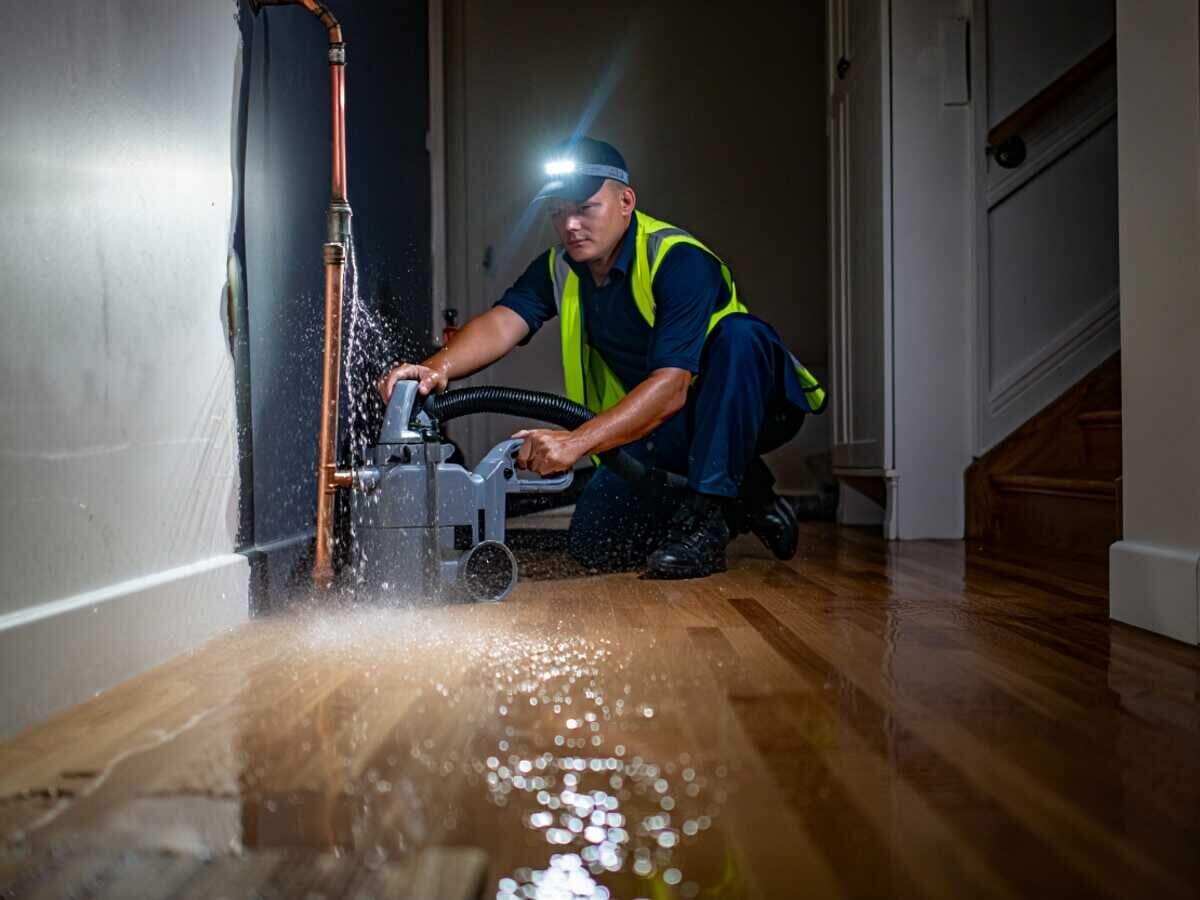
We stop the source, pump out standing water, and set drying equipment.
Dry & Monitor
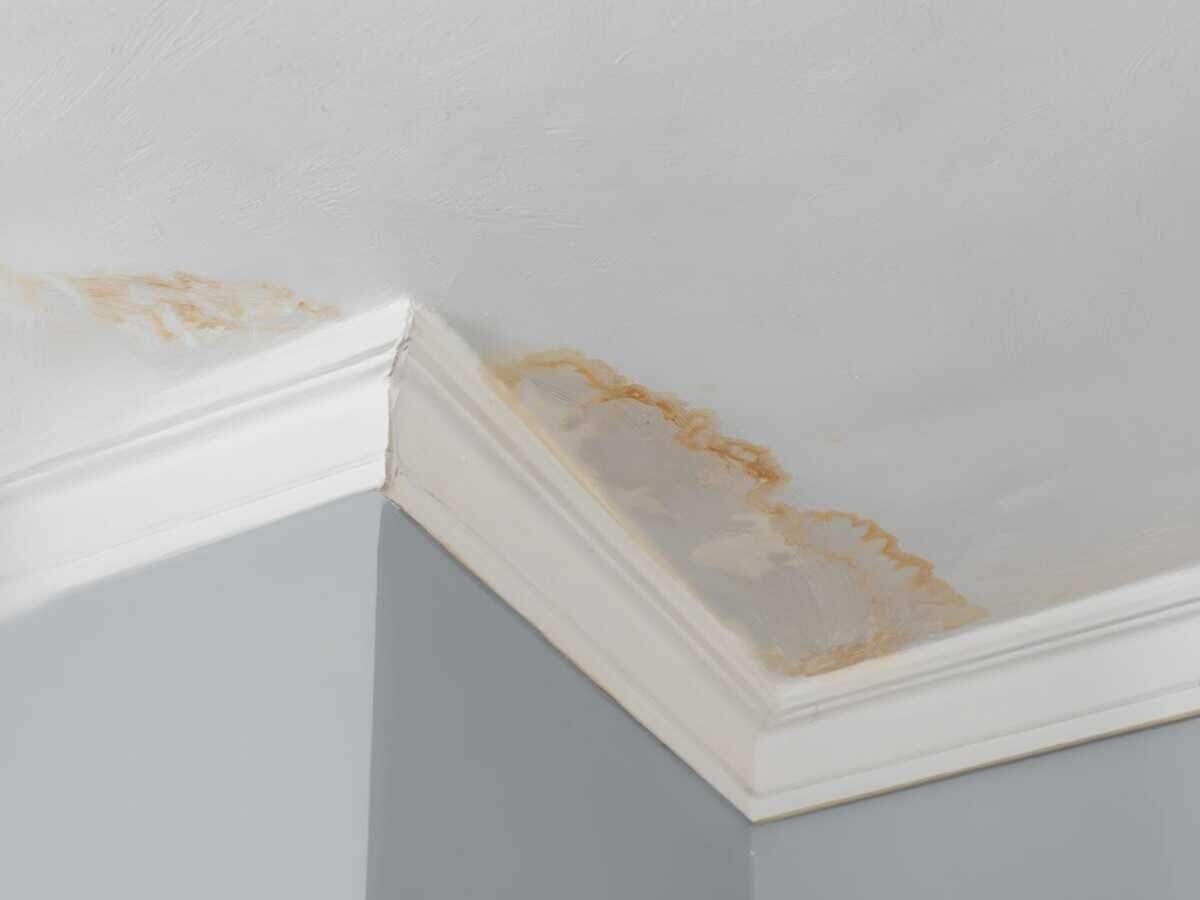
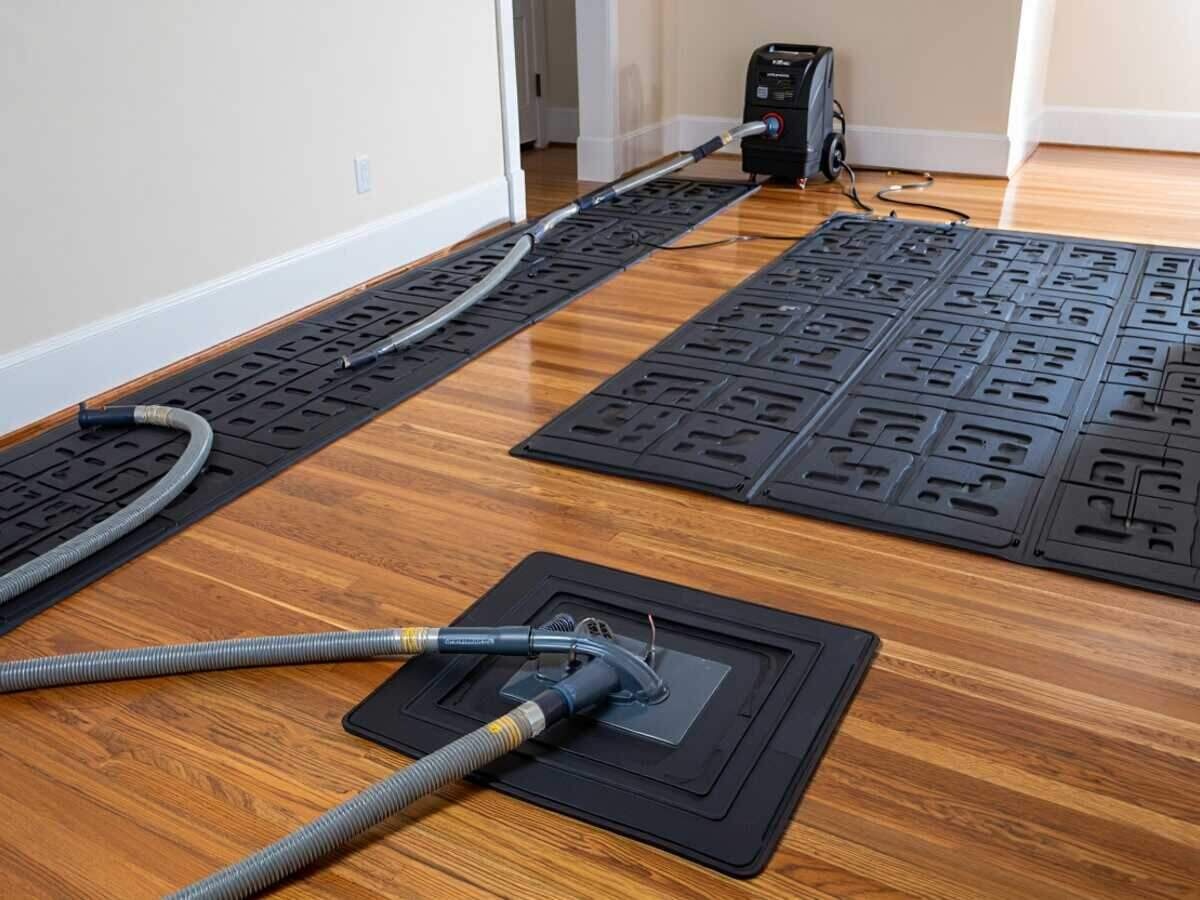
Air movers and dehumidifiers run while we track moisture daily to dry standard.
Restore & Document
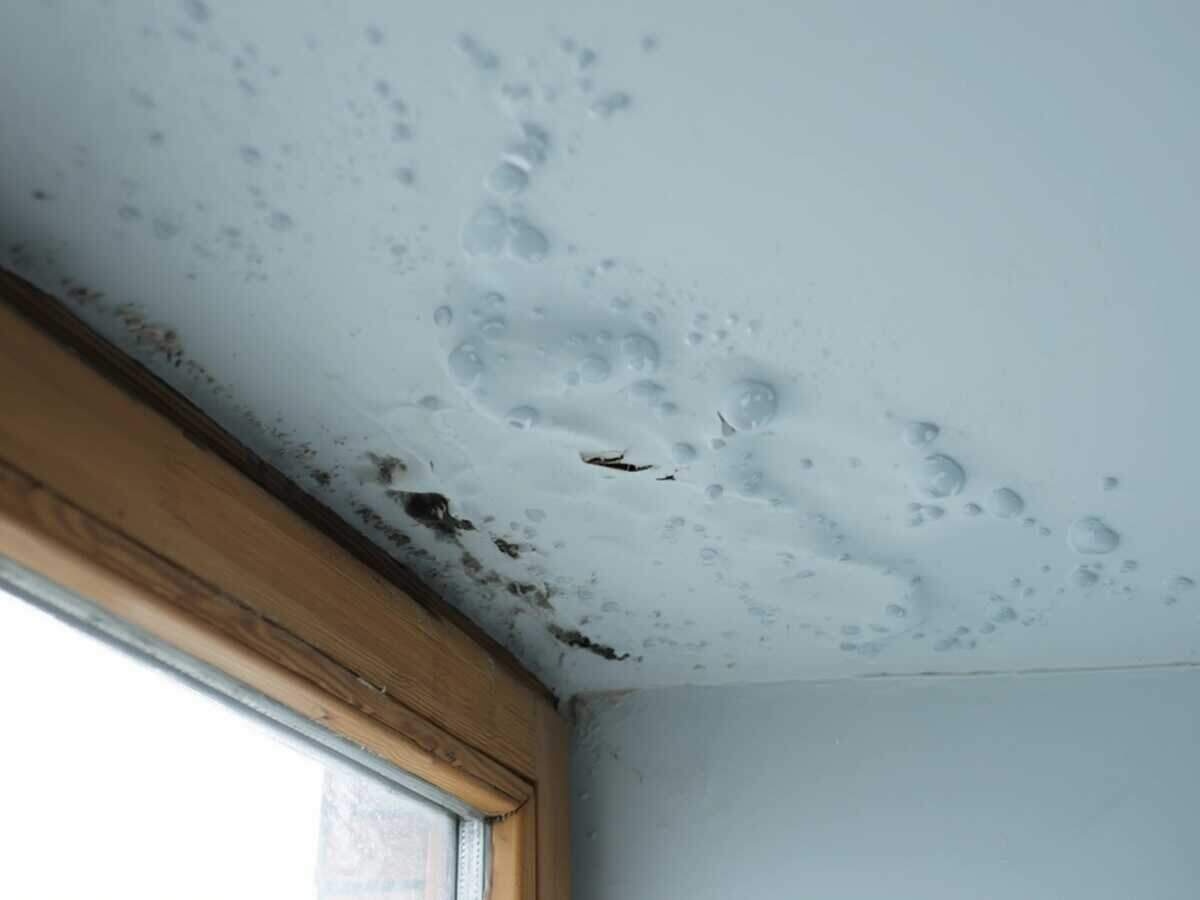
We repair what was damaged and hand your insurer a documented scope.
We document your water damage claim
A water claim turns on two things: acting fast, and documenting it right. We do both. From the moment we arrive we photograph the loss, log moisture readings by room, and build a scope that maps to your policy — then we bill your insurer directly for the covered work.
See how claims work in TexasWater damage in Liberty Hill
Liberty Hill splits in two for our purposes. In town, the newer subdivisions off SH 29, Stonewall Ranch and Santa Rita Ranch among them, run on city water and are built like the rest of Williamson County: slab on grade, production framing, the same fixtures we see everywhere else. Out past the city limits, on the county roads, houses sit on acreage with a private well and a septic system, and that changes the first ten minutes of a water loss more than anything else about the property.
There is no meter box at the street to shut out there. The water stops at the pressure tank or at the breaker feeding the well pump, and until one of those happens the pump keeps supplying whatever broke, at full pressure, for as long as it takes. It is the first thing we ask about when a Liberty Hill number comes up. Water damage restoration on a well-fed house starts with the pump, then the extraction, then everything else.
Distance decides the rest. An address twenty minutes off SH 29 is not somewhere a crew comes back to tomorrow for the tool it forgot, so the truck leaves loaded for the whole job: extraction, air movers, dehumidifiers, containment, and meters. The equipment then stays on site and runs unattended between visits, and we schedule the readings instead of dropping in. You get the numbers each time we come out, and you get an honest drive time on the phone instead of one that sounds better:
- Extraction and drying at addresses on well water and septic, not only city service
- One loaded truck per call, so the job starts on the first trip out
- Moisture readings logged on a planned schedule, not skipped for the distance
- Drywall, trim, cabinets, and flooring rebuilt after the structure reads dry
Crews reach Liberty Hill on SH 29 out of Georgetown or up Ronald Reagan from 183A, depending on where the job is and what time it is. We stay for the water damage repair as well, drywall through paint, so nobody has to go find a second contractor willing to make the drive. Call (512) 271-5099 at whatever hour it is and say whether you are on city water or a well. That one answer changes what we ask you to do before we get there.
Frequently asked questions
We are on a well. How do I shut the water off?
Kill power to the pump first, at the breaker labeled for the well or the disconnect by the pressure tank. Then open a low faucet, a tub spout or an outside hose bib, to bleed the pressure still sitting in the tank and the lines. If there is a valve on the outlet side of the pressure tank, close that too. Do all of it before you go near standing water with the power on.
We are fifteen minutes past town on a county road. Is that too far out for you?
No. Most Liberty Hill addresses run 40 to 55 minutes for us depending on SH 29 and how far off the pavement you are, and you will get the real number on the call rather than a comfortable one. What you do in the meantime matters more, so whoever answers stays on with you through the shutoff and tells you what to lift off the floor.
Will you leave the drying equipment here, or does somebody have to be home?
The equipment stays and runs on its own, day and night, and nobody has to sit with it. We agree on access before we leave: a gate code, a key, or a time you will be there. Pulling the fans a day early undoes the work, so the machines stay until the readings say they can come out.
The septic backed up into the hall bath after a wet stretch. Is that something you handle?
Yes, and it is handled differently. Anything a septic backup touches is category-three water, so the porous material comes out rather than being dried: carpet and pad, saturated drywall, particleboard. We contain the area, remove it, clean and sanitize the surfaces underneath, then dry the structure. The drain field itself is a septic contractor's work, and it has to be sorted out or the same thing happens again.
The power is out at the house. Can you still do anything?
Tell us on the call, because it changes what the truck brings. Extraction we can do without house power. Drying we cannot: air movers and a dehumidifier need a source, and on a well the pump is down too, which at least means the leak has stopped. We take the water out and remove the wet material, then set drying equipment as soon as there is power to run it.
Areas We Serve Across the Austin Metro
Local response across Travis, Williamson, and Hays counties.
Liberty Hill is not too far out for a crew.
Call and tell us whether you are on a well or on city water, and how far off SH 29 you sit. Somebody answers at any hour, and the truck leaves loaded for the whole job so nothing waits on a second trip out here.