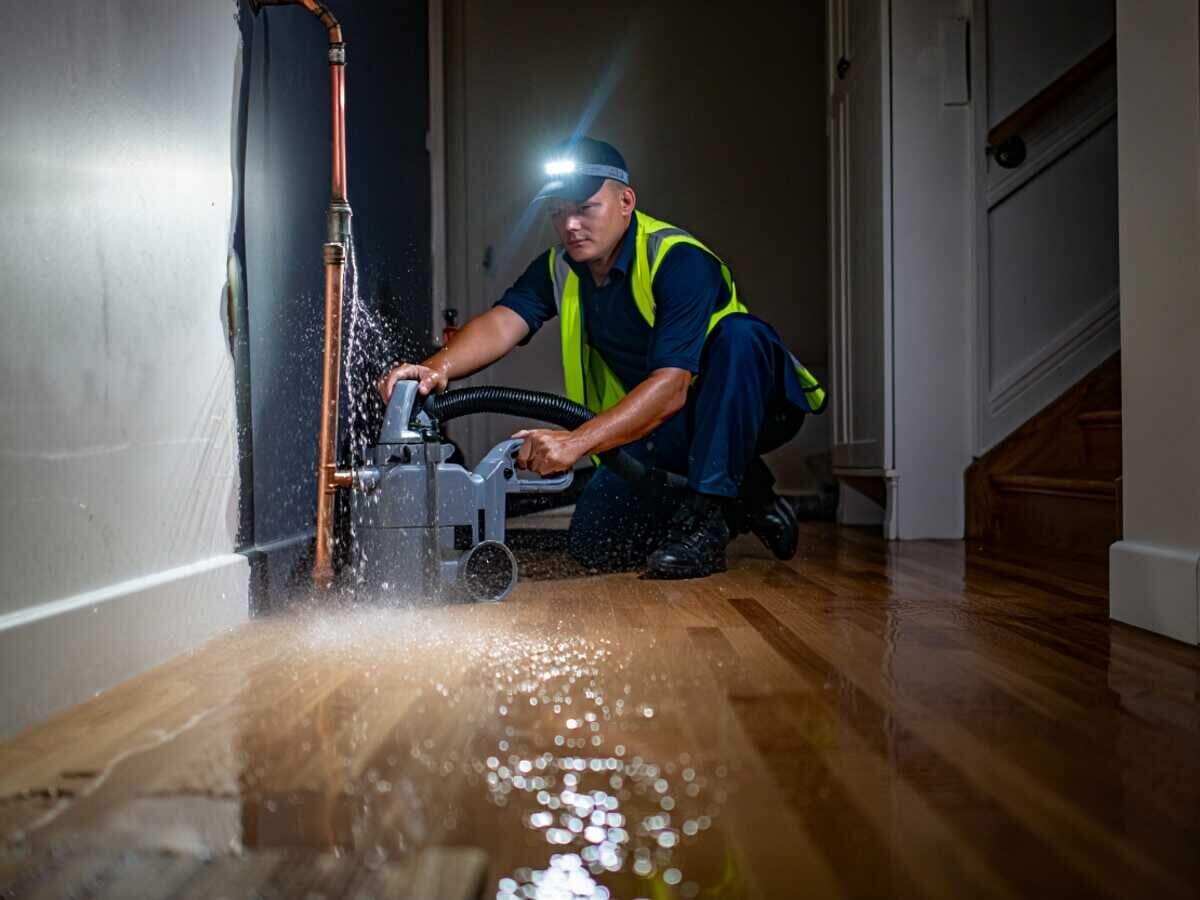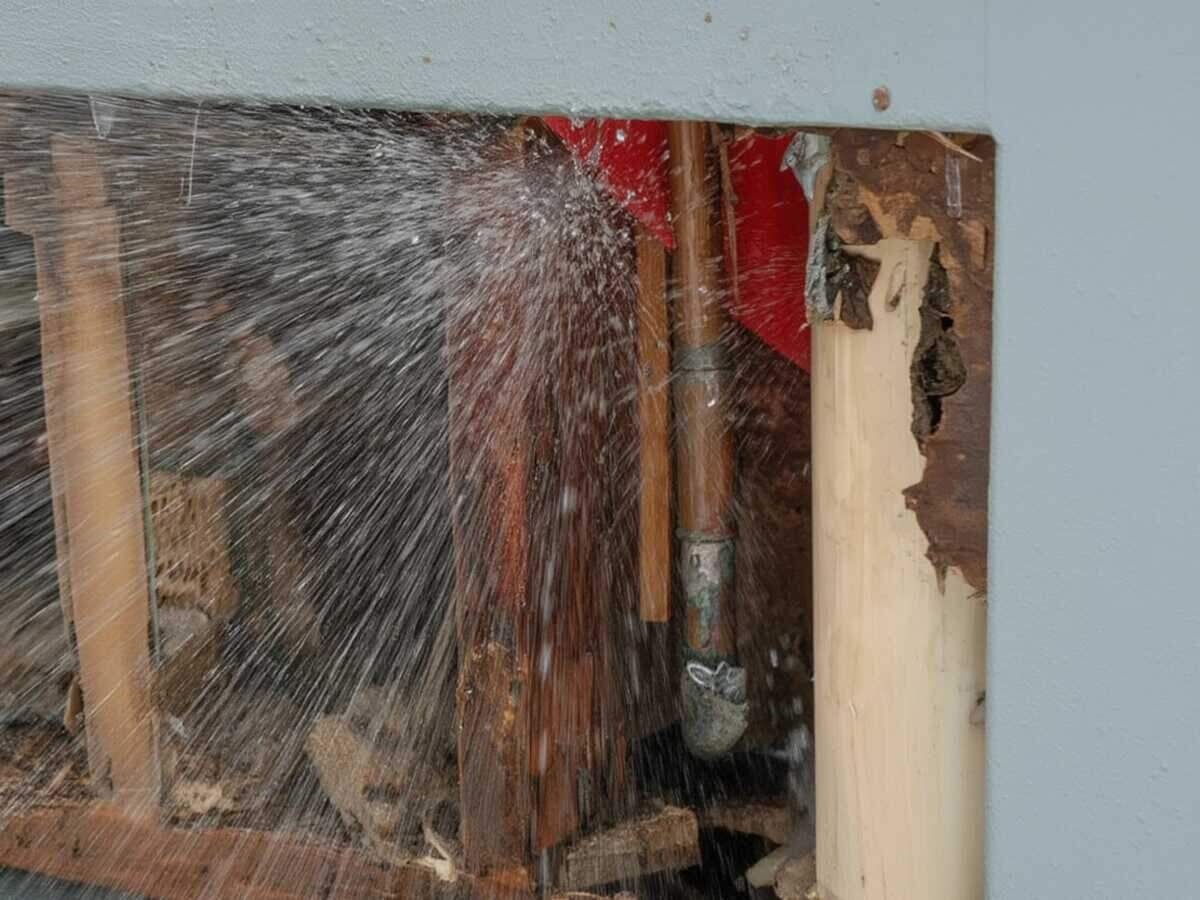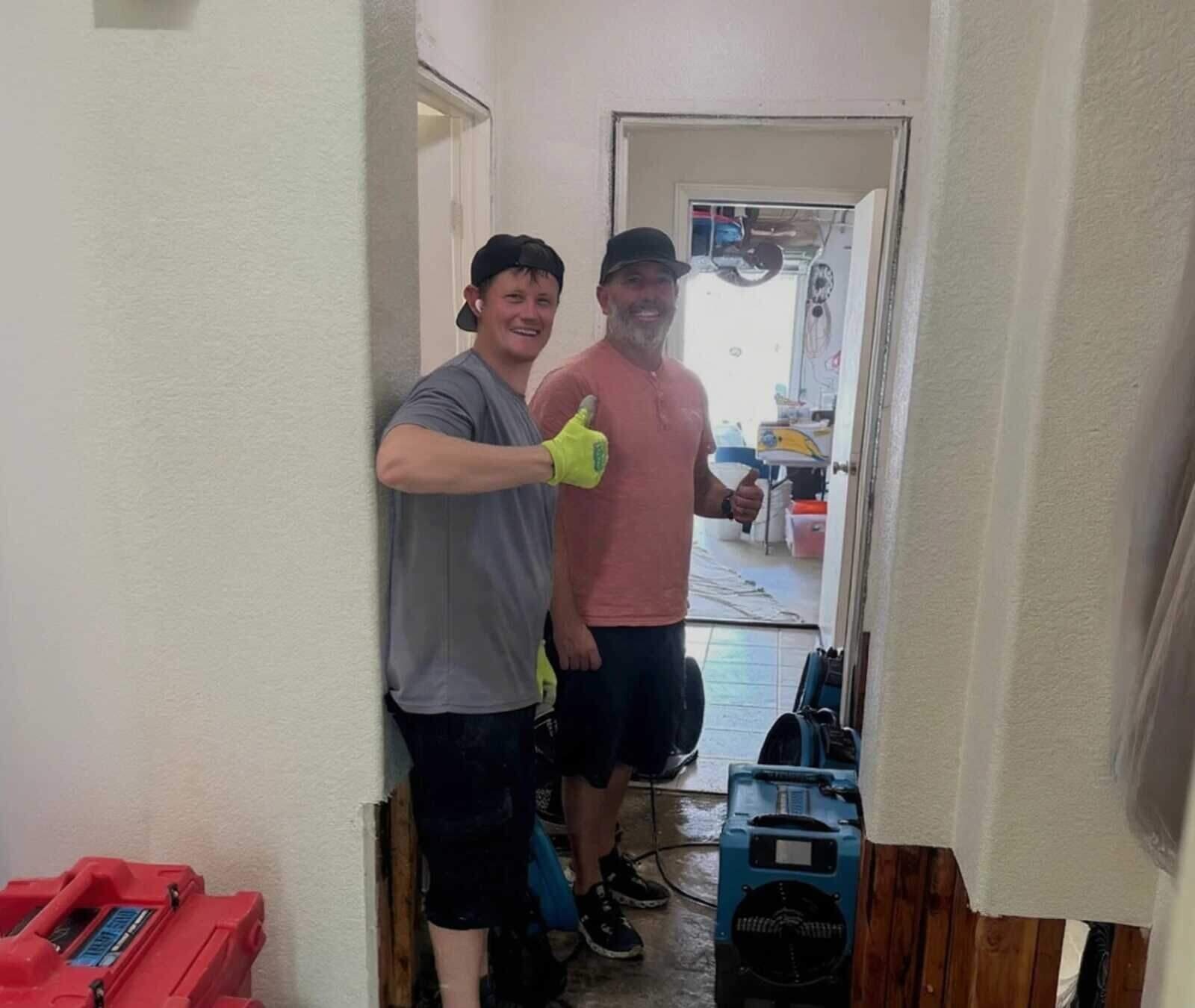




Water removal is a race with wicking, and on a Liberty Hill acreage property the first stretch of that race is run in the driveway. Truck-mounted extraction works through hose, and hose has a practical limit. When the pavement stops a hundred yards short of the house, or the drive turns twice and drops through a low spot before it reaches the door, the truck mount stops being the fast tool and portable extractors carried into the room become the fast tool. That decision gets made on the call, before we load.
Rain changes it again. Soil out here is thin over limestone and the drives are caliche or dirt far more often than concrete, so a drive that carries a pickup all summer will not carry a loaded truck two days into a wet stretch. We would rather stage at the pavement and lay hose than sink a truck in your yard and add a tow to your water loss. So when you call, say what the drive is made of and whether it has taken rain this week.
How the water actually comes out
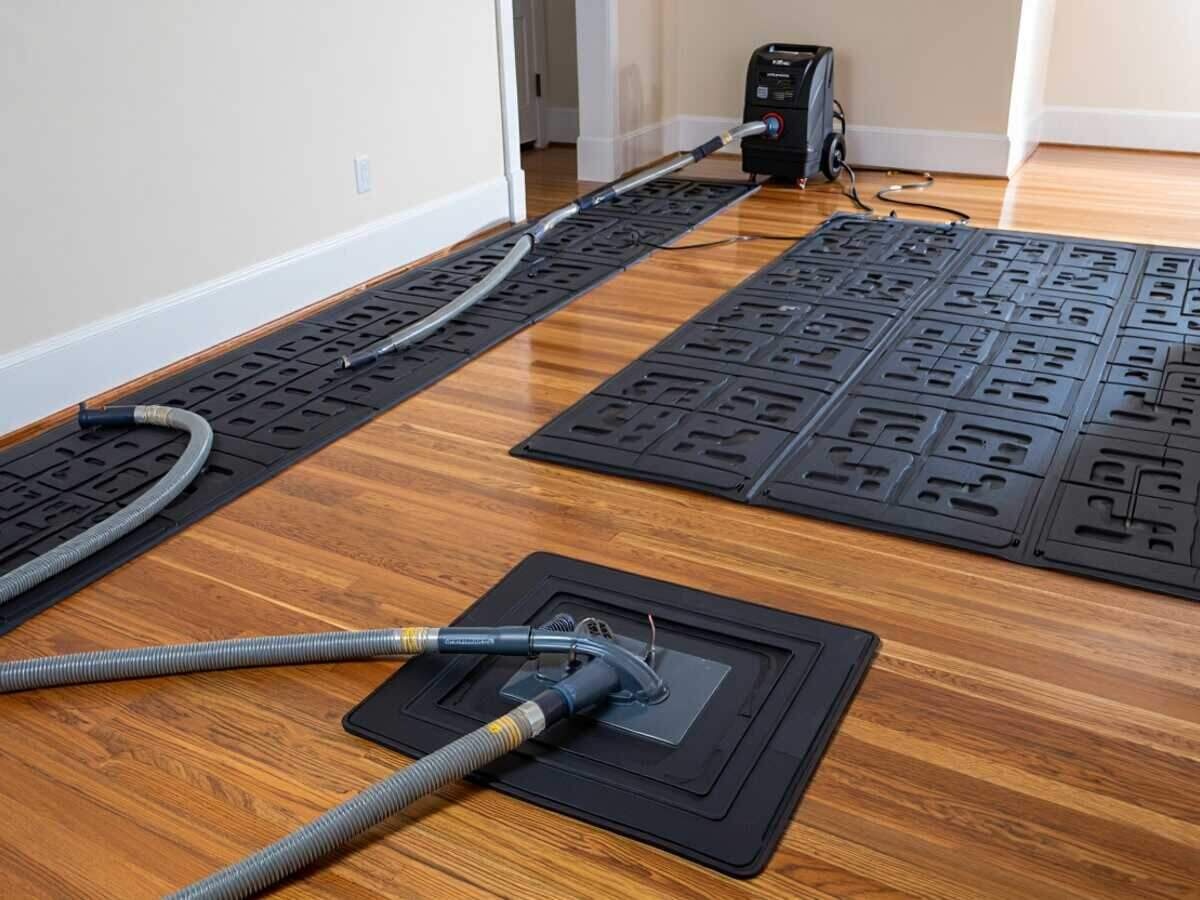
Standing water goes first, because every hour it sits it climbs another inch of baseboard and another course of cabinet kick. We pull the bulk of it with the largest extractor that can reach the room, then work weighted tools over the carpet until the pad gives its water back, which is what usually decides whether that carpet stays in the house. On the slab plans in town the water spreads flat and vanishes under tile and toe kicks, so once the visible water is gone we read the floor with a meter and an infrared scan, then keep pulling wherever the numbers say water is still sitting. Air movers and a dehumidifier go in on the same visit, not the next one.
- The extraction tool matched to how far the truck can get from the wet room
- Portables and long hose runs when the drive will not take a loaded truck
- Weighted extraction through carpet and pad before anyone decides what comes out
- The floor metered after the visible water is gone, and pulled again wherever it reads wet
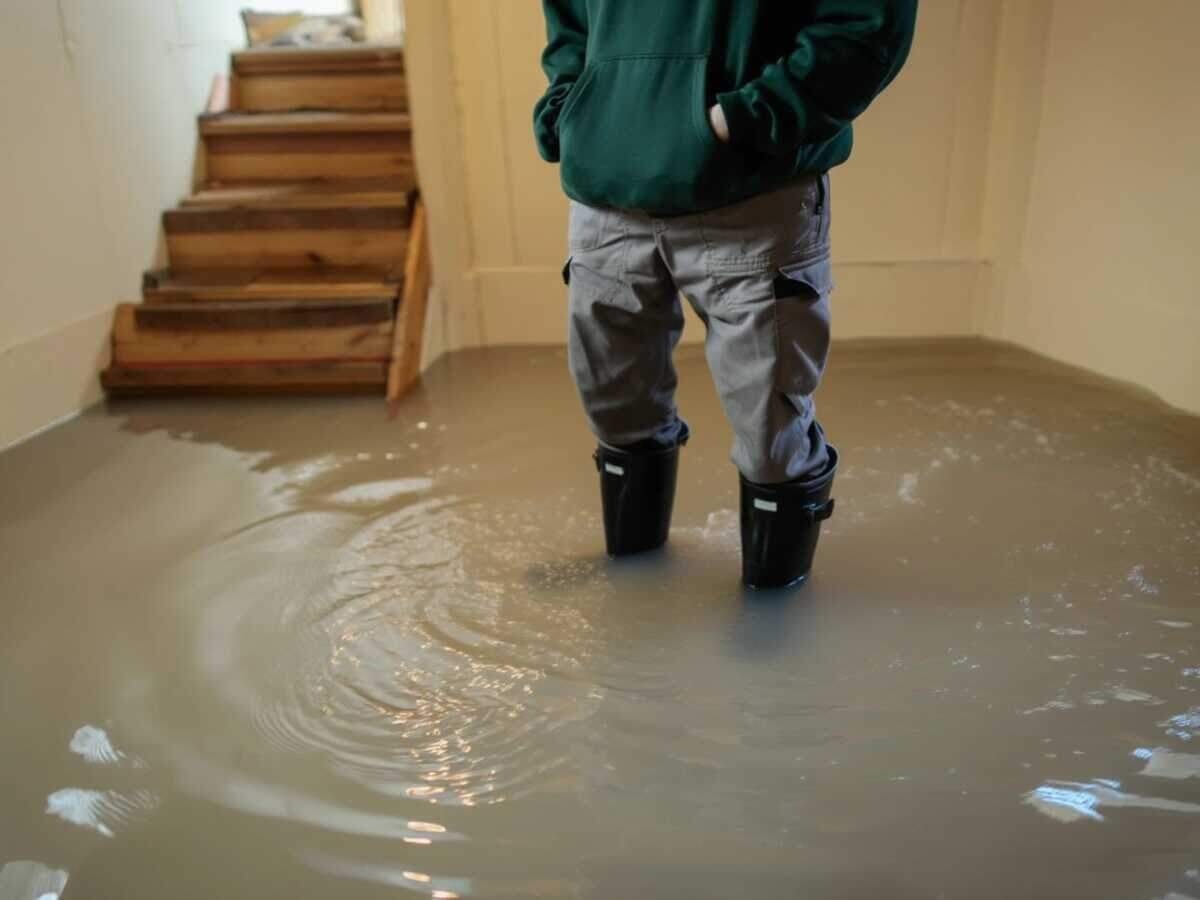
Water extraction is the quick part of this, usually a few hours. Drying is the part that takes days, and it begins on the same visit so the equipment is running before the crew pulls out. Call (512) 271-5099 and say what is wet, how far the house sits off the road, and what the drive is made of.