



Mold removal out past the Liberty Hill city limits gets planned differently than the same job in town, and the reason is the driveway. A place fifteen minutes past the last cattle guard is not somewhere anybody runs back to at four in the afternoon for a roll of poly or a second scrubber. So the visit that opens the job has to answer everything at once: where the water came from, how far it traveled inside the wall, and how many square feet of growth we are actually dealing with.
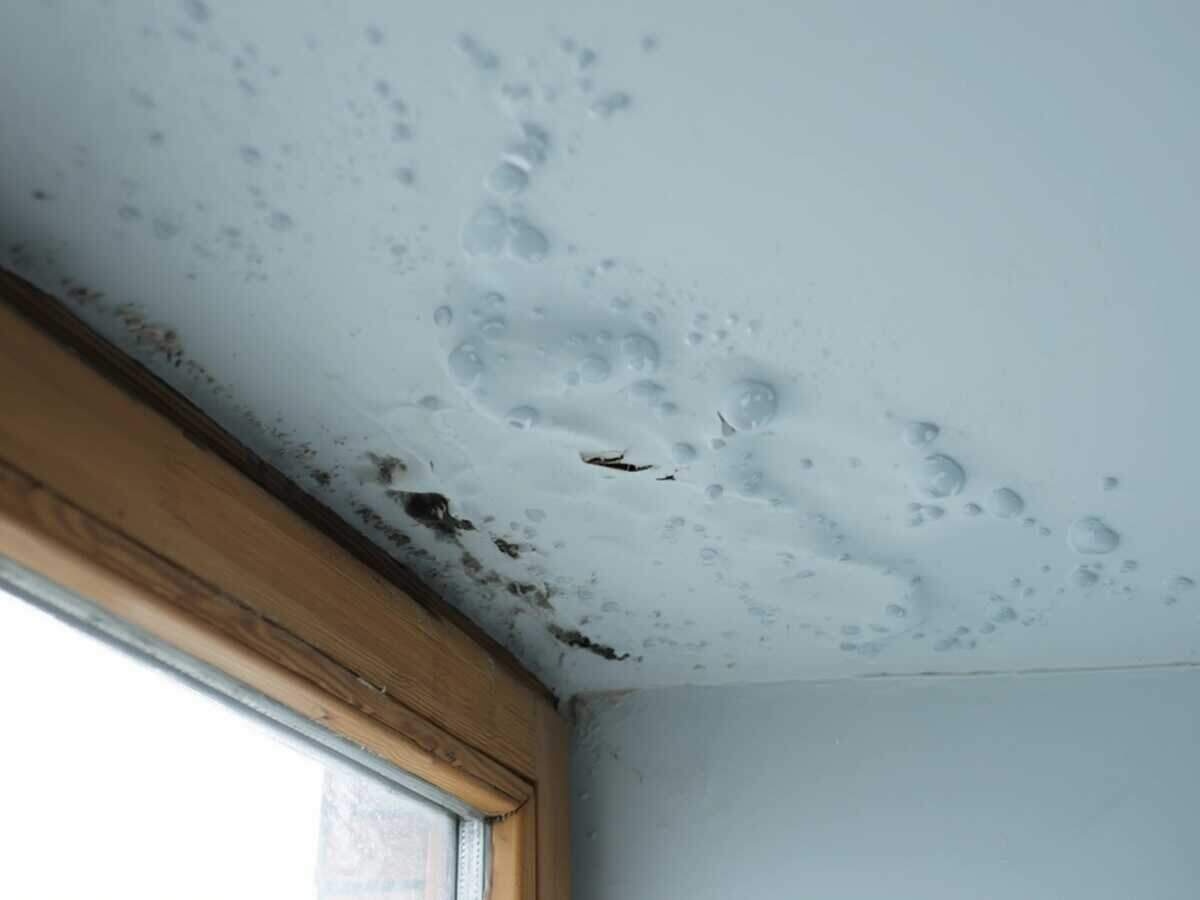
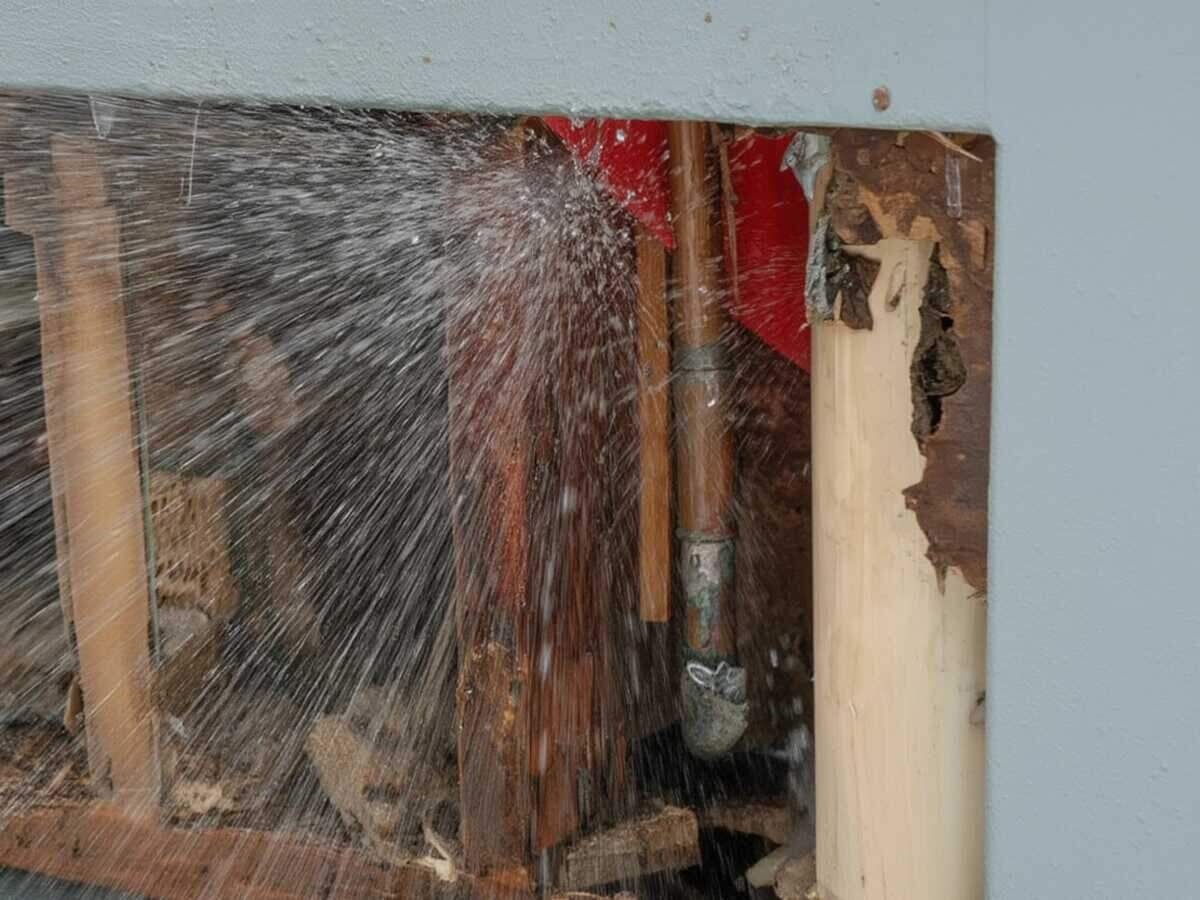
The leaks themselves are ordinary. A supply riser weeping under a vanity, a shower pan letting go at the curb, a refrigerator line that has been dripping into the cabinet bay since spring. What is different out here is how long one runs before anybody says the word mold. There is no neighbor close enough to smell it, and the newer tract houses in town, out through Stonewall Ranch and Santa Rita Ranch, stay shut and air conditioned from April into October. The paper facing on the back of the board is food, the cavity holds heat, and nothing in there dries on its own.
One trip in, one trip out
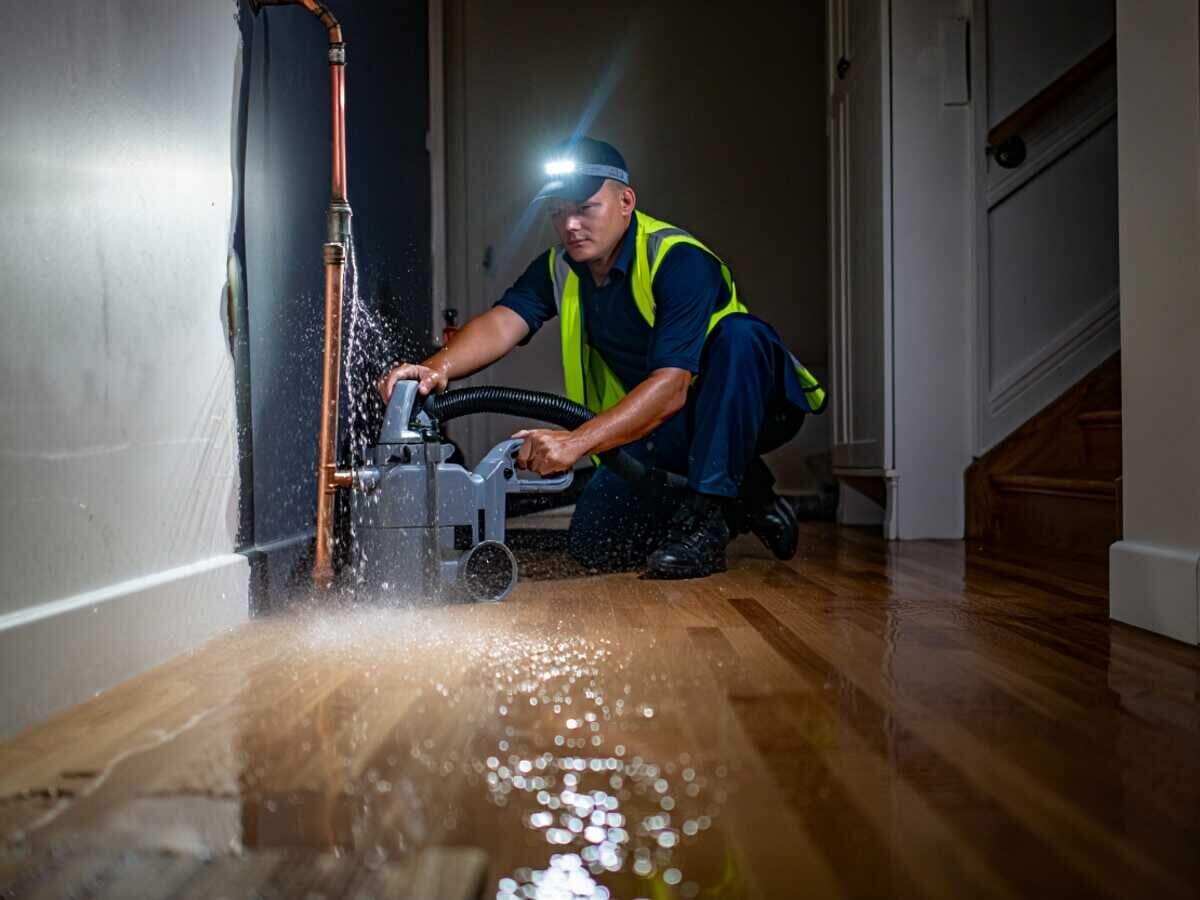
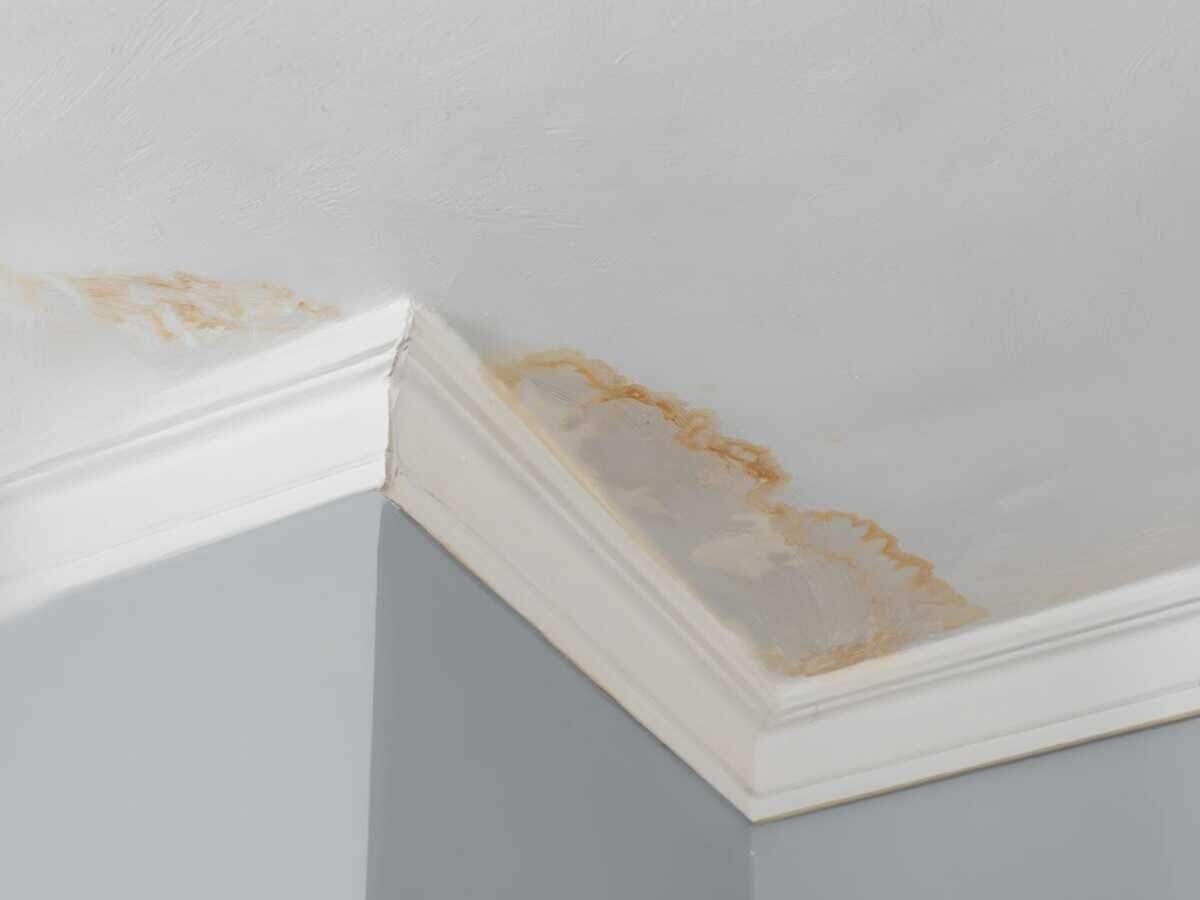
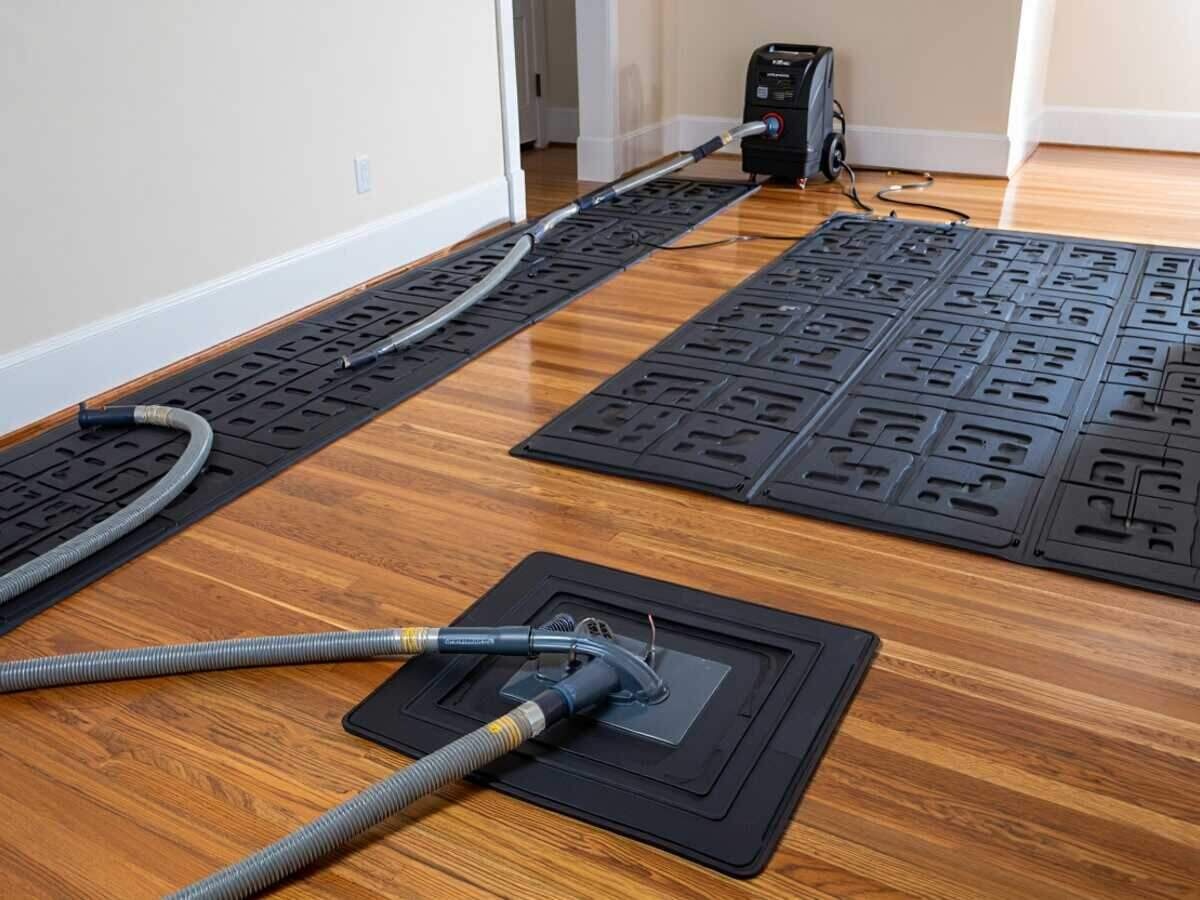
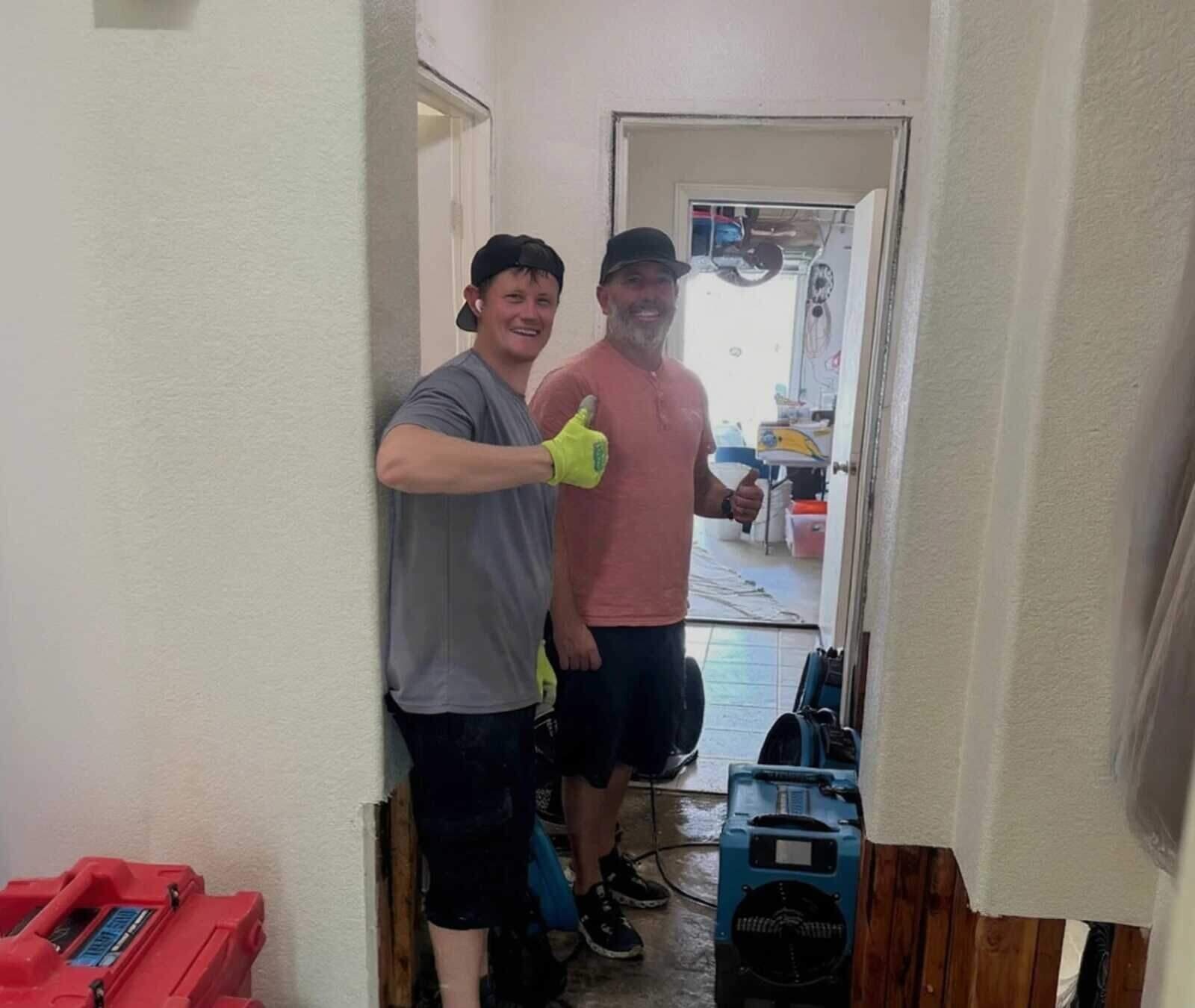
The truck comes loaded for the whole scope: poly, tape, a negative air machine, HEPA scrubbers, meters, and the drying equipment for the cavity behind the growth. A moisture meter and a thermal camera set the boundary before a blade touches drywall, since water decides where the cutting stops and the visible patch is almost never the edge of it. The room gets sealed and pulled negative, colonized drywall and batt go into bags inside the zone and cross a taped step-off on the way out, and framing that is still sound gets vacuumed with a HEPA unit and treated. The bags ride back out in the truck instead of sitting in your yard waiting on somebody with a trailer. The cavity behind all of it then gets air movers, a dehumidifier, and a first set of numbers before the crew leaves it running.
- The full affected area measured on the first visit, so the scope does not change twice
- Poly containment under negative air, HEPA scrubbers going before anything is cut
- Colonized drywall and insulation bagged and hauled out with the crew, not stacked outside
- The cavity behind it dried and re-read until it matches a wall the water never reached
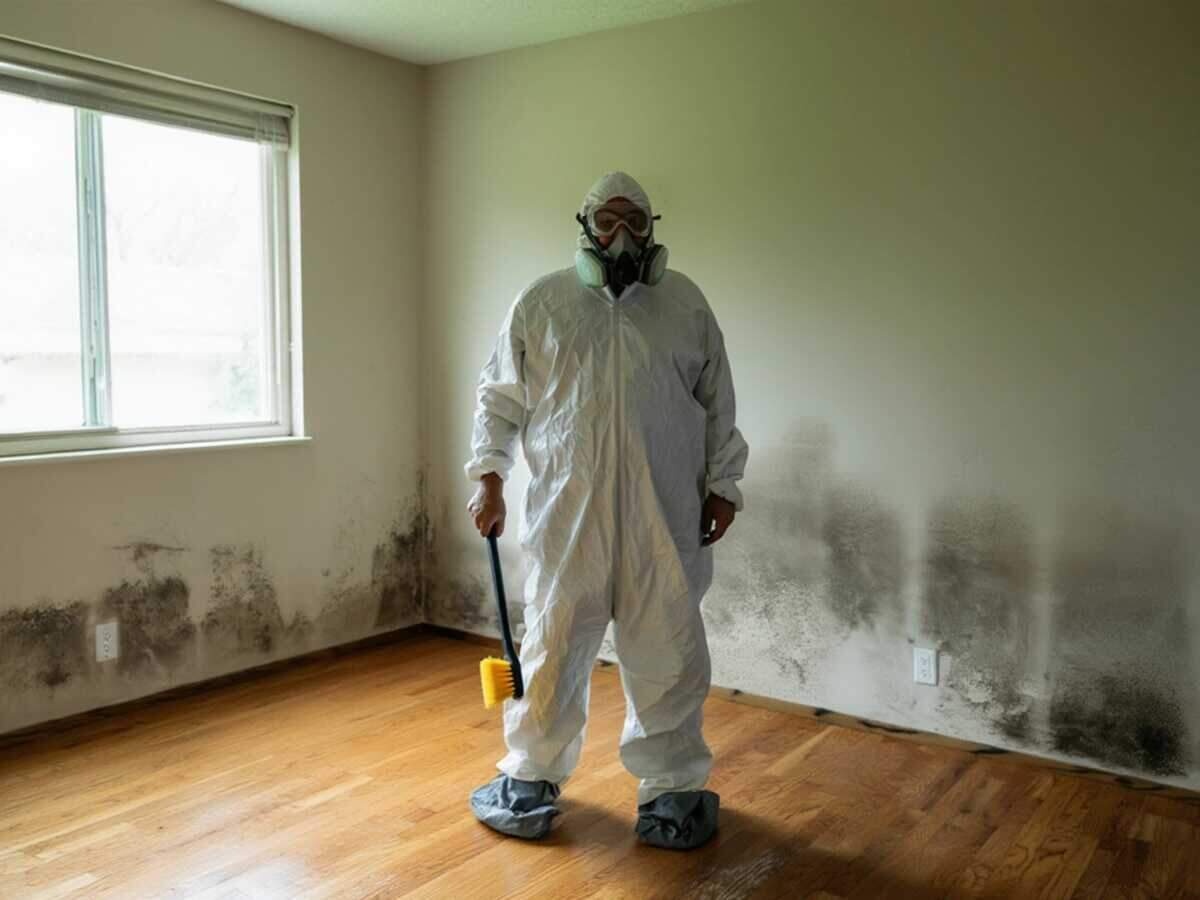
Growth that came out of a plumbing leak is part of that water loss, and it usually goes on the same claim. We photograph the wall as we found it, record the affected square footage, and give your adjuster a scope with dated readings behind it. What the policy pays for is the carrier's call, not ours. Call (512) 271-5099 and describe the room and the smell before anybody opens that wall.