Water Damage Restoration in San Marcos, TX
An upstairs tub in an old house near campus, one of the ones split into rentals years ago, overflows on a Sunday night, and the tenants downstairs find it coming through a light fixture. A technician answers at any hour and the truck leaves loaded.
- We bill your insurer directly
- IICRC-certified crews
One crew, from extraction to the final repair
One local crew handles extraction, drying, and repair from the first call through the final moisture reading. Sewage cleanup and structural drying are run metro-wide from the same trucks.
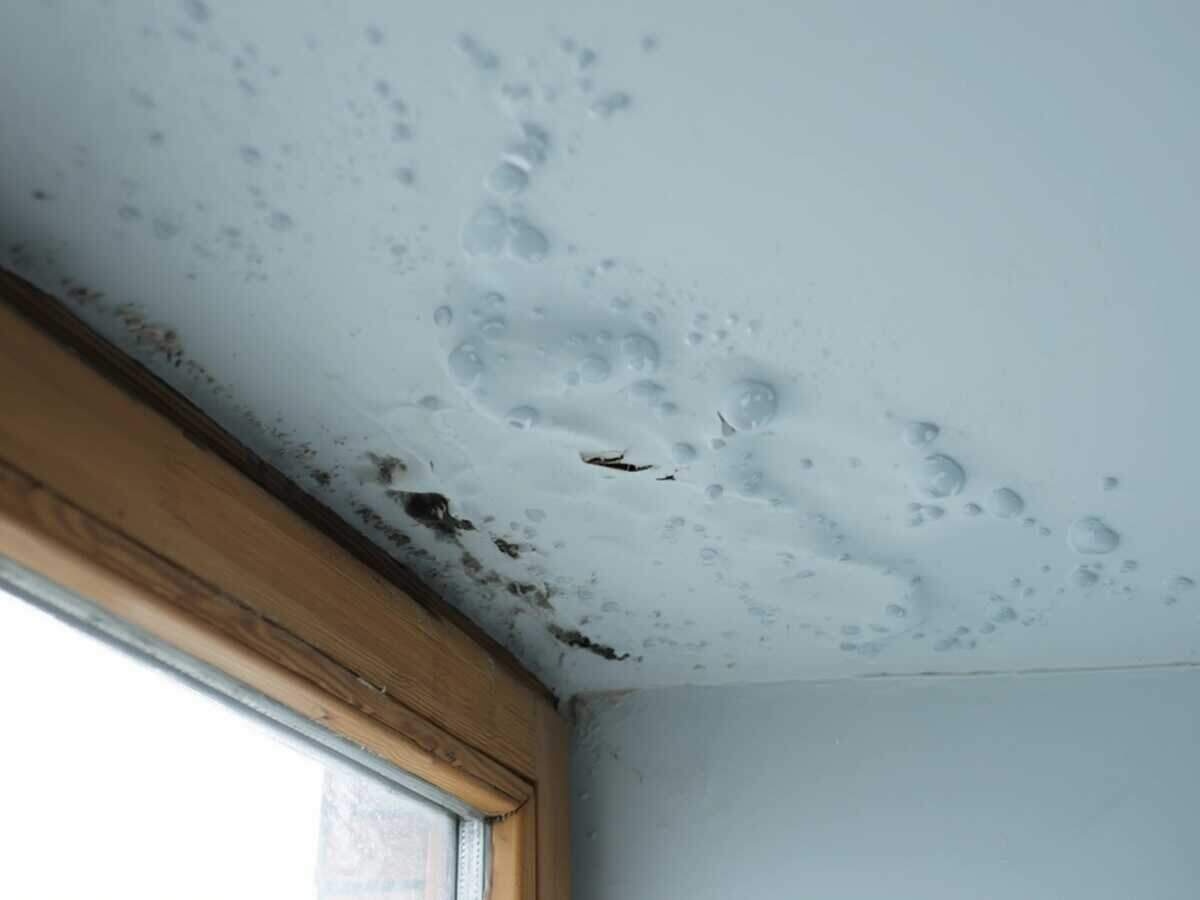
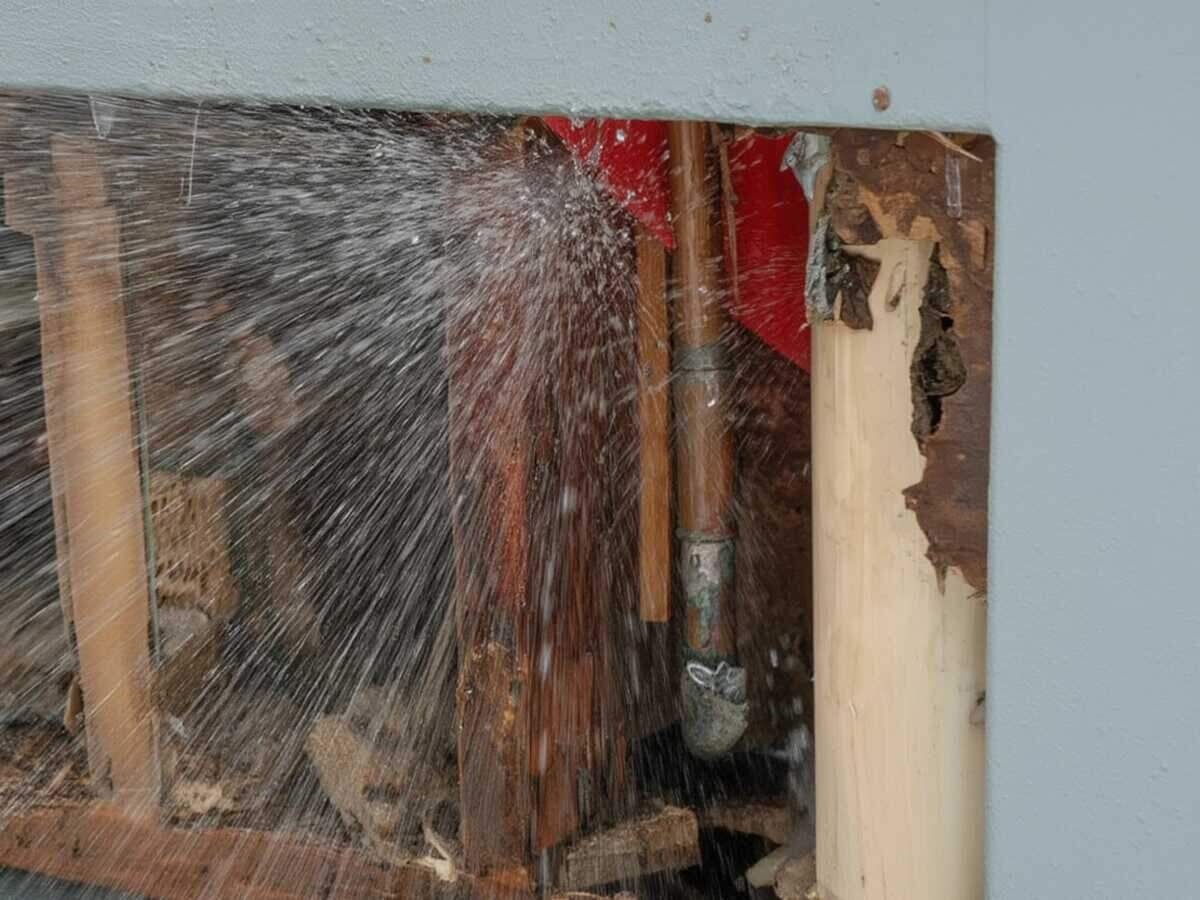
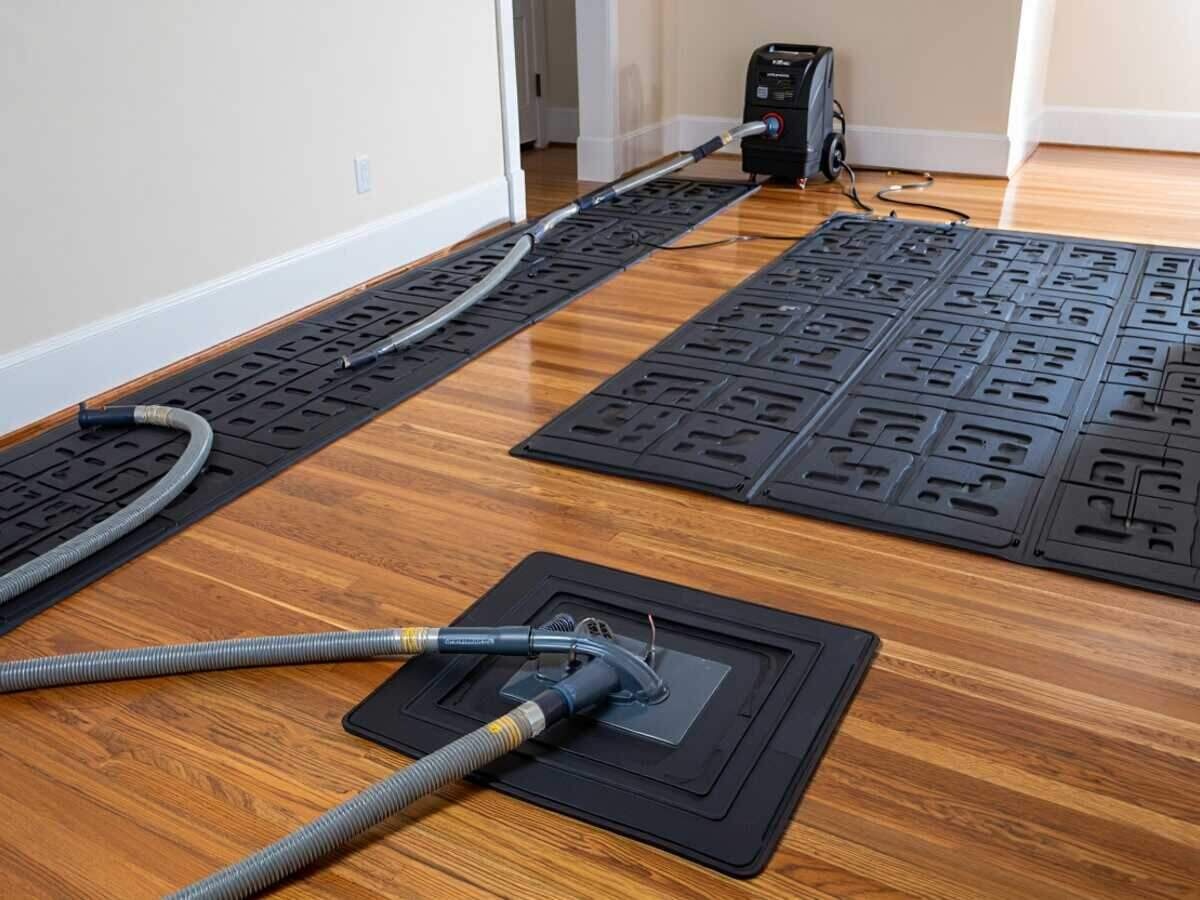
Our restoration process in San Marcos
Four steps, starting the moment you call.
Call & Dispatch
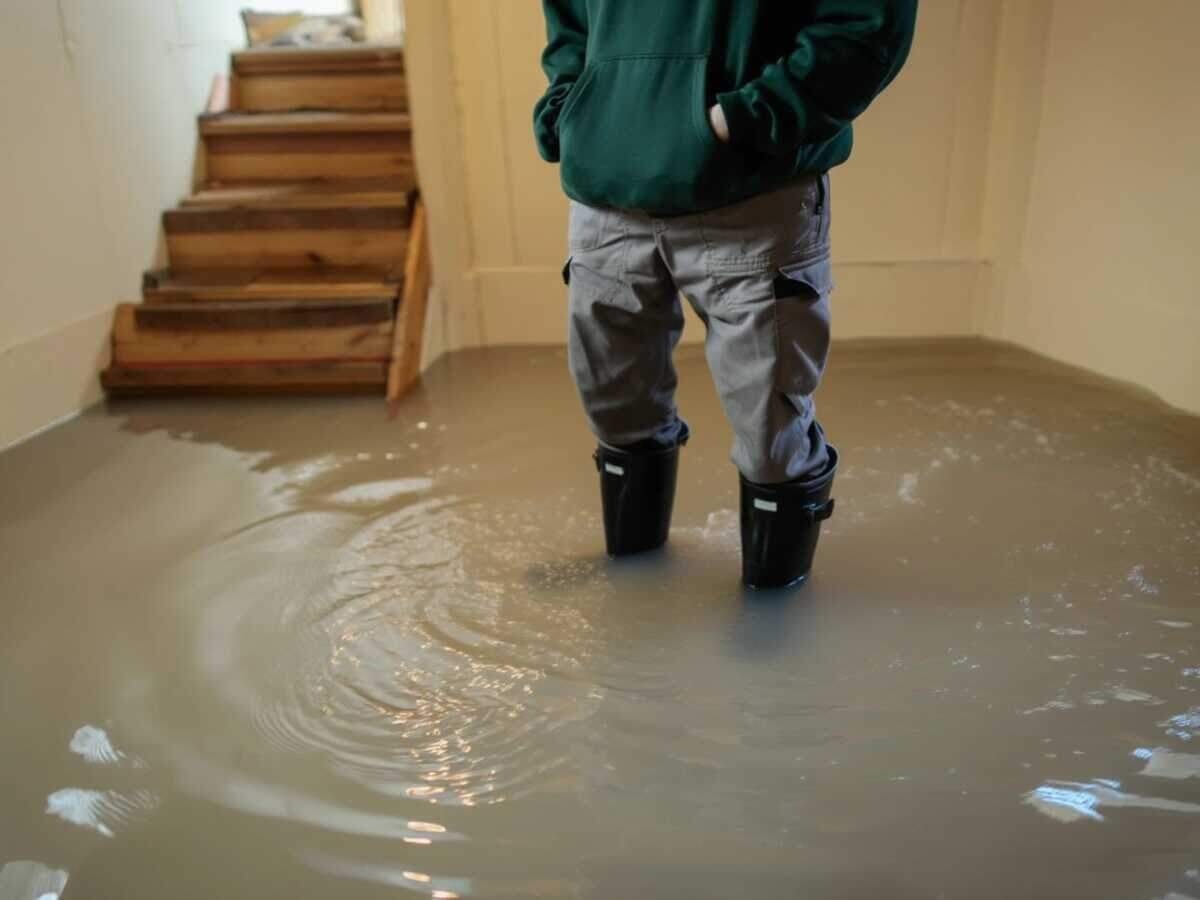
Tell us what happened. A local crew is dispatched on the call, and how fast we reach you depends on traffic and where you are.
Extract & Stabilize
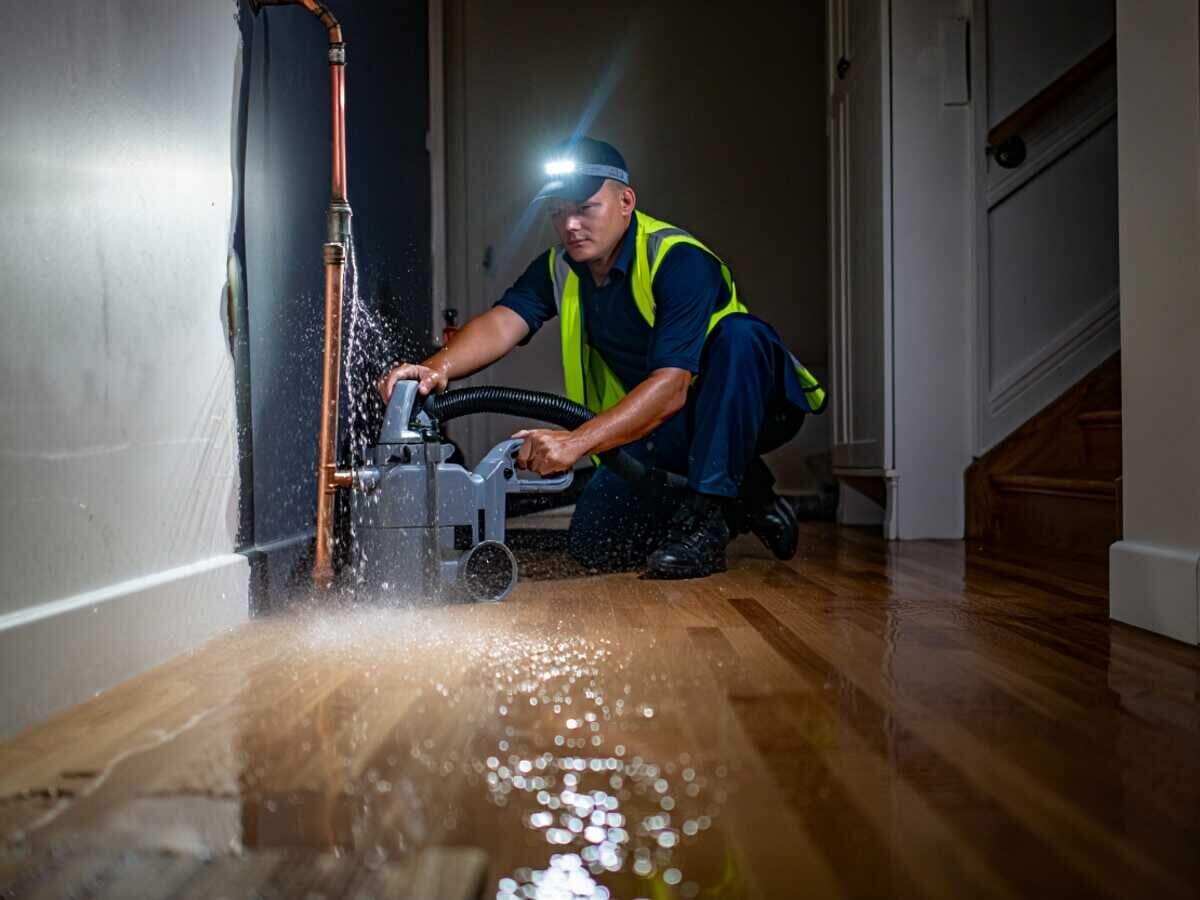
We stop the source, pump out standing water, and set drying equipment.
Dry & Monitor
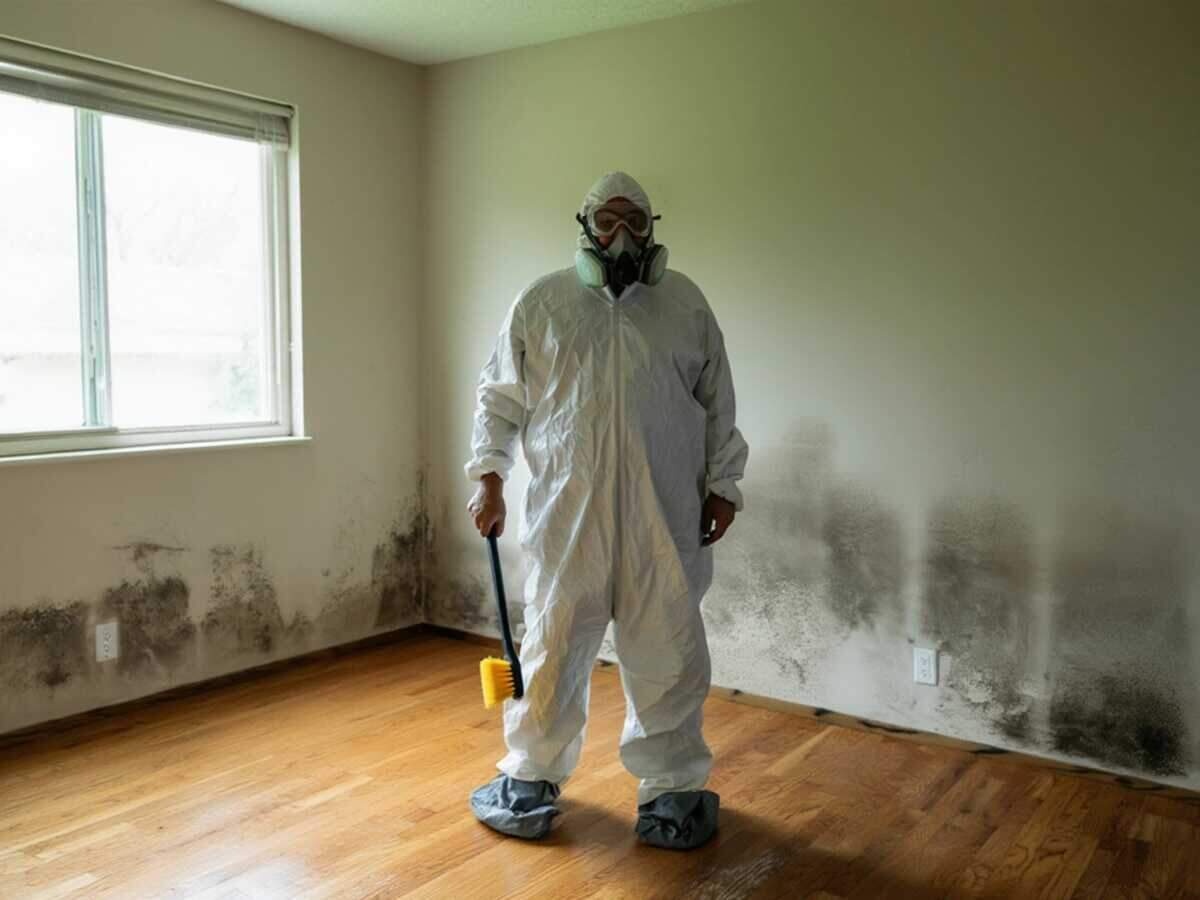
Air movers and dehumidifiers run while we track moisture daily to dry standard.
Restore & Document
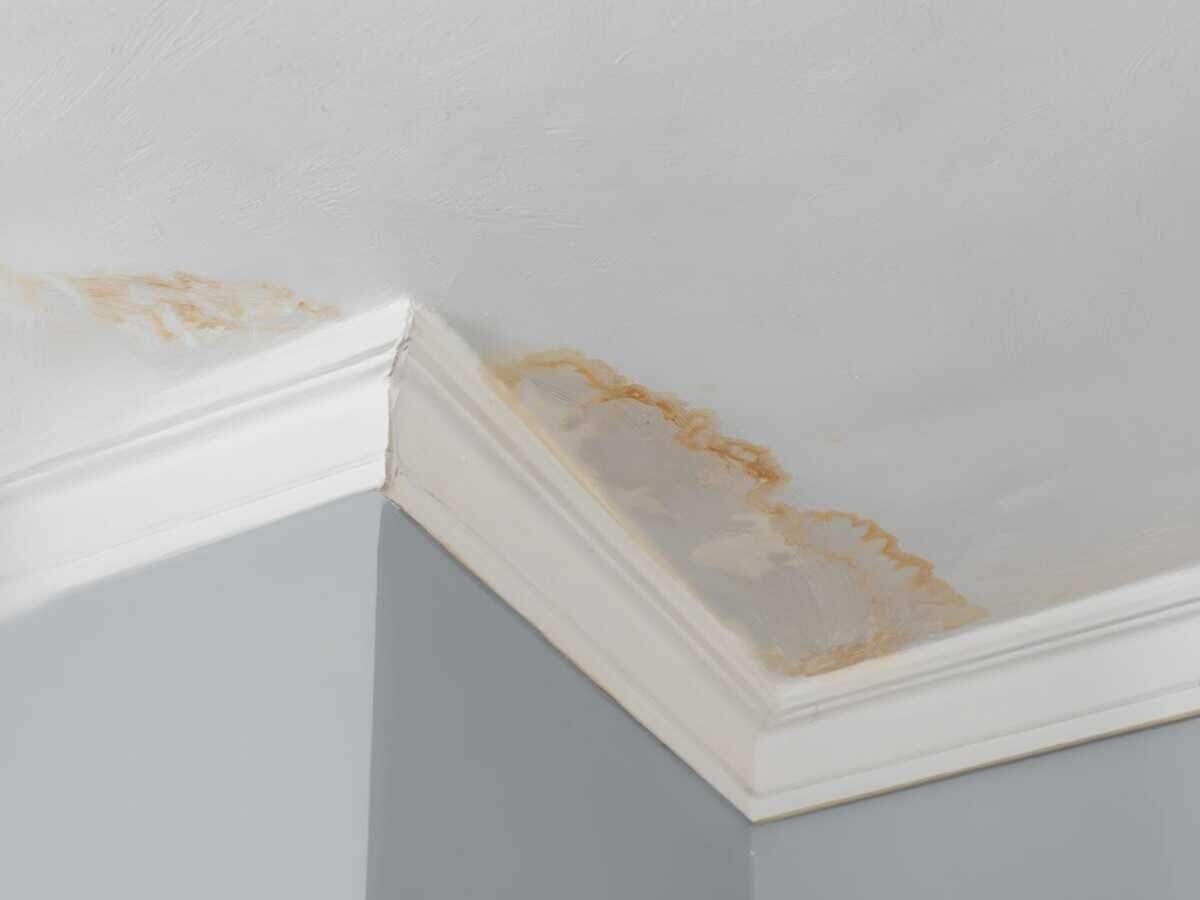
We repair what was damaged and hand your insurer a documented scope.
We document your water damage claim
A water claim turns on two things: acting fast, and documenting it right. We do both. From the moment we arrive we photograph the loss, log moisture readings by room, and build a scope that maps to your policy — then we bill your insurer directly for the covered work.
See how claims work in TexasWater damage in San Marcos
San Marcos runs on rented housing, and that changes what fails here. A house built for one family carries four or five tenants on separate schedules, so the fixtures cycle all day and the drains take a load nobody designed them for. Hair and grease pack a kitchen line. A toilet overflows on a floor above somebody else's living room. A washer added to a back porch ties into a drain line that was never sized for it. Water damage cleanup in a rental almost always starts later than it should, because the person who sees the problem is not the person who calls a contractor.
The older stock makes it harder. The Victorian-era houses on and around Belvin Street, and the bungalows on the blocks between campus and downtown, went up long before slab on grade, so the floors are wood over a crawl space and the drain lines are cast iron or galvanized steel that has been narrowing from the inside for decades. When one of those overflows upstairs, the water does not spread flat and stop. It runs through the subfloor, travels a joist bay, and comes out of a ceiling in a room that is nowhere near the bathroom.
The rivers are the other half of the local picture and they deserve a plain answer. The San Marcos River comes up out of the ground at Spring Lake, the Blanco joins it southeast of downtown, and anyone who was here in May 2015 knows what that river is capable of. River water rising into a house is a flood claim, a separate policy, and a different specialty from ours. Water damage restoration on this side of the line means the water that came out of the plumbing, which in a college town is most of it:
- Overnight extraction after an overflow, a supply failure, or a backed-up drain
- Ceiling and subfloor drying between an upstairs unit and the rooms underneath
- Sanitizing and mold removal wherever a drain backup or a long soak reached
- One documented file the owner, the manager, and the adjuster all work from
San Marcos is the far south end of what we cover: I-35 the whole way, past Buda and Kyle, with the crews starting that run out of the north Austin metro. A dry-out that begins at midnight is cheaper than one that begins at nine the next morning, so call (512) 271-5099 as soon as it happens and we will tell you what to move and what to leave alone.
Frequently asked questions
I rent. Can I call you myself, or does my landlord have to?
Call us. Getting water off the floor is time-sensitive and we can start that conversation with you. The owner or the property manager authorizes the work and the claim, so we will need their number, and most of the time we are talking to them within the hour. A landlord who has used a water damage restoration company before usually just asks for the readings and the scope and lets the crew work.
It came through the ceiling from the unit above mine. Who deals with that?
We deal with the drying either way, and documentation settles the rest. On the first visit we find the source, photograph it, and map how far the water traveled through the ceiling and down the wall, which is what any adjuster or property manager needs in order to sort out responsibility. Until then, stay out from under a sagging ceiling and leave that light circuit switched off.
The bathroom floor in our old rental feels spongy. Is that the leak or just age?
Usually a leak that has been running a while. A wood subfloor over a crawl space goes soft when it stays wet, and in these houses the source is often a toilet flange or a tub drain weeping into the joist bay instead of into the drain line. We meter it from the room and, where there is access, look at the joists from below. Soft is a warning. A subfloor that has gone dark under the vinyl is past a dry-out.
How long does it take you to reach San Marcos in the middle of the night?
About an hour is the honest number at two in the morning, and more in daylight when I-35 stacks up through Buda and Kyle. The crew is rolling before we hang up, and while it drives, the technician on the phone works through the shutoff and the power with you. Anything you can get off the floor with towels before we pull in genuinely helps.
Do you work on duplexes and rental houses, or only owner-occupied homes?
Houses, duplexes, and rental properties get the same crew and the same equipment. The difference is paperwork rather than process: a rental means an owner or manager approving the scope, and often a second set of photos for the tenant's own contents claim. We keep one file and send it to whoever needs a copy.
Areas We Serve Across the Austin Metro
Local response across Travis, Williamson, and Hays counties.
Water through a San Marcos ceiling is tonight's problem, not Monday's.
Owner, tenant, or property manager, call and tell us what is wet and where it is coming from. A technician answers around the clock, and we document as we go so whoever ends up filing the claim has the photos and the readings.