



Roof Water Damage Repair in San Marcos, TX

A capped chimney nobody has used in decades is still a hole through the roof, and its flashing is usually the oldest detail up there. Water goes down the chase and surfaces on a first-floor ceiling. Call (512) 271-5099.

Call (512) 271-5099 Answered live, 24/7Nights, weekends, holidays
  • We bill your insurer directly
  • IICRC-certified crews
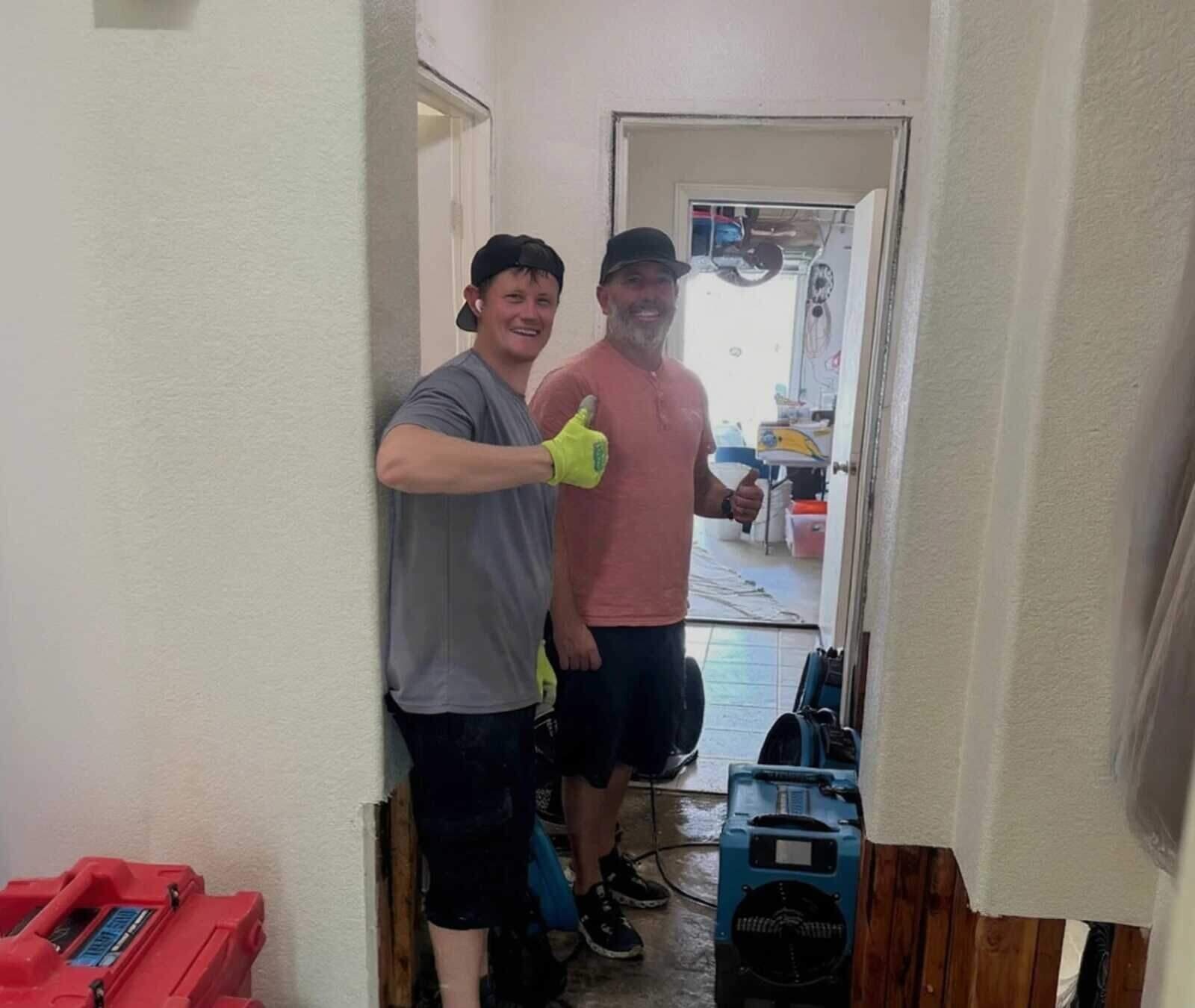
Local water damage crew working in an Austin-area home with air movers and a dehumidifier
Our crew · Austin metro
Why San Marcos homeowners call us

A local crew that shows up and does it right

Dried to a reading Equipment stays until the material meters dry, not until the surface feels dry.
One crew, start to finish The same local crew from the first extraction to the final repair.
No surprise line on the bill Equipment days and demolition are priced before the work happens, not discovered on the invoice.
Local Austin crew Dispatched from the north metro, never routed through an out-of-state call center.
Certified & accredited
IICRC Certified firm Indoor Air Quality Association member Certified and licensed water damage restoration Certified and licensed mold remediation and removal
How it works

Our restoration process

Four steps, starting the moment you call.

1

Call & Dispatch

Tell us what happened. A local crew is dispatched on the call, and how fast we reach you depends on traffic and where you are.

2

Extract & Stabilize

We stop the source, pump out standing water, and set drying equipment.

3

Dry & Monitor

Air movers and dehumidifiers run while we track moisture daily to dry standard.

4

Repair & Reinstall

Drywall, texture, trim, and paint go back so the room reads finished.

Insurance-savvy from the first call

Documented to claim standard from the first hour

We document the loss to claim standard from the moment we arrive — photos, moisture readings by room, and a scope that maps to your policy. Then we bill your insurer directly for the covered work.

See how claims work in Texas

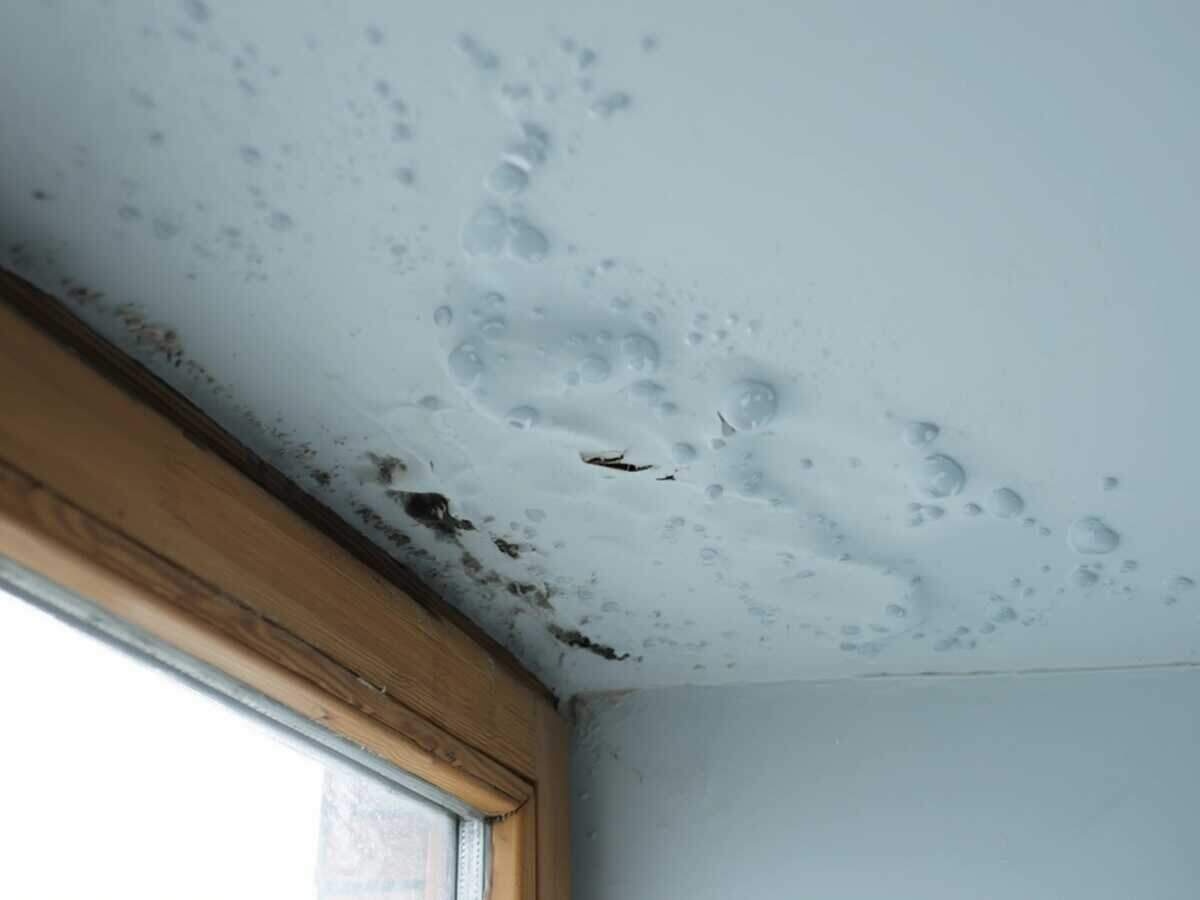
Roof water damage in the older San Marcos houses often starts at the chimney. Houses of that era were built with masonry chimneys, plenty of them no longer used for anything, and the chimney is the one place on a roof where three materials meet: brick, flashing, and roofing. The flashing there is frequently older than the roof around it, because a re-roof does not always mean new counterflashing, and the mortar crown on top of the stack cracks through enough hot summers. Water gets in at the joint and, instead of dripping into an attic, runs down the outside of the brick inside the chase that boxes it in.

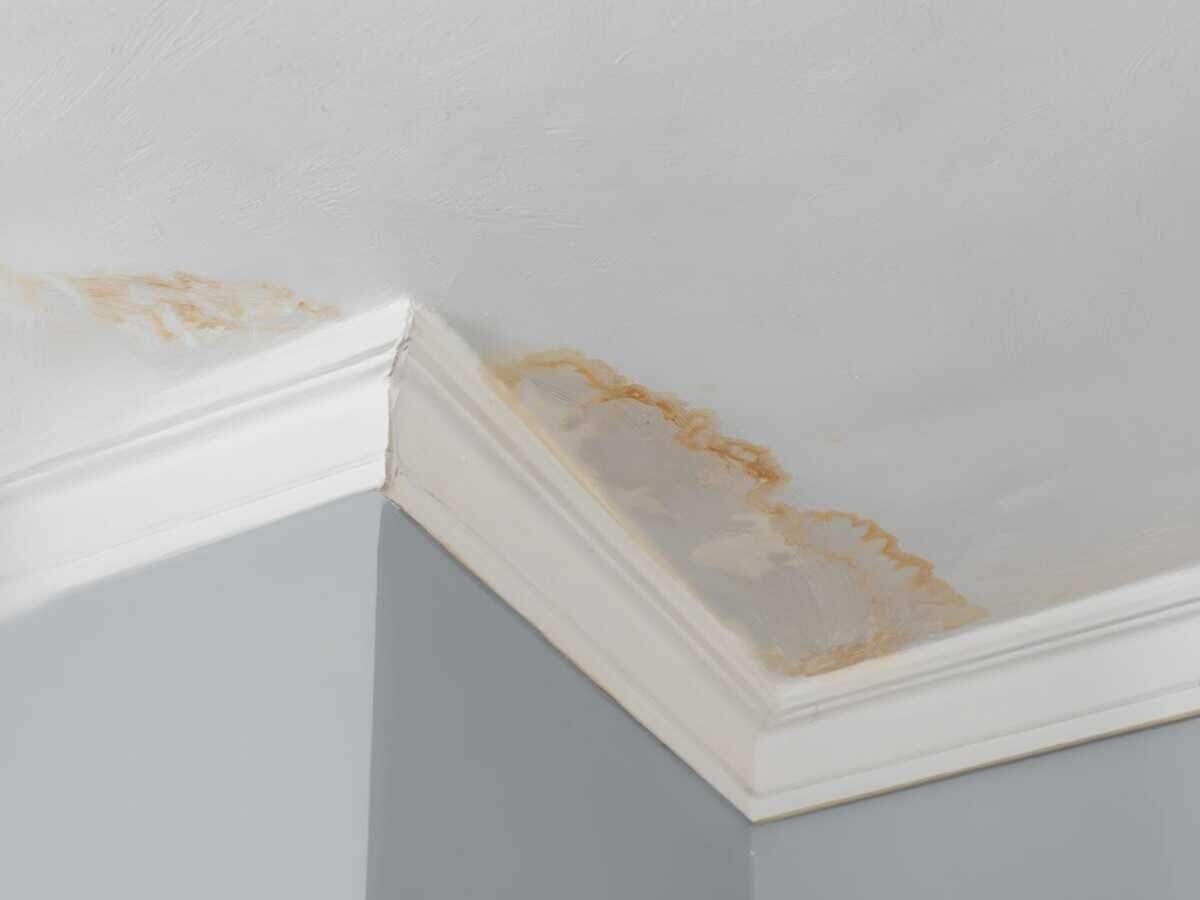
A chase is a closed vertical shaft running from the roof to the first floor. Water inside it does not spread out and announce itself. It wets framing at every level it passes and comes out at the bottom, which is why the stain shows on a first-floor ceiling or at the top of a first-floor wall in a house whose leak is thirty feet above it. The other reason it goes unnoticed is that nobody opens a chase. Between two tenants and two owners, a chimney leak can run for years.

Drying a shaft you cannot walk into

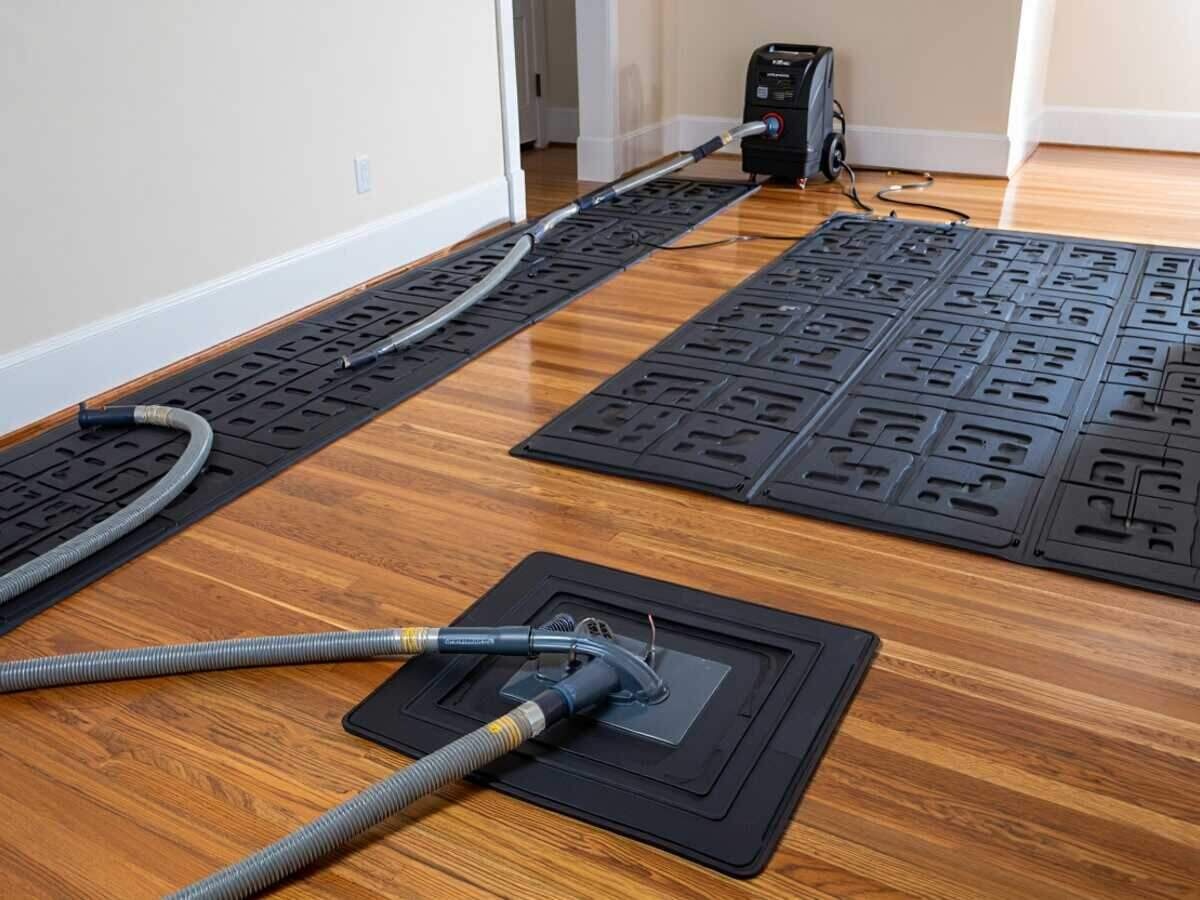
We start with the meter rather than the ceiling. Readings taken up the wall on each floor show how far the water travels and where it is standing, and infrared shows the cool column behind the finish. Then the chase gets opened where it has to be, usually at the top of the run and at the wet floor rather than everywhere in between. Wet insulation and anything holding water comes out, air gets moved through the shaft instead of across the face of the wall, and framing readings get taken daily until they line up with dry wood in the same house. Masonry dries slowly and we plan for that rather than pulling equipment the day the drywall reads dry. A roofer rebuilds the flashing and the crown. We take the inside.

  • Readings taken on every floor the chase passes, before anything is opened
  • The chase opened at the top of the run and at the wet floor, not the whole height
  • Air moved through the shaft rather than across the face of the wall
  • Masonry given the drying days it actually takes, with daily readings behind it
roof water damage repair in San Marcos, TX

A chimney leak is easy to misfile as a plumbing problem, since it surfaces on a ceiling well away from the roof, so we rule out the supply and drain lines above that room before anybody gets on a roof. Call (512) 271-5099 and tell us which floor the stain is on and what the weather was doing before it appeared.

Good to know

Frequently asked questions

We do not even use the fireplace. Can it still be the leak?

An unused chimney leaks more readily, not less. Nothing is drying it from the inside, the crown and the mortar keep weathering, and a capped flue still has flashing where the brick meets the roof. That joint is the usual entry, and the water runs down the brick inside the chase where nobody sees it.

The roof was replaced a few years ago. Should that not have covered this?

Not always. A re-roof commonly reuses existing counterflashing set into the mortar joints, and the crown on top of the stack is masonry work rather than roofing. Whether it should have been included is between you and the roofer. What we can give you is a documented record of where the water went and how long it has been going there.

Do you have to open the wall on every floor?

No, and that is the point of metering first. We open at the top of the wet run and at the level where the water is standing, and leave the middle intact if the readings allow it. Air is then moved through the shaft itself, which dries the length of it without opening the length of it.

The brick inside the house feels damp on the ground floor. What does that mean?

That the water has come the full height and the masonry is holding it. Brick and mortar release moisture slowly, so a damp interior chimney face is usually the last thing to dry and the reason a job like this runs longer than a drywall-only ceiling. We meter it directly rather than judging by touch, and the equipment stays until those numbers come down.

Water damage won't wait

Stain under an old San Marcos chimney?

Call and say which floor the stain is on and how long it has been coming back. We meter the chase on every level, open only where the water is sitting, and dry the framing and the masonry on daily readings before anything is closed up.

Call (512) 271-5099 Available 24/7 · Austin metro