



Mold Removal in San Marcos, TX

A rental sits empty from the end of July to the middle of August, thermostat pushed up to save power, with a slow leak under the kitchen sink. The tenant who signs for it in August is the one who smells it. Call (512) 271-5099.

Call (512) 271-5099 Answered live, 24/7Nights, weekends, holidays
  • We bill your insurer directly
  • IICRC-certified crews
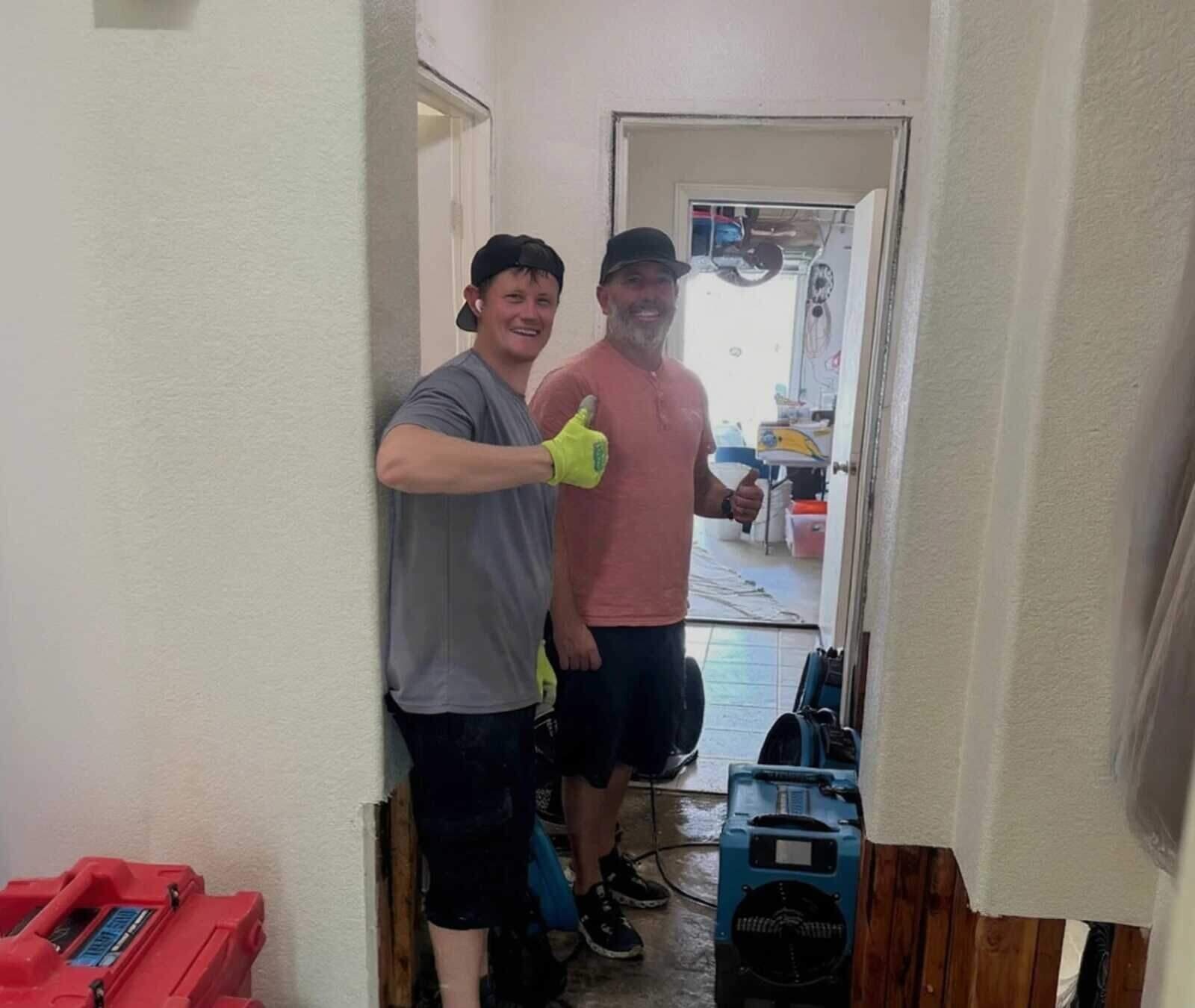
Local water damage crew working in an Austin-area home with air movers and a dehumidifier
Our crew · Austin metro
Why San Marcos homeowners call us

A local crew that shows up and does it right

Dried to a reading Equipment stays until the material meters dry, not until the surface feels dry.
One crew, start to finish The same local crew from the first extraction to the final repair.
No surprise line on the bill Equipment days and demolition are priced before the work happens, not discovered on the invoice.
Local Austin crew Dispatched from the north metro, never routed through an out-of-state call center.
Certified & accredited
IICRC Certified firm Indoor Air Quality Association member Certified and licensed water damage restoration Certified and licensed mold remediation and removal
How it works

Our restoration process

Four steps, starting the moment you call.

1

Call & Dispatch

Tell us what happened. A local crew is dispatched on the call, and how fast we reach you depends on traffic and where you are.

2

Extract & Stabilize

We stop the source, pump out standing water, and set drying equipment.

3

Dry & Monitor

Air movers and dehumidifiers run while we track moisture daily to dry standard.

4

Repair & Reinstall

Drywall, texture, trim, and paint go back so the room reads finished.

Insurance-savvy from the first call

Documented to claim standard from the first hour

We document the loss to claim standard from the moment we arrive — photos, moisture readings by room, and a scope that maps to your policy. Then we bill your insurer directly for the covered work.

See how claims work in Texas

The mold removal work in San Marcos is usually found by somebody who does not own the house. A tenant moving in, a make-ready crew, a parent carrying boxes into a bedroom that smells wrong. The reason is the calendar. Leases here turn over in a narrow window at the end of summer, and a unit that empties in late July can sit closed for two or three weeks with the air conditioning set high, which is the exact condition a small plumbing leak needs to become a remediation job.

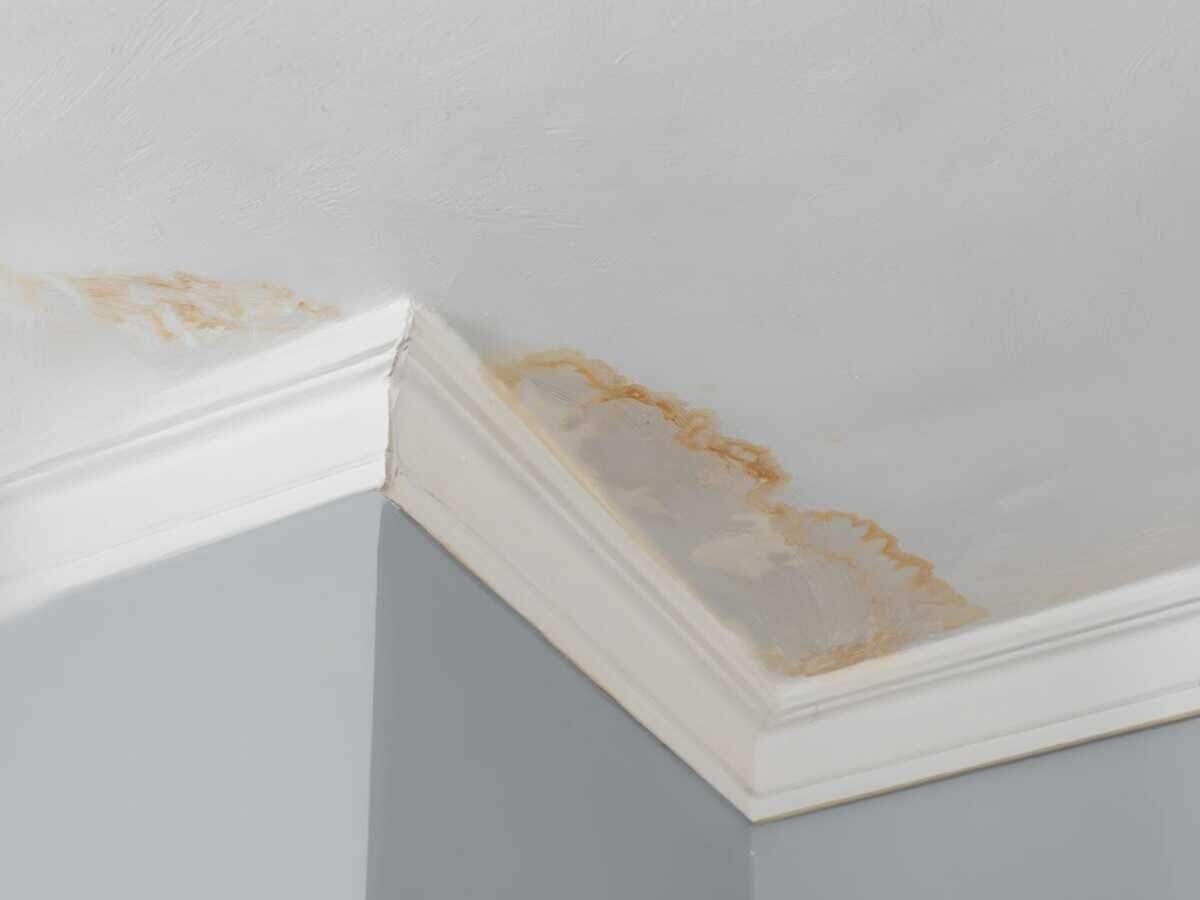
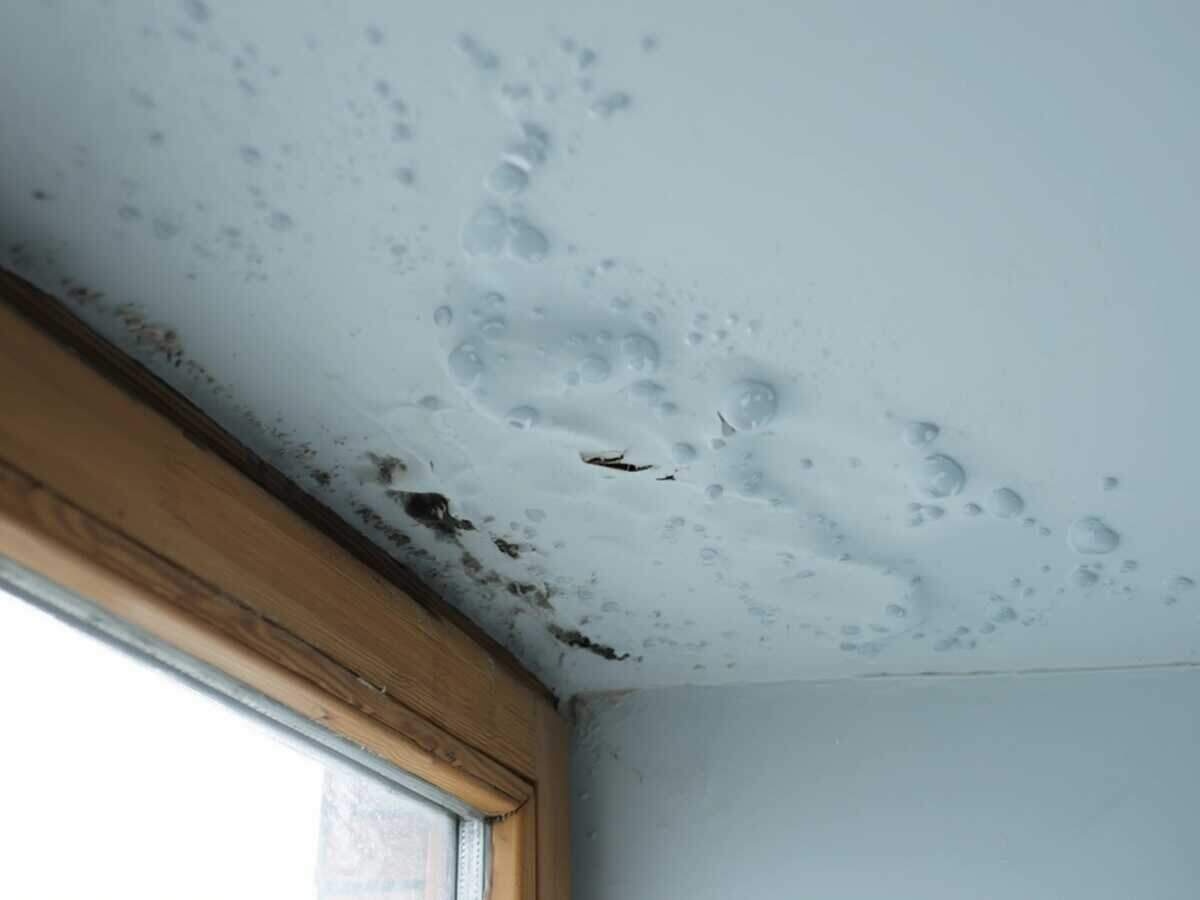
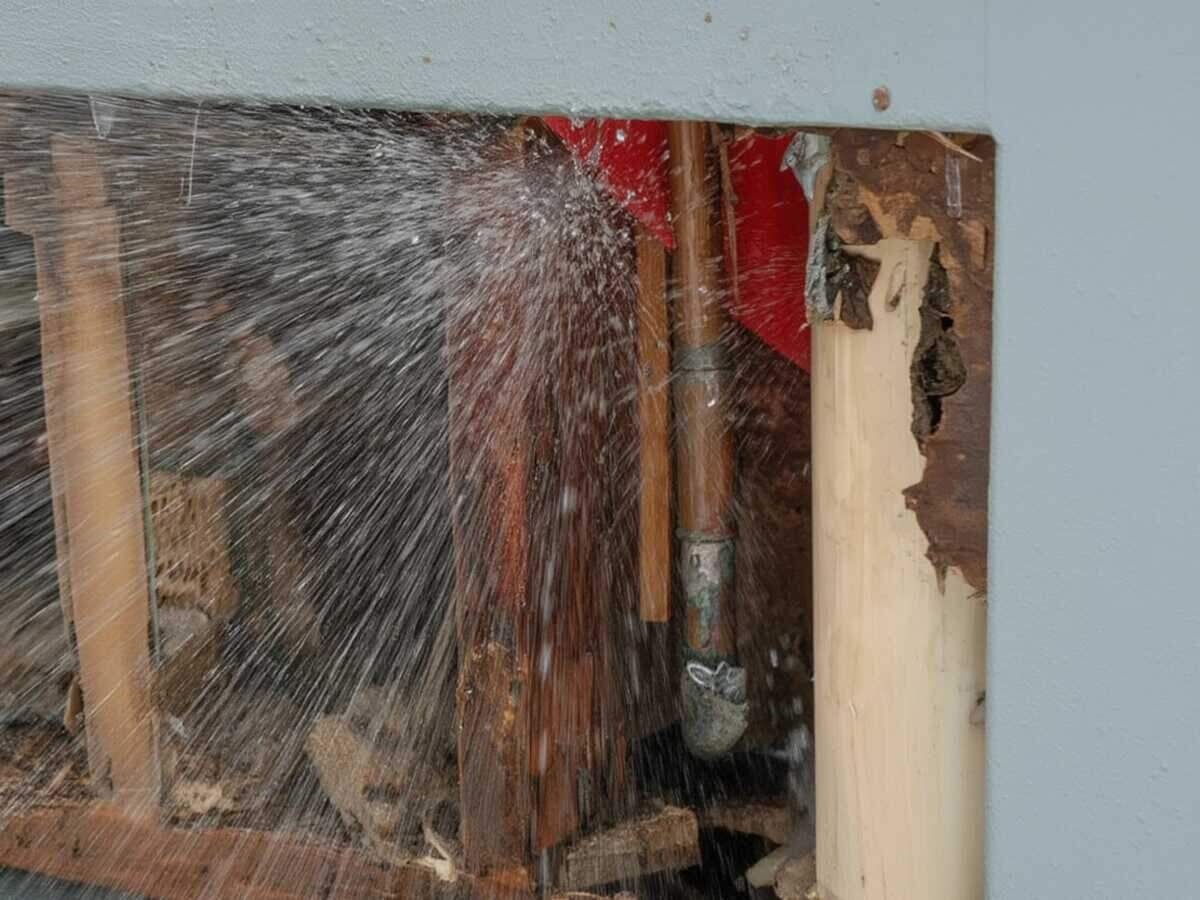
Nothing about the leak has to be dramatic. A supply connection weeping into the cabinet floor under a sink. A tub surround with an open joint that has wet the wall behind it every shower for a year. A drain seeping into the base of a wall and never once showing on the floor. Occupied, somebody notices the smell inside a week. Empty in August, the cabinet bay and the wall cavity stay warm, damp, and undisturbed until the key changes hands, and then the complaint arrives with a move-in date attached to it.

Working to a move-in date

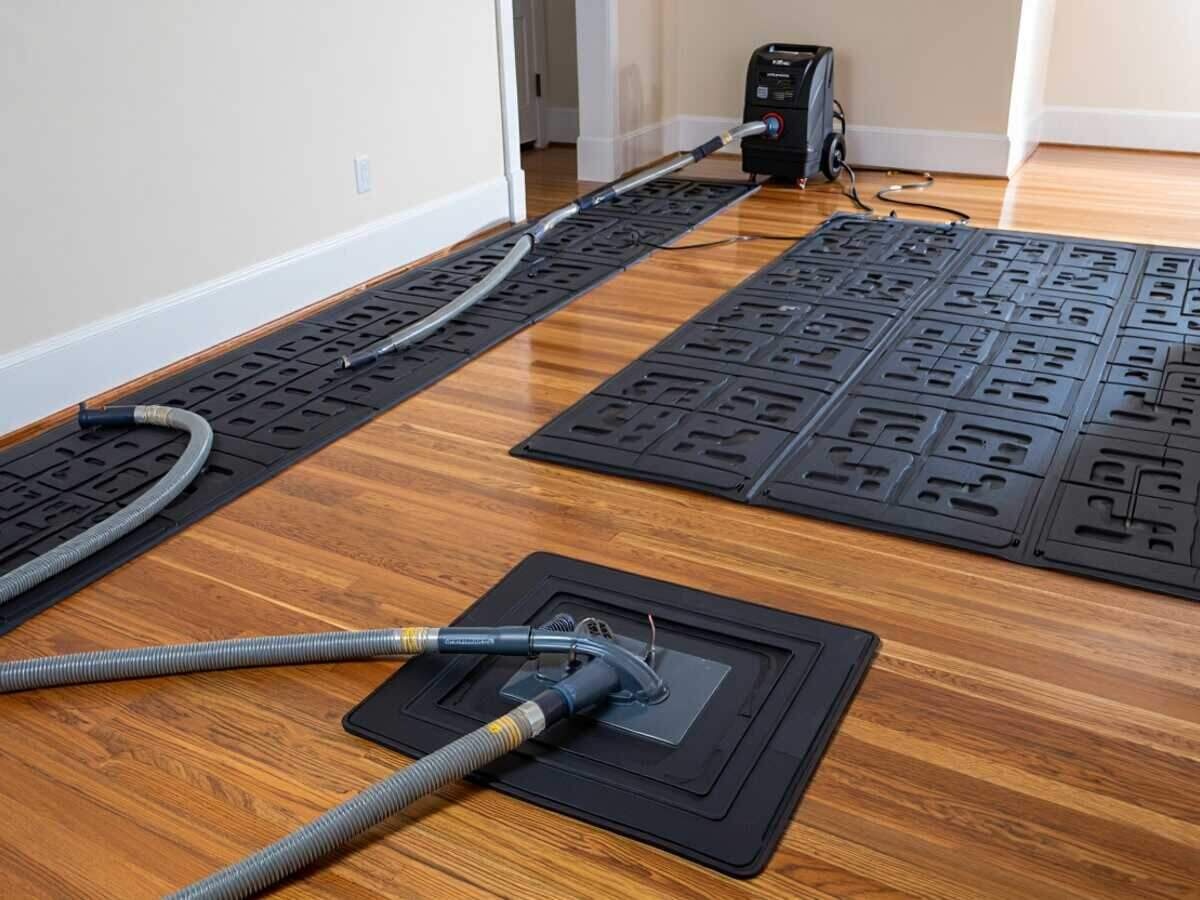
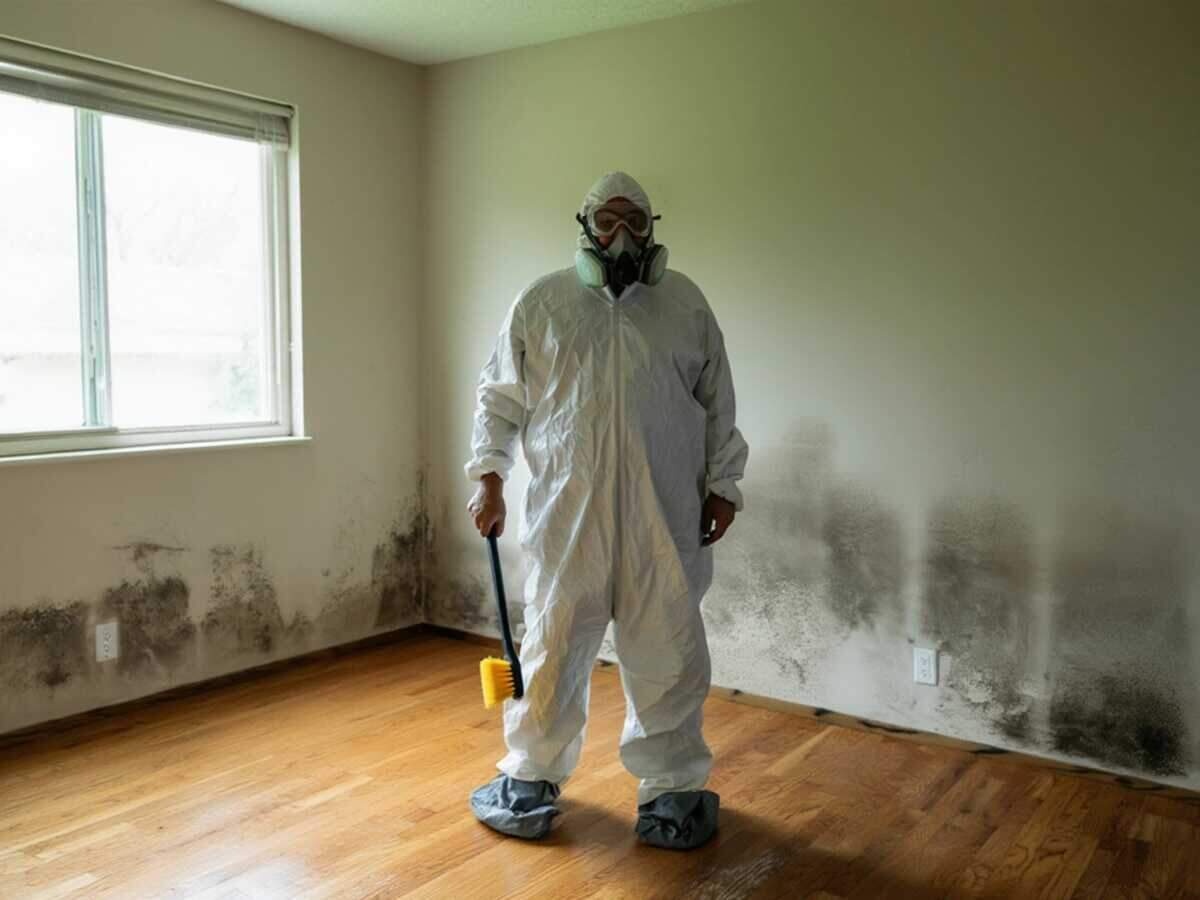
That deadline is real and we schedule against it instead of around it. The first visit sets two numbers: how far the growth actually reaches, which comes off a moisture map rather than the visible patch, and how many days of drying the cavity behind it needs, which is the part nobody can compress. The work then runs to IICRC S520. The room gets sealed in poly, pulled to negative pressure, and scrubbed with HEPA units before anything is cut. Colonized drywall and cabinet material go out in bags through a sealed doorway. Framing that is still solid is vacuumed with a HEPA unit and treated, and the cavity behind it runs air movers and a dehumidifier with a reading logged daily. If the honest answer is that containment cannot come down before the twentieth, you hear that on the first visit, while there is still time to tell a tenant.

  • The affected area measured on the first visit, with the drying days stated up front
  • Poly containment under negative air, HEPA scrubbers running before a blade goes in
  • Colonized drywall and cabinet material bagged out, sound framing vacuumed and treated
  • The wall behind the growth dried and re-read daily, since that is what decides the date
mold removal in San Marcos, TX

A mold removal company that cuts out drywall and leaves without touching what wet it has sold you the same job again next summer. The leak gets repaired, the cavity gets dried, and the growth is treated as part of the water loss it came from, which is usually how it goes on the claim. Coverage is your carrier's decision, not ours. Call (512) 271-5099 and start with what the room smells like and what sits on the other side of that wall.

Good to know

Frequently asked questions

The unit has to be ready for a move-in. How fast can this be done?

Removal is usually the short part, often a day for a bathroom or a cabinet wall. Drying the cavity behind it is the part with a floor under it, and it answers to readings rather than to a calendar. We give you the realistic date on the first visit, and if it lands past the move-in we say so then, when there is still time to work something out with the tenant.

I rent here. Does my renter's policy cover any of this?

A renter's policy covers your belongings, not the building, so the drywall, the cabinet, and the drying sit with the owner and their policy. If your things were damaged, photograph them separately and file on your own policy for those. We keep one set of photos and readings and give a copy to whoever needs it.

The cabinet floor under the sink is swollen and black at the back. Is that mold or water damage?

Both, usually. Particleboard swells the moment it gets wet and never comes back, and the dark staining at the back is where the water sat longest. What matters more is the wall behind it. That cabinet has been wicking into the base of the drywall and the bottom plate, and that is the part we meter before deciding what comes out.

What happens if you open the wall and there is more than expected?

You hear about it the same hour, with photos. The moisture map usually predicts it, which is why we map before we cut, but water follows framing in ways a map cannot always see. If the scope grows we stop, show you the readings and what they mean for the schedule, and get an answer before the work continues.

Water damage won't wait

Musty San Marcos rental with a lease starting?

Call with the unit address, what it smells like, and the date somebody is supposed to move in. The first visit sets the affected area and the drying days, so you get the real schedule before the containment goes up rather than after.

Call (512) 271-5099 Available 24/7 · Austin metro