



Water Removal & Extraction in Buda, TX

A ruptured tank in a Buda garage runs out the door and down the driveway, which is why people think they got lucky. The gallons that went the other way, under the door into the hall, are the ones still in the wall on Thursday.

Call (512) 271-5099 Answered live, 24/7Nights, weekends, holidays
  • We bill your insurer directly
  • IICRC-certified crews
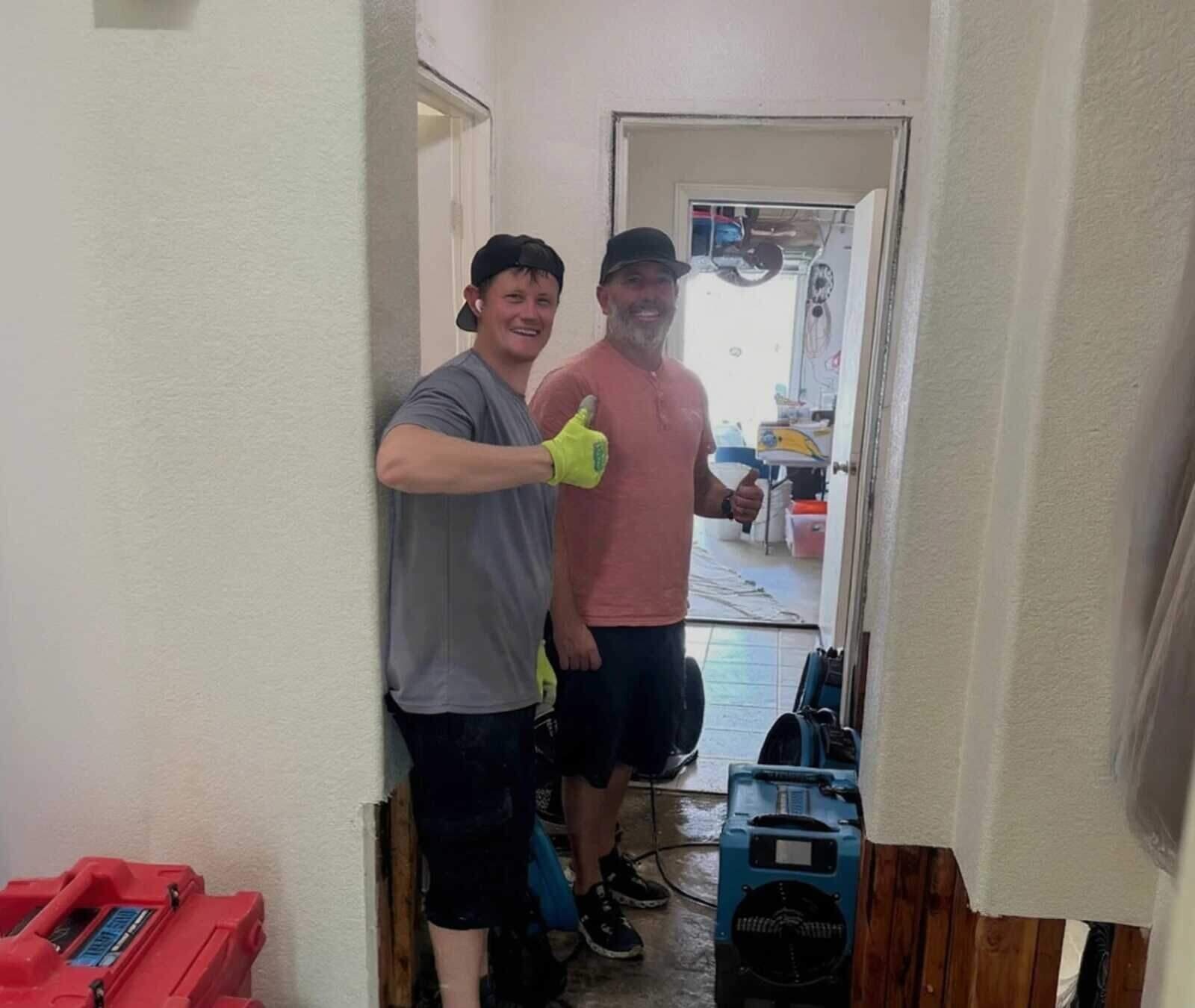
Local water damage crew working in an Austin-area home with air movers and a dehumidifier
Our crew · Austin metro
Why Buda homeowners call us

A local crew that shows up and does it right

Dried to a reading Equipment stays until the material meters dry, not until the surface feels dry.
One crew, start to finish The same local crew from the first extraction to the final repair.
No surprise line on the bill Equipment days and demolition are priced before the work happens, not discovered on the invoice.
Local Austin crew Dispatched from the north metro, never routed through an out-of-state call center.
Certified & accredited
IICRC Certified firm Indoor Air Quality Association member Certified and licensed water damage restoration Certified and licensed mold remediation and removal
How it works

Our restoration process

Four steps, starting the moment you call.

1

Call & Dispatch

Tell us what happened. A local crew is dispatched on the call, and how fast we reach you depends on traffic and where you are.

2

Extract & Stabilize

We stop the source, pump out standing water, and set drying equipment.

3

Dry & Monitor

Air movers and dehumidifiers run while we track moisture daily to dry standard.

4

Repair & Reinstall

Drywall, texture, trim, and paint go back so the room reads finished.

Insurance-savvy from the first call

Documented to claim standard from the first hour

We document the loss to claim standard from the moment we arrive — photos, moisture readings by room, and a scope that maps to your policy. Then we bill your insurer directly for the covered work.

See how claims work in Texas

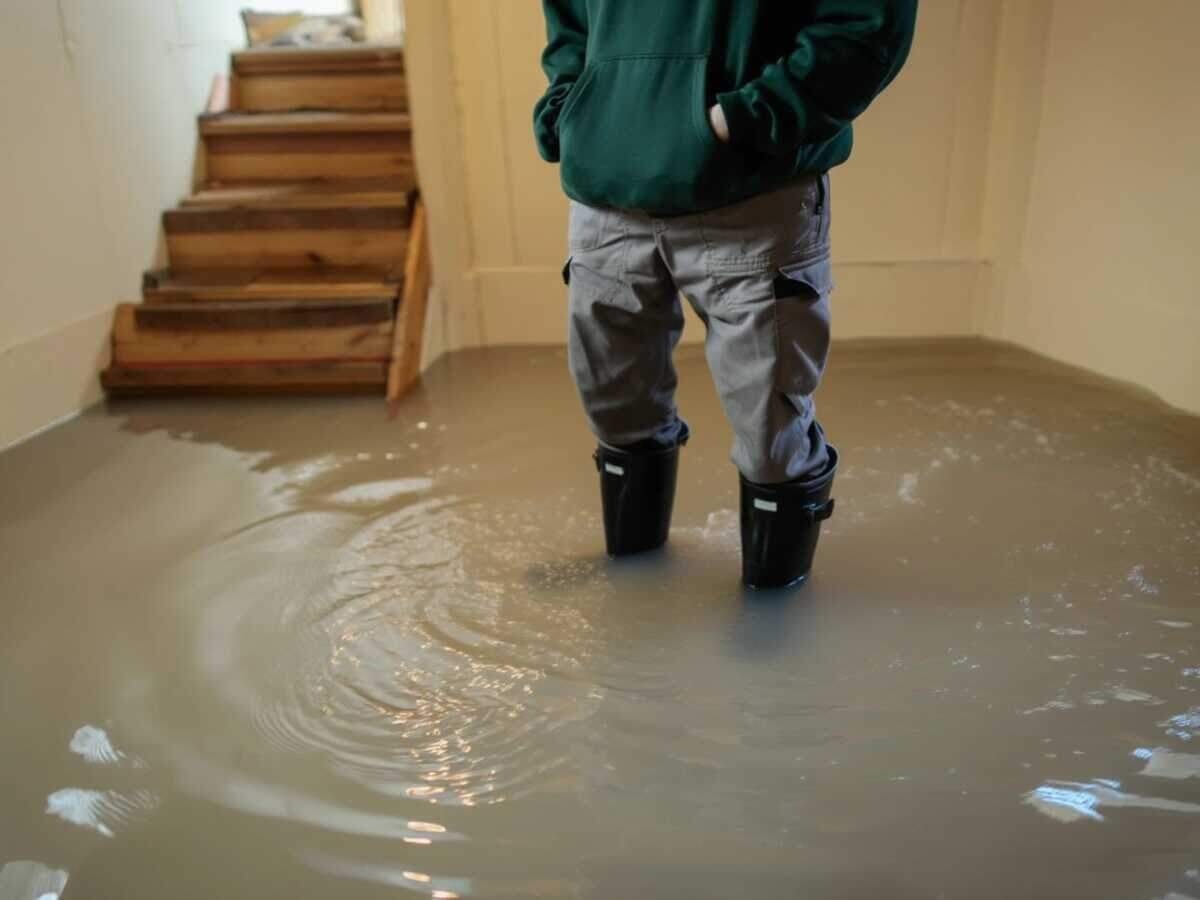
Water removal after a garage water heater failure is mostly about the water you did not see leave. A garage slab is poured low and pitched toward the door, so most of a ruptured tank drains itself down the driveway and the floor is dry before anyone gets home. The gallons that went the other way crossed the step into the house, ran flat under the hall tile, and are sitting in the bottom of the drywall and under the flooring in whatever rooms that hallway serves.

Extraction on a slab is a mapping job before it is a pumping job. There is nowhere for water to collect, so what remains after the surface dries is spread through materials: pad, plank seams, grout, cabinet toe kicks, and the paper facing of the drywall at the wall base. Pulling that back out on the same visit is what keeps a two-room dry-out from turning into a flooring and drywall replacement.

The part of the extraction nobody watches

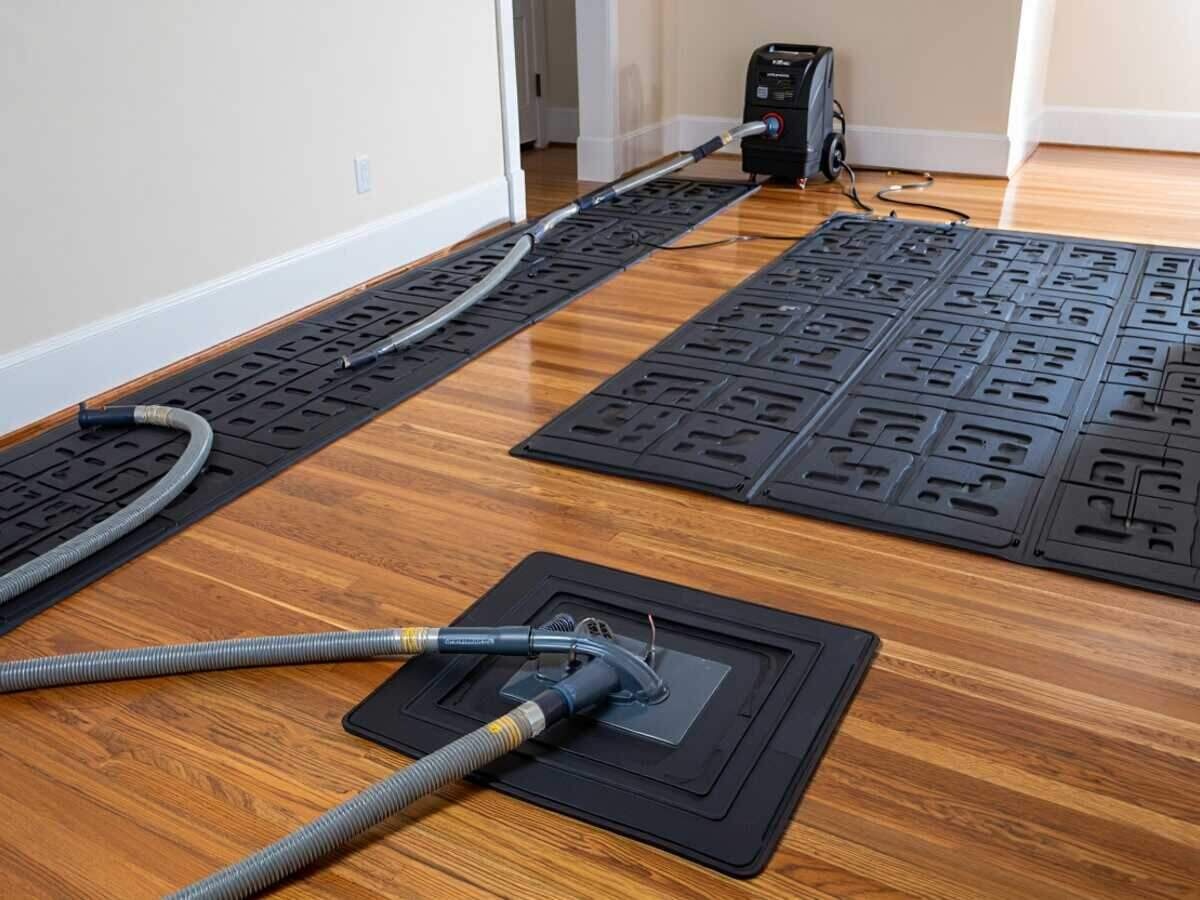
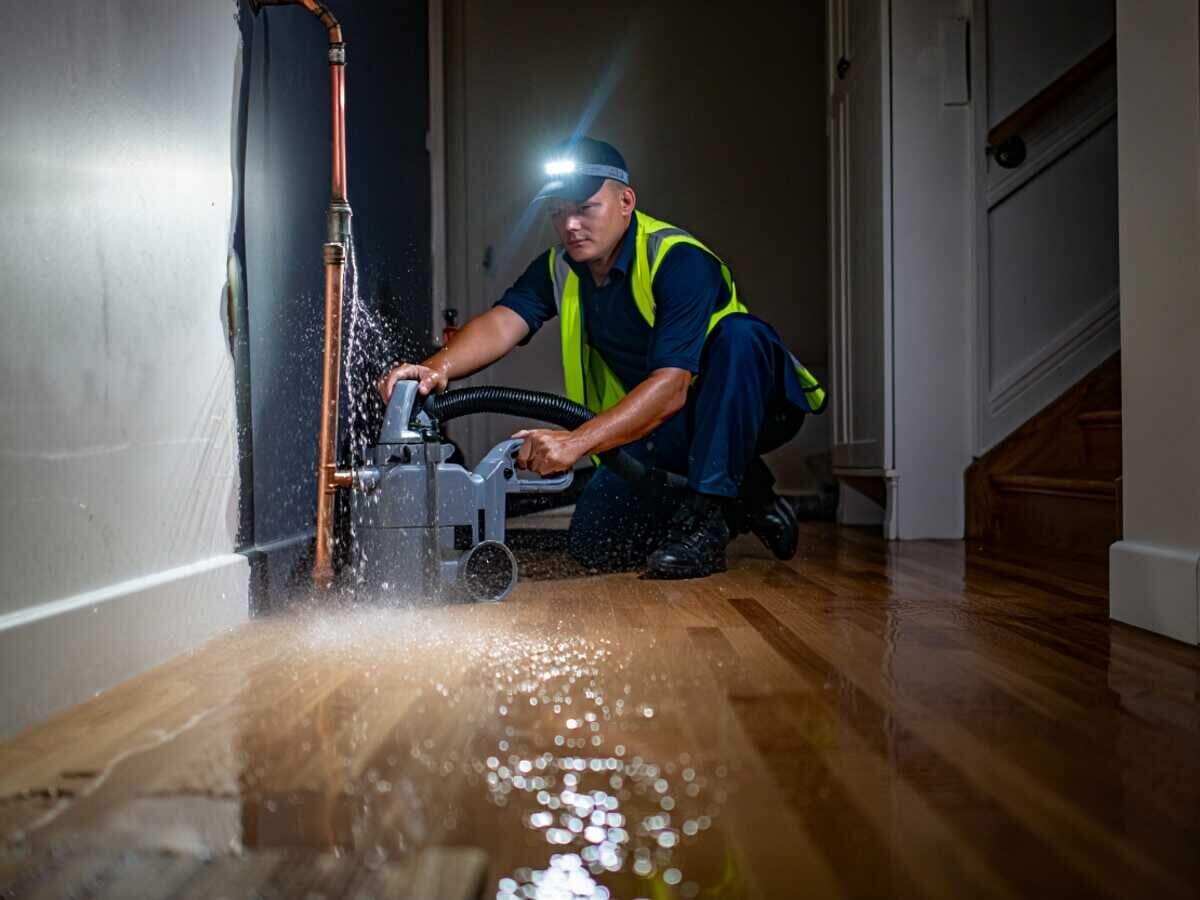
The standing water is twenty minutes. After that we work the materials: weighted passes on carpet, a portable extractor along the wall base, drying panels on hard surfaces where water sits under a bonded floor, and a wand into the void behind a cabinet kick. A thermal camera tells us where the wet field ends so we are not guessing at the edge, and the readings from that first pass become the baseline every later reading is measured against. Then drying equipment goes in, sized to the rooms rather than to what happened to be on the truck.

  • The wet field mapped with a camera before any equipment is placed
  • Weighted carpet passes, wall-base extraction, and cabinet kick voids drawn out
  • Drying panels where water is trapped under bonded hard flooring
  • A baseline reading set on the first visit, then compared daily until it holds
water removal in Buda, TX

The difference between a two-room dry-out and a flooring replacement usually gets decided in the first day, not by how much water there was to begin with. Call (512) 271-5099 and say what failed and how far the water got. That is enough for us to know what to load for the drive down.
Good to know

Frequently asked questions

The garage floor dried on its own. Is that the end of it?

Only for the garage. That floor drains to the door by design, so what you can see takes care of itself, while the part that crossed the step into the house has nowhere to go. We read the hall wall base, the rooms off it, and the slab under the flooring. If those come back dry you are done, and it is a short visit.

How do you get water out from under tile that is still stuck down?

Water under a bonded floor cannot evaporate through it. On tile we can sometimes pull it up through the grout and mortar bed with drying panels and a vacuum, and where that will not reach, a few tiles come up at the edge so air can get to the substrate. We read it before promising either one. What we will not do is run air movers over a sealed floor for a week and call it dry.

It has been three days already. Is extraction still worth doing?

Usually yes, because materials hold water long after a surface looks normal, A gallon lifted with the wand today is a gallon no dehumidifier has to pull back out of the air across the rest of the week. What changes at three days is what can be saved rather than whether the water comes out. Pad and some finishes that would have survived on day one may come out instead.

The wall behind the heater is soaked. Does that whole wall come out?

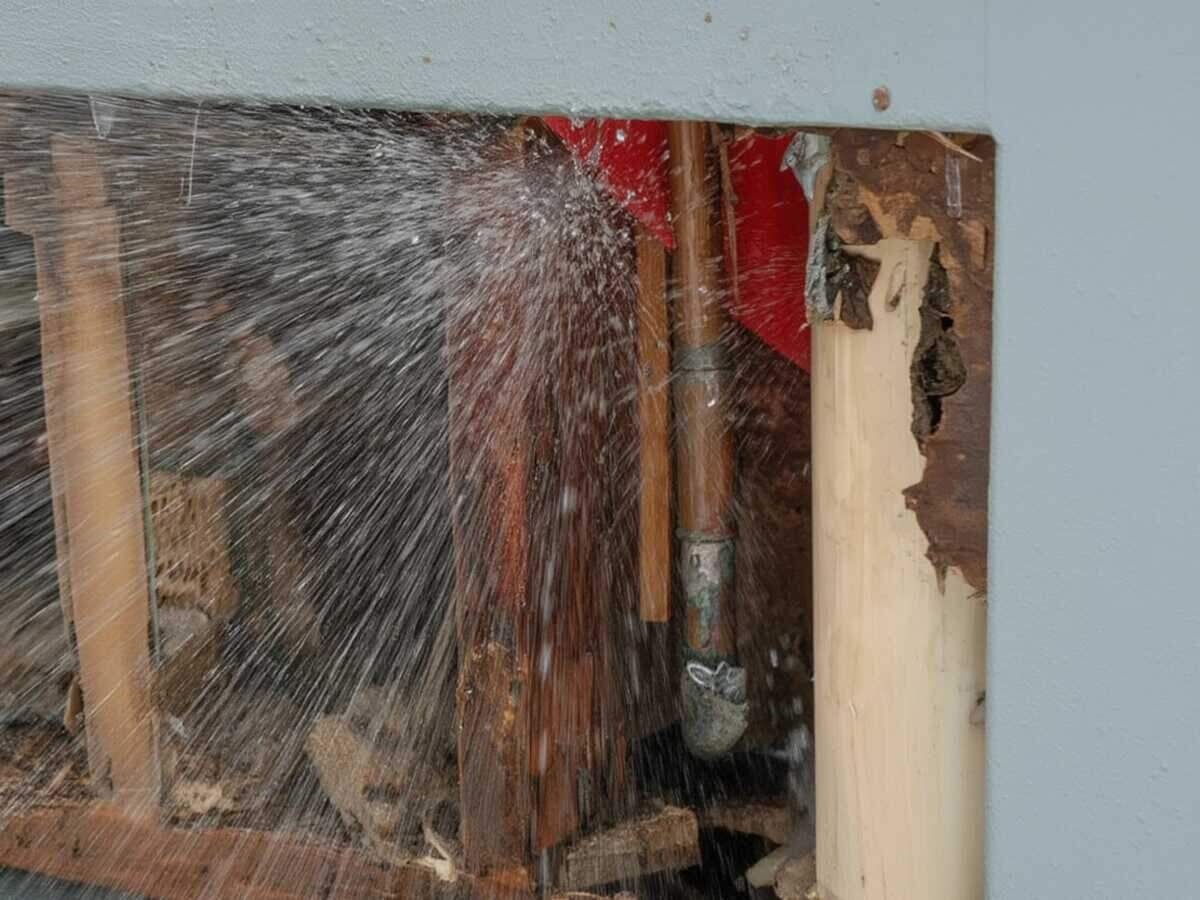
Usually a band at the bottom. Drywall wicks upward from the plate, so the wet stops at a line a meter can find, and the cut follows that line rather than the whole sheet. In a closet, taking out the lower two feet reaches the plate, the batt, and the cavity air we need. What forces more is insulation soaked high up, or water that arrived from above rather than below.

Water damage won't wait

The Buda garage dried itself. The hallway did not.

If a tank let go and you only mopped the garage, the water that crossed into the house is still working. We map the wet field, pull what the pad, the plank seams, and the wall base are holding, and set drying on the same visit. Documented from the first photograph for your claim.

Call (512) 271-5099 Available 24/7 · Austin metro