



Ceiling Water Damage Repair in Buda, TX

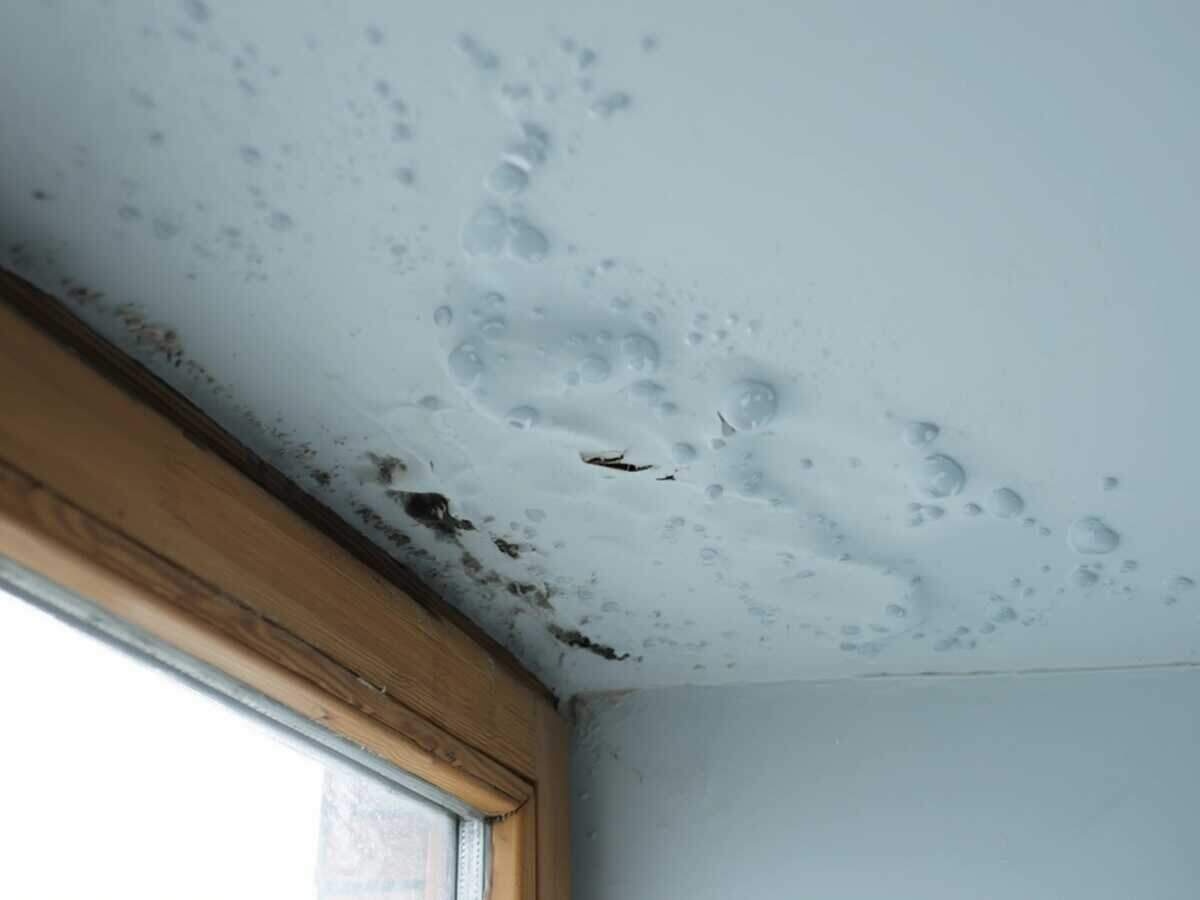
The first sign was not a stain. It was water running out of a recessed light over the kitchen while the light was on. In a two-story Buda plan a can light is a hole in the ceiling, and water finds it before it finds a seam.

Call (512) 271-5099 Answered live, 24/7Nights, weekends, holidays
  • We bill your insurer directly
  • IICRC-certified crews
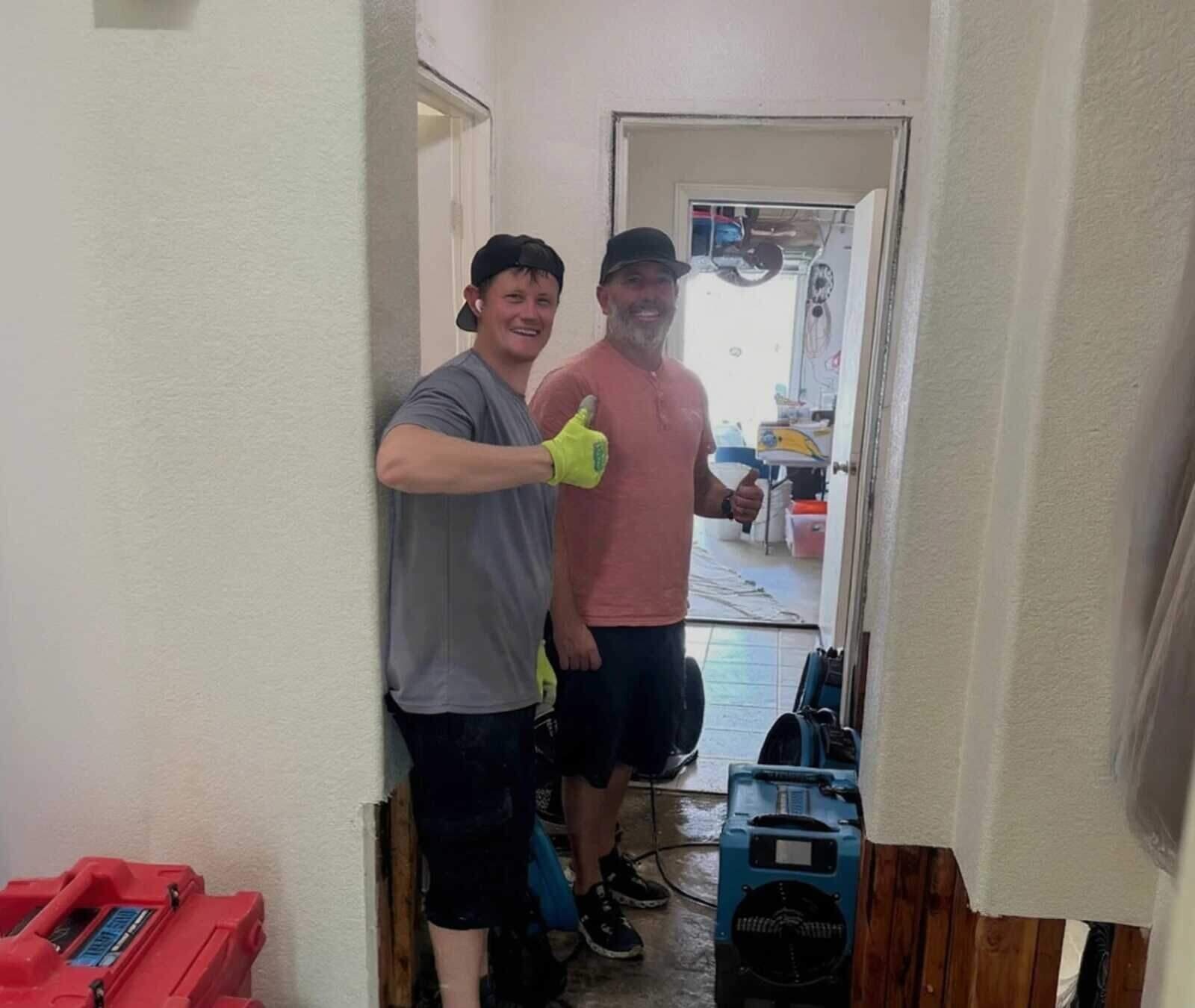
Local water damage crew working in an Austin-area home with air movers and a dehumidifier
Our crew · Austin metro
Why Buda homeowners call us

A local crew that shows up and does it right

Dried to a reading Equipment stays until the material meters dry, not until the surface feels dry.
One crew, start to finish The same local crew from the first extraction to the final repair.
No surprise line on the bill Equipment days and demolition are priced before the work happens, not discovered on the invoice.
Local Austin crew Dispatched from the north metro, never routed through an out-of-state call center.
Certified & accredited
IICRC Certified firm Indoor Air Quality Association member Certified and licensed water damage restoration Certified and licensed mold remediation and removal
How it works

Our restoration process

Four steps, starting the moment you call.

1

Call & Dispatch

Tell us what happened. A local crew is dispatched on the call, and how fast we reach you depends on traffic and where you are.

2

Extract & Stabilize

We stop the source, pump out standing water, and set drying equipment.

3

Dry & Monitor

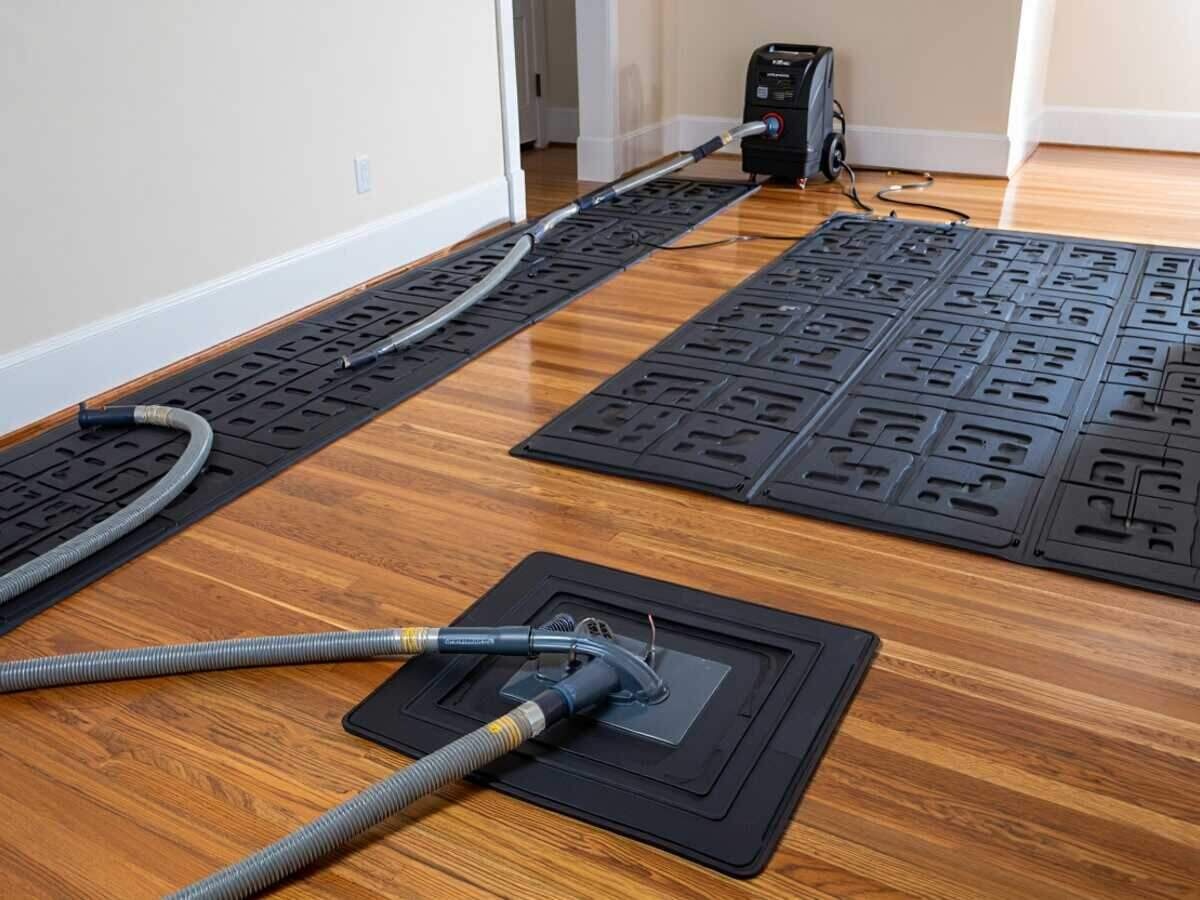
Air movers and dehumidifiers run while we track moisture daily to dry standard.

4

Repair & Reinstall

Drywall, texture, trim, and paint go back so the room reads finished.

Insurance-savvy from the first call

Documented to claim standard from the first hour

We document the loss to claim standard from the moment we arrive — photos, moisture readings by room, and a scope that maps to your policy. Then we bill your insurer directly for the covered work.

See how claims work in Texas

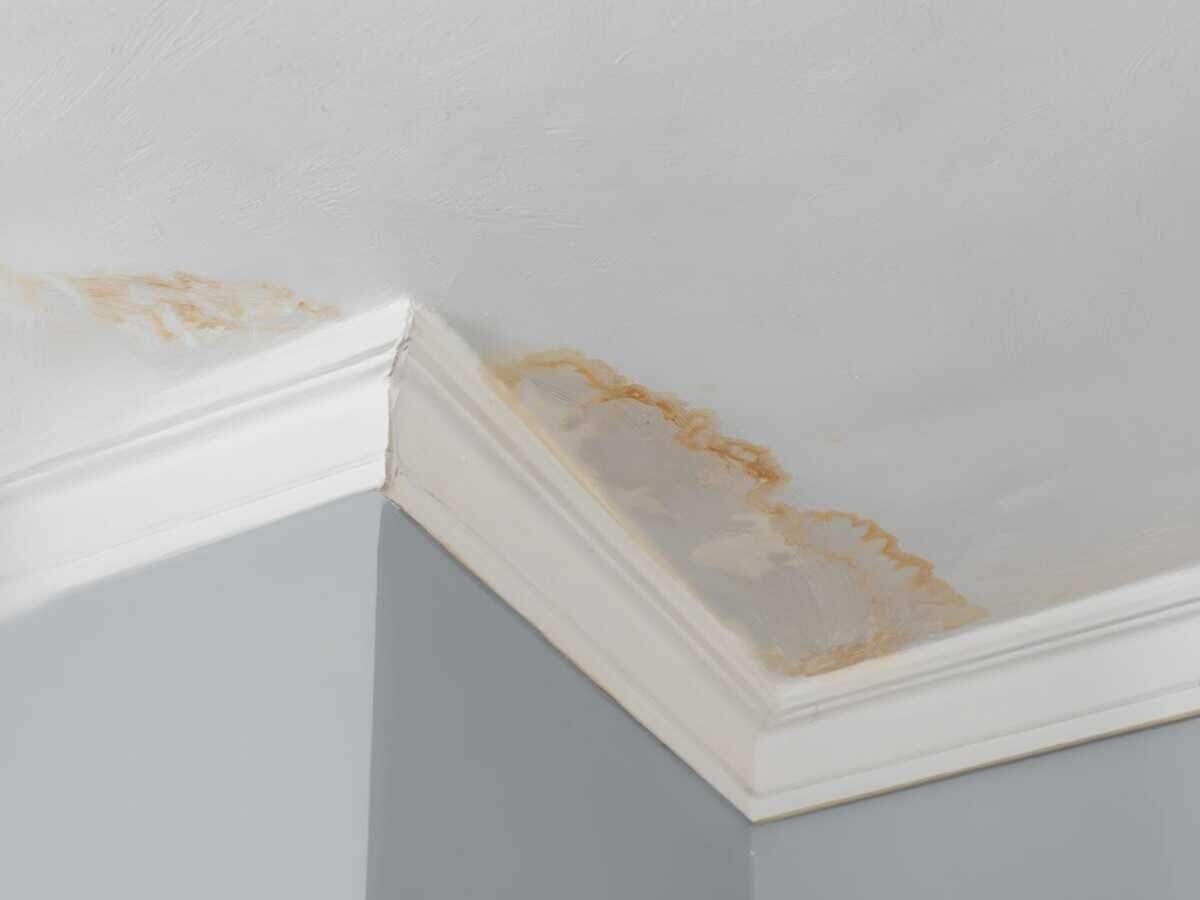
Ceiling water damage repair starts at the breaker panel when a light fixture is involved. A recessed can is an opening in the drywall with a metal housing sitting in it, so water spreading across the top of a ceiling reaches that opening before it soaks through anything else, and it meets wiring and a socket on the way. Kill the circuit at the panel, leave the wall switch alone, and stay out from under it. That is the whole of what a homeowner should do first.

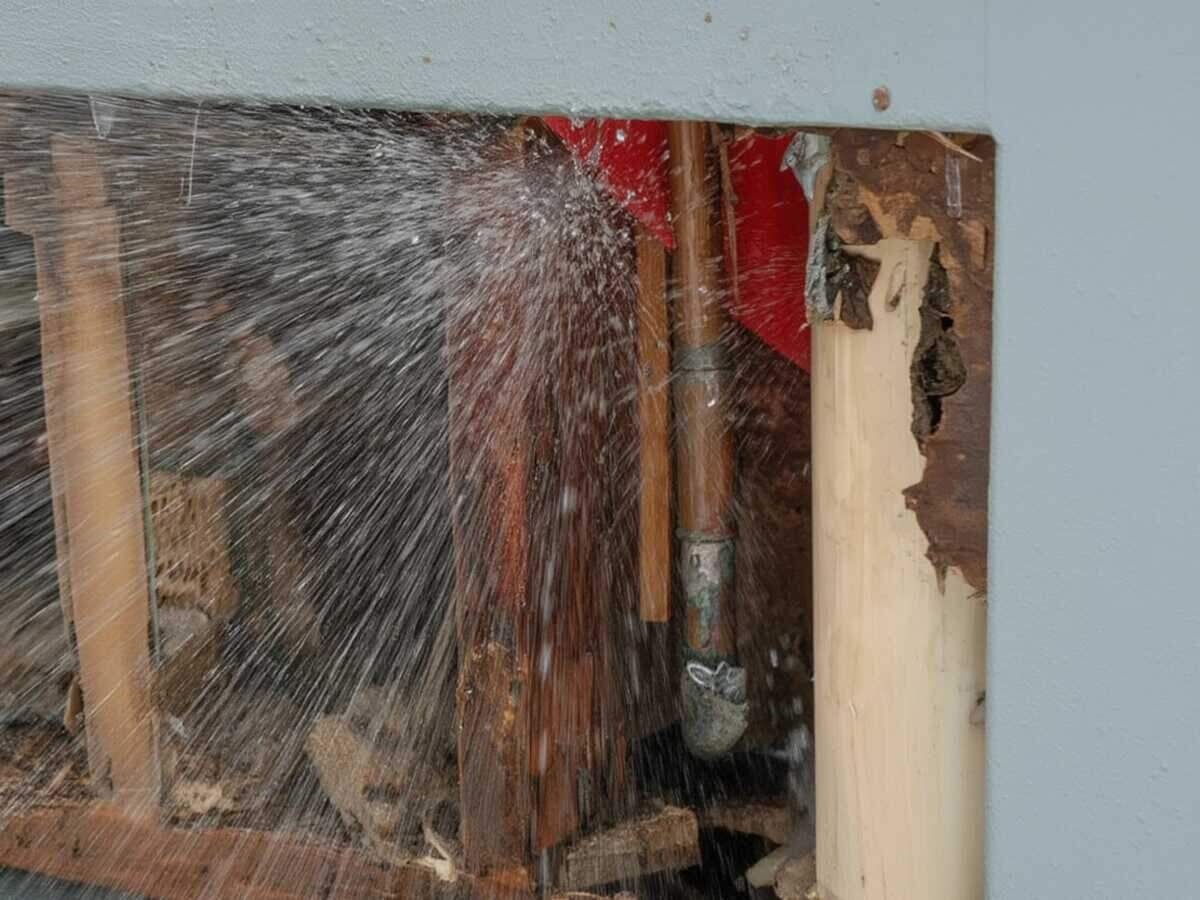
What put it there is usually a room above: a supply line at an upstairs vanity, a shower pan or a grout line that has been passing water for months, a toilet flange that seeps a little at every flush. In the two-story plans through Sunfield, Garlic Creek, and Whispering Hollow those rooms sit over the kitchen and the family room, which is exactly where the can lights are. The fixture is not the problem. It is just the first door the water found.

Breaker first, then the ceiling

We confirm the circuit is dead before anything else, then use the housing we already have as an access point. The trim comes off and a camera goes up through the opening, which often shows the wet run and the source without a single cut. From there it is the ordinary work: loaded areas relieved in a controlled way, insulation that took water removed, the bay dried with air pushed into it, then the ceiling rebuilt and sealed. The fixture itself gets replaced rather than dried, and anything past the fixture is an electrician's call.

  • The circuit confirmed dead before any inspection or cutting
  • The light housing used as a camera access point, so fewer holes get cut
  • Wet insulation out, the ceiling bay dried and read daily
  • Soaked fixtures replaced rather than dried, and wiring damage referred to an electrician
ceiling water damage repair in Buda, TX

A ceiling that has taken water more than once, which is common where a shower pan has been passing it slowly, gets a mold check while the bay is open rather than after the paint is on. Call (512) 271-5099 if a fixture is dripping right now, and turn the breaker off before you go looking for a bucket.


Good to know

Frequently asked questions

Water came out of a ceiling light. What do I do in the next five minutes?

Turn that circuit off at the breaker panel, not at the wall switch, and leave it off. Do not put a ladder under a wet ceiling to look. Move furniture out from under the area, put a bucket down if it is dripping in one spot, and call. Once we know the circuit is dead we can pull the trim and look up through the housing safely.

Can you find where it is coming from without cutting the ceiling?

Often, and the light fixture is the reason. Pulling the trim leaves an opening straight into the ceiling bay, so a camera and a meter go up through it and we can usually follow the wet back to a pan, a drain, or a supply fitting above. When that is not enough we cut, but one small access hole in the right place beats an exploratory cut in the wrong one.

Does the light fixture have to be replaced?

If water ran through the housing, yes. A can that has been soaked can look dry on the outside and still have corroded contacts or a wet driver in an LED unit, and that is not a risk worth carrying to save the price of a fixture. We replace like for like as part of the ceiling rebuild and note it on the scope. Damage beyond the fixture goes to a licensed electrician.

The bay above has been wet a while. Is that a mold problem now?

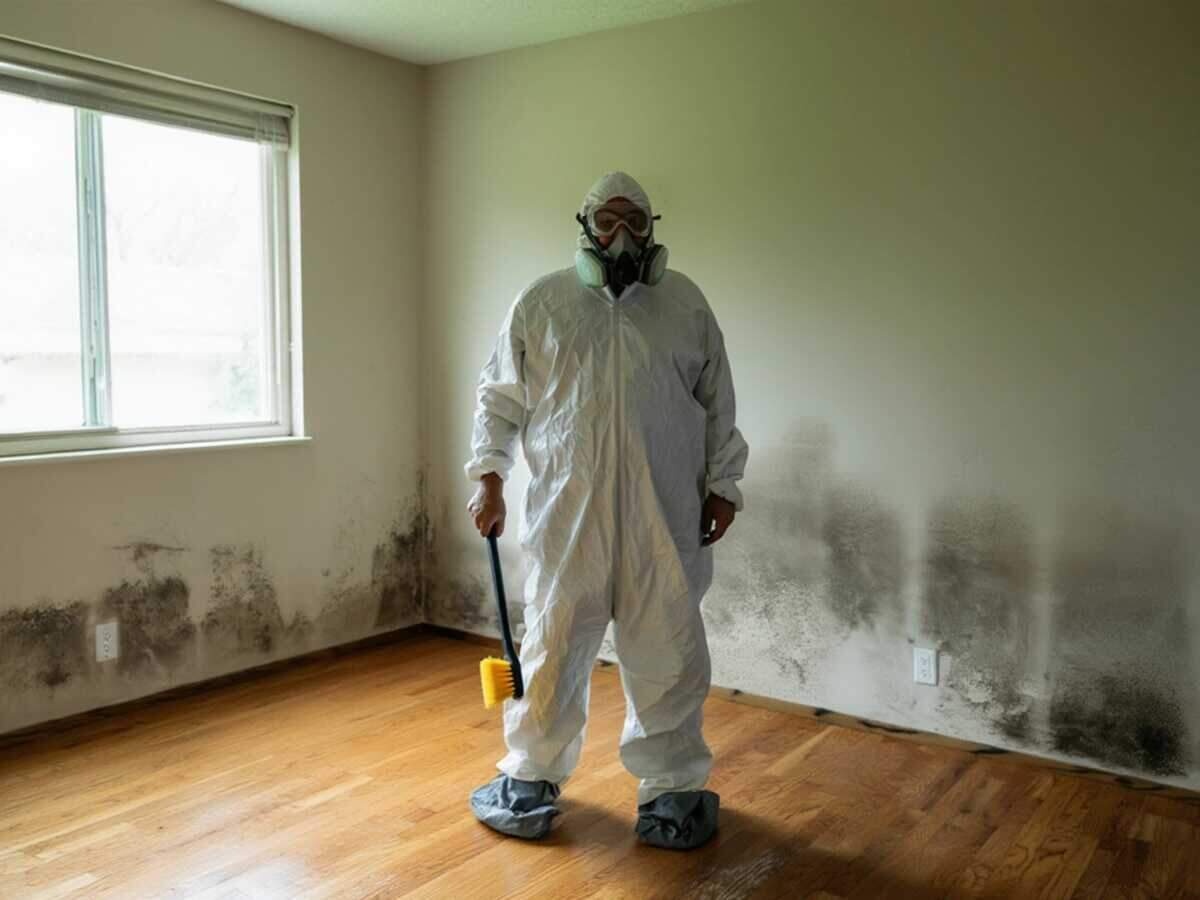
It can be, and it is worth knowing before the ceiling closes. A slow pan or grout leak keeps a bay damp for months, which is a different situation from a burst that soaked it yesterday, so while the ceiling is open we look at the joist faces and the top of the drywall and read the framing. If there is growth it gets handled under containment as part of the same job.

Water damage won't wait

Water out of a light fixture is an electrical problem first.

Kill that circuit at the panel, keep everyone out from under the ceiling, and call. We trace the source through the housing before cutting anything, dry the bay on daily readings, and rebuild the ceiling. Calls are taken through the night.

Call (512) 271-5099 Available 24/7 · Austin metro