



Water Removal in Leander, TX

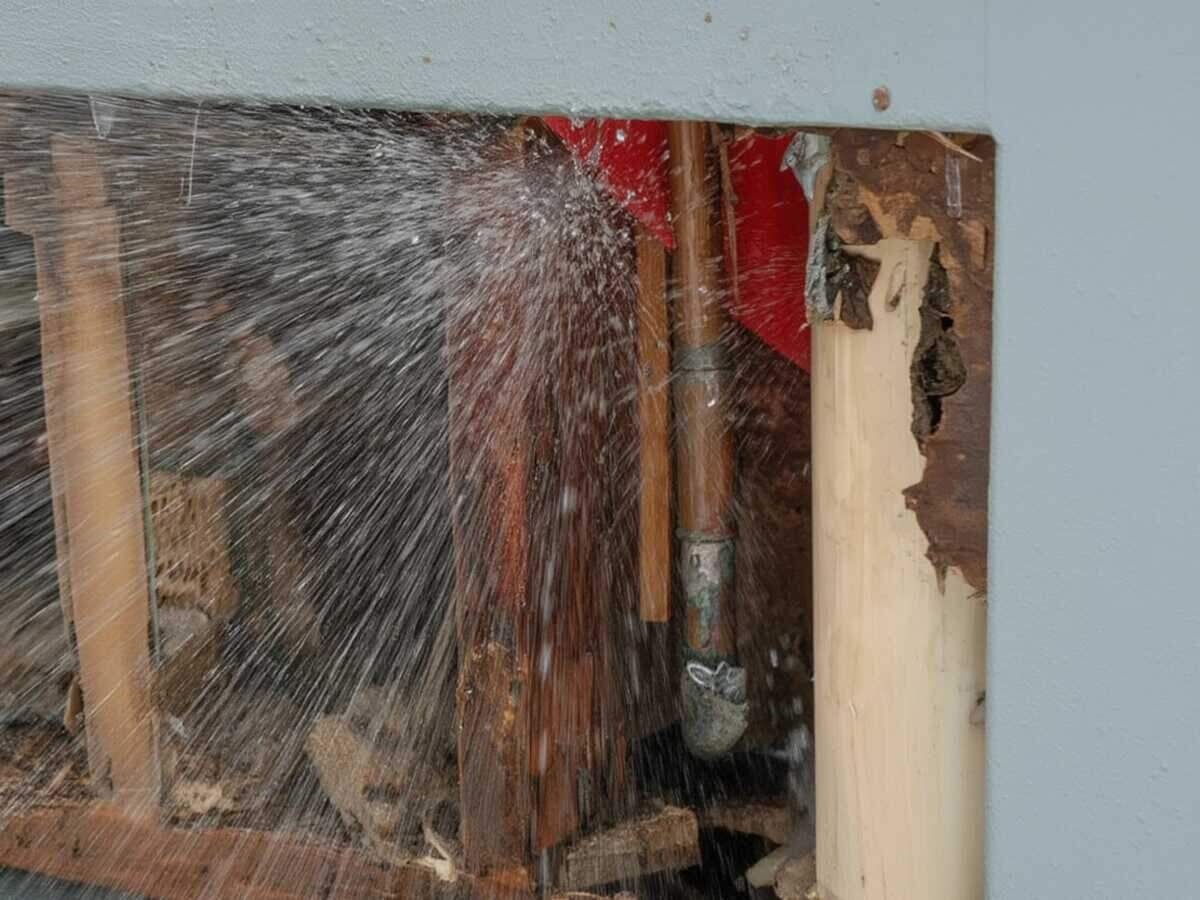
A supply line that lets go is not a drip, it is an open tap at street pressure, and in a Leander house it can run for hours behind a wall while nobody is home. We pull that water back out. Call (512) 271-5099.

Call (512) 271-5099 Answered live, 24/7Nights, weekends, holidays
  • We bill your insurer directly
  • IICRC-certified crews
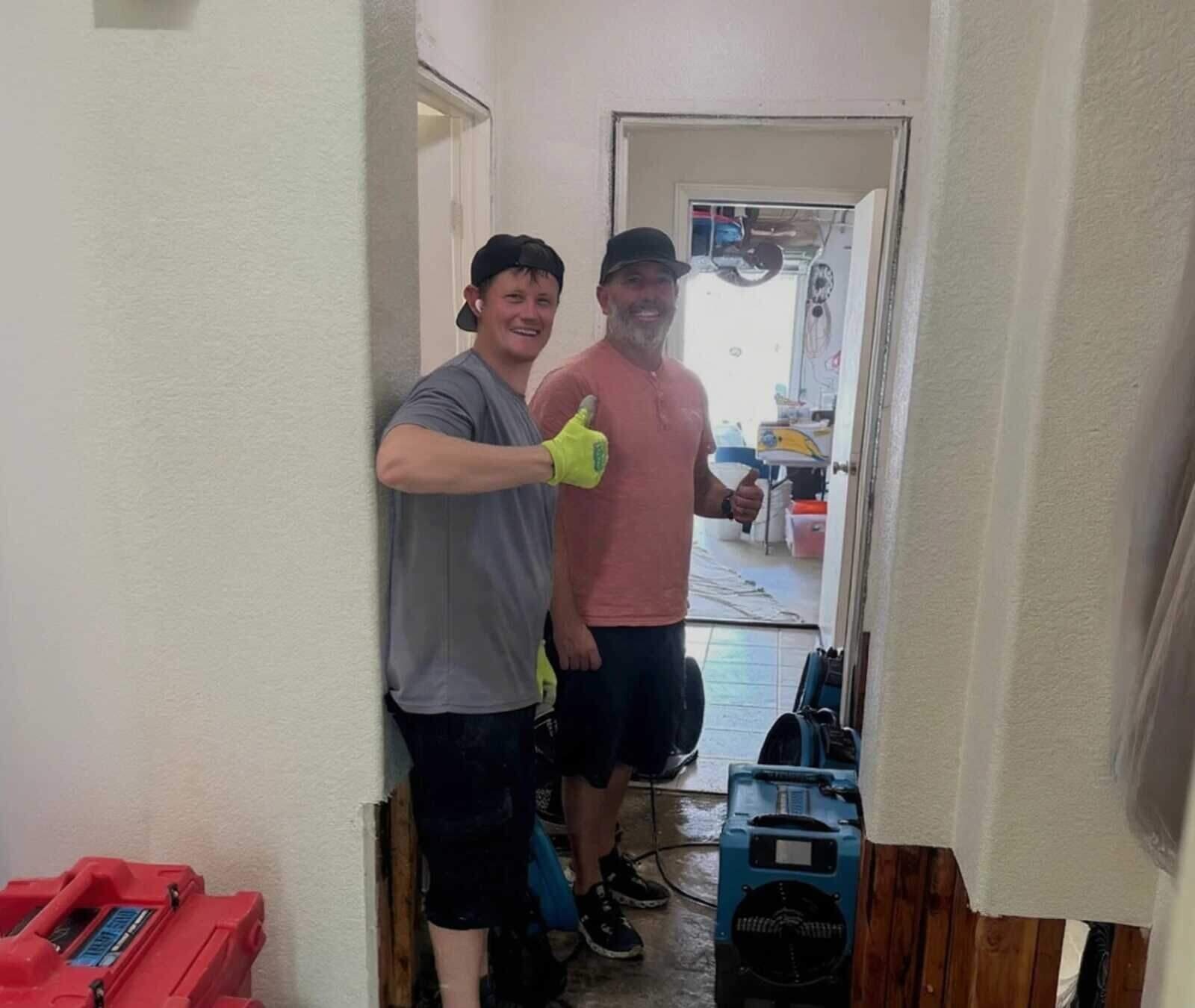
Local water damage crew working in an Austin-area home with air movers and a dehumidifier
Our crew · Austin metro
Why Leander homeowners call us

A local crew that shows up and does it right

Dried to a reading Equipment stays until the material meters dry, not until the surface feels dry.
One crew, start to finish The same local crew from the first extraction to the final repair.
No surprise line on the bill Equipment days and demolition are priced before the work happens, not discovered on the invoice.
Local Austin crew Dispatched from the north metro, never routed through an out-of-state call center.
Certified & accredited
IICRC Certified firm Indoor Air Quality Association member Certified and licensed water damage restoration Certified and licensed mold remediation and removal
How it works

Our restoration process

Four steps, starting the moment you call.

1

Call & Dispatch

Tell us what happened. A local crew is dispatched on the call, and how fast we reach you depends on traffic and where you are.

2

Extract & Stabilize

We stop the source, pump out standing water, and set drying equipment.

3

Dry & Monitor

Air movers and dehumidifiers run while we track moisture daily to dry standard.

4

Repair & Reinstall

Drywall, texture, trim, and paint go back so the room reads finished.

Insurance-savvy from the first call

Documented to claim standard from the first hour

We document the loss to claim standard from the moment we arrive — photos, moisture readings by room, and a scope that maps to your policy. Then we bill your insurer directly for the covered work.

See how claims work in Texas

What fails in a young house is a connection, not a corroded pipe, and connections fail two ways. Most of them weep, which is the slow version nobody notices for weeks. The other kind lets go clean, and then a half-inch supply line at normal house pressure is putting several gallons a minute into your floor for as long as it takes somebody to get home and close the main. That second kind is what a water removal call in Leander usually turns out to be.

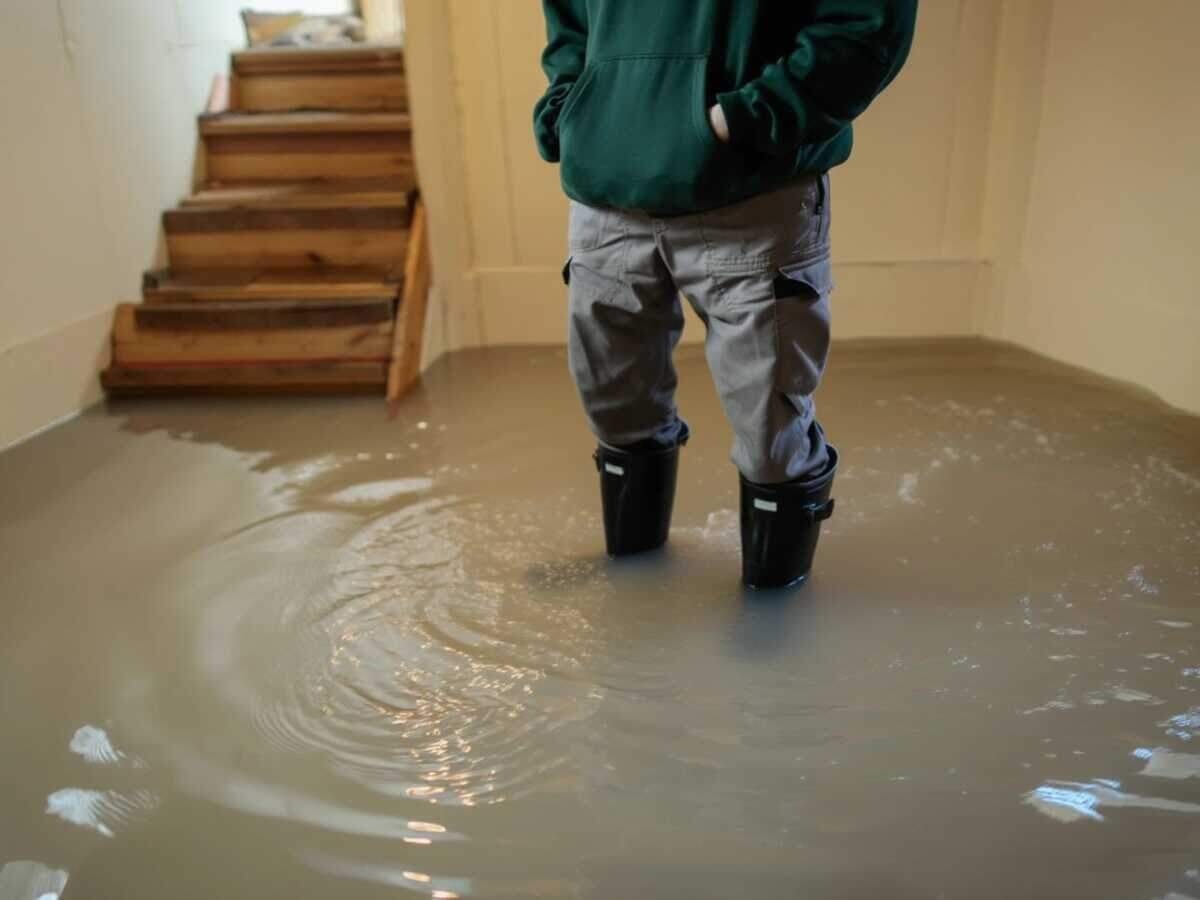
An hour of that is more water than a bathtub holds, and none of it stays where it landed. On a slab it runs flat, gets under whatever the builder laid down, wicks into the base of every wall it touches, and climbs the particle board in the bottom of a cabinet. What sits on the surface is a fraction of the total. The number that decides your repair is how much we get out of the assembly, not how much comes off the top.

How the extraction actually runs

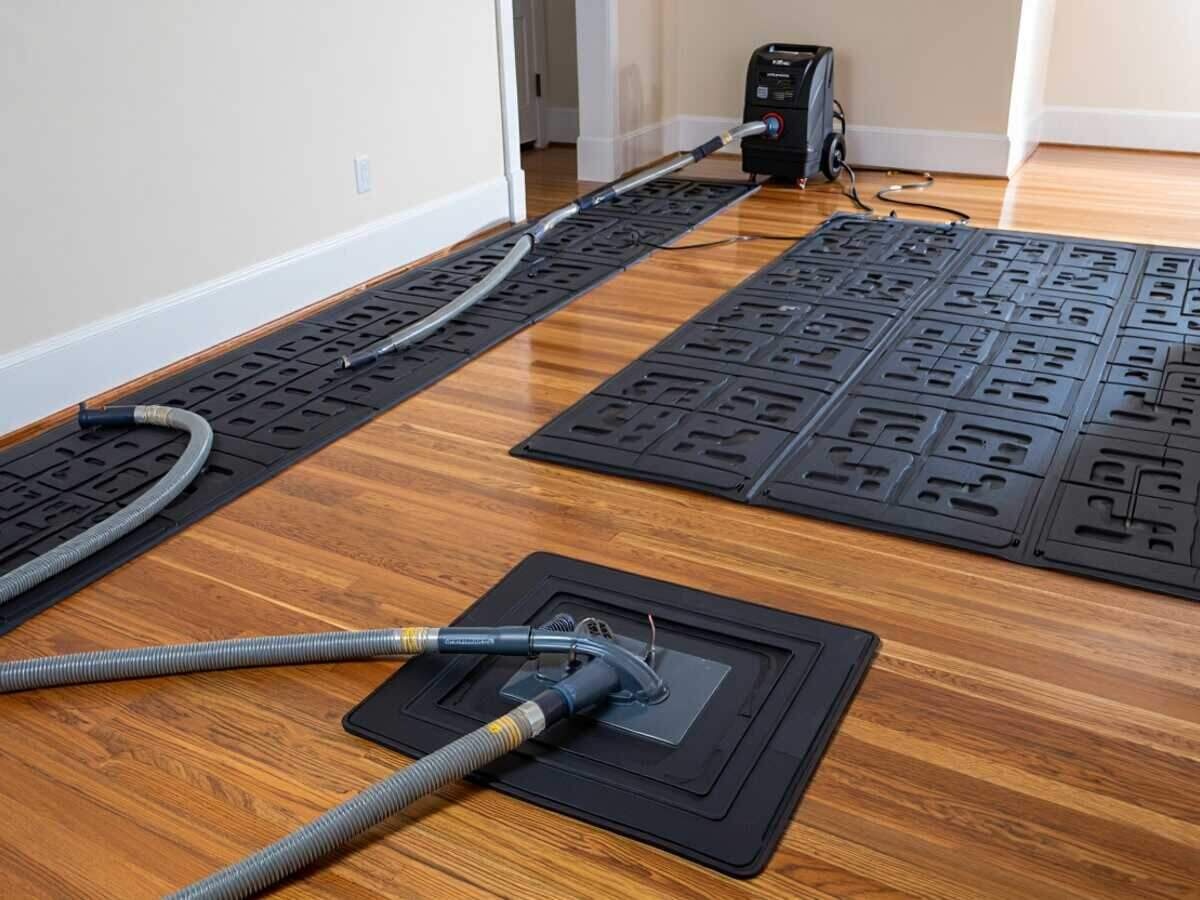
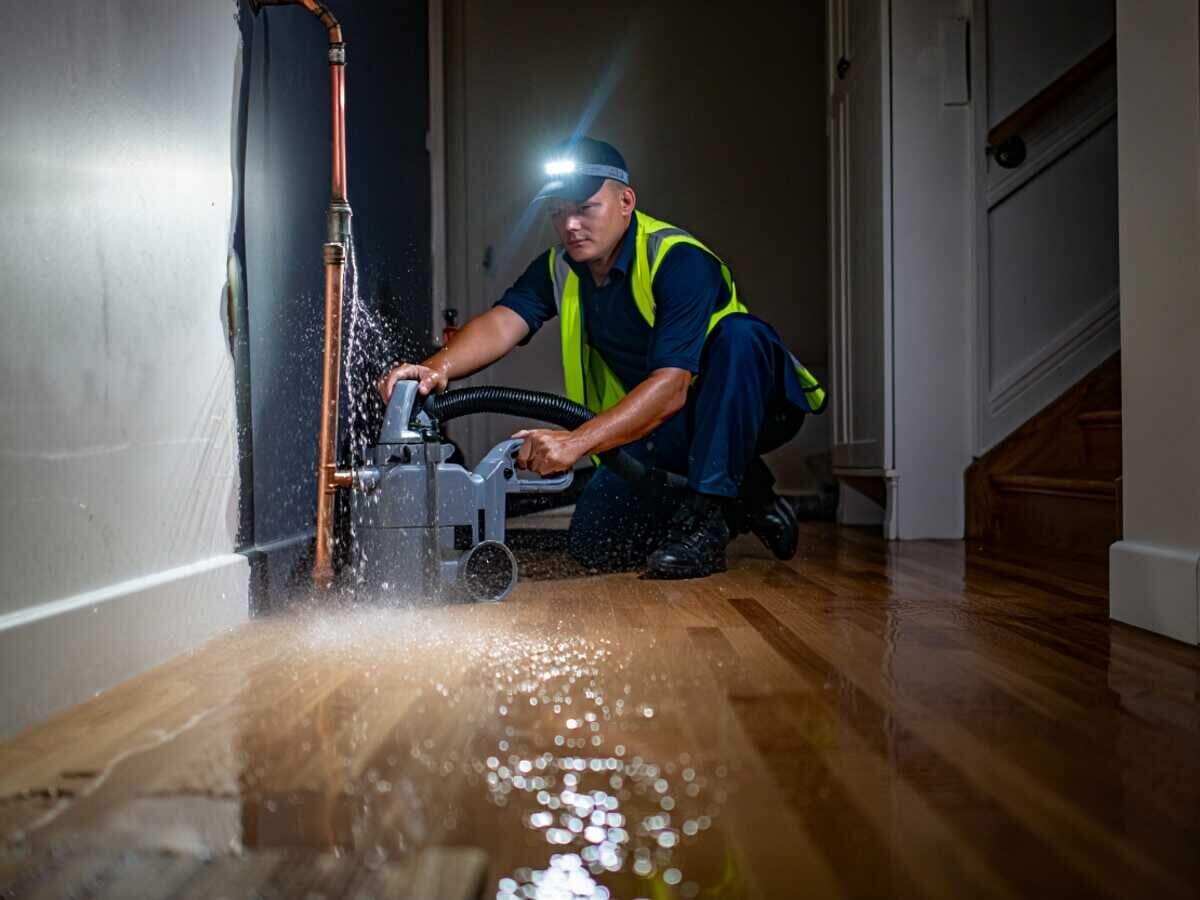
Everything the job takes is already loaded, so the pump is running within a few minutes of the door opening. Truck-mounted units take the volume out first, portables cover upstairs rooms and corners, and weighted extraction heads press water up out of carpet and pad, which is normally what decides whether that pad stays in the house or leaves in a bag. Then we chase the rest: baseboard off, cabinet kicks vented so air can reach under the boxes, and a reading taken at every wall base on the wet side of the house. Air movers and dehumidifiers go in the same visit, because water extraction that is not followed straight into drying only moves the problem into the framing.

  • Extraction starts on arrival, with truck-mounted and portable units already on board
  • Weighted heads worked over carpet and pad before anything gets written off
  • Wall bases metered across the wet side of the house, not just the room it started in
  • Drying equipment set the same visit, with readings logged from day one
water removal in Leander, TX

The part homeowners do not expect is how much of this gets decided in the first few hours. Water extraction services cost a fraction of replacing a floor and a run of cabinets, and the distance between those two outcomes is mostly time. Call (512) 271-5099 and say which line opened up and how long it ran before somebody caught it.
Good to know

Frequently asked questions

How much water actually comes out of a broken supply line in an hour?

More than a bathtub holds. A half-inch line at ordinary residential pressure moves several gallons a minute, and it keeps doing it until the main is closed, since nothing about a broken fitting slows the flow. That is why the first question on the phone is whether the water is off, and why an eight-hour workday makes the difference between drying a room and rebuilding one.

Nobody was home for nine hours. Is the house a write-off?

Almost certainly not, though the list gets longer. Nine hours of clean supply water on a slab usually means the pad and some baseboard are gone, the drywall comes out a foot or two up in the affected rooms, and a laminate floor is finished. Framing, cabinets, and most of the structure are recoverable when drying starts promptly. We meter it and give you the real list rather than a guess.

Does the carpet pad always get thrown out?

Not always, but more often than the carpet. Pad is a sponge with no structure, so once it has been sitting in water for hours it compresses and stops recovering, and pulling it is cheaper than the extra days of equipment it would take to dry. Carpet itself often stays if the water was clean and we get weighted extraction on it early. Sewage changes both answers.

The water went under the wall into the garage. Do you work in there too?

Yes, and it is worth doing. Water that crosses under a wall into the garage soaks the bottom of that shared wall from both sides, and garage drywall is often unfinished on the back, so it drinks and holds. We meter the shared wall from both faces, extract, and dry the whole wet footprint rather than stopping at the door casing. Skipping the garage means drying one side of a wall.

Water damage won't wait

A Leander supply line runs at full pressure until somebody closes the main.

Call and we head up 183A with extraction gear already loaded. We take the standing water off first, then chase down what the pad and the wall bases are still holding, and the drying is running before the truck leaves. The file grows as the job does, and whatever the policy covers is billed straight to the carrier.

Call (512) 271-5099 Available 24/7 · Austin metro