



PEX handles a freeze better than copper, which is exactly why a burst catches people in a new house off guard. The tubing can expand a little when the water inside it turns to ice. The brass and poly fittings crimped onto the ends cannot, and neither can the valves. So a multi-day freeze here tends to break the system at its joints, and the attic runs and the hose bibs are where the ice forms first. The break commonly holds until the thaw and then opens while everyone assumes the worst is behind them.
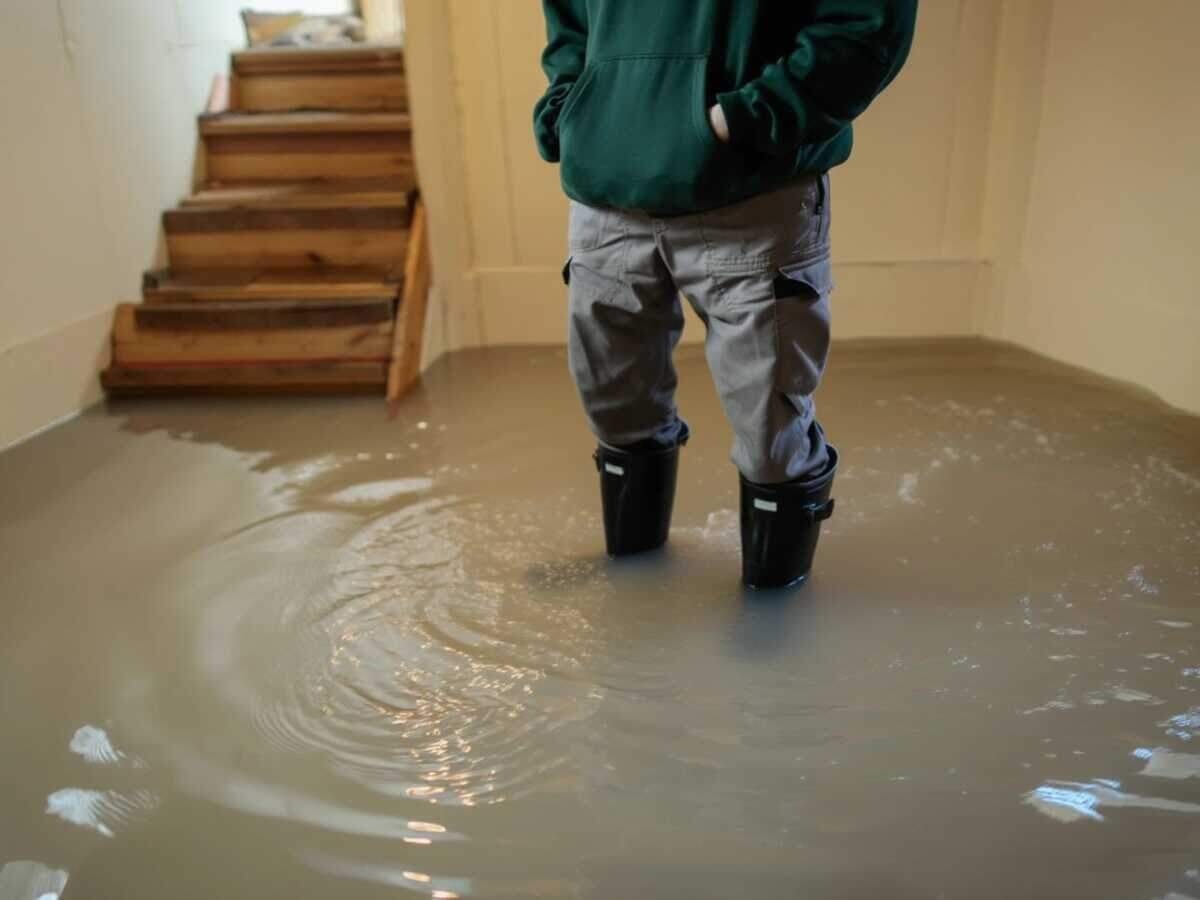
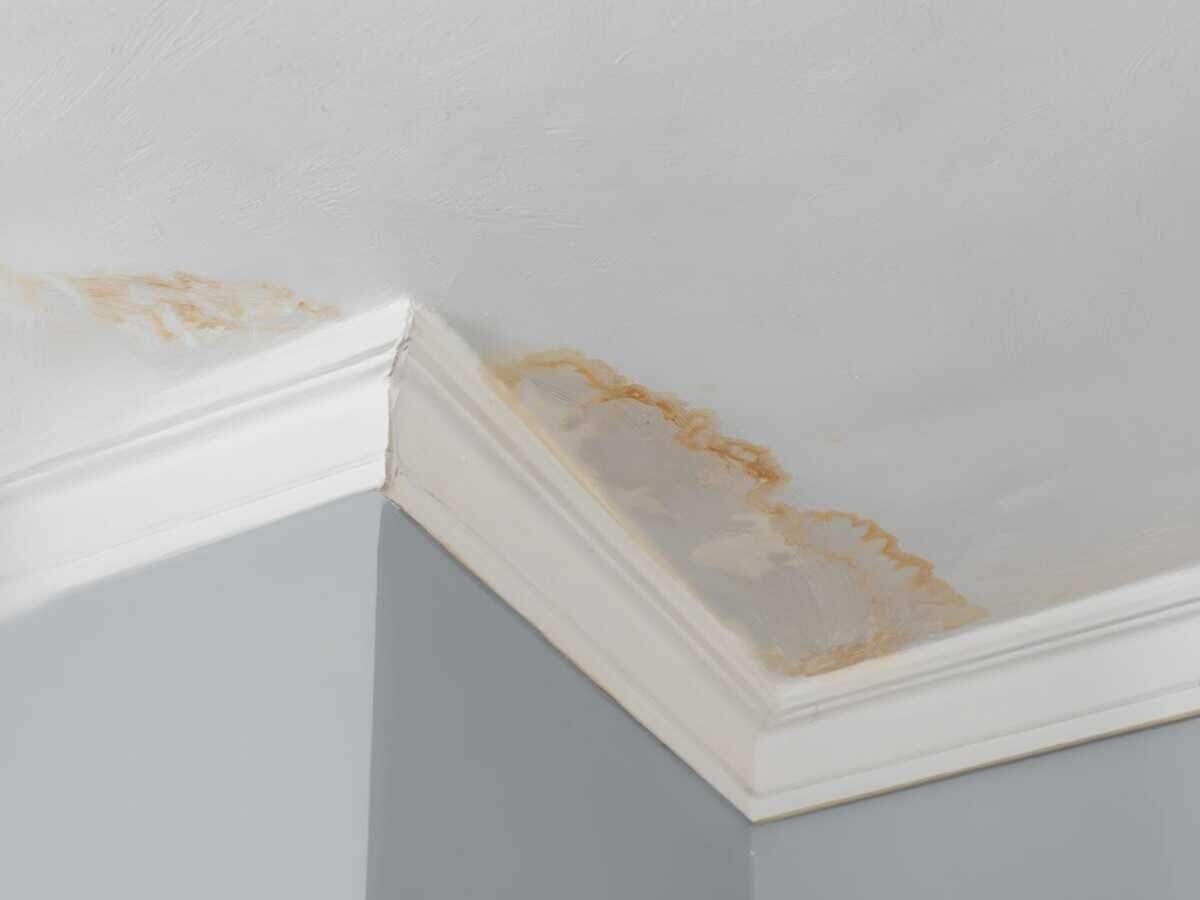
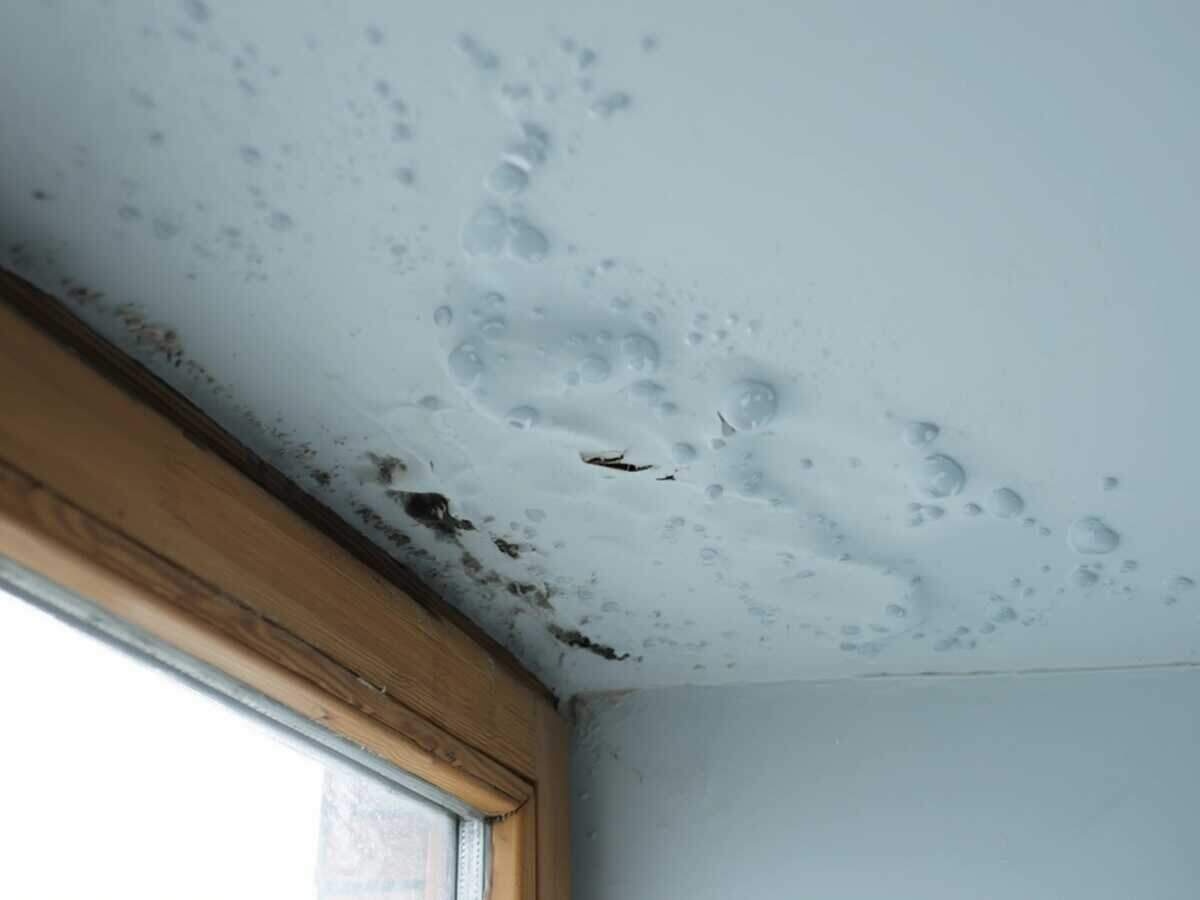
A fitting that opens in an attic drops water onto the ceiling below and into the top plates of the walls under it, and from there it runs down inside the cavity. That is why burst pipe water damage from a freeze so rarely stays in one room. If your house has a home run manifold, and a lot of the newer builds here do, say so when you call, because that is what lets a plumber isolate one fixture line instead of leaving the whole house dry.
What burst pipe cleanup looks like once the water is off
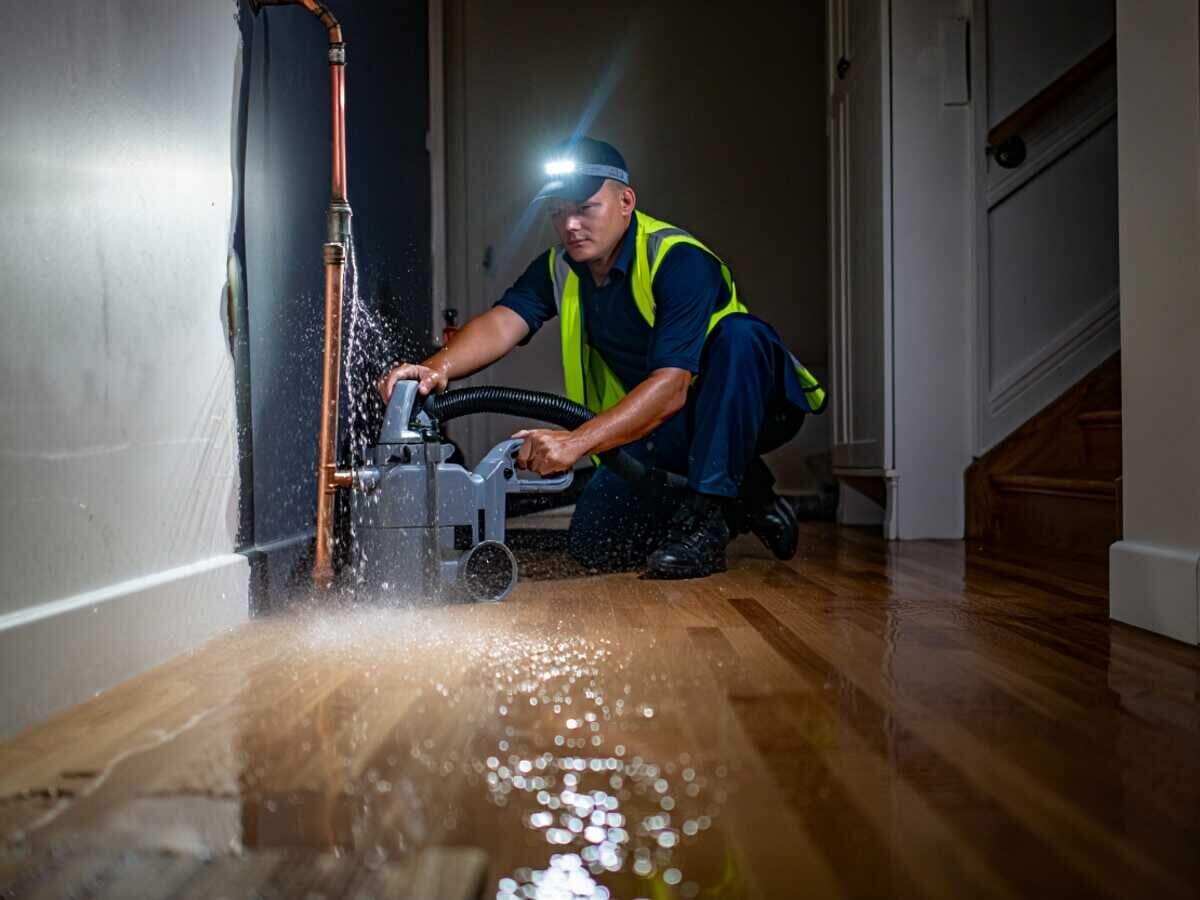
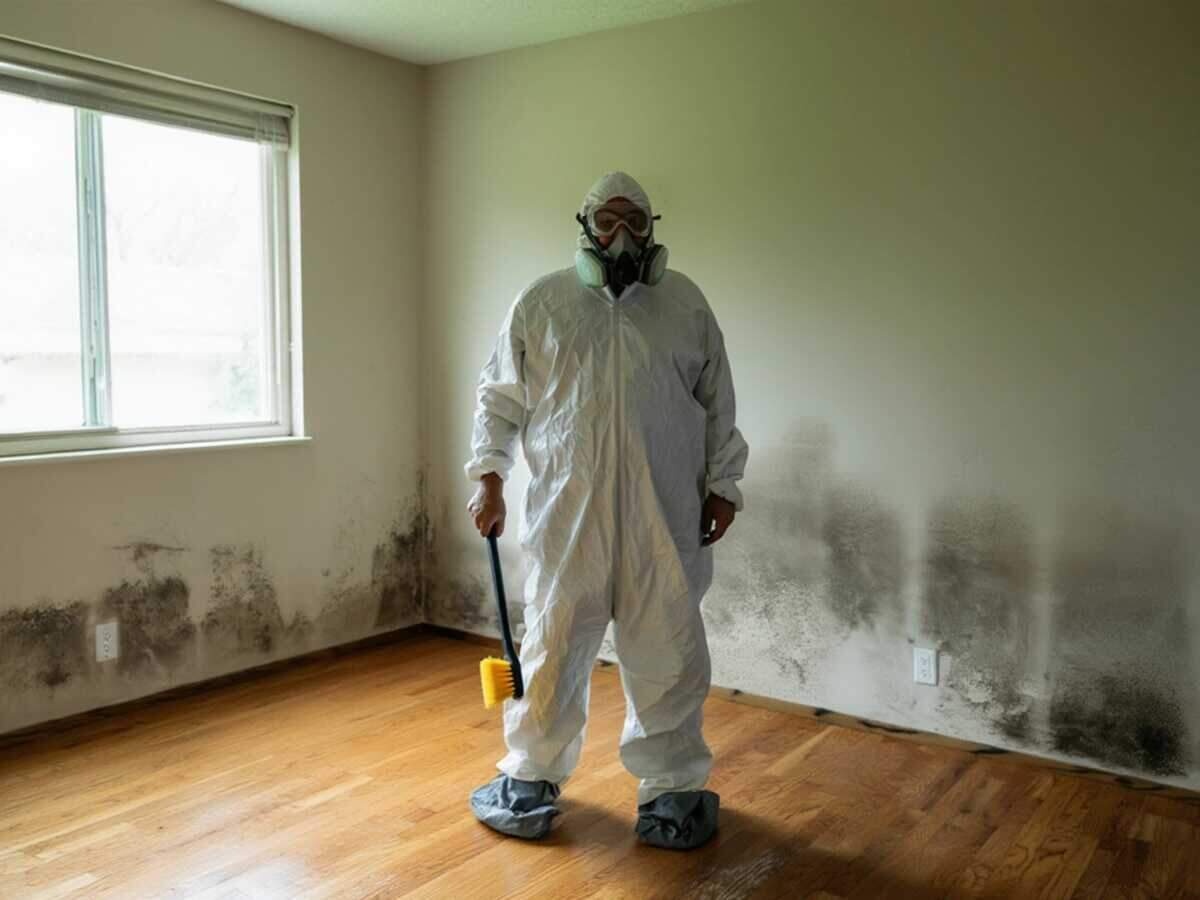
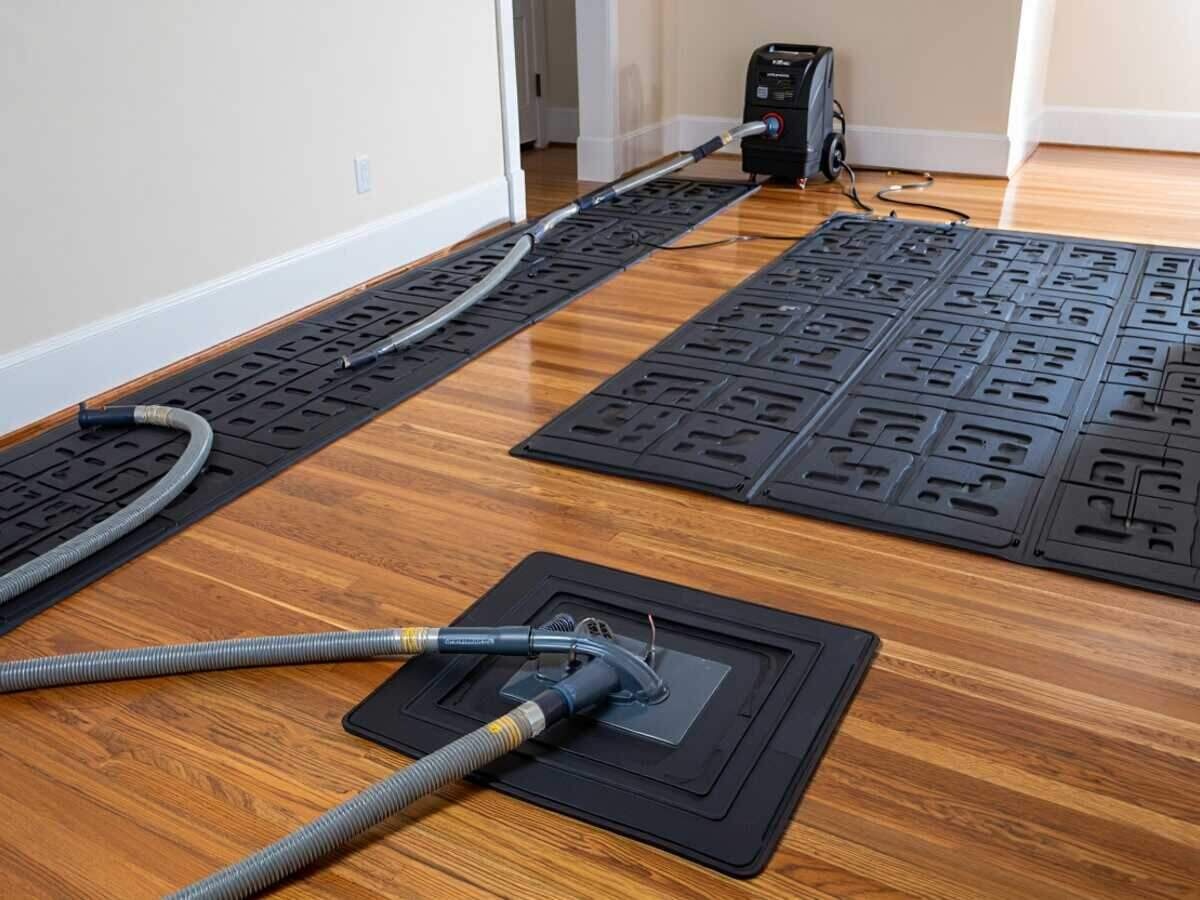
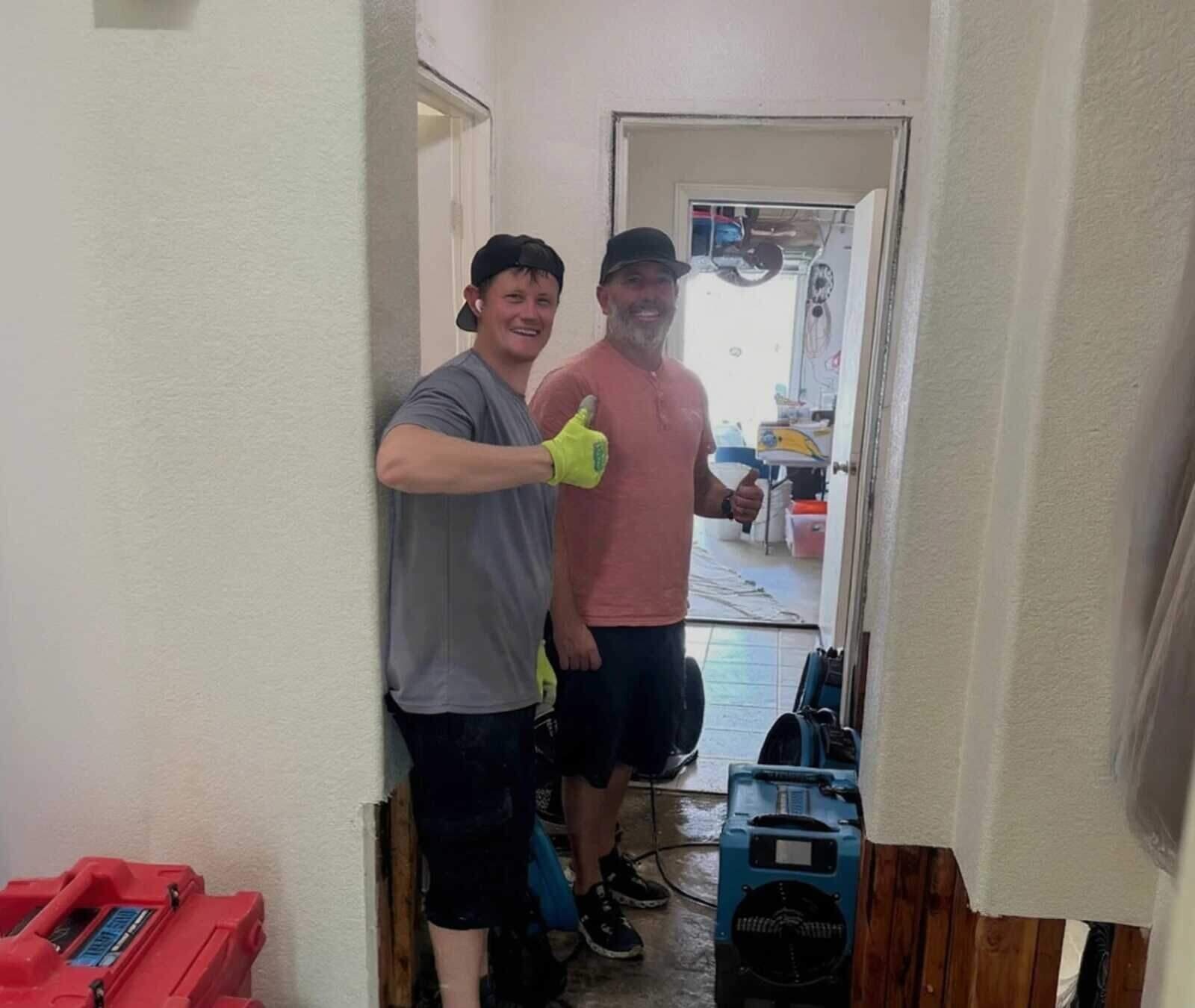
We start at the top and follow the water down. Thermal imaging and meters give us the path through the ceiling, the top plates, and the wall cavities, and access cuts go where those readings are. Soaked blown insulation comes out of the attic around the break, wet batts come out of the walls, and air goes into the cavities with dehumidifiers pulling moisture out of the room instead of leaving it to settle on the next cold surface. Readings come daily until the framing matches dry material elsewhere in the house.
- The water path traced from the attic down through plates and wall cavities
- Access cuts placed on readings and sized to the water, no larger
- Soaked attic insulation and wet wall batts removed rather than dried in place
- Daily readings until framing matches dry material elsewhere in the house
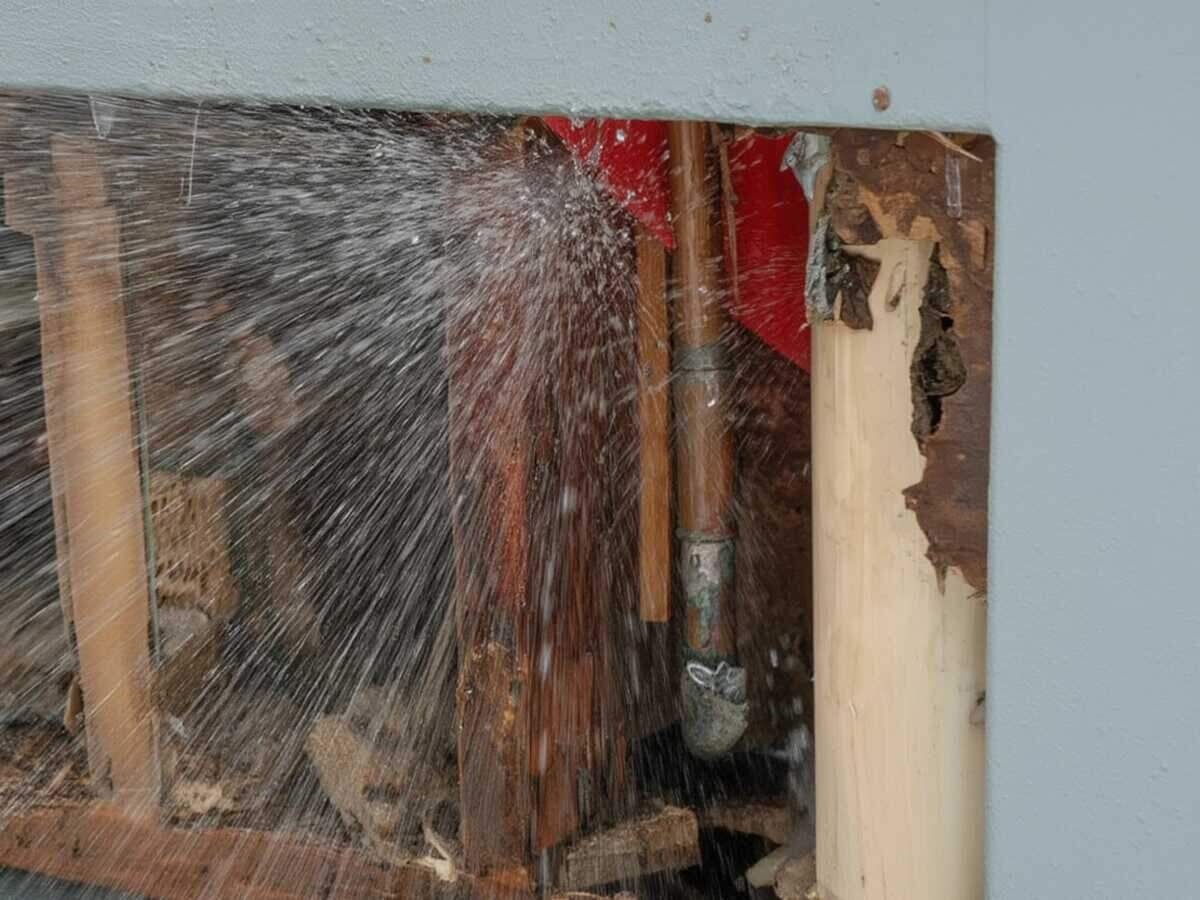
A plumber repairs the fitting and we handle everything the water touched, and we coordinate the two so a wall gets opened once instead of twice. The loss is documented with dated photos and readings, and the coverage decision sits with your insurer. Call (512) 271-5099.