


Mold Removal in Pflugerville, TX

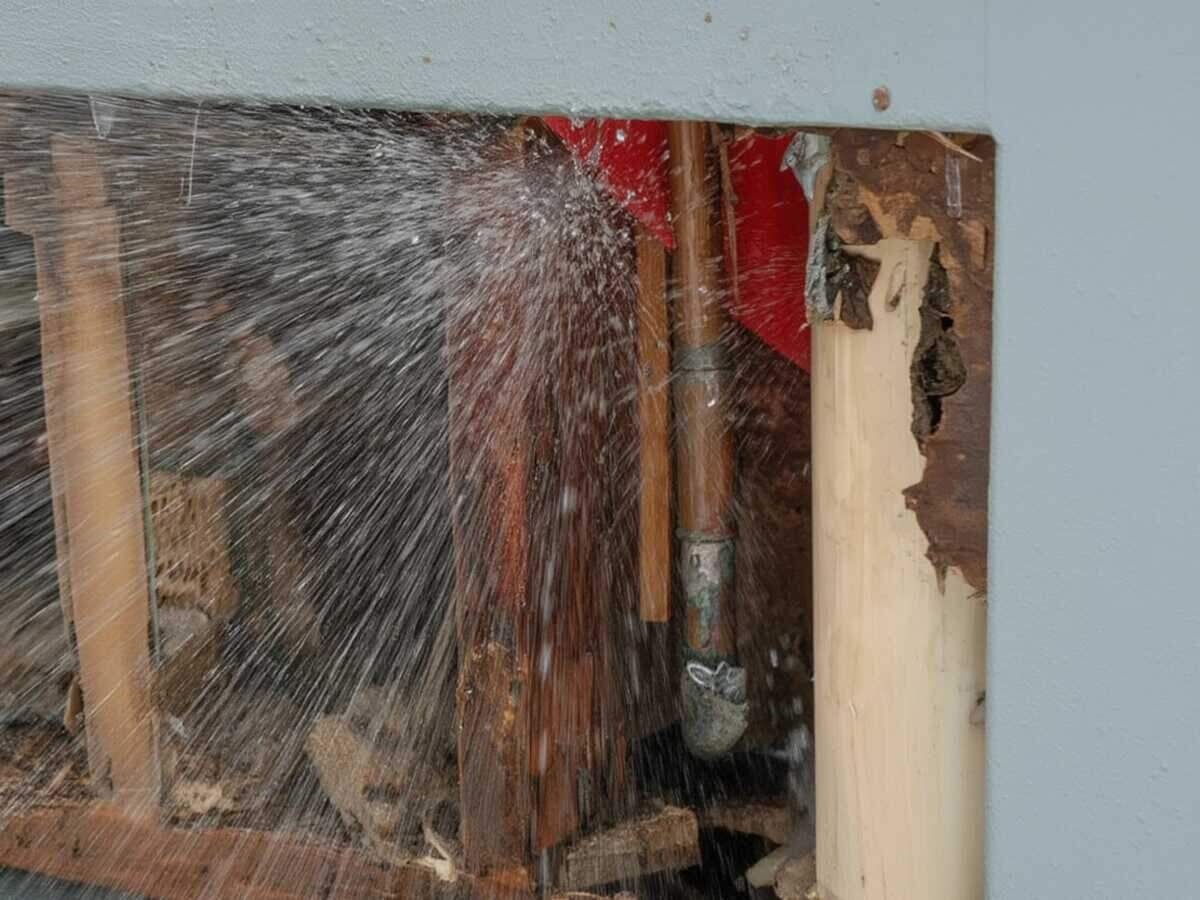
The tile in the guest bath looks fine, and the pan under it has been putting a cup of water a day into the bottom plate for two years. That is where most Pflugerville mold starts. Call (512) 271-5099 before anyone cuts into it.

Call (512) 271-5099 Answered live, 24/7Nights, weekends, holidays
  • We bill your insurer directly
  • IICRC-certified crews
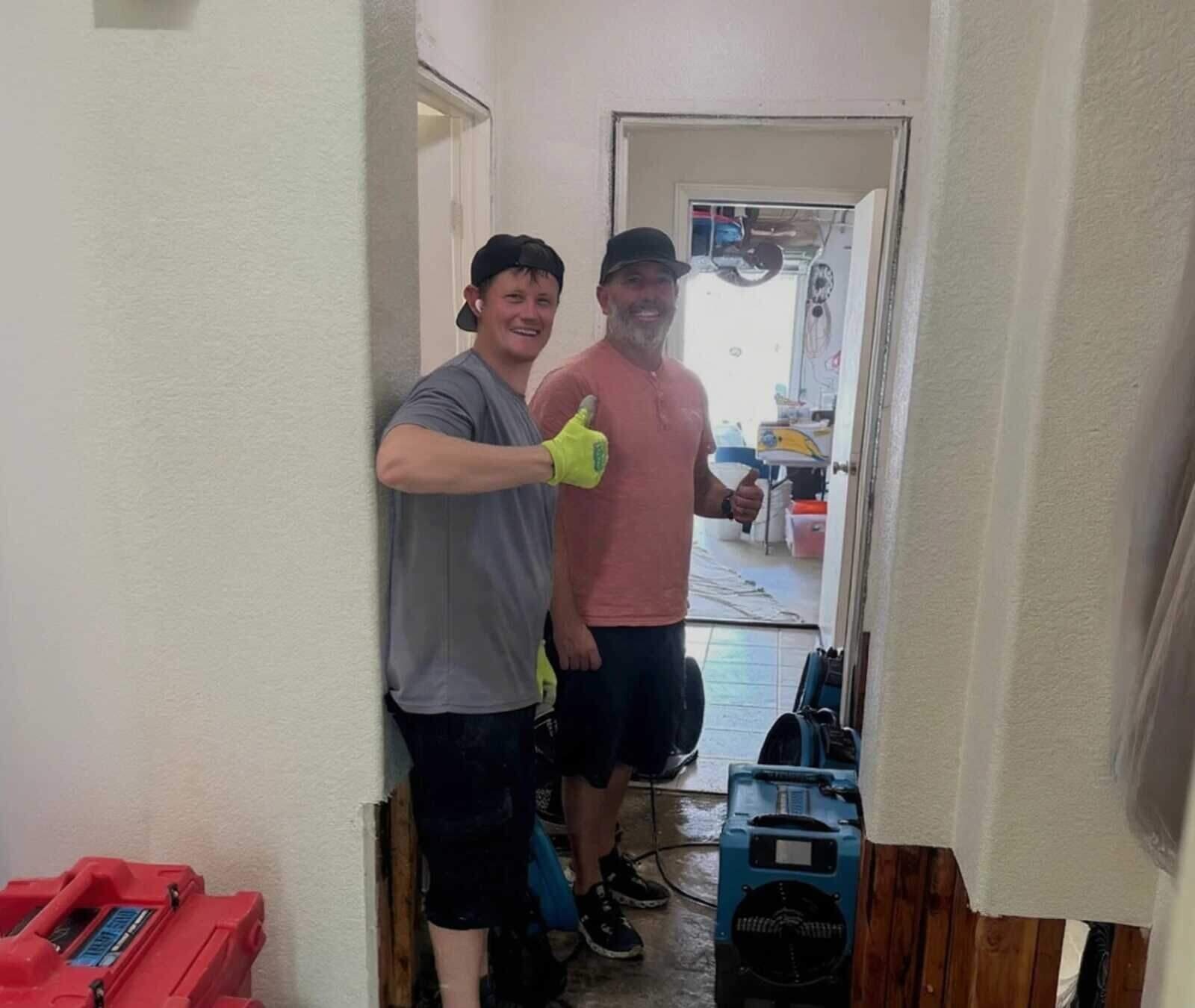
Local water damage crew working in an Austin-area home with air movers and a dehumidifier
Our crew · Austin metro
Why Pflugerville homeowners call us

A local crew that shows up and does it right

Dried to a reading Equipment stays until the material meters dry, not until the surface feels dry.
One crew, start to finish The same local crew from the first extraction to the final repair.
No surprise line on the bill Equipment days and demolition are priced before the work happens, not discovered on the invoice.
Local Austin crew Dispatched from the north metro, never routed through an out-of-state call center.
Certified & accredited
IICRC Certified firm Indoor Air Quality Association member Certified and licensed water damage restoration Certified and licensed mold remediation and removal
How it works

Our restoration process

Four steps, starting the moment you call.

1

Call & Dispatch

Tell us what happened. A local crew is dispatched on the call, and how fast we reach you depends on traffic and where you are.

2

Extract & Stabilize

We stop the source, pump out standing water, and set drying equipment.

3

Dry & Monitor

Air movers and dehumidifiers run while we track moisture daily to dry standard.

4

Repair & Reinstall

Drywall, texture, trim, and paint go back so the room reads finished.

Insurance-savvy from the first call

Documented to claim standard from the first hour

We document the loss to claim standard from the moment we arrive — photos, moisture readings by room, and a scope that maps to your policy. Then we bill your insurer directly for the covered work.

See how claims work in Texas

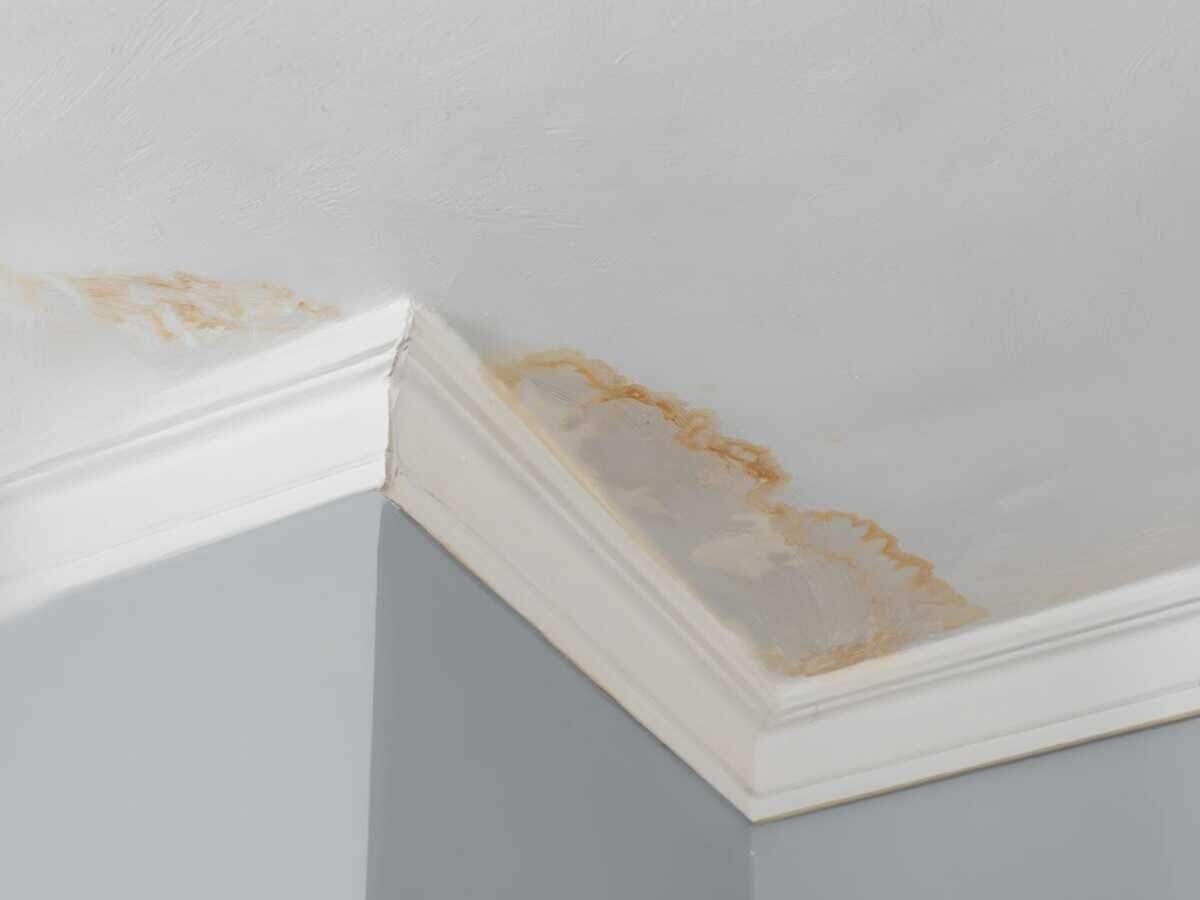
Most of Pflugerville went up in a fifteen-year run from the mid-1990s into the late 2000s, which puts the typical house here at twenty to thirty years old. That is the age at which the parts that keep water inside a bathroom stop doing it quietly. The wax ring under a toilet. The caulk joint where a tub meets tile. The mortar bed and pan liner under a tiled shower. None of them fail all at once. They pass a little water on every use, the drywall behind the tile drinks it, and the bottom plate under that wall stays damp for months.

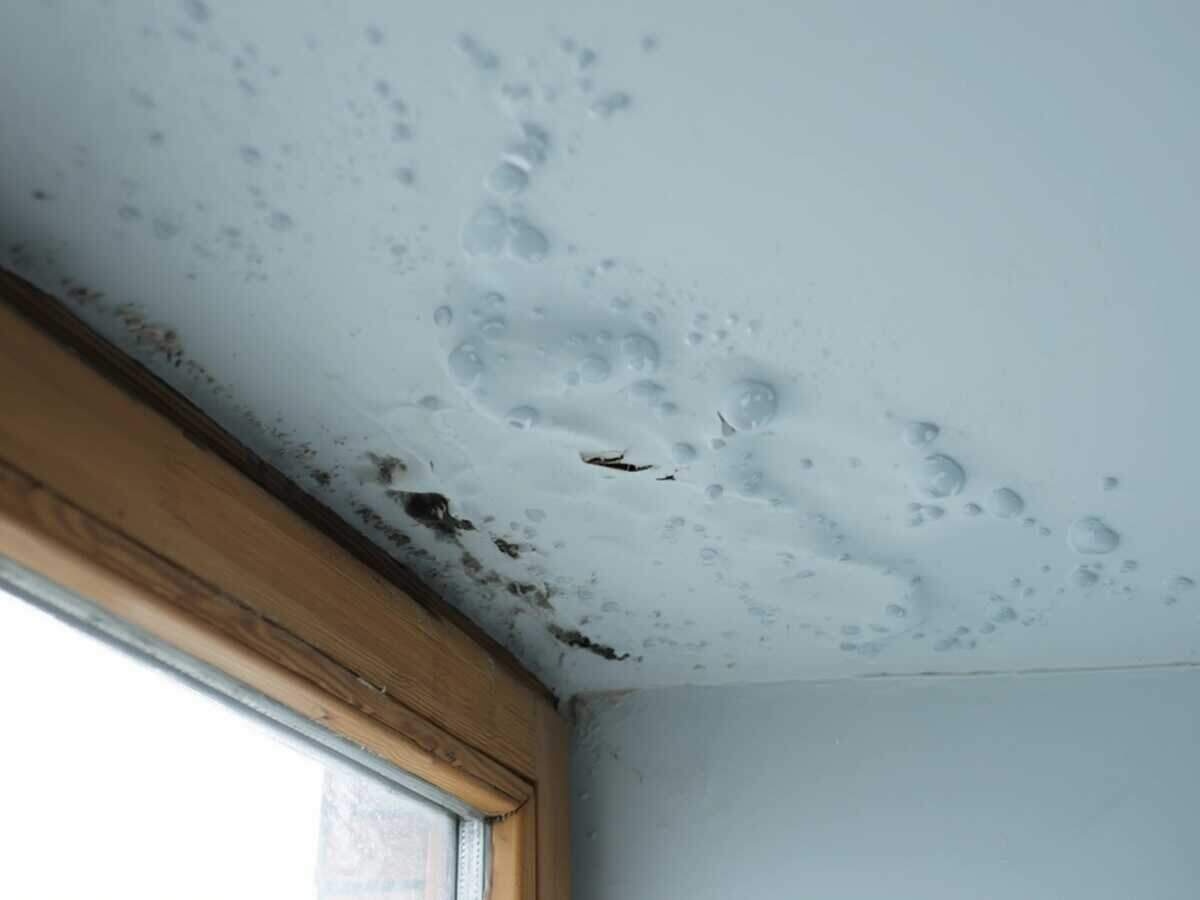
By the time anyone calls us, the smell is usually in the next room rather than the bathroom. Growth follows the water, so it runs low and wide: the back of a vanity kick, the underside of a door casing, the sheet of drywall on the closet side of that wet wall. We have also walked into plenty of these during an option period, after a buyer's inspector put a meter on a wall and the sale went quiet. The mold removal is the same work either way. What changes is how fast the paperwork behind it has to be finished.

How the removal runs once we are in the house

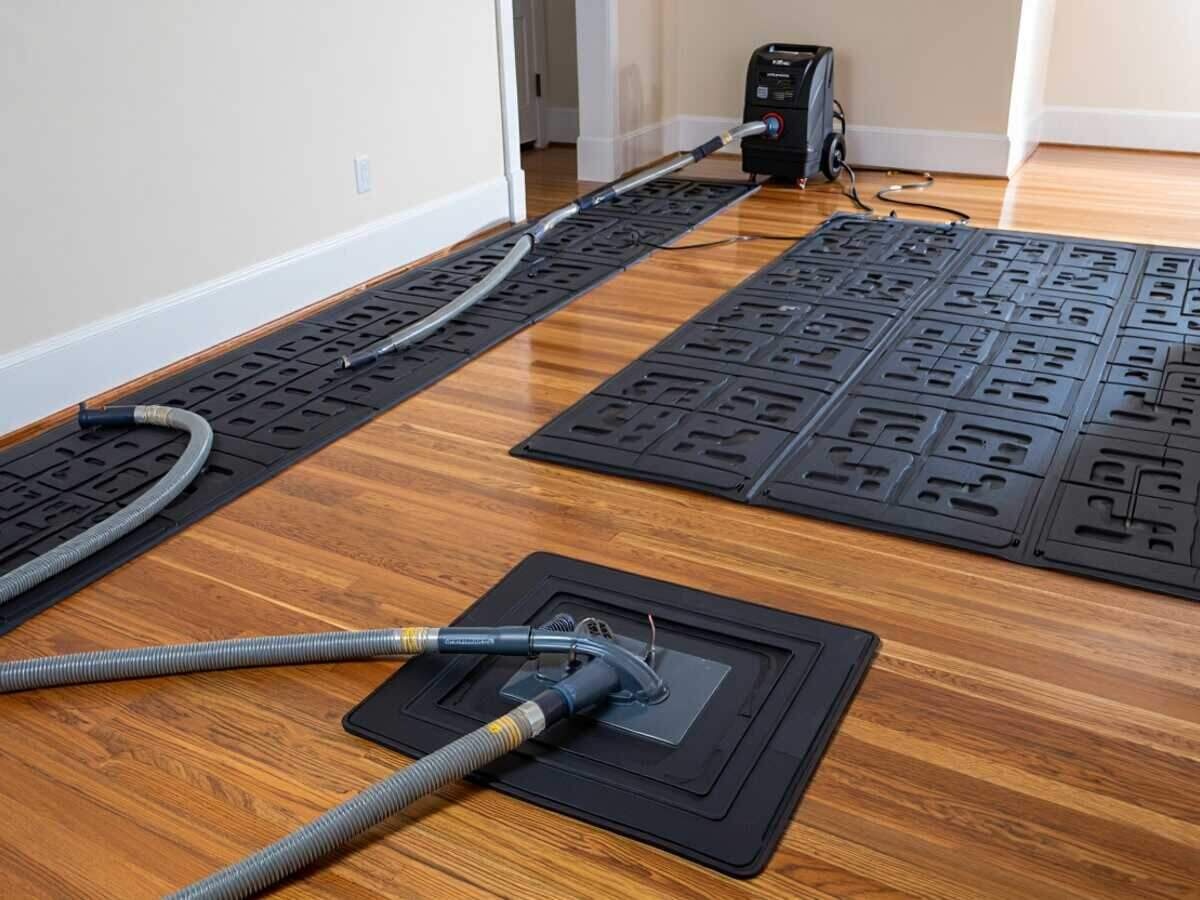
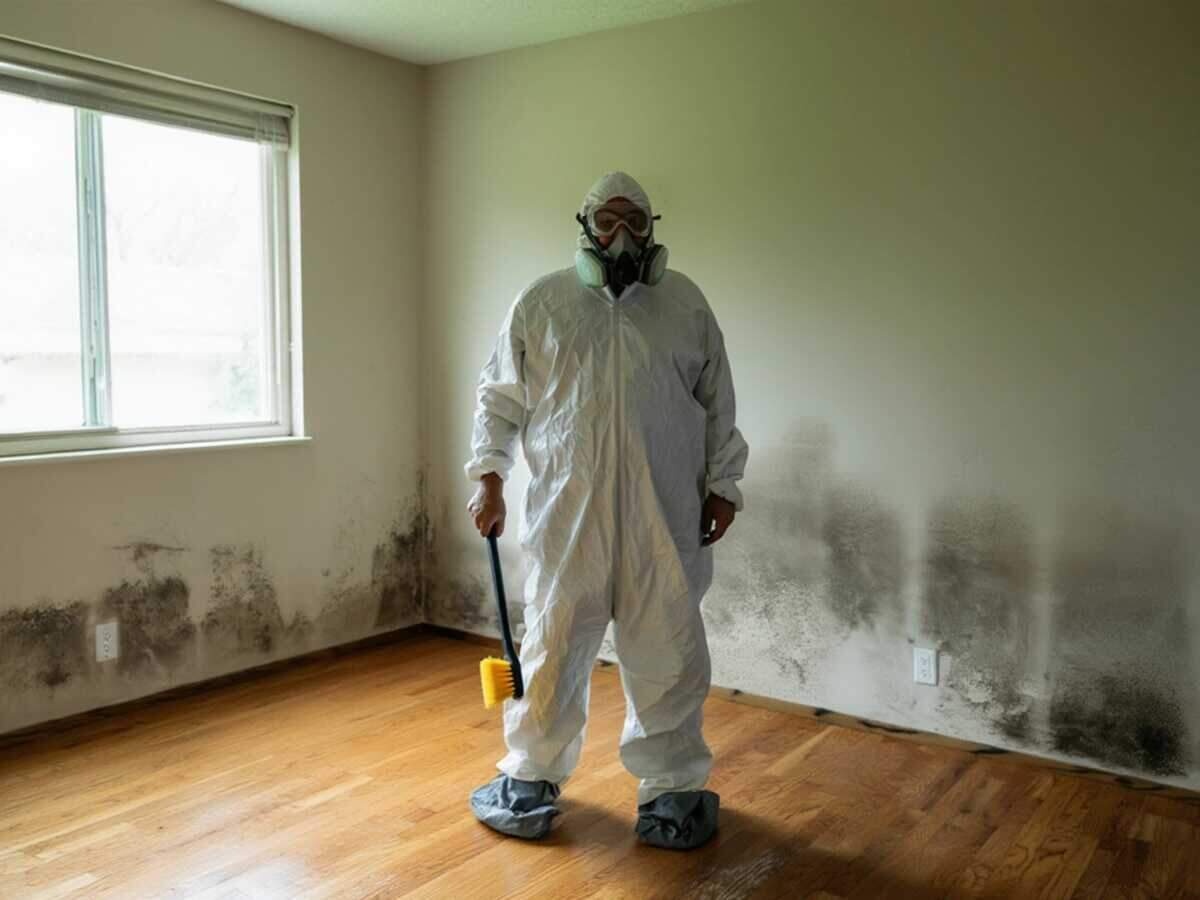
Nothing gets cut before we know how far the water went. Meters and a thermal camera give us the wet outline, and the cut line follows that outline instead of the stain, because the visible edge of growth is almost never the edge of the moisture. Then the room goes under plastic and to negative pressure with HEPA scrubbers running, so what we disturb stays in that room. Tile, backer board, drywall, and insulation leave the house bagged. Framing that is still sound gets HEPA vacuumed and treated, and the cavity dries under air movers and a dehumidifier until the wood reads dry on a meter, which is the only version of dry we will sign off on.

  • The wet outline mapped first, so the cut line follows moisture and not the stain
  • Plastic containment under negative air, HEPA scrubbers running start to finish
  • Tile, backer, and soaked drywall bagged out, sound framing HEPA vacuumed and treated
  • The fixture or pan feeding it identified, so no wall closes over a live leak
mold removal in Pflugerville, TX

Texas homeowners policies handle mold under a limited endorsement rather than as ordinary repair coverage, so the size of the remediation and the way it is written up both matter. The barrier gets photographed on the way up, each room's numbers go into a dated log, and your adjuster receives a line-item scope instead of a paragraph describing one. What that scope gets paid is your insurer's decision. Call (512) 271-5099 and you get a technician who works Pflugerville, not a scheduler.
Good to know

Frequently asked questions

Our inspector flagged mold and we close in two weeks. Can it be done in time?

Usually, and the honest answer depends on square footage. A single bathroom wall is a few days of containment, removal, and drying. Past 25 contiguous square feet of growth, Texas requires a licensed remediation contractor and an independent assessor to close the file, and that clearance step adds days you have to plan for. We measure the affected area the day we scope it and give you the real schedule before you commit to a closing date.

Does the whole shower have to come out, or can you work from the other side of the wall?

Often we can come at it from behind. Where the growth is on the back face of the wet wall and the closet or hallway on the other side is ordinary drywall, opening that side reaches the framing and the insulation without touching your tile. That does not work when the pan liner itself is the leak, because the assembly holding the water has to come out. We tell you which case you have before anything is cut.

We are selling the house. Will there be paperwork showing this was handled properly?

Yes, and on a sale it matters as much as the work. You get dated photographs of what was behind the wall, the moisture readings taken through the drying, a written scope of what came out and what went back, and on a job over the state threshold, the independent assessor's clearance. That package is what a buyer's agent and a seller's disclosure need, and it is the reason we log the job the same way whether a claim is open or not.

Will homeowners insurance pay for mold removal in Texas?

Sometimes, and less than people expect. Most Texas policies deal with mold through a limited endorsement carrying a dollar cap, not as ordinary repair coverage, and what triggers it is the cause of the water rather than the mold itself. A sudden supply failure reads differently to an adjuster than a shower pan that leaked for two years. Source, extent, readings: all three go in writing. The coverage decision is made on your carrier's side of the table.

Water damage won't wait

Mold behind a Pflugerville bathroom wall?

Call and describe what you can see and what you can smell. Containment goes up before a blade touches anything, the colonized board and batt leave the house bagged, and the wall behind them dries to a number. Everything gets written down the way a claim needs it. What the policy pays for is between you and your adjuster.

Call (512) 271-5099 Available 24/7 · Austin metro