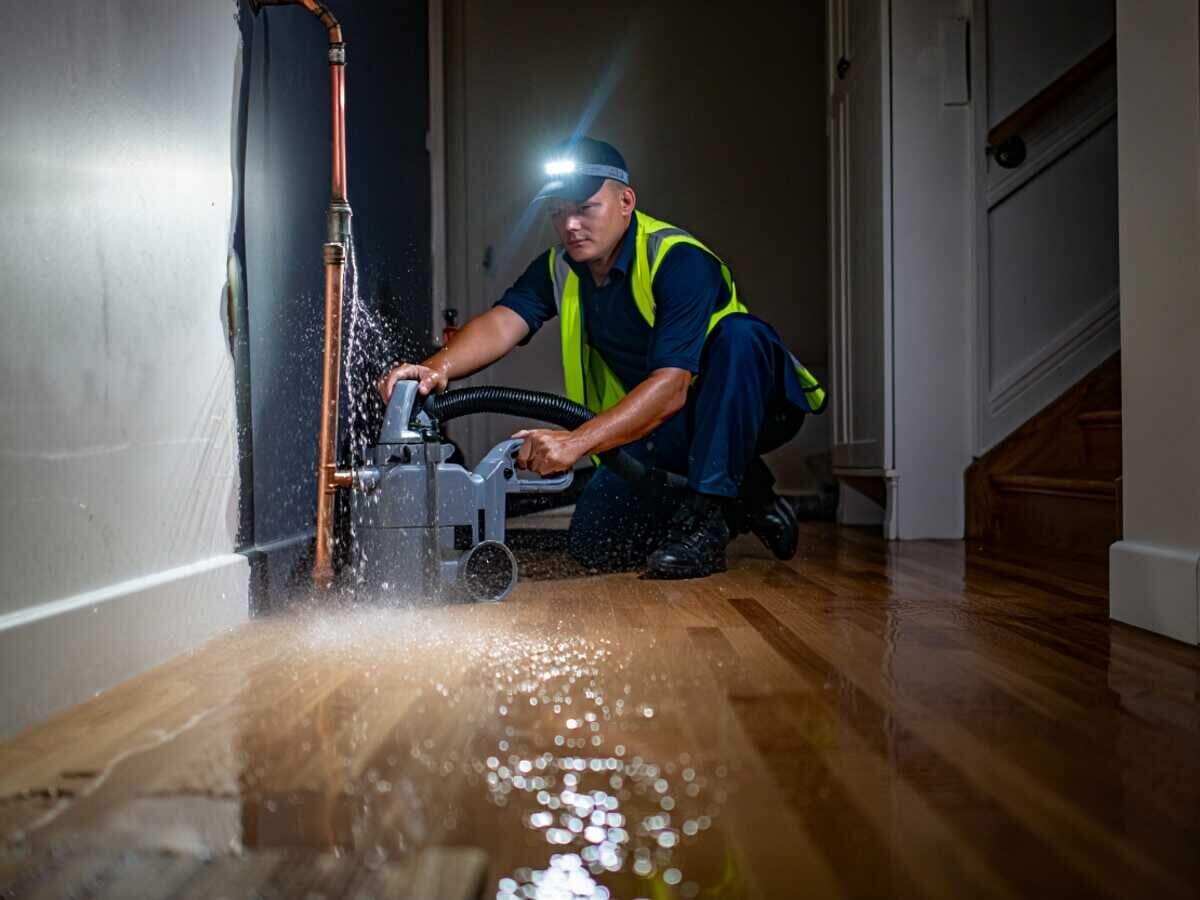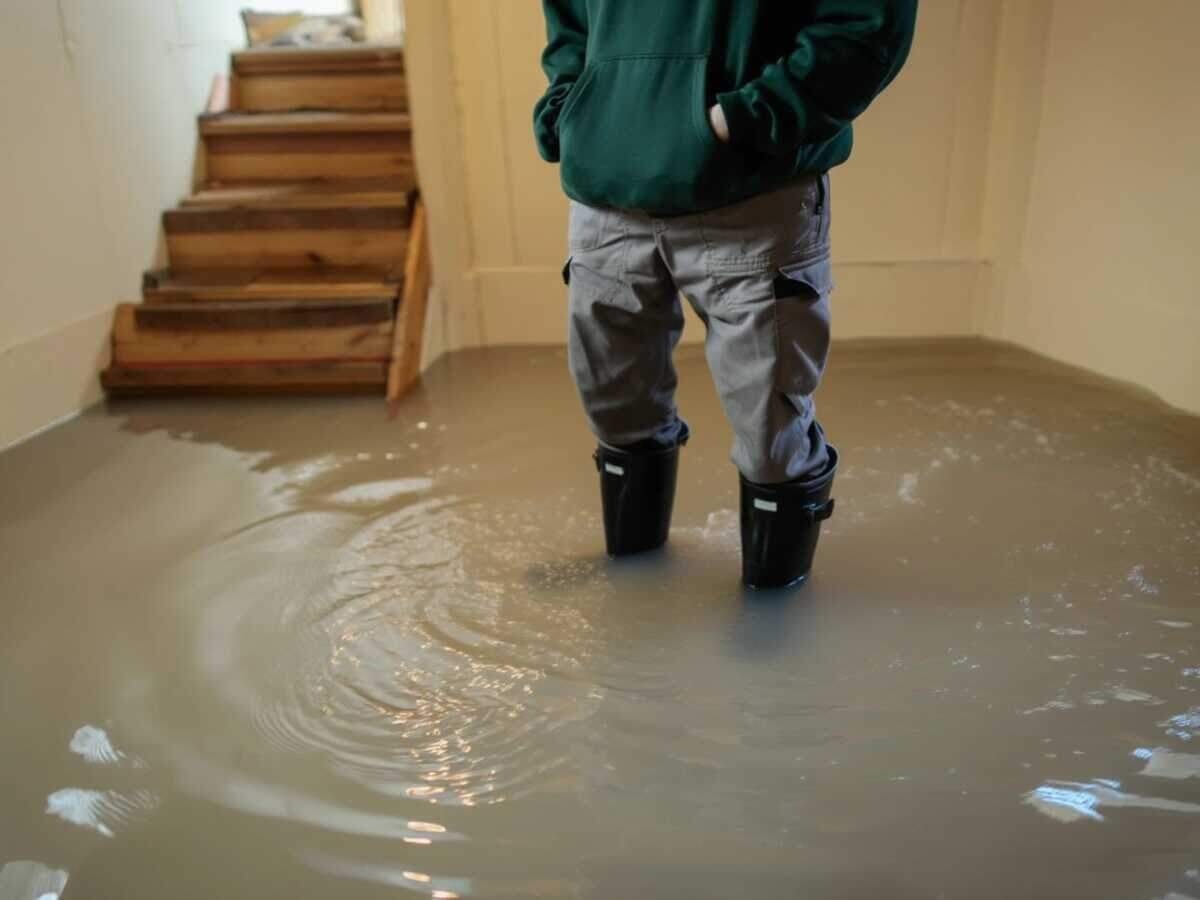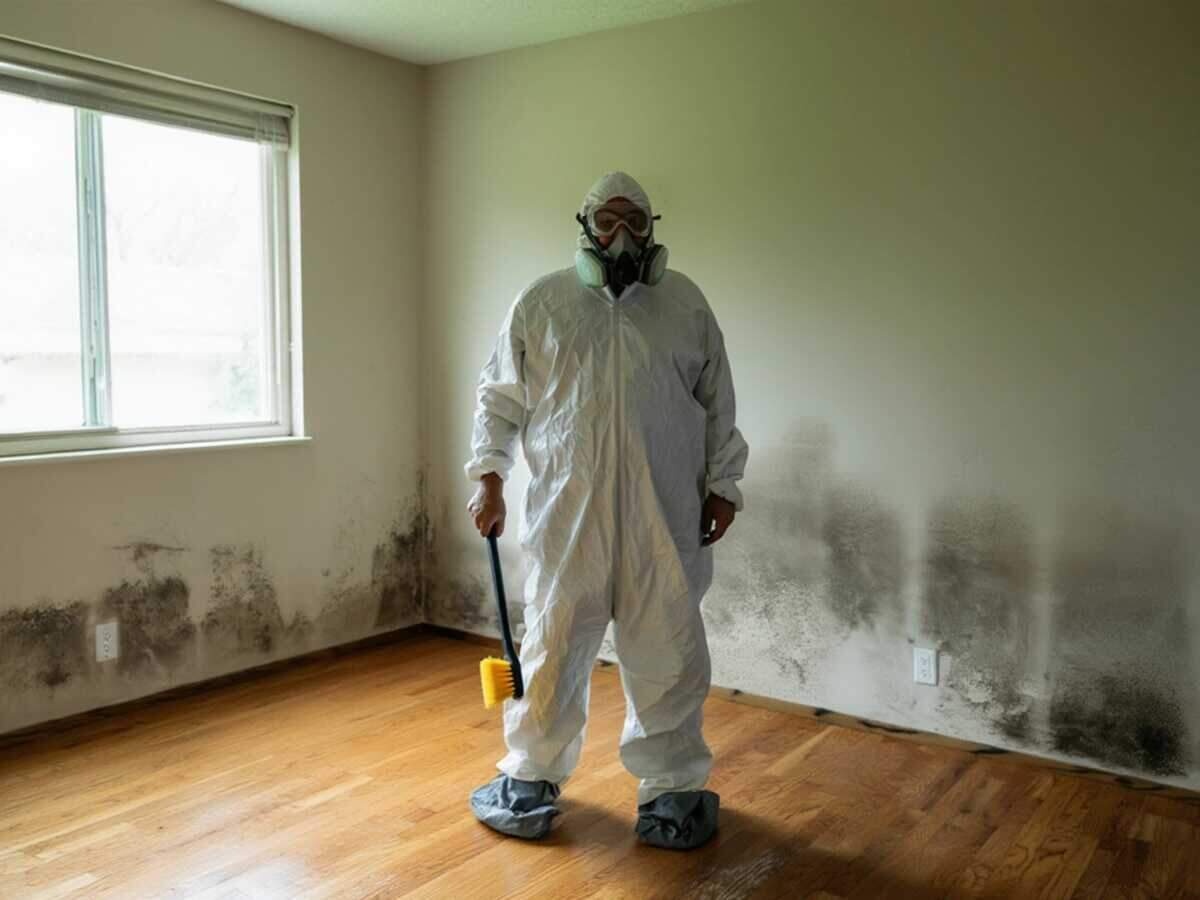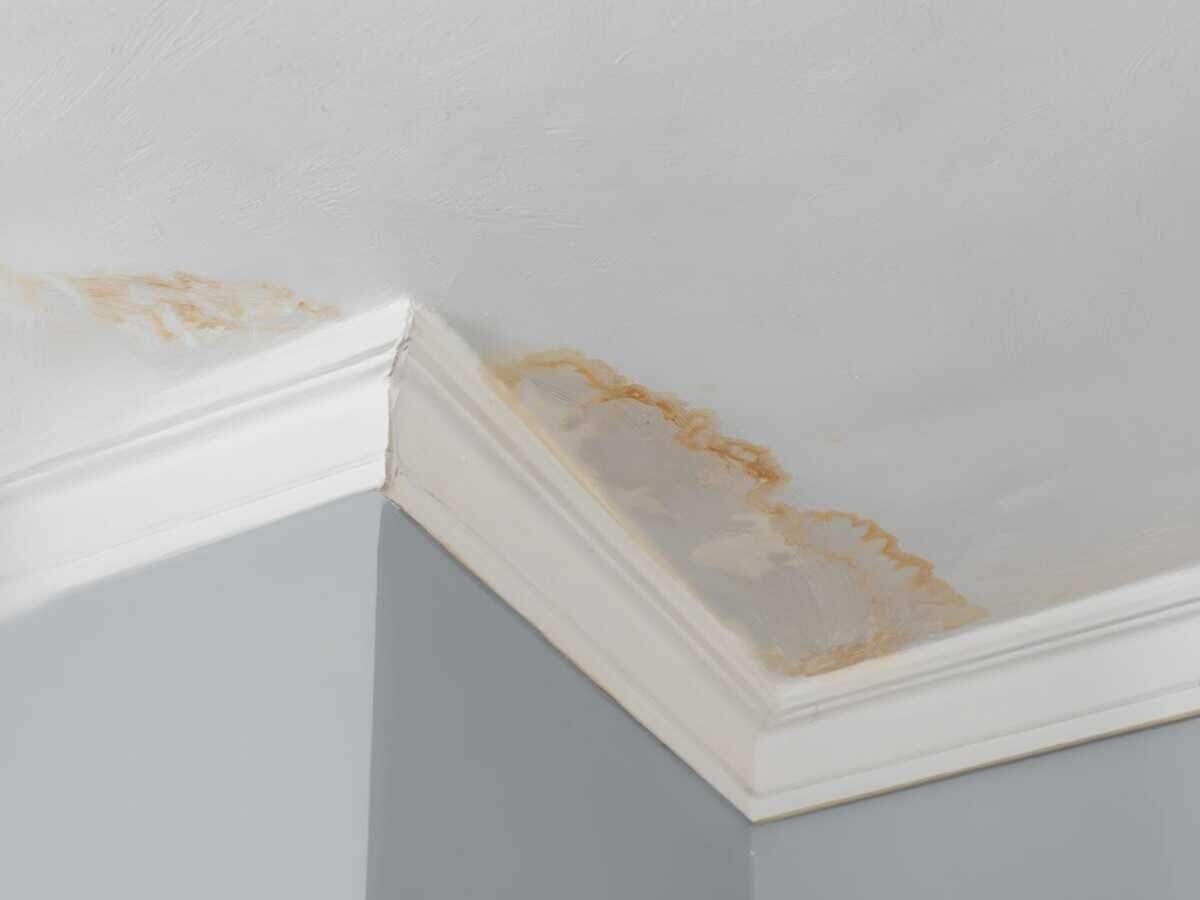




A wet hardwood floor in a Lakeway house is rarely a one-room problem. Open plans here run the same plank across a thousand square feet with no thresholds to stop it, so water tracks along the length of the boards and underneath them, and where the floor steps down into a lower room it pours off that edge and soaks the riser and the framing below. The kitchen may be where the leak was. It is not where the floor is wettest.
Hardwood floor water damage repair starts with a number rather than an opinion. We read the moisture content of the wet boards, compare it against a stretch of the same floor that never got wet, and read the subfloor or slab underneath. Wood takes water from the underside first, so the edges swell and the board cups while the surface still looks like a floor. That reading tells us whether drying will hold, and it is the first thing an adjuster looks for in the file.
Drying a floor that runs through four rooms
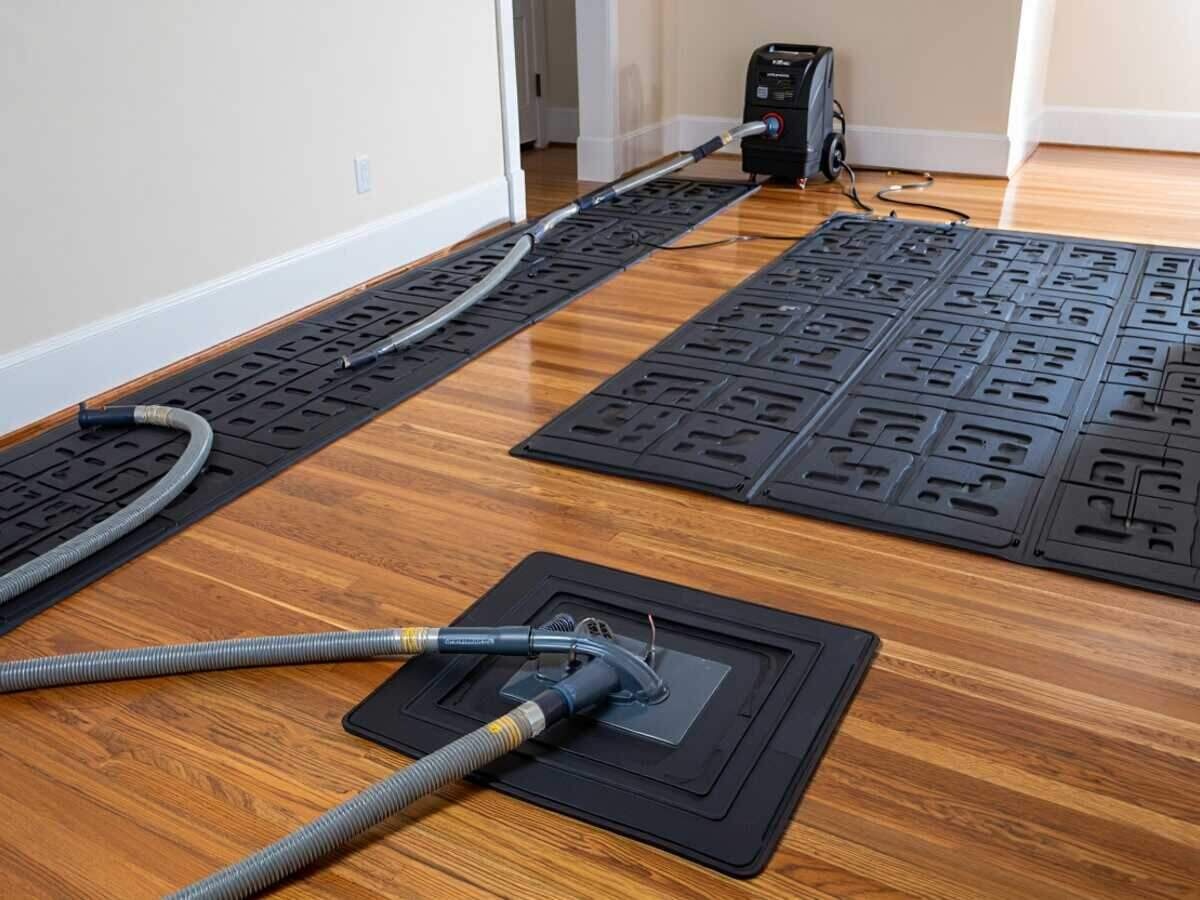
Mats and vacuum pull water up through the boards, which is the only direction that works on a sealed floor, and we set them in zones and move them as the readings come down. On a big open plan we tent the wet area instead of asking one dehumidifier to fight four thousand square feet of conditioned air, and that alone shortens the job. The pace stays deliberate. Push a wood floor dry too fast and the cupping flips into crowning, and then you are paying for a sanding you did not need.
- Moisture content read in the wet boards, in a dry stretch of the same floor, and in the subfloor
- Drying mats under vacuum, staged in zones and moved as the numbers fall
- The wet area tented so dehumidification works on the floor and not on the whole house
- A straight call on what dries and what gets replaced, made before anything is pulled
Where boards do come out, the repair is a blending job as much as a carpentry one, and a floor sanded and finished in place blends far better than prefinished plank with a beveled edge and a factory coating. We tell you which one you have and what it means for the seam. Call (512) 271-5099 while the boards are only cupped.