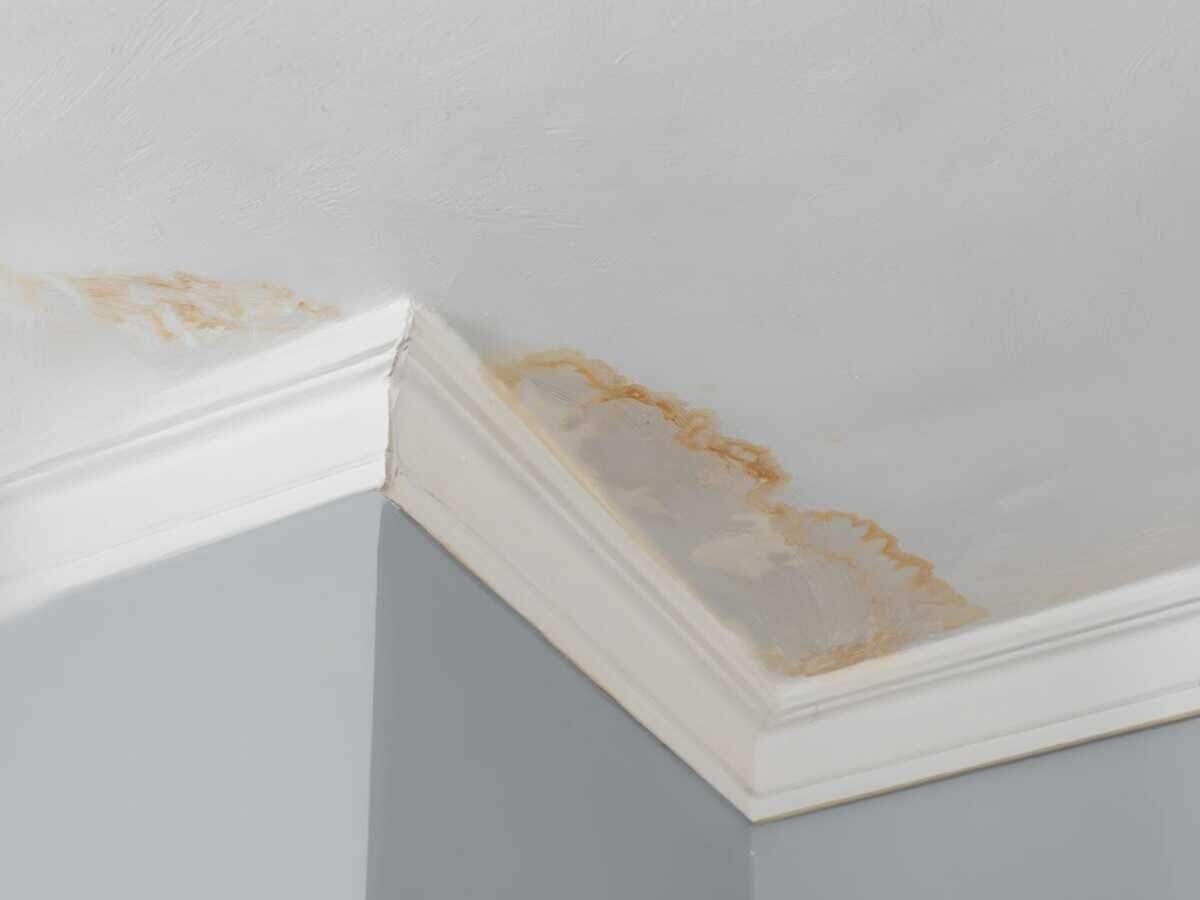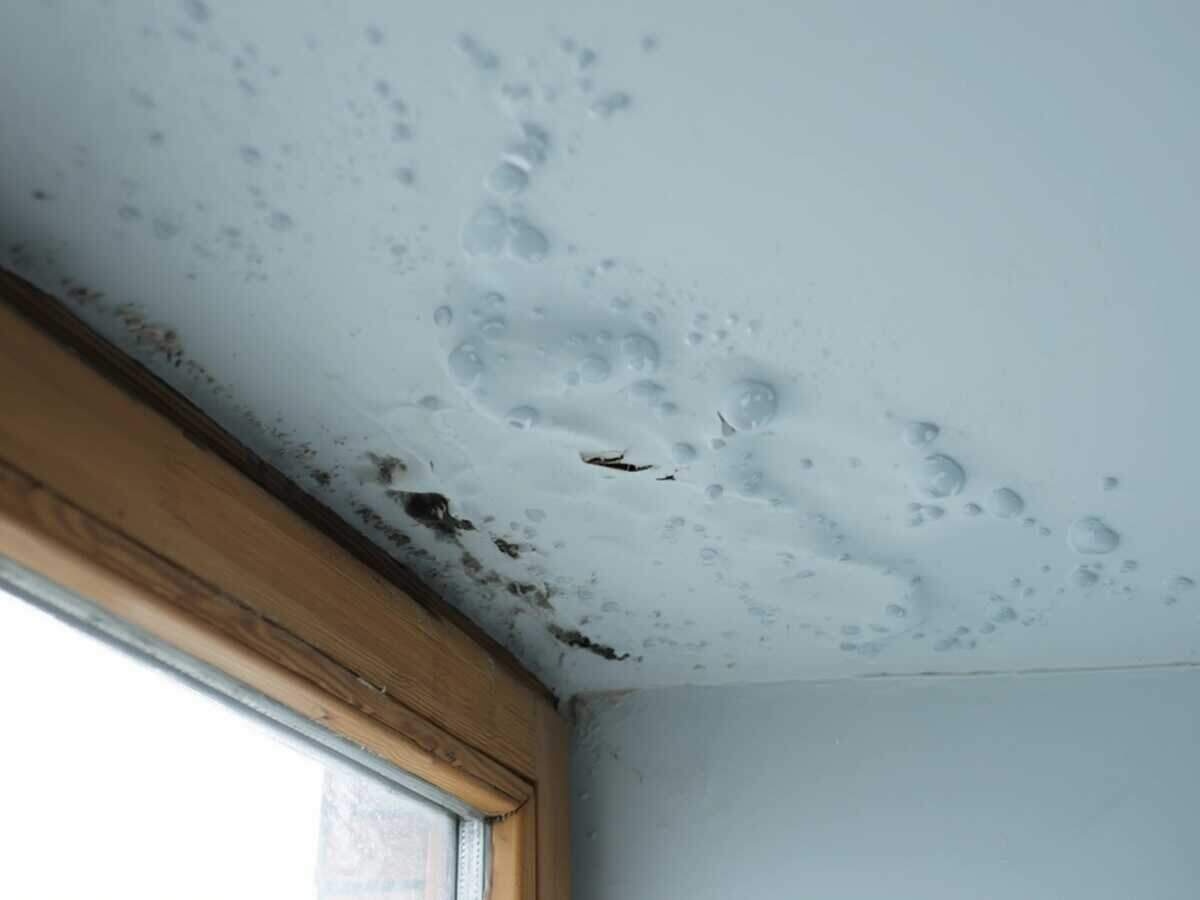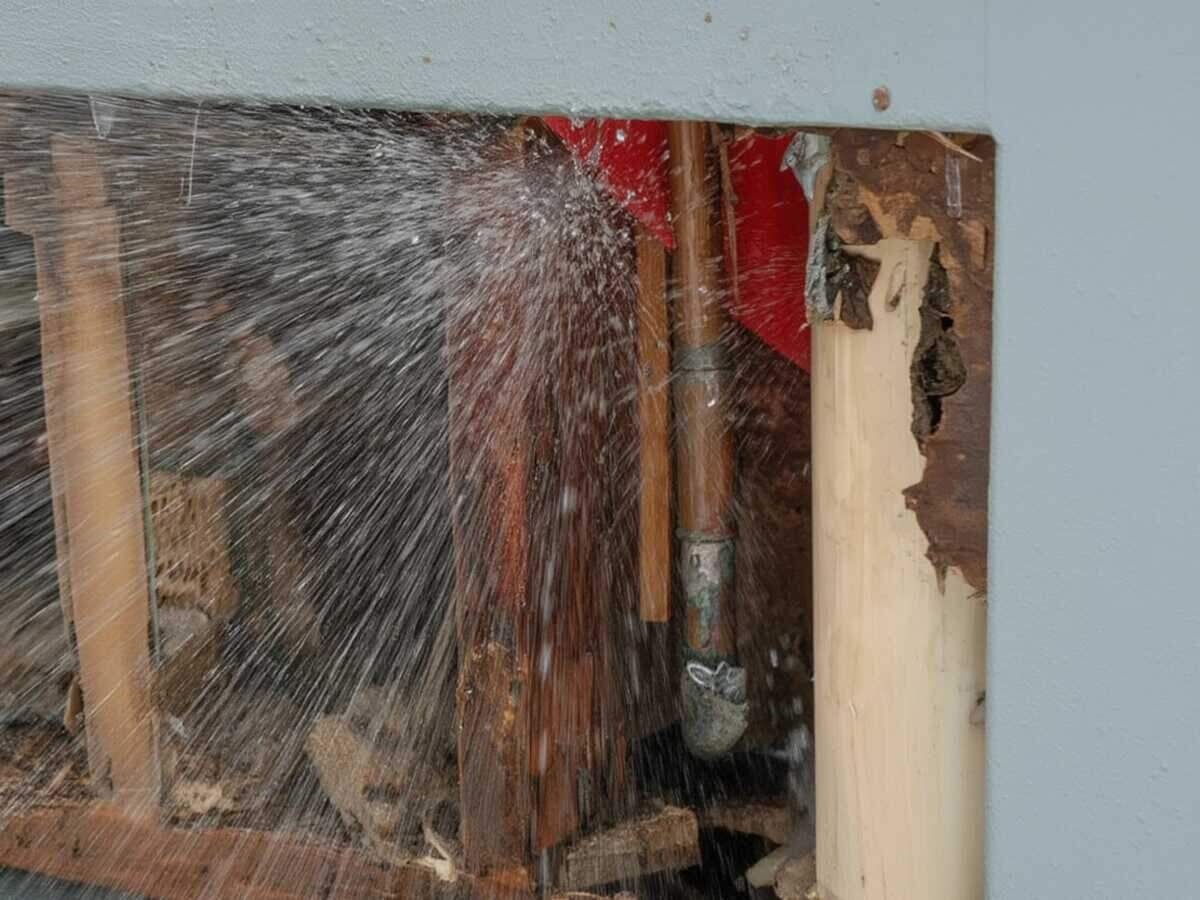



Most Lakeway mold calls start with a smell instead of a stain. A room reads damp and stale, the paint looks fine, and the growth is on the back of the drywall where nobody has looked. That is the ordinary case. Mold grows toward the water, so the patch you can see is the far edge of it rather than the middle.
Houses out here make it easy to miss. A room at the bottom of the grade, a guest wing, a media room off the main hall: these are rooms a family may not walk through for a week at a time, and a wall with stone outside and finished millwork inside gives away nothing. By the time the smell carries into the hall, the cavity has been wet long enough to matter.
Sizing the containment to the room, not to the patch
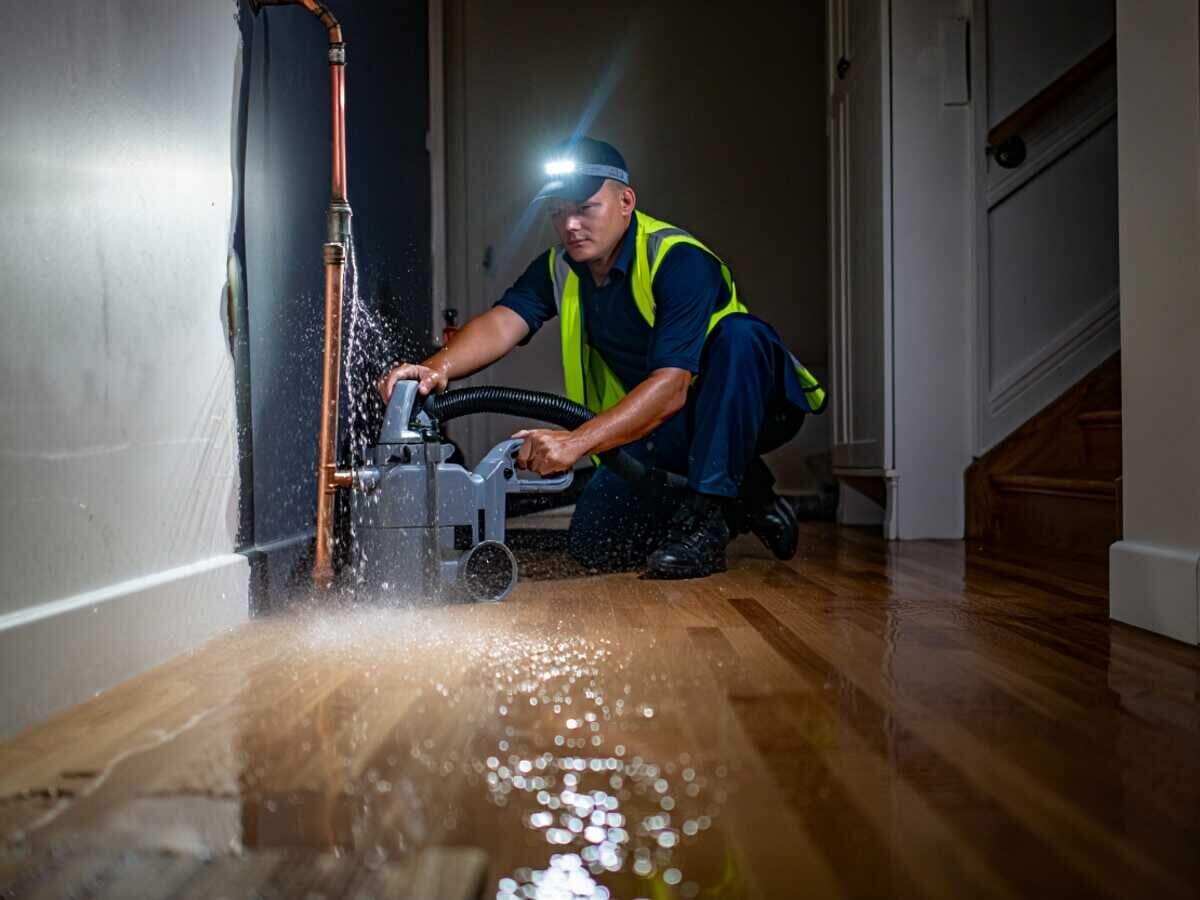
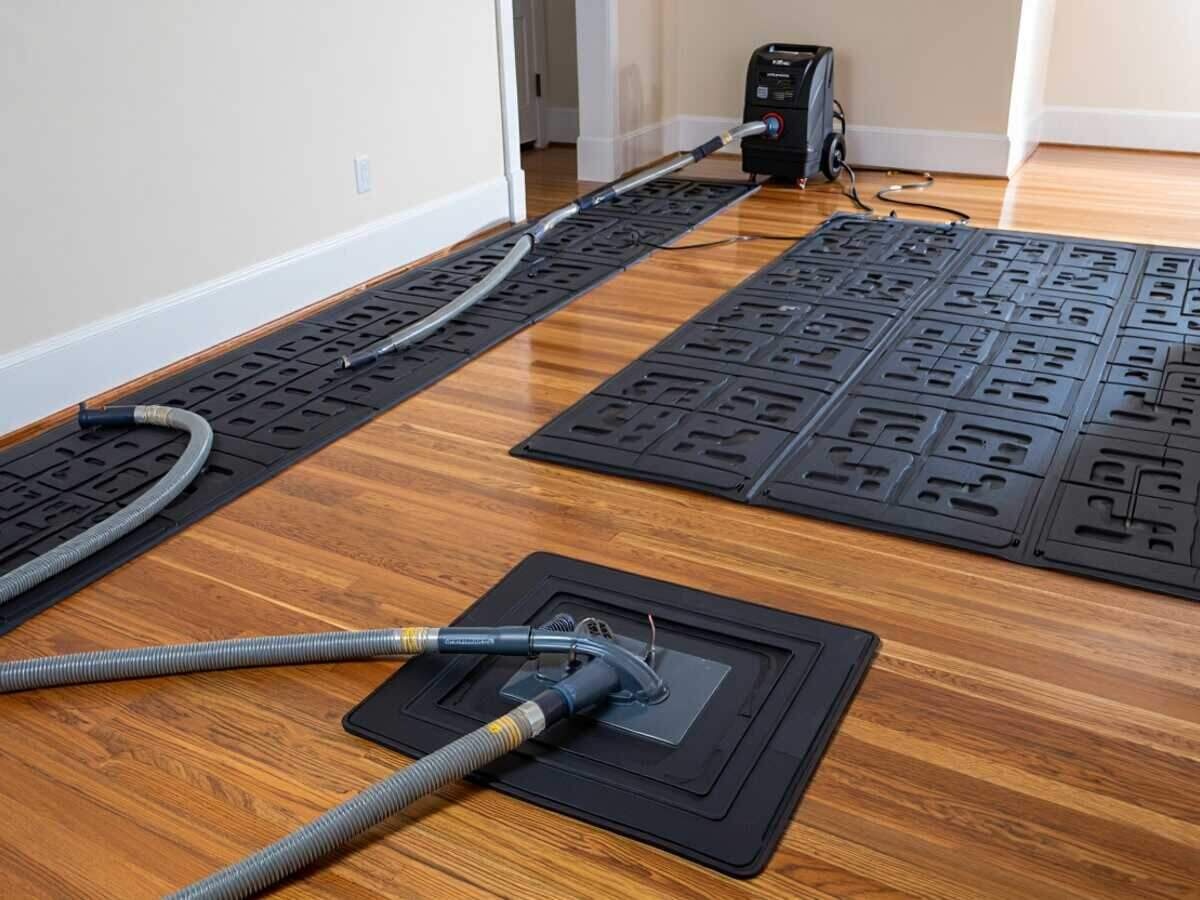
A twelve-square-foot wet spot in a great room with a twenty-foot ceiling is not a small containment. Negative air is sized by the volume of the space and the air changes we need out of it, so the machine that would handle a hall bath is the wrong machine here. We build the barrier around the work and around the path the material takes out of the house, hold the space under negative pressure, and run HEPA scrubbers the whole time the wall is open. Poly and taped edges protect the stone, the cabinetry, and the floor the crew has to cross, because mold removal that wrecks the finish on the way out is only half a job.
- Moisture mapped with meters and a thermal camera before a single cut is made
- Containment and negative air sized to the volume of the room, not to the size of the stain
- Porous material bagged inside the barrier, sound framing HEPA-vacuumed and treated
- The line that fed it dried down to a number, then checked again a day later
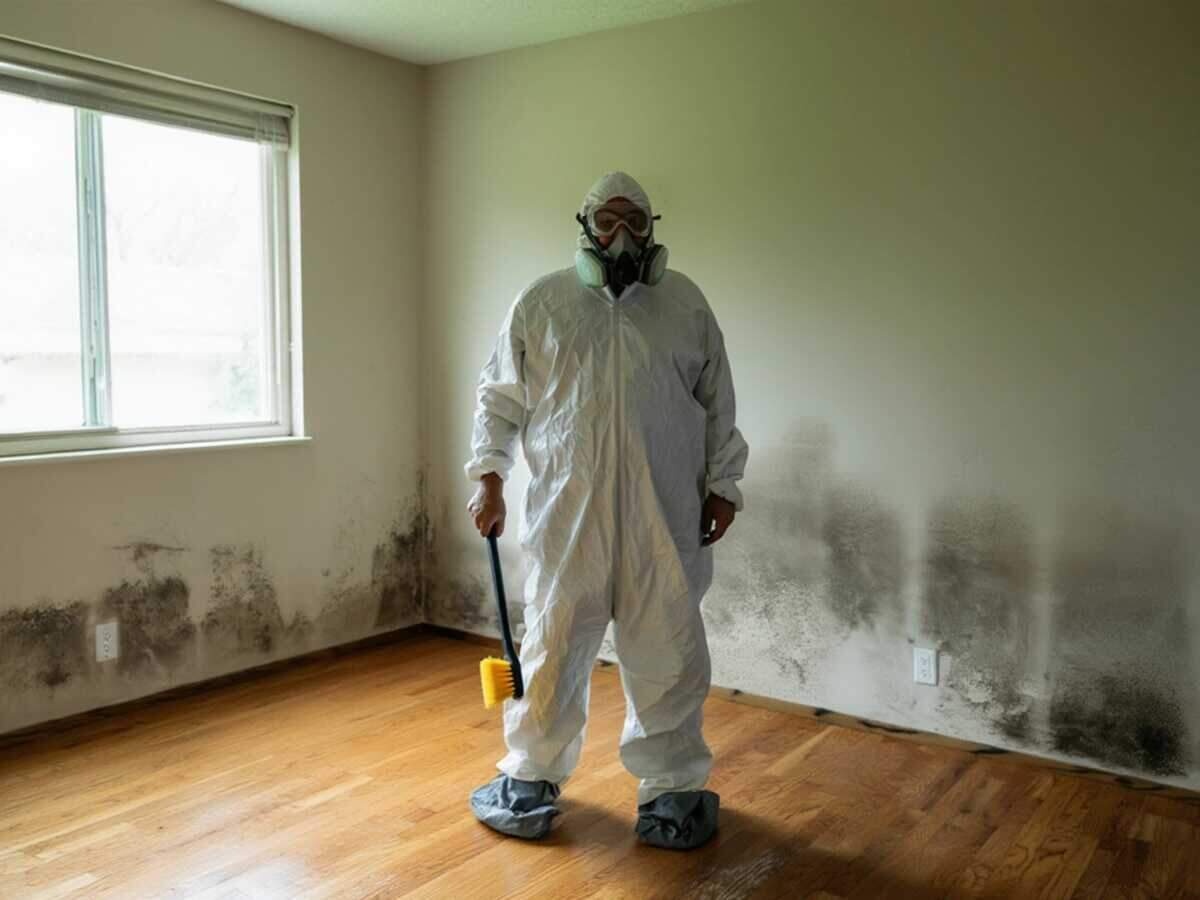
Mold remediation that follows a covered water loss usually rides on the same claim as the water. Every room gets a dated reading in the log, the wall is photographed before the barrier hides it, and what reaches your adjuster is a scope rather than a summary of one. What the policy covers is their decision, not ours, and you will hear what we are seeing either way. Call (512) 271-5099 and ask what the readings are before anything comes out of a wall.