


Mold Removal in Cedar Park, TX

A supply line that weeps behind a Buttercup Creek laundry wall never makes a puddle. It makes a warm, damp cavity that grows for a month before anyone smells it. We seal the room, take the material out, and dry what fed it. Call (512) 271-5099 any hour.

Call (512) 271-5099 Answered live, 24/7Nights, weekends, holidays
  • We bill your insurer directly
  • IICRC-certified crews
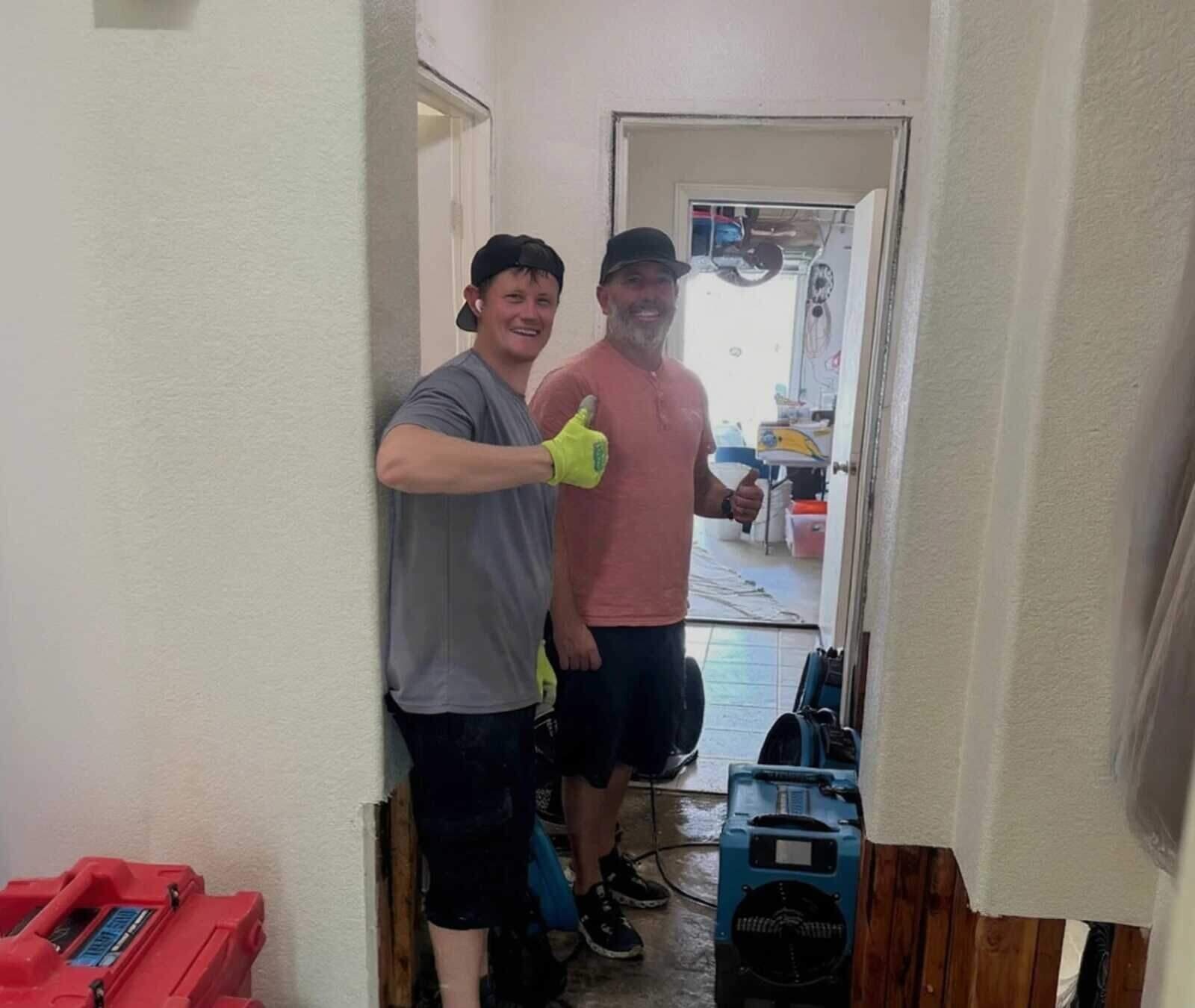
Local water damage crew working in an Austin-area home with air movers and a dehumidifier
Our crew · Austin metro
Why Cedar Park homeowners call us

A local crew that shows up and does it right

Dried to a reading Equipment stays until the material meters dry, not until the surface feels dry.
One crew, start to finish The same local crew from the first extraction to the final repair.
No surprise line on the bill Equipment days and demolition are priced before the work happens, not discovered on the invoice.
Local Austin crew Dispatched from the north metro, never routed through an out-of-state call center.
Certified & accredited
IICRC Certified firm Indoor Air Quality Association member Certified and licensed water damage restoration Certified and licensed mold remediation and removal
How it works

Our restoration process

Four steps, starting the moment you call.

1

Call & Dispatch

Tell us what happened. A local crew is dispatched on the call, and how fast we reach you depends on traffic and where you are.

2

Extract & Stabilize

We stop the source, pump out standing water, and set drying equipment.

3

Dry & Monitor

Air movers and dehumidifiers run while we track moisture daily to dry standard.

4

Repair & Reinstall

Drywall, texture, trim, and paint go back so the room reads finished.

Insurance-savvy from the first call

Documented to claim standard from the first hour

We document the loss to claim standard from the moment we arrive — photos, moisture readings by room, and a scope that maps to your policy. Then we bill your insurer directly for the covered work.

See how claims work in Texas

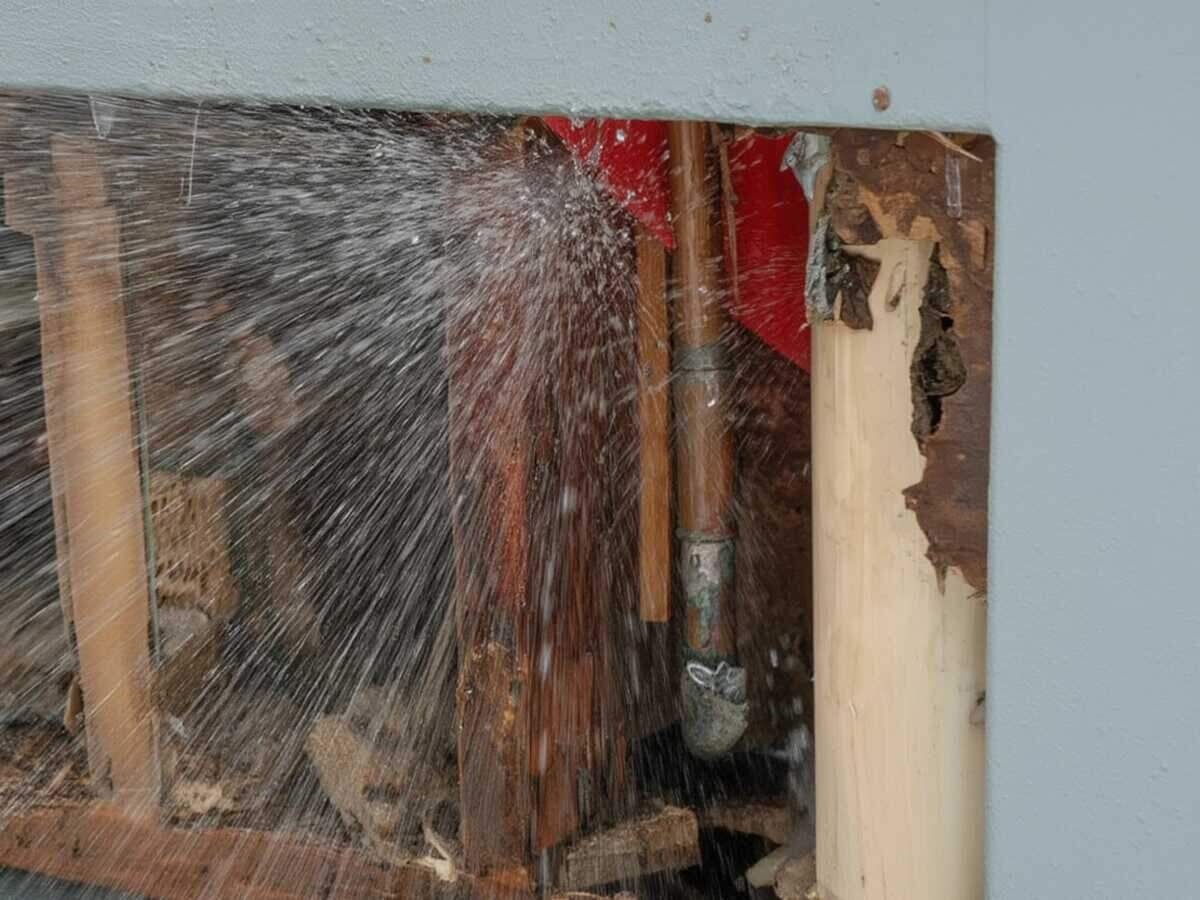
Nearly every mold removal job we take in Cedar Park traces back to a leak that never announced itself. The oldest streets here, through Buttercup Creek and off Cypress Creek Road, went in around the late 1980s and early 1990s, and the supply piping in that generation of house has had thirty-odd years to corrode from the inside out. Where galvanized line is still in service it rarely bursts. It weeps, a few ounces an hour, into the cavity behind a vanity or a laundry wall.

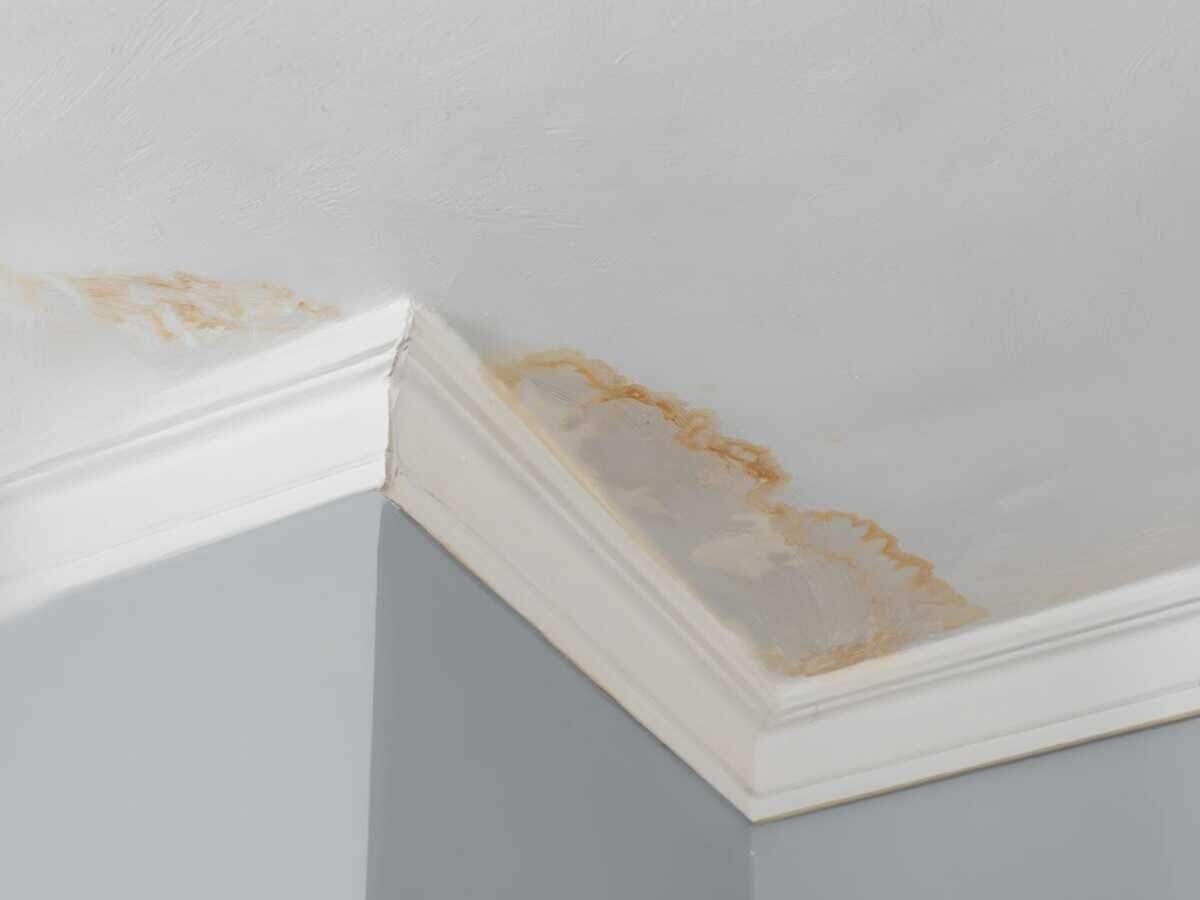
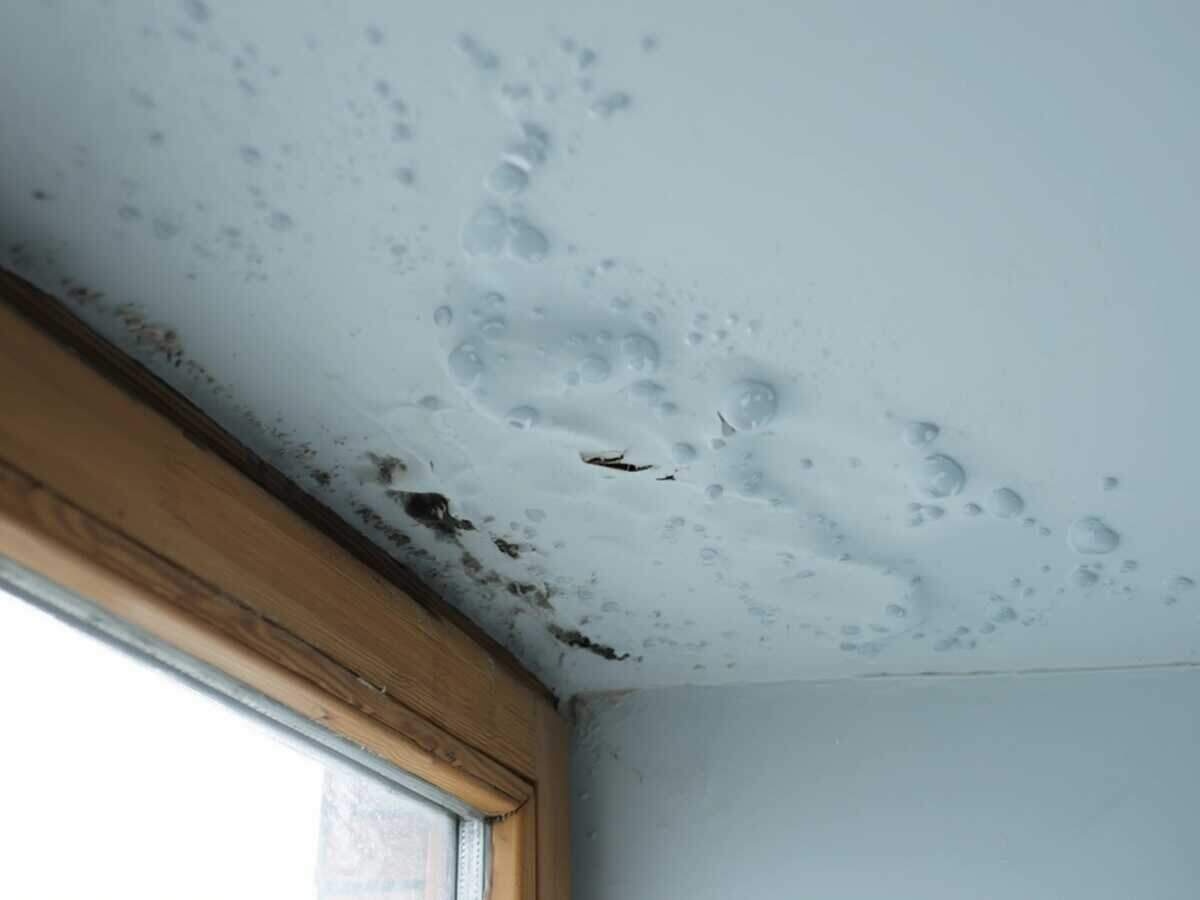
That is the worst way a house can leak. Nothing reaches the floor to alarm anyone, the painted face of the drywall stays dry to the touch, and behind it the paper on the board and the facing on the batt stay wet straight through a Central Texas summer. Growth needs a wet surface, something organic to feed on, and time. A slow weep inside a closed-up, air-conditioned slab house hands it all three, and the first sign most homeowners get is a smell that follows them from room to room.

Containment in a house you are still living in

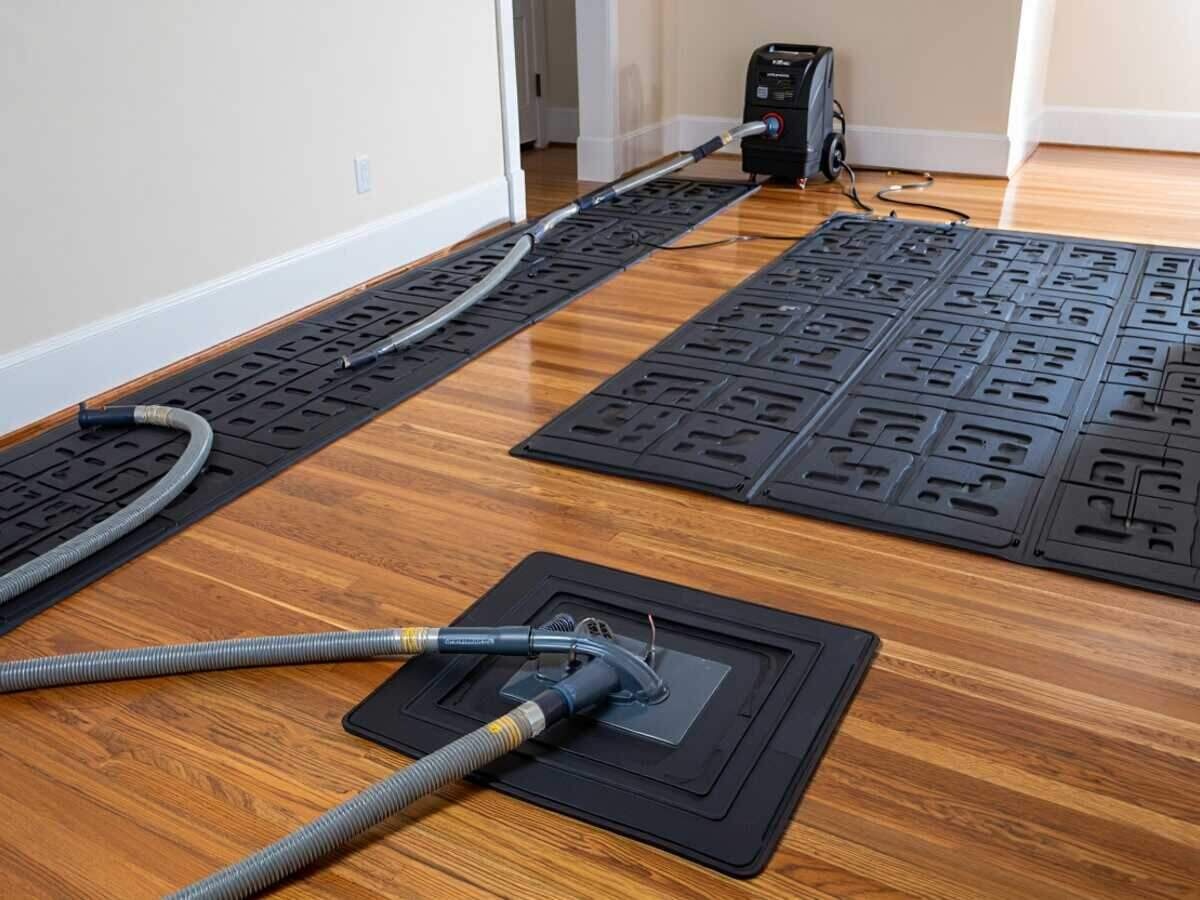
Nobody moves out for this. We seal the affected room in poly, run a negative air machine ducted out a window so the work zone stops sharing air with the rest of the house, and get HEPA scrubbers running before a blade touches drywall. Everything porous the growth has colonized leaves bagged, through a step-off at the doorway, instead of being carried down your hallway. Studs and plates that are still solid get vacuumed with a HEPA unit and treated rather than replaced. Then the cavity itself gets air movers and a dehumidifier and a reading every day until the wood matches a wall the water never reached. We work one zone at a time, so a kitchen and a bathroom stay in service while the remediation runs.

  • Meter and thermal camera first, so the cut line follows the water
  • Poly containment under negative air, exhausted outside, HEPA scrubbers throughout
  • Colonized drywall, batt, and pad bagged out through a step-off at the door
  • The weeping line behind it dried to a reading, not to the touch
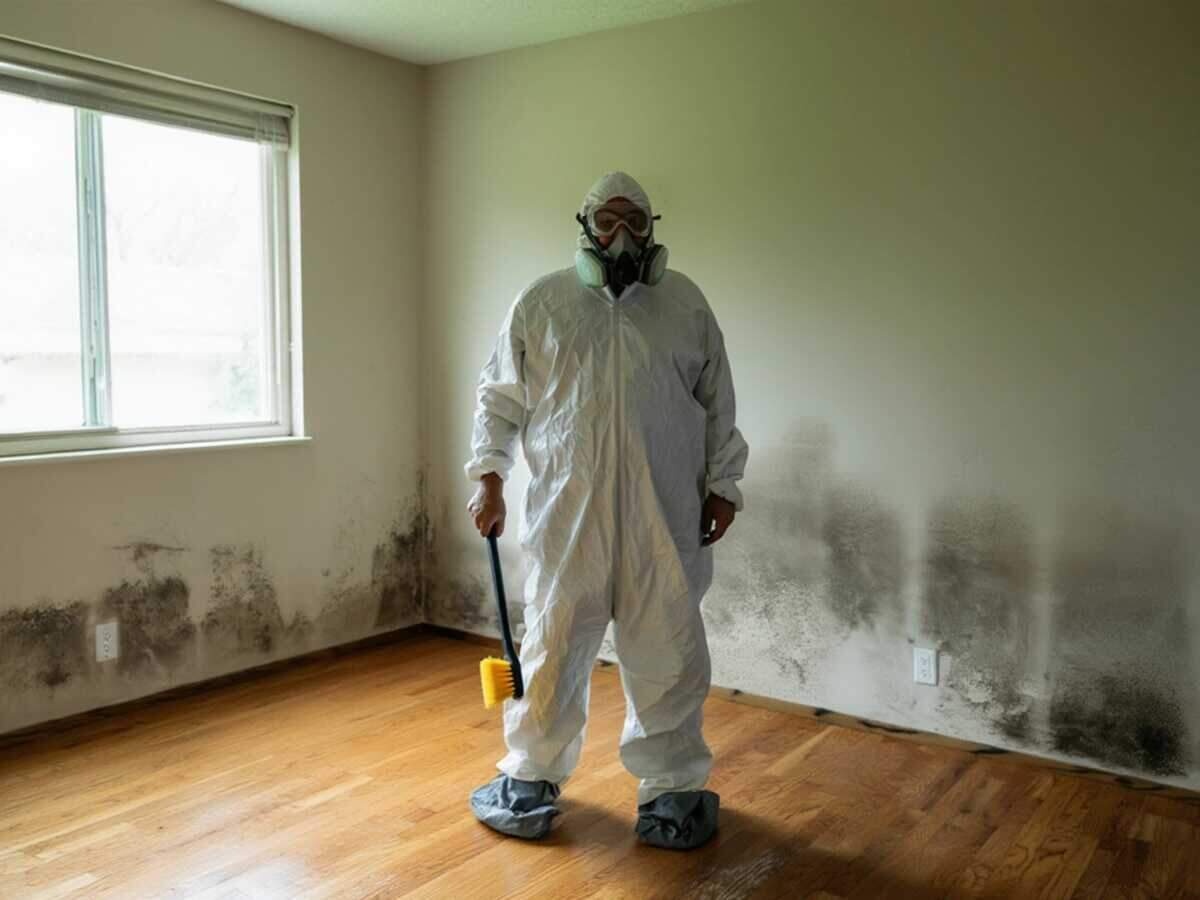
Mold removal in Cedar Park, TX

Carriers generally treat the weep and what grew behind it as a single loss on a single claim. Before the poly goes up we shoot the wall as we found it, and every room we touch gets a dated reading, so the file your adjuster opens matches the house. Which parts of that the policy pays for is not something we get a vote on. Call (512) 271-5099 and describe what you are smelling before anybody opens that wall.
Good to know

Frequently asked questions

There is no stain anywhere, just a smell in one room. Is there anything to find?

A musty smell with nothing to look at usually means the wet surface is on the back side of something. We start with a moisture meter along the wall base and a thermal camera across the plane, which picks up the cool wet band a nose cannot place. If the readings come back flat, we tell you so and nothing gets opened.

Can our family stay in the house while the containment is up?

Usually yes. The work zone is sealed and held under negative pressure so its air leaves the building rather than drifting into your hallway, and we run one zone at a time so you keep a kitchen and a bathroom. Where the growth sits in a main traffic path, or somebody in the house has asthma, we will say plainly that a few nights elsewhere is the better call.

Does the drywall have to come out, or can it be treated in place?

Board that is only surface-soiled and meters dry can be cleaned and stays. Board whose paper has been wet, which is the case behind almost every slow leak, comes out, because the growth is in the paper and nothing you brush on reaches it there. The same rule sorts the insulation: wet batt is finished, and it holds water against the framing until somebody pulls it.

The leak was repaired months ago. Does that change how the claim goes?

It can, and you should hear that up front. Texas policies are built around sudden accidental losses, and a carrier reads a line that wept for months differently than one that split overnight. We document what we actually find in both directions: the source, how far the water traveled, and the readings behind it. The coverage decision belongs to your carrier.

Water damage won't wait

Growth behind a Cedar Park wall? Leave it closed up.

Tell us what you are seeing and smelling and how long the wall has been damp. One crew seals the room, removes what the growth has colonized, and dries the source behind it, on a single ticket. The photographs and the numbers go into the file your adjuster works from, and the coverage decision stays theirs.

Call (512) 271-5099 Available 24/7 · Austin metro