



A good share of the ceilings we get called to in Cedar Park sit under a plane with no attic above them. The 1990s and 2000s plans here love a vaulted or cathedral great room, and in that section the rafters are the ceiling framing: no attic floor, no walkway, nowhere to stand. So ceiling water damage repair over that part of the house cannot start the usual way, by stripping soaked insulation from the attic side, because there is no attic side to work from.
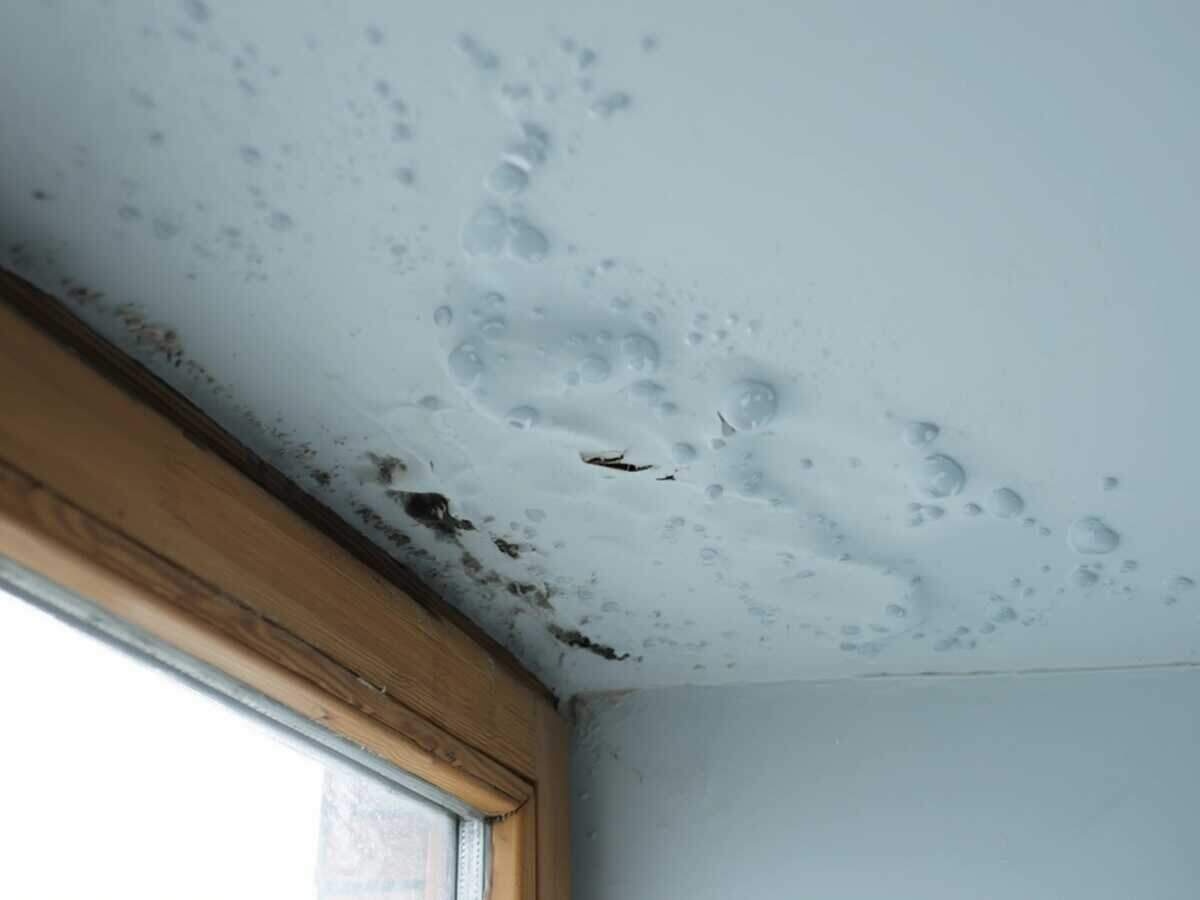
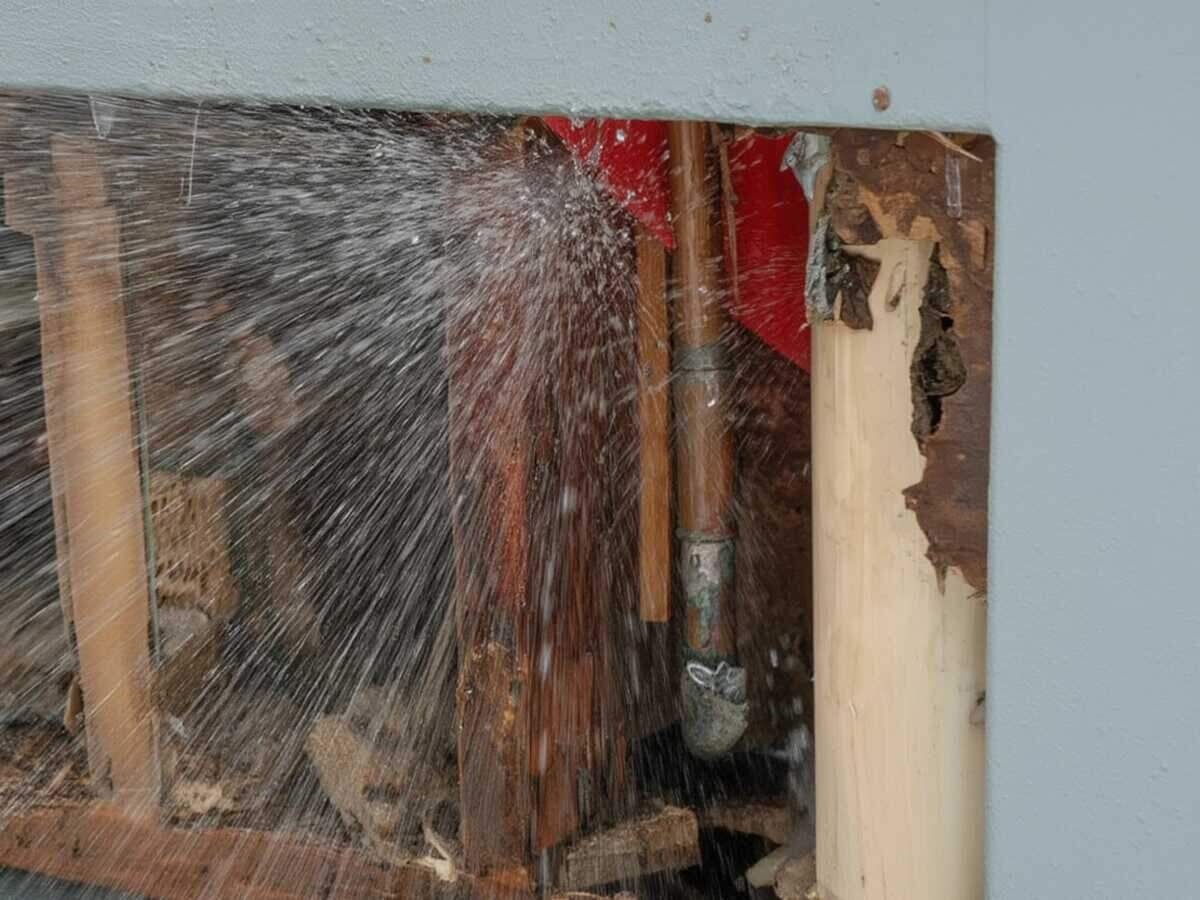
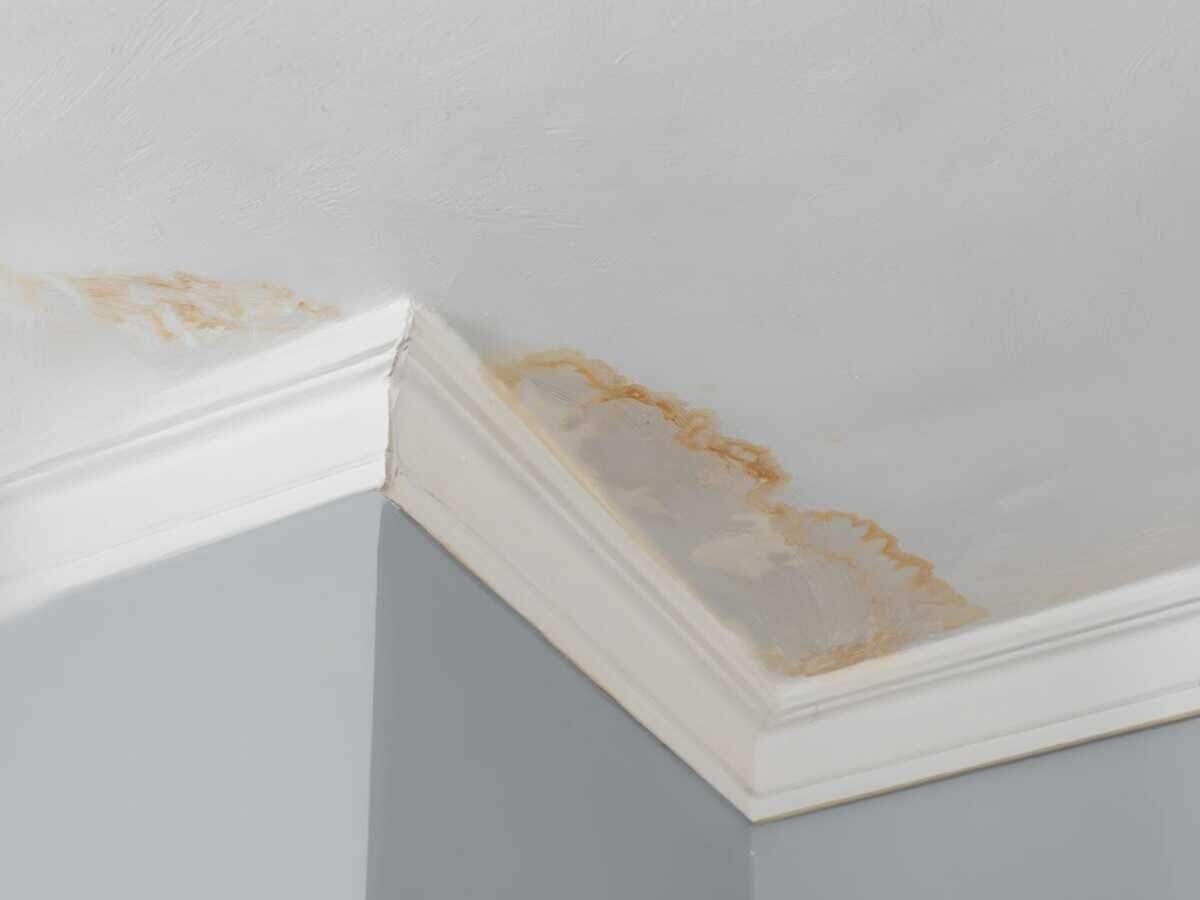
What lands there generally comes from the flat attic next to it. The air handler, the ductwork, and in many of these plans the water heater all sit over the bedroom wing, and anything that lets go up there runs downhill along the top plate until it reaches the vaulted section. From there it follows a rafter bay to the low end and surfaces at whatever hole is already cut in the drywall: a recessed can, the box for a ceiling fan, or the seam where two planes meet. The stain marks where the bay ran out of run, not where the water started.
Working a ceiling from the room side
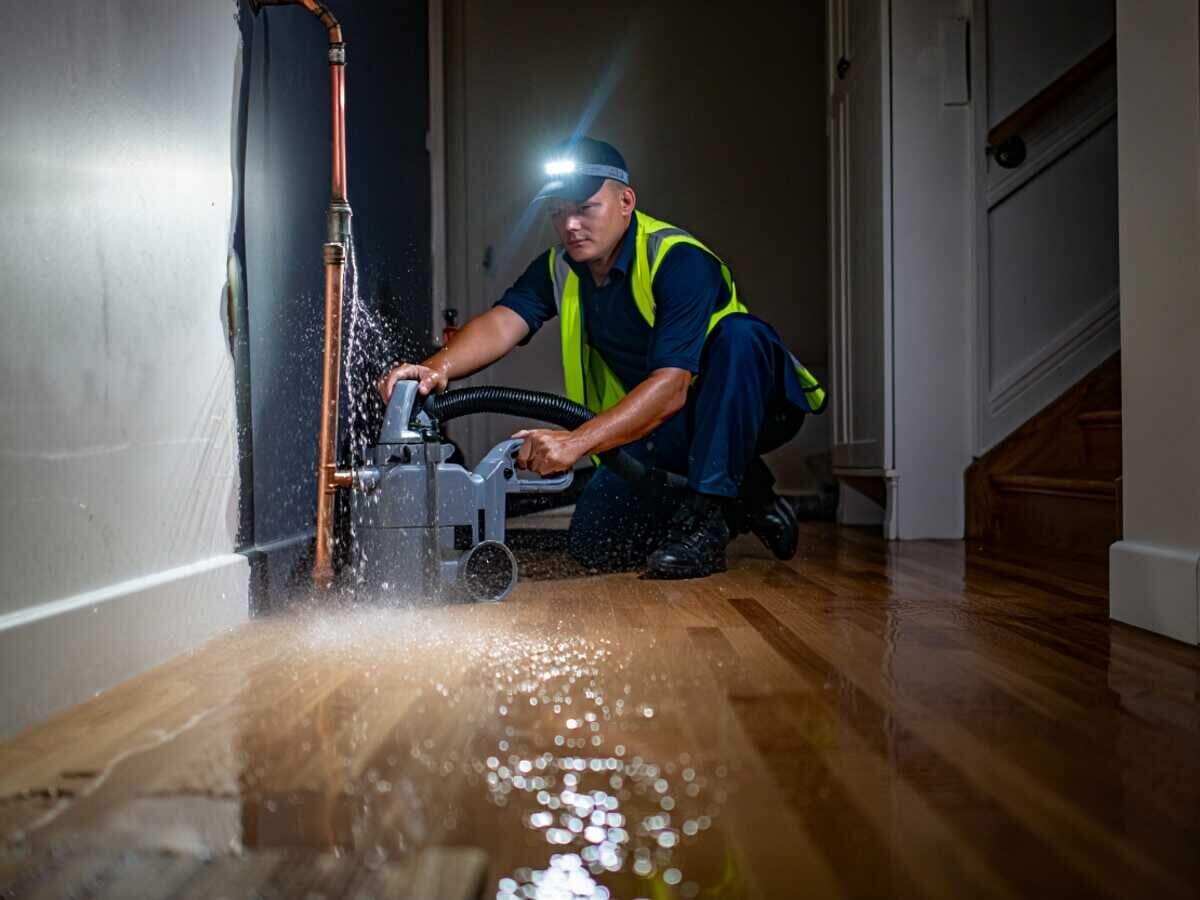
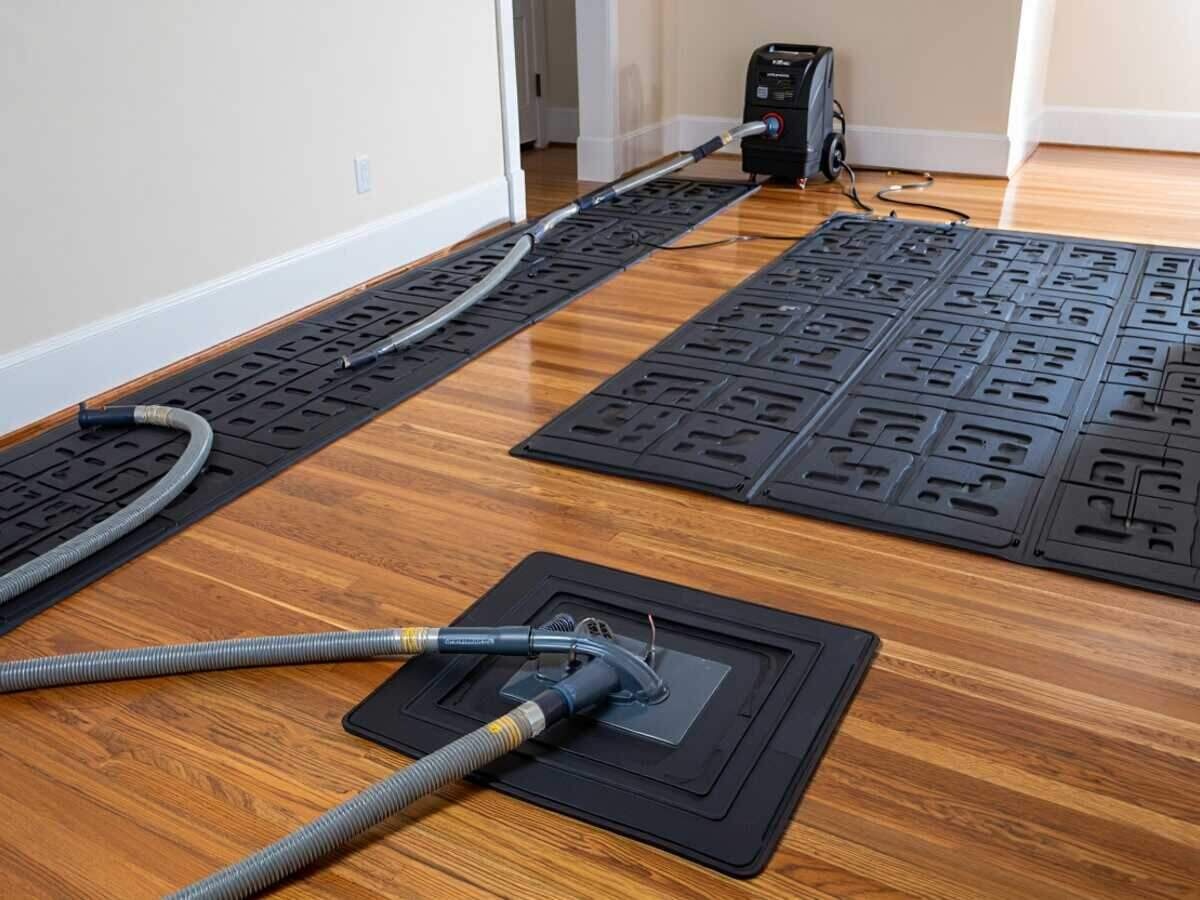
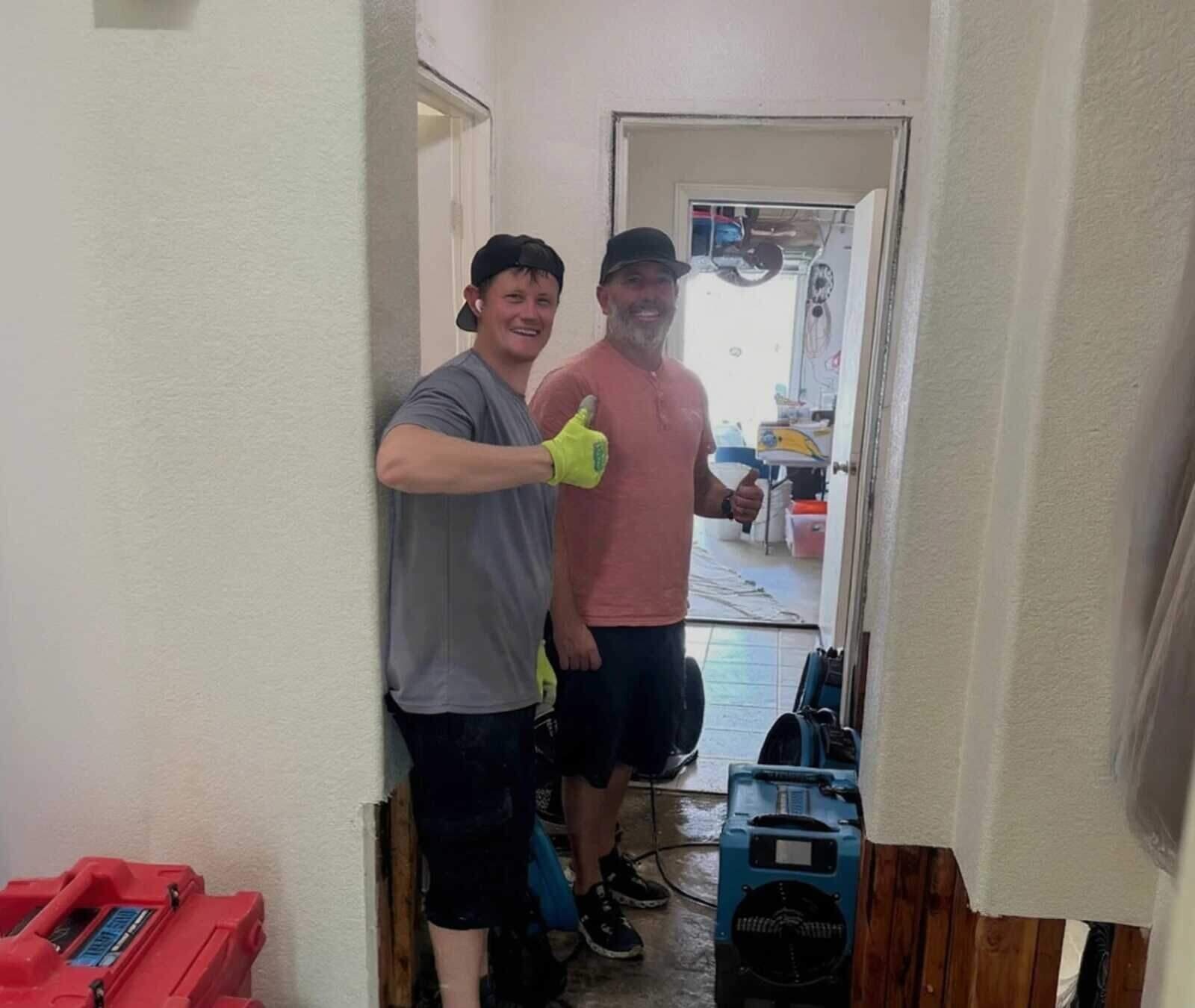
We find and stop the source first, then read the whole plane with a meter and a thermal camera from below, so the opening follows the water instead of the paint. Anything sagging gets drained deliberately, low and small, rather than left to come down on its own schedule. Then the bay is opened along its length wherever the readings call for it, the wet batt is dragged out, and the cavity gets air pushed through it with a dehumidifier working the room, read again every day. Board goes back only once the framing reads like framing in a room the water never touched, then texture to match the plane and a stain-blocking primer so the old ring cannot ghost through.
- The source found and stopped before anything gets opened
- Loaded drywall drained on purpose instead of dropping on its own
- The rafter bay opened along the readings, wet batt out, air into the cavity
- Board, texture, and stain-blocking primer by the crew that dried it
Drying and rebuilding are one job here, so there is no drywall contractor to line up afterward and no gap where a wet bay quietly gets closed. Call (512) 271-5099 and tell us where the stain is and whether it has grown since you first noticed it.