



Roof Water Damage Repair in Cedar Park, TX

Rain got past the roof on Tuesday and by Friday water runs out of a bedroom air vent. In these attics the ductwork is the fastest way down, and the register is only where the water ran out of duct. Call (512) 271-5099.

Call (512) 271-5099 Answered live, 24/7Nights, weekends, holidays
  • We bill your insurer directly
  • IICRC-certified crews
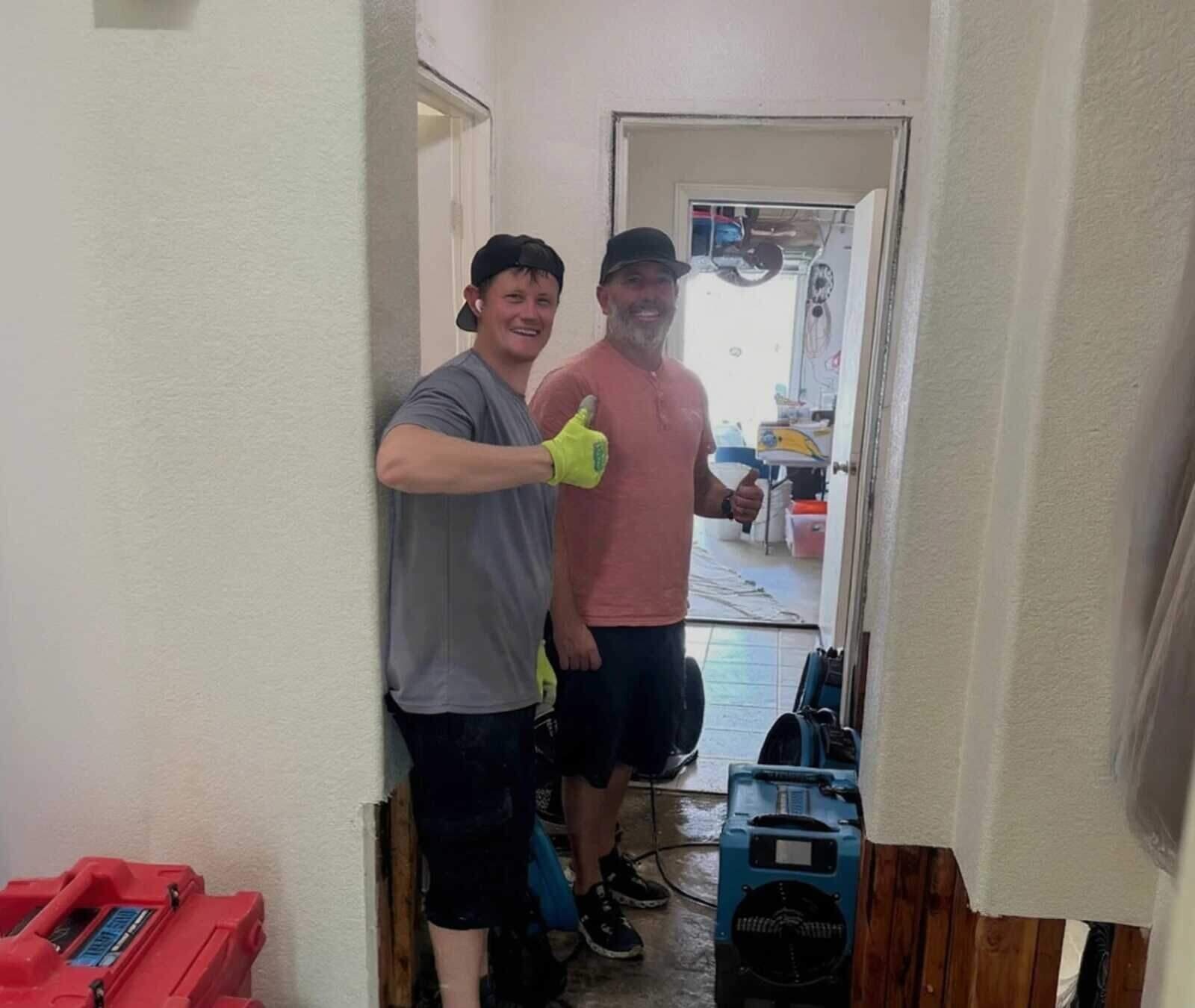
Local water damage crew working in an Austin-area home with air movers and a dehumidifier
Our crew · Austin metro
Why Cedar Park homeowners call us

A local crew that shows up and does it right

Dried to a reading Equipment stays until the material meters dry, not until the surface feels dry.
One crew, start to finish The same local crew from the first extraction to the final repair.
No surprise line on the bill Equipment days and demolition are priced before the work happens, not discovered on the invoice.
Local Austin crew Dispatched from the north metro, never routed through an out-of-state call center.
Certified & accredited
IICRC Certified firm Indoor Air Quality Association member Certified and licensed water damage restoration Certified and licensed mold remediation and removal
How it works

Our restoration process

Four steps, starting the moment you call.

1

Call & Dispatch

Tell us what happened. A local crew is dispatched on the call, and how fast we reach you depends on traffic and where you are.

2

Extract & Stabilize

We stop the source, pump out standing water, and set drying equipment.

3

Dry & Monitor

Air movers and dehumidifiers run while we track moisture daily to dry standard.

4

Repair & Reinstall

Drywall, texture, trim, and paint go back so the room reads finished.

Insurance-savvy from the first call

Documented to claim standard from the first hour

We document the loss to claim standard from the moment we arrive — photos, moisture readings by room, and a scope that maps to your policy. Then we bill your insurer directly for the covered work.

See how claims work in Texas

The attic over a Cedar Park house is a mechanical room with insulation on the floor. The air handler is up there, a plenum and flex duct run to every register in the plan, and in plenty of these houses the water heater is up there too. So when rain gets past the decking it does not simply land on ceiling board. It lands on equipment, and the equipment carries it.

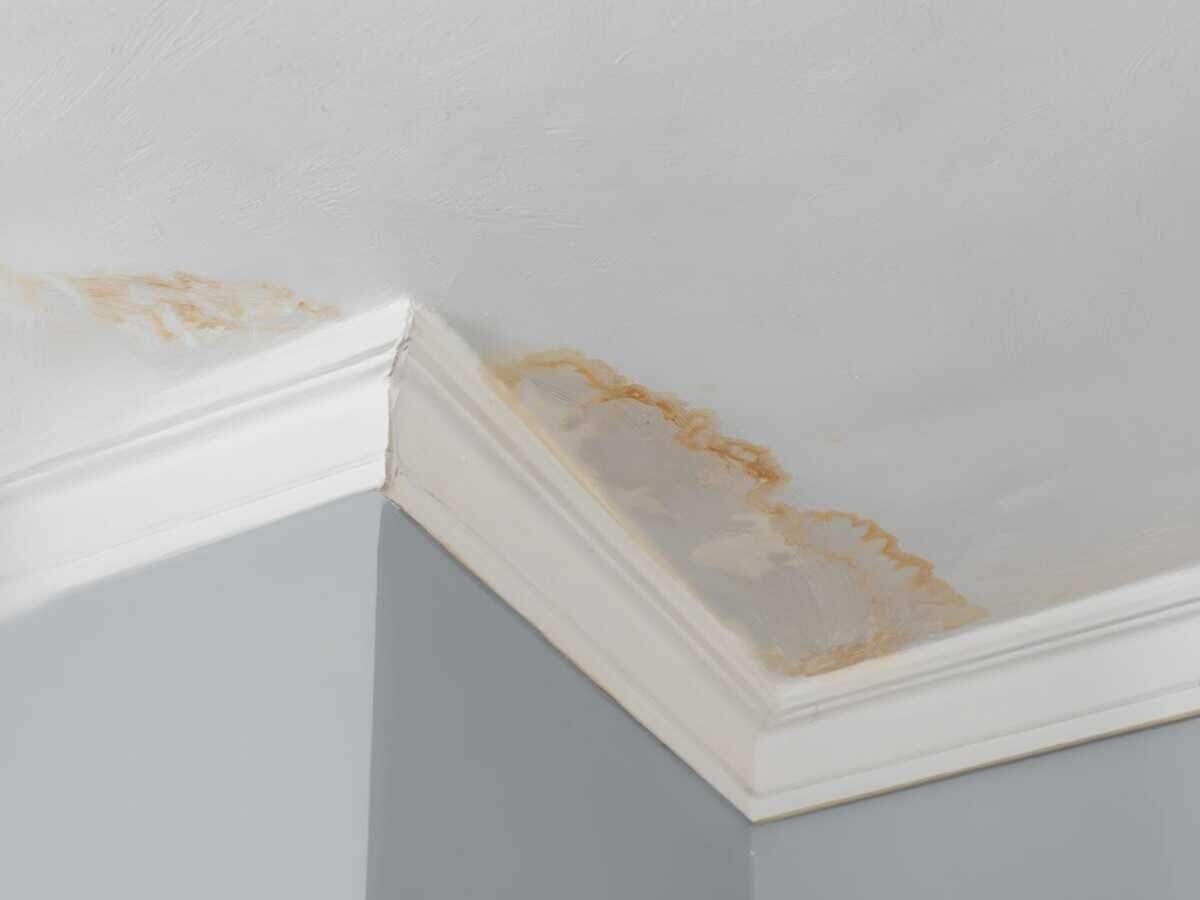
That is why so many of these calls open with water at a ceiling vent rather than a stain. Water reaching the outside of a flex duct follows the run down and comes out at the register boot, which can be two rooms from where the roof was breached. The duct insulation it soaked will not dry inside its jacket, and the blown insulation it hit packs flat, stops working as insulation, and holds water against the ceiling. Roof water damage repair here is mostly about what happened in that space, not about the shingles.

Our half of a storm loss

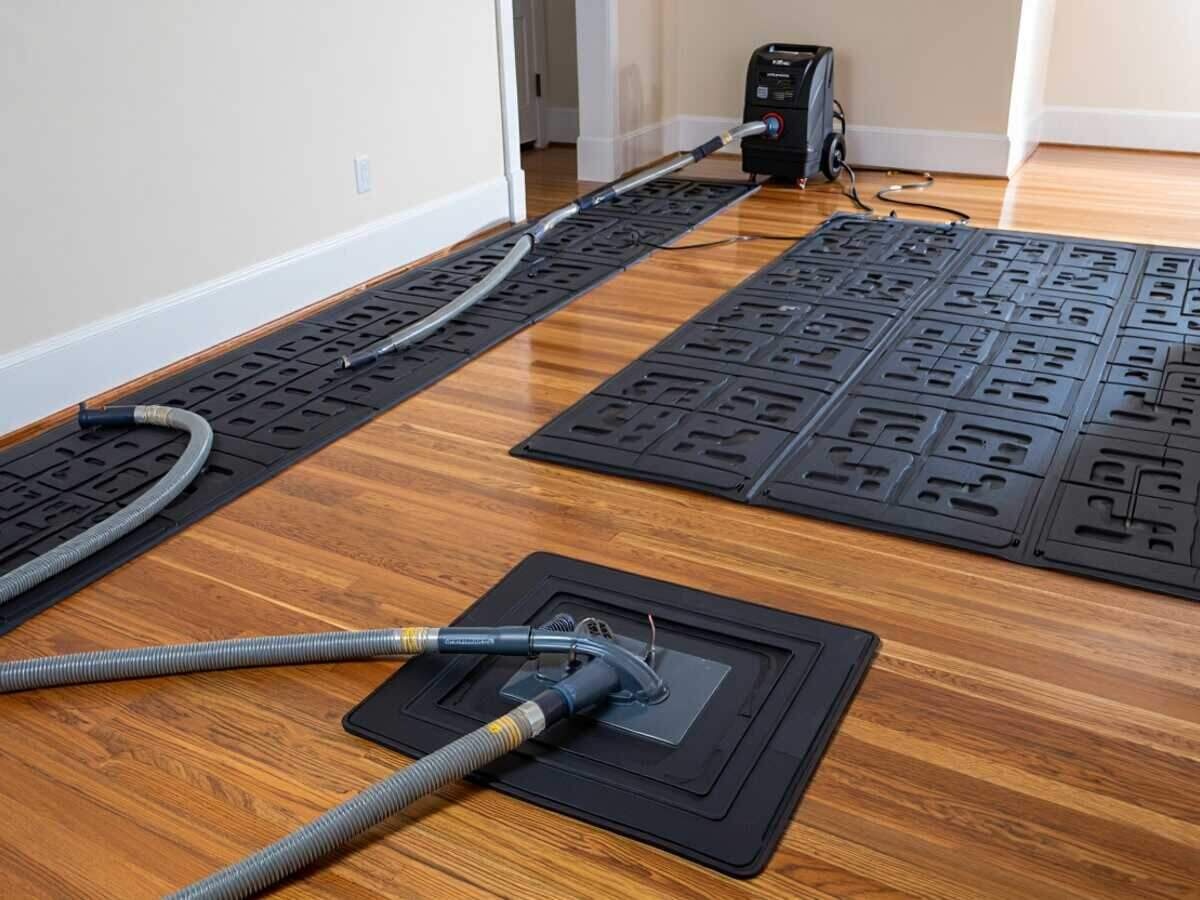
We take the inside and start before the roof is closed. If it is still coming in, the entry point gets diverted and the rooms under it contained so the loss stops spreading while a roofer is scheduled. Then we work the space with infrared and meters until the wet area has an outline, and on these jobs that outline takes in duct runs and ceiling framing well outside anything visible from the room below. Soaked insulation comes out, and what leaves gets measured on the way out the door, area and depth both, so the replacement goes back at the R-value that was there instead of at a guess. Air movers go in along the rafter bays, a dehumidifier holds the space, and the same points get read daily until the wood matches an untouched section. Shingles, flashing, and deck replacement are a licensed roofer's trade, and we time our side to theirs.

  • Interior entry diverted and contained before the roof is scheduled
  • Water traced along ductwork and framing, not just under the stain
  • Soaked insulation out, measured, and blown back to the depth it was
  • Decking and joists read daily until they match a dry section of attic
Roof water damage repair in Cedar Park, TX

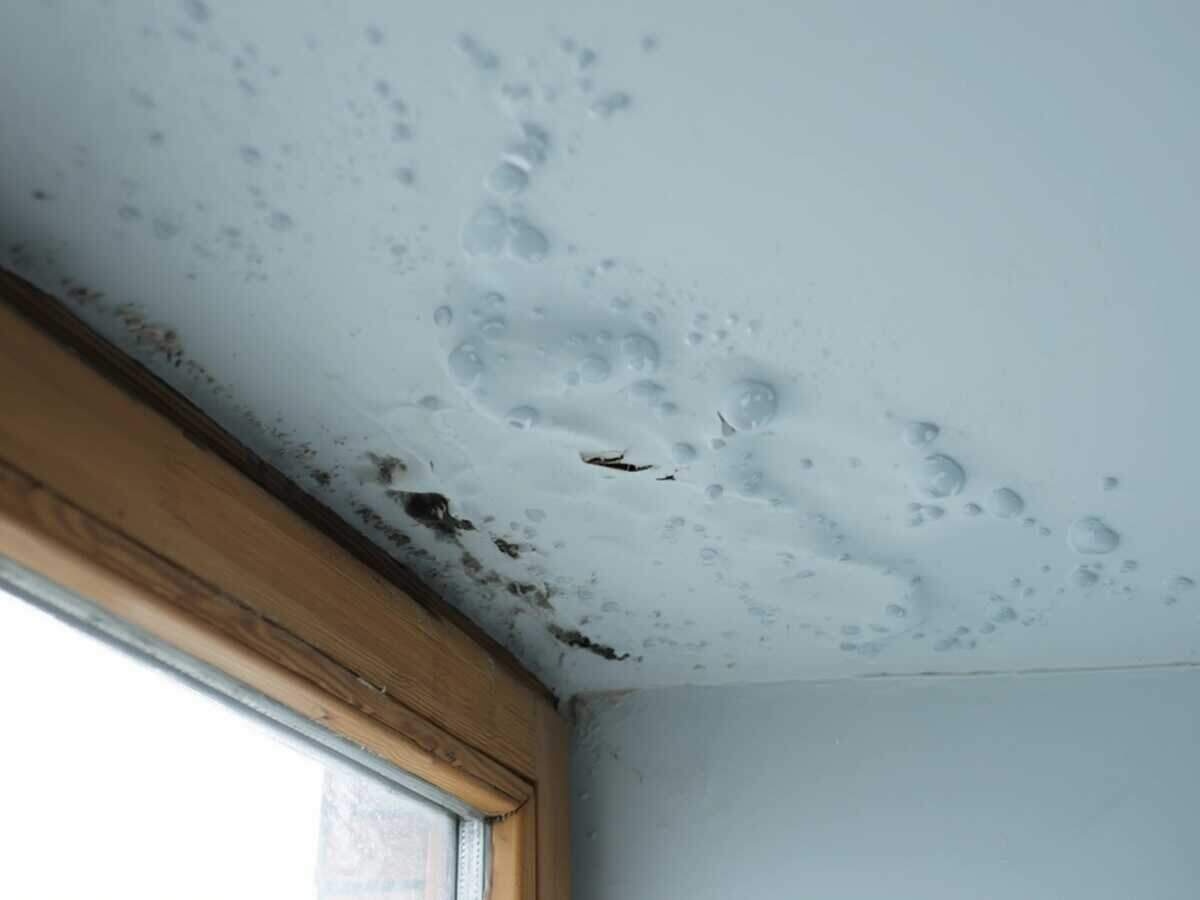
A leak that ran quietly through a warm month earns one extra check: the back of the sheathing and the sides of the rafters, because a hot attic that stays damp is where growth starts. Call (512) 271-5099 during the storm or after it, and say which room it turned up in.
Good to know

Frequently asked questions

Water came out of a ceiling air vent. Is that the roof or a plumbing leak?

Usually the roof, and the vent is a symptom of how attics are built rather than the location of anything. Water that lands on a duct follows it to the register boot and drips out there, sometimes rooms away from where it got in. We open the attic and map it with infrared and meters instead of guessing from the room below.

Does the ductwork have to be replaced?

Insulated flexible duct usually does where it took water, because the fiberglass inside the outer jacket will not dry in place and leaves a damp surface inside a system that blows air through your house. The rigid metal boot and the plenum usually survive a cleaning. We photograph what we find and put it in the scope, so your adjuster is looking at the same thing we are.

The roofer patched it last week. Why is the ceiling still wet?

Closing the roof stops new water and does nothing about what is already in the insulation and the framing. Blown insulation over a wet run holds it for weeks, and the ceiling under it keeps taking water from above with no way to dry. We get the wet material out, then read the deck and the joists every morning until those numbers land where the untouched end of the attic already sits.

Water damage won't wait

Cedar Park roof leak? The damage is in the attic, not on the roof.

Call and we will contain what is still coming in, strip the soaked insulation, and dry the deck and joists to a reading before anything closes back up. We work around your roofer and hand your adjuster the interior scope with the numbers attached.

Call (512) 271-5099 Available 24/7 · Austin metro