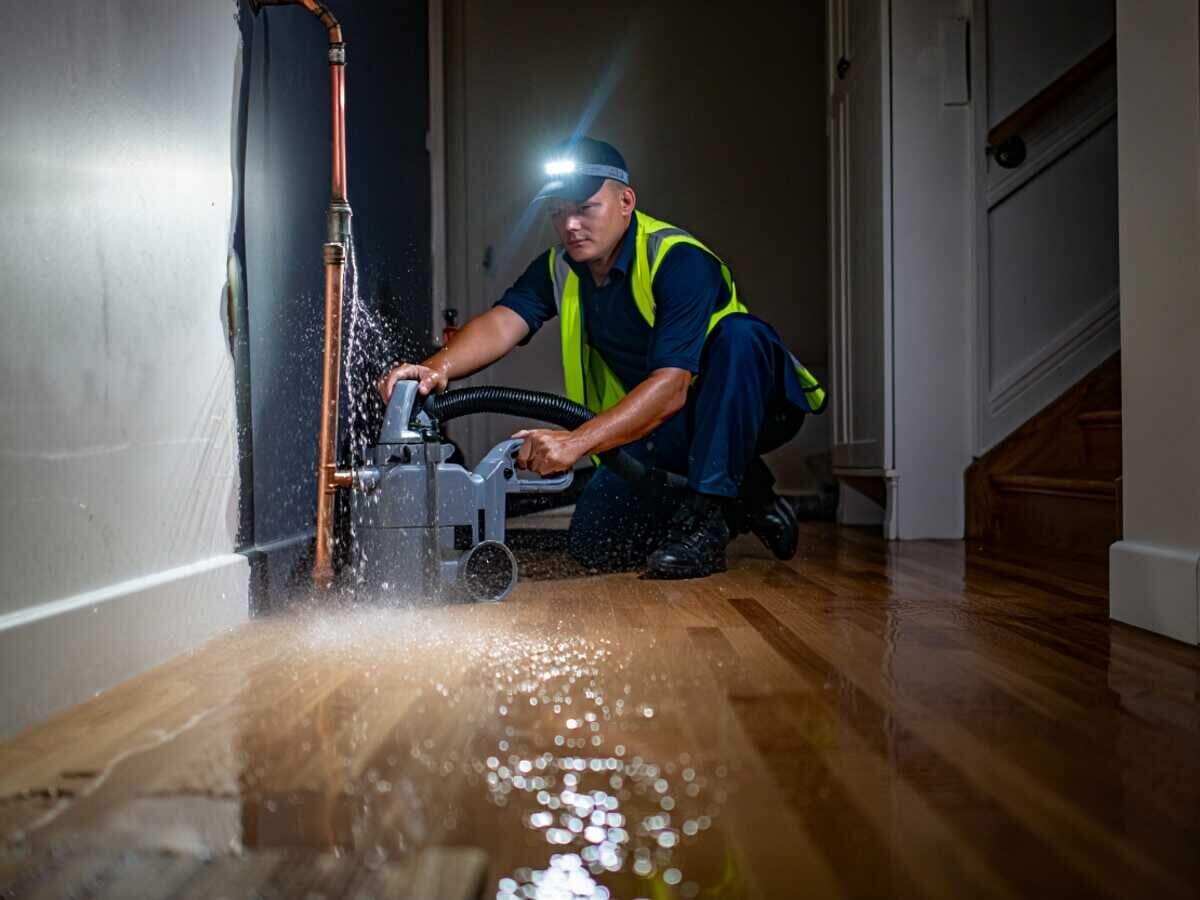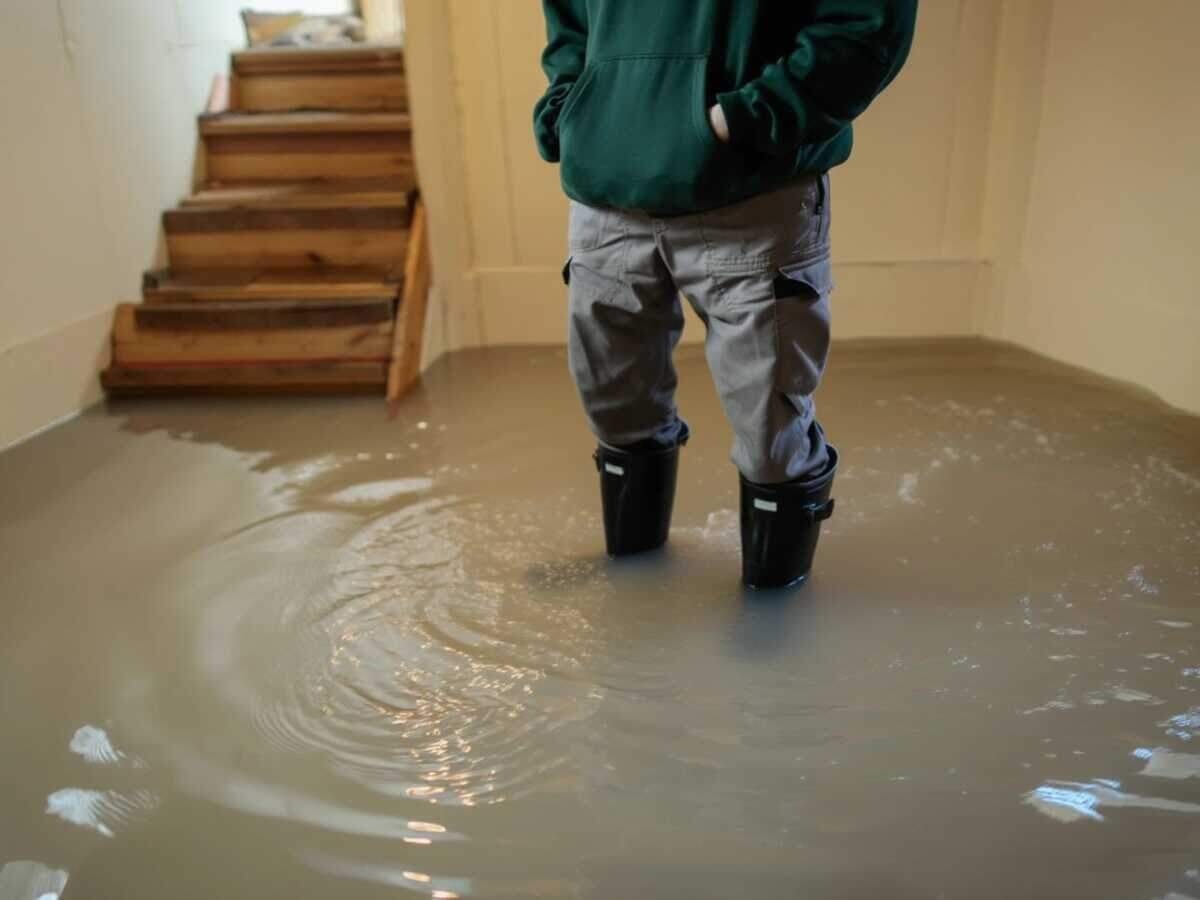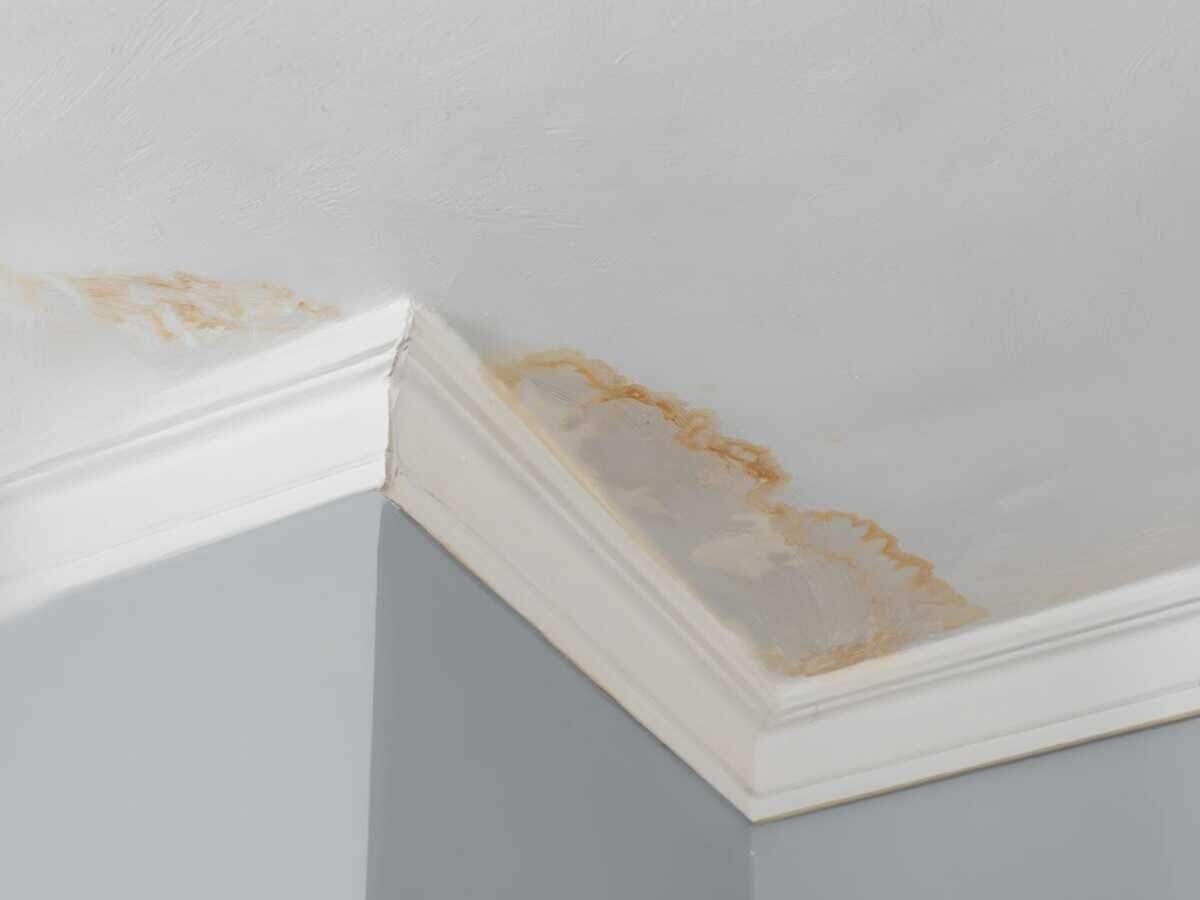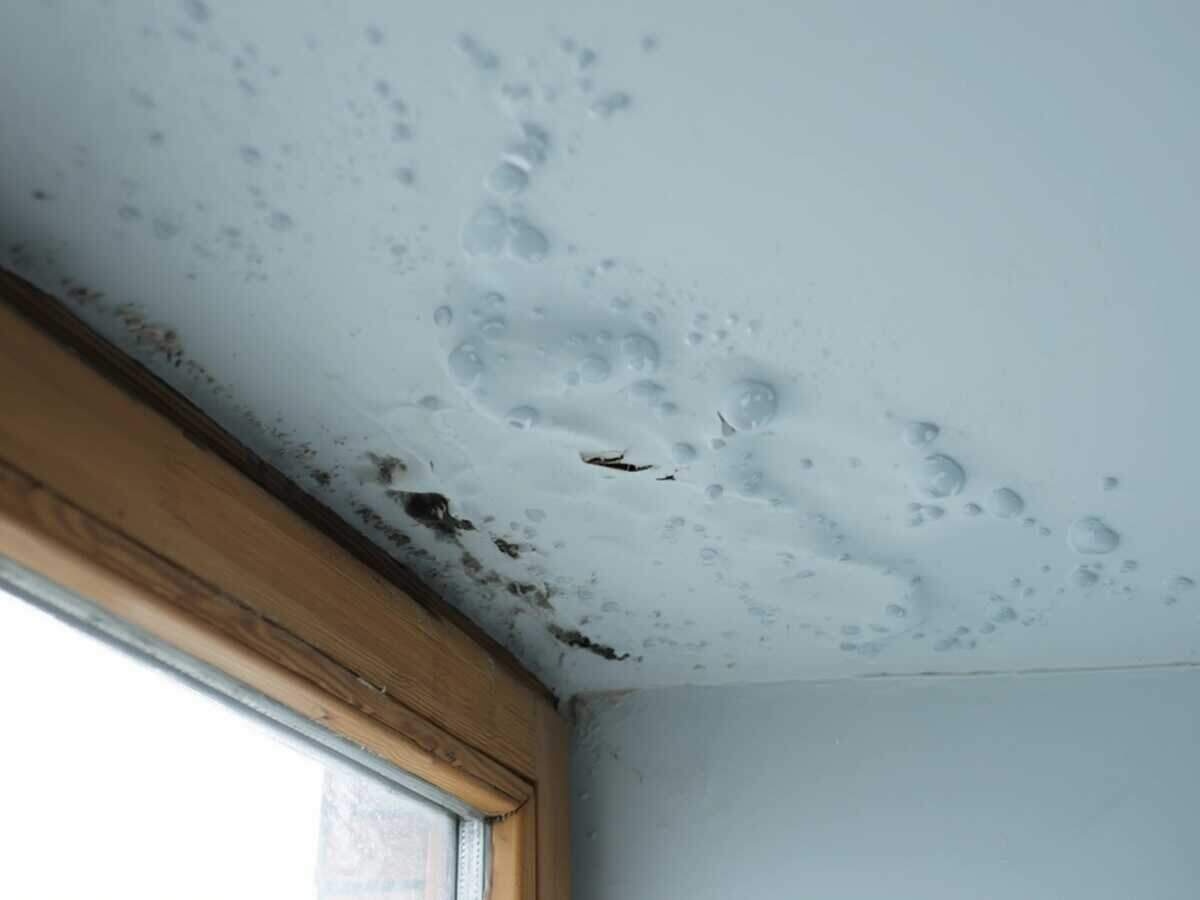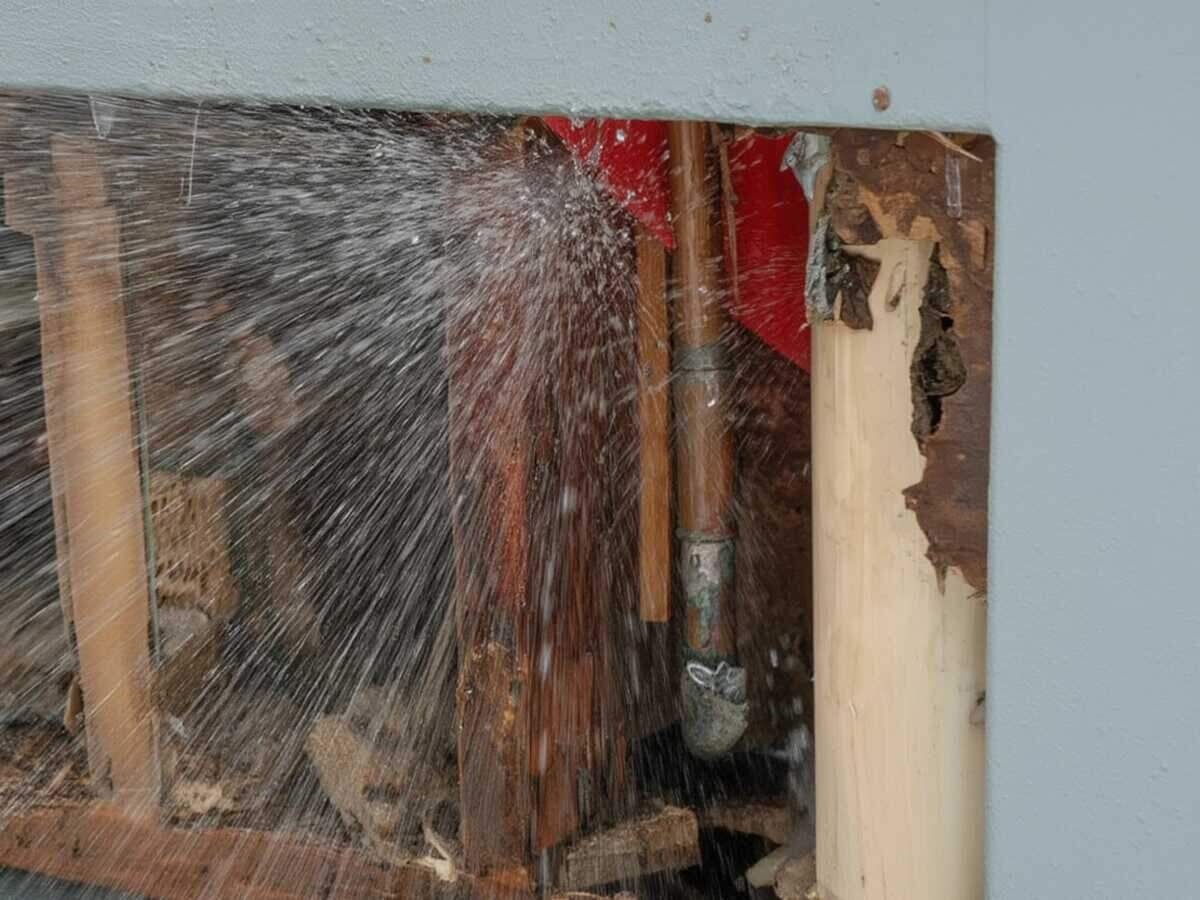




Most of the mold removal we do in Dripping Springs starts with a leak that had no way of announcing itself. On a private well there is no monthly bill to jump and no meter face to read, and the pressure tank quietly replaces whatever is escaping. A compression fitting giving up a cup an hour behind a utility wall can run from one season into the next, and the first anyone knows about it is a smell or a soft spot.
The room it happens in is usually the one holding the water equipment. Pressure tank, sediment filter, softener, sometimes a UV housing, standing in a garage corner, a laundry room, or a small pump house. Those spaces are unconditioned and shut most of the time, so the damp never gets carried off. Growth starts on the back of the drywall and along the bottom plate, out of sight, while the room in front of it looks like a room full of tanks.
Remediation in the room that runs the house's water
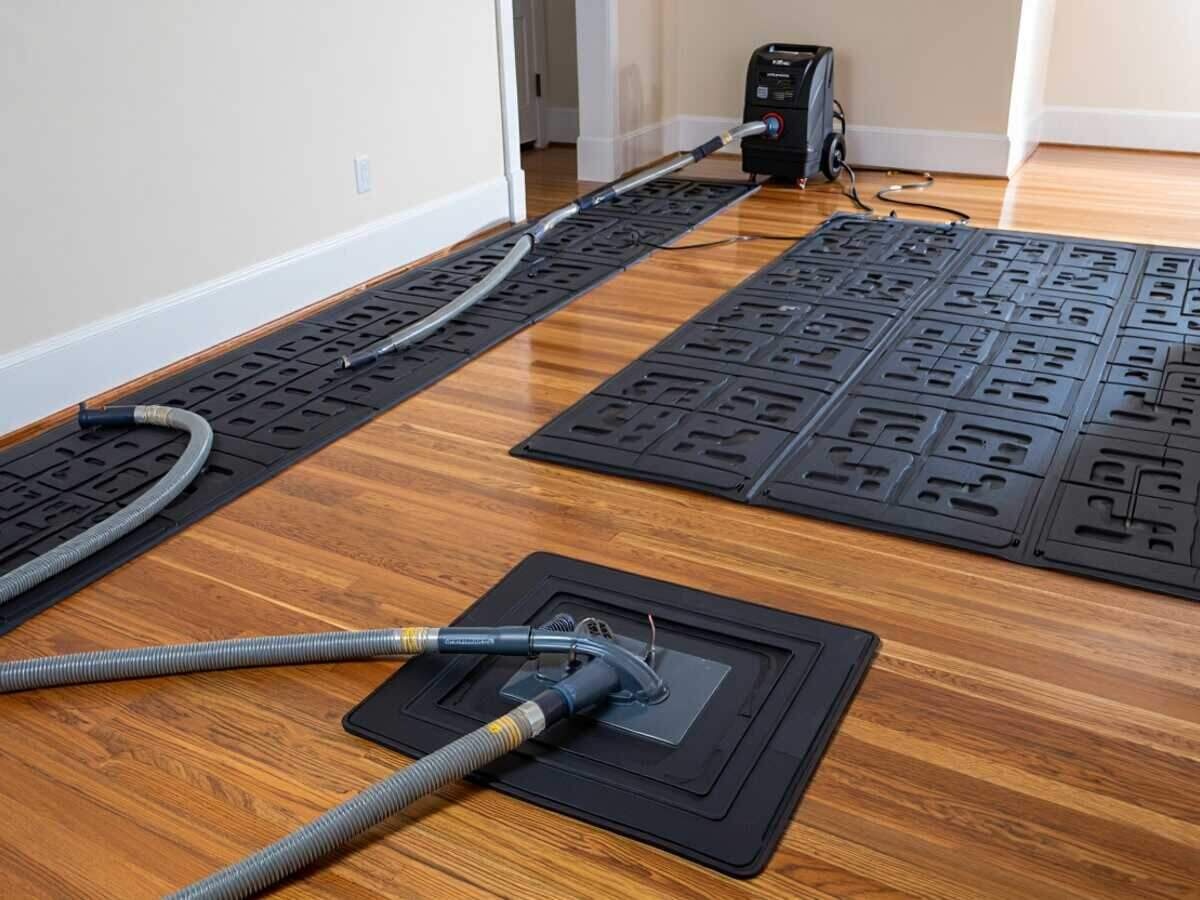
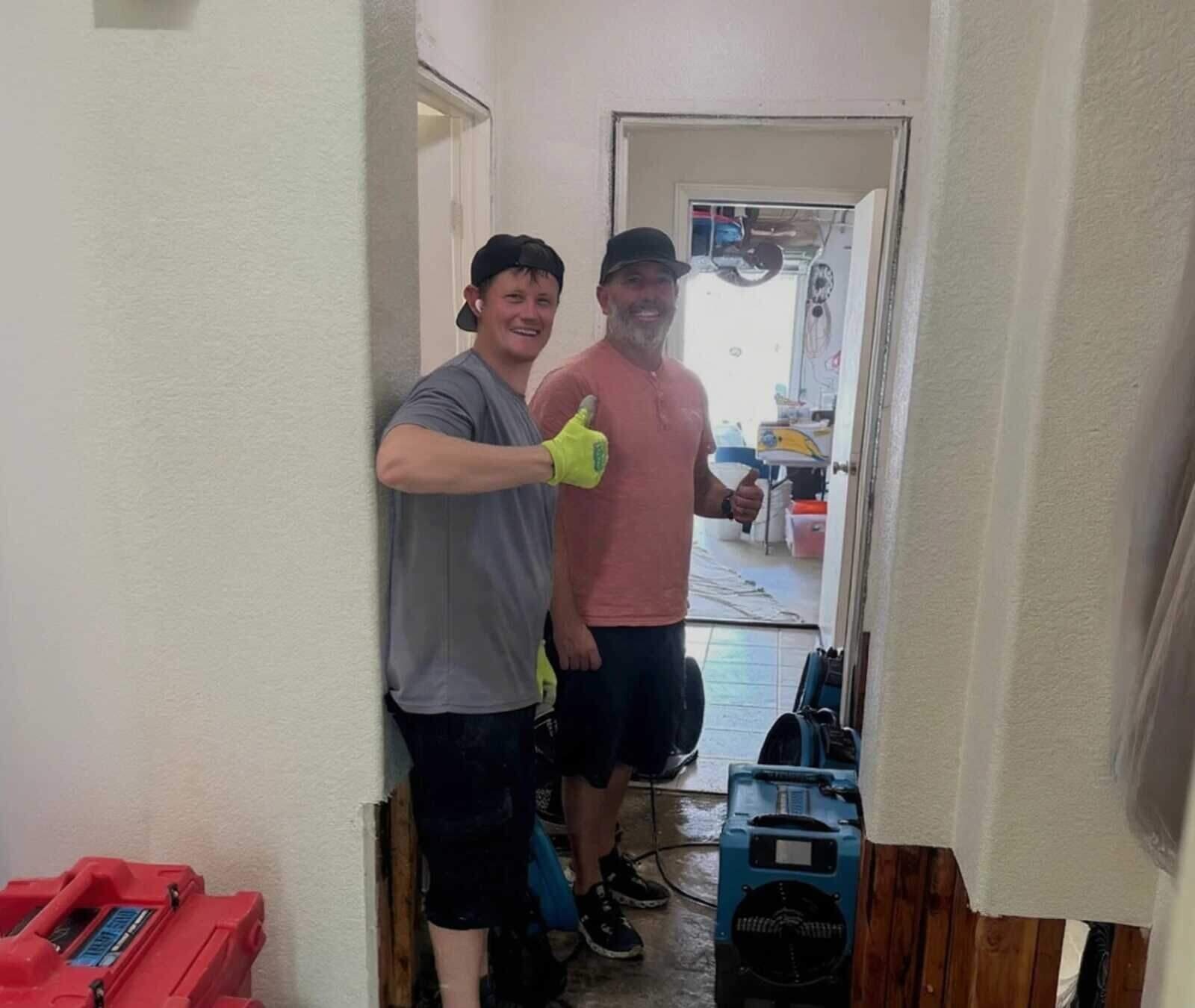
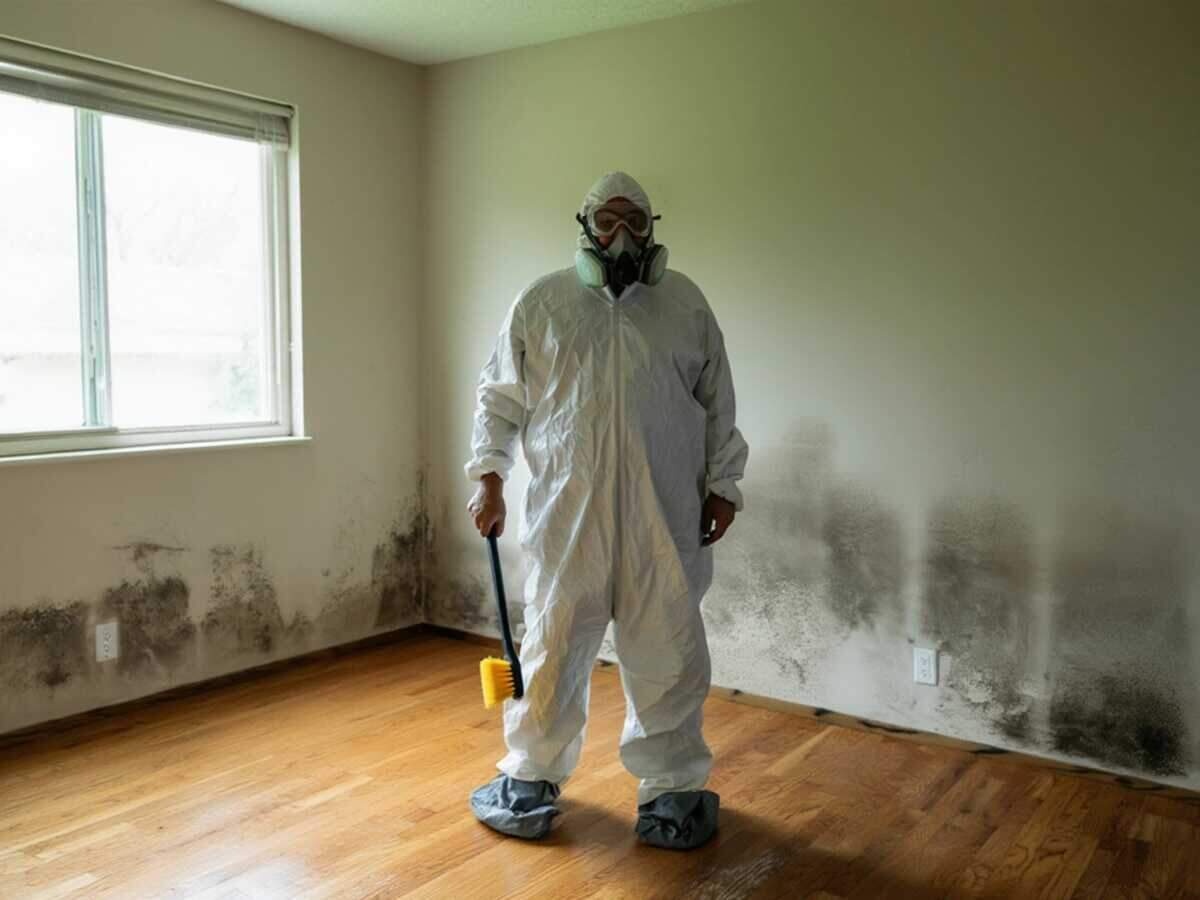
The source stops first, which on a well means the pump goes off, and that means the house has no water while it is off. We plan those windows with you instead of springing them on the household. Then the space is contained and held under negative pressure with HEPA scrubbers running, wet drywall and insulation leave bagged, framing is HEPA-vacuumed and treated, and the bottom plate and slab edge are dried and re-read daily. Equipment stays connected wherever it can. Where a tank has to be pulled to reach the wall behind it, your plumber or well contractor does that part and we work to their schedule.
- The leak stopped at the pump before any material is disturbed
- Water-off windows agreed with you in advance, not sprung on the household
- Containment, negative pressure, and HEPA filtration in a room that is usually unconditioned
- Bottom plate, slab edge, and framing dried to a reading and read again the next day
A slow leak raises a question the adjuster will ask before you do: how long was it running. We answer with what can actually be shown, which is the moisture we measured, the condition of the materials, and the fitting that failed. Texas policies cover sudden and accidental discharge and look at months of seepage differently, so the honest version of the story serves you better than an optimistic one. Call (512) 271-5099 and tell us what is in that room and how long the wall has looked wrong.