



Water Removal in Dripping Springs, TX

Half an inch across the kitchen and down the hall, and there is no sewer connection on the property to put it into. On a septic system, where the extracted water goes is part of the job. Call (512) 271-5099.

Call (512) 271-5099 Answered live, 24/7Nights, weekends, holidays
  • We bill your insurer directly
  • IICRC-certified crews
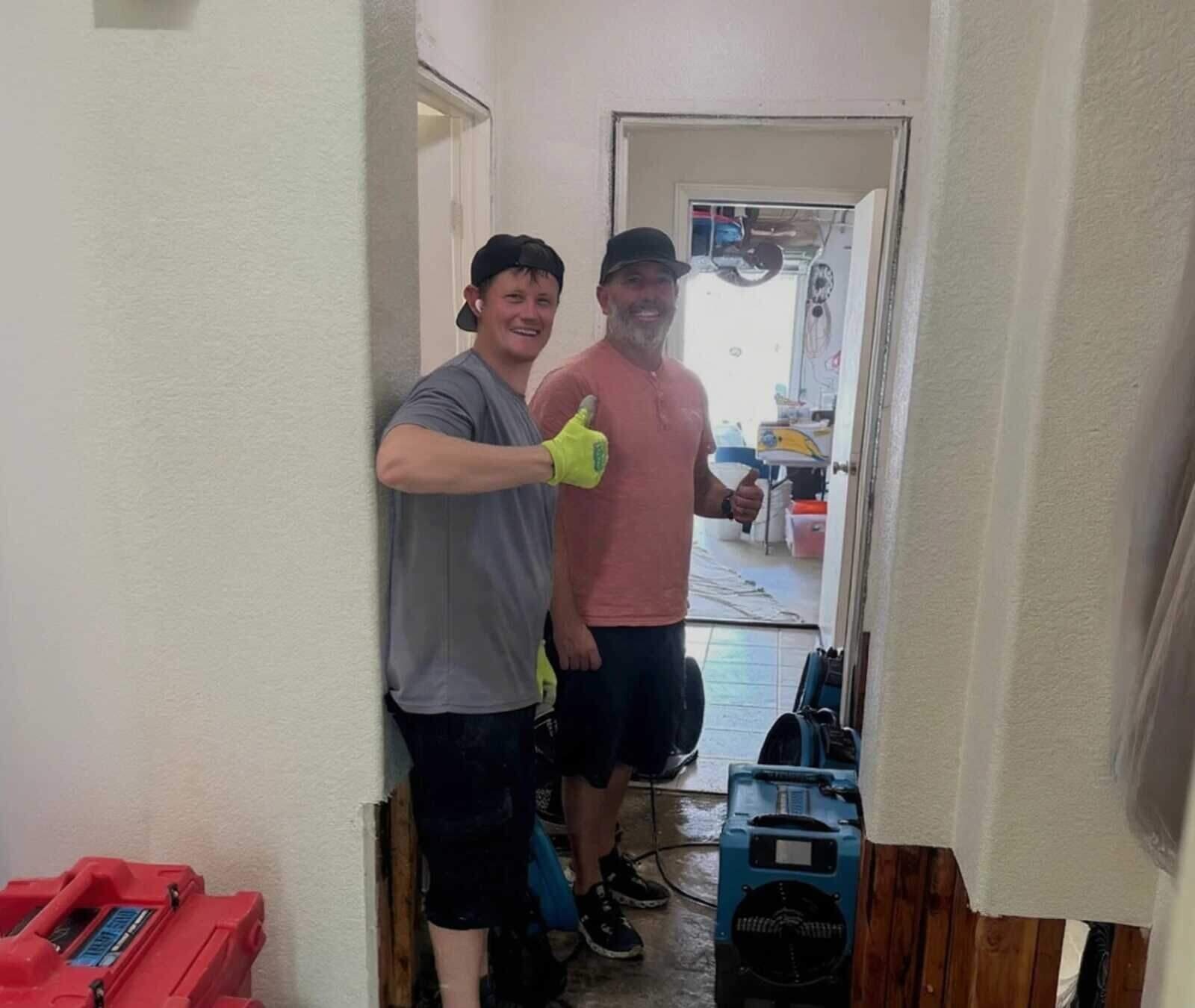
Local water damage crew working in an Austin-area home with air movers and a dehumidifier
Our crew · Austin metro
Why Dripping Springs homeowners call us

A local crew that shows up and does it right

Dried to a reading Equipment stays until the material meters dry, not until the surface feels dry.
One crew, start to finish The same local crew from the first extraction to the final repair.
No surprise line on the bill Equipment days and demolition are priced before the work happens, not discovered on the invoice.
Local Austin crew Dispatched from the north metro, never routed through an out-of-state call center.
Certified & accredited
IICRC Certified firm Indoor Air Quality Association member Certified and licensed water damage restoration Certified and licensed mold remediation and removal
How it works

Our restoration process

Four steps, starting the moment you call.

1

Call & Dispatch

Tell us what happened. A local crew is dispatched on the call, and how fast we reach you depends on traffic and where you are.

2

Extract & Stabilize

We stop the source, pump out standing water, and set drying equipment.

3

Dry & Monitor

Air movers and dehumidifiers run while we track moisture daily to dry standard.

4

Repair & Reinstall

Drywall, texture, trim, and paint go back so the room reads finished.

Insurance-savvy from the first call

Documented to claim standard from the first hour

We document the loss to claim standard from the moment we arrive — photos, moisture readings by room, and a scope that maps to your policy. Then we bill your insurer directly for the covered work.

See how claims work in Texas

Water removal in Dripping Springs carries a step that a job inside the city's sewer district does not. The water has to end up somewhere legitimate. On a property with its own on-site system, the only drain available leads to the same tank and the same field, and if that field is what failed, sending an extraction load back into it puts the problem straight back under the house.

So the rule we work to is short. Clean supply water in a limited volume can go to a house drain. Anything that came back up out of a drain stays in the truck: sealed tank, off the property, to a permitted disposal point, with the load recorded. It is neither the fast answer nor the cheap one, and it is the only one that does not cost you a drain field.

Getting it off the floor

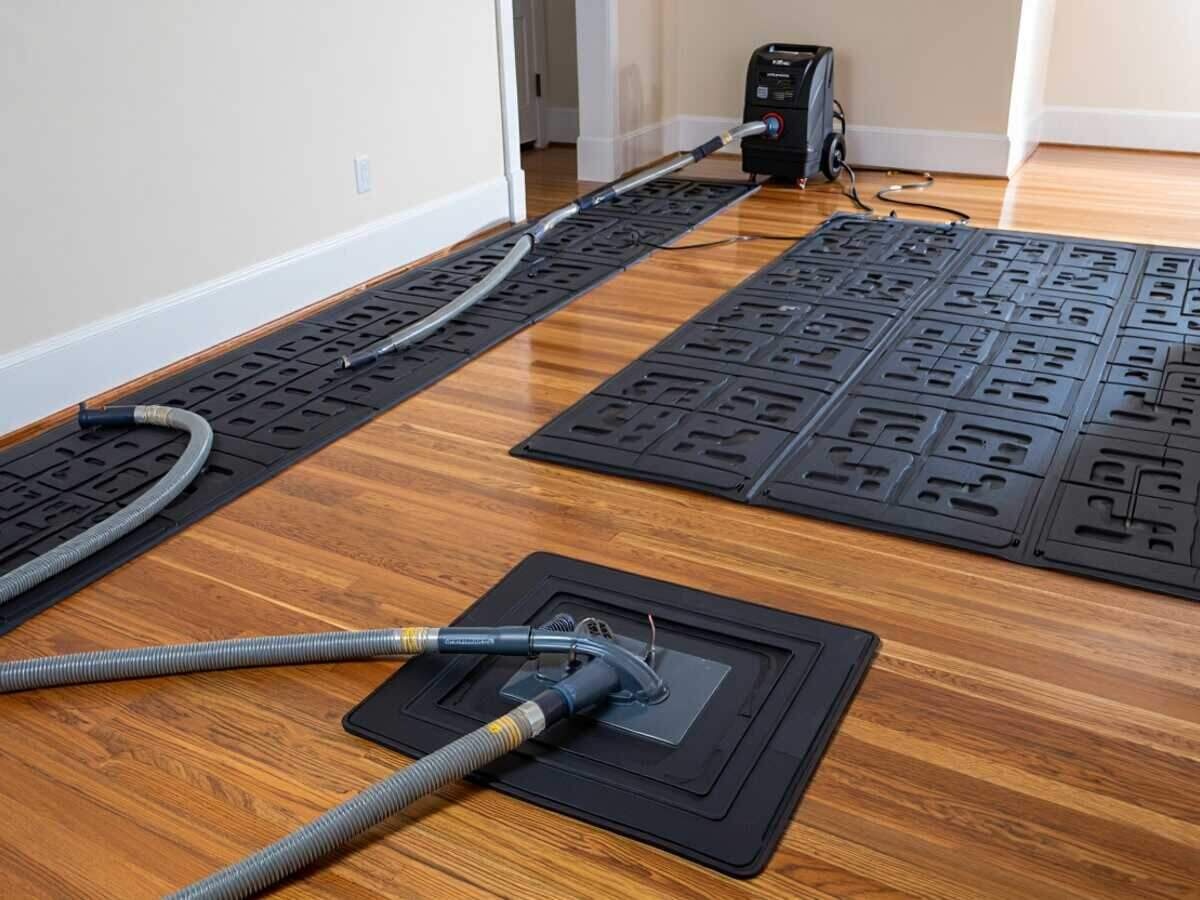
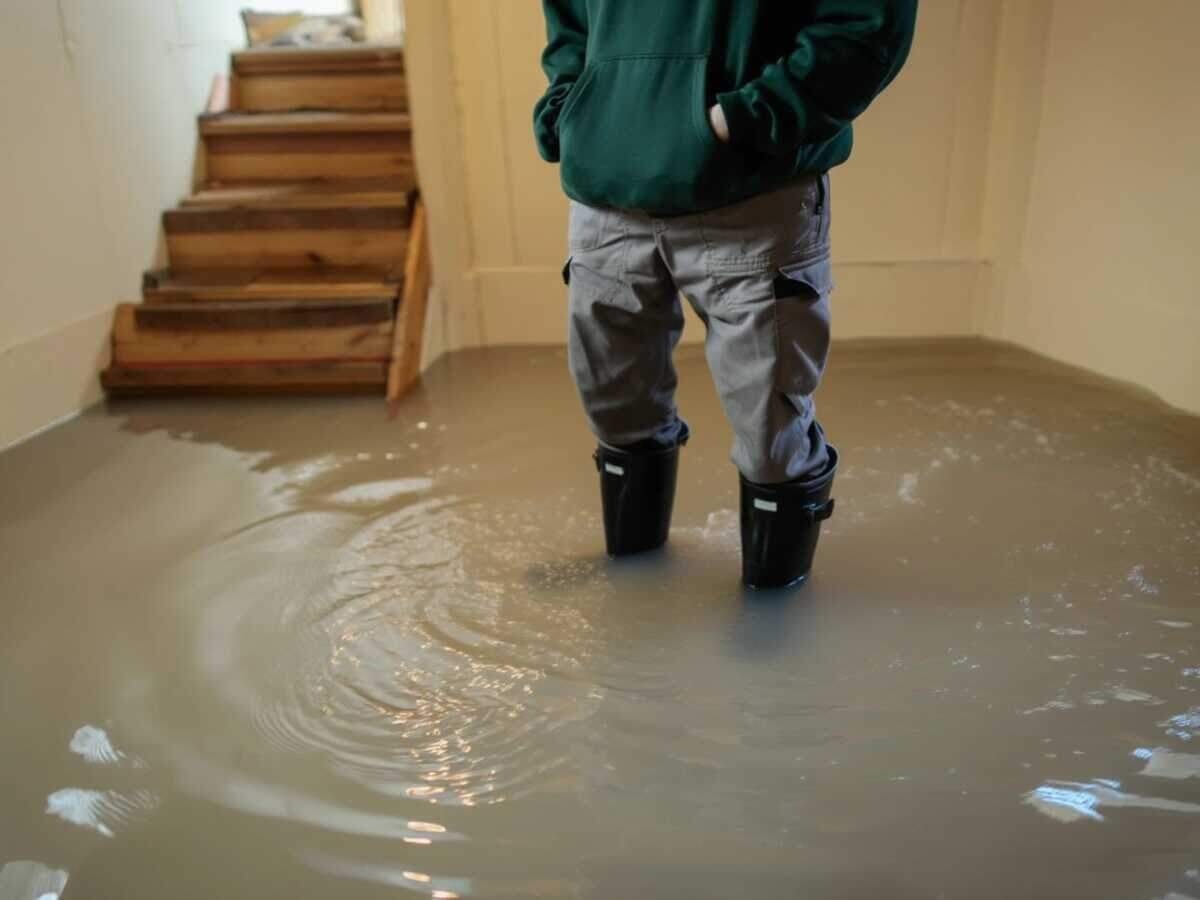
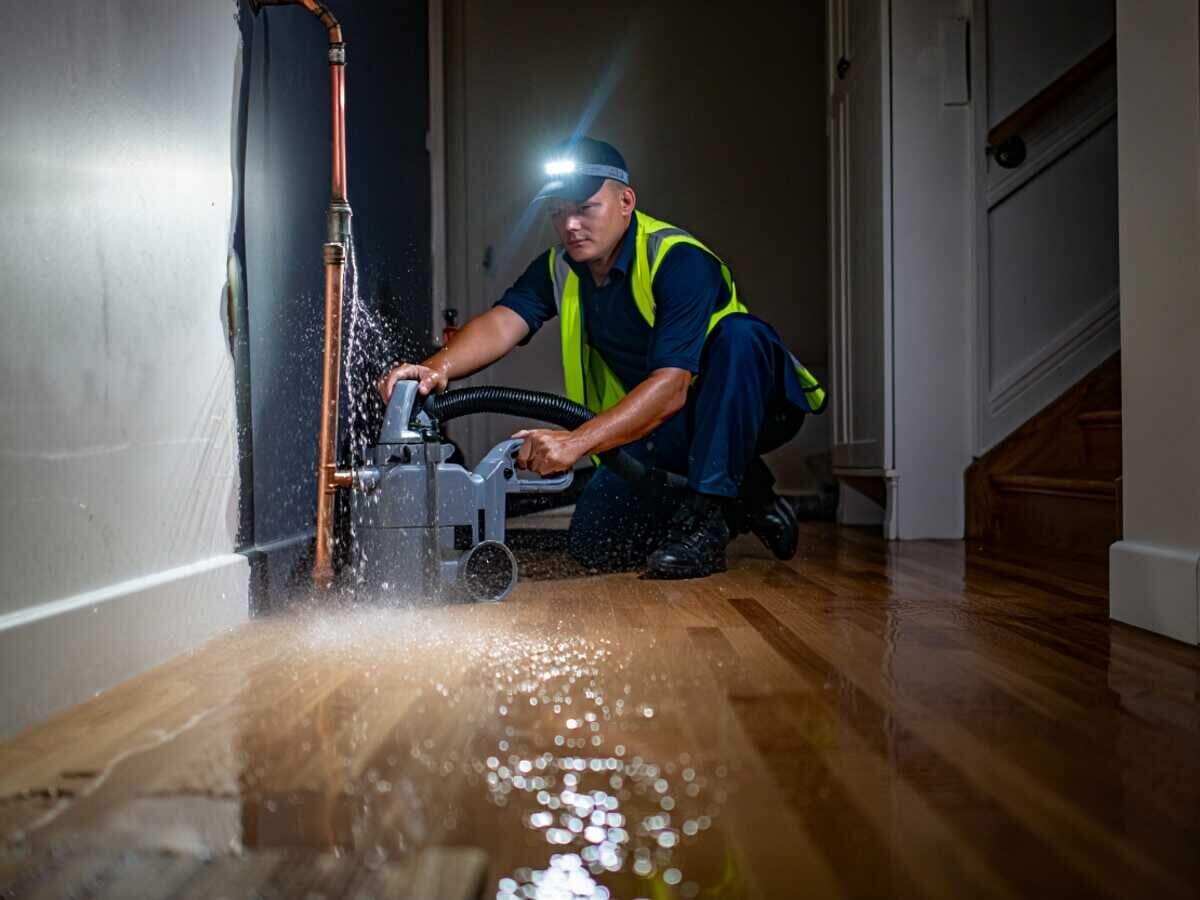
Extraction itself is the same trade it is anywhere. Truck-mounted units for volume, portables where a hose will not reach, carpet lifted and the pad out, and the wet edge chased with a meter instead of by eye. What changes out here is planning around the tank. A large loss comes out in loads rather than one continuous pull, so the crew works the sequence to start drying the rooms already extracted while the truck is being emptied. Drain water also brings PPE, containment, and disposal of porous material that a clean-water job never needs.

  • Supply water or drain water established before the first hose comes off the truck
  • Truck-mounted and portable water extraction, worked in loads where the tank sets the pace
  • Contaminated water containerized and hauled to a permitted disposal point, never to your field
  • Drying started on extracted rooms while the rest of the water is still coming out
Water removal and extraction in Dripping Springs, TX

Everything is photographed and metered from the first visit and the material that leaves is listed, because your adjuster prices from a scope, not a story. We bill the carrier directly for the covered work. Call (512) 271-5099 and say where it came from, a supply line or a drain, because the disposal side of this job turns on that answer.
Good to know

Frequently asked questions

Can you not just run the discharge hose out into the yard?

Not with drain water, and not in volume. Water that came out of a septic system is Category 3, and putting it on ground where people and animals walk is a health problem and a regulatory one. Clean supply water is a different conversation and still has a limit, because a few hundred gallons on thin soil over rock does not soak in. It runs to the nearest low spot.

It came back up through the shower, it did not come out of a pipe. Is the cleanup different?

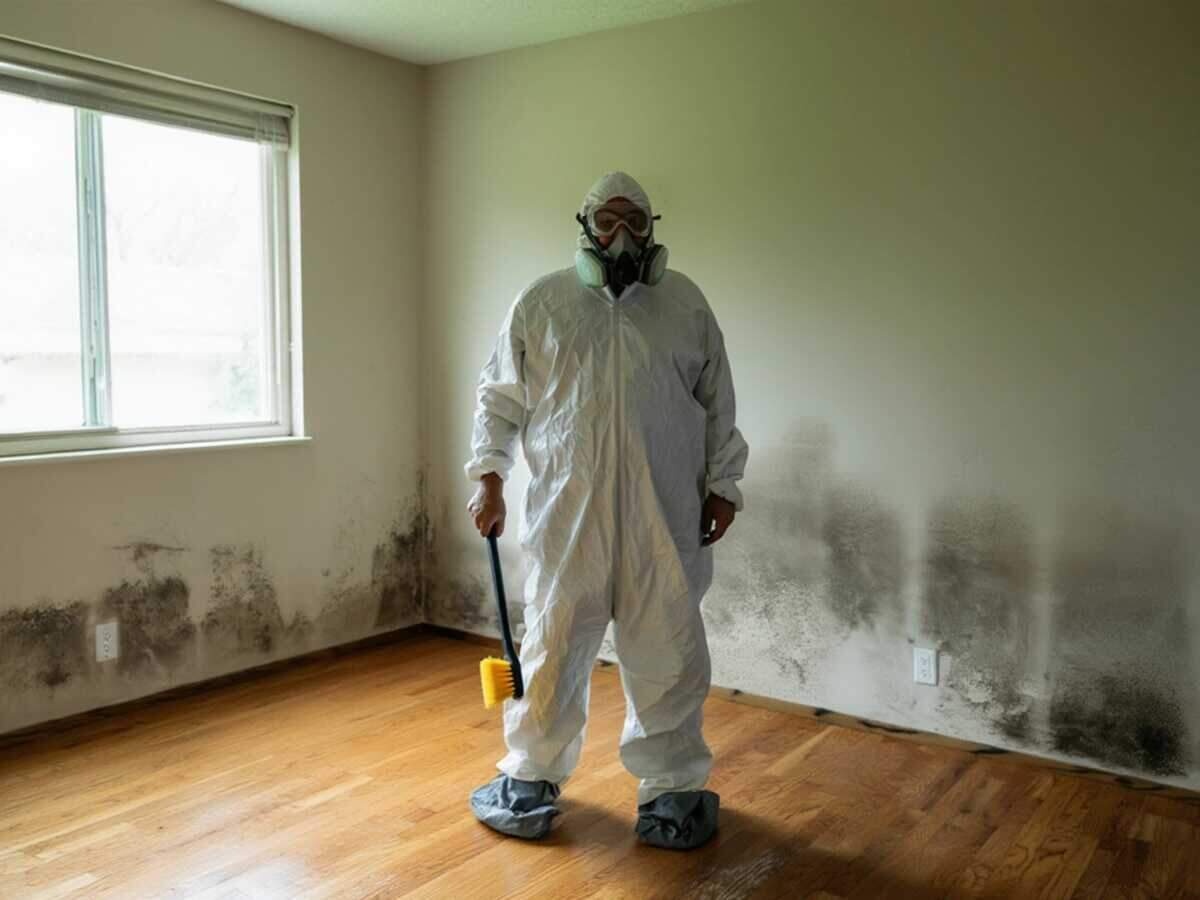
Completely different. Water out of a supply line starts clean and the job is extraction and drying. Water that came up a drain is contaminated from the first minute, so porous material that absorbed it goes, hard surfaces are cleaned and treated rather than only dried, and the crew works in PPE with the space contained. Same puddle on the floor, an entirely different scope behind it.

Do you pump the septic tank while you are out here?

No. That is a licensed pumper's work and we do not pretend to it. Ours is the inside of the house: extraction, cleaning, tear-out of what cannot be saved, drying to a reading, and the rebuild. The tank, the field, and whatever caused the backup belong to your septic contractor, and the two jobs want to happen in that order so the house does not get flooded again on day three.

We are in Belterra. Is any of this our situation?

Part of it. Homes in Belterra, Headwaters, and Caliterra are on community water and wastewater, so there is a sanitary connection and the disposal question mostly goes away. The category question does not. A drain backup in a house on a community system is still Category 3 water, and it gets the same containment, the same tear-out decisions, and the same cleaning.

Water damage won't wait

Standing water in a Dripping Springs house?

Call and say where it came from, a supply line or a drain. That one answer decides the extraction, the tear-out, and where the load goes when the truck leaves. Crews carry truck-mounted and portable units, and photos and readings start on the first visit for the claim file.

Call (512) 271-5099 Available 24/7 · Austin metro