



Water Removal & Extraction in Georgetown, TX

A toilet supply lets go in a Sun City guest bath and nothing stops it at the door. On a single-level plan the water runs the length of the hall and is into the carpet in three bedrooms before anybody sees it. Call (512) 271-5099.

Call (512) 271-5099 Answered live, 24/7Nights, weekends, holidays
  • We bill your insurer directly
  • IICRC-certified crews
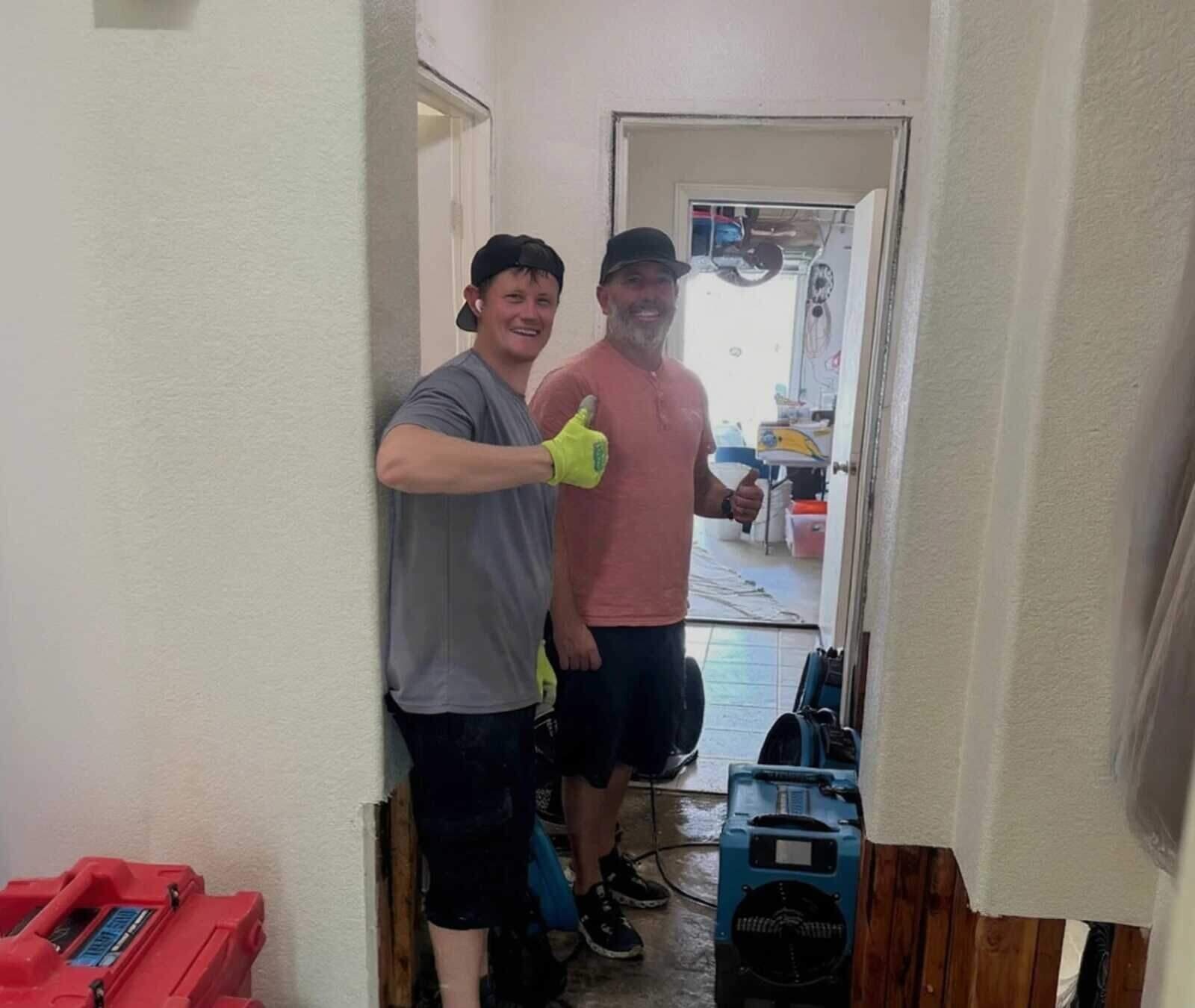
Local water damage crew working in an Austin-area home with air movers and a dehumidifier
Our crew · Austin metro
Why Georgetown homeowners call us

A local crew that shows up and does it right

Dried to a reading Equipment stays until the material meters dry, not until the surface feels dry.
One crew, start to finish The same local crew from the first extraction to the final repair.
No surprise line on the bill Equipment days and demolition are priced before the work happens, not discovered on the invoice.
Local Austin crew Dispatched from the north metro, never routed through an out-of-state call center.
Certified & accredited
IICRC Certified firm Indoor Air Quality Association member Certified and licensed water damage restoration Certified and licensed mold remediation and removal
How it works

Our restoration process

Four steps, starting the moment you call.

1

Call & Dispatch

Tell us what happened. A local crew is dispatched on the call, and how fast we reach you depends on traffic and where you are.

2

Extract & Stabilize

We stop the source, pump out standing water, and set drying equipment.

3

Dry & Monitor

Air movers and dehumidifiers run while we track moisture daily to dry standard.

4

Repair & Reinstall

Drywall, texture, trim, and paint go back so the room reads finished.

Insurance-savvy from the first call

Documented to claim standard from the first hour

We document the loss to claim standard from the moment we arrive — photos, moisture readings by room, and a scope that maps to your policy. Then we bill your insurer directly for the covered work.

See how claims work in Texas

Distance is what makes a Georgetown water removal job different. The single-story slab plans out on the north side of town run long, with no steps and nothing interrupting the floor from one end to the other, so a failure in a back bathroom keeps going until something absorbs it. By the time anyone opens the front door, the water is not in one room. It is a wet band crossing several, and only a meter knows where it stops.

One thing worth saying plainly before anything else. If water rose into the house from the North or South Fork of the San Gabriel, that is a flood claim written under a separate policy and handled by a different trade, and we will tell you so on the phone rather than take the job. Our water extraction work starts at the plumbing: supply lines, water heaters, appliances, and fixtures.

Bounding the wet area, then working back to the source

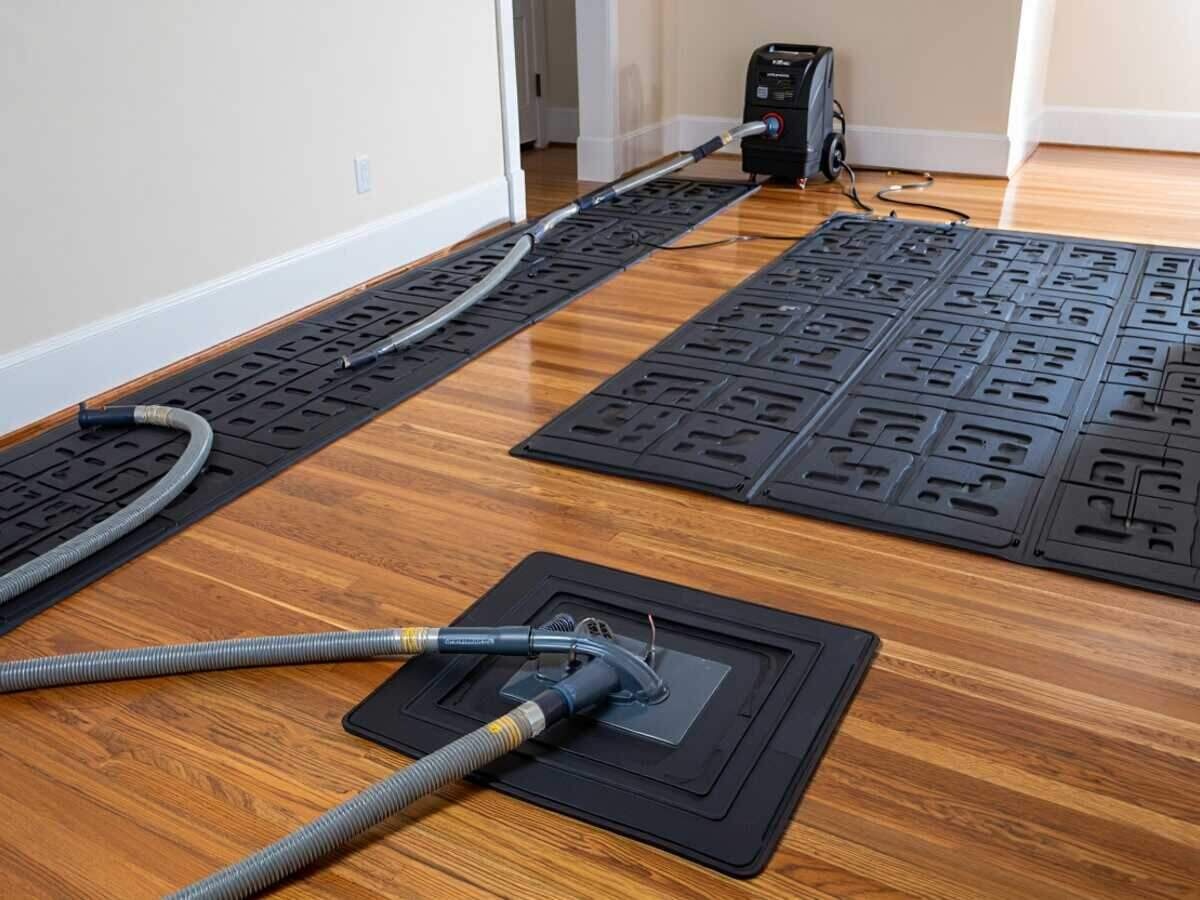
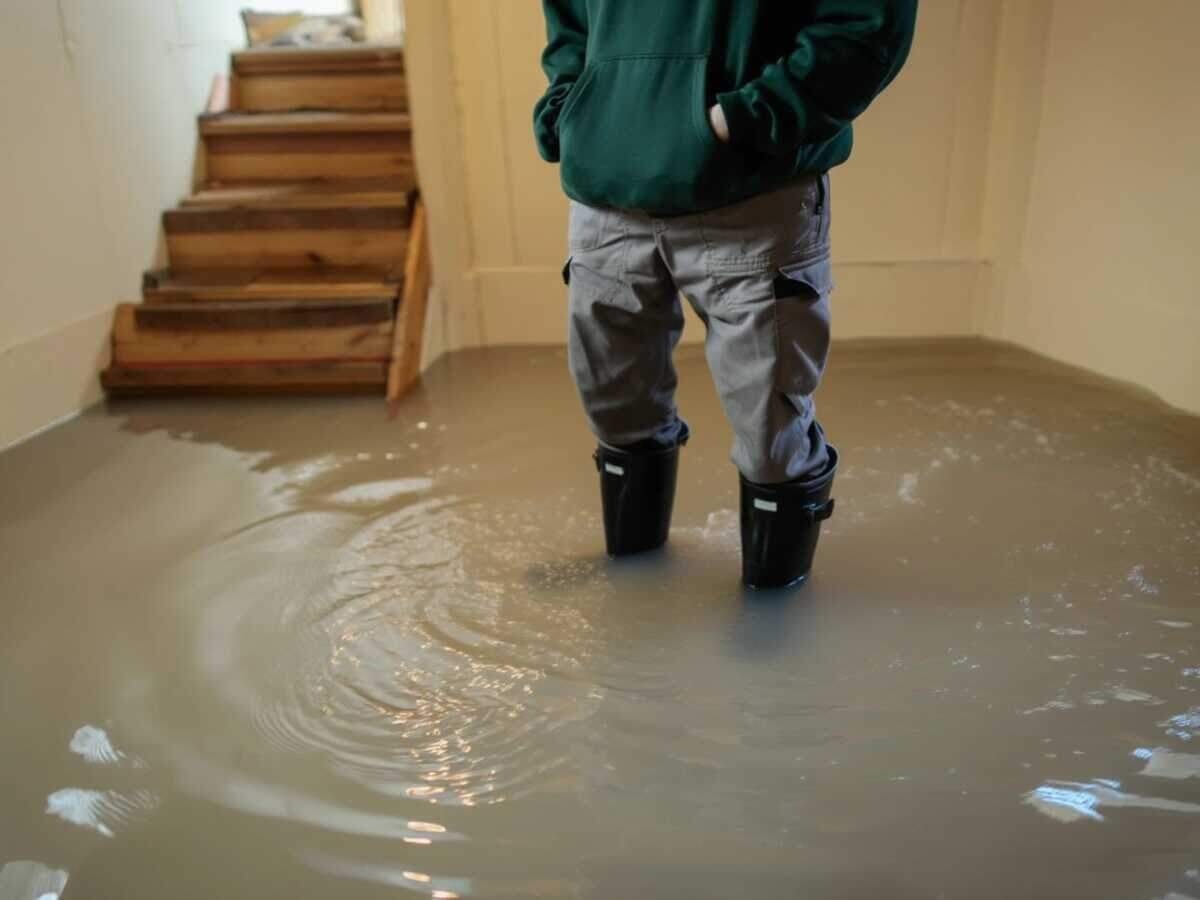
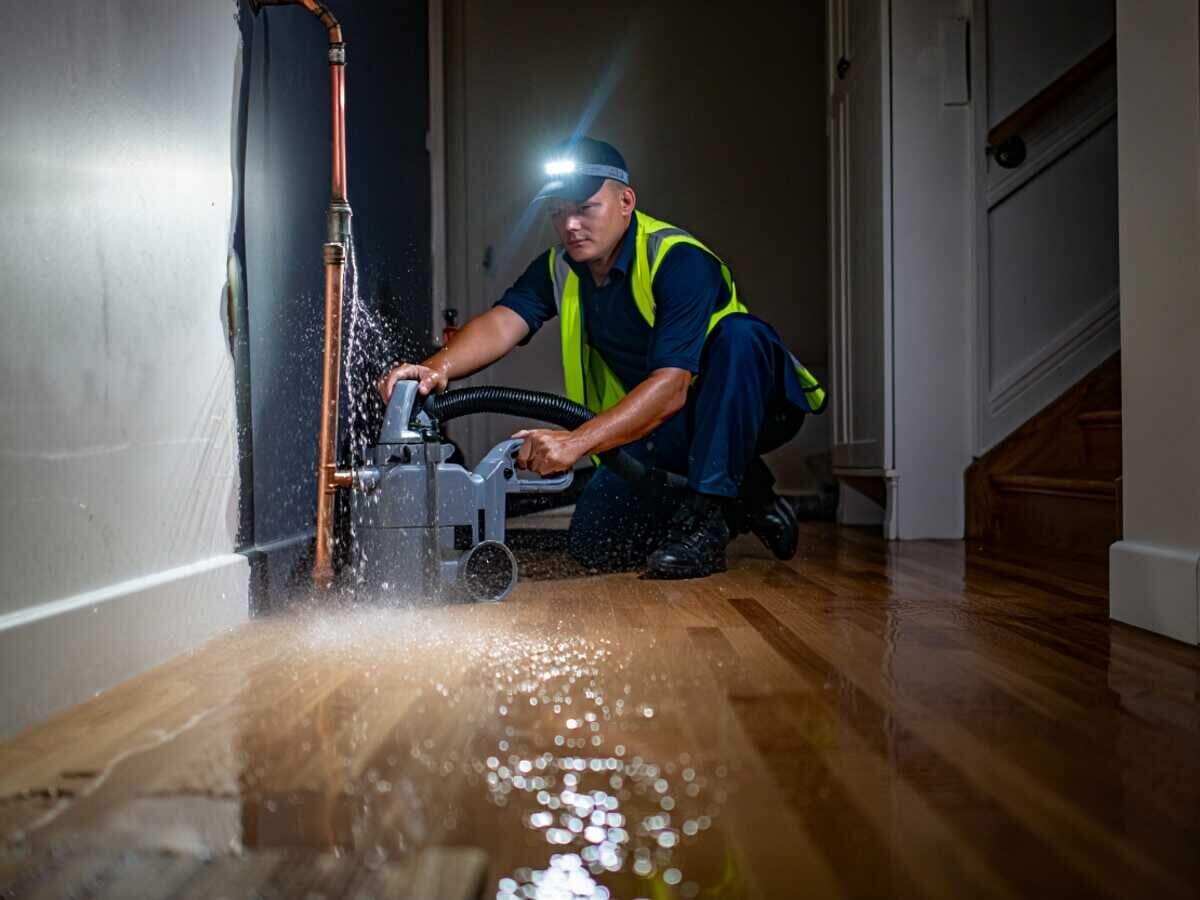
We meter the wall base around the entire affected zone before a hose comes off the truck and mark where the readings drop back to normal, then extract from that edge inward. Over carpet the weighted head does the deciding: how much it lifts out of the pad in the first passes is what tells us whether that pad is staying. Hard surfaces get the wand and the perimeter, and cabinet kicks are opened where a reading says water got behind them. Extraction hands straight over to drying on the same visit, because material that has merely been emptied of standing water is still wet material.

  • The whole wet band metered and marked, not only the room that failed
  • The weighted head over carpet, wand work along the base and the grout lines
  • Toe kicks and base trim off wherever a reading puts water behind them
  • Drying equipment set the same visit and read every day after
Water removal and extraction in Georgetown, TX

Extraction itself is usually a few hours. What takes the time is drying a long run of slab, base plate, and carpet back to a number and proving it, and every stage of that is photographed and logged. Call (512) 271-5099 and tell us where the water started and roughly when.
Good to know

Frequently asked questions

How do you know where the wet area ends?

By reading it rather than looking at it. We run a moisture meter along the wall base and across the floor in a grid until the numbers come back to what an unaffected room gives, and that boundary is where extraction and drying stop. On a long single-level plan the wet edge often lands in the middle of a room with nothing visible to mark it.

Where does everything in those bedrooms go while you work?

Most of it gets lifted and blocked rather than hauled anywhere. Anything sitting on wet carpet leaves a mark and holds water underneath it, so it comes up onto blocks or foam. Pieces with particleboard bottoms, and anything sitting in the direct path of the water, get looked at individually, and we photograph everything before it moves.

The river came up and got into our house. Is that the same job?

No, and the distinction matters for your claim. Water that rises into a home from the San Gabriel is a flood loss under a separate policy, and there are crews who specialize in exactly that. What we handle is water that came out of the building's own plumbing or appliances, which a homeowners policy treats as an entirely different event.

Water damage won't wait

Water across a Georgetown floor? It went further than you can see.

Call and tell us what failed and when. We meter the whole wet band, extract from the outside edge back to the source, and leave drying equipment running with a reading on every affected room. Documented as we go for your claim.

Call (512) 271-5099 Available 24/7 · Austin metro