



Ceiling Water Damage Repair in Georgetown, TX

On a single-story Georgetown house there is no upstairs bathroom to blame. Whatever stained that ceiling is in the attic: the air handler, a run of pipe, or rain that got past the roof. We read the cavity before we open it. Call (512) 271-5099.

Call (512) 271-5099 Answered live, 24/7Nights, weekends, holidays
  • We bill your insurer directly
  • IICRC-certified crews
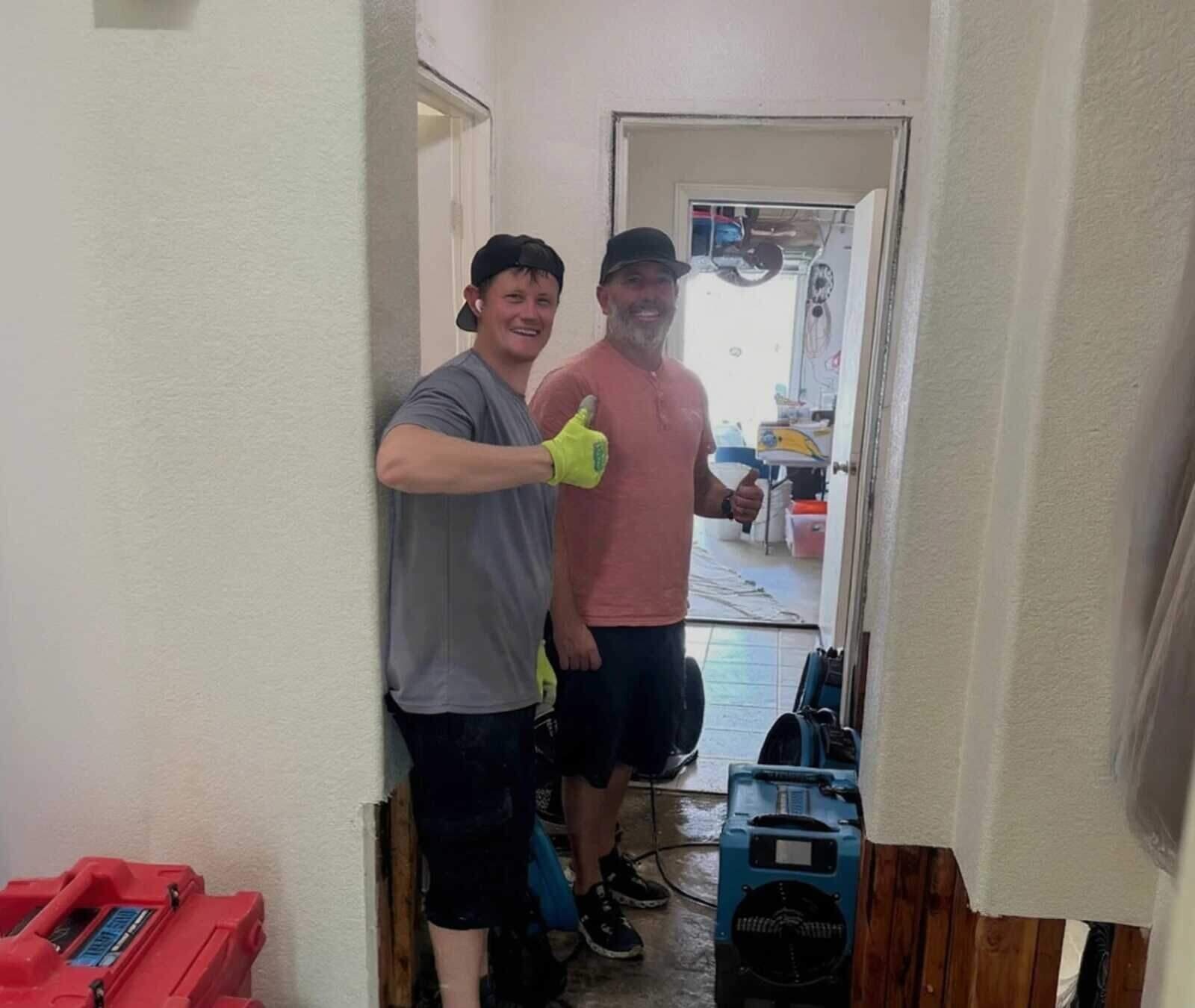
Local water damage crew working in an Austin-area home with air movers and a dehumidifier
Our crew · Austin metro
Why Georgetown homeowners call us

A local crew that shows up and does it right

Dried to a reading Equipment stays until the material meters dry, not until the surface feels dry.
One crew, start to finish The same local crew from the first extraction to the final repair.
No surprise line on the bill Equipment days and demolition are priced before the work happens, not discovered on the invoice.
Local Austin crew Dispatched from the north metro, never routed through an out-of-state call center.
Certified & accredited
IICRC Certified firm Indoor Air Quality Association member Certified and licensed water damage restoration Certified and licensed mold remediation and removal
How it works

Our restoration process

Four steps, starting the moment you call.

1

Call & Dispatch

Tell us what happened. A local crew is dispatched on the call, and how fast we reach you depends on traffic and where you are.

2

Extract & Stabilize

We stop the source, pump out standing water, and set drying equipment.

3

Dry & Monitor

Air movers and dehumidifiers run while we track moisture daily to dry standard.

4

Repair & Reinstall

Drywall, texture, trim, and paint go back so the room reads finished.

Insurance-savvy from the first call

Documented to claim standard from the first hour

We document the loss to claim standard from the moment we arrive — photos, moisture readings by room, and a scope that maps to your policy. Then we bill your insurer directly for the covered work.

See how claims work in Texas

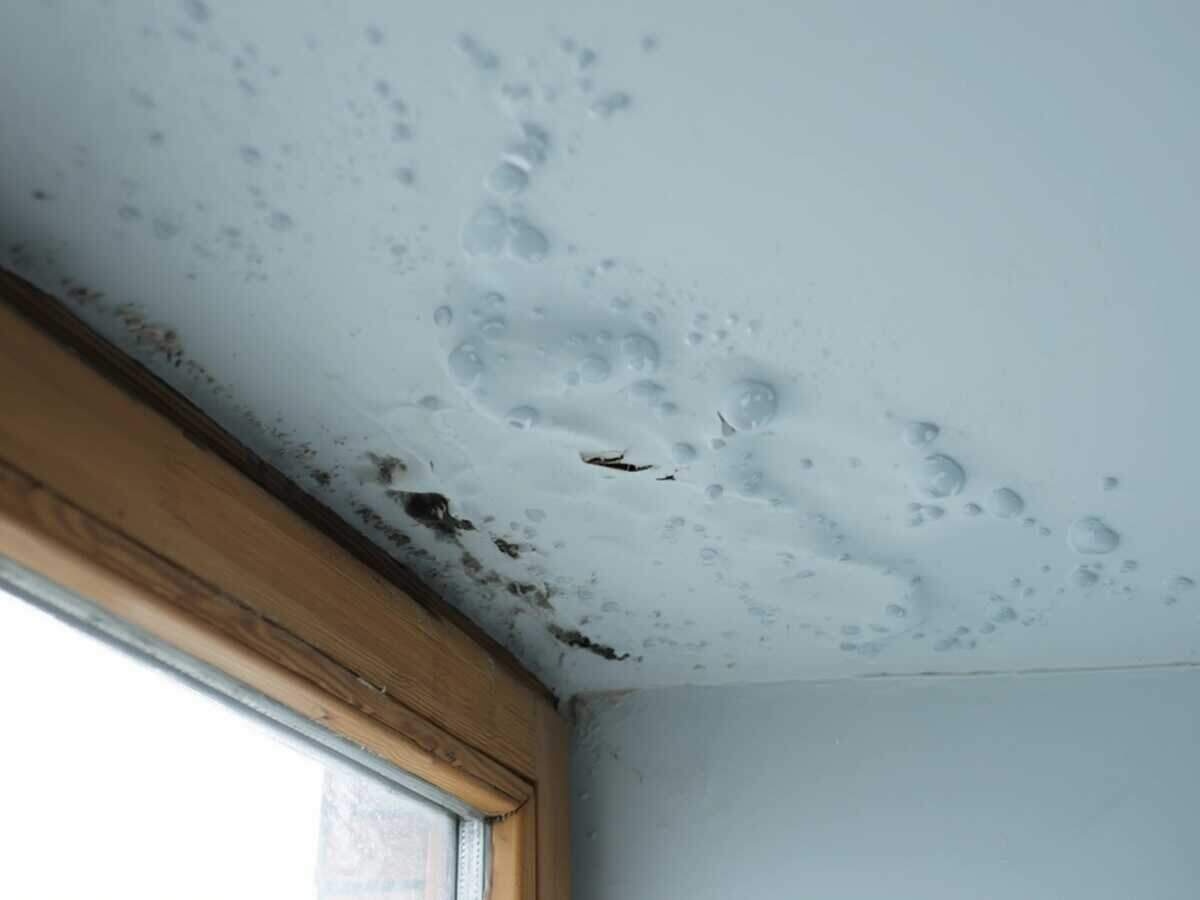
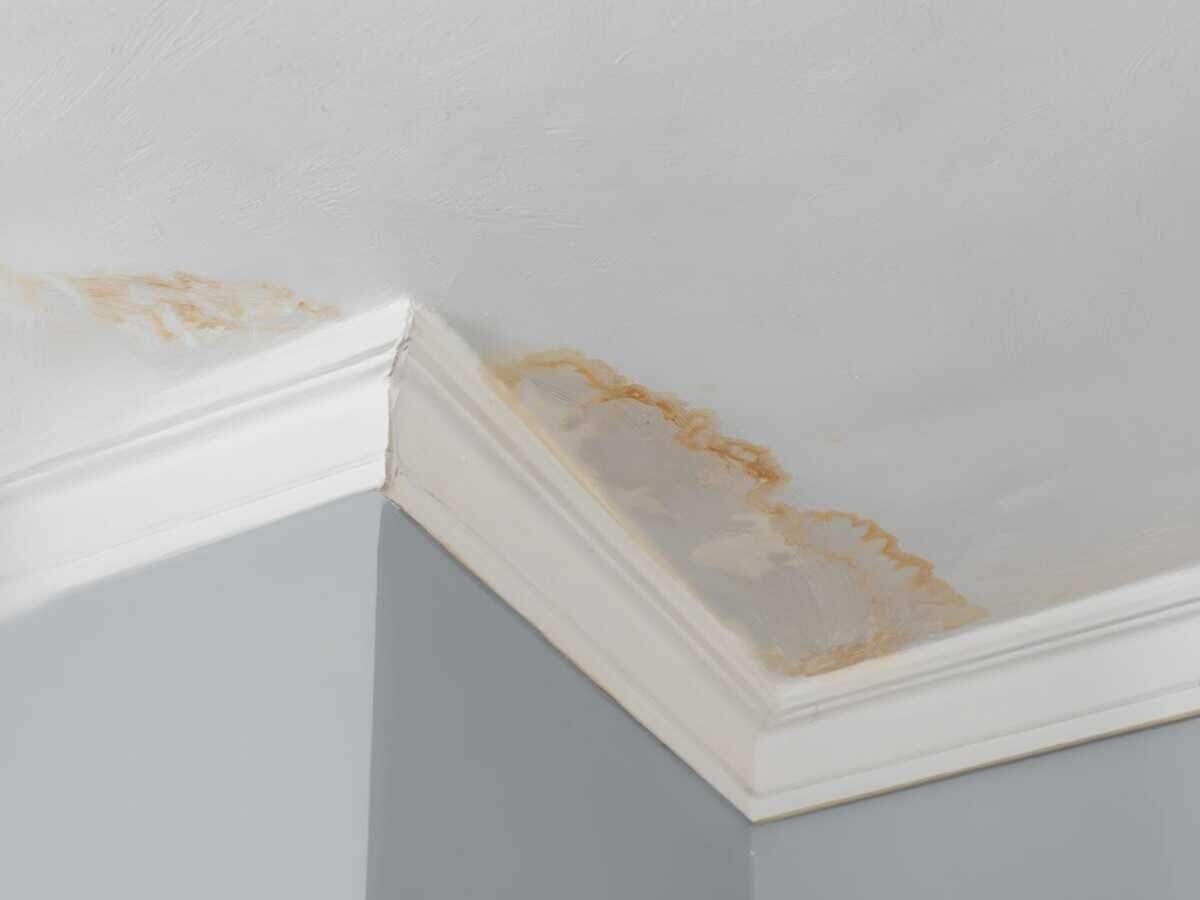
There is no upstairs bathroom to blame on most Georgetown ceiling calls, which makes ceiling water damage repair here an attic problem wearing a ceiling as its symptom. With no second floor and no floor system overhead, the source list is short: an attic air handler and its condensate line, a supply or drain run crossing the attic, or water that got past the roof. Each of those is a different job, so the first thing we settle is which one you have.

The next question is access, and it decides how much ceiling comes down. Whether we can work the wet area from the attic side depends on the headroom over that part of the plan, and in these houses the wet spot often sits right where the roof gets low over an exterior wall, where nobody can crawl and no equipment fits. That area gets opened from the room instead. Around the Square there is a further wrinkle: some of those ceilings are plaster on wood lath rather than drywall. Wet plaster gets heavy, the keys behind the lath break, and it releases in sheets rather than in a neat panel, so we tell you up front which material yours is and what putting it back involves.

The order the work has to run in

Source stopped first, then weight. Anything sagging gets drained deliberately, low and small, instead of dropping on its own schedule. Then the insulation over the wet run comes off the ceiling board, because soaked blown-in keeps that board wet from above no matter how much air is moving in the room, and the framing gets air with a dehumidifier holding the space around it. We read the same points daily until they match a section of attic the water never reached. The ceiling closes after that, textured to the plane and sealed so the old ring cannot come back through.

  • Source narrowed to the condensate line, an attic run, or the roof, then stopped
  • Loaded ceilings drained on purpose before they let go
  • Insulation off the board over the wet run, framing dried on daily readings
  • Plaster and drywall ceilings rebuilt for what they actually are
Ceiling water damage repair in Georgetown, TX

We dry and rebuild as one job, so there is nobody else to schedule once the readings settle. Call (512) 271-5099 with the room, the ceiling material if you know it, and how long the house has looked like that.

Good to know

Frequently asked questions

Our ceiling is plaster, not drywall. Does that change the repair?

It changes both the demolition and the rebuild. Wet plaster is heavy and fails at the keys behind the lath, so it tends to release in sheets and has to come down further back than a drywall patch would. Putting it back matched is finish work rather than tape and float, and we tell you which route we are recommending before anything opens.

The stain is over the hallway but the attic looks dry there. Where is it coming from?

From somewhere uphill. Water lands at one point and then travels along the top of the ceiling board, a joist, or a duct until it finds a low spot or an opening, so the stain marks where it left the assembly rather than where it entered. Infrared and a meter follow that path across the attic instead of working backwards from the paint.

Can you work in a Georgetown attic in August?

Yes, with the schedule built around it. An attic here runs well past a hundred degrees by late morning, so attic work goes early and in short rotations and the rest of the day goes to the room side. It is one reason we settle the access question before the crew arrives rather than discovering it on a ladder at two in the afternoon.

The house sits empty part of the winter. Would we even know a ceiling was leaking?

Often not until it is a stain on a return visit, which is why we ask whoever checks the house to look up. A ceiling that has held water for weeks reads differently than one that got wet last night: the board is soft, the insulation above it is packed flat, and the framing needs a longer schedule. We meter all of it before deciding what stays.

Water damage won't wait

Georgetown ceiling stain? The answer is above the drywall.

Call and describe the ceiling and how long the house has been like that. We narrow the source, take the weight out safely, dry the framing on daily readings, and rebuild the ceiling ourselves. Photos and numbers go to your adjuster.

Call (512) 271-5099 Available 24/7 · Austin metro