


Mold Removal in Georgetown, TX

The house sat closed up at eighty-five while you were away, and now every room smells the same. That is the air handler moving what is growing in one wet closet through the whole plan. Call (512) 271-5099 and leave the system off.

Call (512) 271-5099 Answered live, 24/7Nights, weekends, holidays
  • We bill your insurer directly
  • IICRC-certified crews
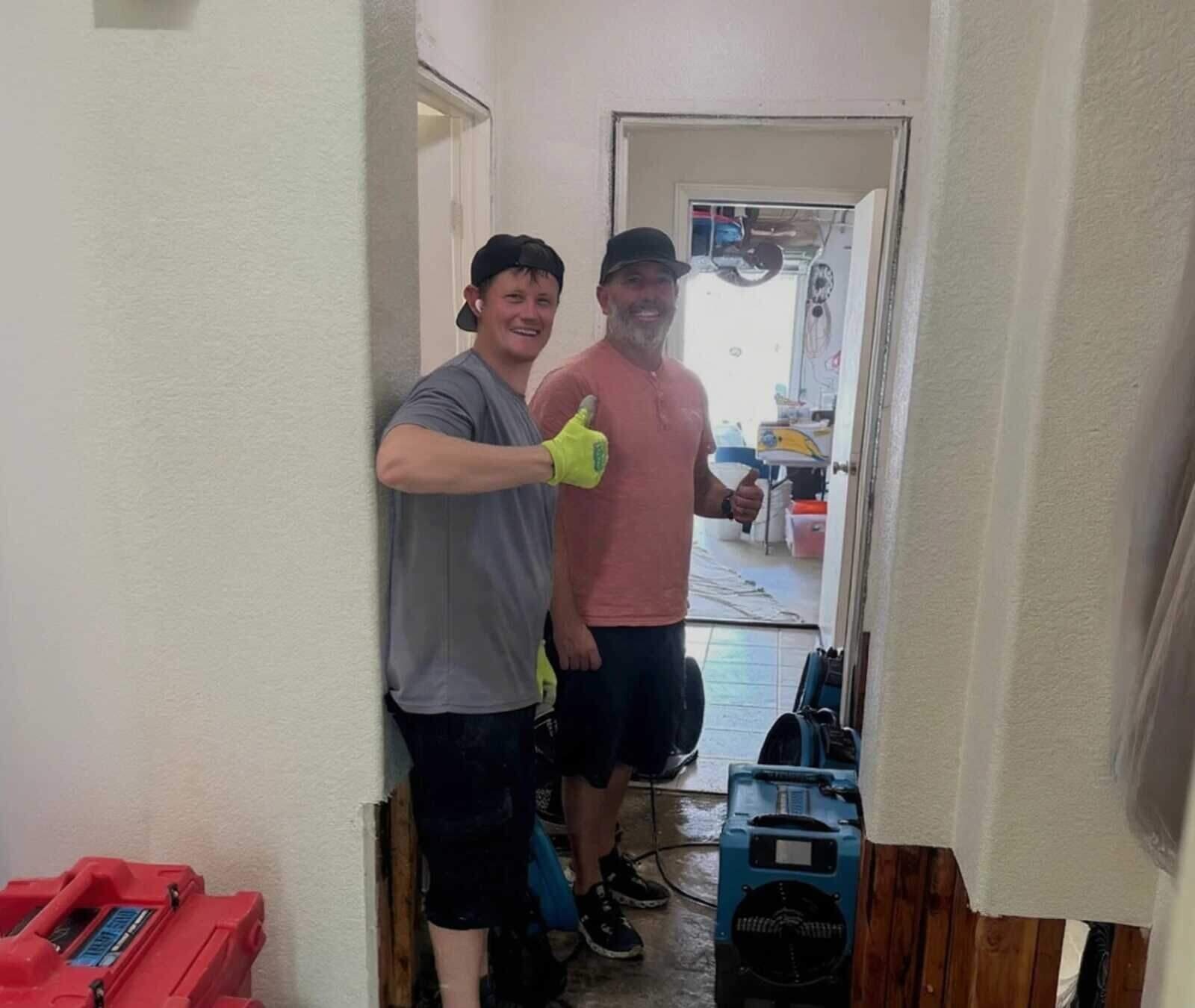
Local water damage crew working in an Austin-area home with air movers and a dehumidifier
Our crew · Austin metro
Why Georgetown homeowners call us

A local crew that shows up and does it right

Dried to a reading Equipment stays until the material meters dry, not until the surface feels dry.
One crew, start to finish The same local crew from the first extraction to the final repair.
No surprise line on the bill Equipment days and demolition are priced before the work happens, not discovered on the invoice.
Local Austin crew Dispatched from the north metro, never routed through an out-of-state call center.
Certified & accredited
IICRC Certified firm Indoor Air Quality Association member Certified and licensed water damage restoration Certified and licensed mold remediation and removal
How it works

Our restoration process

Four steps, starting the moment you call.

1

Call & Dispatch

Tell us what happened. A local crew is dispatched on the call, and how fast we reach you depends on traffic and where you are.

2

Extract & Stabilize

We stop the source, pump out standing water, and set drying equipment.

3

Dry & Monitor

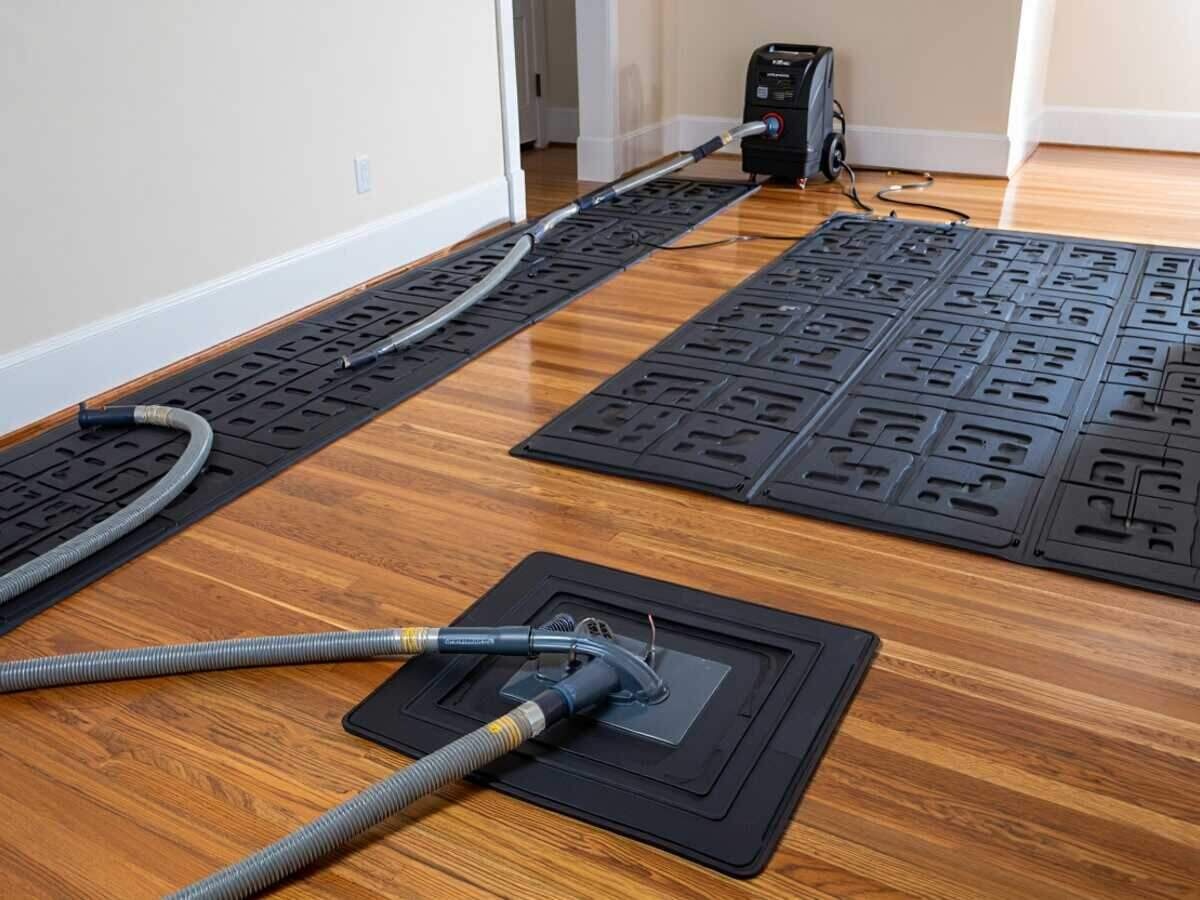
Air movers and dehumidifiers run while we track moisture daily to dry standard.

4

Repair & Reinstall

Drywall, texture, trim, and paint go back so the room reads finished.

Insurance-savvy from the first call

Documented to claim standard from the first hour

We document the loss to claim standard from the moment we arrive — photos, moisture readings by room, and a scope that maps to your policy. Then we bill your insurer directly for the covered work.

See how claims work in Texas

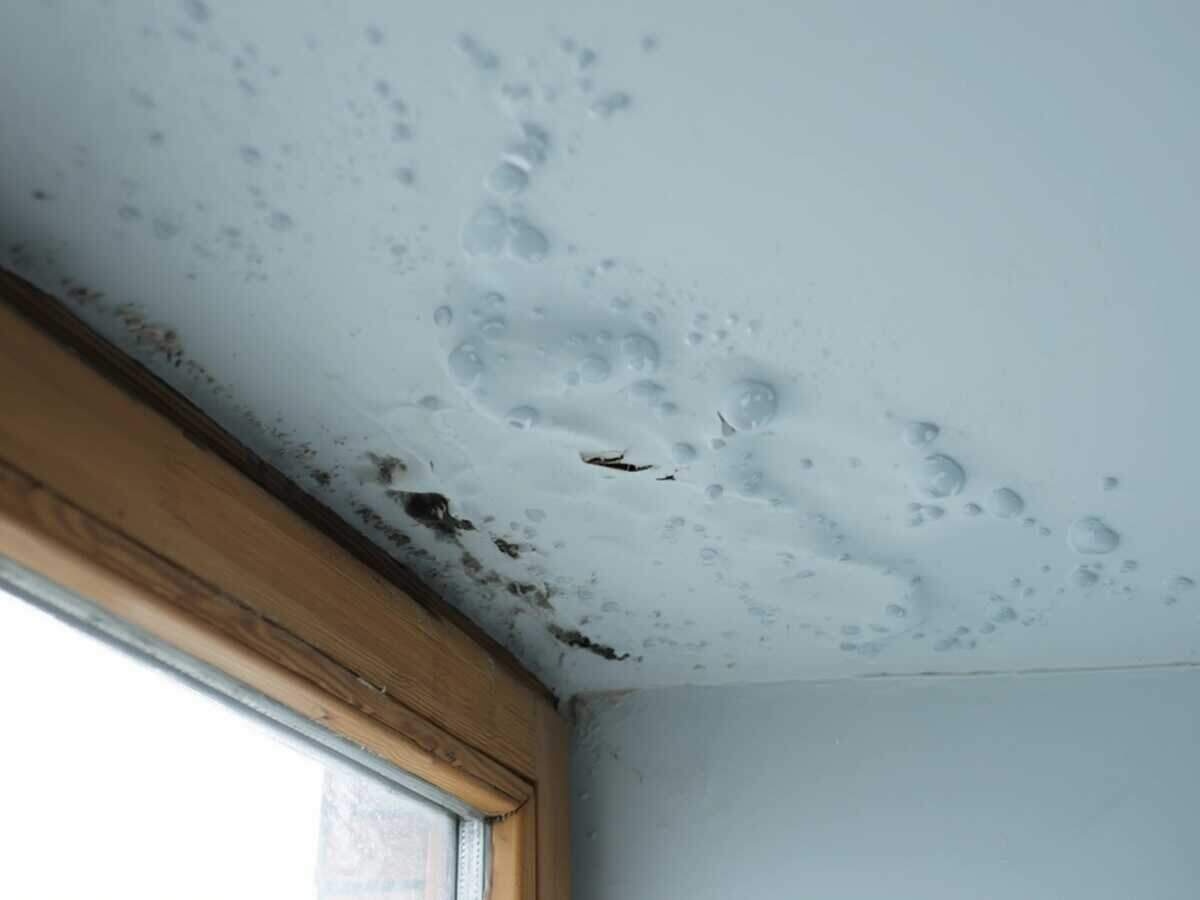
A lot of Georgetown mold removal starts with a smell nobody can locate. In a single-story plan the return grille pulls from one central hallway and the supply pushes to every room, so a system that ran all summer over one wet closet or one soaked wall cavity has been sampling that growth and distributing it since the day the leak began. That is why the whole house smells the same and nothing on any wall explains it.

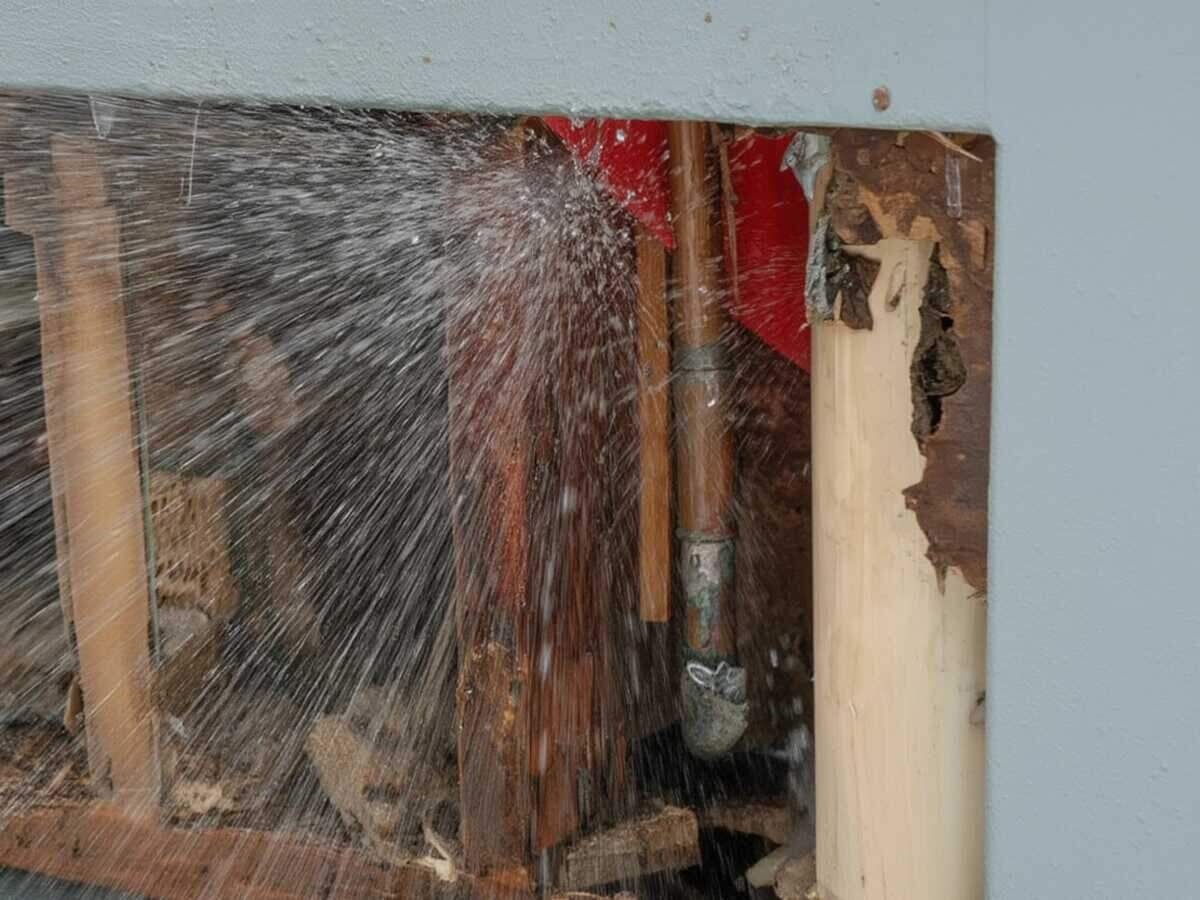
So the first instruction on that call is to shut the system off, and the first thing we do on arrival is read the plan room by room rather than chase the odor. The growth is where the water was, and in these houses that is usually a supply line, a water heater, or a bathroom fixture that ran while nobody was home. How long it ran changes the scope more than anything else: past a couple of weeks the question stops being whether the drywall dries and becomes how much of the room is porous. The air handler, the coil, and the duct interior get examined as part of the same job, because a system that circulated over standing water is part of the problem rather than a bystander.

How the remediation runs

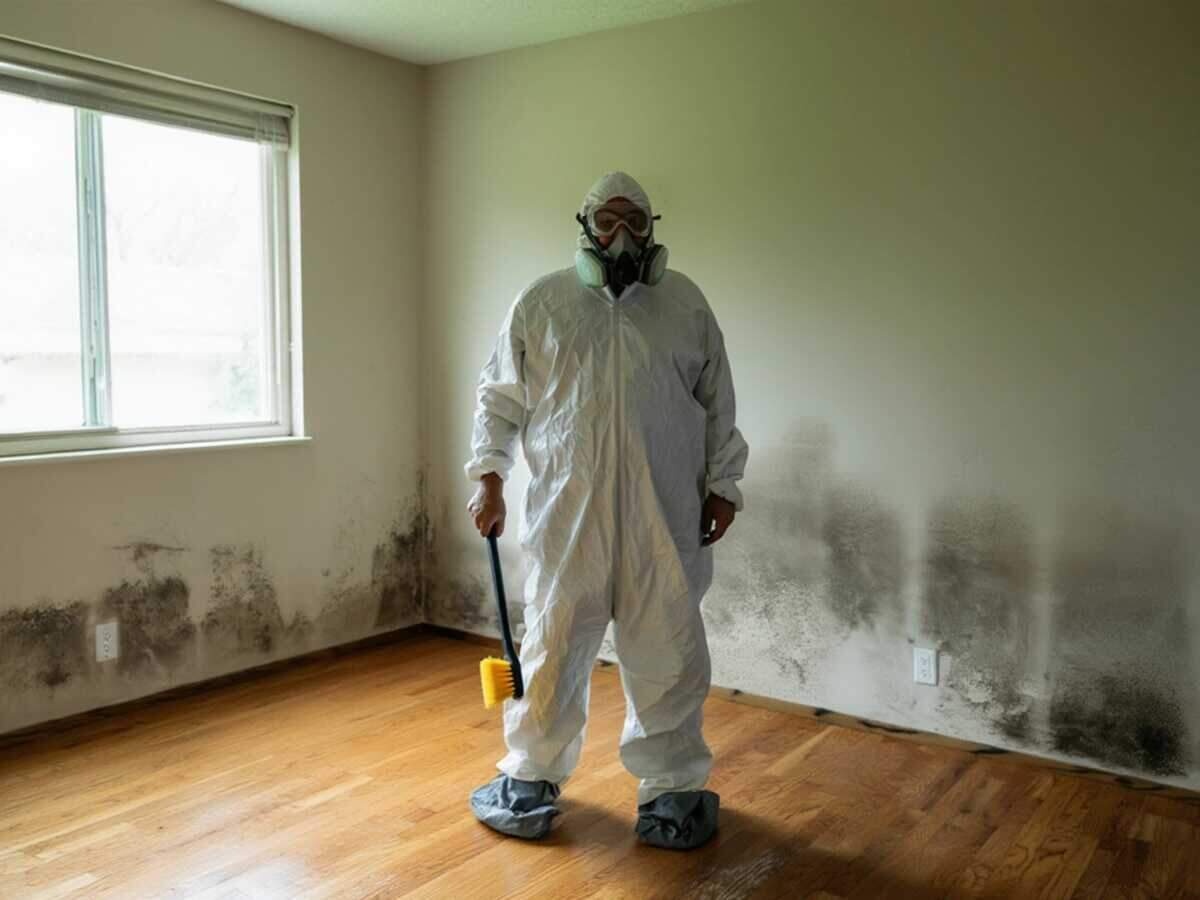
The work zone gets sealed in poly and held under negative pressure, with the supply and return openings inside it closed off so nothing we disturb travels back through the ductwork. HEPA scrubbers run from the first cut to the last. Porous material the growth has colonized, which means drywall, batt insulation, carpet pad, and cabinet bottoms, leaves the house bagged. What stays behind gets a HEPA vacuum and a treatment, and the cavity that fed the whole thing is dried until a meter says so, not until a hand says so. We meter and photograph before containment goes up, so there is a record of what was wet and how far it went.

  • The system shut down and the zone's registers sealed before anything opens
  • A sealed zone held under negative pressure, scrubbed on HEPA start to finish
  • Colonized drywall, batt, pad, and cabinet bottoms bagged out of the house
  • The source moisture dried to a reading, with the readings written down
Mold removal in Georgetown, TX

Two things not to do before we arrive. Do not run the air conditioning if you can stand the heat for a few hours, and do not cut, scrub, or bleach anything, because disturbing growth without containment is what turns one room into a whole house. Call (512) 271-5099 and start with how long the place was shut.
Good to know

Frequently asked questions

Should we run the air conditioning while we wait for you?

Not if you can manage a few hours without it. The system is what spread the smell in the first place, and every cycle moves more of it into rooms that are otherwise clean. If the heat makes that impossible, tell whoever answers, and we will work out which rooms to isolate instead. Once containment is up, our drying equipment handles the humidity anyway.

Do the ducts have to be cleaned or replaced?

It depends on what the system did while the house was wet. Rigid boots and plenum can usually be cleaned. Insulated flexible duct that took moisture inside its jacket often does not come back. We inspect the coil and a sample of the runs, put what we find into the scope with photographs, and tell you plainly which parts are a cleaning and which are a replacement.

How do you decide how much of the wall comes out?

A meter draws that line, not the stain. We read across the wall in a grid, mark where the numbers return to normal, and cut past that point rather than at it, because growth lives at the wet edge as readily as at the center. Drywall whose paper has been wet comes out. Studs behind it come out only where the wood itself has gone soft; the rest gets dried and treated.

The wall looks clean where the leak was. Why would there be growth?

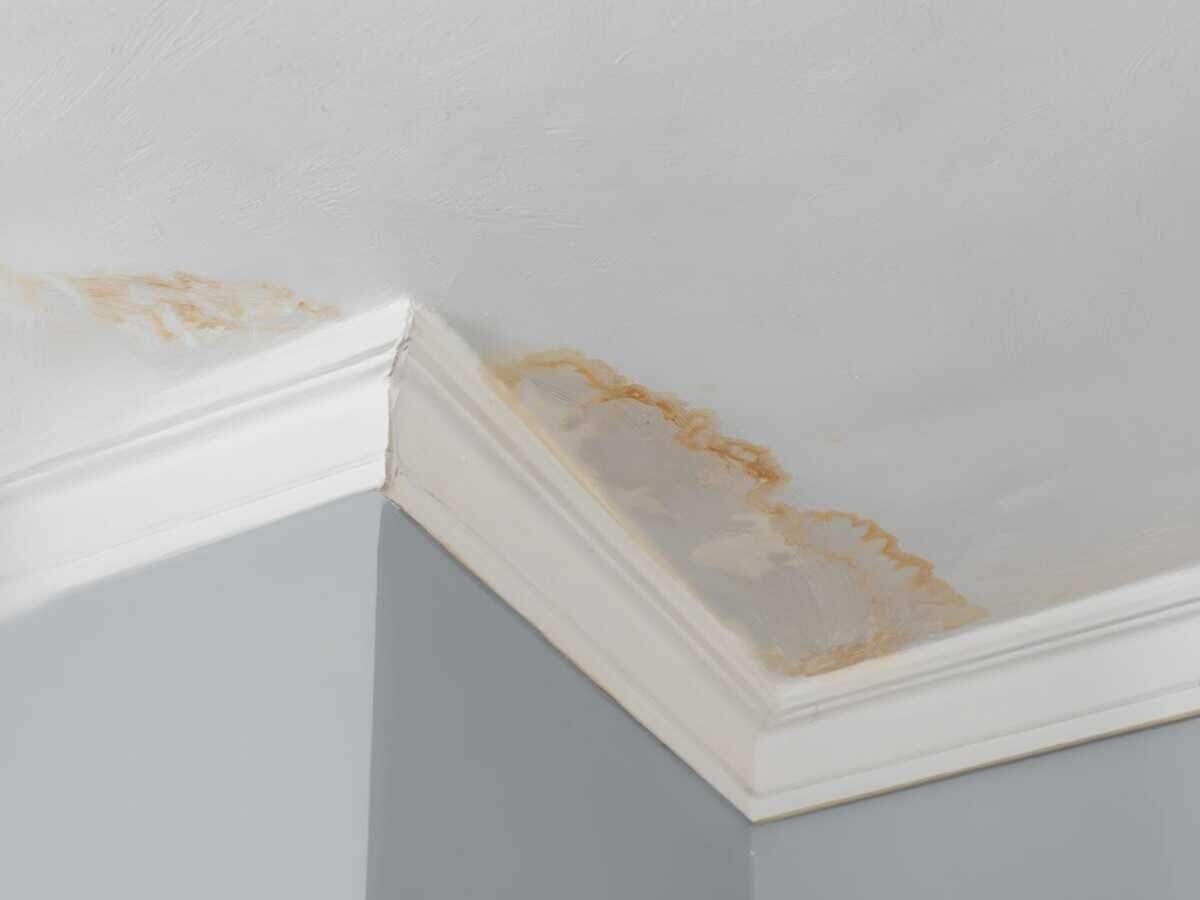
Because the painted face is the driest surface in the assembly. Water sits on the back of the board and in the batt behind it, and that is where the paper and the facing feed growth for weeks before anything shows on the room side. By the time a stain appears on the paint, the cavity has usually been working on it for a while.

Water damage won't wait

A Georgetown house that smells like it sat wet? Do not open it up yet.

Start with how long the house was shut and what hit you when you opened the door. We shut the system down, contain the room, take out the material the growth is living in, and dry the source. All of it documented; your carrier decides coverage.

Call (512) 271-5099 Available 24/7 · Austin metro