



Roof water damage in an older Lago Vista house often comes in through something the house stopped using years ago. Decades of upgrades leave holes behind. The flue from a furnace or water heater that was swapped for a sealed unit. An attic exhaust fan nobody has run since the air conditioning was redone. A swamp cooler curb. A plumbing vent from a bathroom that moved. Each one got capped, sealed, or shingled over on a hot afternoon, and none has been looked at since, because nothing in the house depends on it.
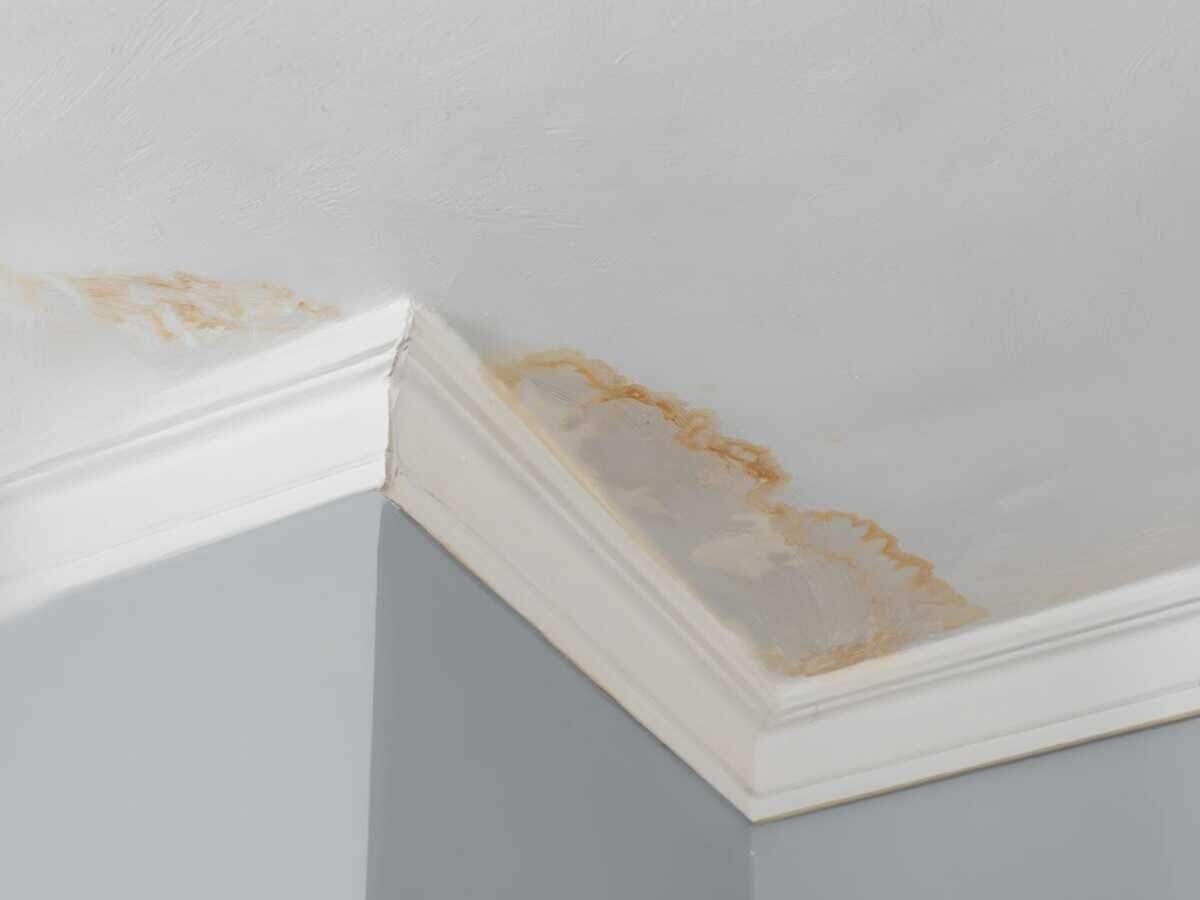
Inside, they behave like a slow drip rather than a storm event. Small volume, every rain, the same spot. The insulation right under the penetration stays damp between rains, the decking around it darkens, and the ceiling shows a ring that grows a little each season. A roofer walking a young roof looking for storm damage is not necessarily going to flag an old capped stub, which is why these run for years.
Our half, and the roofer's half
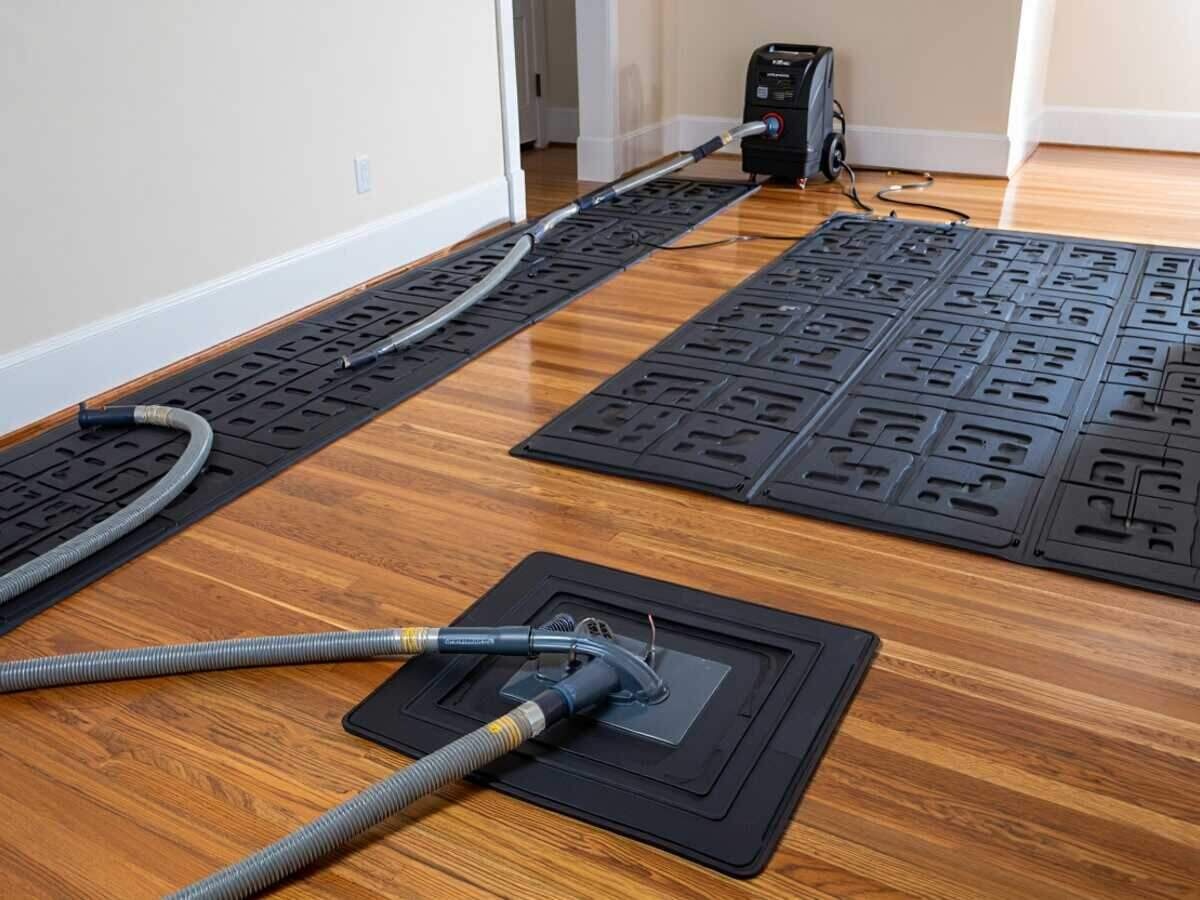
We work the inside. The attic gets read with a meter and infrared, wet insulation comes out where the numbers condemn it, the decking and framing are dried and re-read daily, and the decking gets checked for growth wherever the water has been arriving for months. The ceiling is opened only where the readings ask for it, then rebuilt and textured. We also mark the entry point from the attic side and give the roofer a measurement off the ridge and the gable, so nobody spends a morning hunting for a hole the size of a fist.
- Attic mapped with meter and infrared before any ceiling comes down
- Wet insulation out, then the sheathing and rafters worked down on daily numbers
- The decking checked for growth where a leak has been running for seasons
- The penetration located and measured from inside, so the roof repair goes to the right spot
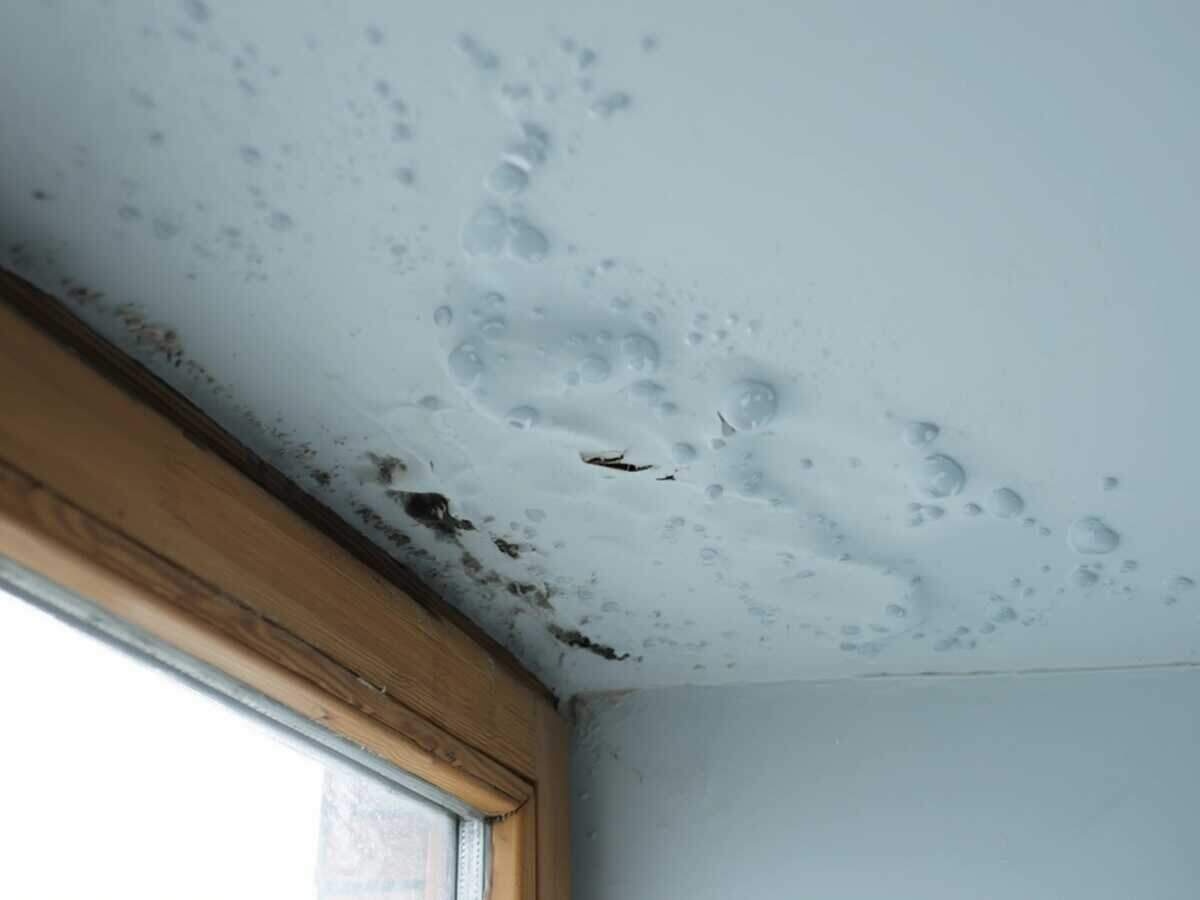
A leak that has been arriving quietly for a long time raises a duration question, and we answer it with evidence rather than opinion: the condition of the decking, the readings, and dated photographs of what the attic looked like when we opened it. Your roofer's invoice covers the penetration. Ours covers what the water did under it. The carrier decides what it pays for. Call (512) 271-5099 and tell us how long that ring has been there and whether it grows after rain.