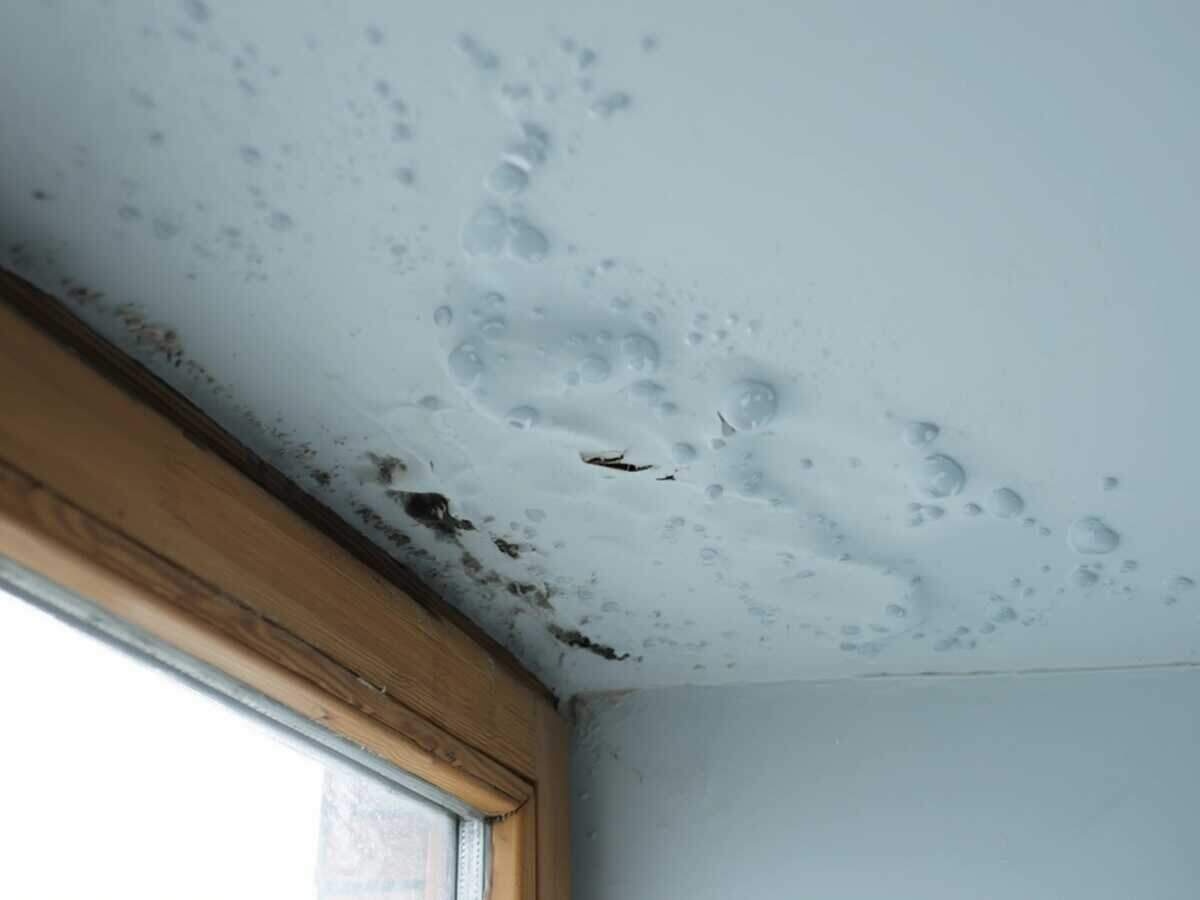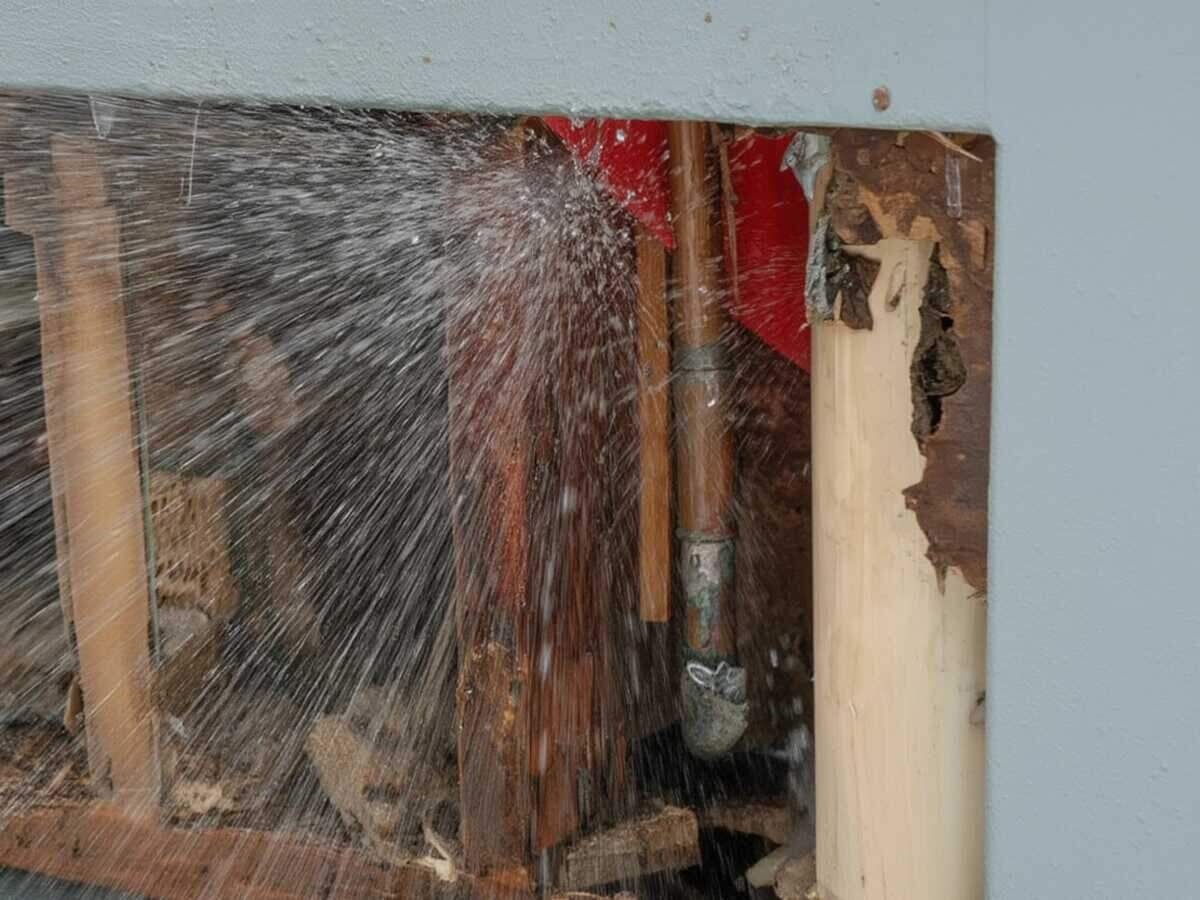




Hardwood floor water damage in a Lago Vista lake house has one advantage the slab houses down the hill never get. There is air under the floor. Most of the older stock here sits on piers over a crawl space, so the wood has two faces we can reach, and a floor worked from both sides comes back faster and flatter than one dried from the top alone. It is the difference between pulling water through a board and coaxing it out of one.
The catch is the crawl space itself. Vented, in August, with bare ground under it, that space is wetter than the room above it, and a floor drying downward into humid air is not drying at all. So the crawl gets its own equipment and its own numbers. Plank subfloors matter too: many of these houses have boards rather than sheet goods below the finish floor, with gaps between them, which is how the water got down there in the first place and why a dry reading on the surface means very little.
Two faces, two sets of numbers
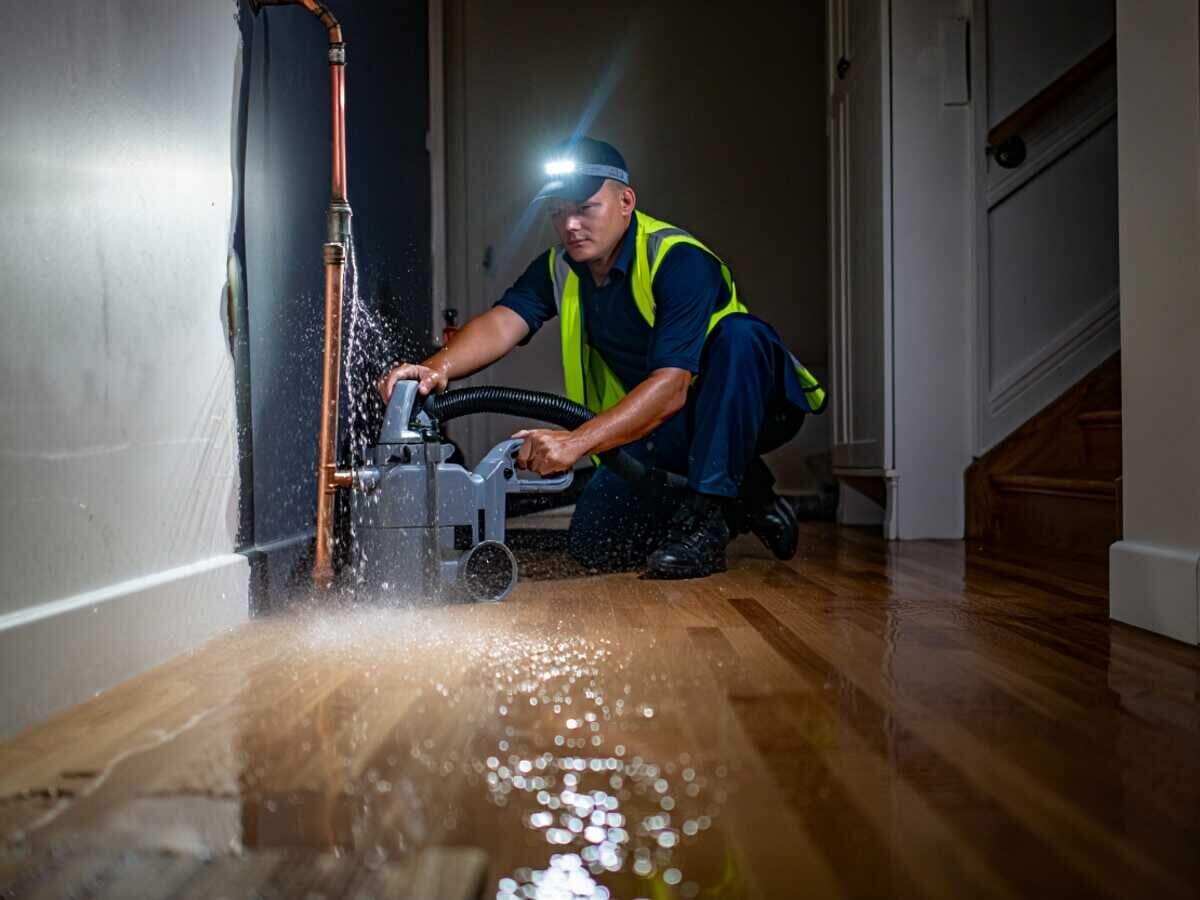
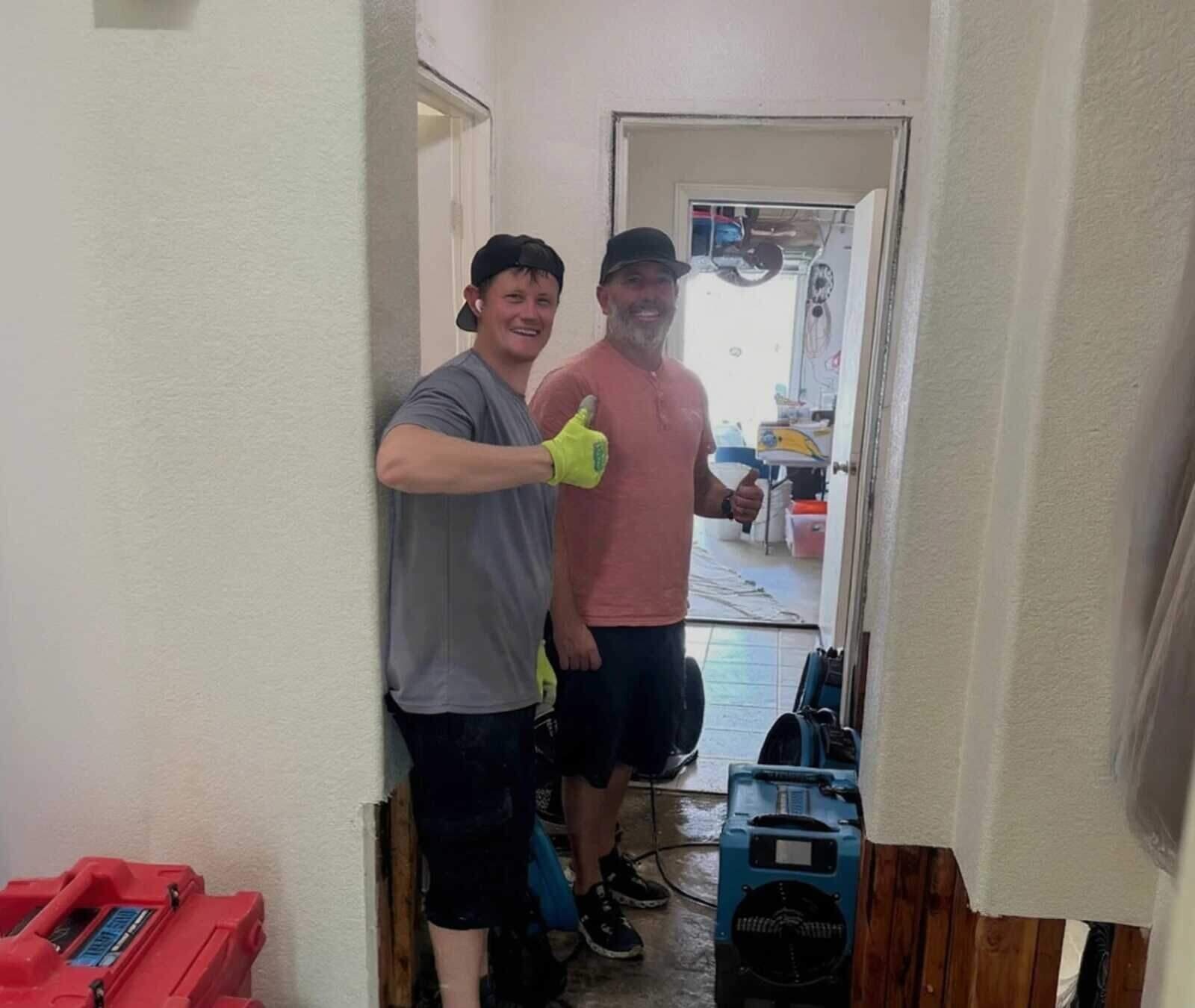
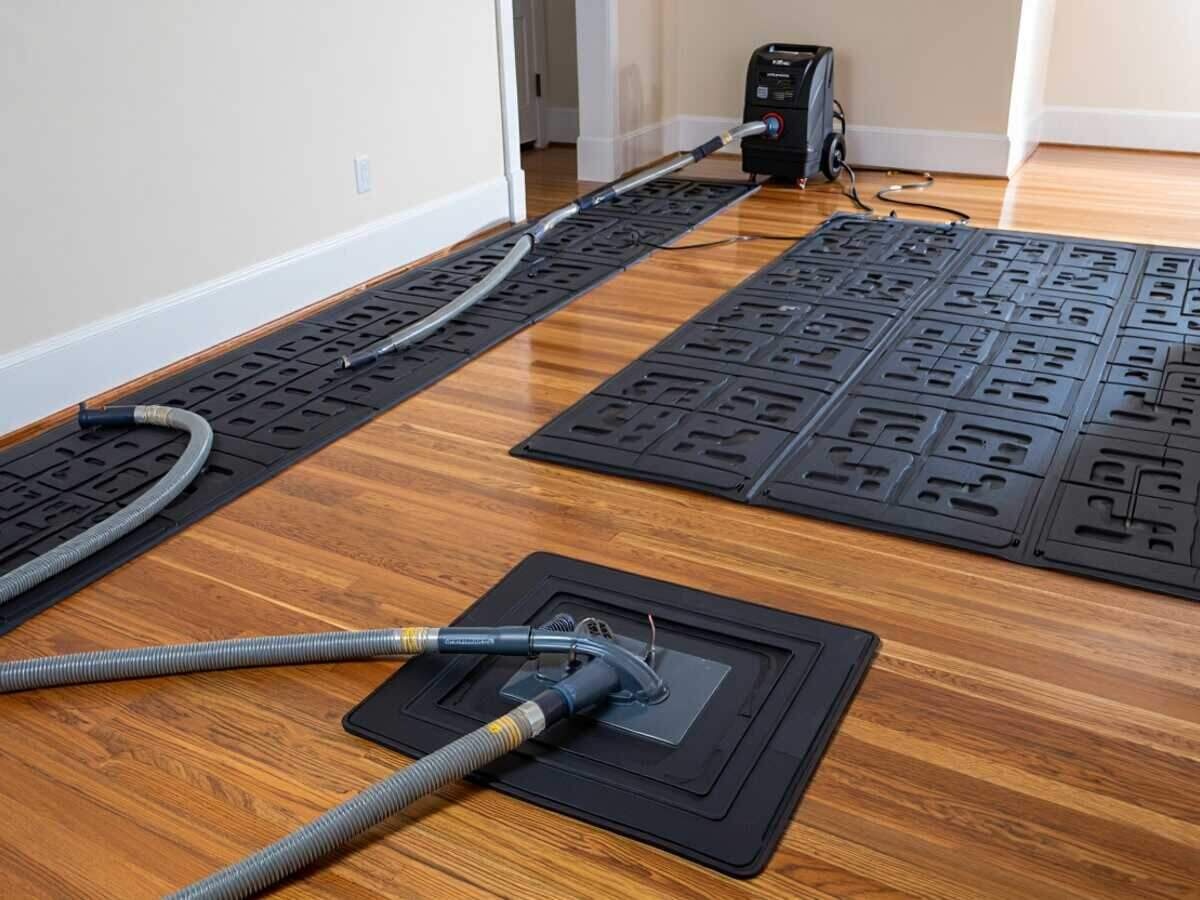
Mats and vacuum drying go down on top. Air gets moved along the joist bays below, with a dehumidifier controlling the crawl rather than a fan pushing outside air into it. Then we read the boards, the top of the subfloor, the underside of the subfloor, and a stretch of the same floor in a dry room, and the equipment stays until all of those hold together. Where boards will not come back we take out the fewest we can and weave in replacements, and we are straight about how closely old narrow strip can be matched to what a supplier stocks now.
- Mat and vacuum drying above, air moved along the joist bays below
- The crawl space controlled with a dehumidifier, not vented with humid outside air
- Boards, both faces of the subfloor, and a dry run of the same floor all metered daily
- Failed boards woven in rather than a whole floor pulled up
Insurers pay to restore a floor, not to upgrade one, so your adjuster needs evidence: the wet area mapped, readings by day, and a clear reason for every board that came out. We write it that way. If the floor is a patchwork of eras, which plenty out here are, the transitions get photographed before anything moves. Call (512) 271-5099 while the boards are only cupped.