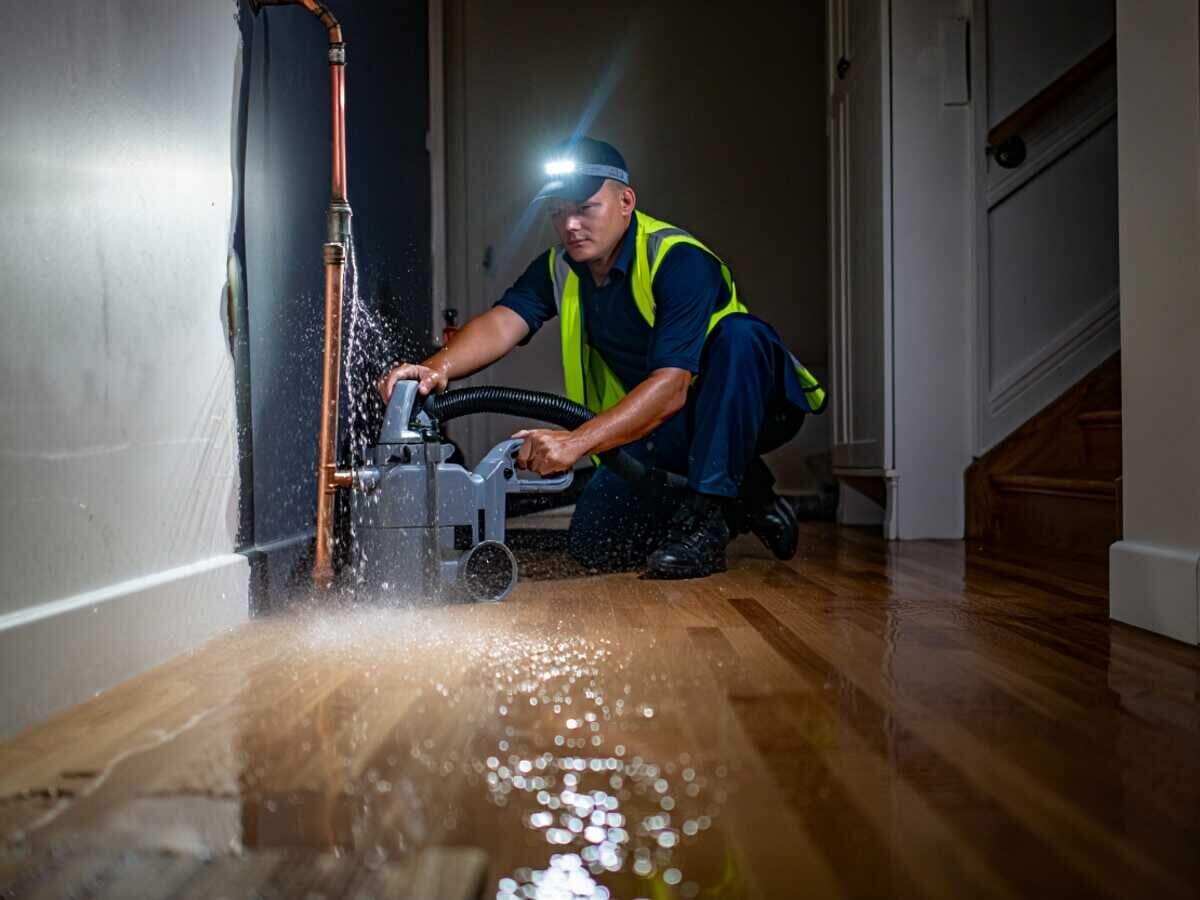




A freeze break in an older Lago Vista house usually opens at a joint rather than in the middle of a run. Where galvanized steel is still in service, the threads are the thinnest steel in the pipe, and decades of scale narrow the bore so less water moves through it than through the copper or PEX somebody added later. Those old lines freeze first and they split where they are weakest.
One warning before anything else. Nothing gets thawed with a torch, a heat gun on high, or a space heater shoved against a wall. House fires during a freeze come from exactly that. Warm the room, open a faucet so the line has somewhere to go as the plug releases, and let a plumber do the rest.
The part that is ours
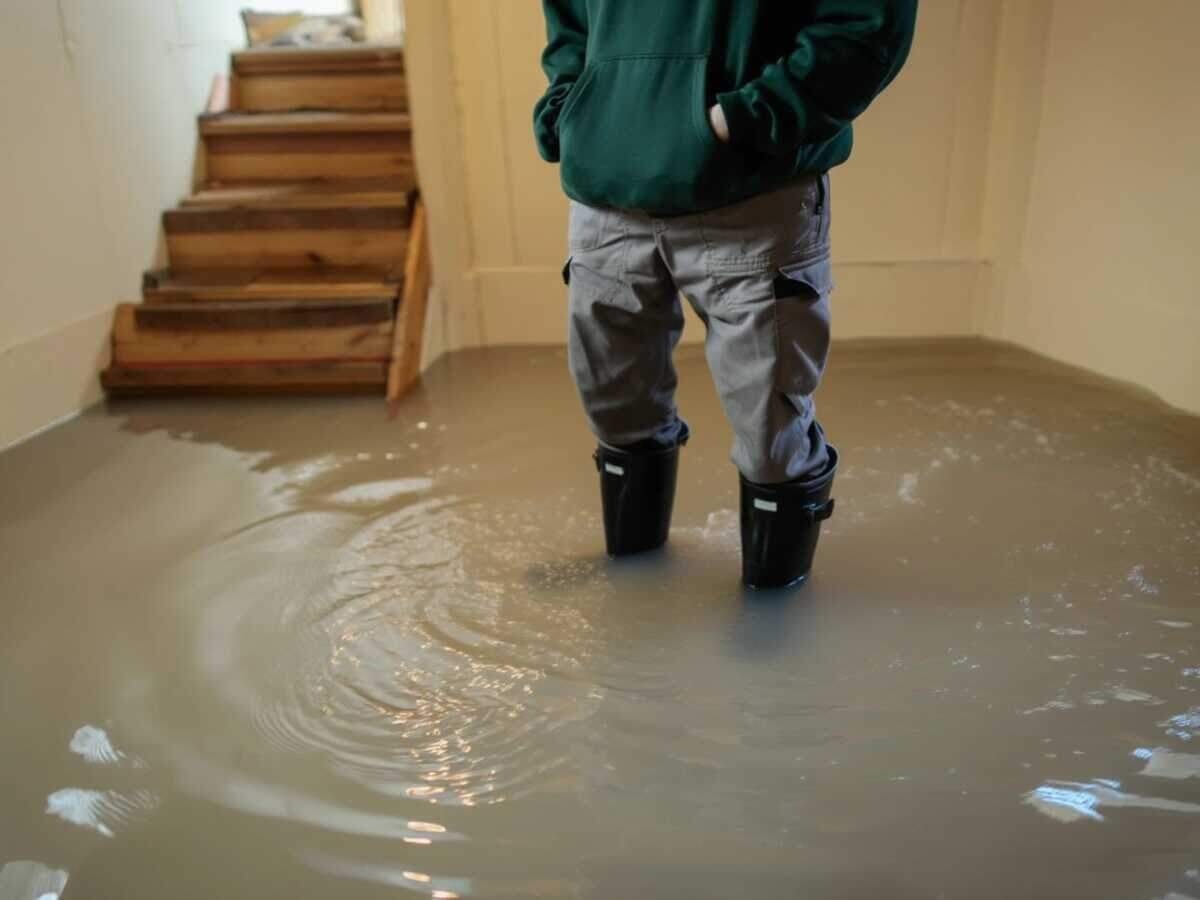
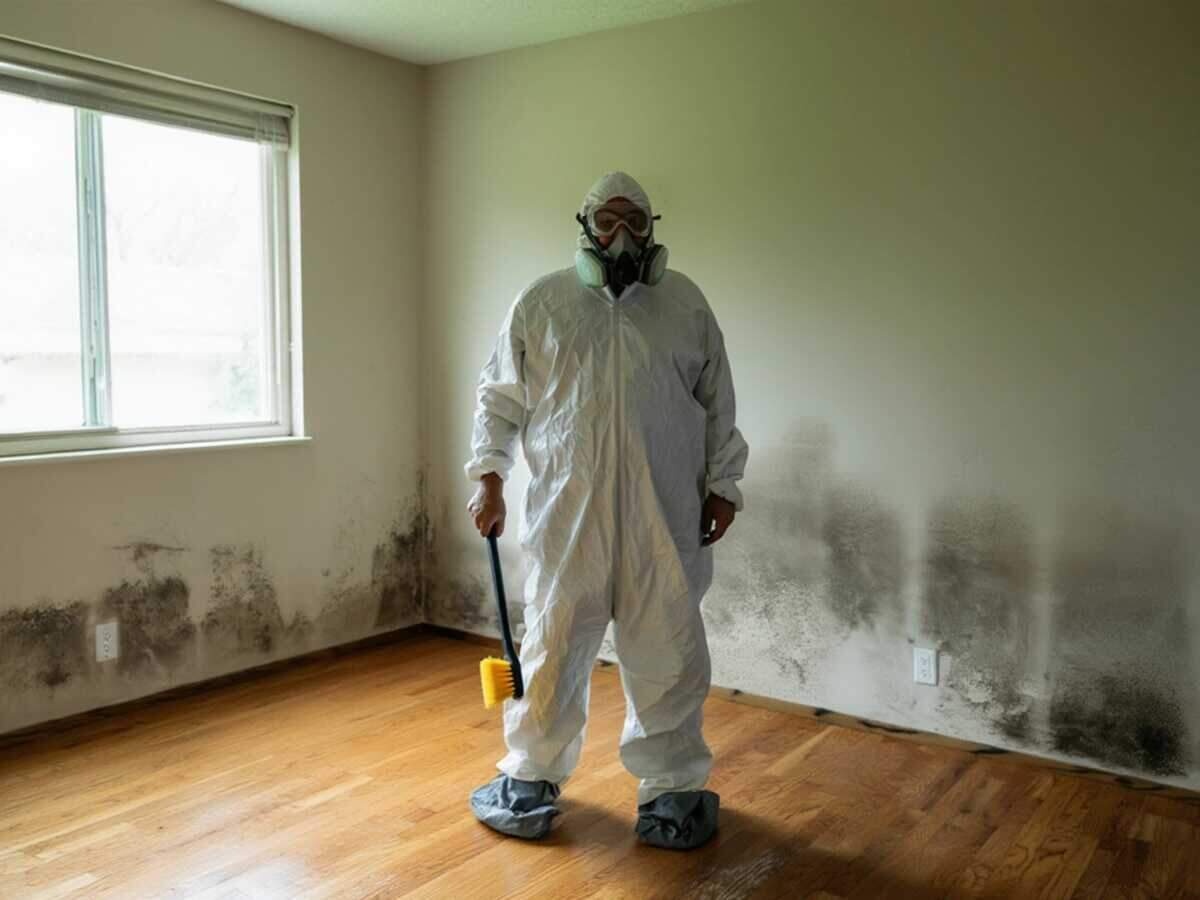
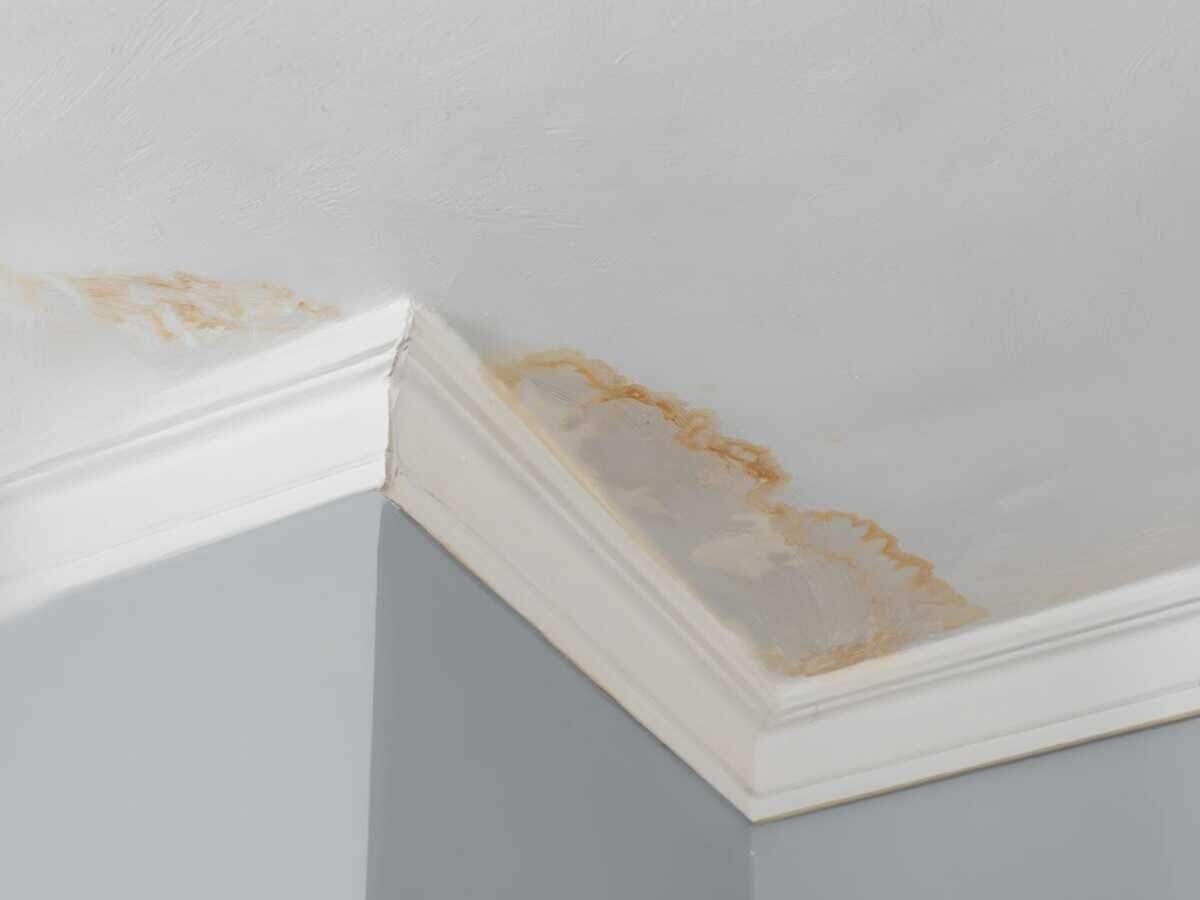
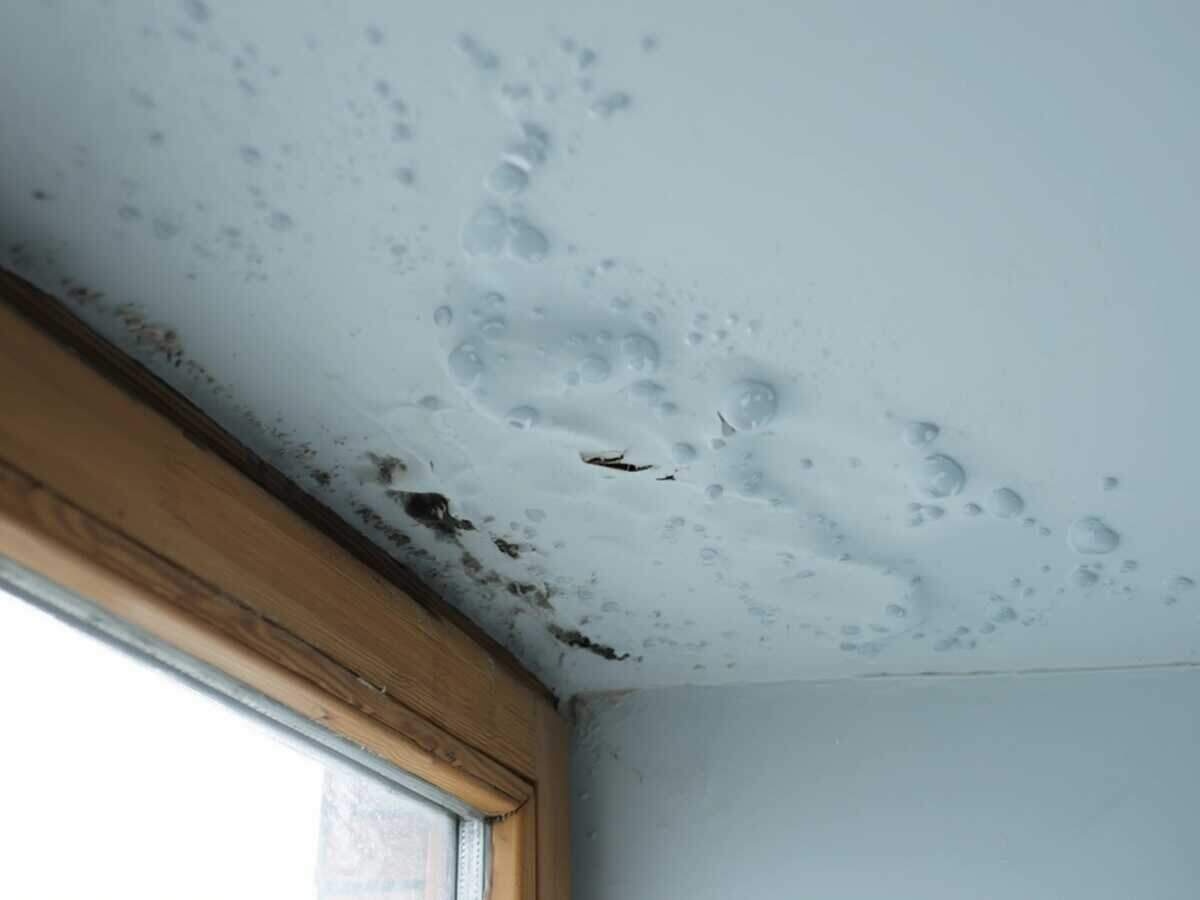
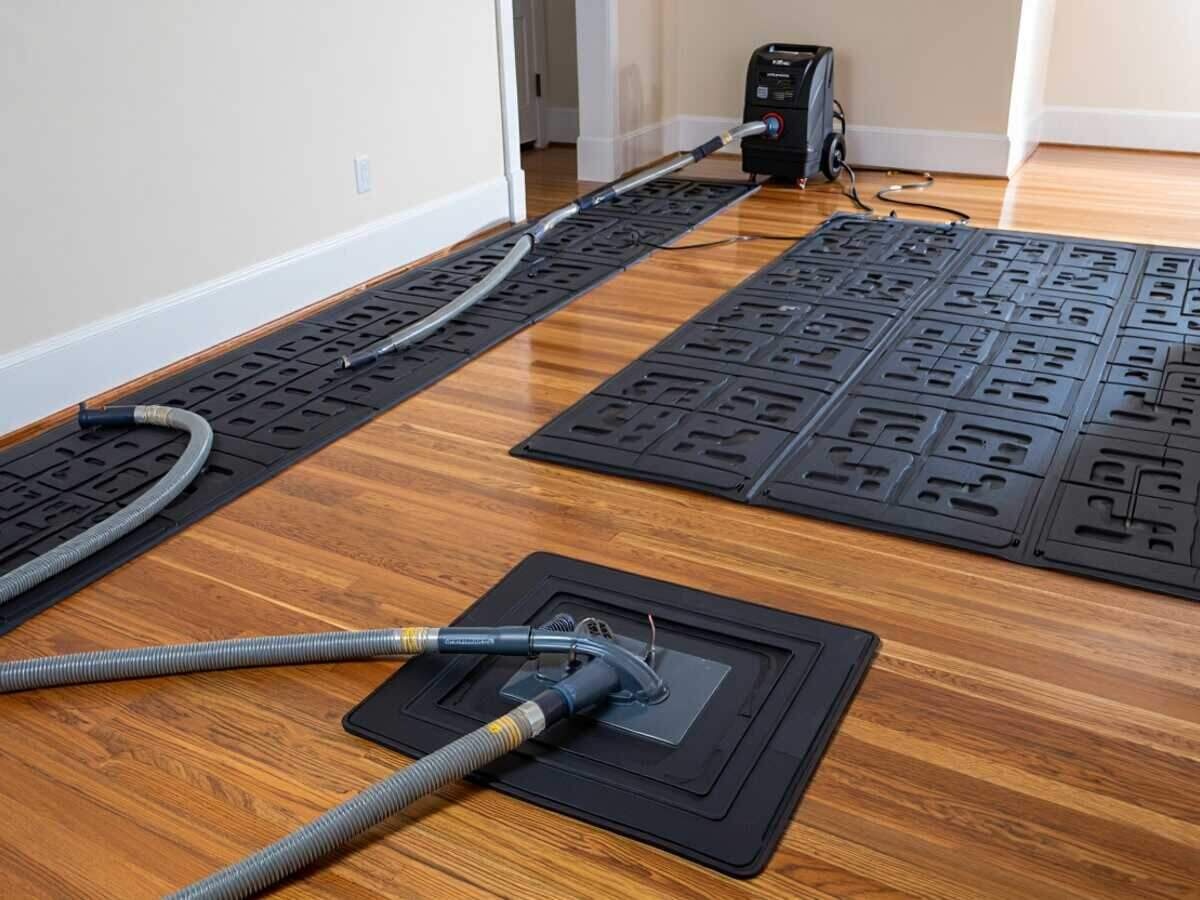
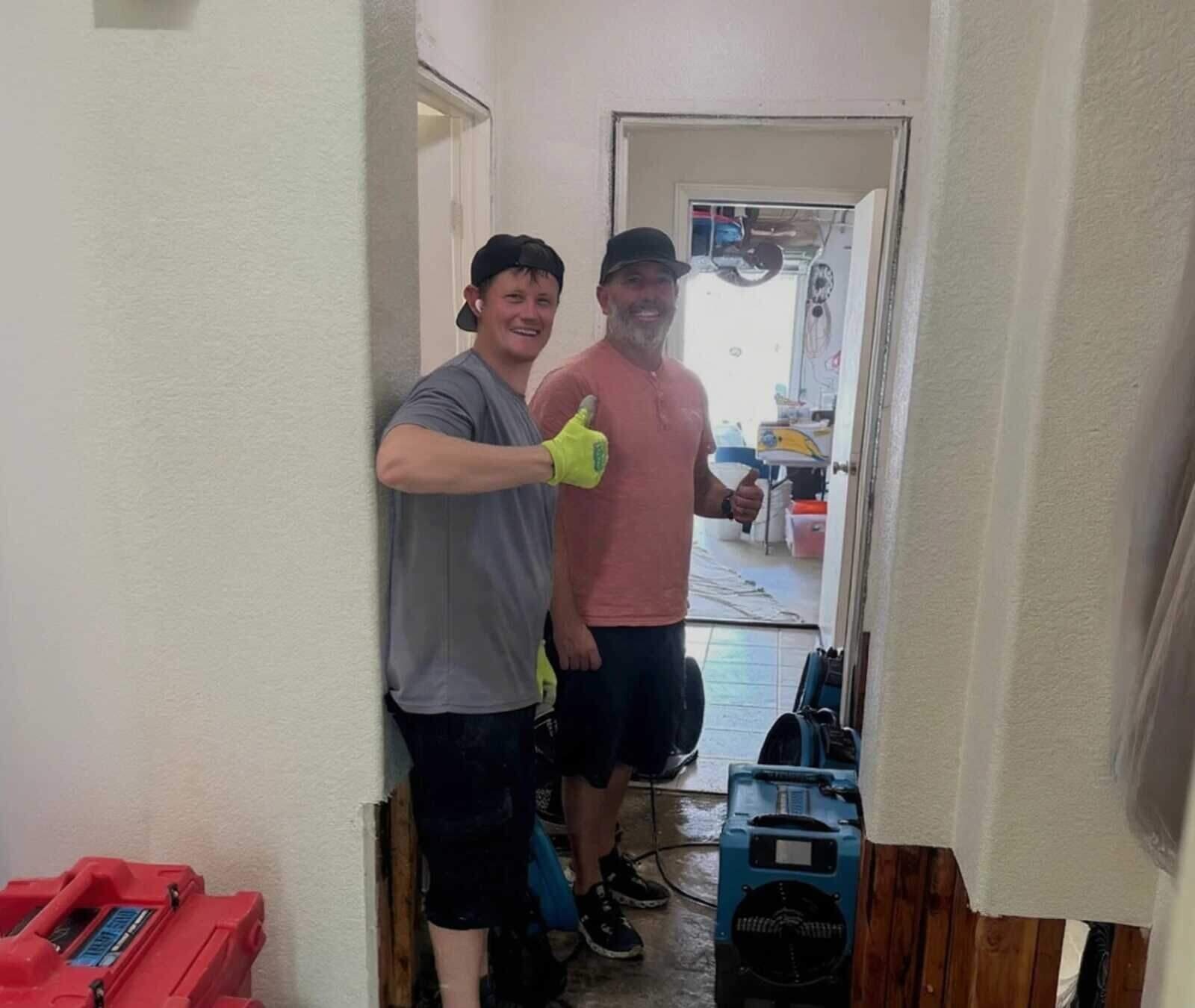
Our side of a burst pipe is the water, not the plumbing. We map the wet path first, because it rarely stops at the break. Water runs down the studs, pools on the bottom plate, wicks up the drywall from the floor, and travels along the subfloor under cabinets where nothing is visible. Then the affected bays get opened low, soaked insulation comes out, and air movers and a dehumidifier run against daily readings on the framing and the flooring until the numbers hold. Toe kicks and base trim come off where water got behind them, because a closed cabinet base does not dry on its own.
- The wet path mapped with meters before anything is opened
- Wall bays opened low, wet insulation bagged out, framing dried on daily readings
- Toe kicks and base trim pulled where water ran behind them
- The break, the date it was found, and every reading recorded for the claim file
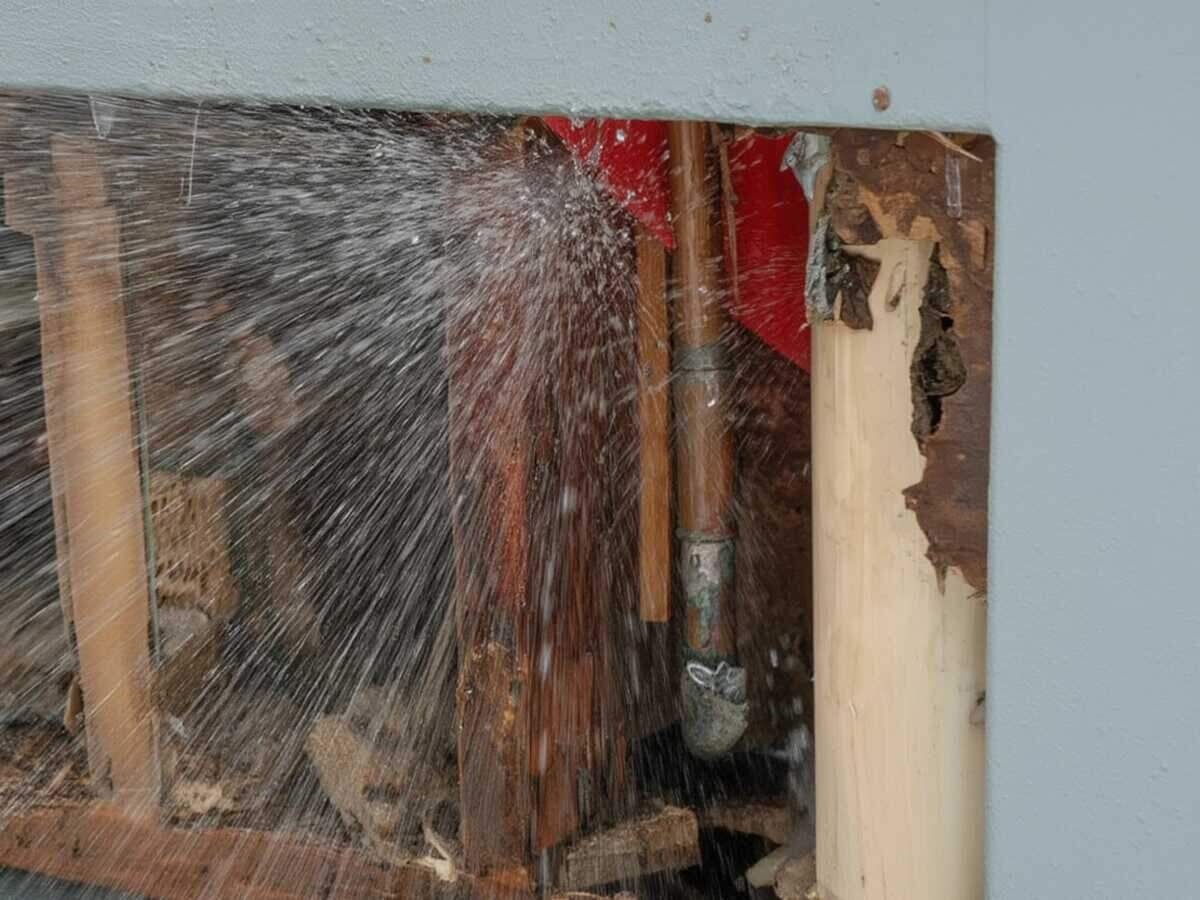
Your plumber's invoice and our scope are two different documents and your adjuster wants both. One says what failed, the other says what the water did. In a house that has been repiped in pieces over the years, the repair often turns out bigger than the split, so it is worth having both trades in the same conversation before a wall gets cut twice. Call (512) 271-5099 and tell us where you see water and whether the main is closed.