



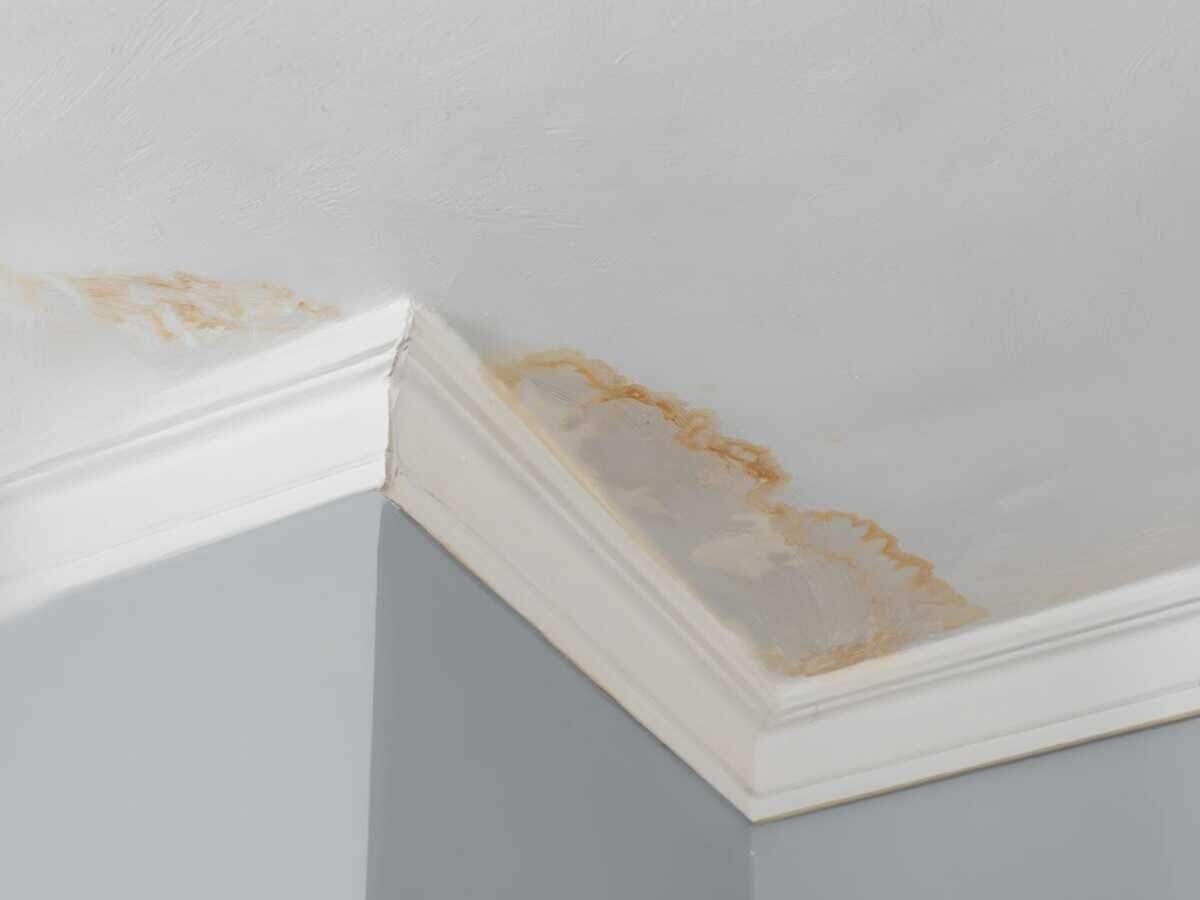
Ceiling water damage repair in an older Lago Vista house starts in the attic, not in the room. Houses out here have been insulated and re-insulated over the years, and what sits over that stained ceiling is usually loose fill, sometimes cellulose, sometimes a second layer blown over batts that were already there. Once it gets wet it mats down, holds the water against the drywall, and keeps handing it back for days.
So the first move is to pull the wet fill off the affected bays and bag it. Only then is there any point in reading the board. Soaked loose fill does not recover, it weighs a surprising amount, and leaving it up there while air movers run in the hallway is how a ceiling stays wet for a week and sags anyway. In these attics there is usually no decking to stand on either, so the work happens off the joists and the material comes out in bags rather than by the armful.
Whether the ceiling stays up
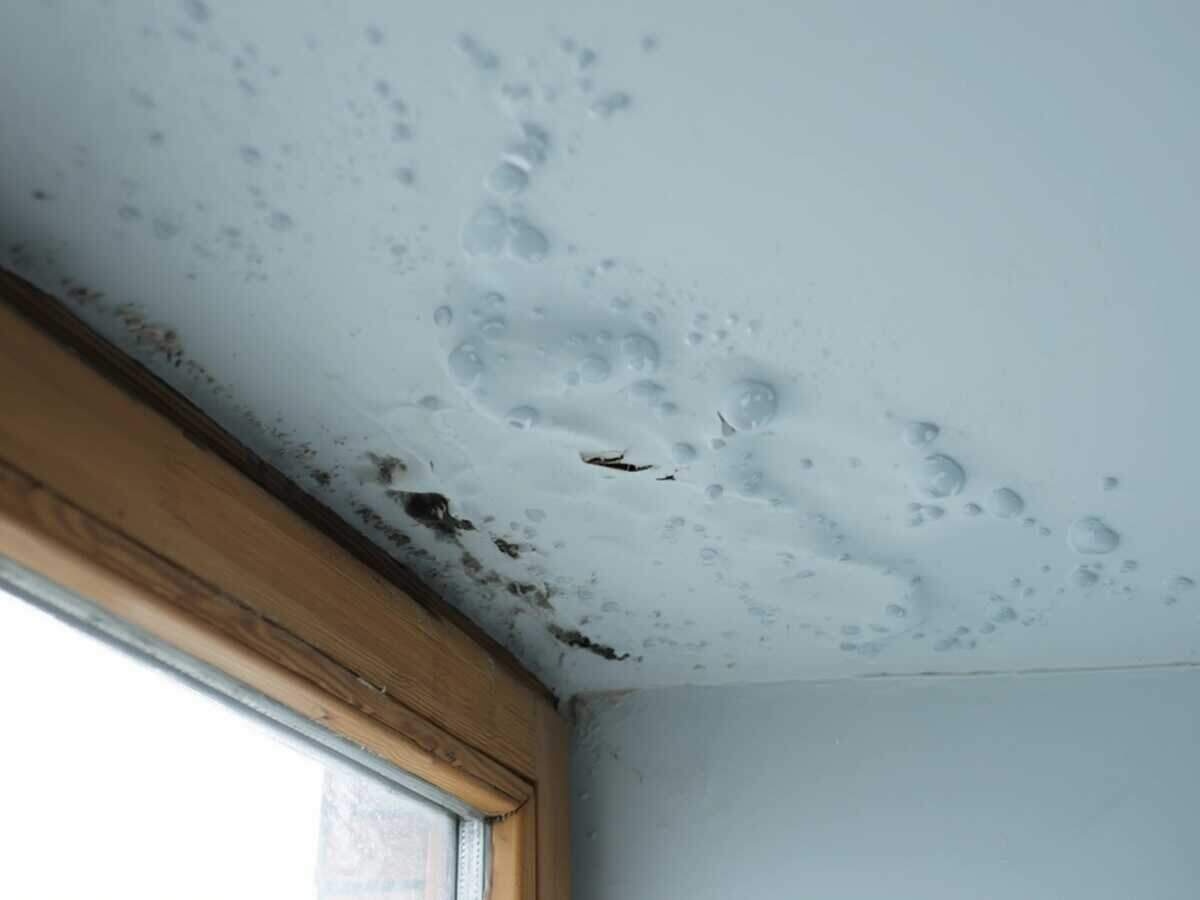
Ceilings in this stock can be thinner board than a house built today, and the joists are not always at sixteen inches, so a wet span bows between them rather than staining neatly and stopping. Once the bays are clear we read the board from both faces. A ceiling caught early, with the insulation off and air moving through the open bays above, often dries and keeps its texture. One that has held water long enough to sag, delaminate, or pull off its fasteners comes down to joist centers, and we rebuild and re-texture it. That call gets made on readings, with the numbers in front of you.
- Wet loose fill pulled off the affected bays and bagged before drying starts
- The ceiling read from both faces, not judged by the size of the stain
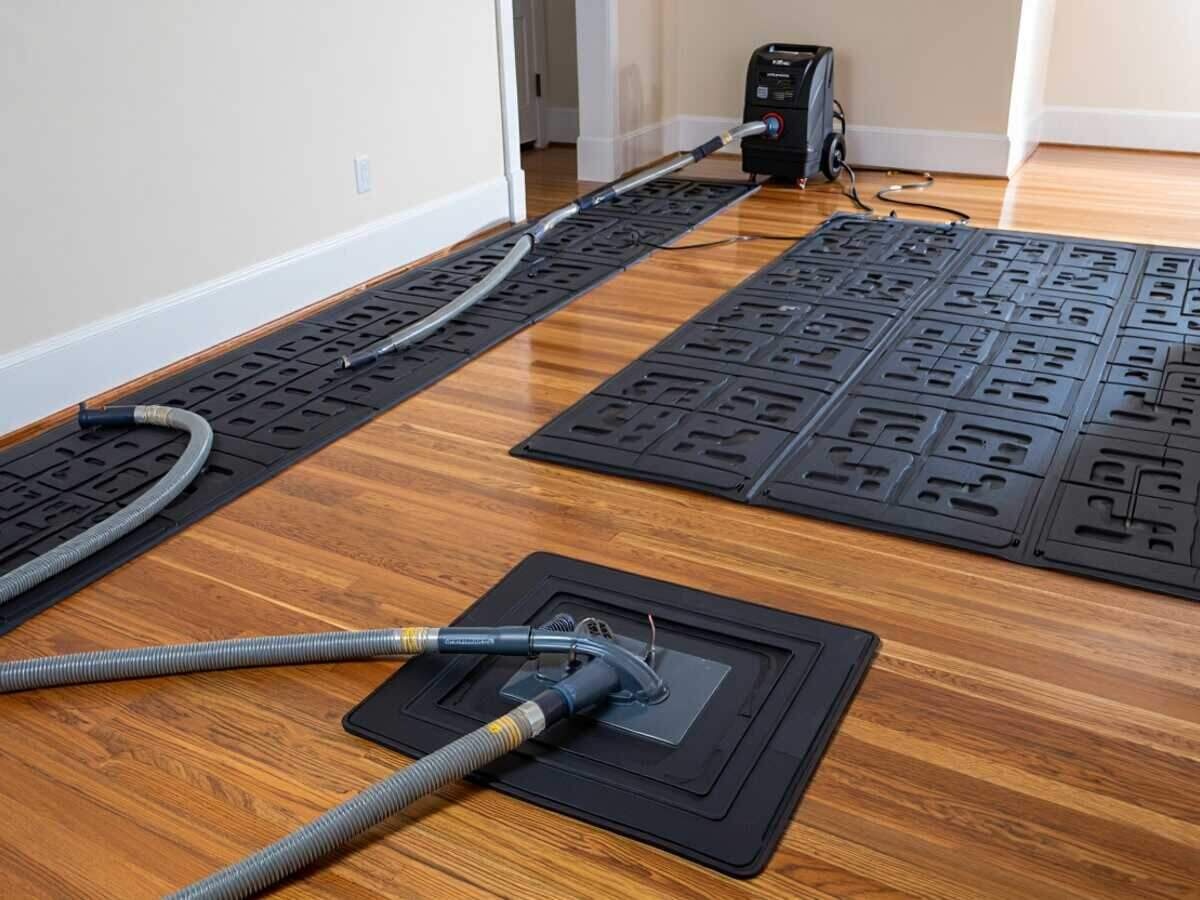
- Air moved through the open joist bays above, not only across the room below
- Board cut back to joist centers where it has to go, then rebuilt and textured to match
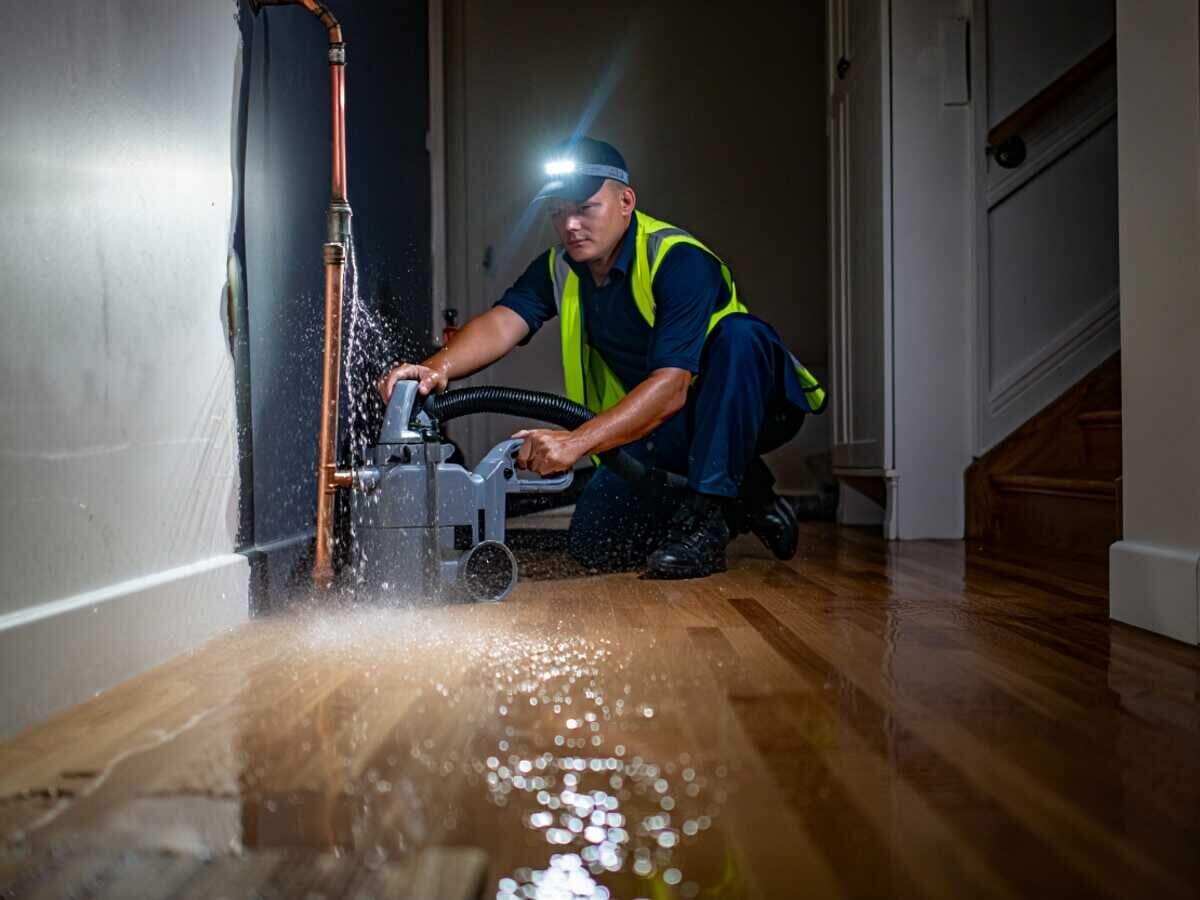
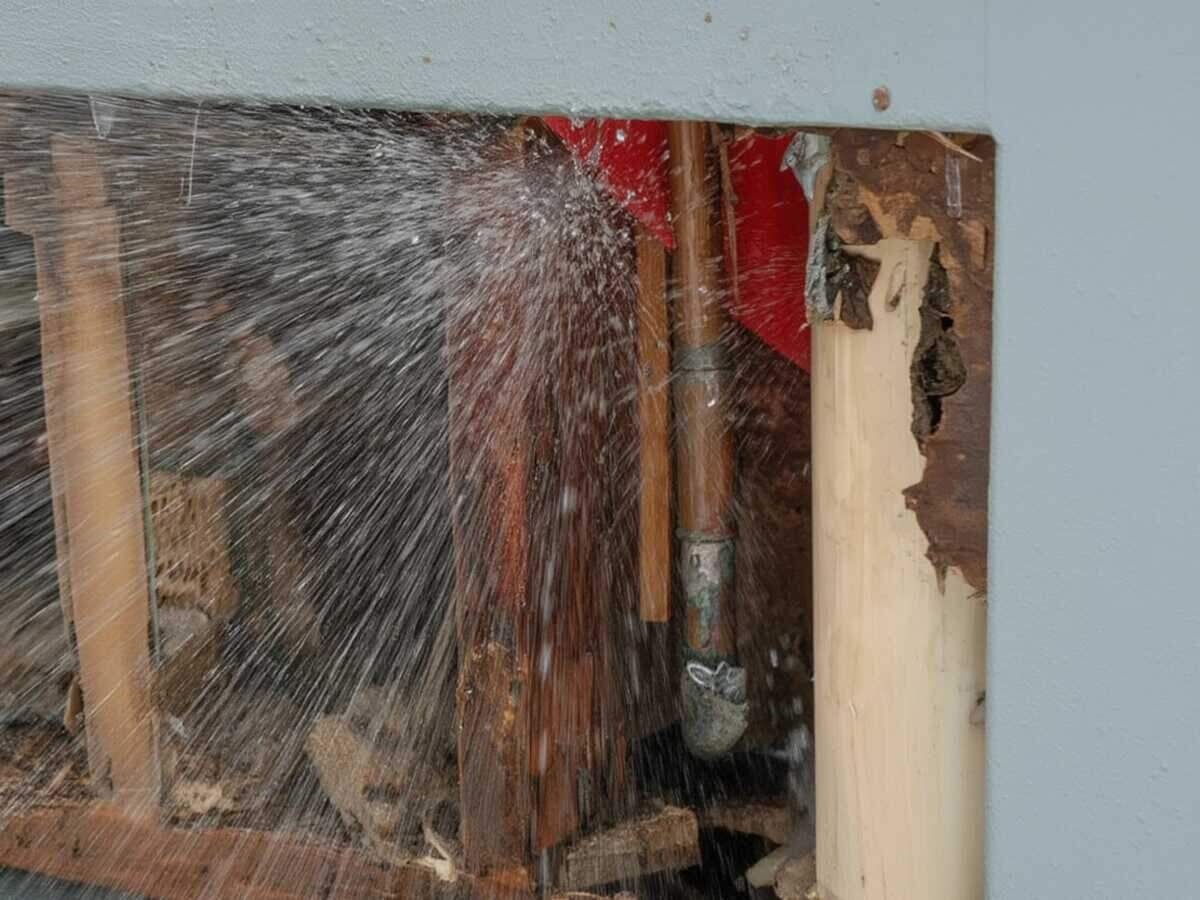
None of it matters if water is still arriving, so the source gets found first: a supply line in the attic, a condensate pan, a roof penetration, or a wall above. We photograph the attic before anything is disturbed, log readings by day, and give your adjuster a scope covering the board, the insulation, and the finish. What the policy pays for is their decision. Call (512) 271-5099 and tell us whether anybody has been up there to look yet.