



Mold Removal in Lago Vista, TX

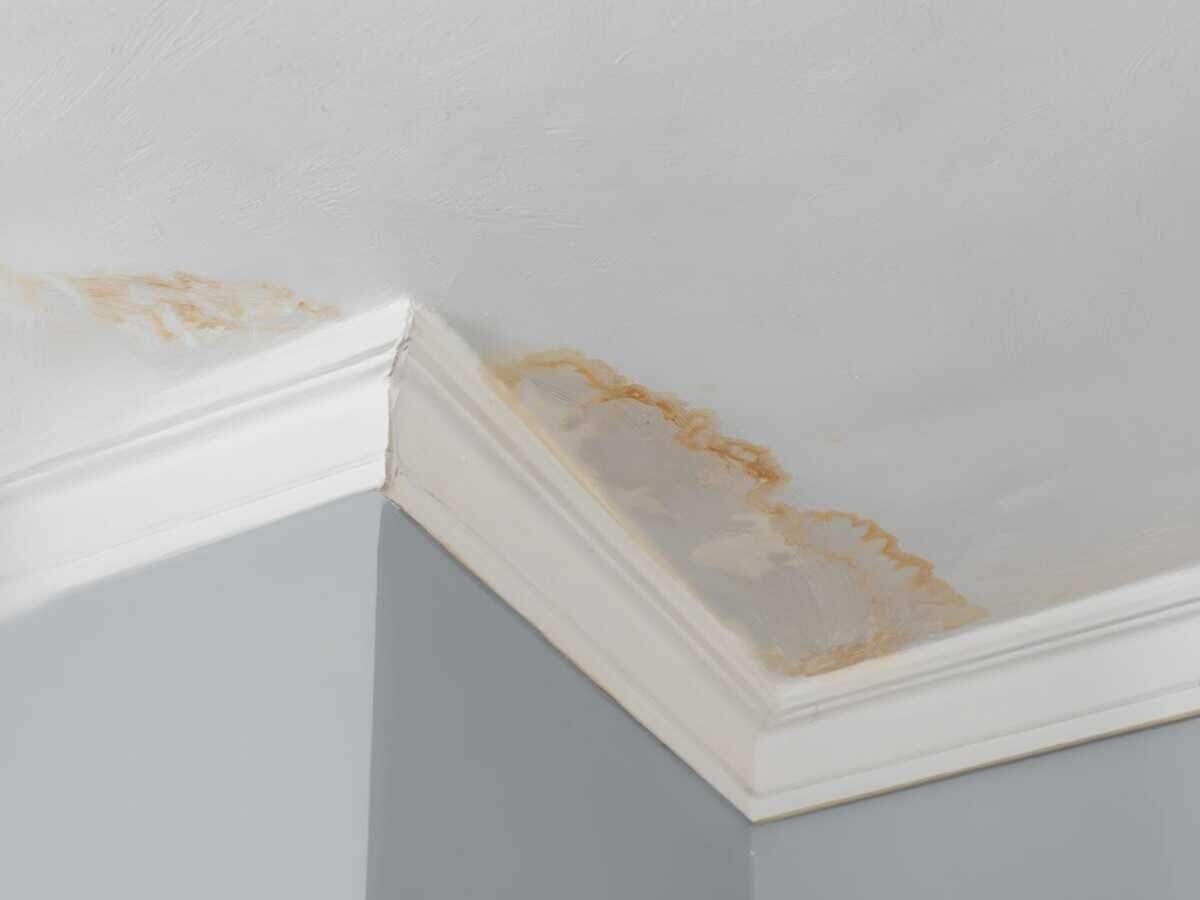
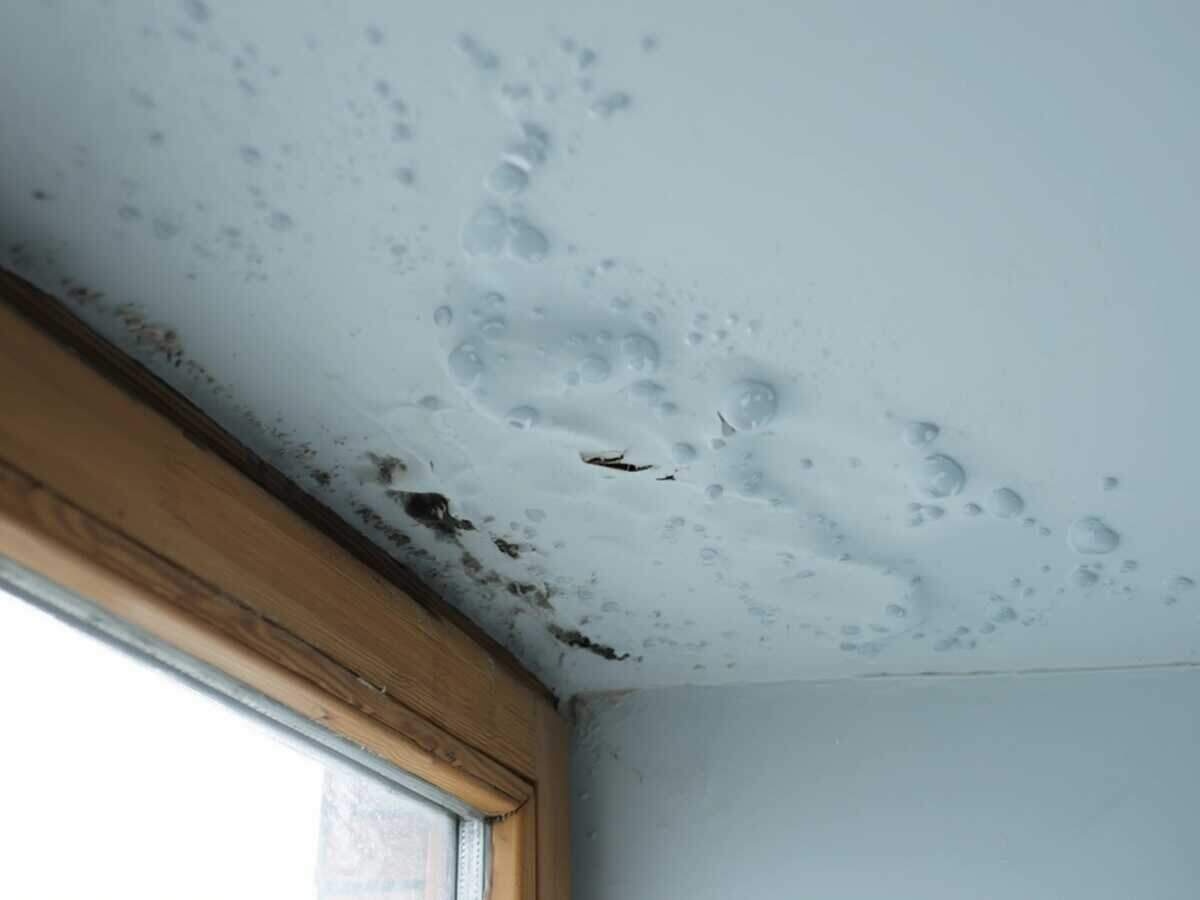
The back bedroom smells like a wet boat cover and the paint on that wall is perfect. In a house framed in the seventies, nothing blocks the stud bay, so what is growing in there has an open road to the attic. Call (512) 271-5099.

Call (512) 271-5099 Answered live, 24/7Nights, weekends, holidays
  • We bill your insurer directly
  • IICRC-certified crews
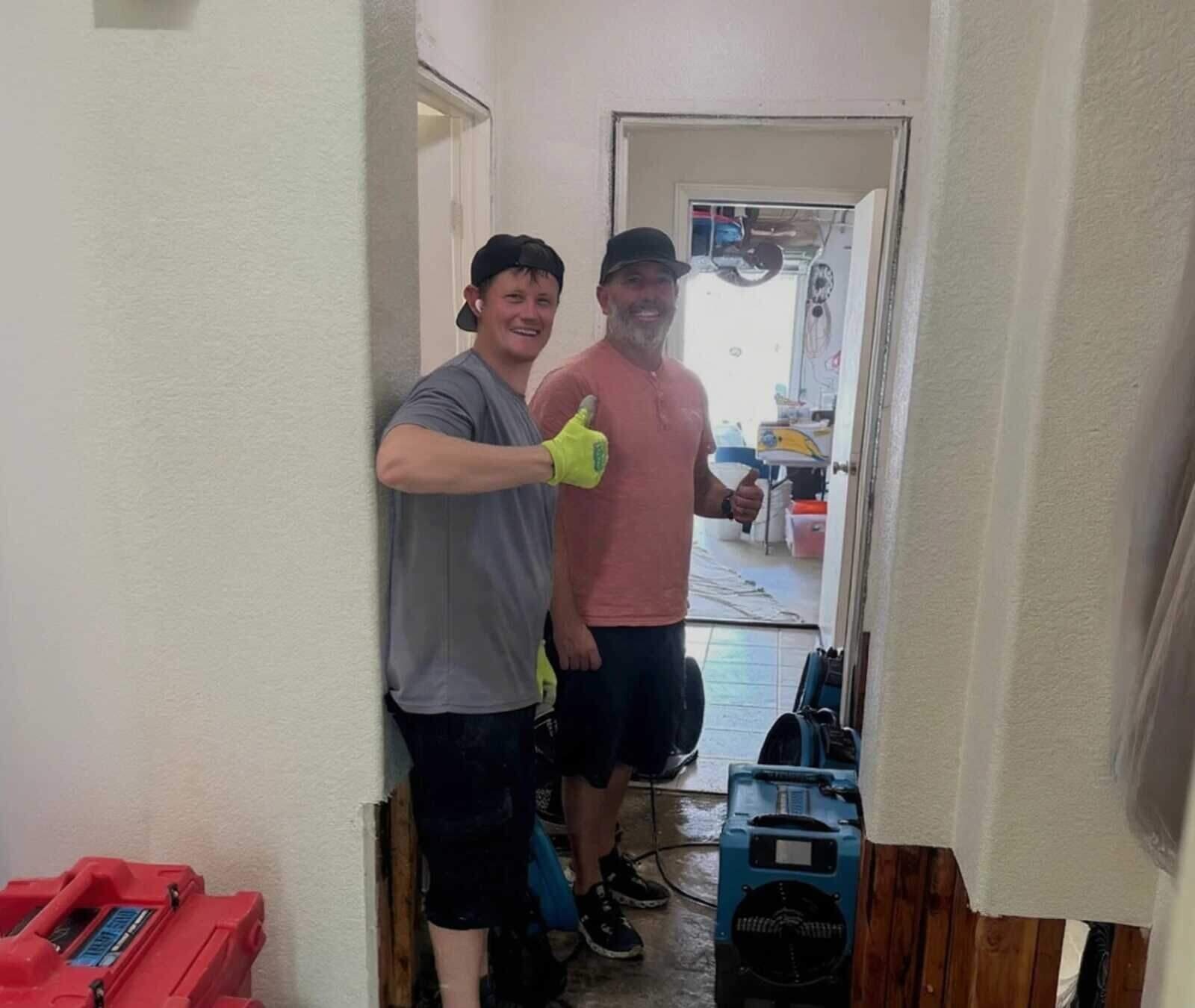
Local water damage crew working in an Austin-area home with air movers and a dehumidifier
Our crew · Austin metro
Why Lago Vista homeowners call us

A local crew that shows up and does it right

Dried to a reading Equipment stays until the material meters dry, not until the surface feels dry.
One crew, start to finish The same local crew from the first extraction to the final repair.
No surprise line on the bill Equipment days and demolition are priced before the work happens, not discovered on the invoice.
Local Austin crew Dispatched from the north metro, never routed through an out-of-state call center.
Certified & accredited
IICRC Certified firm Indoor Air Quality Association member Certified and licensed water damage restoration Certified and licensed mold remediation and removal
How it works

Our restoration process

Four steps, starting the moment you call.

1

Call & Dispatch

Tell us what happened. A local crew is dispatched on the call, and how fast we reach you depends on traffic and where you are.

2

Extract & Stabilize

We stop the source, pump out standing water, and set drying equipment.

3

Dry & Monitor

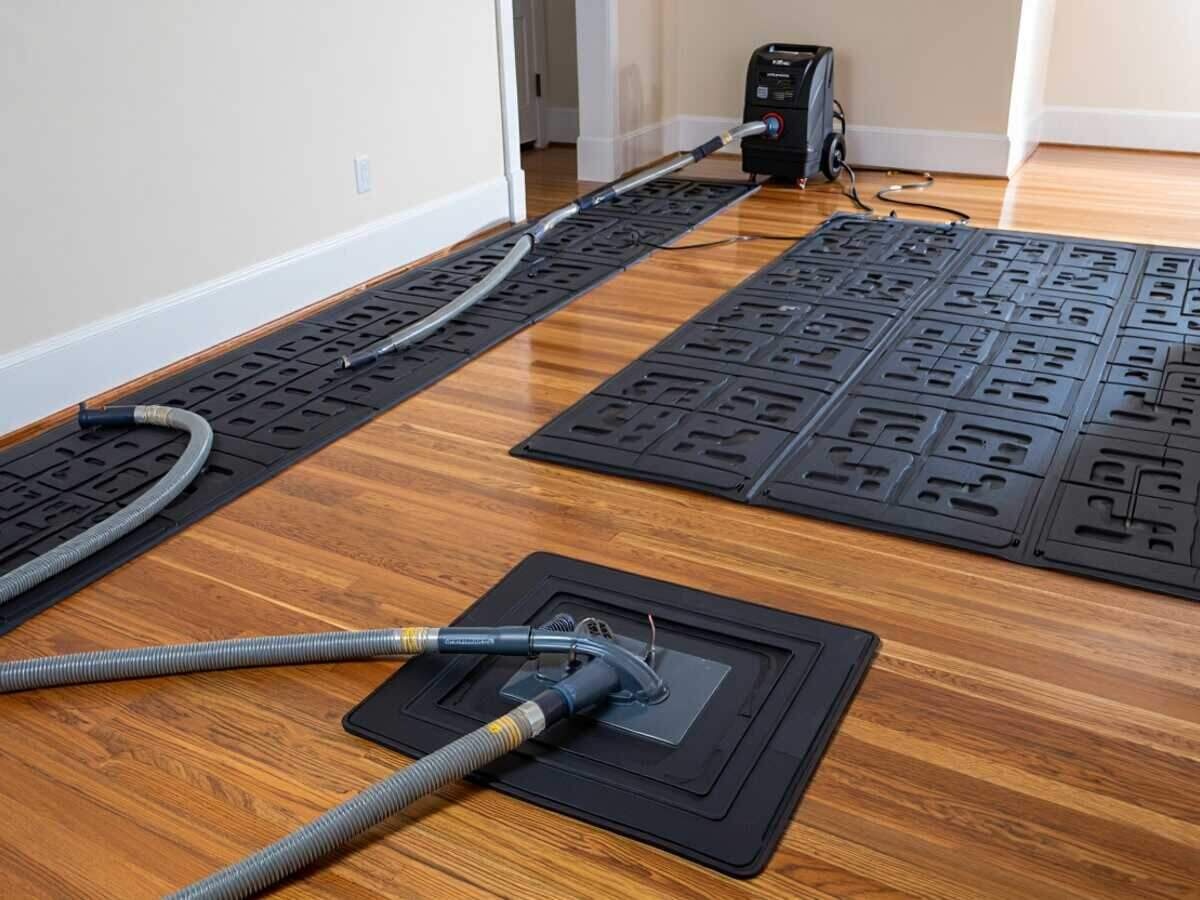
Air movers and dehumidifiers run while we track moisture daily to dry standard.

4

Repair & Reinstall

Drywall, texture, trim, and paint go back so the room reads finished.

Insurance-savvy from the first call

Documented to claim standard from the first hour

We document the loss to claim standard from the moment we arrive — photos, moisture readings by room, and a scope that maps to your policy. Then we bill your insurer directly for the covered work.

See how claims work in Texas

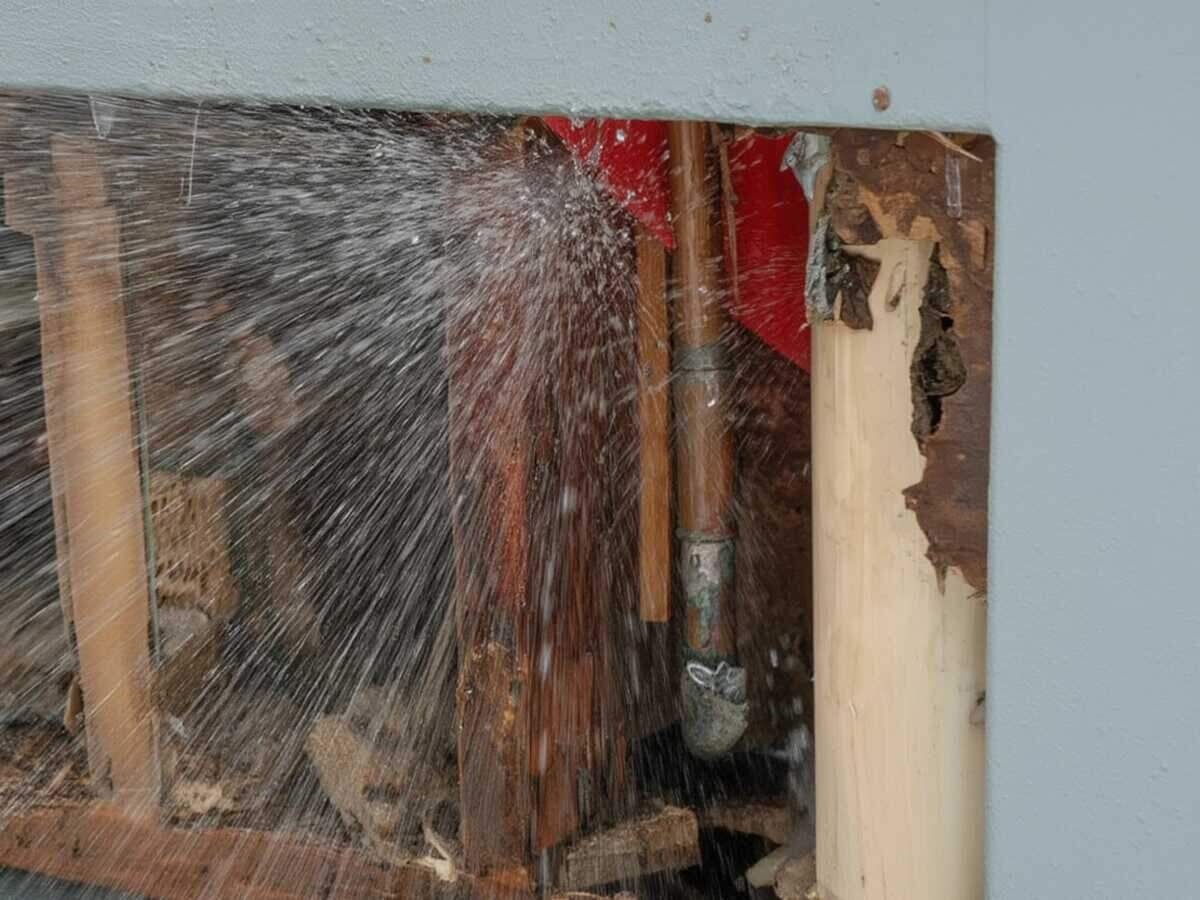
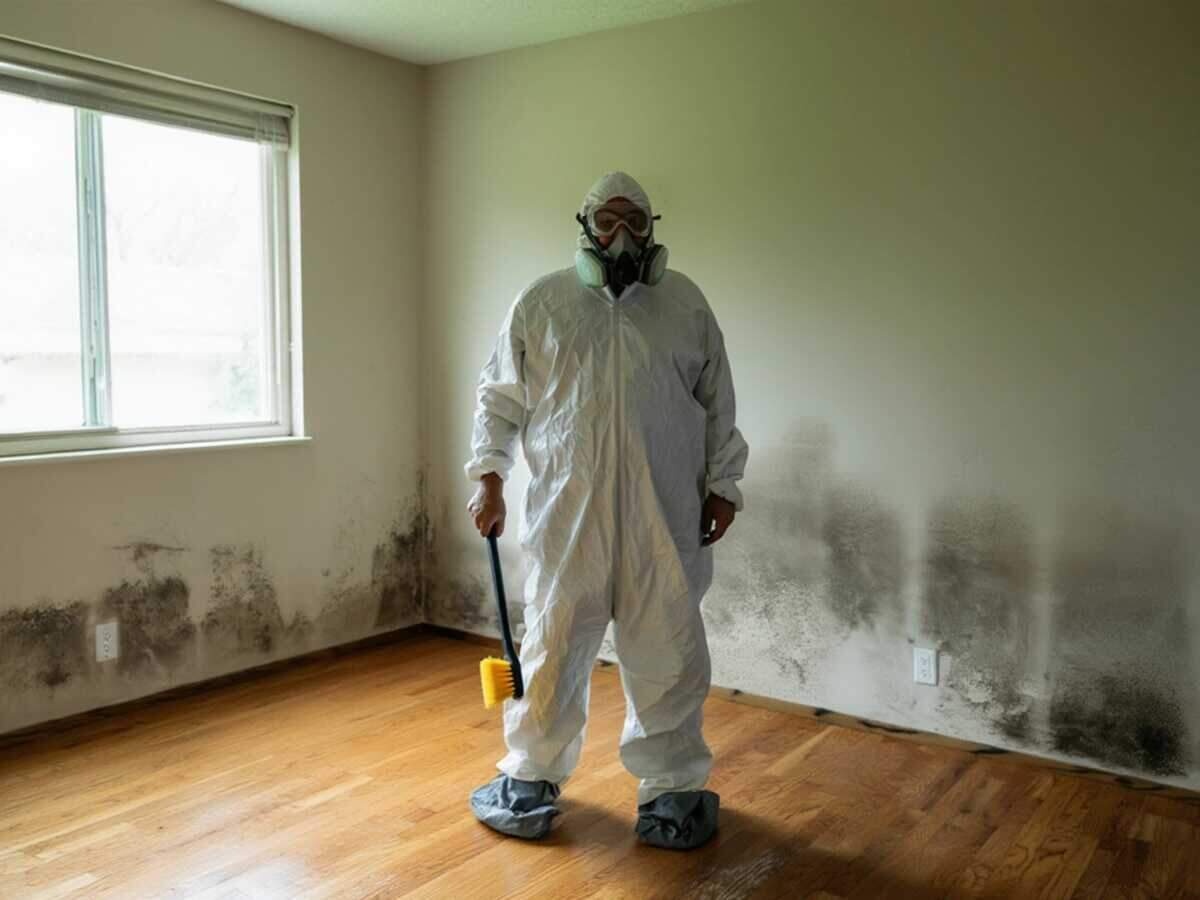
Mold removal in an older Lago Vista house is mostly a containment problem, and the reason for that is inside the walls. A good share of the stock out along Lohman Ford, and on the side streets climbing off Bar K Ranch Road, went up in the 1970s, when a stud bay was not routinely blocked and every trade that came through cut a hole in the top plate and moved on. The cavity you are standing in front of is connected to the attic. Sometimes it is connected to the bay in the next room.

So the growth runs past the stain, and a crew that seals the room and starts cutting has sealed half of it. Air still moves through the wall, and it takes spores with it. We treat the cavity as part of the containment: openings at the top plate get closed off, the room is held under negative pressure, and the pressure difference is set so the wall draws into the work area instead of pushing into the attic. HEPA scrubbers run the whole time anything is open.

Finding the edge before the saw comes out

Surface readings on old paneling and thick painted plaster tell you very little, so we take them inside the bay: a small hole low in each stud space, a pin probe or a borescope through it, and the number written on the wall in pencil. That is the map the cut line follows. Once the barrier is up, ruined board, paneling, and slumped batt insulation leave bagged, sound framing is HEPA-vacuumed and treated, and the leak that started it gets dried and read again the next day.

  • Readings taken inside the stud bay, not off a painted surface
  • Top-plate and chase openings sealed so the cavity cannot vent into the attic
  • Colonized paneling, board, and insulation bagged inside the barrier
  • The source dried to a number, then read again after a night with the equipment on
Mold removal in Lago Vista, TX

The leak and the growth it fed usually sit on one claim, so we keep one file: dated photos from before the barrier went up, readings by room and by day, and a written scope of what came out and why. We report what the meters say. Whether it is covered is a call your carrier makes, not us. Call (512) 271-5099 and tell us how that wall is finished and what the room smells like.
Good to know

Frequently asked questions

Does the paneling have to come off?

Where the growth is behind it, yes. Wood paneling and the adhesive holding it hold moisture against the drywall, and there is no cleaning the back face of a sheet that is still on the wall. It comes off inside the containment, in pieces, and it does not go back up. If only one bay is affected in a paneled room, we take what the readings and the growth cover plus a margin, not the whole room.

That wall is open to the attic. Is the rest of the house contaminated?

Almost certainly not, and we would rather not sell you a whole-house job. An open cavity means air moved between that bay and the attic, so the attic side and the adjoining bays get checked with readings before anything is decided. Growth generally stays near the water. If the numbers say otherwise you will see them, and if they do not, we say so and keep the zone small.

We are only at the house on weekends. Can the work run while we are gone?

Yes, with access sorted up front: a way in, permission to run equipment on your power, and someone reachable for decisions. Photos go out at the end of each visit so you can see the room without driving out, and readings are logged by day. The one thing that cannot wait for a weekend is the source. If the leak is still live, it has to be shut off before anything else starts.

Is any of the old batt insulation worth keeping?

Not once it has been wet inside a colonized cavity. Fiberglass that has taken water holds it against the studs and has no salvage value, so it is bagged out with the drywall and replaced at rebuild. The framing behind it is a different story. Solid old lumber usually cleans up, gets HEPA-vacuumed and treated, and stays in the wall.

Water damage won't wait

Growth in an older Lago Vista wall runs past the stain

Tell us which room smells and how the wall is finished, paneling, plaster, or drywall. We take readings inside the cavity, seal the chases before anything is cut, and remove the growth along with the material that fed it. Everything is written down as we go, because the claim needs it.

Call (512) 271-5099 Available 24/7 · Austin metro