



Roof Water Damage Repair in Kyle, TX

The roof is barely a decade old and the shingles are fine. The water is getting in where the second-story wall meets the garage roof, running down inside the wall, and surfacing as a damp baseboard in the room below.

Call (512) 271-5099 Answered live, 24/7Nights, weekends, holidays
  • We bill your insurer directly
  • IICRC-certified crews
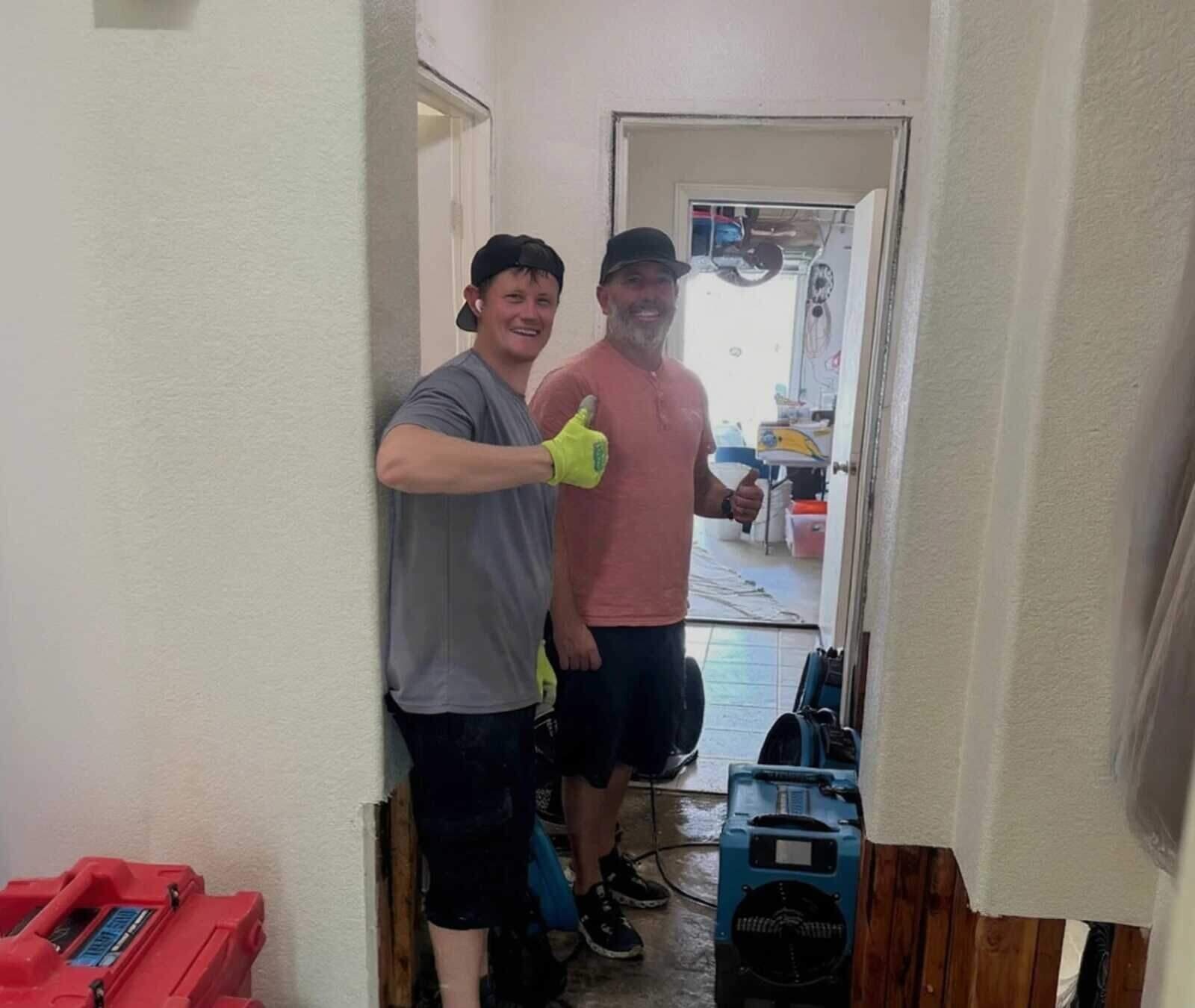
Local water damage crew working in an Austin-area home with air movers and a dehumidifier
Our crew · Austin metro
Why Kyle homeowners call us

A local crew that shows up and does it right

Dried to a reading Equipment stays until the material meters dry, not until the surface feels dry.
One crew, start to finish The same local crew from the first extraction to the final repair.
No surprise line on the bill Equipment days and demolition are priced before the work happens, not discovered on the invoice.
Local Austin crew Dispatched from the north metro, never routed through an out-of-state call center.
Certified & accredited
IICRC Certified firm Indoor Air Quality Association member Certified and licensed water damage restoration Certified and licensed mold remediation and removal
How it works

Our restoration process

Four steps, starting the moment you call.

1

Call & Dispatch

Tell us what happened. A local crew is dispatched on the call, and how fast we reach you depends on traffic and where you are.

2

Extract & Stabilize

We stop the source, pump out standing water, and set drying equipment.

3

Dry & Monitor

Air movers and dehumidifiers run while we track moisture daily to dry standard.

4

Repair & Reinstall

Drywall, texture, trim, and paint go back so the room reads finished.

Insurance-savvy from the first call

Documented to claim standard from the first hour

We document the loss to claim standard from the moment we arrive — photos, moisture readings by room, and a scope that maps to your policy. Then we bill your insurer directly for the covered work.

See how claims work in Texas

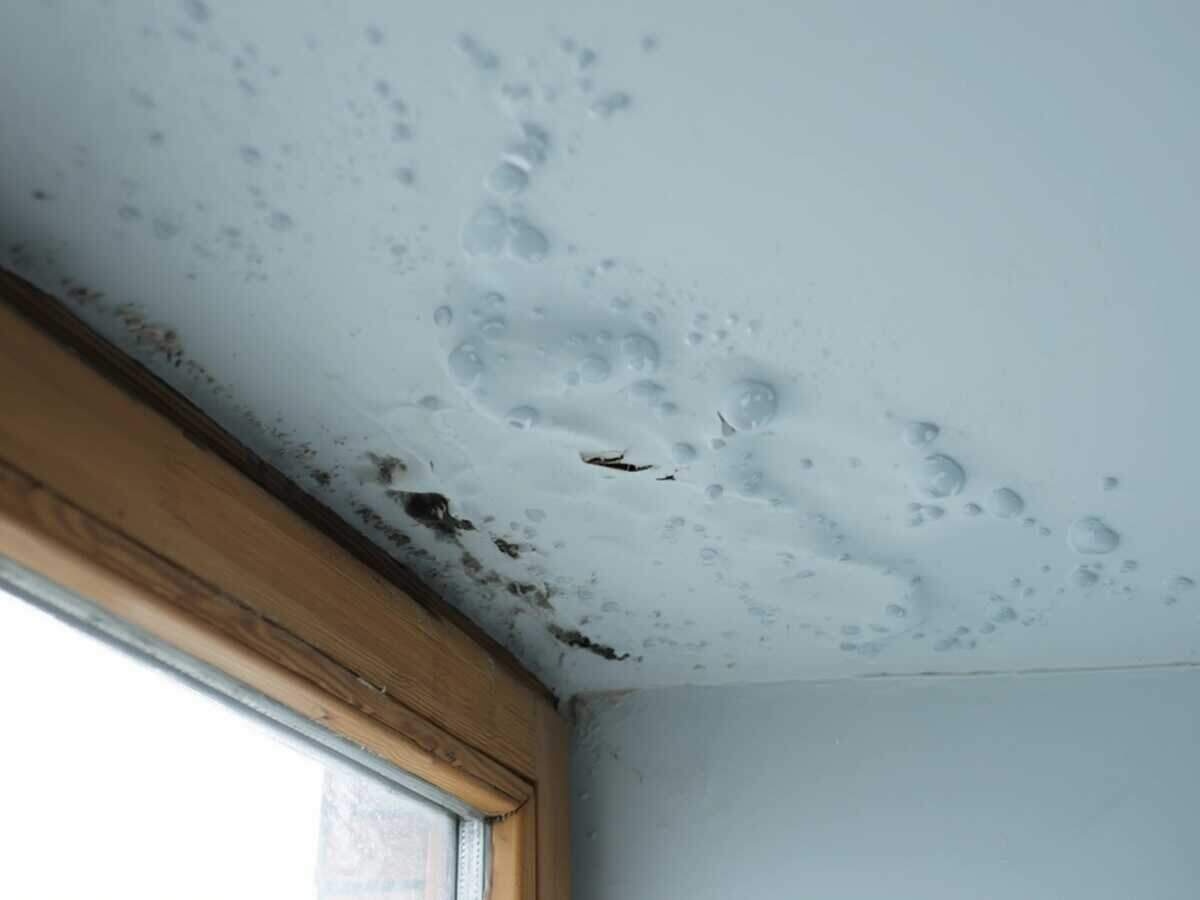
Roof water damage repair on a young Kyle house is a flashing problem outside and a wall problem inside. The shingles on these roofs have years left, so the leaks we get called to sit at the junctions: where a second-story wall drops onto the garage or entry roof, around a chimney chase, in a valley where two planes meet. Wind-driven rain pushes up and behind step flashing at those seams in a way that ordinary rain never does.

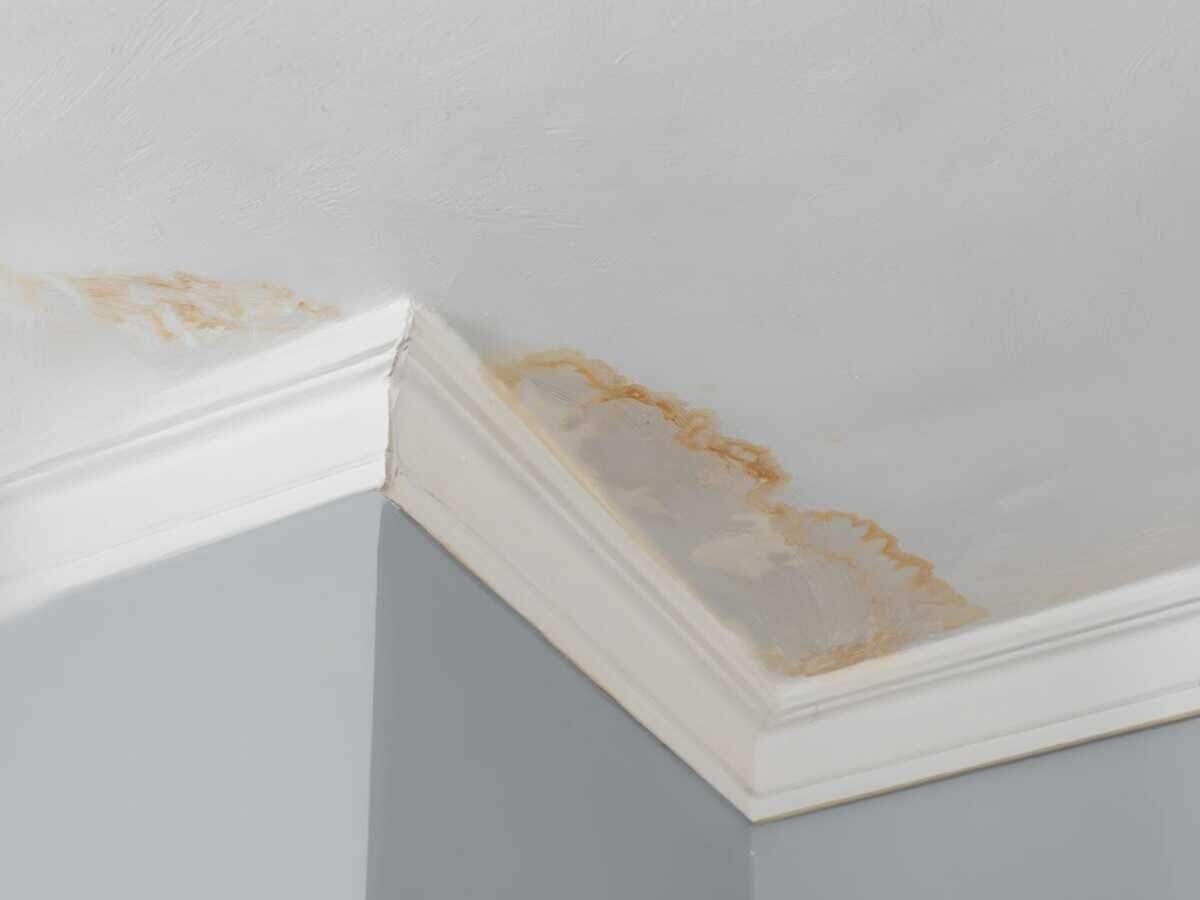
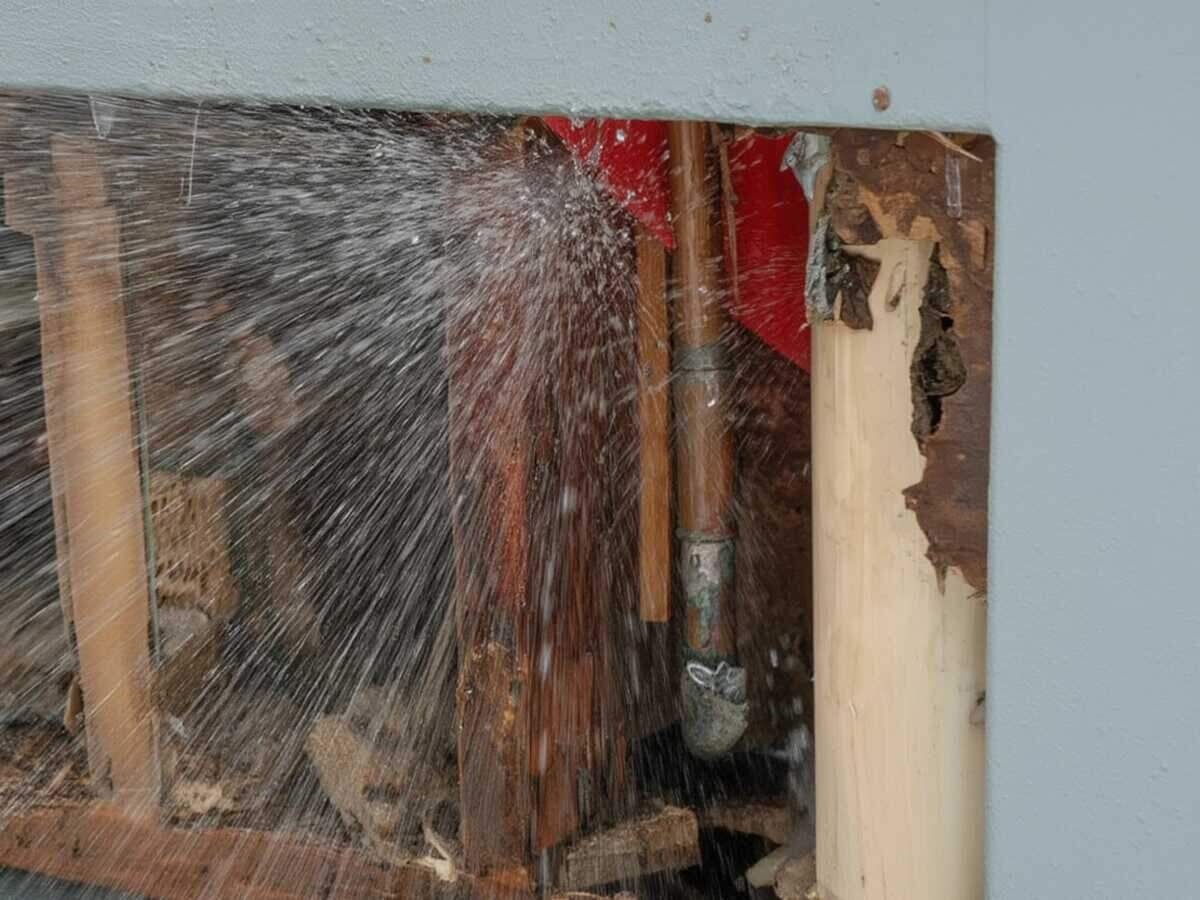
The inside path is what makes them hard to find. Water entering at a wall-to-roof junction does not go into the attic and does not stain a ceiling. It goes into the wall cavity and runs down the framing to the bottom plate, so the first sign is a baseboard that feels cool, a bubble in the paint at floor level, or a carpet edge that is damp against the wall. People look up for a leak that is arriving from behind them.

Finding water that never touched a ceiling

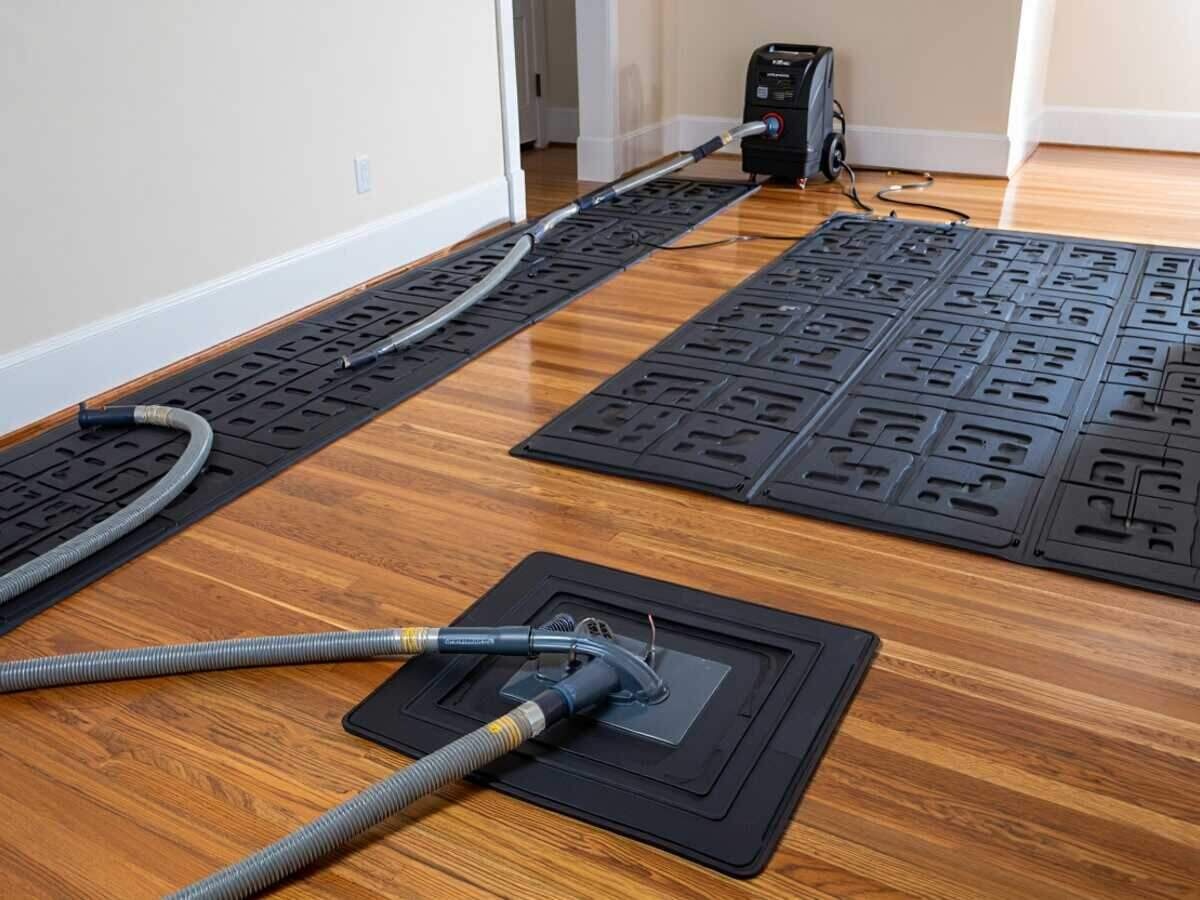
We read the wall from both floors and from both faces where we can reach them, using a thermal camera to find the cold column and a pin meter to confirm it is water rather than shade. The opening goes in low, where the water is standing on the plate, because that is where the damage is and it is the smallest cut that reaches it. Wet batt comes out, air goes into the cavity, and the framing is read daily until it holds a dry number. The flashing itself is a roofer's work, and we schedule our end so the wall closes after the outside is sealed.

  • Thermal imaging and pin readings on both floors, inside and out where accessible
  • The cut made low at the plate, where trapped water actually collects
  • Wet batt insulation out, the cavity dried with air pushed in and read daily
  • Our work timed to follow the roofer, so nothing closes over a live leak
roof water damage repair in Kyle, TX

If the attic took water as well, that side gets handled on the same job: matted insulation out, decking and top plates dried, and the ceiling below opened where the readings call for it. Call (512) 271-5099, storms and weekends included, and we will tell you what can start before the roofer gets there.
Good to know

Frequently asked questions

There is no ceiling stain. Can it still be the roof?

Yes, and that is the version that runs longest before anyone catches it. Water entering at a wall-to-roof junction stays inside the wall the whole way down and surfaces at the baseboard, so nothing ever marks a ceiling. If a wall goes damp only after a storm out of one direction, that is the pattern, and a thermal camera during or right after a rain is the quickest way to confirm it.

Our roofer cannot come out until next week. Do we just wait?

No. If the leak only runs during rain and the forecast is dry, we can open and dry the cavity now and be finished before the roofer arrives. If water is still coming in, we cover the interior entry point and contain it so it stops spreading room to room, then dry once the roof is closed. A week with saturated insulation inside a wall is how a flashing leak turns into a mold job.

Hail came through last spring and nothing leaked until now. Are they related?

Often, yes. Hail rarely punches a hole through a roof. It dents and loosens the metal at flashings, vents, and boots, and those pieces then leak the first time rain is driven at them sideways instead of falling straight down. Months between the storm and the first damp baseboard is normal. It matters for the claim too, so tell your adjuster which storm you think it was and let the roofer document the hail damage.

The wall is wet but the drywall looks fine. Does it have to come open?

Sometimes not. If the insulation is fiberglass and the water has not been in there long, a low line of holes behind the baseboard with dry air pushed into the cavity will get it, and the baseboard covers the repair. Saturated batt, a long-running leak, or blown insulation inside a wall changes that answer, because none of those dry through a small opening. We read it, take the smaller option where it is honest, and cut only what the numbers require.

Water damage won't wait

A Kyle roof leak can soak a wall without ever marking a ceiling.

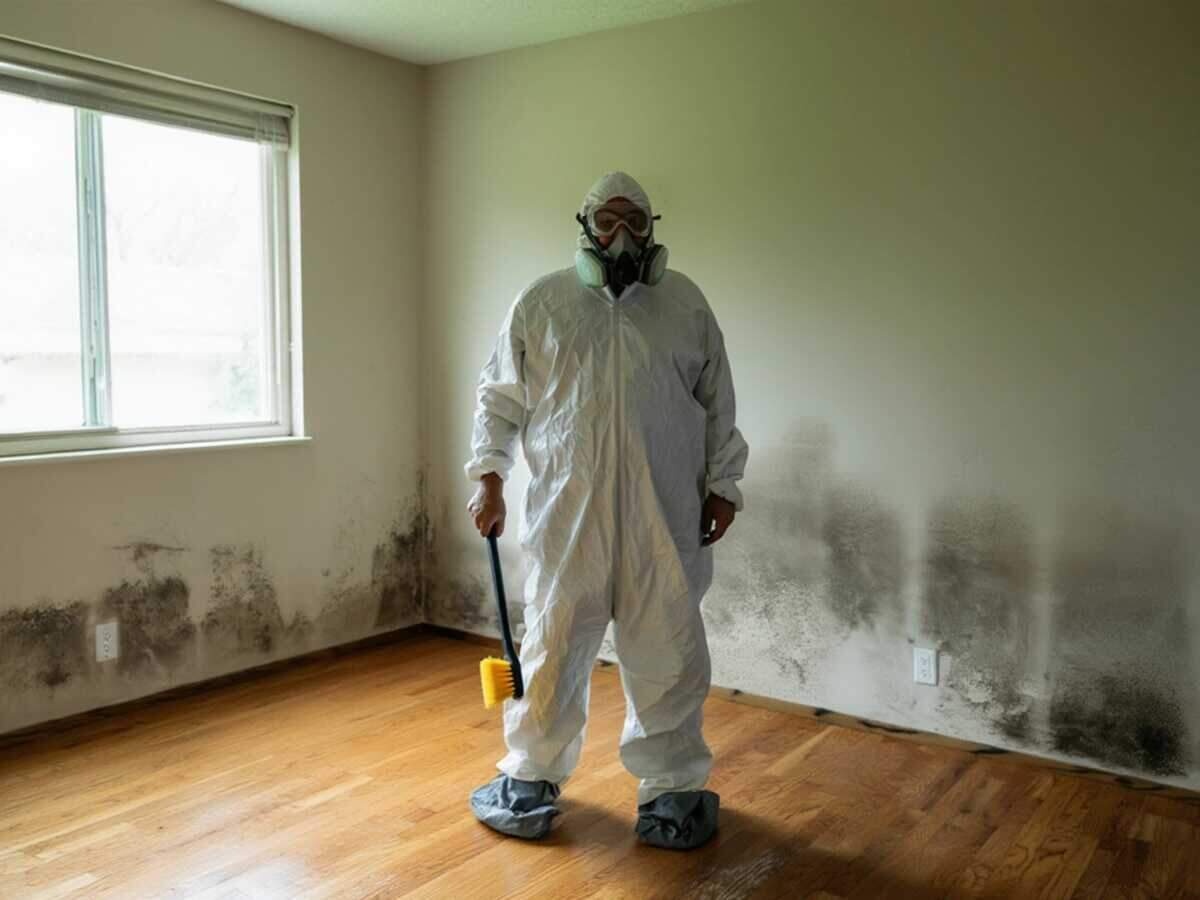
Damp baseboard after a storm, bubbling paint at floor level, a musty smell along one wall: those are the leaks people chase for months. We find the path with a camera and a meter, dry the cavity on daily readings, and rebuild once the roofer has sealed the outside.

Call (512) 271-5099 Available 24/7 · Austin metro