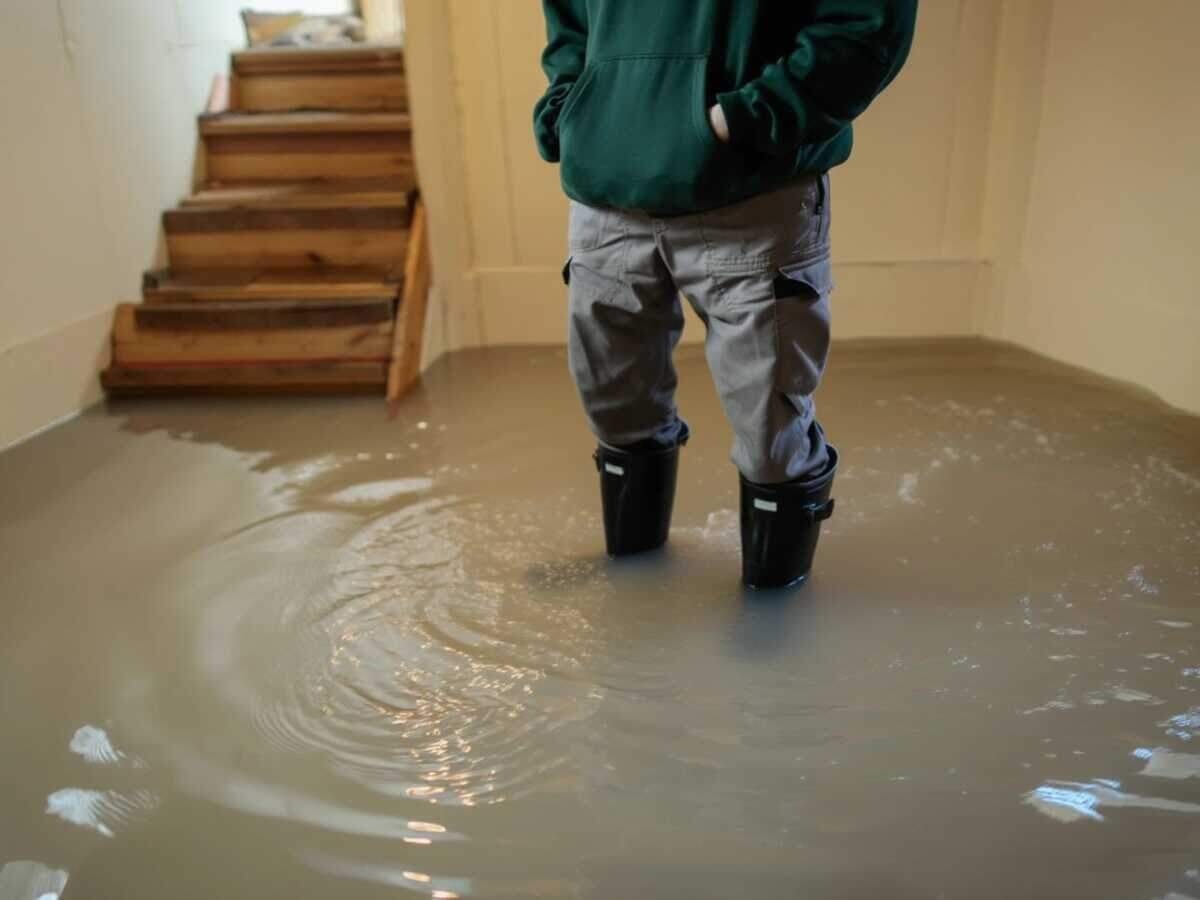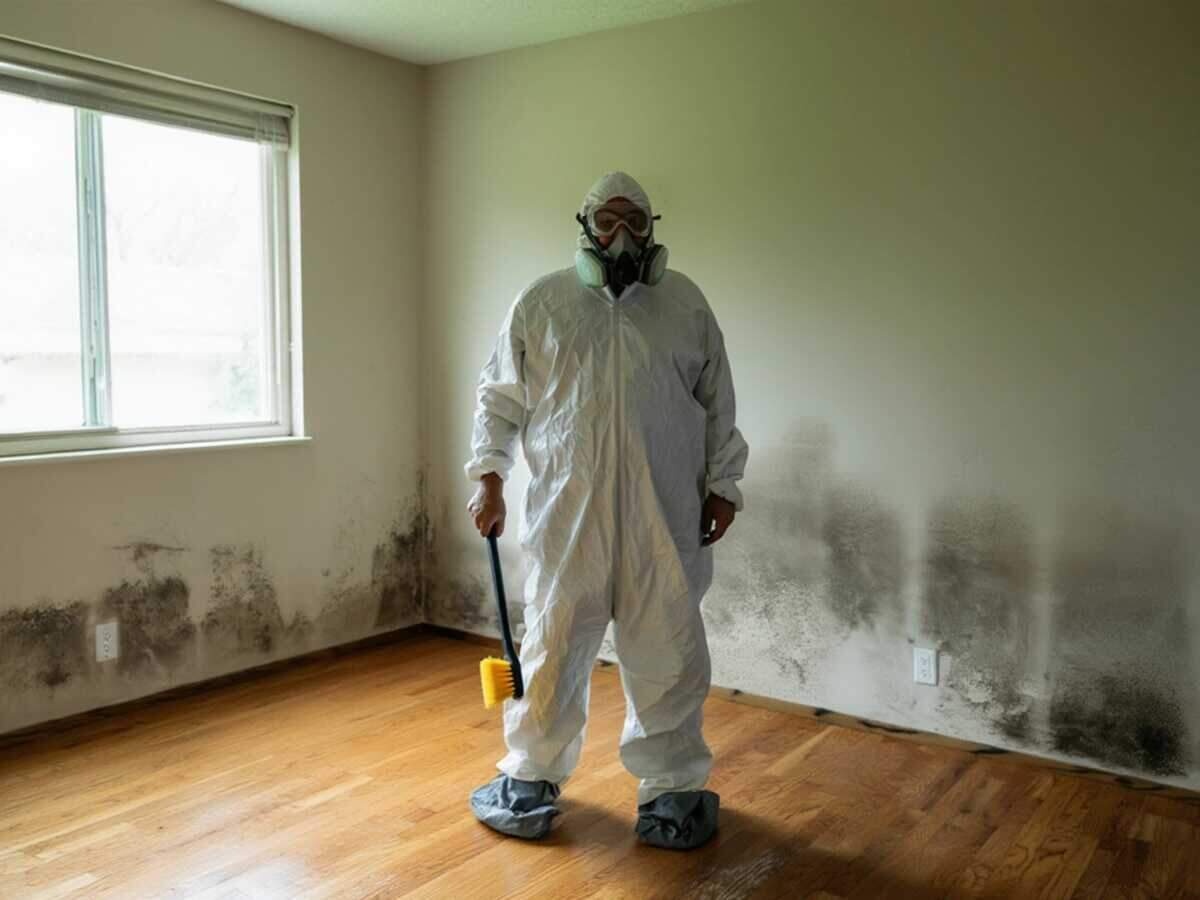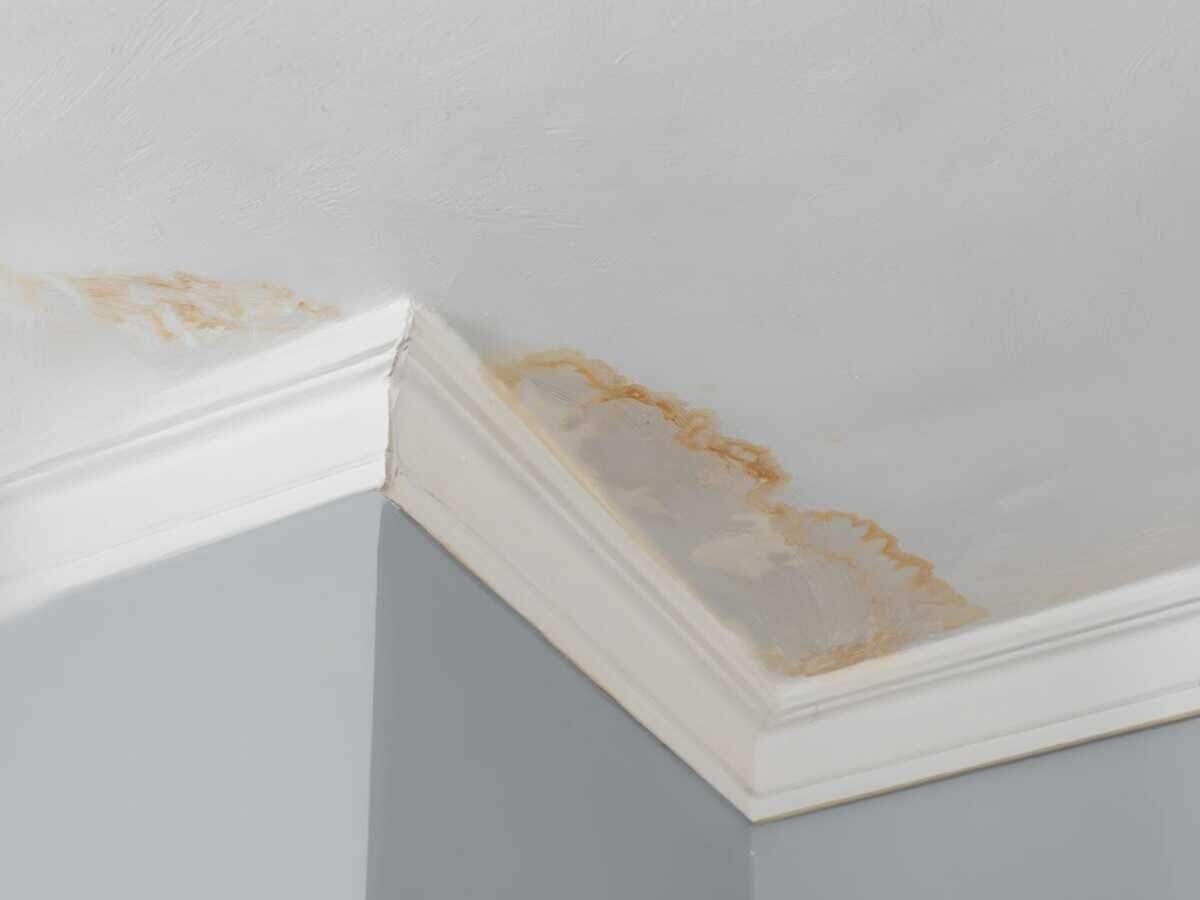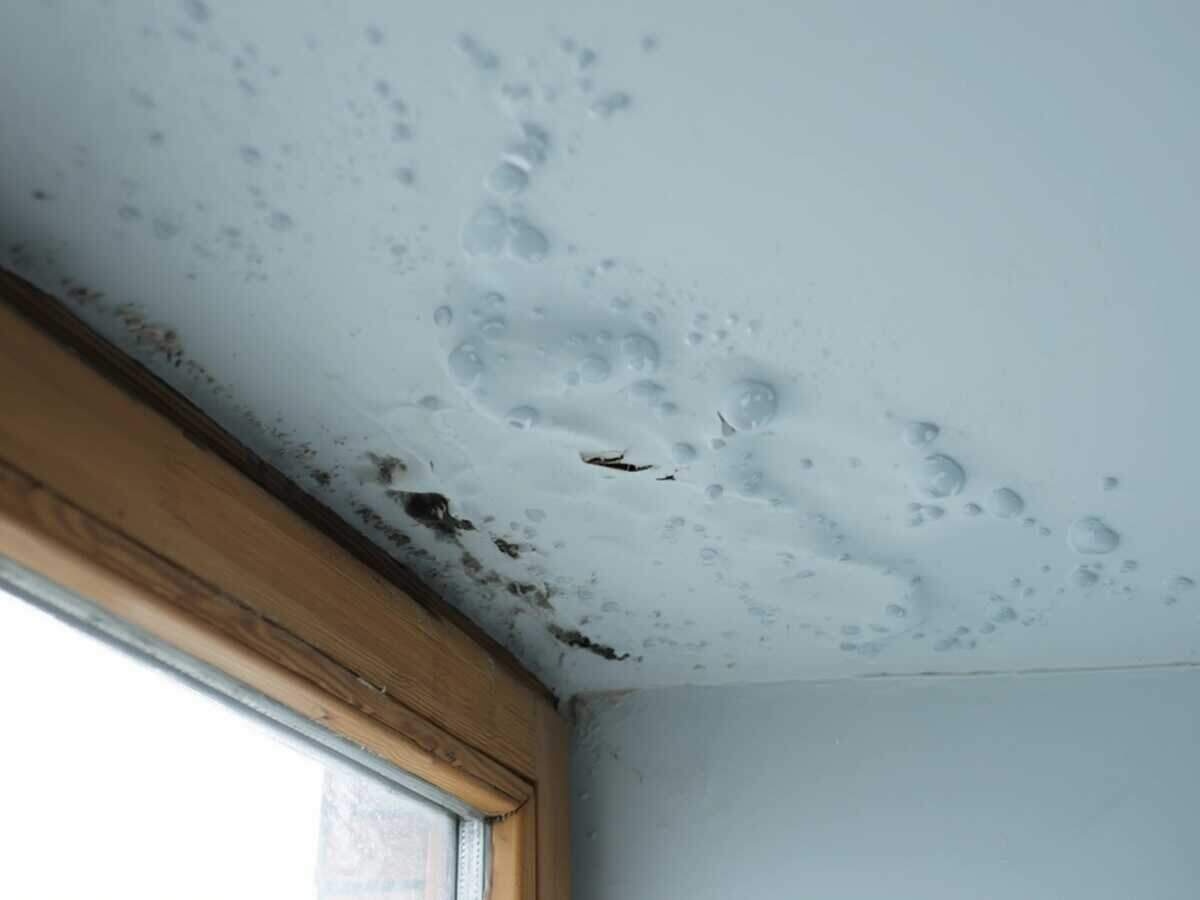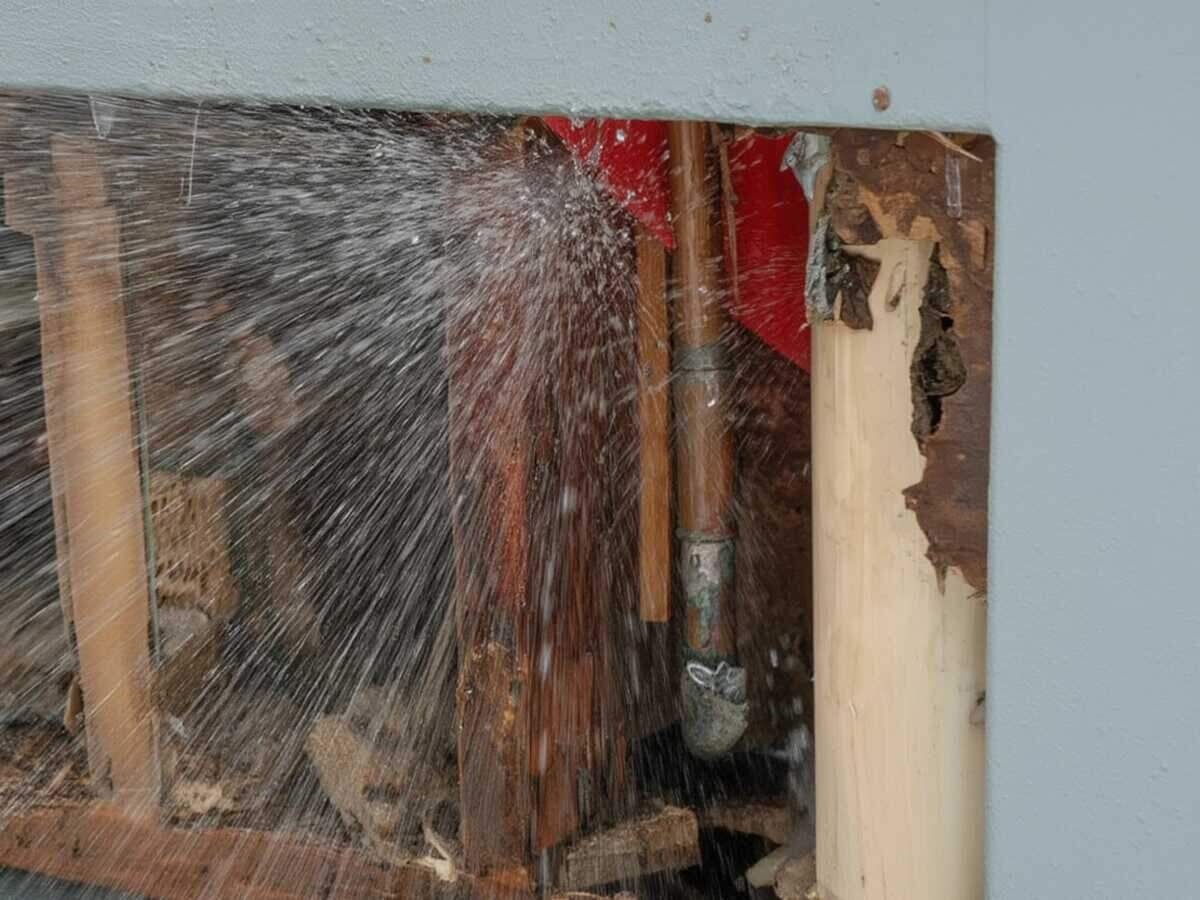




An emergency water damage call out of Kyle starts working before anyone gets there. The technician who picks up is not taking a message. The first thing on that call is stopping the water, whether that is an angle stop under the fixture, the valve on the cold side of the heater, or the main, and after that it is what to lift, what to unplug, and what to leave alone. All of it happens while a crew is already on the road.
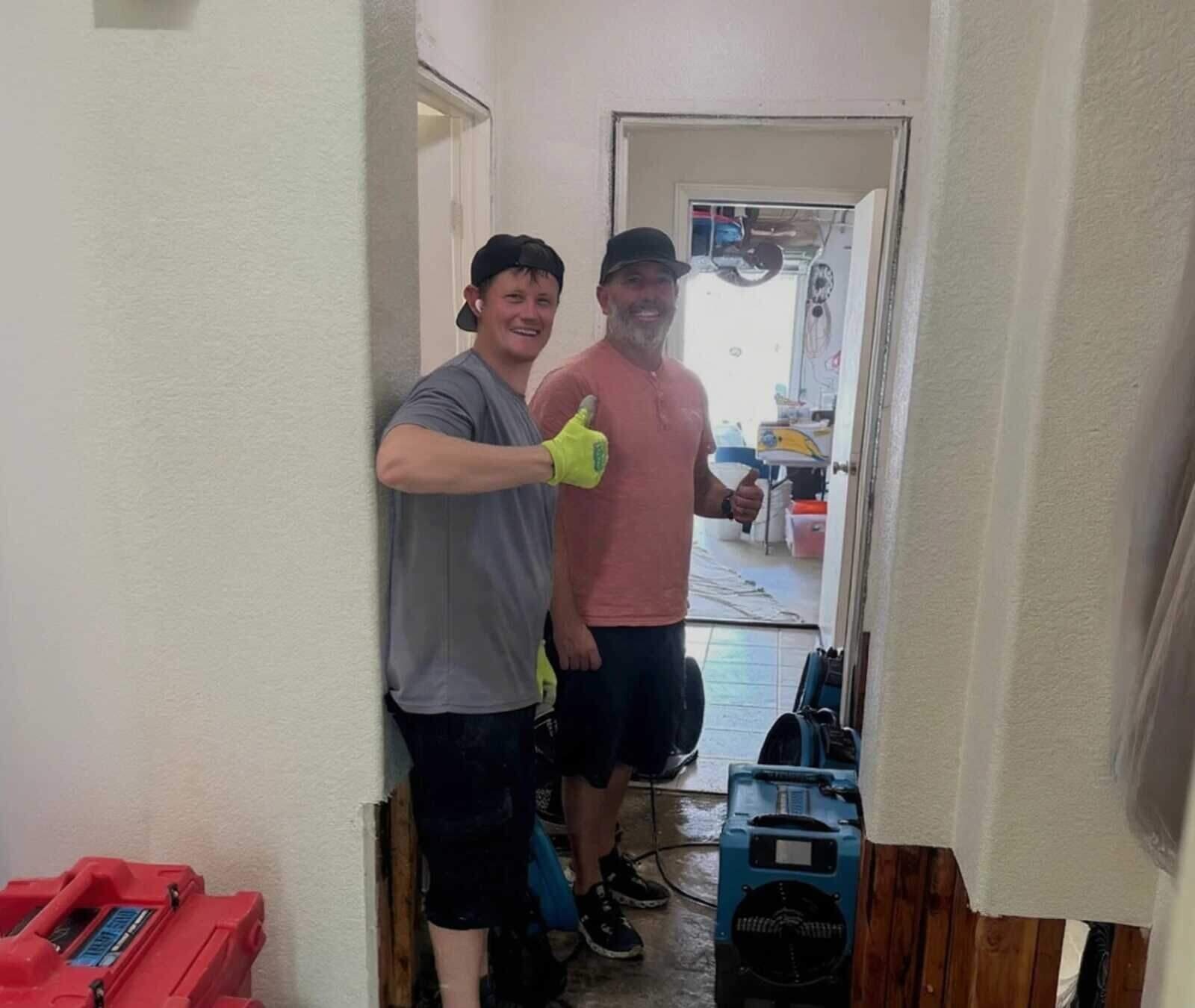
We are honest about the distance. The crew is coming from the north side of the metro, and that is a highway run rather than a few blocks. What it changes is how we load: everything a first visit could need rides on one truck, extraction, drying equipment, and the tools to open a wall or a ceiling, because turning around for a second load out of Kyle costs the better part of two hours, and those are exactly the hours that decide what gets replaced.
What the first visit is for
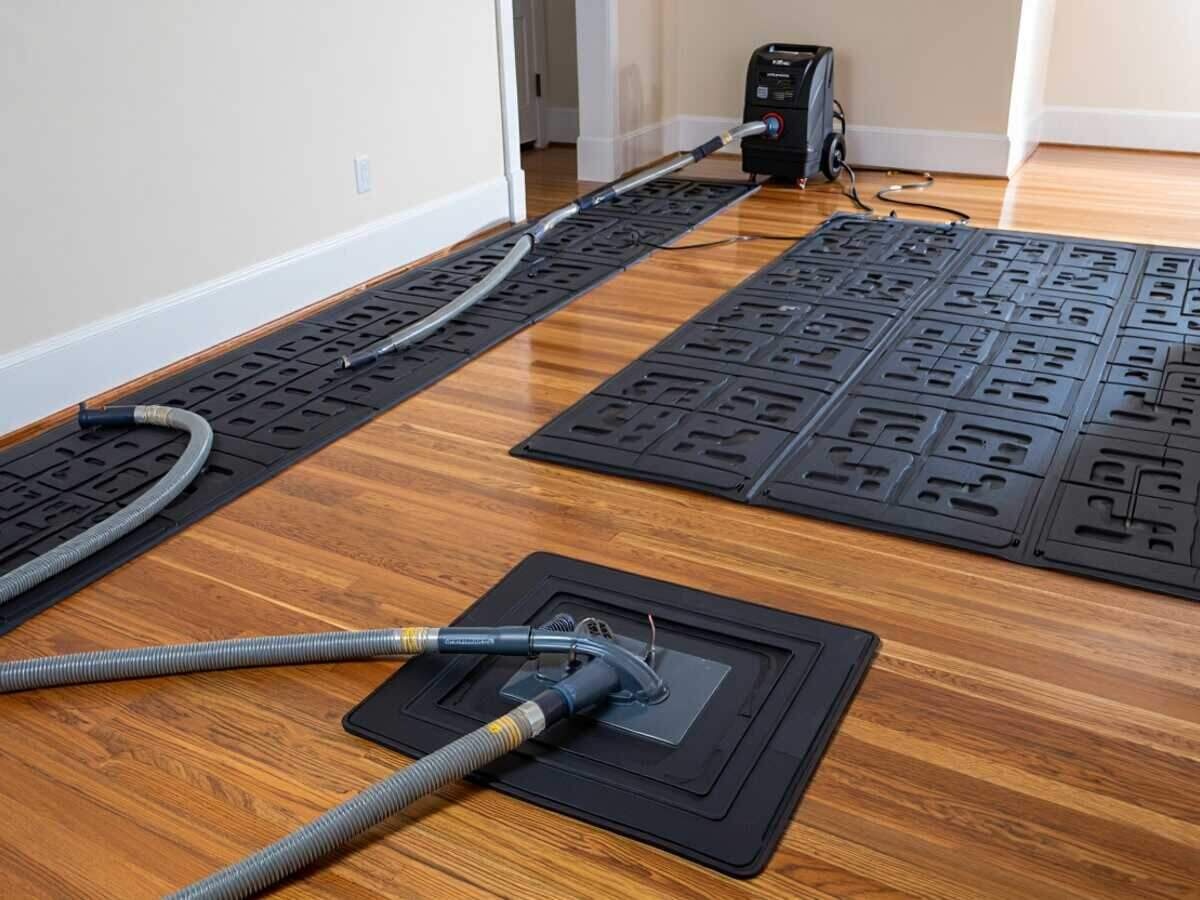
Stabilizing, not finishing. We confirm the source is off, extract every gallon we can reach, open the places where water is trapped somewhere it cannot dry, and set air movers and dehumidifiers sized to the rooms. Everything is photographed on arrival and metered room by room, because the file an adjuster reads later starts with what the house looked like before we touched it. Repairs, texture, and paint are daylight work, and they happen after the structure reads dry.
- A live technician on the line, working the shutoff with you before the crew arrives
- One loaded truck, so extraction and drying both start on the first visit
- Trapped water opened up rather than sealed in to dry on its own
- Arrival photos and room-by-room readings, dated, for the claim file
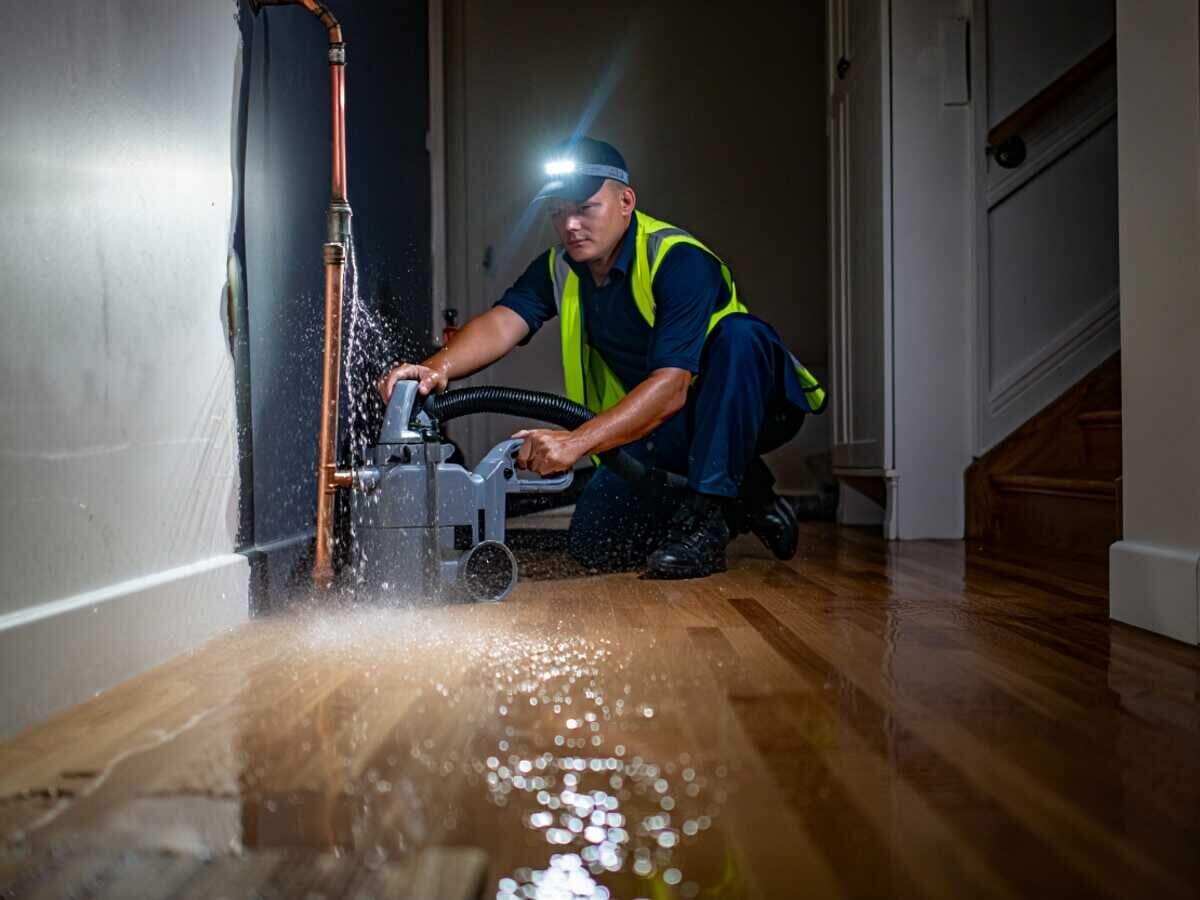
Do not wait for the plumber to finish before you call us. The drying clock started when the water did, and the two trades work fine in parallel; we have spent plenty of nights extracting in one room while a plumber cut into the next. Call (512) 271-5099 the minute you find it.